

From Eve
Know before you go
Hi, I'm Eve. Here are a few practical things to know before exploring The Oratory.
Local know-how to help you travel smarter and make the most of every moment.

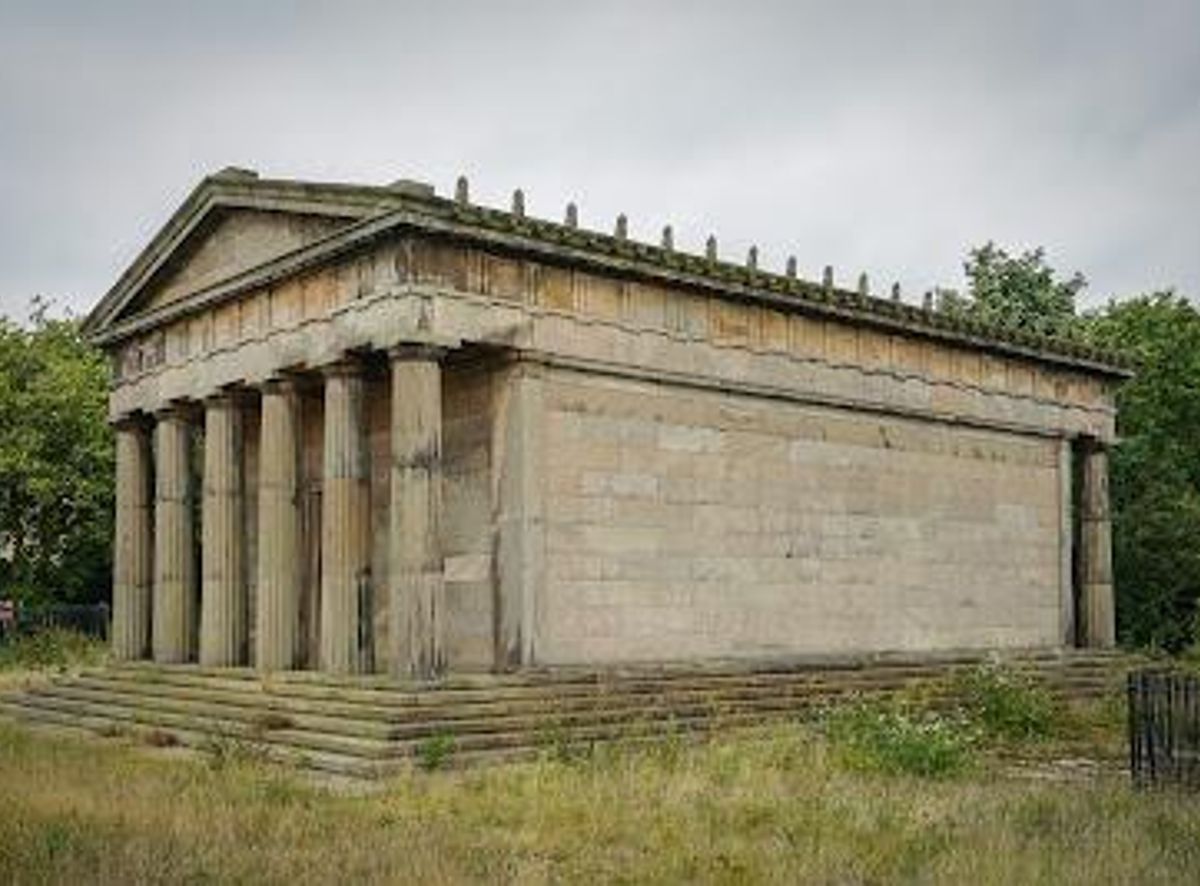
A solemn Greek Revival chapel in Liverpool, The Oratory stands as a timeless tribute to Victorian funerary art and architecture.
The Oratory in Liverpool is a striking example of Greek Revival architecture, originally built in 1829 as the mortuary chapel for St James's Cemetery. Designed by John Foster, it served as a place for funeral services and a cenotaph housing notable 19th-century monuments. Nestled near Liverpool Cathedral, this solemn and elegant structure evokes the city’s rich Victorian heritage and architectural grandeur.
Opening times, essentials, and a few local tips gathered into one calmer, easier-to-scan planning section.
Hi, I'm Eve. Here are a few practical things to know before exploring The Oratory.
Local know-how to help you travel smarter and make the most of every moment.

St James Memorial Cemetery: Liverpool’s Historic Urban Sanctuary
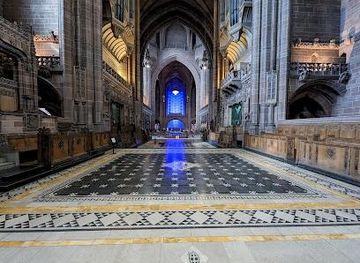
Liverpool Anglican Cathedral: A Monumental Gothic Masterpiece

Liverpool Institute for Performing Arts: A Hub of Creativity and Heritage
Bus
Take local bus services 17 or 86 from Liverpool city center to the stop near Liverpool Cathedral; from there, The Oratory is a short 5-minute walk. Bus journeys typically take 10–15 minutes and cost around £2.50 per adult.
Train
Arrive at Liverpool Lime Street Station, then take a taxi or a 20-minute walk through the city center to The Oratory. Taxi fares are approximately £6–£10 depending on traffic.
Walking
From Liverpool Cathedral, The Oratory is a brief 5-minute walk across mostly flat urban terrain, suitable for most visitors including those with limited mobility.
 Restrooms
 Seating Areas
 Information Boards
Catch the right light and the right mood, whether you want a bright city moment or a more cinematic evening visit.


Use Tower Bridge as your starting point for nearby food, family ideas, nightlife, and more local discoveries.
A quick look at seasonal patterns and peak visiting hours.

Explore expert travel guides, compare and book tours, experiences, hotels, and more—all from the palm of your hand. Download now for seamless trip planning wherever your wanderlust takes you.
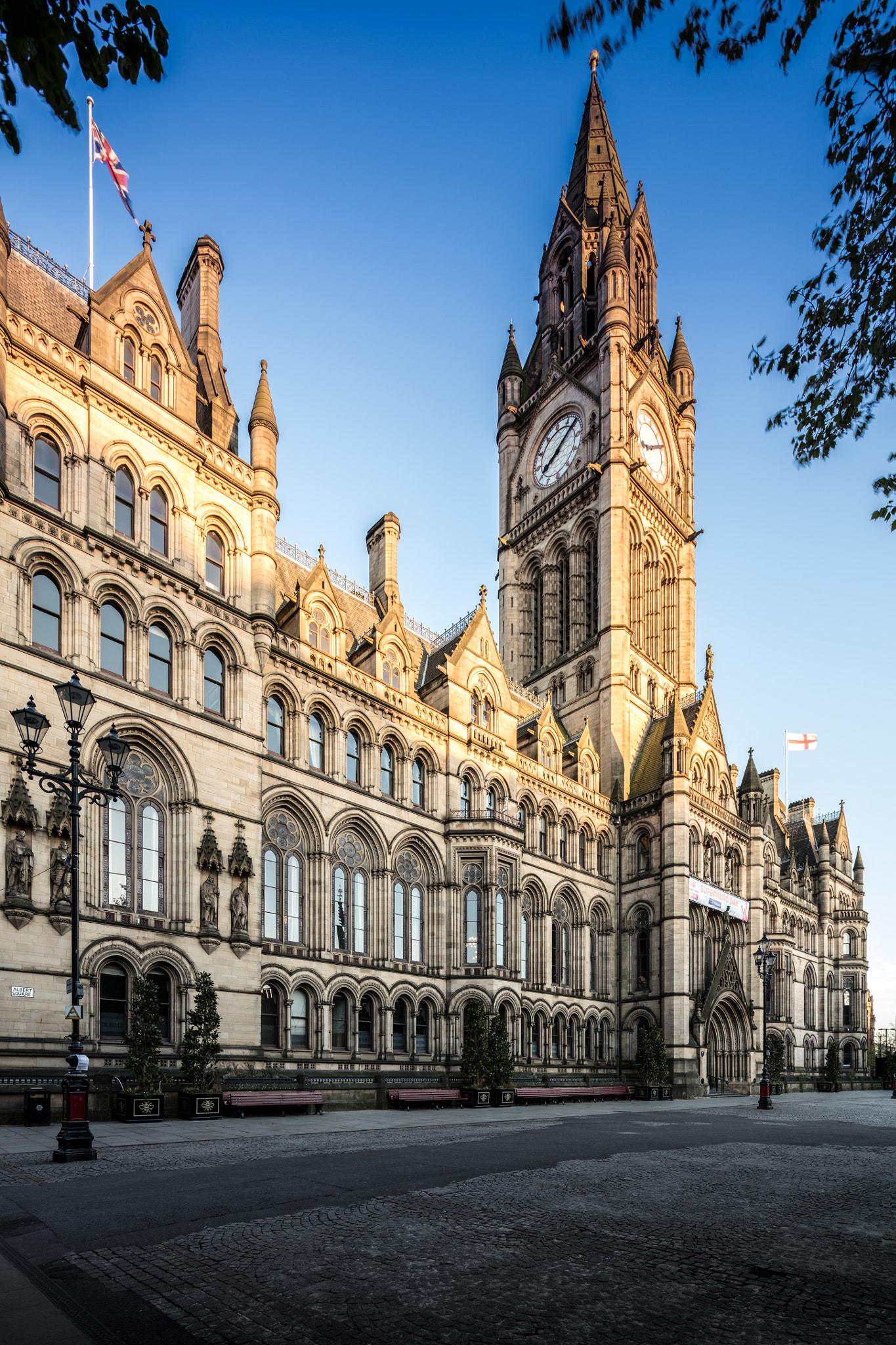
Discover Manchester, the dynamic city where industrial heritage meets modern culture, offering a unique blend of history, sports, music, and gastronomy in Northern England.
Tell me more about Manchester


