

National Monument - Cork, Cork Travel Guide
Free Guide: A striking Gothic revival monument in Cork city honoring Irish patriots and the enduring spirit of independence.


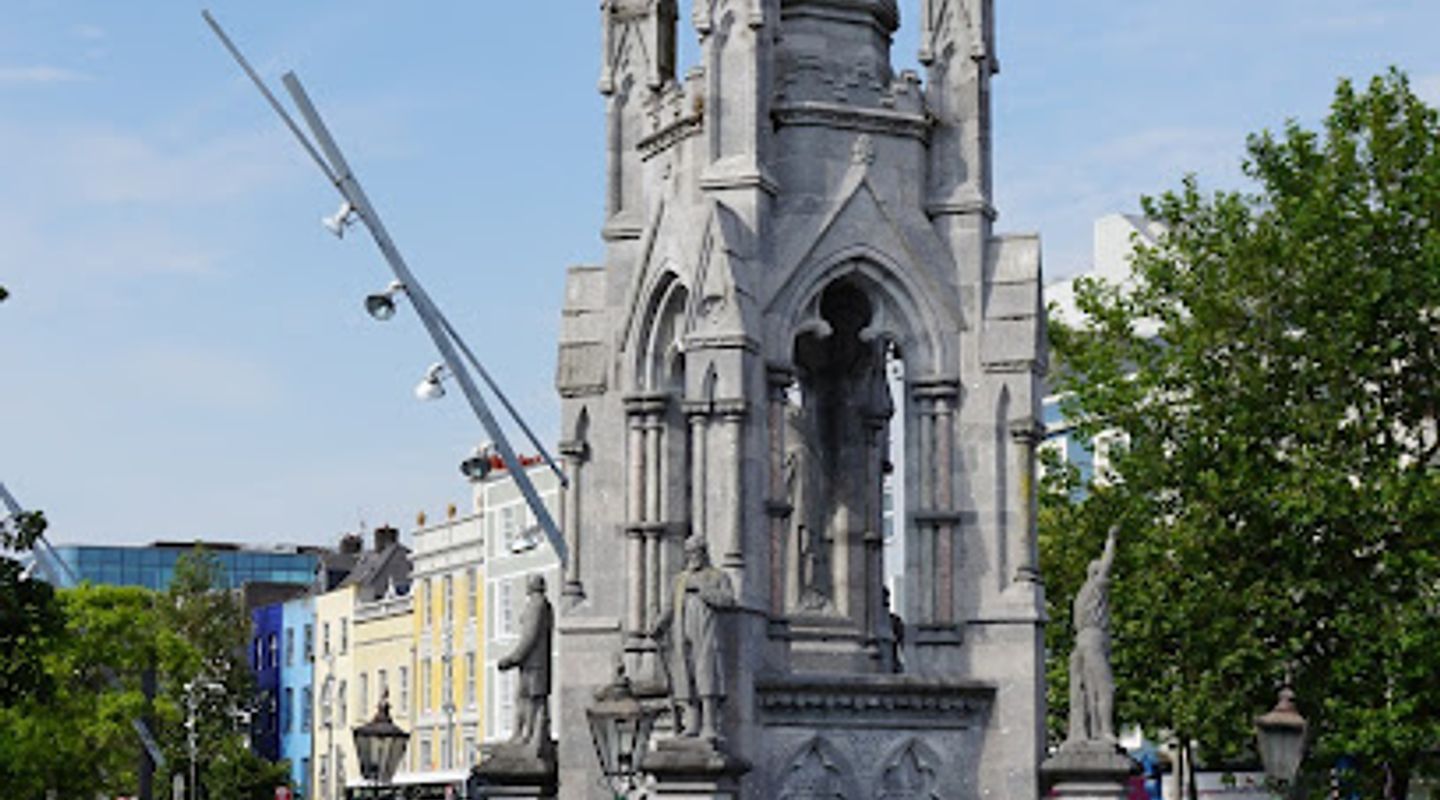
A brief summary of National Monument - Cork
A striking Gothic revival monument in Cork city honoring Irish patriots and the enduring spirit of independence.
Located at 48 Grand Parade in the heart of Cork city, The National Monument commemorates Irish patriots who fought in the rebellions of 1798, 1803, 1848, and 1867. Erected in 1906, this Gothic revival structure features intricate stone carvings, statues of key figures like Wolfe Tone and Michael Dwyer, and the central statue of Mother Erin symbolizing Ireland. It stands as a powerful symbol of Ireland’s struggle for independence amidst the vibrant city life.
On-site amenities
 Seating areas
 Information boards
 Trash bins
Opening hours
- Every dayOpen 24 hours
Opening hours as listed on the venue’s Google Business Profile. Hours can change for services and special events, so check with the venue before you go.
- Address
- 48 Grand Parade, Centre, Cork, T12 PY86, Ireland
Getting there
Public Bus
Car
Walking
Discover more about National Monument - Cork
A Historical Tribute in the Heart of Cork
The National Monument stands prominently at the junction of Grand Parade and South Mall, beside the south channel of the River Lee in Cork city centre. Unveiled on St. Patrick’s Day in 1906, it was erected to honor the Irish patriots who sacrificed their lives during the rebellions of 1798, 1803, 1848, and 1867. Financed by the Cork Young Ireland Society, the monument replaced a former statue of King George II, marking a shift from colonial symbolism to national pride. Its presence serves as a reminder of Ireland’s turbulent history and the enduring spirit of its people.
Architectural and Artistic Significance
Designed in an early Irish Gothic revival style by architect Dominick Coakley, the monument features detailed stone carvings and sculptural work by John Francis Davis. At its center under a canopy stands the eight-foot statue of Mother Erin, representing Ireland itself. Surrounding the base are statues of prominent patriots including Wolfe Tone, Michael Dwyer, Thomas Davis, and Peter O’Neill Crowley. The monument’s intricate Celtic symbols and inscriptions narrate chapters of Ireland’s fight for sovereignty, creating a visual history lesson that captivates visitors.
Symbolism and Cultural Importance
The National Monument not only commemorates the well-known leaders but also lists the names of over a hundred lesser-known patriots who contributed to the independence cause. The surrounding plaques display the Cork Coat of Arms, the Four Provinces of Ireland, and symbols linking Ireland to international struggles for freedom. Over the years, it has become a gathering place for political and social events, including commemorations of the 1916 Rising and contemporary demonstrations, reflecting its ongoing role in Cork’s civic life.
Setting and Visitor Experience
Situated in a bustling urban area, the monument offers a striking contrast between the city’s modern vibrancy and its historical legacy. The location at Grand Parade, a lively street near the River Lee and close to landmarks like the English Market and Elizabeth Fort, makes it easily accessible and a natural stop for those exploring Cork. Visitors can appreciate the monument’s artistry while soaking in the atmosphere of a city that embraces both its past and present.
Legacy and Reflection
While the monument predominantly honors male patriots, recent discussions have highlighted the limited representation of women in Ireland’s independence narrative as reflected here. Despite this, the National Monument remains a powerful emblem of national identity and resilience. It invites reflection on the sacrifices made for Irish freedom and inspires a hope that Ireland will continue to strive toward unity and sovereignty.
Nearby Attractions and Cultural Context
The monument’s central location places it near several other cultural and historical sites, including the Triskel Arts Centre, Nano Nagle Place, and the Michael Collins Statue. This proximity enriches the visitor’s experience, offering a comprehensive glimpse into Cork’s layered history and vibrant cultural scene. The National Monument thus serves as both a focal point of remembrance and a gateway to exploring the city’s rich heritage.
Evendo Review Centre
 Google
Guest reviews
Best time to go
Quietest: Jan, Feb & Dec · before 6am or from 11pm
Busy times are Evendo estimates for a typical year, to help you plan. Actual crowds vary with events, school holidays and the weather.
Explore National Monument - Cork on the map
A handpicked selection of must-see spots near National Monument - Cork, mapped for you.
Get your free copy of our complete guide to National Monument - Cork, delivered straight to you.
Everything on this page, from opening hours and how to get there to Eve’s tips and the best time to go, in one PDF you can read offline, print or share.
Already have an account? Sign in
Your National Monument - Cork guide is ready.
We'll send it to · Not you? Sign out

Getting your guide ready…
We are putting together a fresh copy of the National Monument - Cork guide. This can take up to a minute.
This can take a few moments. If your browser asks, choose Allow so the download can start. You'll find the guide in your Downloads folder.
Nothing happened? Download it again
Sorry, the guide is taking longer than usual. Please try again in a minute, or get it by email instead.
Unlock the best of National Monument - Cork
Skip-the-line tickets, guided tours with entry, and walking tours of the area, booked in a few clicks.



Other nearby places you may find interesting
The closest places of the same kind, if this one is not quite what you had in mind.
-
-
-
-
-


Swipe for more places
More to explore near National Monument - Cork
-
 Best experiences near National Monument - Cork
-
 Best hotels near National Monument - Cork
-
 Best landmarks near National Monument - Cork
-
 Best attractions near National Monument - Cork
-
 Best shops near National Monument - Cork
-
 Best restaurants near National Monument - Cork
-
 Best bars near National Monument - Cork


Do you manage this location?
Take control to get all the benefits, like improved information, better appearance, and stronger visibility across AI-powered discovery.
Explore more

Explore more of Cork
Discover Cork, Ireland's vibrant southern city, where history, culture, and natural beauty converge in a lively and welcoming atmosphere.
Explore Cork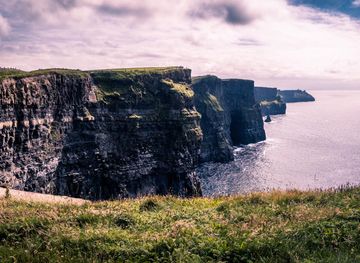
Explore more of Ireland
Discover Ireland: A land of enchanting landscapes, rich history, and vibrant culture, where every corner tells a story and every visit feels like coming home.
Explore Ireland
