Rydal Cave, Cumbria Travel Guide
Discover the captivating man-made slate cavern above Rydal Water, blending industrial heritage with Lake District natural beauty.
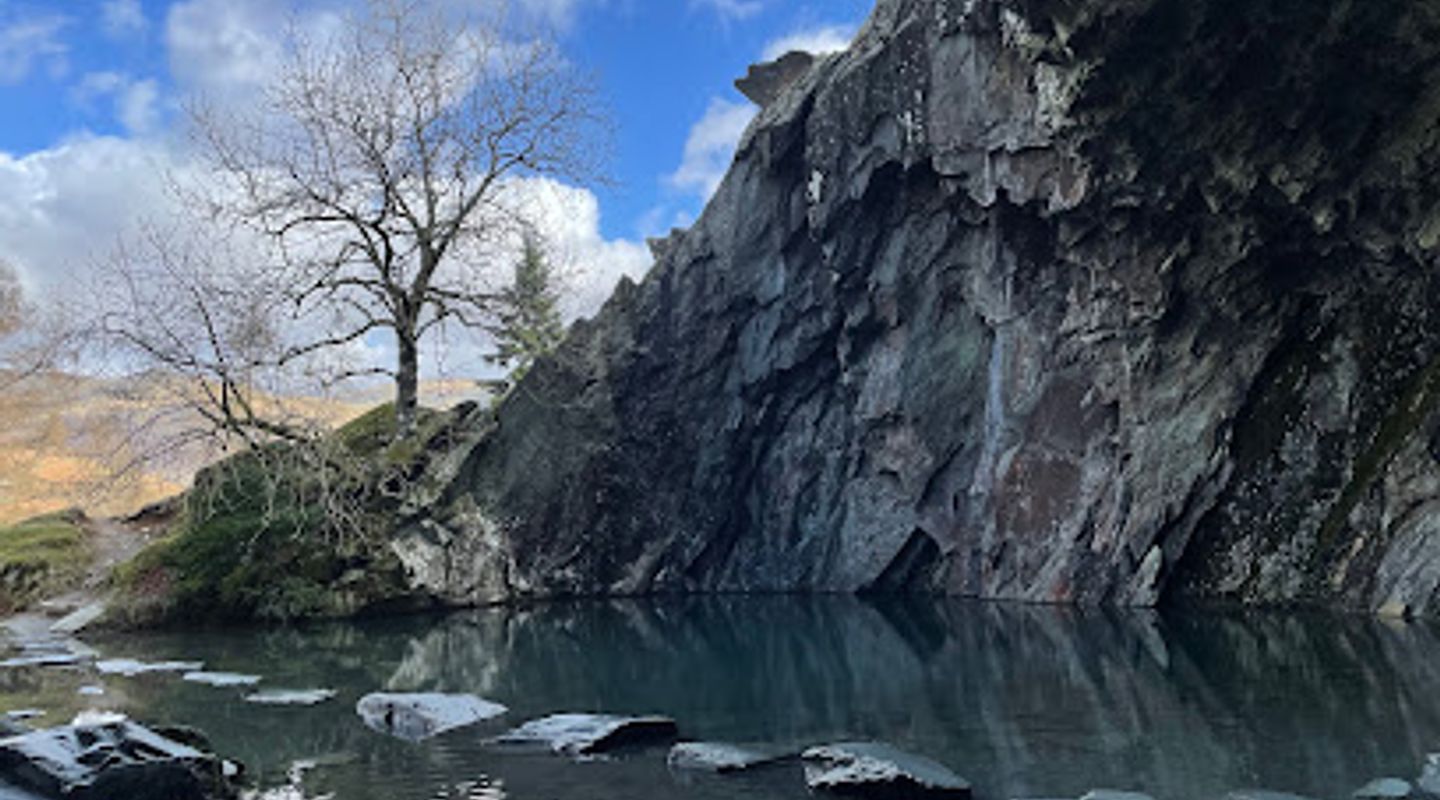
Rydal Cave, near Ambleside in England's Lake District, is a large man-made cavern formed from 19th-century slate quarrying. Set above Rydal Water on Loughrigg Fell, it offers visitors a unique blend of natural beauty and industrial heritage. The cave features stepping stones across a shallow pool at its entrance and a spacious dry floor inside. Open 24/7 with free access, it’s a popular spot for hikers and history enthusiasts exploring the scenic Rothay Valley.
A brief summary to Rydal Cave
- Ambleside, Rydal, LA22 9LW, GB
- Duration: 0.5 to 2 hours
- Free
-
 Outdoor
- Mobile reception: 4 out of 5

Know before you go
Hi, I'm Eve. Here are a few practical things to know before exploring Rydal Cave.
- Wear sturdy boots as the path to and inside the cave is rocky and uneven.
- Bring a torch to safely explore the darker parts of the cave.
- Arrive early to find parking at Pelter Bridge or White Moss car parks, especially during peak times.
- Visit during daylight hours for the best experience and safety.
- Combine your visit with nearby walks to Rydal Water and sites linked to William Wordsworth.
Do you manage this location?
Take control to get all the benefits, like improved information, better appearance, and stronger visibility across AI-powered discovery. Learn more about listing your business on Evendo
Activate your presenceOther nearby places you may find interesting
The closest places of the same kind, if this one is not quite what you had in mind.
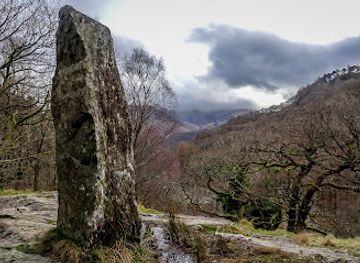
Explore Rydal Cave on the Map
A handpicked selection of must-see spots near Rydal Cave, mapped for you.
Getting There
-
Car
Drive to Pelter Bridge Car Park or White Moss Car Park near Rydal. Parking is limited and can fill quickly during peak seasons. From either car park, expect a 15-20 minute uphill walk on rocky paths to reach the cave. Parking fees typically range around £3-5.
-
Bus and Walk
Take the 555 bus service from Ambleside to Rydal village, which runs approximately every 30-60 minutes. From Rydal village, it is about a 20-minute walk uphill to the cave on uneven terrain. Suitable for walkers comfortable with moderate uphill routes.
-
Walking from Ambleside
A scenic 2.2-mile walk from Ambleside to Rydal Cave takes around 50 minutes, following paths alongside the River Rothay and through woodland. The route involves some uphill sections and uneven ground, requiring sturdy footwear.
For the on-the-go comforts that matter to you
-
 Restrooms
-
 Drink Options
-
 Food Options
-
 Seating Areas
-
 Trash Bins
-
 Information Boards
Discover more about Rydal Cave
Origins of a Man-Made Wonder
Rydal Cave is not a natural formation but the remnant of a 19th-century slate quarry known as Loughrigg Quarry. This quarry was part of the Lake District’s extensive slate mining industry, which supplied roofing materials for local buildings, including iconic structures like Ambleside’s Bridge House. Over time, quarrying ceased, and the site was preserved as a public attraction. The cave’s rugged walls and cavernous interior tell the story of industrial heritage set amidst the region’s famed natural landscape.Setting and Scenic Surroundings
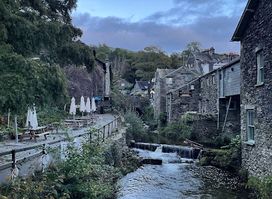
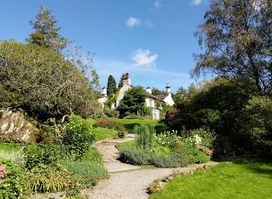
Nestled on the northern slopes of Loughrigg Fell, Rydal Cave overlooks the tranquil Rydal Water, a small lake fed and drained by the River Rothay. The area around the cave is rich in literary and cultural history, with connections to William Wordsworth and other Romantic poets who frequented the nearby villages of Rydal and Grasmere. The walk to the cave passes through woodland and riverside paths, offering picturesque views and a peaceful atmosphere.Exploring the Cave Experience
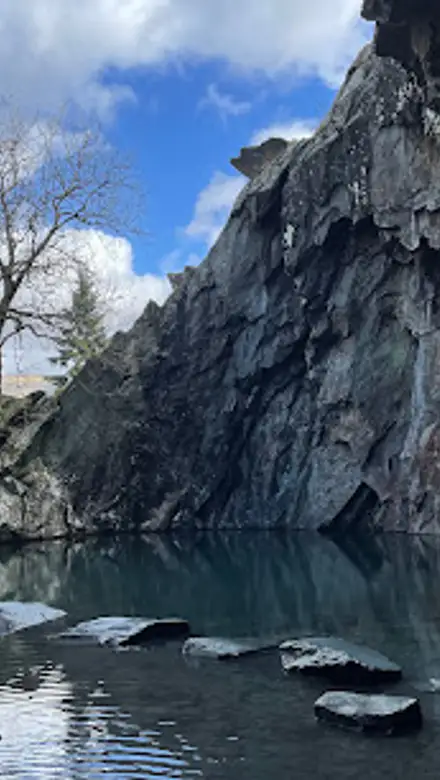
Visitors approach the cave by crossing stepping stones over a shallow pool at the entrance, which often teems with small fish. Inside, the cave opens into a dry, spacious floor where the quarrying marks are visible. A torch is recommended to explore darker recesses safely. The path can be rocky and uneven, so sturdy footwear is advised. The cave’s unique blend of natural elements and industrial traces creates a magical ambiance, especially when sunlight filters through the entrance or reflects off the water.Access and Visitor Information
Rydal Cave is freely accessible at all times, with no entrance fees or tickets required. Popular starting points include Pelter Bridge and White Moss car parks, both offering nearby parking but filling quickly during peak periods. The cave is reachable via a moderate uphill walk from these points or longer scenic routes from Ambleside and Grasmere villages. Visitors should plan to visit during daylight hours for safety and the best experience.Local Significance and Cultural Links
The cave and surrounding area hold cultural significance beyond their industrial past. The nearby Rydal Water and Loughrigg Fell have inspired poets and artists for centuries. Rydal Cave itself was featured in popular media such as Netflix’s 'The Witcher,' highlighting its atmospheric appeal. The site is a testament to the Lake District’s layered history, where natural beauty and human endeavor intertwine.Practical Tips for Visitors
While the cave is accessible year-round, visitors should be prepared for uneven terrain and potentially slippery surfaces inside the cave. Bringing a torch enhances safety and enjoyment. Early arrival is recommended to secure parking and avoid crowds. The surrounding area offers additional walking trails and historic sites, making Rydal Cave an excellent part of a broader Lake District exploration.












Your all‑in‑one travel companion app
Explore expert travel guides, compare and book tours, experiences, hotels, and more—all from the palm of your hand. Download now for seamless trip planning wherever your wanderlust takes you.


Explore More of Cumbria
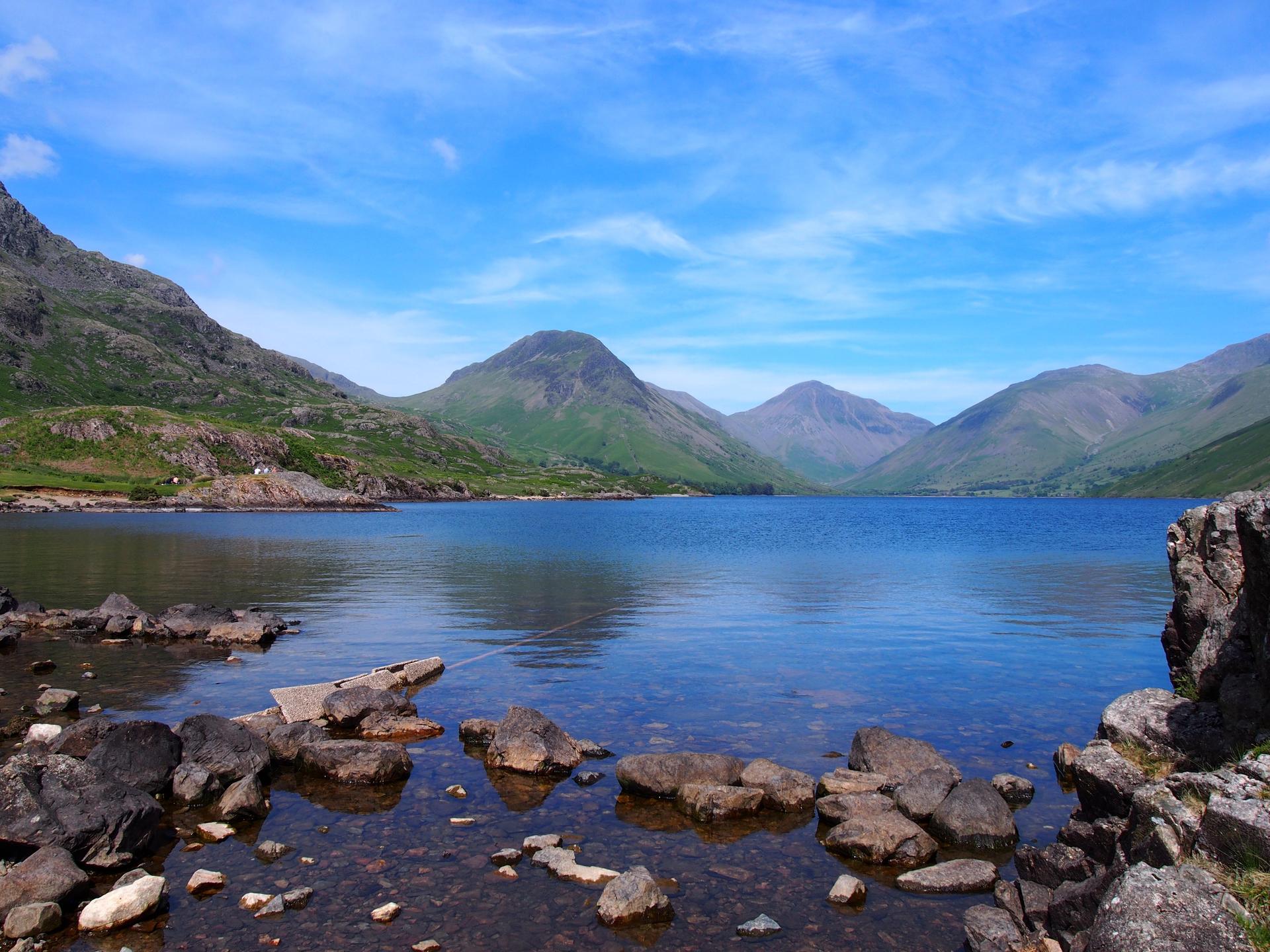
Looking beyond Rydal Cave? Discover Cumbria for broader travel guides, local hot-spots, and regional highlights.
Explore Cumbria