

The Bridge House Travel Guide
Free Guide: A charming 17th-century house perched over a beck, embodying Ambleside’s rich history and artistic heritage.


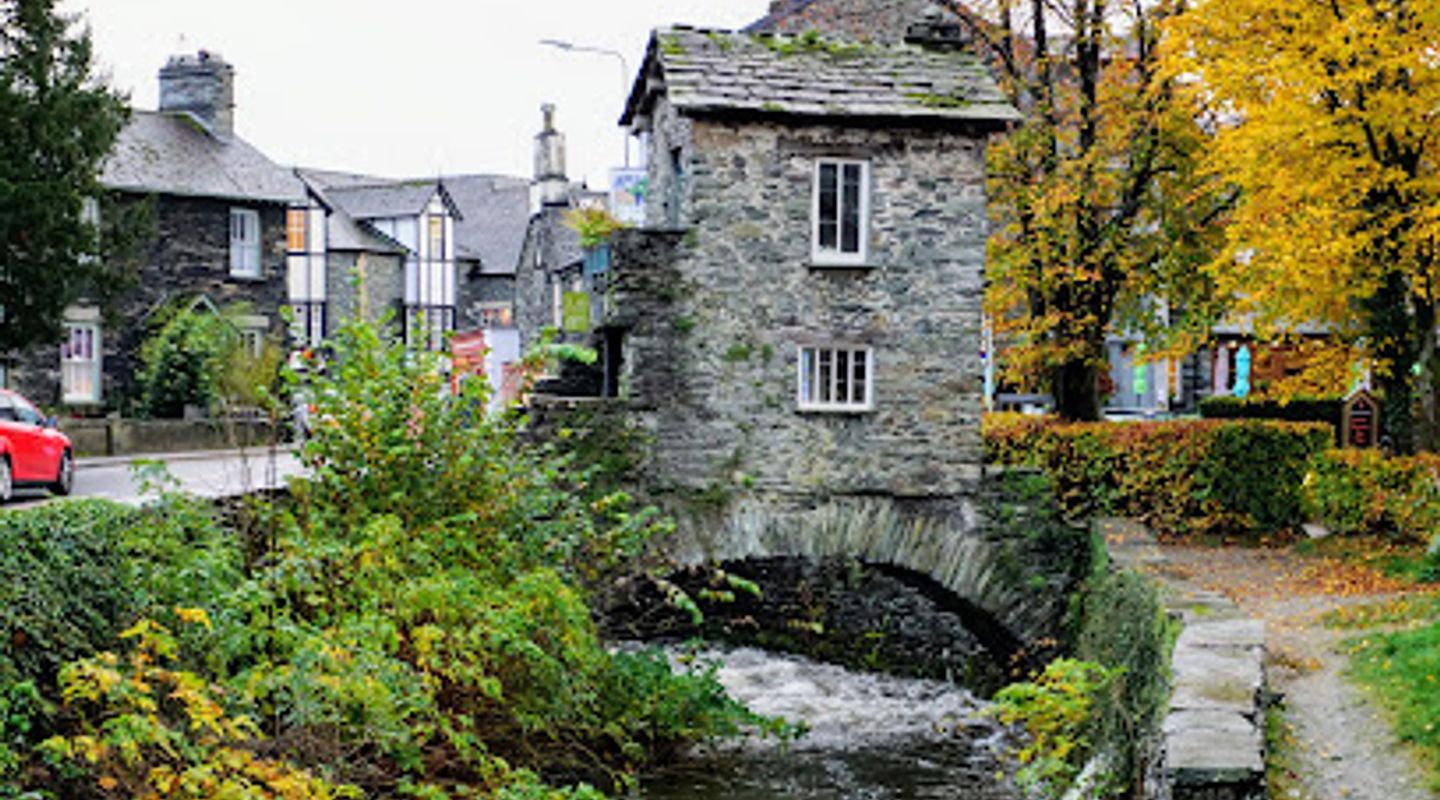
A brief summary of The Bridge House
A charming 17th-century house perched over a beck, embodying Ambleside’s rich history and artistic heritage.
The Bridge House in Ambleside is a charming 17th-century building perched over Stock Beck, originally built by the Braithwaite family to access their orchards and avoid land tax. This tiny, iconic structure has served many roles—from apple store and counting house to tea room and family home—and was saved by local conservation efforts in the 1920s. Now owned by the National Trust, it remains a beloved symbol of Ambleside’s heritage and a must-see for visitors.
On-site amenities
 Restrooms
 Drink options
 Food options
 Seating areas
 Information boards
- Address
- Rydal Rd, Ambleside LA22 9AN
- Phone
- Website
Getting there
Bus
Car
Walking
Discover more about The Bridge House
A Unique Architectural Curiosity Over Stock Beck
The Bridge House is a small but remarkable 17th-century building that literally spans Stock Beck in the heart of Ambleside. Constructed by the influential Braithwaite family, it was originally intended to provide access to their lands on the opposite side of the beck and to store apples from their nearby orchards. Its unusual position over the water and diminutive size make it one of the most photographed and painted landmarks in the Lake District, immortalized by artists such as JMW Turner and John Ruskin.
Layers of Practical Use Through the Centuries
Over the centuries, the Bridge House has served a variety of practical purposes reflecting the evolving needs of Ambleside’s community. Beyond its initial use as an apple store, it functioned as a counting house for the local mills of Rattle Ghyll, a weaving shop, a cobbler’s workshop, a chair maker’s studio, and even a home to a family of eight. In the Victorian era, it was transformed into a tea room, complete with a cast-iron stove added in the 19th century. Later, it also operated as a bric-a-brac and antiques shop, showcasing its adaptability and continued relevance.
Community-Led Conservation and National Trust Stewardship
By the 1920s, the Bridge House had fallen into disrepair, prompting a passionate local campaign to save it. Key figures in this effort included Edith Fletcher, wife of National Trust founder Hardwicke Rawnsley; Gordon Wordsworth, grandson of poet William Wordsworth; and William Heelis, husband of Beatrix Potter. Their fundraising success secured the building’s purchase and donation to the National Trust in 1926, ensuring its preservation. The Bridge House later became the National Trust’s first information centre in the Lake District in 1956.
Artistic Legacy and Cultural Significance
The Bridge House’s picturesque setting and quaint charm have inspired generations of artists and visitors alike. Harriet Martineau described it in her 1858 guide as “the most curious relic in Ambleside of the olden time,” while the view of the beck and surrounding hills remains a favorite subject for photographers and painters. Its survival amidst Ambleside’s growth symbolizes the town’s respect for its heritage and the enduring appeal of its historic architecture.
Visiting Experience and Atmosphere
Visitors to the Bridge House can step inside its tiny rooms, which retain sparse furnishings and the original stove, offering a glimpse into its varied past. The building’s compact interior is accessed via an external spiral stone staircase leading to the upper floor, which is surprisingly light and airy. National Trust volunteers often provide insightful commentary, enriching the visit. Though small, the Bridge House’s charm lies in its quirky character and the evocative sense of history it embodies in the bustling town centre.
Preserving Ambleside’s Heritage for Future Generations
The Bridge House stands as a testament to community spirit and conservation foresight. Its continued care by the National Trust ensures that this tiny architectural gem remains a treasured part of Ambleside’s landscape. It offers visitors a tangible connection to the town’s past and a unique photo opportunity, making it a beloved highlight for those exploring the Lake District.
Evendo Review Centre
 Google
Guest reviews
Best time to go
Quietest: Jan, Feb & Dec · before 3am
Busy times are Evendo estimates for a typical year, to help you plan. Actual crowds vary with events, school holidays and the weather.
Explore The Bridge House on the map
A handpicked selection of must-see spots near The Bridge House, mapped for you.
Get your free copy of our complete guide to The Bridge House, delivered straight to you.
Everything on this page, from opening hours and how to get there to Eve’s tips and the best time to go, in one PDF you can read offline, print or share.
Already have an account? Sign in
Your The Bridge House guide is ready.
We'll send it to · Not you? Sign out

Getting your guide ready…
We are putting together a fresh copy of the The Bridge House guide. This can take up to a minute.
This can take a few moments. If your browser asks, choose Allow so the download can start. You'll find the guide in your Downloads folder.
Nothing happened? Download it again
Sorry, the guide is taking longer than usual. Please try again in a minute, or get it by email instead.
Unlock the best of The Bridge House
Skip-the-line tickets, guided tours with entry, and walking tours of the area, booked in a few clicks.


 Tour
TourAncient Ambleside and Waterhead Self-Guided Lake District Tour
from $8.54 Tour
Tour8 Lakes and Magnificent Scenery - Afternoon Half Day Tour
from $111.92 Tour
TourWilliam Wordsworth: Morning Half Day Tour with an Expert Guide
from $137.08 Tour
TourUltimate Full-Day Lake District Tour: 10 Lakes, Amazing Scenery & Lake Cruise
from $232.65
Other nearby places you may find interesting
The closest places of the same kind, if this one is not quite what you had in mind.
-
-
-
-
-


Swipe for more places
More to explore near The Bridge House

 Best experiences near The Bridge House
 Best hotels near The Bridge House
 Best landmarks near The Bridge House
 Best attractions near The Bridge House
 Best shops near The Bridge House
 Best restaurants near The Bridge House
 Best bars near The Bridge House
Do you manage this location?
Take control to get all the benefits, like improved information, better appearance, and stronger visibility across AI-powered discovery.
Explore more

Explore more of Westmorland
Discover Westmorland: A charming blend of stunning natural landscapes, historic villages, and delicious local cuisine in the heart of the English countryside.
Explore Westmorland
Explore more of United Kingdom
Discover the United Kingdom: A blend of rich history, stunning landscapes, and vibrant cities, offering a unique travel experience for every visitor.
Explore United Kingdom
