Heage Windmill, Derbyshire Travel Guide
England's only working six-sailed stone windmill, where 18th-century engineering still turns with the wind.
England's only surviving six-sailed stone tower windmill, Heage Windmill stands as a remarkable testament to 18th-century engineering and rural heritage. Built in 1797 and meticulously restored to full working order in 2002, this Grade II* listed building overlooks the Derwent Valley Mills World Heritage Site. Volunteer-led guided tours bring the mill's history to life, and when wind conditions permit, visitors can witness the sails turning and watch traditional stone-ground flour being produced and sold on-site.
A brief summary to Heage Windmill
- Chesterfield Rd, Belper, Heage, DE56 2BH, GB
- Click to display
- Click to display
- Duration: 1 to 2 hours
- Budget
-
 Outdoor
- Mobile reception: 4 out of 5
- Saturday 11 am-4 pm
- Sunday 11 am-4 pm

Know before you go
Hi, I'm Eve. Here are a few practical things to know before exploring Heage Windmill.
- Visit on a breezy day for the best chance of seeing the sails turning and flour being milled. Wind speeds between 10–25 mph produce optimal milling conditions.
- Guided tours are mandatory for safety reasons and are included in admission; allow 45–60 minutes for a thorough experience with knowledgeable volunteer guides.
- Purchase freshly ground flour from the shop when available—a genuine product of the mill's working stones and a tangible connection to the site's heritage.
- Arrive early on weekends during peak season (May–September) to secure parking and avoid queuing for tours, particularly if special events are scheduled.
- The steep internal stairs are challenging; use the virtual reality tour in the visitor centre if climbing is difficult, or enjoy the exterior views and refreshments without ascending.
Do you manage this location?
Take control to get all the benefits, like improved information, better appearance, and stronger visibility across AI-powered discovery. Learn more about listing your business on Evendo
Activate your presenceOther nearby places you may find interesting
The closest places of the same kind, if this one is not quite what you had in mind.

Explore Heage Windmill on the Map
A handpicked selection of must-see spots near Heage Windmill, mapped for you.
Getting There
-
By Car from Belper
From Belper town centre, follow signs towards Ripley on the A610. Turn onto Chesterfield Road (B6013) heading north. The windmill entrance is on the left, opposite the Bowmer and Kirkland offices, approximately 3 kilometres from Belper centre. Journey time is 8–12 minutes depending on traffic. Free on-site parking is available. Postcode DE56 2BH for satellite navigation.
-
By Car from Ripley
From Ripley town centre, take Chesterfield Road (B6013) southbound towards Belper. The windmill entrance is on the right side of the road, approximately 2 kilometres south of Ripley. Journey time is 5–8 minutes. Free parking is provided on-site.
-
By Bus from Belper or Ripley
Local bus services operate between Belper and Ripley along Chesterfield Road. Journey time from either town is approximately 15–20 minutes depending on service frequency and stops. Alight at the Heage stop and walk approximately 200 metres to the windmill entrance. Check local transport schedules for current timetables and service availability.
-
Walking from Belper
A scenic walking route of approximately 4 kilometres (1.5 hours) connects Belper to Heage Windmill via country lanes and footpaths. The route follows Chesterfield Road for much of the journey with some sections on quieter parallel paths. Terrain is generally level to gently rolling. This option suits experienced walkers comfortable with road-adjacent sections and is best undertaken during daylight hours.
For the on-the-go comforts that matter to you
-
 Restrooms
-
 Drink Options
-
 Food Options
-
 Seating Areas
-
 Picnic Areas
-
 Trash Bins
-
 Information Boards
-
 Visitor Center
Discover more about Heage Windmill
A Unique Survivor of Industrial Heritage
Heage Windmill represents a singular achievement in British industrial archaeology. As the only surviving six-sailed stone tower windmill in England, it occupies a place of genuine historical significance. Built in 1797 during the height of the Industrial Revolution, the mill operated commercially for over a century before storm damage forced its abandonment in 1919. For more than eighty years it stood silent, a weathered monument to a vanished era. The restoration that began in 2002, undertaken by the Heage Windmill Society, Friends of Heage Windmill, the Midlands Mills Group, and supported by Derbyshire County Council, returned the mill to full working order—a remarkable achievement that required meticulous attention to historical detail and engineering precision.The Working Mill and Milling Process
What sets Heage apart from many heritage sites is that it remains genuinely operational. The six sails respond to Derbyshire's variable winds, and when conditions are favourable—typically between 10 and 25 miles per hour—the mill produces traditional stone-ground flour using methods unchanged since the 18th century. Visitors witness the intricate mechanics of milling: the way wind energy transfers through the cap and gears, how millstones grind grain into flour, and the skill required to manage these powerful forces. The mill will freewheel in light winds of 5–10 mph and produce flour in winds of 10–25 mph; safety systems automatically shut down the mechanism if wind speeds exceed 25 mph. This working authenticity transforms the experience from passive observation into genuine engagement with living history.Guided Tours and Volunteer Stewardship
All visits to Heage Windmill are conducted as guided tours, a requirement rooted in health and safety legislation given that the mill remains a functioning industrial machine. The volunteer guides, often dressed in period costume styled to approximately 1900 when the mill was in commercial use, bring decades of accumulated knowledge to their interpretations. These are not scripted recitations but genuine conversations with people passionate about the mill's story. Guides explain the engineering principles, share anecdotes about millers past, and demonstrate the milling process with clarity and enthusiasm. The mill's undercroft houses a visitor centre with displays chronicling the building's history, and for those unable to navigate the steep internal stairs, a virtual reality computer tour provides access to all parts of the structure.Setting and Panoramic Views
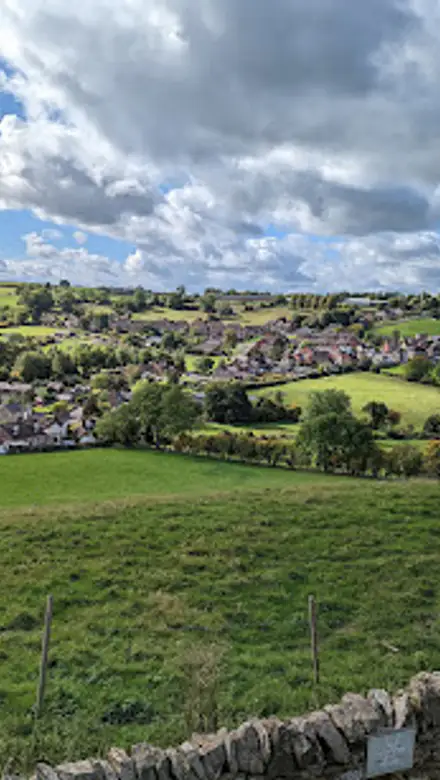
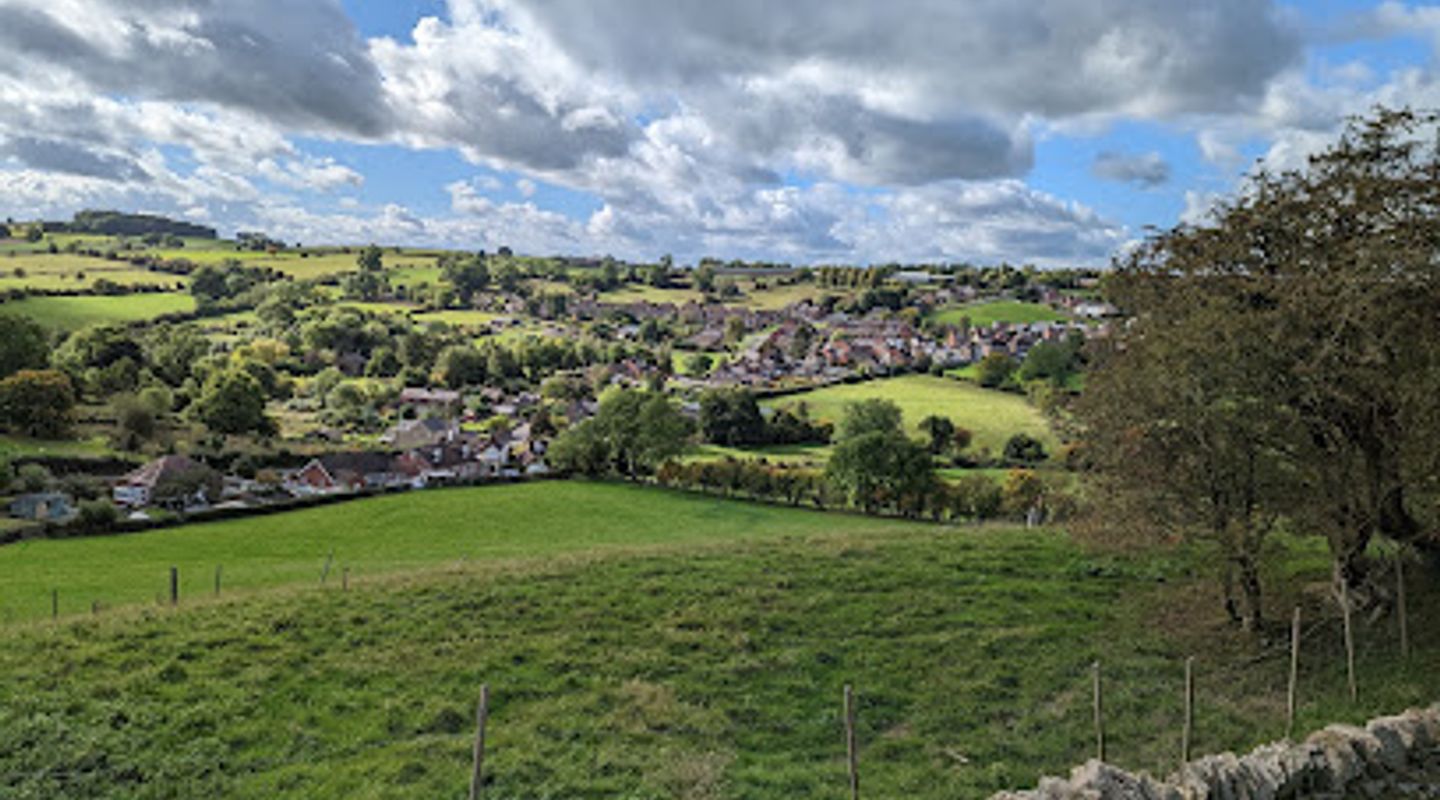
Perched on high ground north of the village of Heage, between Belper and Ripley, the windmill commands spectacular views across the Derwent Valley towards the Derwent Valley Mills World Heritage Site. The name Heage itself derives from Anglo-Saxon origins—Heegge, meaning high, lofty, and sublime—a description that perfectly captures the mill's commanding position in the landscape. Many visitors come as much for these panoramic vistas as for the mill itself, and the site's open setting allows the structure to be appreciated from multiple angles, its six sails silhouetted against Derbyshire skies.Facilities and Visitor Experience
The visitor centre in the mill's undercroft provides hot and cold drinks, light refreshments, and ice creams. A small shop sells the mill's own stone-ground flour when production permits, along with gifts and local items. Picnic tables accommodate visitors with their own food, and ample free car parking is available on-site. Wheelchair access extends to the shop, toilet facilities, and visitor centre, ensuring the site welcomes visitors of varying mobility. The mill operates seasonally from April through October on weekends and bank holidays, with occasional winter Saturday mornings dedicated to flour sales.Events and Community Engagement
Beyond regular tours, Heage Windmill hosts special events throughout the year—vintage tractor days, classic motorcycle gatherings, American car shows, and art challenges—that draw enthusiasts and families alike. These events transform the mill into a focal point for community celebration and heritage appreciation, reinforcing its role as more than a museum but as a living centre for rural tradition and mechanical heritage.












Your all‑in‑one travel companion app
Explore expert travel guides, compare and book tours, experiences, hotels, and more—all from the palm of your hand. Download now for seamless trip planning wherever your wanderlust takes you.


Explore More of Derbyshire
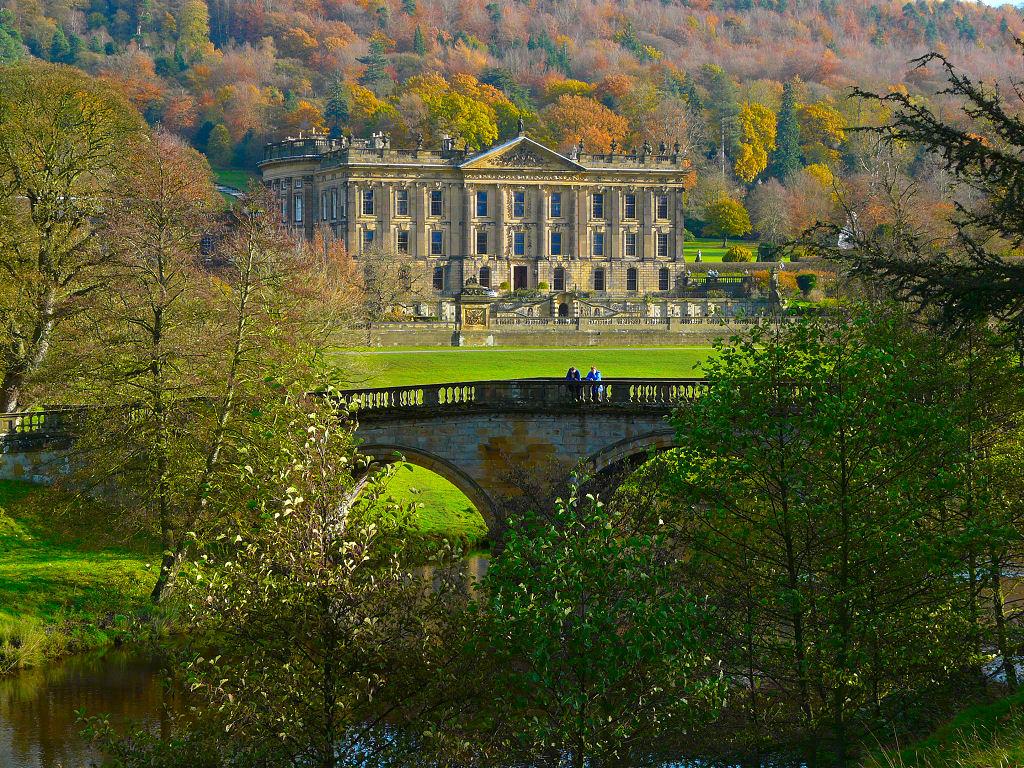
Looking beyond Heage Windmill? Discover Derbyshire for broader travel guides, local hot-spots, and regional highlights.
Explore Derbyshire