Cromford Mills, Peak District Travel Guide
Where water power revolutionized manufacturing—explore the birthplace of the modern factory system
Cromford Mills stands as the birthplace of the modern factory system, a UNESCO World Heritage Site where Sir Richard Arkwright pioneered water-powered cotton spinning in 1771. This beautifully restored mill complex in Derbyshire combines industrial heritage with contemporary amenities—free yard access, guided tours, independent shops, and canalside cafés. Explore the original gritstone buildings, learn about the Industrial Revolution's human cost, and walk the scenic Cromford Canal. Perfect for history enthusiasts, families, and those seeking authentic heritage experiences in the Peak District.
A brief summary to Cromford Mills
- Mill Rd, Matlock, Cromford, DE4 3RQ, GB
- Click to display
- Click to display
- Duration: 1.5 to 4 hours
- Free
-
 Mixed
Mixed
- Mobile reception: 4 out of 5
- Monday 10 am-5 pm
- Tuesday 10 am-5 pm
- Wednesday 10 am-5 pm
- Thursday 10 am-5 pm
- Friday 10 am-5 pm
- Saturday 10 am-5 pm
- Sunday 10 am-5 pm

Know before you go
Hi, I'm Eve. Here are a few practical things to know before exploring Cromford Mills.
- Book a guided tour in advance, especially during weekends and school holidays. Tours provide access to areas normally closed and offer deeper context on mill operations, worker lives, and the site's role in the Industrial Revolution.
- Combine your visit with a walk along the Cromford Canal toward Whatstandwell or Ambergate. The towpath offers scenic views and connects to the wider Peak District landscape. You can return by train from nearby stations.
- Visit on the third Sunday of the month for the Makers Market, featuring local crafts, food, and artisan goods. This adds a vibrant community atmosphere to the historic setting.
- Bring cash for parking (pay and display) and card payment for cafés and shops. Show your valid train or bus ticket at Arkwright's Café for a 10% discount on food and drinks.
- Allow at least 2–3 hours for a full experience: explore the mill yard, visit shops, enjoy a café break, and absorb the interpretation boards. Add another 1–2 hours if booking a guided tour.
Do you manage this location?
Take control to get all the benefits, like improved information, better appearance, and stronger visibility across AI-powered discovery. Learn more about listing your business on Evendo
Activate your presenceOther nearby places you may find interesting
The closest places of the same kind, if this one is not quite what you had in mind.
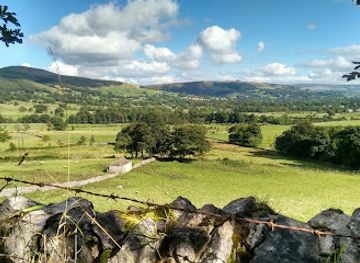
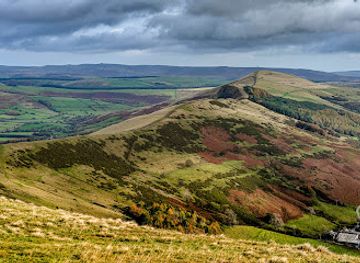

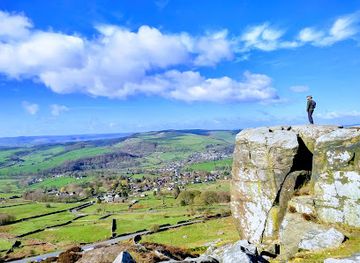
Explore Cromford Mills on the Map
A handpicked selection of must-see spots near Cromford Mills, mapped for you.
Getting There
-
Train
Cromford Station is served by regular East Midlands Trains services between Derby and Matlock. Journey time from Derby is approximately 25–35 minutes. The station is a short walk (5–10 minutes) from Cromford Mills along Mill Road. Show your valid train ticket at Arkwright's Café for 10% discount. Trains run throughout the day with reduced frequency on Sundays and bank holidays.
-
Bus
Two bus services operate from Derby: the TransPeak and the 6.1, both operated by Trent Barton. Journey time from Derby is approximately 45–60 minutes depending on stops. Bus stops are located in Cromford Village and on the A6. Show your valid bus ticket at Arkwright's Café for 10% discount. Services run daily with reduced frequency on Sundays. Contact Trent Barton on 01773 712265 for current timetables.
-
Car
Cromford is located on the A6, approximately 17 miles north of Derby and within 20 minutes of the M1 motorway. Use postcode DE4 3RQ for satnav. Pay and display parking is available adjacent to the mill site, with additional spaces opposite at the canal wharf and at Cromford Meadows. Parking revenue supports ongoing site restoration. Accessible parking spaces are located just outside the main mill gates.
-
Walking
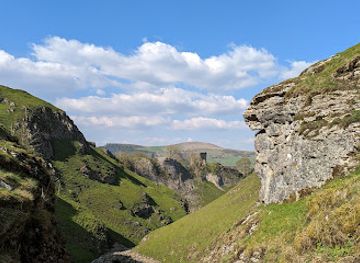
If staying in Cromford village, the mill is accessible on foot via Mill Road (approximately 10–15 minutes from the village center). The surrounding area offers excellent walking opportunities: the Cromford Canal towpath extends toward Whatstandwell and Ambergate (approximately 5 km return walk), and Black Rocks (a gritstone outcrop) is accessible via footpaths from the mill area (approximately 2–3 km). Terrain is generally easy to moderate.
For the on-the-go comforts that matter to you
-
 Restrooms
-
 Drink Options
-
 Drinking Water
-
 Food Options
-
 Seating Areas
-
 Sheltered Areas
-
 Picnic Areas
-
 Trash Bins
-
 Information Boards
-
 Visitor Center
Discover more about Cromford Mills
The Birthplace of Industrial Innovation
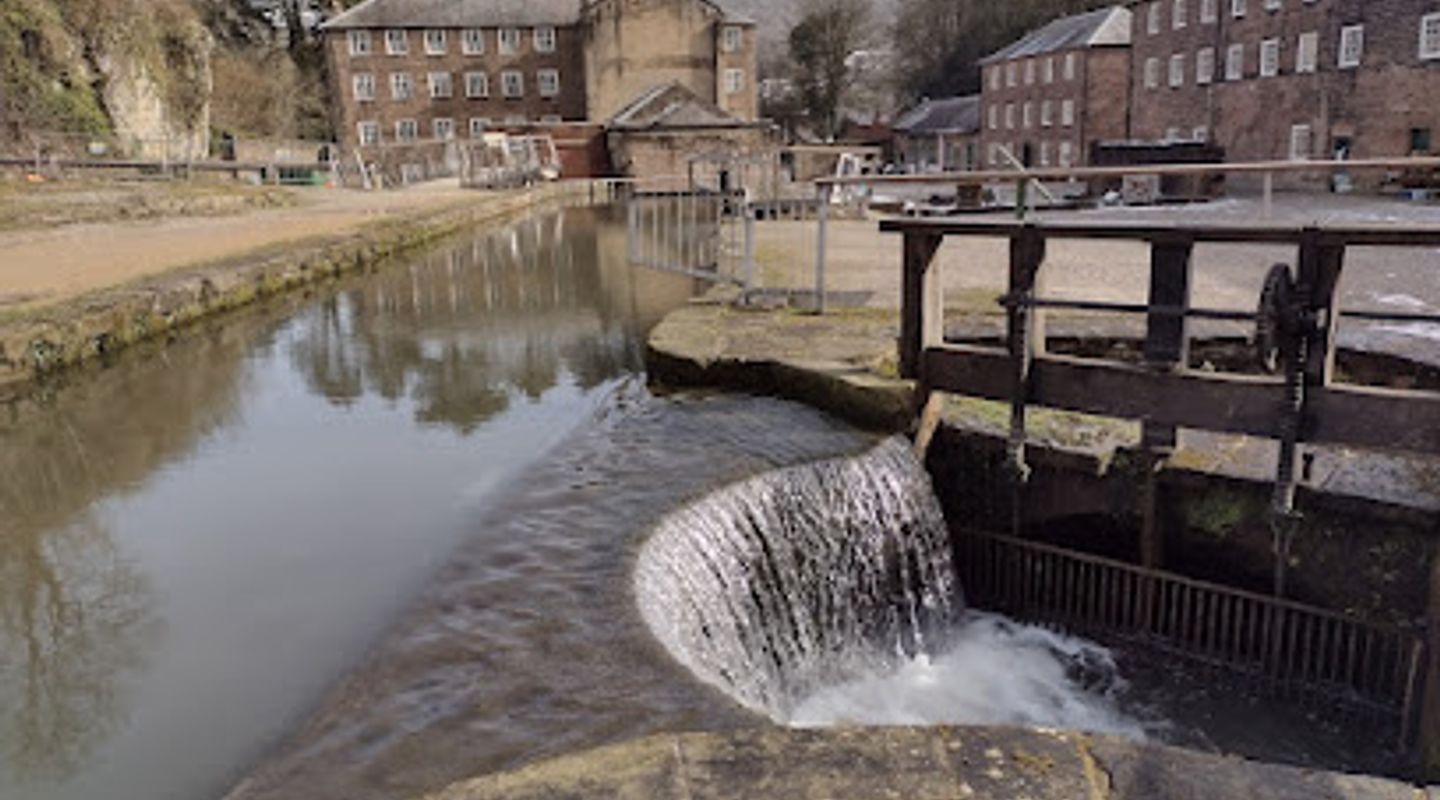
Cromford Mills represents a pivotal moment in human history—the site where Sir Richard Arkwright built the world's first successful water-powered cotton spinning mill in 1771. This revolutionary achievement transformed manufacturing forever, establishing the blueprint for the modern factory system. The mill's success sparked rapid industrial growth across Britain and beyond, making Cromford a cornerstone of the Industrial Revolution. Today, the site is recognized as part of the UNESCO Derwent Valley Mills World Heritage Site, acknowledging its global significance in industrial heritage.The original 1771 mill building, constructed from locally sourced gritstone, still dominates the mill yard. Its architectural design reflects early industrial pragmatism—built to harness the power of the River Derwent through an ingenious water management system. Walking through the complex, you encounter the layered history of industrial development: the loom shop, warehouse, and workers' housing that Arkwright constructed to support his workforce. These structures tell the story not just of mechanical innovation, but of the social infrastructure that underpinned early industrial capitalism.Understanding the Human Story Behind the Mills
While Cromford Mills celebrates technological achievement, guided tours and interpretation boards confront visitors with the complex human realities of the Industrial Revolution. The site openly addresses child labour, the transatlantic slavery connections to the cotton industry, and the grueling working conditions that powered Britain's economic transformation. This honest approach distinguishes Cromford from purely celebratory heritage sites, offering visitors a nuanced understanding of progress and its costs. The passionate volunteer guides bring these stories to life, connecting 18th-century mill workers to contemporary audiences through personal narratives and historical detail.A Living Heritage Complex
Cromford Mills functions as more than a museum—it's an active community space where heritage, commerce, and leisure intersect. The mill yard remains free to explore, with detailed interpretation panels guiding self-directed discovery. Independent retailers occupy restored buildings: a bookshop, antique dealer, cheese shop, and gift shop create a browsing experience that feels organic rather than staged. Two cafés serve homemade cakes, locally sourced lunches, and refreshments—Arkwright's Café within the mill yard and Wheatcroft's Wharf across the road, offering canalside seating with views of the water. This blend of education, retail, and hospitality makes the site accessible to casual visitors while supporting the Arkwright Society's ongoing restoration work.Exploring the Wider Landscape
The mill complex sits within a richly layered landscape. The Cromford Canal, built to transport goods and materials, now offers peaceful walking routes toward Whatstandwell and Ambergate. The canal wharf features licensed restaurants and serves as a gateway to longer rambles. Black Rocks, a dramatic gritstone outcrop, rises nearby and attracts walkers and climbers. The village of Cromford itself, largely built by Arkwright to house his workers, preserves Georgian terraces and period architecture. This interconnected setting means visitors can easily extend their time, combining mill exploration with canal walks, village discovery, and Peak District scenery.Events and Seasonal Programming
Throughout the year, Cromford Mills hosts diverse events that animate the historic site: craft fairs, makers markets (held on the third Sunday of each month), family activity days, historical reenactments, and educational workshops. Seasonal celebrations include Christmas programming with Father Christmas visits and carol singing. These events attract both heritage enthusiasts and families seeking entertainment, ensuring the mills remain vibrant rather than frozen in time. Educational groups benefit from tailored workshops exploring the Industrial Revolution, water power, and social history, with programs aligned to national curriculum standards.Practical Access and Visitor Experience
The site welcomes dogs and operates a Carers Go Free policy. While most attractions are accessible, the Grade 1 listed status of historic buildings creates some constraints for mobility access. Accessible parking is available near the main gates, and staff can provide assistance upon request. The mill yard, shops, and cafés operate year-round except Christmas Day, with winter hours (October through March) adjusting café closing times to 4 pm. Guided tours, available daily, provide deeper insights into mill operations and worker life. Whether spending an hour browsing the yard or booking a comprehensive tour, visitors encounter a site genuinely committed to making industrial heritage engaging and inclusive.












Your all‑in‑one travel companion app
Explore expert travel guides, compare and book tours, experiences, hotels, and more—all from the palm of your hand. Download now for seamless trip planning wherever your wanderlust takes you.


Explore More of Peak District
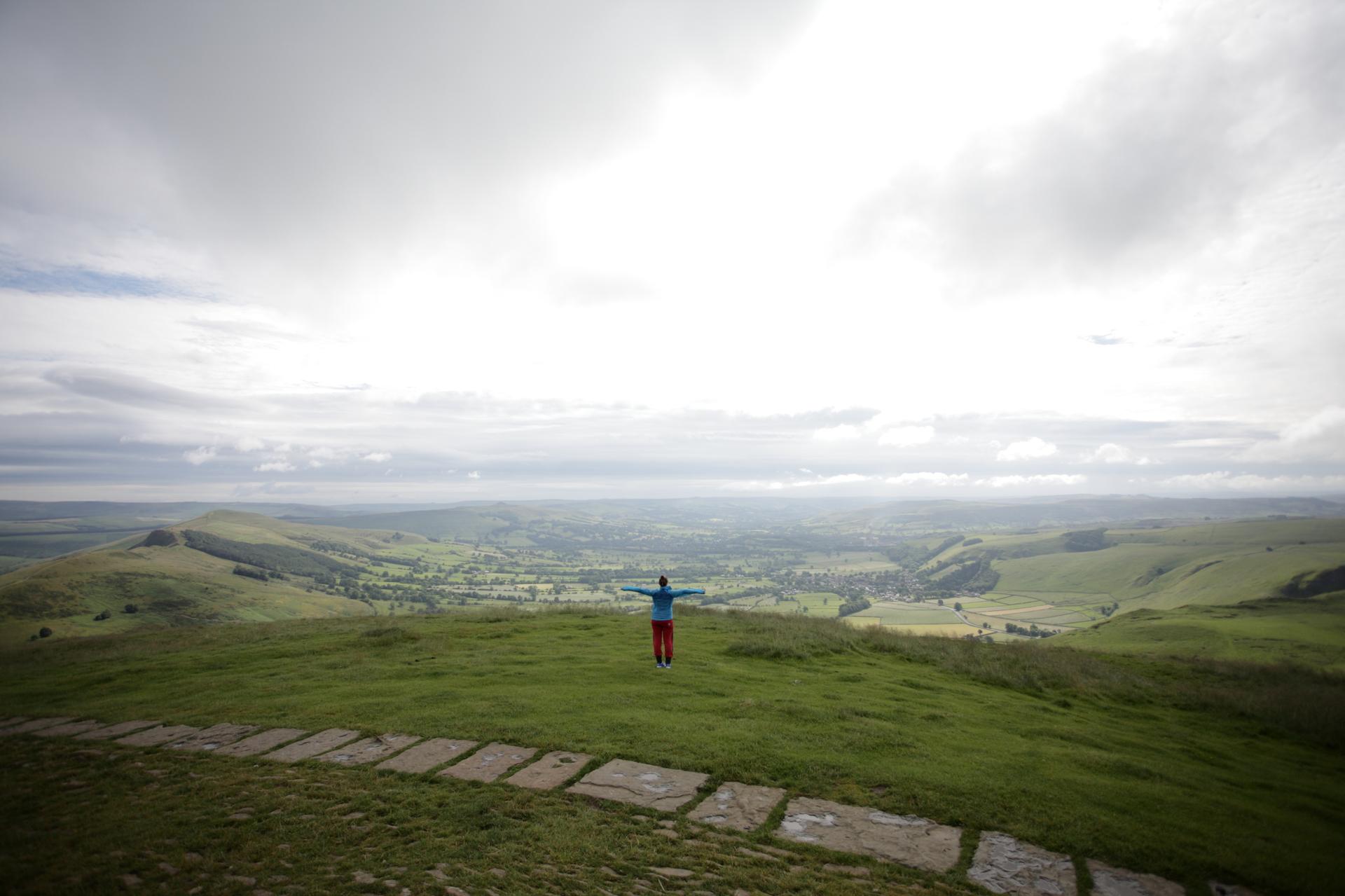
Looking beyond Cromford Mills? Discover Peak District for broader travel guides, local hot-spots, and regional highlights.
Explore Peak District