
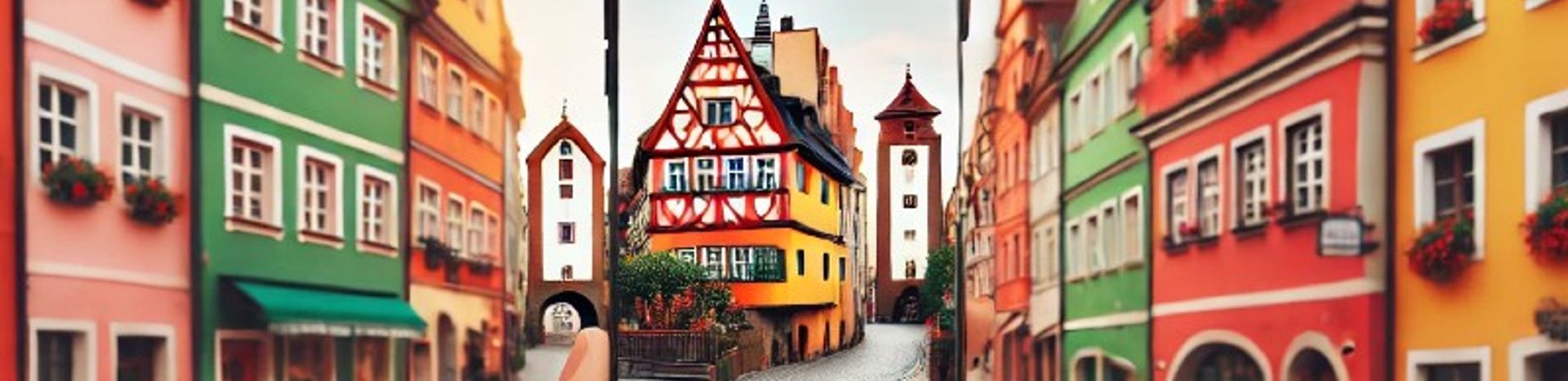
Winster Market House
Derbyshire's first National Trust property—a 16th-century market house preserving the legacy of a once-thriving mining town.
A Grade II* listed 16th-century market house standing prominently on Main Street in the historic Peak District village of Winster. Built with stone arches and red brick, this iconic structure once served as the commercial and social heart of a prosperous lead-mining town. Now managed by the National Trust as an exhibition and information centre, it tells the story of Winster's remarkable industrial heritage through interpretation panels and a detailed scale model of the village.
A brief summary to National Trust - Winster Market House
- Main St, Winster, DE4 2DJ, GB
- +441335350503
- Visit website
- Duration: 0.5 to 1.5 hours
- Free
-
 Outdoor
- Mobile reception: 4 out of 5
- Monday 10 am-5 pm
- Tuesday 10 am-5 pm
- Wednesday 10 am-5 pm
- Thursday 10 am-5 pm
- Friday 10 am-5 pm
- Saturday 10 am-5 pm
- Sunday 10 am-5 pm
Local tips
- Visit the exhibition panels and scale model inside to understand Winster's lead-mining heritage and the village's transformation from prosperity to quiet rural settlement.
- Explore the surrounding Main Street and narrow lanes to see other period buildings and cottages that reflect the village's architectural character and social history.
- Look for the distinctive oval-shaped oculi (circular windows) in the gables at the end bays—a charming architectural detail that exemplifies Georgian design.
- Time your visit to appreciate how the stone arches and red brick create visual contrast, particularly in afternoon light when the building's architectural details are most striking.
- Combine your visit with a walk around Winster to spot grassy mounds and mineshaft remains that dot the landscape, remnants of the village's industrial past.

For the on-the-go comforts that matter to you
- Information Boards
- Visitor Center
- Restrooms
- Food Options
- Drink Options
Getting There
-
Car
From Matlock (approximately 8 miles south), follow the A6 north towards Buxton, then take the B5056 towards Winster. The Market House is located on Main Street in the village centre. Parking is available on Main Street and in nearby village car parks. Journey time approximately 20–25 minutes. No entrance fee.
-
Bus
Local bus services connect Winster to nearby towns including Matlock and Bakewell. Services operate several times daily but frequencies vary seasonally. Journey times from Matlock approximately 30–40 minutes depending on route. Check local transport operators for current timetables and fares (typically £2–5 per journey).
-
Walking
From Matlock town centre, a scenic walking route of approximately 8 miles follows footpaths and country lanes through the Peak District landscape to Winster, taking 2.5–3 hours. The terrain is moderately hilly with some steep sections. Alternatively, shorter walks of 2–4 miles connect Winster to nearby villages such as Birchover and Rowsley.
-
Cycling
The High Peak Trail, a 17-mile cycle route, passes near Winster and connects the Derwent Valley to the limestone plateau near Buxton. Local cycling routes also link Winster to Matlock and Bakewell. Journey times from Matlock approximately 40–50 minutes by bike. The terrain includes some hills but is generally accessible to recreational cyclists.
National Trust - Winster Market House location weather suitability
-
 Any Weather
Discover more about National Trust - Winster Market House
A Monument to Winster's Mining Prosperity
Winster Market House stands as a tangible reminder of the village's golden age as a thriving market town and lead-mining centre. Built during the 16th century, the exact construction date remains unrecorded, but the building's architectural style and historical records suggest it was commissioned by the lords of the manor, Gervase and Anthony Eyre of Newbold Manor from 1570 onwards. The structure was designed in the neoclassical style and completed in coursed stone and red brick, creating a distinctive visual landmark that has dominated Main Street for nearly five centuries. The building's prominence reflects Winster's importance during the late 17th and 18th centuries, when lead mining transformed the village from a modest settlement into one of Derbyshire's largest and most prosperous towns, with a population reaching approximately 2,000 by 1750.Architectural Design and Original Function
The Market House exemplifies the practical elegance of Georgian market architecture. The ground floor was originally completely open, supported by five short columns with imposts bearing stone arches, allowing markets to be held freely beneath a protective roof. This design permitted cattle, sheep, horses, and agricultural goods to be bought and sold in the open air while providing shelter from the elements. The first floor housed an assembly hall, a grand space where the community gathered for social and civic occasions. The building features a symmetrical main frontage of two bays facing north onto Main Street, with the end bays topped by gables containing distinctive oval-shaped oculi. The upper chamber was constructed primarily from brick, creating a pleasing visual contrast with the stone arches and facings below. The principal interior room was the assembly room on the first floor, fitted with cross-windows featuring stone surrounds that allowed natural light to flood the space.Decline and Transformation Through the Centuries
As Winster's fortunes changed, so too did the Market House. The arches on the ground floor were infilled with coursed stone, probably during the first half of the 19th century, as the market's importance waned between 1795 and 1855. The agricultural depression of the late 19th century dealt a severe blow to the building's primary function. Lead mining, which had sustained the village's economy, faced increasing challenges from flooding in the deeper workings, forcing mines to close progressively. The last working mine at Mill Close, two miles northeast of Winster, operated until 1938. As markets declined and the community dispersed, the Market House fell vacant and deteriorated rapidly. By the end of the 19th century, it had become almost derelict, and the upper storey was removed for safety reasons in 1904.National Trust Acquisition and Restoration
In 1906, the Market House was purchased from Joseph Greatorex, owner of the Old Bowling Green Inn, for the modest sum of £50, making it the first property ever acquired by the National Trust in Derbyshire and one of the earliest buildings taken into the Trust's care nationally. The acquisition was largely funded through donations raised by Mrs Childers Thompson, reflecting the building's recognised historical significance. The restoration was undertaken with meticulous attention to authenticity. William Weir, architect to the National Trust, drew up the plans, while local labour was employed under the supervision of Henry Rye, architect to the Duke of Rutland. Wherever possible, original materials were reused, and the building's original lines were carefully followed, ensuring that the restoration honoured the structure's historical integrity.Contemporary Role as Exhibition Centre
Today, the Market House functions as a visitor exhibition and information centre, welcoming those interested in Winster's remarkable past. The assembly room has been fitted with interpretation panels that detail the village's history, with particular emphasis on its significance to the mining industry. A scale model of Winster village is displayed, helping visitors understand the settlement's layout and development. The building remains Grade II* listed, reflecting its architectural and historical importance. Standing almost at the centre of Main Street, flanked by the Dower House at the other end, the Market House continues to dominate the village's streetscape, serving as a physical embodiment of Winster's transition from a prosperous market town to a quieter rural community.Winster's Broader Historical Context
The Market House cannot be understood in isolation from Winster's wider story. The village's name, first recorded in Domesday Book in 1086 as Winsterne, possibly derives from 'Wyn's thorn tree', suggesting a local landmark of ancient significance. The village occupies an upland location 215 to 275 metres above sea level in a broad valley where limestone and shale geology create distinctive walled fields and a mixture of building materials. Lead mining, possibly dating to Roman times, became the dominant economic force from the late 17th century onwards. The Portway, a prehistoric trade route, passes close to the village, and salt routes from Cheshire and the 18th-century turnpike road from Nottingham to Newhaven also contributed to Winster's development and prosperity. The Market House stands alongside other grand buildings such as Winster Hall, while humble cottages on Winster Bank represent the modest homes of miners, quarrymen, and agricultural workers whose labour built the village's wealth.Iconic landmarks you can’t miss

Peak District National Park Authority
9.1 km
Explore the breathtaking landscapes and rich heritage of Peak District National Park, a haven for outdoor enthusiasts and nature lovers.
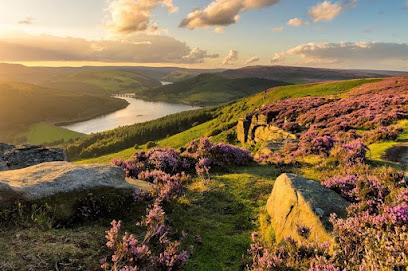
Baslow Edge
14.1 km
Experience stunning panoramas and serene walks at Baslow Edge in Peak District National Park, the perfect escape for nature lovers and photographers.
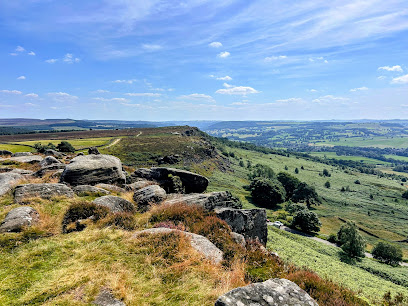
Millers Dale Viaduct
16.2 km
Experience the breathtaking Millers Dale Viaduct on the Monsal Trail, a stunning bridge offering rich history and picturesque views in the heart of the Peak District.
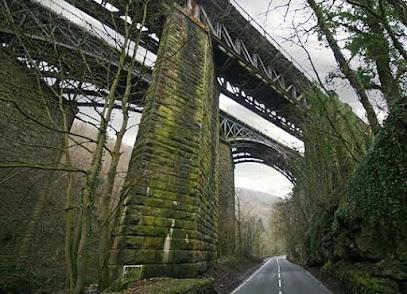
Mompesson's Well
16.7 km
Mompesson's Well marks Eyam’s brave boundary where plague-era coins were disinfected, symbolizing sacrifice and community in the 1665 quarantine.
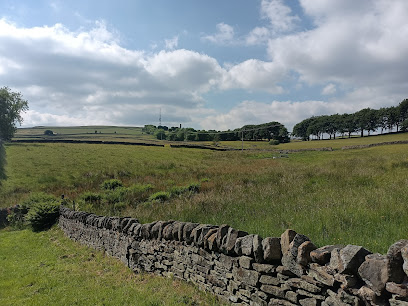
National Trust - Padley Gorge
18.5 km
Experience the natural beauty of Padley Gorge, a hidden gem in the Peak District with stunning landscapes, serene trails, and rich wildlife.
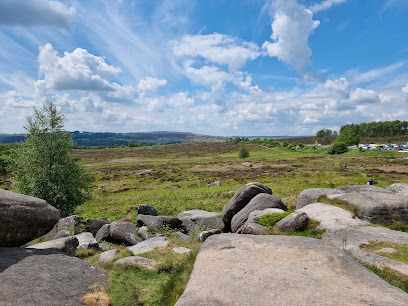
Peak District National Park
20.6 km
Explore the breathtaking landscapes and rich heritage of Peak District National Park, the UK's first national park, perfect for adventure seekers and nature lovers.
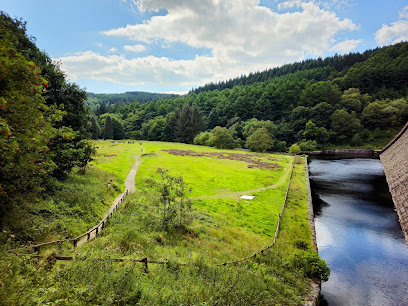
Peak Wildlife Park
21.0 km
Explore Peak Wildlife Park: A family-friendly wildlife sanctuary with captivating animal encounters and indoor play for an unforgettable day out.
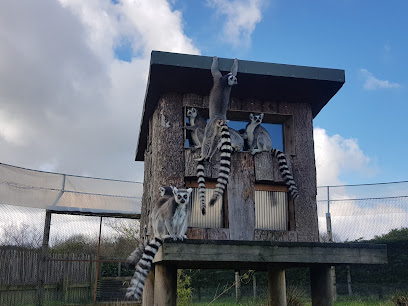
Carl Wark
21.0 km
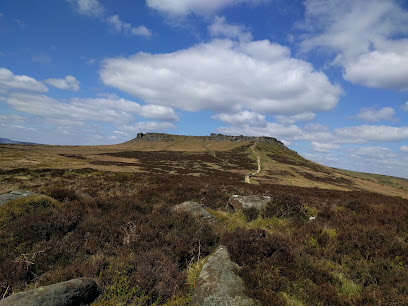
Explore Carl Wark, an ancient Iron Age hillfort on a rugged Peak District promontory with sweeping moorland views and rich prehistoric heritage.
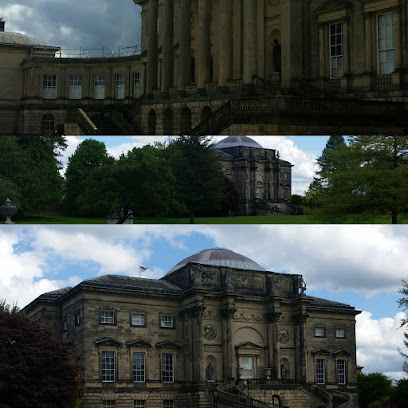
Kedleston Hall
21.4 km
Explore the stunning Kedleston Hall, a historical mansion surrounded by beautiful gardens and parkland, perfect for a family day out in Derbyshire.
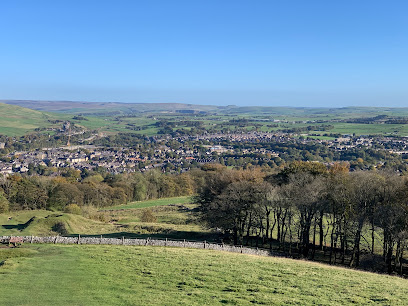
Solomon’s Temple
21.8 km
A scenic Victorian folly atop Grin Low Hill offering breathtaking 360-degree views over Buxton and the Peak District.
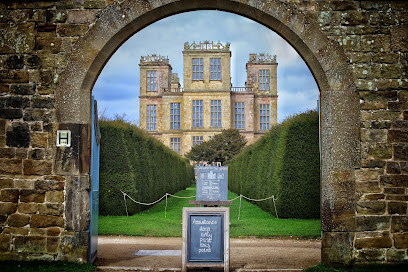
National Trust - Hardwick Hall
22.3 km
Explore Hardwick Hall, an architectural masterpiece and historic landmark that showcases the grandeur of the Elizabethan era amidst stunning gardens.
Poole's Cavern
22.5 km
Discover the enchanting underground world of Poole's Cavern, a geological marvel nestled in the heart of Buxton's scenic country park.
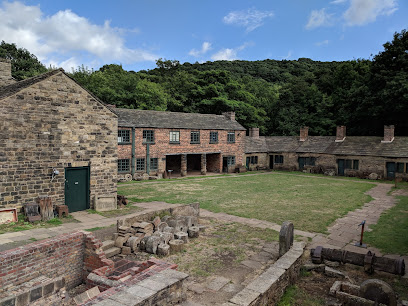
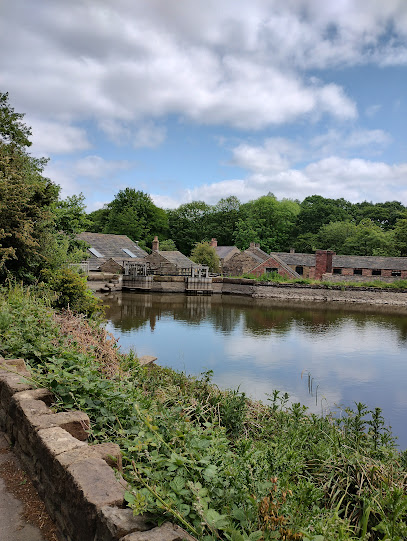
Abbeydale Industrial Hamlet
23.0 km
Explore the rich industrial heritage of Sheffield at Abbeydale Industrial Hamlet, where history comes to life in a beautifully preserved setting.
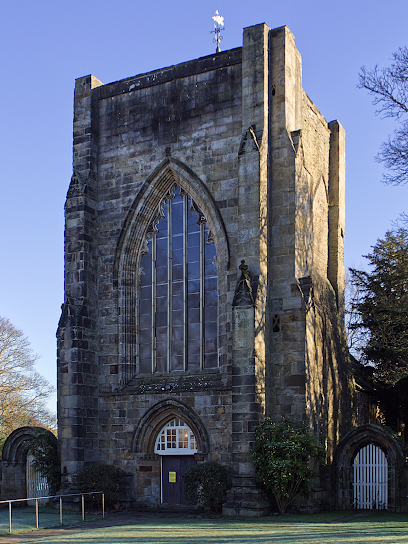
Beauchief Abbey
23.2 km
Discover the tranquil beauty and historical significance of Beauchief Abbey, a gem in Sheffield's rich heritage.
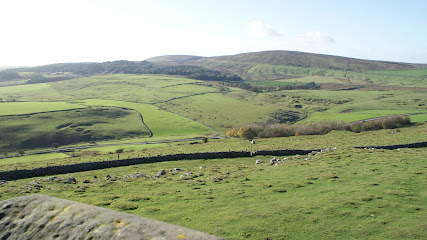
Ecclesall Woods
23.6 km
Ecclesall Woods: A lush escape in Sheffield, perfect for outdoor adventures, serene walks, and connecting with nature amidst stunning landscapes.
Unmissable attractions to see

The Hidden Druids Caves
1.7 km
Explore the enigmatic Hidden Druids Caves in Birchover, a captivating blend of natural beauty, ancient lore, and adventurous rock formations in the Peak District.
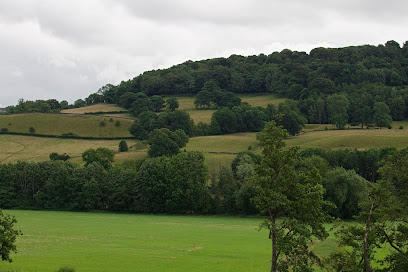
Rowtor Rocks
1.7 km
Discover the mysterious sandstone caves and world-class bouldering of Rowtor Rocks, perched above Birchover in the scenic Peak District.
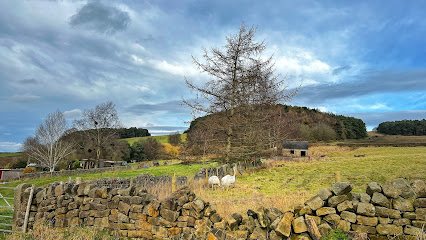
Stanton Moor
2.2 km
Explore Stanton Moor’s ancient stone circles, wild moorland beauty, and timeless legends in the heart of Derbyshire’s Peak District.
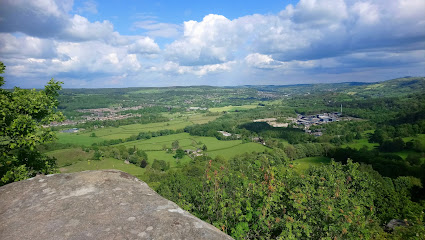
Cratcliffe
2.2 km
Discover Cratcliffe’s ancient hermitage and breathtaking Peak District views, a serene blend of history and nature near Matlock.
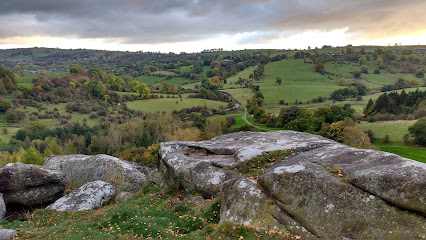
Nine Ladies Stone Circle
3.0 km
Explore the ancient mysteries of the Nine Ladies Stone Circle, a captivating historical landmark in the stunning Peak District of England.
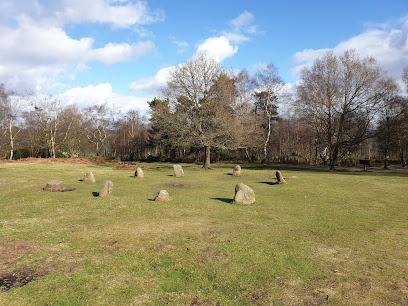
Harboro Rocks
5.3 km
Explore the dramatic limestone cliffs and panoramic views of Harboro Rocks, a natural gem in Derbyshire’s Peak District.
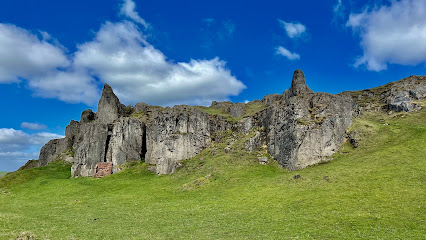
The Great Masson Cavern
5.3 km
Explore the illuminated tunnels of the historic Great Masson Cavern, where geology and mining heritage meet breathtaking views over Matlock.
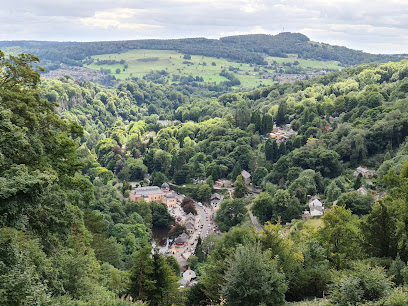
The Great Rutland Cavern
5.5 km
Explore the captivating 17th-century lead mining life in the accessible Great Rutland Cavern, part of the scenic Heights of Abraham estate.
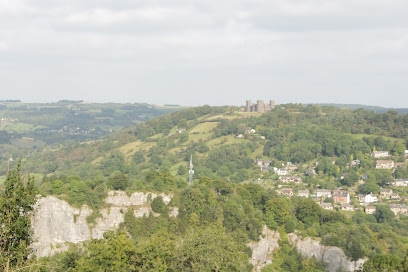
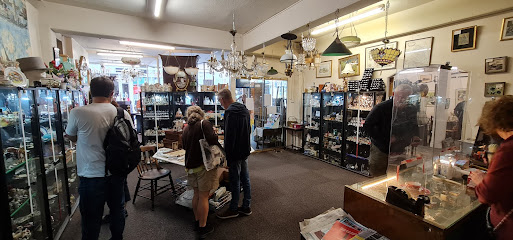
Matlock Antiques & Collectables
5.6 km
Discover unique antiques and collectibles in a welcoming shop at the heart of Matlock, Derbyshire, open daily with easy parking nearby.
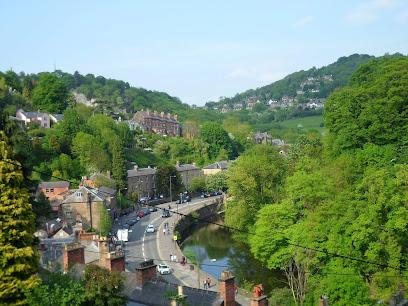
Matlock Dale
5.6 km
Discover Matlock Dale’s scenic beauty, rich mining heritage, and the thrilling Heights of Abraham hilltop park with panoramic views and family fun.
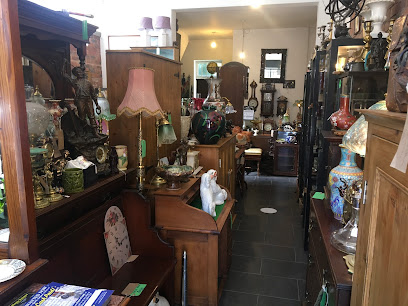
Quirky Antiques Collectables & Curios
5.6 km
Discover a charming collection of vintage antiques, curios, and collectibles in Matlock’s welcoming and quirky treasure trove.
Matlock Bath Aquarium and arcade
5.6 km
Discover Victorian charm and aquatic wonders with interactive exhibits and a historic thermal pool in the heart of Matlock Bath.
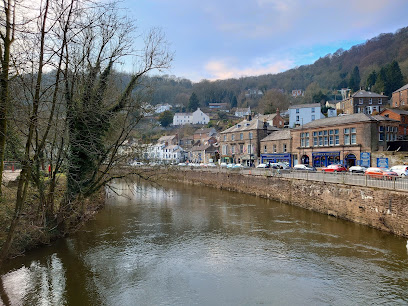
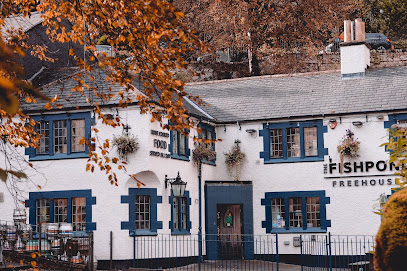
The Fishpond
5.7 km
A vibrant Matlock Bath pub blending hearty British fare, live music, and tranquil outdoor spaces by the scenic River Derwent.
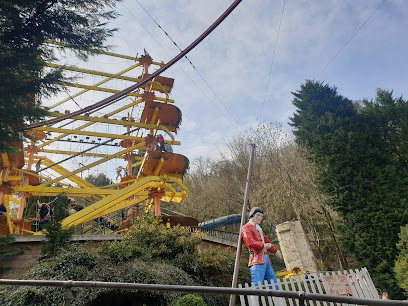
Gulliver's Kingdom
5.7 km
Quirky hillside theme park offering exceptional value, included attractions, and spectacular Peak District views.
Pic Tor War Memorial
5.7 km
Explore the Pic Tor War Memorial in Matlock for a serene blend of history and stunning Peak District views, ideal for reflection and exploration.

Essential places to dine

The Orangery Restaurant
4.2 km
Refined British dining in a historic setting within Audley St Elphin’s Park, blending heritage charm with tranquil gardens near the Peak District.
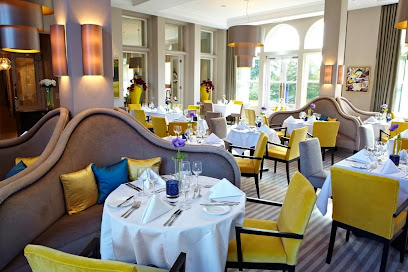
The Peacock at Rowsley
5.5 km
Historic riverside inn offering refined rooms, acclaimed dining, and exclusive fishing on Derbyshire’s scenic Haddon Estate.
Stones
5.6 km
Elegant modern British dining with Mediterranean flair beside Matlock’s scenic River Derwent, perfect for relaxed yet refined meals.
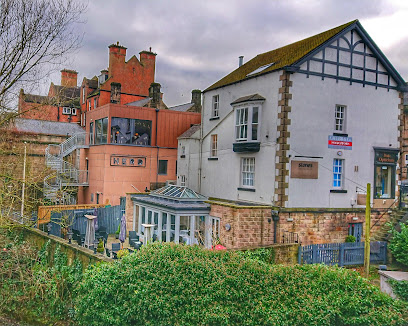
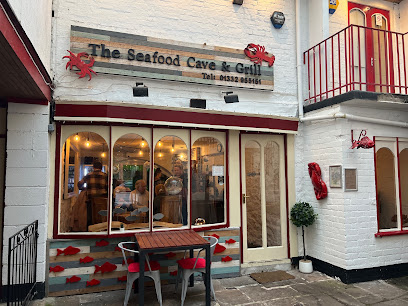
The Seafood Cave & Grill
5.8 km
Discover premium Scottish seafood in a cozy cave-like setting, where warm hospitality and exquisite flavors meet in Matlock Bath.
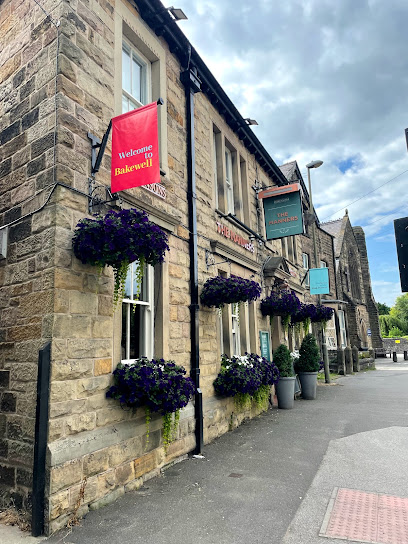
The Manners, Bakewell
8.0 km
Traditional Robinsons pub in Bakewell serving excellent local ales and renowned pub food, with dog-friendly rooms and a spacious beer garden.
The Woodyard
8.3 km
Historic marble works turned vibrant restaurant with fresh homemade food and a scenic riverside beer garden in the heart of Bakewell.
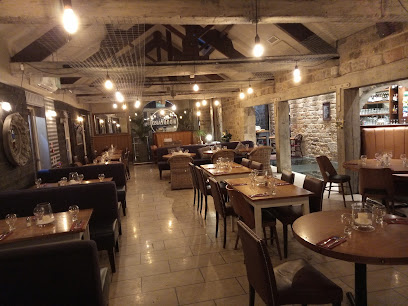
Restaurant Lovage by Lee Smith
8.4 km
Innovative modern English cuisine with Michelin-starred finesse in a cozy Bakewell setting, blending local heritage with contemporary elegance.
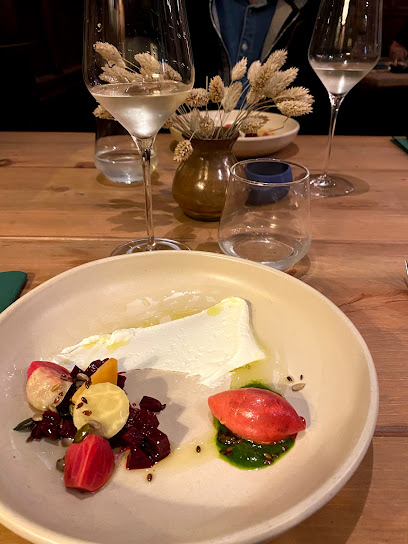
Piedaniel's
8.4 km
A charming family-run French restaurant in Bakewell offering refined cuisine, elegant ambiance, and impeccable service for memorable dining experiences.
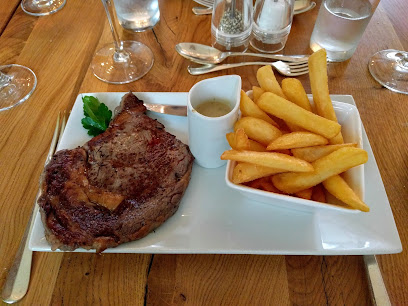
Riverside House Hotel
10.3 km
A 5-star riverside retreat blending historic charm with Michelin-starred dining in the heart of the Peak District.
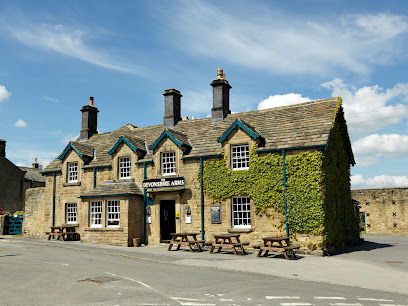
The Devonshire Arms at Pilsley
10.5 km
A historic Peak District inn blending rustic charm, elegant rooms, and fresh local cuisine near Chatsworth Estate.
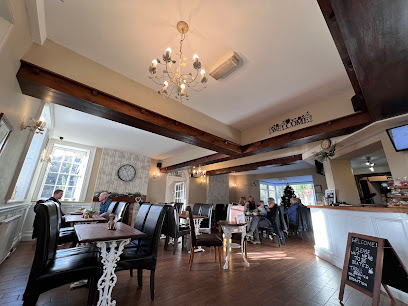
The Family Tree
10.9 km
A cozy family-run restaurant and B&B offering homemade food and charming rooms on the edge of the Peak District in Derbyshire.
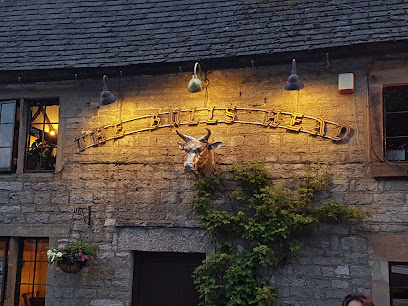
The Bulls Head
10.9 km
A beloved village pub in Monyash serving hearty British classics with generous portions in a warm, rustic setting.
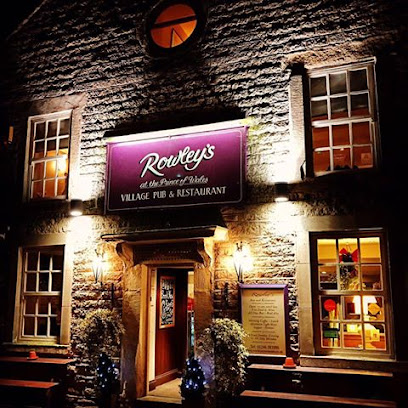
The Prince of Wales Baslow
11.8 km
A sophisticated country pub in Baslow offering seasonal British cuisine, fine wines, and a warm, welcoming atmosphere in the heart of the Peak District.
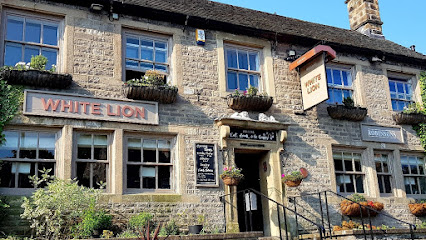
White Lion
12.0 km
A charming Peak District gastropub offering hearty British fare, warm welcomes, and a cozy village atmosphere in Great Longstone.
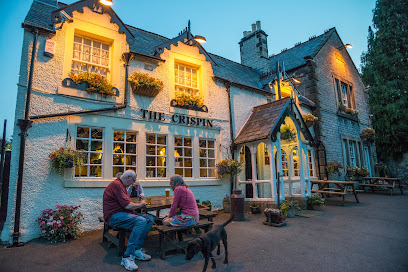
The Crispin
12.1 km
A welcoming traditional pub in Great Longstone offering hearty British fare and local ales in the heart of the Peak District.
Markets, malls and hidden boutiques

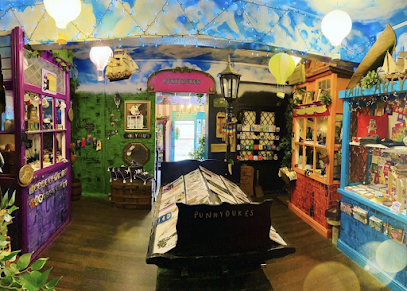
Punnydukes
5.6 km
Whimsical gift shop brimming with unique treasures across multiple enchanting floors.
Equatorial Shop
5.7 km
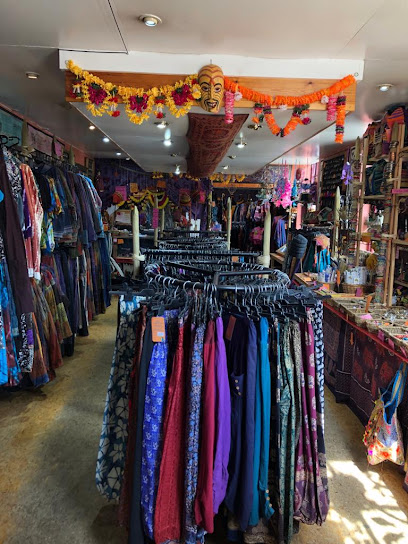
Discover vibrant fair trade fashion and crafts at Equatorial Shop, Matlock’s hub for ethical, colorful, and culturally rich shopping.
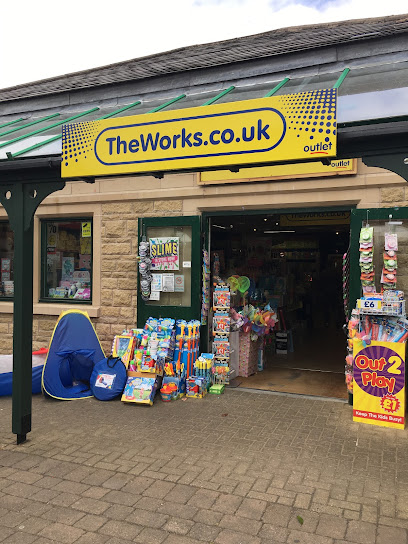
The Works
5.7 km
Affordable arts, crafts, books, and toys in the vibrant Peak Village outlet near Matlock.
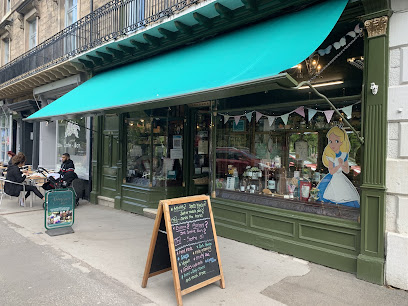
The Old Apothecary Shop
5.7 km
Step into Victorian charm and natural wellness at The Old Apothecary Shop, Matlock Bath’s historic haven for handmade beauty and nostalgic gifts.
Ashgate Hospice Matlock Shop
5.8 km
Discover bargains with heart at Ashgate Hospice Matlock Shop, supporting vital palliative care across North Derbyshire.
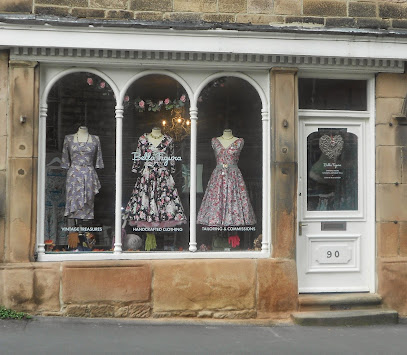
Bella Figura
5.9 km
Matlock’s bespoke bridal and vintage boutique offering personalized wedding dresses and expert alterations with a vintage charm.
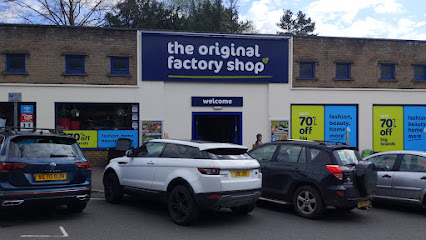
The Original Factory Shop (Matlock)
5.9 km
Affordable shopping with big-brand discounts in the heart of Matlock, offering fashion, beauty, and homeware under one roof.
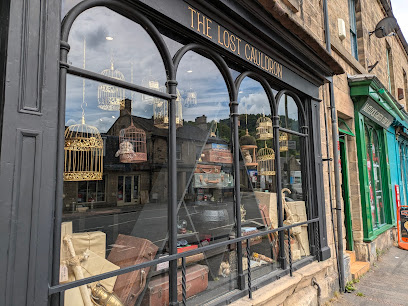
The Lost Cauldron
6.1 km
Where an antique cauldron sparked a magical dream, now a beloved destination for enchanted treasures.
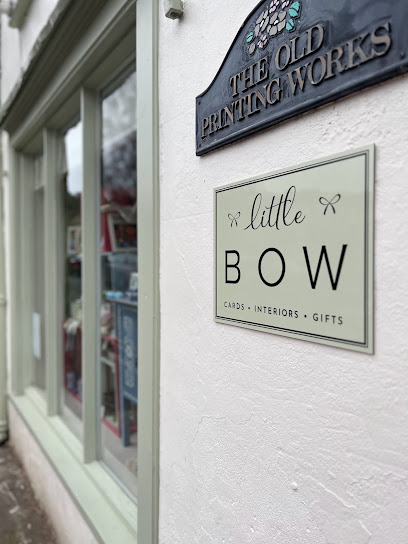
Little Bow
6.4 km
Discover unique fashion accessories and gifts in the charming village setting of Little Bow Boutique, Cromford’s stylish hidden gem.
Shop&Museum
8.0 km
Discover railway heritage, a charming bookshop, and vintage café at Wirksworth Station on the scenic Ecclesbourne Valley Railway.
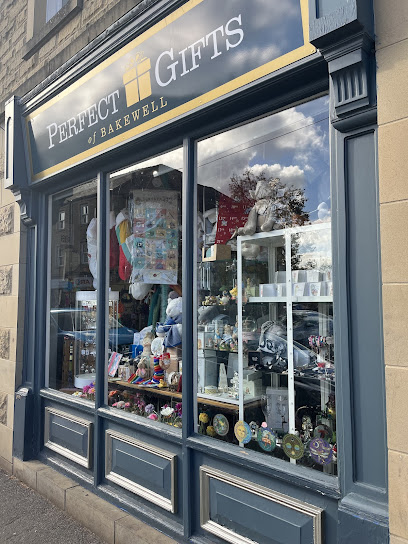
Perfect Gifts Bakewell
8.2 km
Discover unique local gifts and heartfelt treasures in the cozy charm of Perfect Gifts Bakewell, your go-to shop for thoughtful souvenirs.
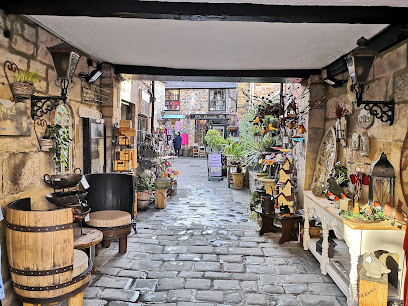
Bon Voyage Bakewell
8.2 km
Discover unique gifts and local charm at Bon Voyage Bakewell, nestled in the heart of Bakewell’s historic market town.
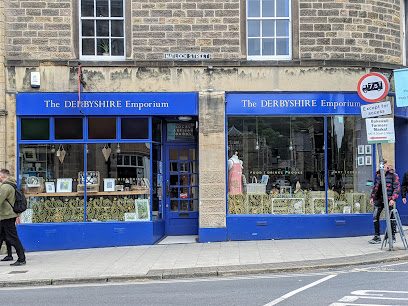
The Derbyshire Emporium
8.3 km
Local artisan gifts and homemade refreshments in the heart of Bakewell's charming town centre.
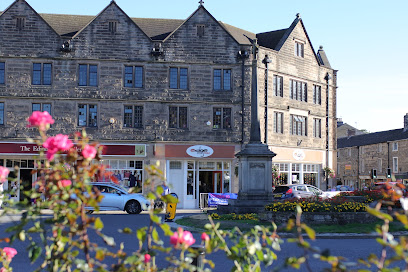
Edge of the World
8.3 km
Boutique clothing and accessories shop in Bakewell offering quality fashion with a welcoming atmosphere and expert service.
Mini Chic- clothing, gifts, and accessories for children and babies
8.3 km
Charming boutique offering stylish children’s clothing, gifts, and accessories in the heart of Bakewell’s historic town centre.
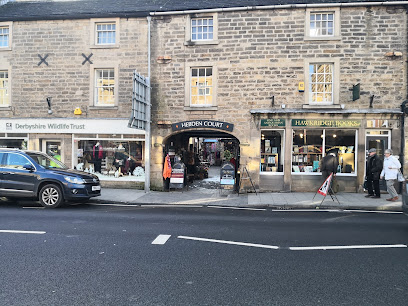
Essential bars & hidden hideouts

The Flying Childers Inn
3.8 km
A cozy, dog-friendly country pub in Stanton in Peak offering fresh, mostly vegan fare and a warm, welcoming atmosphere in the heart of the Peak District.
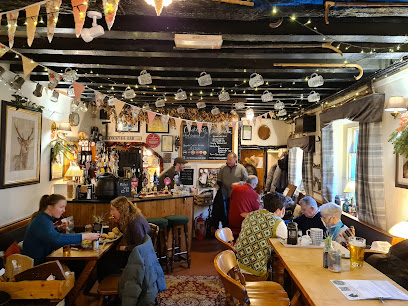
The Tipsy Toad
5.5 km
A vibrant cocktail bar in Matlock with funky vibes, great drinks, and friendly staff, open late for memorable nights out.
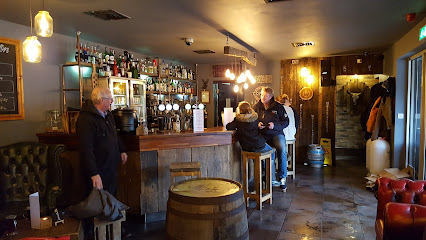
Twenty Ten
5.6 km
A rustic and lively bar in Matlock, offering great drinks, live music, and a welcoming atmosphere for all.
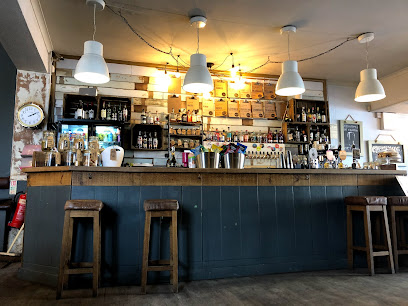
Monk Bar
5.7 km
Monk Bar Matlock: Stylish cocktails, vibrant nights, and a welcoming atmosphere in the heart of Derbyshire.
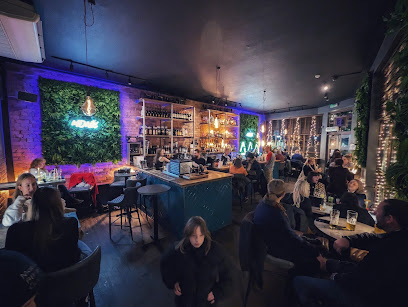
The Thorn Tree Inn
5.8 km
A traditional Matlock pub offering hearty homemade food, excellent ales, and stunning views over the Derbyshire Dales and Riber Castle.
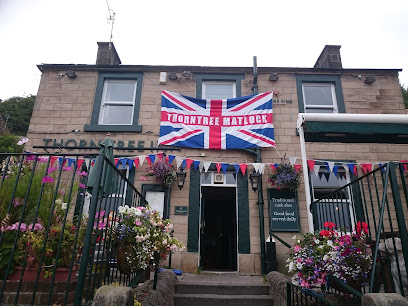
The Newsroom
6.0 km
A cozy micro pub in Matlock offering an excellent selection of local craft beers and a welcoming atmosphere for all beer lovers.
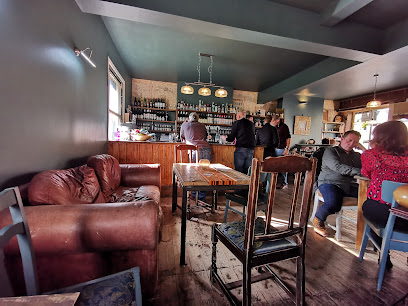
Wheatsheaf Pub and Pantry
8.3 km
Cozy Bakewell pub blending traditional charm with modern pantry dining, serving generous portions in a warm, dog- and child-friendly setting.
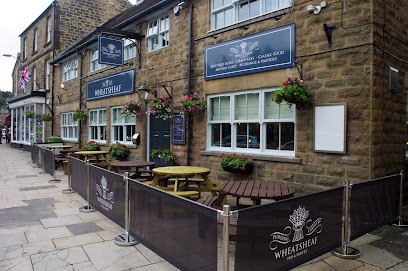
Castle
8.4 km
A classic Greene King pub in Bakewell serving hearty British fare in a warm, historic setting near the Peak District.
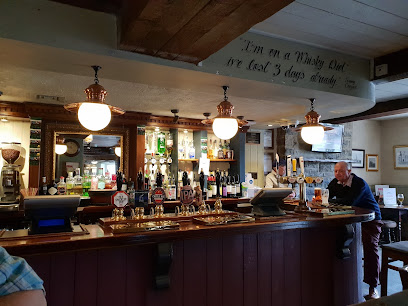
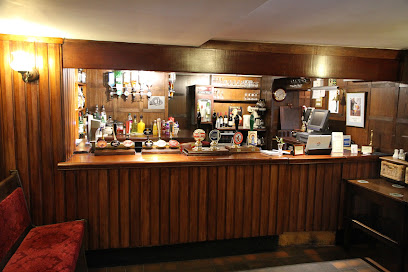
The Jug And Glass
9.0 km
Historic 18th-century pub and inn in Lea, Matlock offering traditional British fare, real ales, cozy rooms, and a gateway to the Peak District.
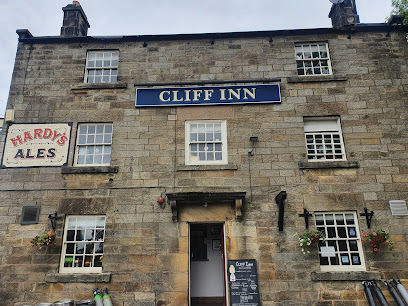
Cliff Inn
11.7 km
Cozy traditional pub in Crich serving hearty Derbyshire classics with stunning countryside views and a warm, welcoming atmosphere.
The Packhorse Inn
12.3 km
A cozy, traditional Peak District pub with warm fires, local ales, scenic views, and welcoming rooms near Bakewell.
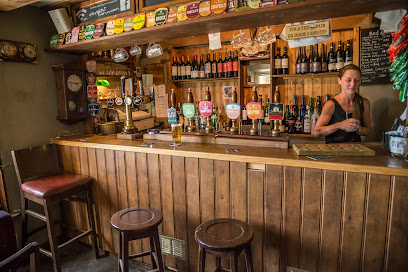
The Old Black Swan Public House
12.5 km
A welcoming traditional pub in Crich serving hearty British fare and well-kept ales in a cozy, community-focused setting.
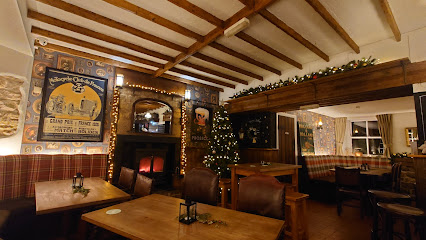
The Eyre Arms
14.3 km
A charming historic pub in Hope Valley offering hearty Derbyshire fare and warm hospitality in the heart of the Peak District.
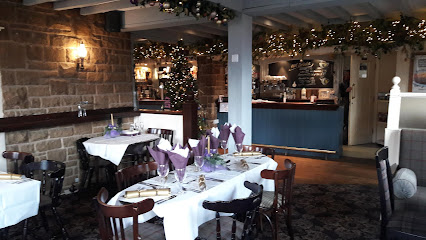
Anglers Rest
16.2 km
A cozy riverside pub in Millers Dale offering hearty home-cooked meals, local ales, and a tranquil garden in the heart of the Peak District.
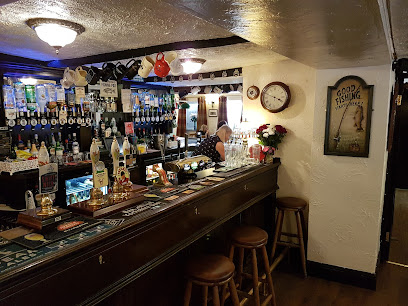
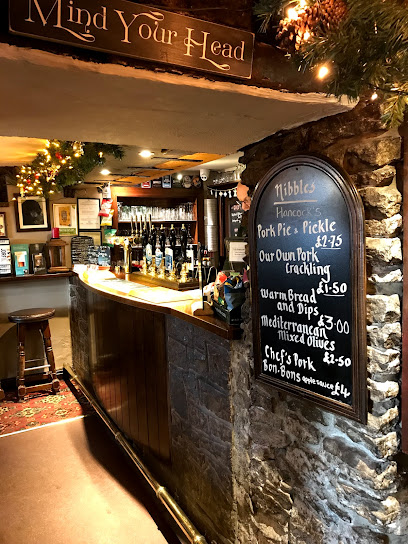
Red Lion Inn
16.6 km
A quintessential Peak District country pub offering hearty fare, real fires, and warm hospitality in the charming village of Litton.
Nightclubs & after hour spots

The Loft
5.6 km
A vibrant, intimate nightclub in Matlock offering lively music, friendly service, and a cozy atmosphere in the town center.
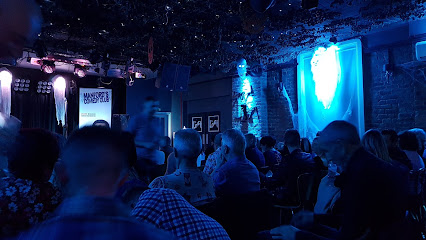
Waikiki Beach Bar
17.8 km
Experience the vibrant nightlife at Waikiki Beach Bar, Derbyshire's go-to destination for dancing, drinks, and unforgettable memories.
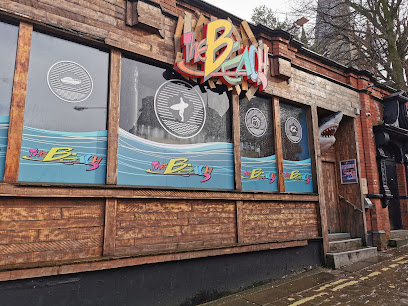
The Association Nightclub
18.6 km
Ripley's vibrant weekend nightclub offering late-night music, dancing, and a welcoming atmosphere in the heart of town.
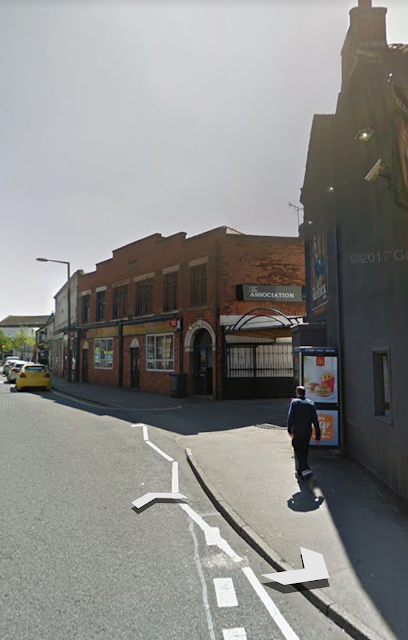
The Regal Nightclub
18.8 km
Experience Ripley’s vibrant nightlife at The Regal Nightclub, where lively music and a welcoming atmosphere keep the party going late into the weekend.
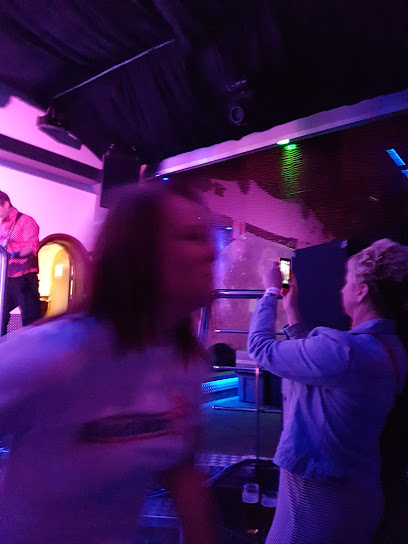
Level 2
22.2 km
Buxton’s vibrant two-floor nightclub with diverse music, lively bars, and themed nights, perfect for an energetic night out.

Great Rocks Social Club
22.2 km
Discover the vibrant nightlife at Great Rocks Social Club, a welcoming hub in Peak Dale perfect for socializing and entertainment.
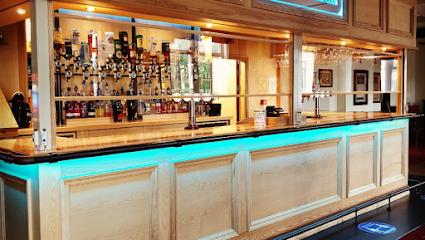
3D Leek - Bar & Nightclub Experiences
26.0 km
Experience Leek’s vibrant nightlife at 3D Leek, where lively music, great drinks, and dynamic events create unforgettable evenings.
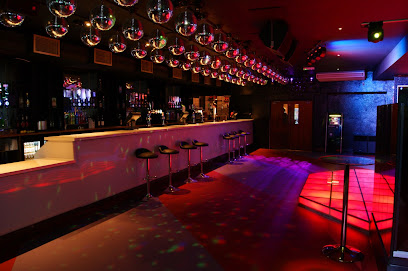
Base 95
26.0 km
Leek’s vibrant nightclub and bar at Market Place, Base 95 offers lively late-night entertainment for a diverse crowd every weekend.
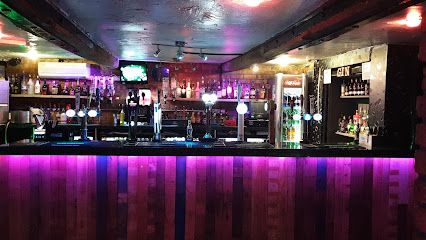
Mosh
26.5 km
Three floors of diverse music and affordable drinks make Mosh a lively, student-friendly nightclub in Derby’s city center.
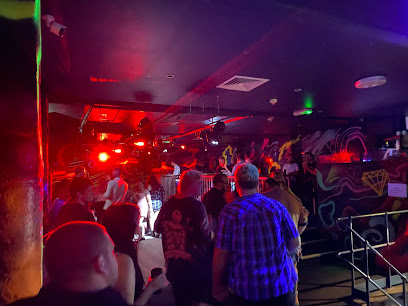
Together
26.7 km
Vibrant Afrobeat nightclub and cocktail bar in Derby’s city centre with affordable drinks and lively events.
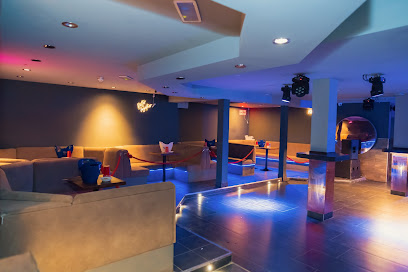
Bar Fever Derby
26.7 km
Experience Derby’s vibrant nightlife at Fever Derby, a dynamic three-floor nightclub with diverse music, lively bars, and exclusive VIP areas.
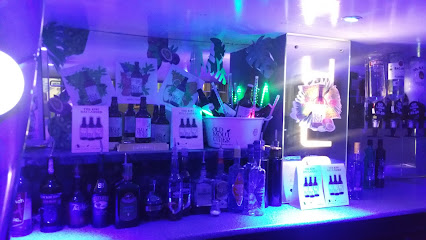
MooMoo Nightclub Derby
26.7 km
Experience Derby’s vibrant nightlife with diverse music rooms, premium booths, and affordable drinks at MooMoo Nightclub on St James's Street.
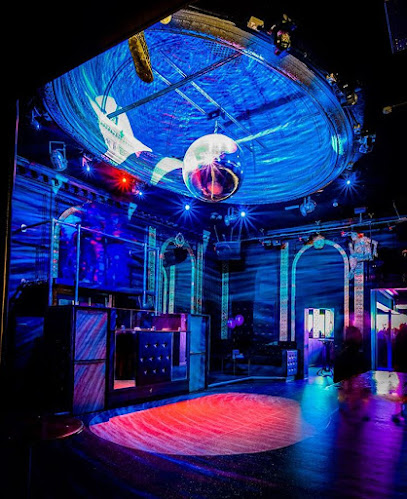
Dempseys Bar and Club
28.1 km
Sheffield's enduring gay bar and club: two floors of drinks, dances, karaoke, and late-night energy from noon till dawn in the city centre.

Temple Sheffield
28.2 km
Dive into Sheffield's underground heartbeat at Temple Nightclub, where beats thump till 6am, drinks flow affordably, and nights ignite with raw energy.
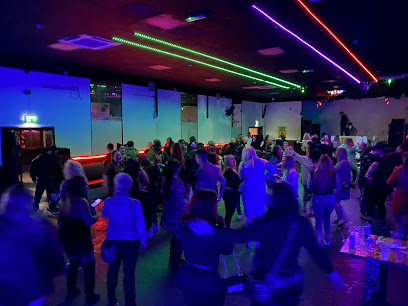
Corporation
28.4 km
Sheffield’s iconic nightclub with non-stop dance beats and an electric atmosphere in the heart of the city centre.
For the vibe & atmosphere seeker
- Scenic
- Unique
- Relaxing
- Cultural Heritage
For the design and aesthetic lover
- Vintage Styles
- Rustic Designs
For the architecture buff
- Historic
- Landmarks
- Heritage Neighborhoods
For the view chaser and sunset hunter
- Iconic Views
For the social media creator & influencer
- Architectural Shots
- Photo Spots
For the eco-conscious traveler
- Protected Area
- Locally Managed
For the kind of experience you’re after
- Cultural Heritage
- Myth & Legends
- Day Trip
- Photowalk
For how adventurous you want the journey to be
- Easy Access
Location Audience
- Family Friendly
- Senior Friendly
- Solo Friendly
- Couple Friendly
- Wheelchair Access


