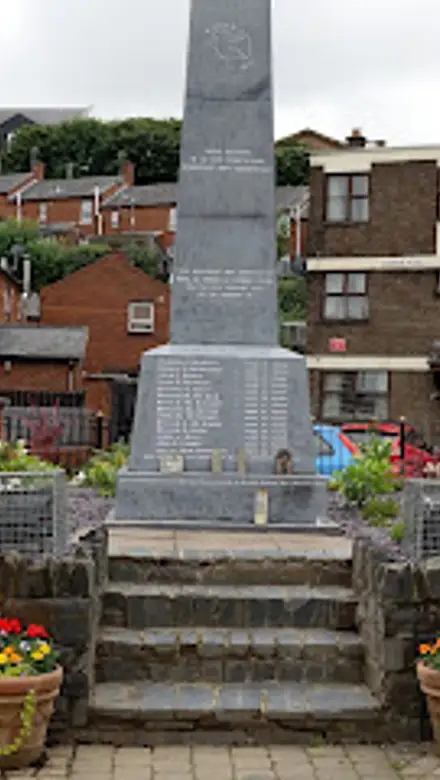
Bloody Sunday Trust, Derry Travel Guide
Free Guide: A powerful community museum in Derry’s Bogside, telling the story of civil rights, Free Derry and Bloody Sunday through personal testimonies and original artefacts.


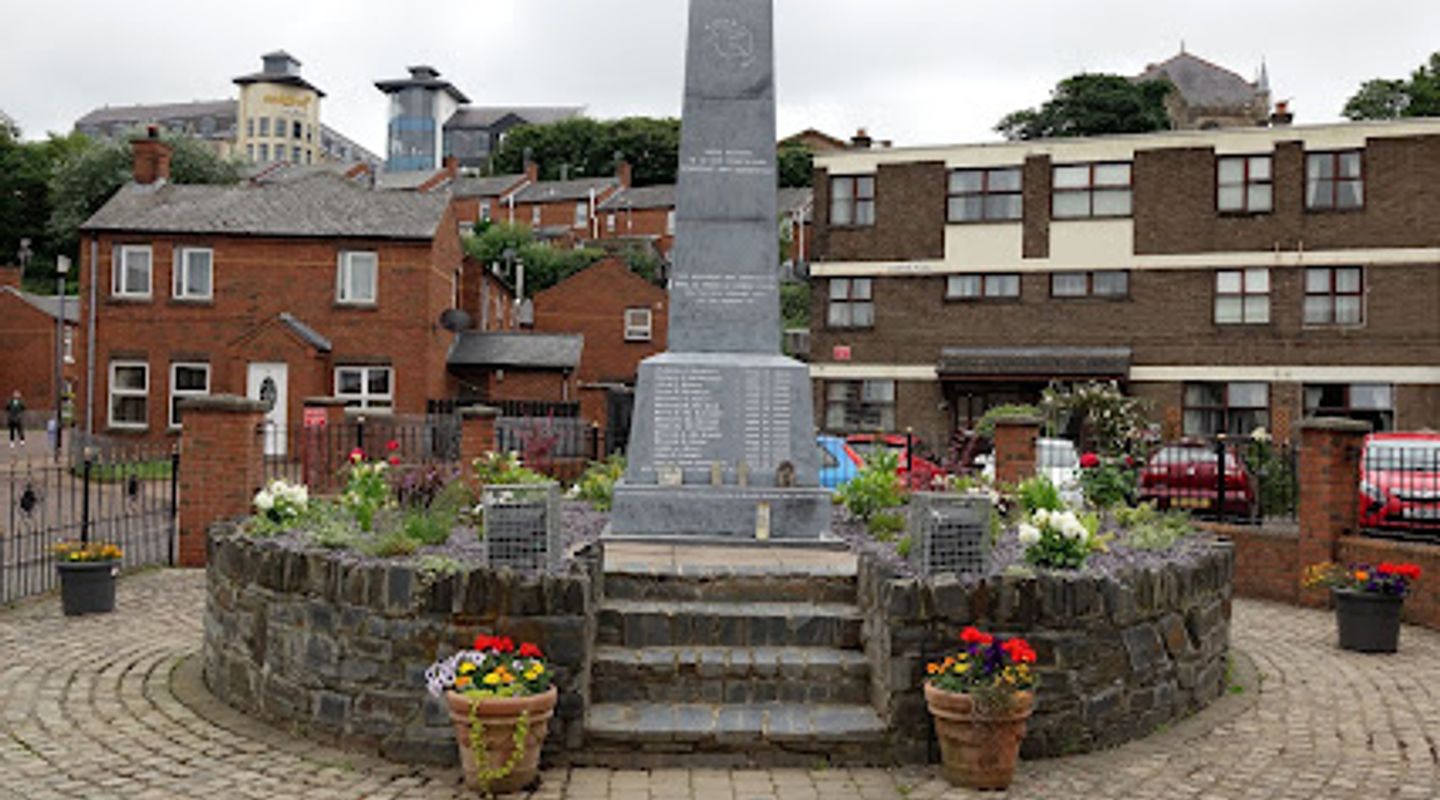
A brief summary of Bloody Sunday Trust
A powerful community museum in Derry’s Bogside, telling the story of civil rights, Free Derry and Bloody Sunday through personal testimonies and original artefacts.
Located in Derry’s Bogside, the Museum of Free Derry, often called the Bloody Sunday Museum, tells the powerful story of the civil rights movement, Free Derry, and the 1972 Bloody Sunday massacre. Through personal testimonies, original artefacts, and multimedia exhibits, it presents a community’s perspective on a pivotal chapter of Northern Ireland’s history. The museum is rooted in local memory, with many items donated by families affected by the events it documents.
On-site amenities
 Restrooms
 Drink options
 Drinking water
 Food options
 Seating areas
 Trash bins
 Information boards
 Visitor centre
- Address
- 55-61 Glenfada Park, Londonderry BT48 9DR
- Phone
Getting there
Walking
Public Transport
Car
Discover more about Bloody Sunday Trust
A People’s Story of Resistance
Tucked into Glenfada Park in Derry’s Bogside, the Museum of Free Derry stands as a deeply personal and political space dedicated to the civil rights struggle and the creation of Free Derry in the late 1960s and early 1970s. Run by the Bloody Sunday Trust, the museum emerged from a community determined to preserve its own narrative of oppression, resistance, and resilience. It frames the story not as distant history, but as a lived experience of a working-class Catholic community that challenged systemic discrimination and state violence. The exhibits trace the rise of the civil rights movement, the Battle of the Bogside in 1969, internment without trial, and the emergence of the Free Derry enclave, where residents barricaded streets and asserted self-rule.
Confronting Bloody Sunday
The museum’s heart is its detailed account of Bloody Sunday, 30 January 1972, when British soldiers shot dead 13 unarmed civilians during a civil rights march, with another dying later from injuries. The exhibition walks visitors through the day’s events with precision: maps showing where each victim fell, panels describing the political context, and audio and video testimonies from survivors, relatives, and witnesses. Among the most affecting displays are original artefacts – bloodied bandages, clothing with bullet holes, and spent ammunition – donated by families. These objects transform statistics into intimate, human loss, making the scale of the tragedy viscerally real. The museum also documents the immediate aftermath, including Operation Motorman, when the British Army retook Free Derry with overwhelming force.
From Injustice to Justice
A powerful section traces the decades-long campaign for truth and accountability after Bloody Sunday. It contrasts the initial Widgery Tribunal, which largely exonerated the soldiers, with the later Saville Inquiry, whose ten-volume report in 2010 conclusively found that the victims were innocent and that the killings were unjustified. The museum displays copies of both reports, underscoring how a community’s persistence can eventually shift official narratives. This section also explores the broader impact of Bloody Sunday on Northern Irish society, the peace process, and international perceptions of state violence. It presents the struggle not only as a local fight for justice but as part of a wider global movement for human rights and conflict transformation.
Memory, Identity and the Bogside
Beyond a single event, the museum situates Bloody Sunday within the larger story of the Bogside as a crucible of The Troubles. It examines how the area became a symbol of resistance and how its identity continues to shape Derry today. The museum sees itself as a space for community identity, education, and dialogue, encouraging visitors to reflect on themes of freedom, equality, and the cost of conflict. Its archive, built largely from donations by local residents, contains over 25,000 items, from photographs and documents to personal mementos, creating a rich tapestry of grassroots history. This emphasis on local voices ensures that the museum remains grounded in the lived experience of those who lived through these events.
Visiting the Museum Today
The Museum of Free Derry is housed in a modern, purpose-built building that reopened after extensive redevelopment, offering a full multimedia experience. Visitors encounter a mix of text panels, photographs, audio recordings, and video interviews that together create a layered and immersive narrative. The museum is compact but intense, designed to be emotionally and intellectually engaging rather than overwhelming. It is often combined with a walking tour of the Bogside’s murals and memorials, which provide a powerful visual counterpart to the museum’s story. The museum also hosts temporary exhibitions, talks, and events that connect past struggles with contemporary issues of human rights and social justice, reinforcing its role as a living, evolving space of memory and reflection.
Evendo Review Centre
 Google
Guest reviews
Best time to go
Quietest: Jan, Feb & Mar · before 10am or from 7pm
Busy times are Evendo estimates for a typical year, to help you plan. Actual crowds vary with events, school holidays and the weather.
Explore Bloody Sunday Trust on the map
A handpicked selection of must-see spots near Bloody Sunday Trust, mapped for you.
Get your free copy of our complete guide to Bloody Sunday Trust, delivered straight to you.
Everything on this page, from opening hours and how to get there to Eve’s tips and the best time to go, in one PDF you can read offline, print or share.
Already have an account? Sign in
Your Bloody Sunday Trust guide is ready.
We'll send it to · Not you? Sign out

Getting your guide ready…
We are putting together a fresh copy of the Bloody Sunday Trust guide. This can take up to a minute.
This can take a few moments. If your browser asks, choose Allow so the download can start. You'll find the guide in your Downloads folder.
Nothing happened? Download it again
Sorry, the guide is taking longer than usual. Please try again in a minute, or get it by email instead.
Unlock the best of Bloody Sunday Trust
Skip-the-line tickets, guided tours with entry, and walking tours of the area, booked in a few clicks.

Other nearby places you may find interesting
The closest places of the same kind, if this one is not quite what you had in mind.
-
-
-
-
-


Swipe for more places
More to explore near Bloody Sunday Trust

 Best experiences near Bloody Sunday Trust
 Best hotels near Bloody Sunday Trust
 Best landmarks near Bloody Sunday Trust
 Best attractions near Bloody Sunday Trust
 Best shops near Bloody Sunday Trust
 Best restaurants near Bloody Sunday Trust
 Best bars near Bloody Sunday Trust
Do you manage this location?
Take control to get all the benefits, like improved information, better appearance, and stronger visibility across AI-powered discovery.
Explore more
Explore more of Derry
Explore Derry: Where history meets vibrant culture in a city bridging Irish and British heritage, offering breathtaking views and captivating festivals.
Explore Derry
Explore more of United Kingdom
Discover the United Kingdom: A blend of rich history, stunning landscapes, and vibrant cities, offering a unique travel experience for every visitor.
Explore United Kingdom