
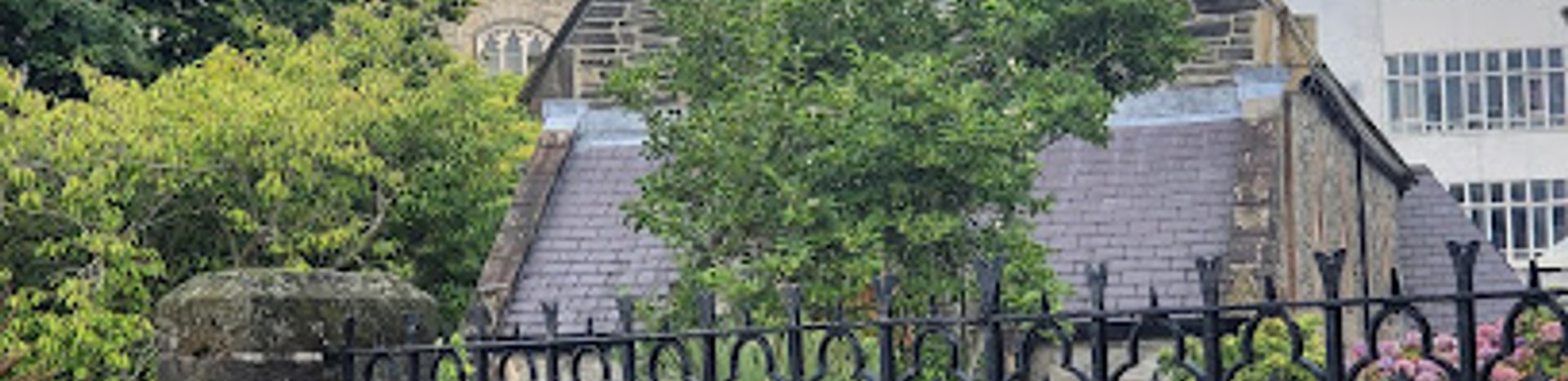
St Augustine's Church of Ireland
A 1,500-year-old sanctuary where Saint Columba's monastery still echoes through the walls of Londonderry.
Affectionately known as the 'Wee Church on the Walls,' St Augustine's Church stands as one of Londonderry's most historically significant spiritual sites. This neo-Gothic church, consecrated in 1872, occupies the ancient grounds of a monastery founded by Saint Columba in 546 AD. Nestled serenely on the Grand Parade of the city walls, the church remains a living, worshipping community and a profound testament to over 1,500 years of Christian heritage. Its graveyard holds a cannonball from the Siege of 1688–1689, a tangible reminder of the tumultuous history this sacred space has witnessed and survived.
A brief summary to St Augustine's Church of Ireland
- Palace St, Londonderry, Londonderry, BT48 6PP, GB
- +442871308185
- Visit website
- Duration: 0.75 to 2 hours
- Free
-
 Outdoor
- Mobile reception: 4 out of 5
Local tips
- Visit early in the morning or late afternoon to experience the church in quieter moments, allowing for deeper reflection and photography without crowds.
- Explore the graveyard carefully to locate the historic cannonball from the 1688–1689 Siege—a tangible connection to one of the most dramatic moments in the city's history.
- Use the Heritage Venues Audio Guide available in multiple languages to gain deeper insights into the 1,500-year history and architectural details of this sacred site.
- Walk the nearby Derry city walls to appreciate the church's position within the walled city and enjoy panoramic views of the surrounding landscape and historic quarters.
- Check service times if you wish to experience the church as a living, worshipping community rather than solely as a historical monument.

For the on-the-go comforts that matter to you
- Restrooms
- Information Boards
- Seating Areas
Getting There
-
Walking from Derry City Centre
From the Diamond (city centre), walk south-east toward the walled city. The church is located on Palace Street within the historic walls, approximately 10–15 minutes on foot. The approach is straightforward along main streets with clear signage for the city walls and Cathedral Quarter. Terrain is paved and accessible year-round.
-
Bus from Derry Bus Station
Local buses serve the city centre with stops near the walled city entrance. Journey time from the bus station is approximately 5–10 minutes depending on the route. Services run regularly throughout the day. Check local timetables for current schedules and fares, typically in the range of £1.50–£2.50 per journey.
-
Taxi or Ride-Share
Taxis are readily available throughout Derry. Journey time from the city centre is approximately 5–10 minutes. Expect fares in the range of £5–£10 depending on starting point. The church's address is Palace Street, Londonderry BT48 6PP.
-
Parking Near the Walls
Limited on-street parking is available near the city walls, though spaces are often occupied. Several paid car parks operate within a 5–10 minute walk of the church, with typical rates around £1–£2 per hour. The Bishop's Gate Hotel car park and other nearby facilities offer alternatives if street parking is unavailable.
St Augustine's Church of Ireland location weather suitability
-
 Any Weather
-
 Rain / Wet Weather
-
 Cold Weather
-
 Mild Temperatures
Discover more about St Augustine's Church of Ireland
Fifteen Centuries of Spiritual Continuity
St Augustine's Church occupies one of Ireland's oldest continuously inhabited Christian sites, with roots stretching back to 546 AD when Saint Columba (also known as Saint Colmcille) established a monastery in the area. Born around 522 AD in County Donegal, Columba came to Derry—then called Daire Calgach, meaning the grove of oaks—after his cousin offered him land to build a church. The monastery flourished under the Columban Order for centuries, becoming a centre of learning and spirituality. Between the 6th and 11th centuries, Derry was known primarily as a monastic settlement, and this site became one of its most revered locations. Over the centuries, the monastery endured countless raids and transformations, yet the spiritual significance of the place remained undiminished.Medieval Transformation and the "Black Church"
In 1164, the ancient church was surrounded by a cashel (stone fortification), and a new cathedral called Temple Mor was constructed outside the walls at the present site of Long Tower Chapel. From that point forward, the little abbey on this site became known as Dubh Regles, meaning the Black Church. The monastery eventually came under the control of the Augustinian Canons, whose presence is documented in records from 1397 when Archbishop Colton lodged with them during a pastoral visit. These records provide invaluable insights into the daily running of the monastery during the medieval period. The site's significance was such that it remained a focal point of religious life throughout the Middle Ages, despite the shifting fortunes of the city around it.Siege, Survival, and the First Settlers
When English, Welsh, and Scottish settlers arrived in Derry in 1613, they used this church—then called the Church of God in the Cittie of Derry—as their place of worship. During the Great Siege of 1688–1689, a cannonball containing the terms for surrender fell into the church graveyard, a dramatic moment that is commemorated to this day. The church survived the bombardment that damaged many buildings throughout the city, though it sustained damage on three occasions during the Troubles in the 20th century. Each time, the damage was repaired and worship continued, reflecting the resilience of both the building and its congregation. The graveyard contains many famous graves, bearing witness to centuries of burials and the lives of those who found solace within these walls.The Victorian Reconstruction and Architectural Heritage
The present building dates from 1872, designed by John Guy Ferguson, the Church of Ireland Diocesan Architect and a prolific designer of many of the city's finest buildings. Consecrated on 11 June 1872 by Bishop William Alexander—husband of the celebrated hymn writer Frances Cecil Alexander, who composed "All Things Bright and Beautiful" and "Once in Royal David's City"—the church represents a remarkable achievement. Built at a cost of £1,600, it was the first church in Ireland constructed entirely by voluntary subscription, a testament to the community's dedication. The building is constructed of whinstone with sandstone dressings, executed in 13th-century Gothic style. Its architectural features include a three-bay gabled hall with bellcote, a geometric wheel window, a lean-to slated porch, and internally a hammerbeam roof of considerable beauty.A Living Sanctuary in the Heart of History
Today, St Augustine's Church remains a thriving, living church with a faithful congregation. The church describes itself as "a community whose hope is in Christ," and it functions as both a place of active worship and a significant historical landmark. The footprint of the building has remained remarkably consistent over the centuries—modern archivists have even suggested that the position of the church halls mirrors that of the site of the cloisters of the old medieval abbey. Positioned on the Grand Parade of the Derry city walls, the church creates an oasis of peace and tranquility in the midst of the bustling city. Its Heritage Venues Audio Guide is available in English, Spanish, and French, welcoming visitors from around the world to explore its profound spiritual and historical significance.Iconic landmarks you can’t miss

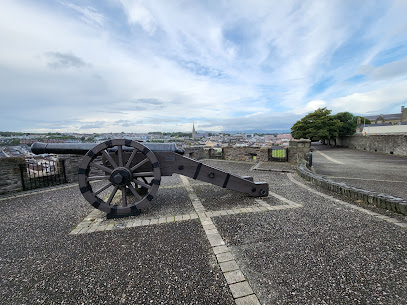
Double Bastion
0.2 km
Historic fortress bastion on Derry’s city walls, home to the legendary Roaring Meg cannon and panoramic views over the Bogside.
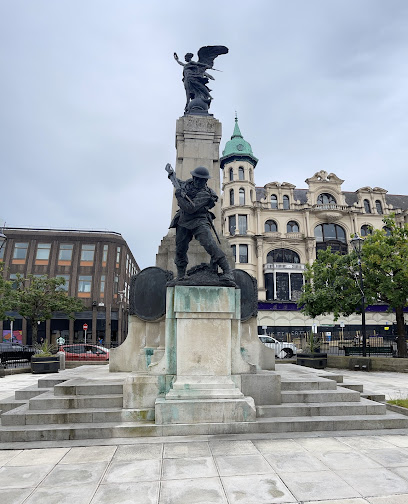
War Memorial
0.2 km
A solemn tribute to the fallen, standing at the heart of Derry's historic walled city since 1927.
BRICKWORK BAR
0.2 km
Discover the vibrant charm of Brickwork Bar in Londonderry, where local culture and friendly faces create an unforgettable atmosphere.
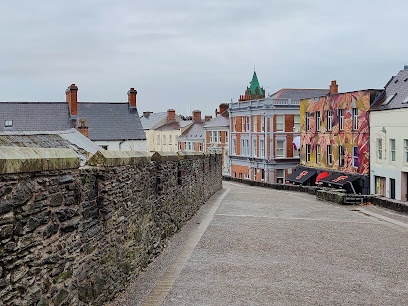
Ferryquay Gate Derry City Walls
0.3 km
Step through the gate that started the Siege of Derry and walk the ramparts of one of Europe’s finest walled cities.
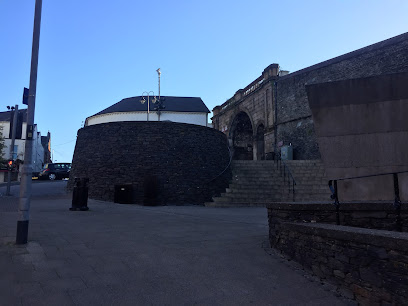
City Walking Tours
0.3 km
Discover the captivating history and vibrant culture of Londonderry with engaging guided walking tours exploring iconic landmarks and hidden gems.
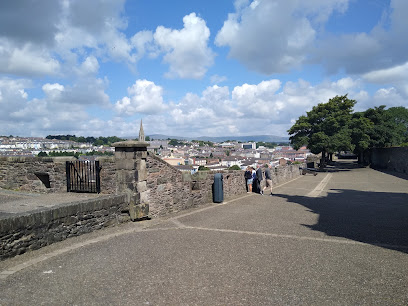
Magazine Gate Derry City Walls
0.4 km
Explore Magazine Gate, the newest historic entrance to Derry’s iconic walled city, offering riverfront access and rich 19th-century heritage.
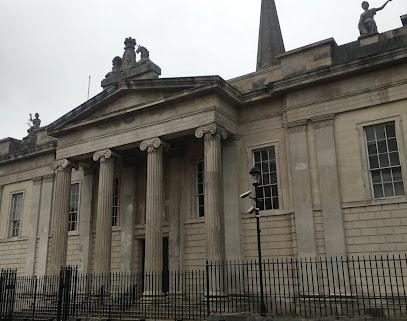
Bogside History Tours
0.4 km
Discover Londonderry's captivating history with Bogside History Tours, where every street tells a story and every mural speaks volumes.
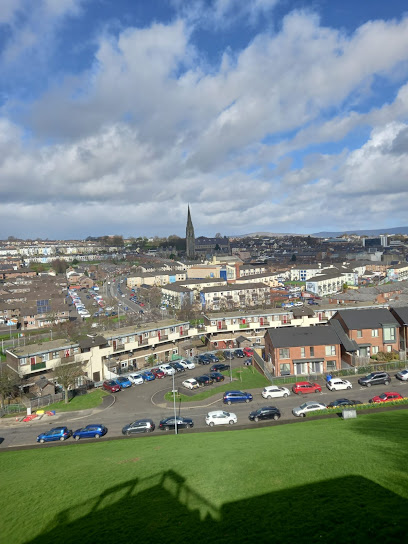
Cornerstone City Church
0.8 km
A vibrant community in Londonderry offering worship, outreach, and hope through faith and compassionate service.
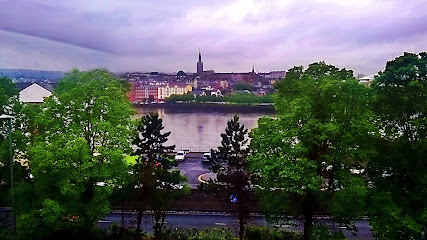
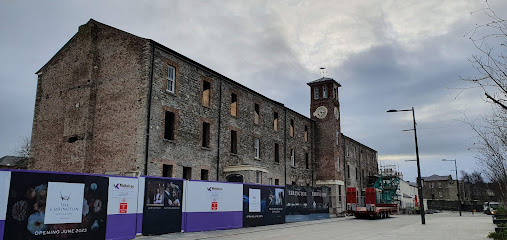
The Clock Tower
0.9 km
Historic Clock Tower at Ebrington Square, a timeless symbol of Londonderry’s military heritage and vibrant city life.
Haslett Monumental Sculptors
1.0 km
Explore the artistry and heritage of memorial craftsmanship at Haslett Monumental Sculptors in Londonderry, where memories are beautifully carved in stone.
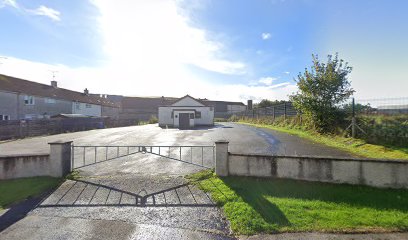
Lapwing Way Gospel Hall
1.4 km
A welcoming evangelical chapel offering spiritual reflection and community fellowship in Londonderry.
Things To Do
2.9 km
Explore the vibrant history and stunning landscapes of Londonderry with unforgettable tours that bring the city's rich culture to life.
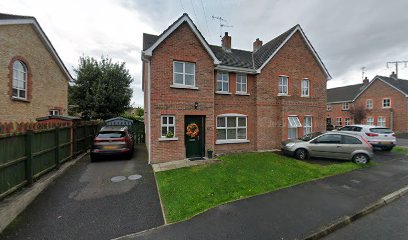
Wild Ireland
6.4 km
Explore Wild Ireland, where you can encounter native wildlife in stunning natural surroundings, perfect for families and nature lovers alike.

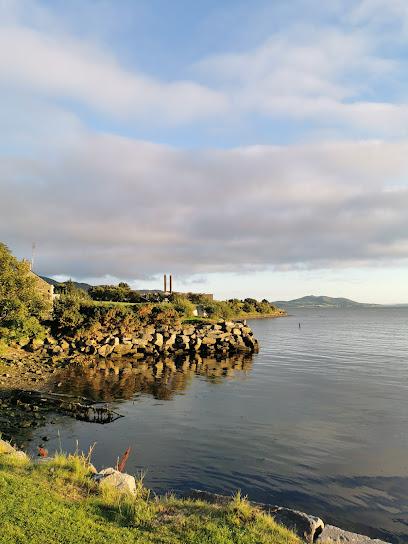
Amazing Grace Viewing Point
18.0 km
Where a storm‑tossed sailor found grace and penned one of the world’s most beloved hymns, overlooking the waters of Lough Swilly in Buncrana.
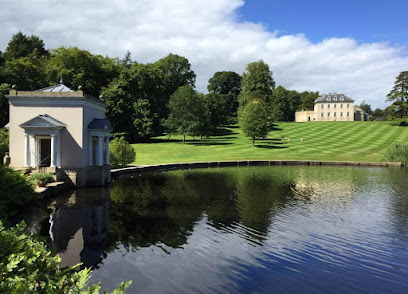
Oakfield Park
20.7 km
Experience the serene beauty of Oakfield Park in Donegal, a stunning garden retreat perfect for nature lovers and families seeking tranquility.
Unmissable attractions to see

The Yellow Yard
0.0 km
Discover Londonderry’s vibrant vintage market blending unique finds, local art, and a lively atmosphere on Palace Street.
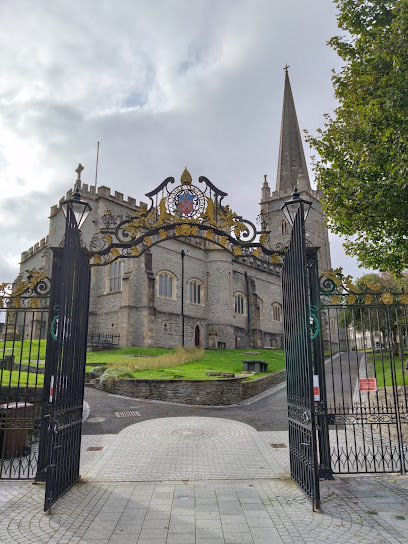
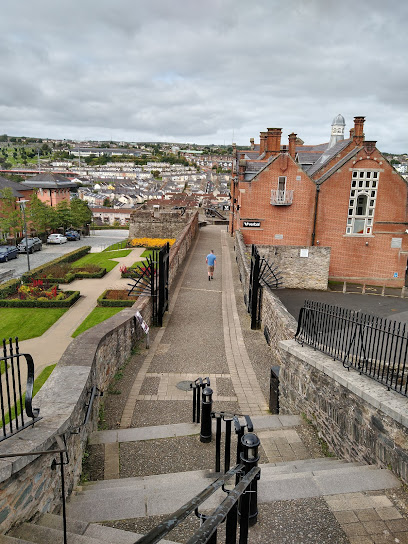
The Derry Walls
0.0 km
Discover the rich history and stunning vistas at The Derry Walls, a UNESCO World Heritage site in Londonderry, Northern Ireland.
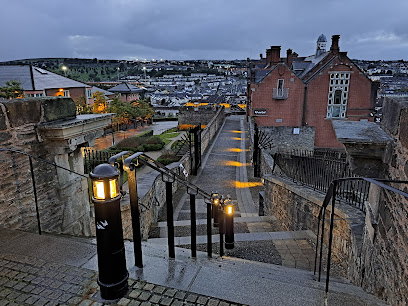
Apprentice Boy's Memorial Hall
0.1 km
Historic memorial and cultural hub honoring the apprentice boys who defended Londonderry during the 1688 siege.
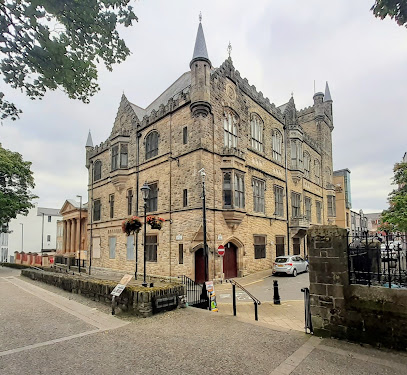
The Siege Museum
0.1 km
Explore the dramatic 1689 Siege of Derry through immersive exhibits and heritage rooms honoring the city’s enduring legacy.
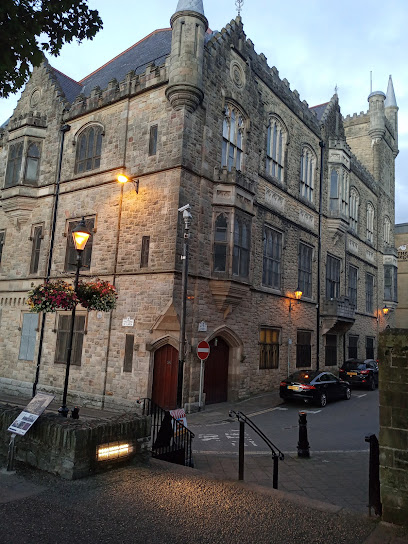
Le Petit Village
0.1 km
A charming, imaginative children’s play café in Londonderry’s city centre, perfect for infants and toddlers to explore and create.
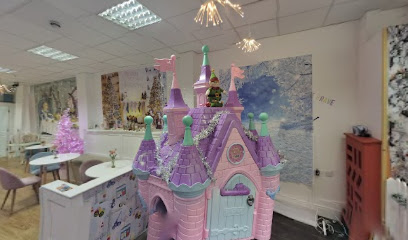
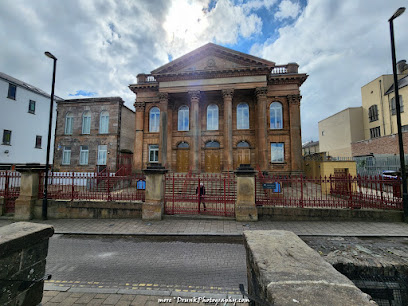
First Derry Presbyterian Church
0.1 km
A historic Presbyterian church in Derry~Londonderry, rooted in the city’s 1690 siege and offering quiet reflection in a central urban setting.
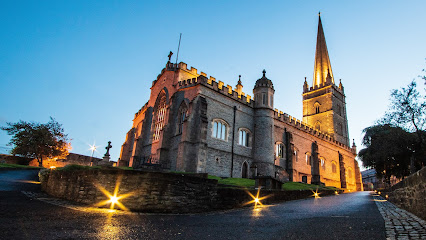
St Columb's Cathedral
0.2 km
Derry’s oldest building and first post-Reformation cathedral, where history, silver, and song echo through centuries within the city walls.
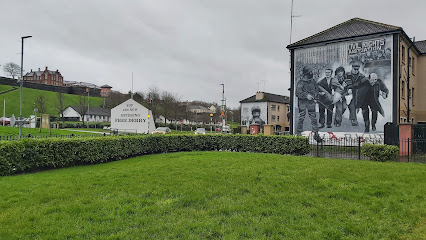
Free Derry Corner
0.2 km
Discover Free Derry Corner, a historic landmark in Londonderry embodying the spirit of resilience and civil rights through its iconic murals.
Bloody Sunday Monument
0.2 km
Visit the Bloody Sunday Monument in Londonderry to honor the victims of a tragic event and immerse yourself in the rich history of Northern Ireland.
Belong Londonderry / Derry
0.2 km
Next-generation gaming arena where competitive play meets community connection in Derry's premier shopping destination.
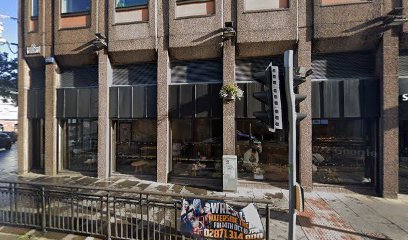
Heritage Tower Museum
0.2 km
Explore Londonderry’s rich history and vibrant culture at the Tower Museum, featuring immersive exhibits and stunning city views.
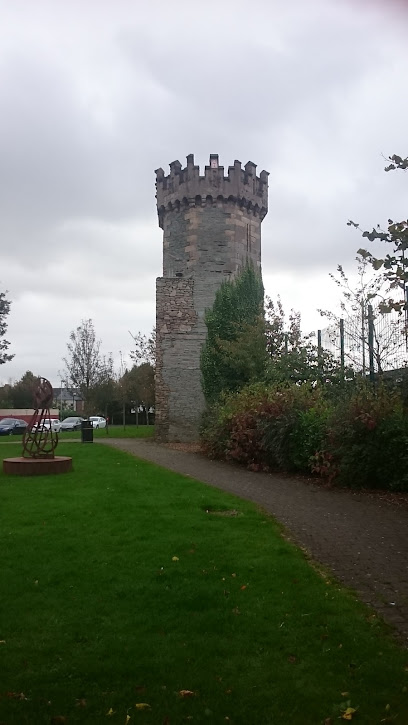
Rossville St
0.2 km
Rossville Street in Londonderry stands as a vivid canvas of history, murals, and memories from the heart of the Bogside’s civil rights struggle.
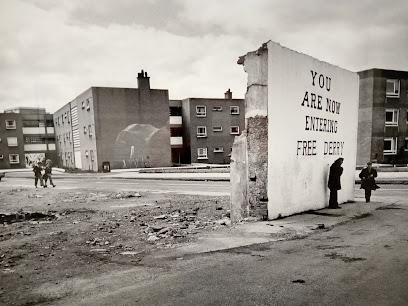
Bloody Sunday Trust
0.2 km
A powerful community museum in Derry’s Bogside, telling the story of civil rights, Free Derry and Bloody Sunday through personal testimonies and original artefacts.
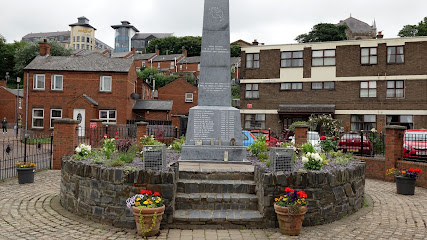
Museum of Free Derry
0.2 km
Explore the powerful history and enduring spirit of Derry’s civil rights movement at the Museum of Free Derry.
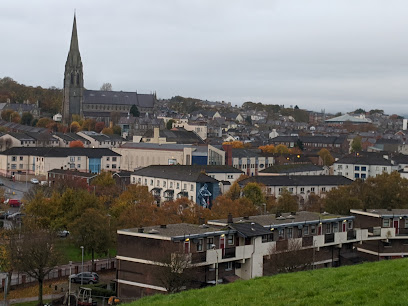
Craft Village
0.3 km
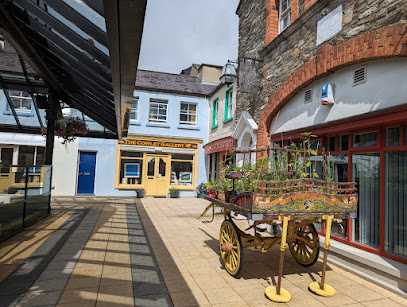
Discover Derry’s historic Craft Village, a vibrant hub of artisan shops, cafes, and cultural events set in a charming 18th-century inspired streetscape.
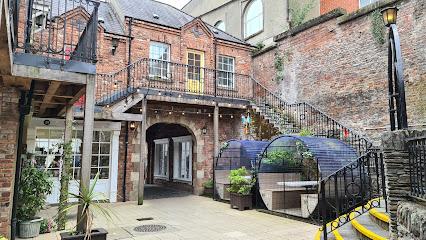
Essential places to dine

The Gown Restaurant
0.1 km
Experience refined Irish cuisine in a historic setting with seasonally inspired dishes crafted from the freshest local ingredients in Derry’s Cathedral Quarter.
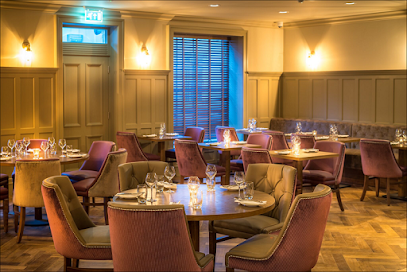
Social Studio Restaurant
0.1 km
Experience innovative cuisine and crafted cocktails in a stylish, welcoming setting at Social Studio Restaurant, Londonderry’s culinary gem.
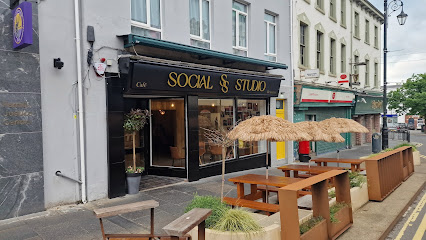
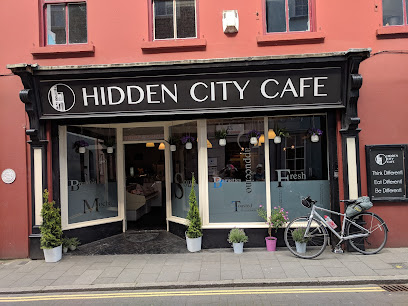
Hidden City Cafe
0.1 km
Ethical family café in Londonderry offering creative, plant-based cuisine with local ingredients and a vibrant, relaxed atmosphere.
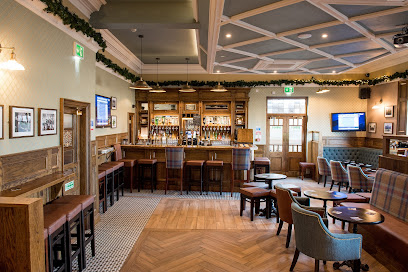
The Rocking Chair
0.2 km
Experience the vibrant atmosphere of The Rocking Chair in Londonderry - where great food meets live music in a charming pub setting.
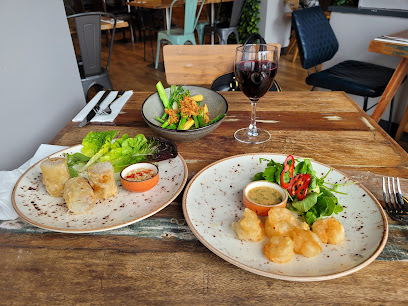
Mekong
0.2 km
Experience vibrant Vietnamese fusion cuisine with fresh flavors and friendly service in the heart of Londonderry’s cultural district.
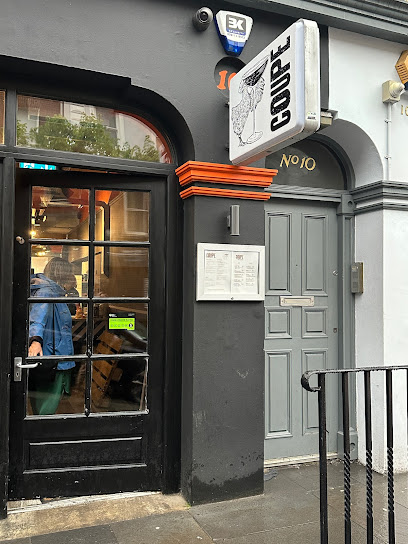
COUPE by The Dirty Souls - Smokehouse/BBQ
0.2 km
Authentic Texas-style BBQ in the heart of Londonderry, serving smoked meats, bold sauces, and craft drinks in a vibrant smokehouse setting.
The Dirty Souls
0.2 km
Savor authentic Southern BBQ and soulful flavors with expertly smoked meats and creative cocktails in the heart of Londonderry.
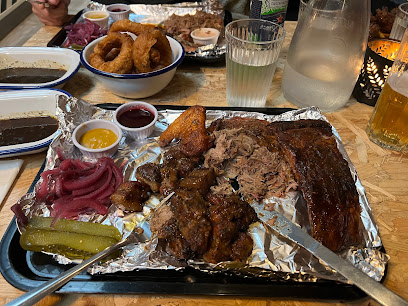
Castle Street Social
0.3 km
A lively social restaurant in Derry serving innovative local dishes, vegan and gluten-free options, with a vibrant bar and welcoming atmosphere.
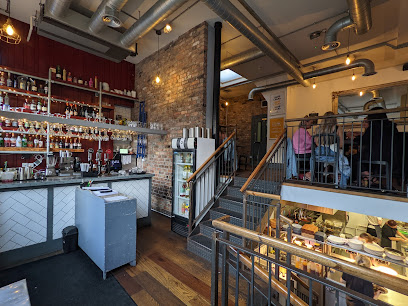
Shipquay Restaurant
0.3 km
Refined Irish dining in a historic boutique hotel overlooking Derry’s iconic City Walls and Guildhall.
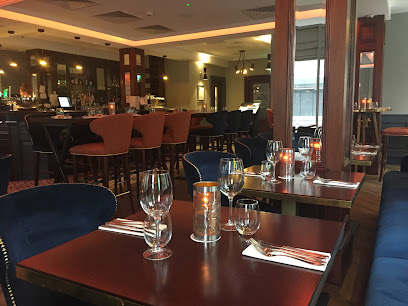
Jamm
0.3 km
Cozy café offering fresh wraps, vegan delights, and great tea in the historic heart of Londonderry.
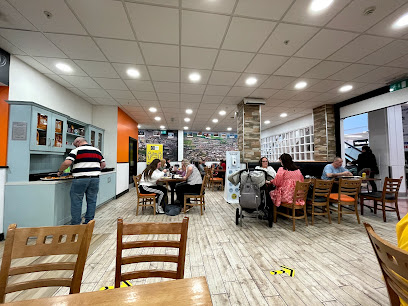
The Bentley Bar
0.3 km
Savor delicious grilled dishes at The Bentley Bar - where flavor meets atmosphere in Londonderry.
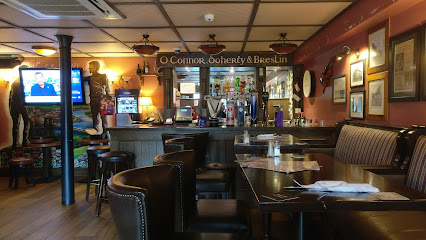
Fitzroy's
0.3 km
Theatrical bistro in Londonderry's city centre with inclusive cuisine and thoughtful service.
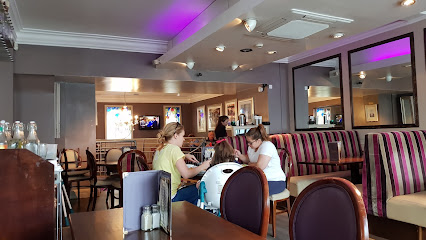
Artis Restaurant By Phelim O' Hagan
0.3 km
Discover exquisite Irish cuisine at Artis Restaurant in Londonderry's Craft Village—where fresh ingredients meet culinary artistry.
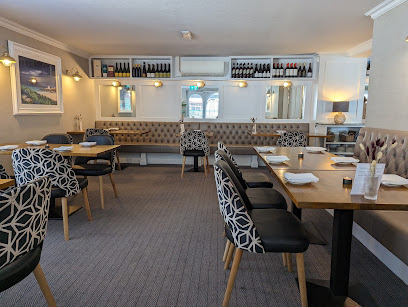
The Scullery Cafe
0.3 km
Charming artisan café in Londonderry serving fresh Irish breakfasts, lunches, and homemade treats in a cozy, welcoming atmosphere.
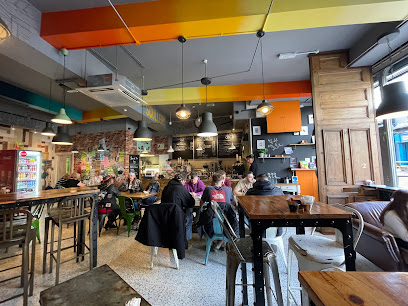
Tracy's Bar
0.3 km
Discover Tracy's Bar in Londonderry – a lively restaurant and bar perfect for enjoying delicious food and drinks in a welcoming atmosphere.
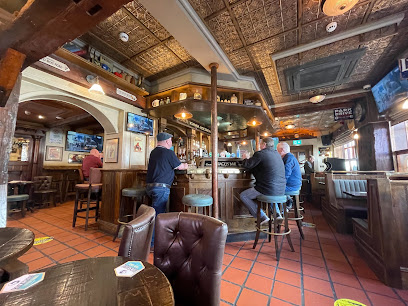
Markets, malls and hidden boutiques

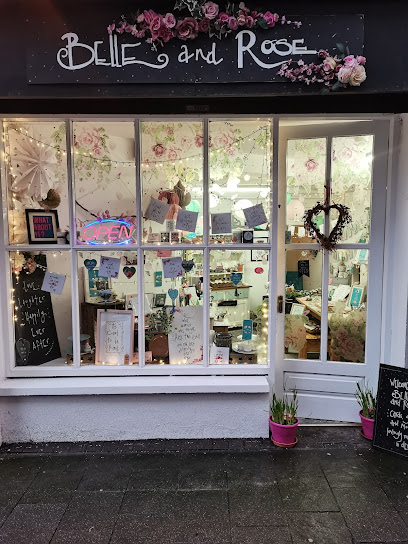
BELLE & ROSE
0.1 km
Discover handcrafted gifts and artistic charm at Belle & Rose, Londonderry’s boutique for meaningful presents.
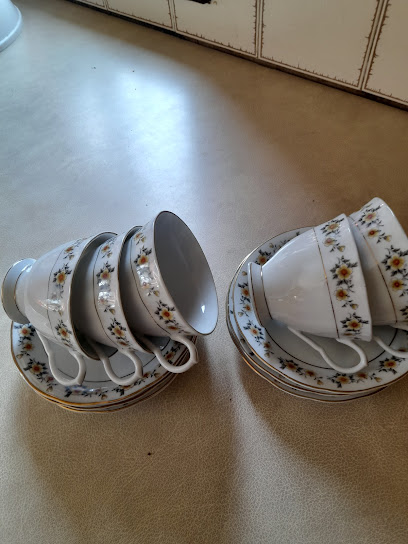
The Whatnot
0.1 km
A charming antique shop in Derry~Londonderry, packed with vintage furniture, curiosities, and collectibles from bygone eras.
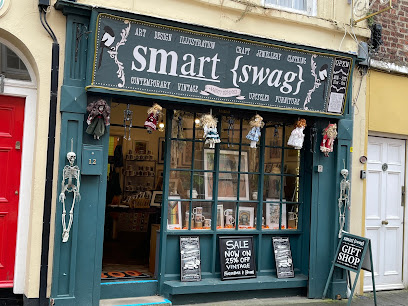
SmartSwag
0.1 km
Discover unique handmade treasures and local artistry at SmartSwag, Londonderry’s vibrant craft shop on London Street.
Vintage Star
0.2 km
Discover timeless style and authentic vintage fashion at Vintage Star, Londonderry’s beloved retro clothing boutique on Pump Street.
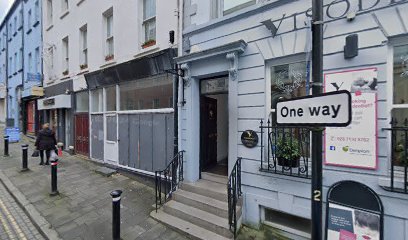
Harmony
0.2 km
Discover unique gifts and wellness treasures at Harmony, a charming boutique in the heart of Londonderry’s vibrant shopping district.
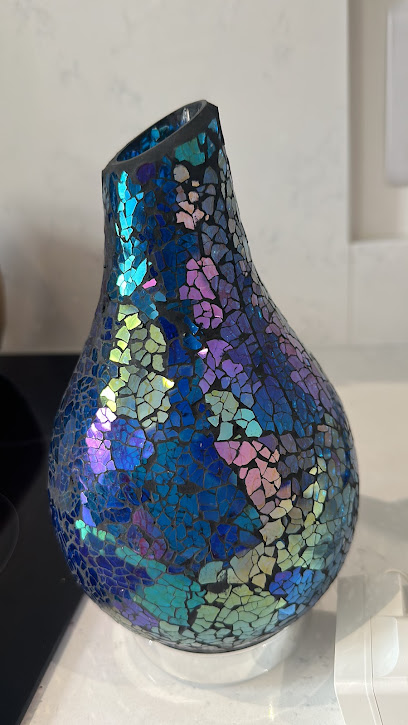
Gimme Goodies
0.2 km
Discover delightful chocolates and gifts at Gimme Goodies, a sweet shop gem in Londonderry’s Richmond Shopping Centre.
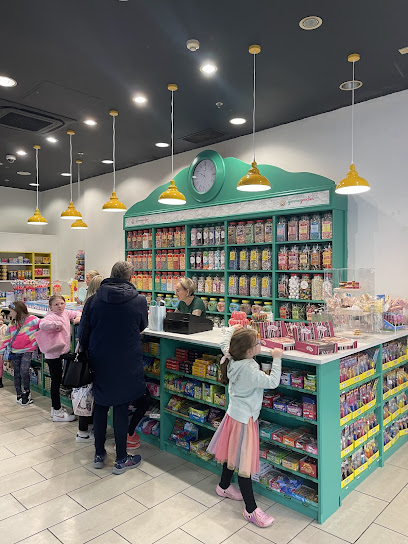
The Donegal Shop
0.2 km
Discover authentic Irish crafts and timeless knitwear in Derry’s family-run Donegal Shop, a heritage hub for Celtic artistry since 1963.
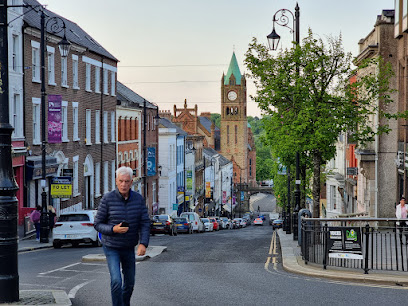
Mermaid Cove
0.2 km
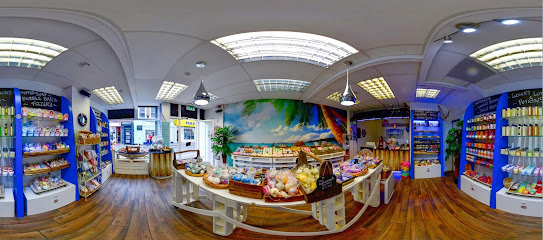
Discover handcrafted bath bombs, natural cosmetics, and exclusive home fragrances at Mermaid Cove in historic Derry’s Richmond Centre.
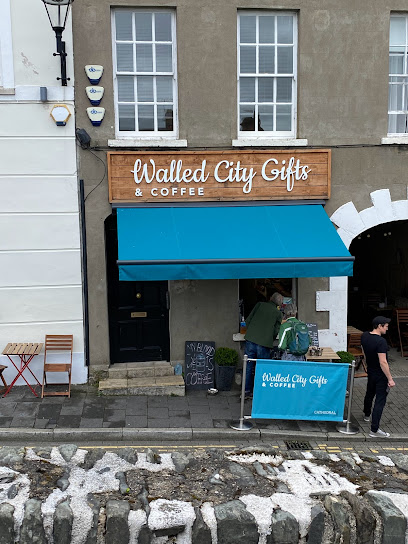
Walled City Gifts & Coffee
0.2 km
Discover unique souvenirs and enjoy delightful coffee at Walled City Gifts & Coffee in Londonderry, a perfect stop for tourists.
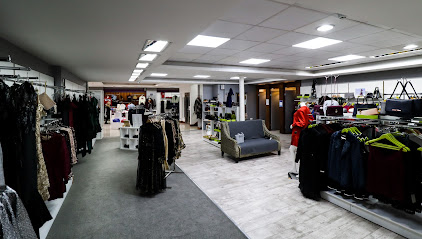
Kular Fashion
0.2 km
Derry’s trusted family-run boutique for premium men’s designerwear, footwear, and accessories since 1977.
Pippa
0.2 km
Discover unique women's fashion at Pippa, Londonderry's chic boutique, your go-to for stylish clothing and local fashion finds.
Bonmarché
0.2 km
Affordable, stylish ladies' clothing in the heart of Londonderry’s Richmond Centre, blending comfort with fashion for every occasion.

Derry Designer Makers
0.3 km
A vibrant craft collective in Derry’s charming Craft Village, showcasing handmade jewellery, ceramics, textiles, art and more from local North West makers.
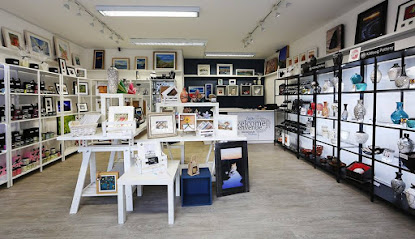
Moments Gift Shop
0.3 km
Explore Moments Gift Shop in Londonderry for unique gifts and local wedding essentials, blending culture with creativity in every purchase.
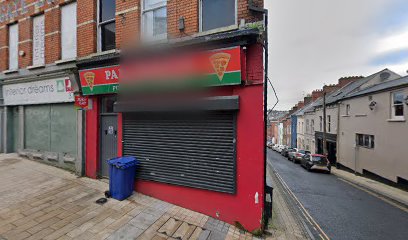
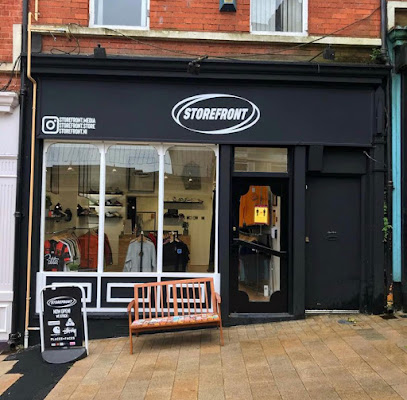
Storefront
0.3 km
Discover premium Irish-designed clothing and unique styles at Storefront, Londonderry’s independent fashion boutique on Waterloo Street.
Essential bars & hidden hideouts

Masons Bar
0.2 km
Experience authentic local charm and warm hospitality at Masons Bar, a cozy and affordable retreat in the heart of Londonderry.
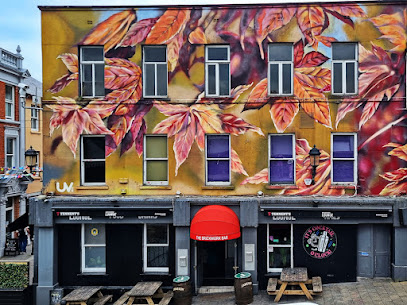
Lizzie O'Farrell's
0.3 km
Experience the lively spirit of Londonderry at Lizzie O'Farrell's, a warm pub blending traditional Irish charm with vibrant live music and local brews.
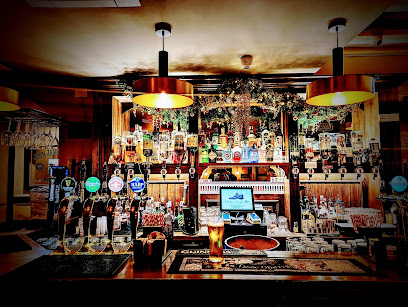
Dungloe Bar
0.3 km
Historic Irish pub since 1892, offering live music, hearty food, and a warm atmosphere in the heart of Londonderry’s Waterloo Street.
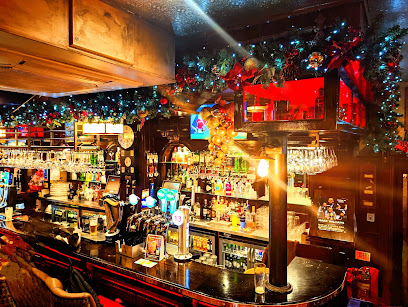
The Thirsty Goat Derry
0.3 km
A lively bar and beer garden in Londonderry offering traditional Irish fare, craft beers, and live music seven nights a week.
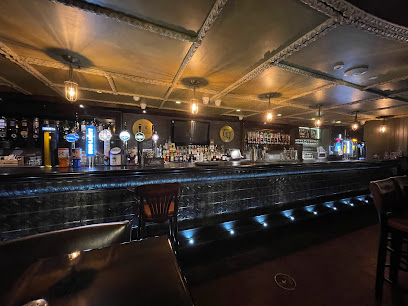
Silver Street Derry
0.3 km
Historic charm and lively modern lounge vibes converge at Silver Street Derry, part of the iconic River Inn since 1684.
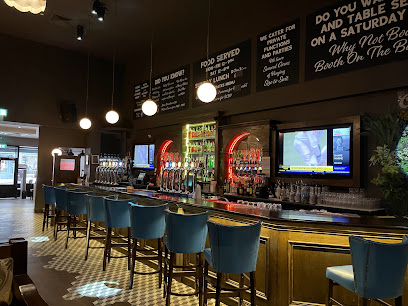
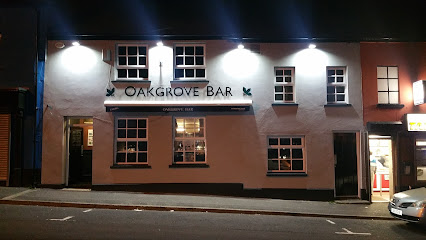
Oakgrove Bar
0.3 km
Experience authentic Irish hospitality, lively entertainment, and a cozy atmosphere at Oakgrove Bar in the heart of Londonderry.
Nacional de Cuba
0.4 km
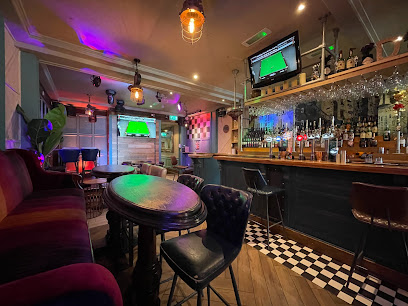
A vibrant and welcoming cocktail bar in Londonderry, famed for its lively karaoke nights, eclectic music, and expertly crafted drinks.
Abercorn Bar & Off Sales
0.4 km
Cozy and affordable local pub in Londonderry with a friendly vibe, live sports, and off-sales convenience.
Porter's Bar
0.4 km
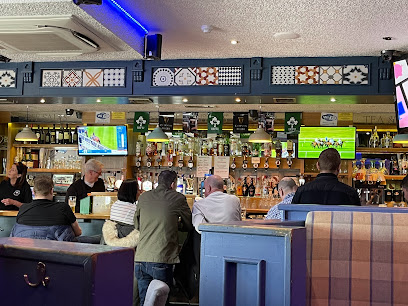
Experience authentic Irish hospitality and local craft beers in the cozy, lively heart of Londonderry at Porter's Bar.
Blackbird
0.4 km
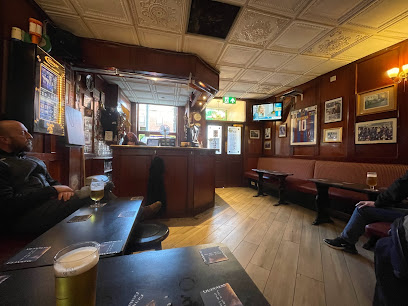
Blackbird is a lively Londonderry pub offering fine brews, a welcoming atmosphere, and a growing kitchen menu from midday to late night.
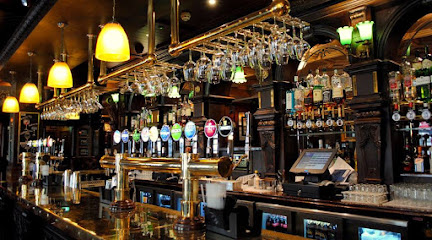
Sandinos
0.5 km
Experience Londonderry’s dynamic live music and vibrant social scene at Sandinos, a beloved bar and café on historic Water Street.
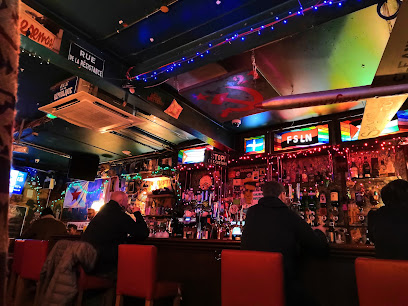
Jack's Bar
0.5 km
Experience authentic Northern Irish hospitality and hearty pub fare in the cozy and lively Jack's Bar at Londonderry's Little James Street.
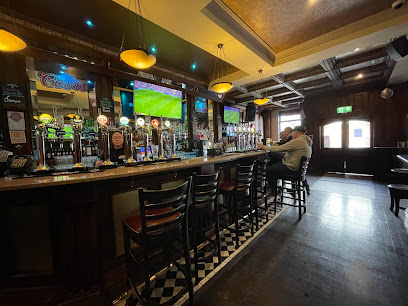
Celtic Bar
0.5 km
A friendly, affordable bar in the heart of Londonderry offering lively music and a welcoming atmosphere for locals and visitors.
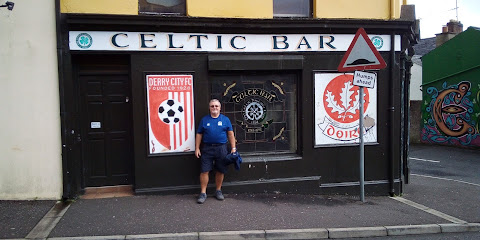
Grand Central Bar
0.5 km
A lively and affordable local pub on Strand Road, Grand Central Bar offers a warm atmosphere and friendly service in the heart of Londonderry.
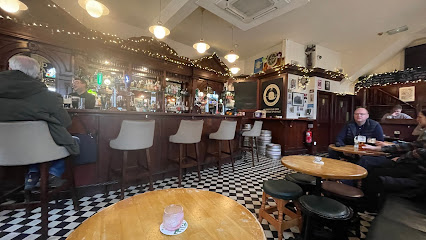
The Trinity Bar
0.5 km
A lively Londonderry bar blending traditional Irish charm with unique decor, great drinks, and hearty local fare in a welcoming atmosphere.
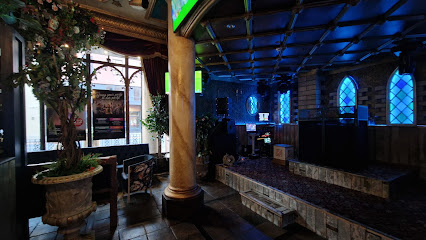
Nightclubs & after hour spots

FIFTY SEVEN Waterloo St
0.3 km
Experience Londonderry’s vibrant nightlife at Fifty Seven Waterloo St, a chic nightclub pulsing with classic DJ beats and lively energy.
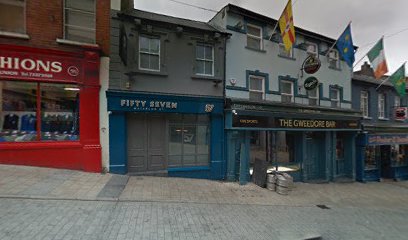
Ibiza Orchestra Live
1.0 km
Experience the electrifying fusion of live orchestral music and iconic Ibiza dance beats in Londonderry’s vibrant nightlife hotspot.

izudoo Derry Pub & Night Club Guide
1.1 km
Experience Londonderry’s vibrant nightlife at izudoo — a lively pub and nightclub with great music, drinks, and unforgettable nights out.
Carrolls
19.1 km
Discover the vibrant nightlife at Carrolls in Buncrana, Co. Donegal, where exceptional drinks and music create unforgettable memories.
XOX Strabane
20.7 km
Experience the vibrant nightlife of Strabane at XOX, the town’s premier nightclub for late-night music, dancing, and social energy.
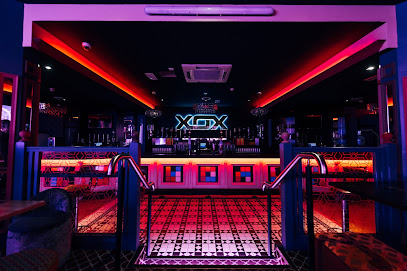
Bailey Redcastle Nite Club
22.4 km
Discover the heart of Co. Donegal's nightlife at Bailey Redcastle Nite Club, where great music and vibrant energy await your arrival.
PULSE VENUE
26.3 km
Experience the vibrant nightlife at PULSE VENUE, Letterkenny's premier night club offering live music and unforgettable dance parties.
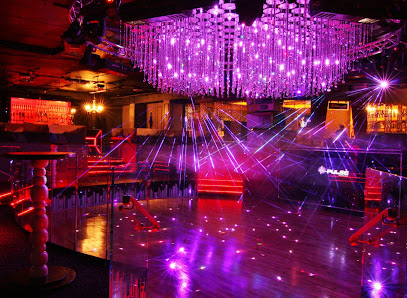
Fifth Avenue Letterkenny
26.5 km
Dive into the heart of Letterkenny's nightlife at Fifth Avenue, where vibrant music and lively dance floors create unforgettable moments.
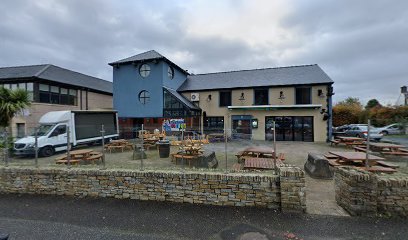
Voodoo Venue
26.9 km
Experience the electric nightlife of Letterkenny at Voodoo Venue, where cocktails, live music, and vibrant energy await every visitor.
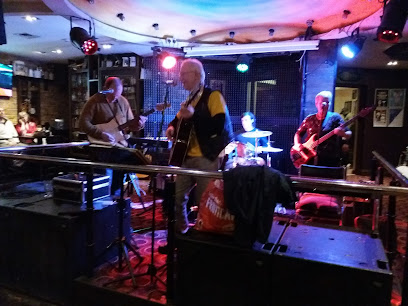
Halyon Club
28.2 km
Discover the vibrant nightlife of Halyon Club in Ballynally, Co. Donegal, where music, dance, and fun come together for an unforgettable experience.
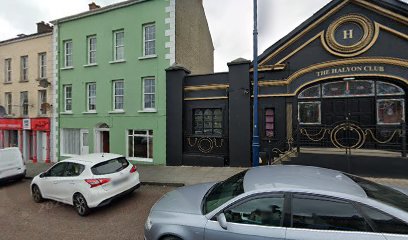
Tul Na Ri
28.7 km
Experience the vibrant nightlife of Co. Donegal at Tul Na Ri, where great music, dancing, and a friendly atmosphere await.
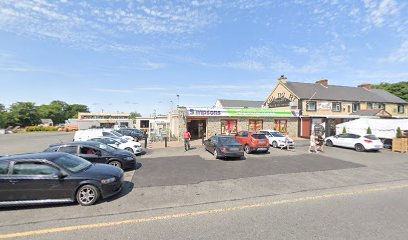
Empire Club
39.4 km
Discover the vibrant nightlife of Donegal at Empire Club, where great music and unforgettable experiences await you in a lively atmosphere.
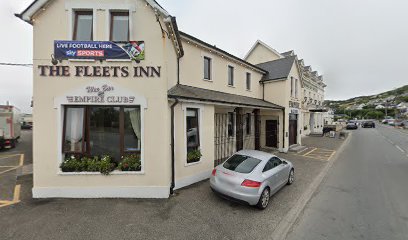
The Vault Nightclub
43.9 km
Discover the vibrant nightlife at The Vault Nightclub in Omagh, where music, dancing, and fun come together for an unforgettable experience.

Tiger Lillys
44.0 km
Omagh’s vibrant jungle-themed nightclub offering fresh cocktails and lively nights exclusively for the 18+ crowd.
The Legends Lounge
48.1 km
Experience the vibrant atmosphere of The Legends Lounge in Portrush, a perfect bar for enjoying drinks and local culture.
For the vibe & atmosphere seeker
- Tranquil
- Spiritual / Energy Spot
- Scenic
- Unique
- Romantic
For the design and aesthetic lover
- Vintage Styles
- Historic
- Rustic Designs
For the architecture buff
- Historic
- Sacred Sites
- Heritage Neighborhoods
- Landmarks
For the view chaser and sunset hunter
- Iconic Views
- Panoramas
For the social media creator & influencer
- Instagrammable
- Photo Spots
- Architectural Shots
For the eco-conscious traveler
- Protected Area
- Locally Managed
- Leave-No-Trace Critical
For the kind of experience you’re after
- Spiritual / Energy Spot
- Meditation Spot
- Cultural Heritage
- Myth & Legends
- Photowalk
For how adventurous you want the journey to be
- Easy Access
Location Audience
- Family Friendly
- Senior Friendly
- Solo Friendly
- Couple Friendly
- Wheelchair Access


