

Drumcoltran Tower Travel Guide
Free Guide: Explore Drumcoltran Tower, a rare 16th-century Scottish border tower house with panoramic views and rich Maxwell family history.


A brief summary of Drumcoltran Tower
Explore Drumcoltran Tower, a rare 16th-century Scottish border tower house with panoramic views and rich Maxwell family history.
Drumcoltran Tower is a well-preserved late-16th-century L-plan tower house near Kirkgunzeon, Dumfries and Galloway. Built by the Maxwell family around 1550, it features rounded corners, a vaulted ground floor, and a distinctive parapet walk offering panoramic countryside views. Now managed by Historic Environment Scotland, the tower is free to visit year-round and offers a glimpse into Scotland’s borderland history and architecture.
On-site amenities
 Restrooms
 Seating areas
 Information boards
Opening hours
- Every day8 am–5 pm
Opening hours as listed on the venue’s Google Business Profile. Hours can change for services and special events, so check with the venue before you go.
- Address
- Dumfries DG2 8LF
- Website
Getting there
Car
Bus and Walk
Taxi
Discover more about Drumcoltran Tower
Origins and Historical Significance
Drumcoltran Tower was constructed in the mid-16th century, around 1550, by Edward Maxwell, a younger son of Lord Maxwell. Situated near Kirkgunzeon in Dumfries and Galloway, the tower was strategically placed to control the main road from Dumfries to Dalbeattie rather than for pure defensive strength. The Maxwells, a prominent border family, used the tower as a fortified residence typical of the turbulent Scottish Borders during that era. Ownership passed to the Irvings in 1668, and later to Captain John Maxwell of Cardoness in the 18th century, linking Drumcoltran to other notable regional estates.
Architectural Features and Interior Layout
Drumcoltran Tower is an L-plan tower house distinguished by its unusual rounded corners, contrasting with the more common angled designs of similar structures. The ground floor consists of a vaulted storage room that was converted into a kitchen in the 1700s, featuring a large fireplace. The first floor originally served as a single hall but was later subdivided into multiple rooms with additional fireplaces added in the 19th century. The wooden floors above eventually deteriorated and were removed, leaving an imposing double-height space beneath the restored roof. The tower also includes a small watch chamber accessible via a spiral staircase and a parapet walk around three sides of the roof, offering commanding views of the surrounding farmland and countryside.
Later Use and Preservation
In the 18th and 19th centuries, Drumcoltran Tower was integrated into a working farmstead. A farmhouse was built adjacent to the tower and connected by a passage, and the tower itself was used to house farm laborers and later as a farm store. The connection to the farmhouse was severed in 1990 when the house was reduced to a single-storey shed. The tower was passed into state care in 1951 and is now preserved and managed by Historic Environment Scotland as a scheduled ancient monument. It remains largely intact, offering visitors a rare opportunity to explore a typical Scottish border tower house.
Visitor Experience and Surroundings
Visitors to Drumcoltran Tower can explore the interior rooms and ascend the spiral staircase to the parapet walk, which stands approximately 40 feet above the base. The walk provides sweeping views over the gently rolling farmland and valleys of Dumfries and Galloway. The tower’s austere exterior is complemented by a Jacobean stone inscription above the entrance, which translates to a moral admonition emphasizing secrecy, truthfulness, mercy, and the remembrance of death. The site is quiet and often visited without crowds, enhancing the sense of stepping back into Scotland’s border past.
Access and Amenities
Drumcoltran Tower is located about 7 miles northeast of Dalbeattie and is accessible via the A711 road. Parking is limited to a few roadside spaces near the farm buildings surrounding the tower. A short signposted path leads visitors to the main entrance. The tower is open year-round, free of charge, and keys for entry are available locally during standard opening times. While the tower itself offers no visitor facilities, nearby rural amenities can be found in Dalbeattie and surrounding villages.
Architectural and Cultural Importance
Drumcoltran Tower exemplifies the characteristic fortified homes of the Scottish Borders in the 16th century, reflecting the social and political instability of the era. Its preservation allows insight into the domestic arrangements and defensive considerations of minor nobility. The tower’s rounded corners and parapet walk distinguish it architecturally, while the surrounding farmland and historical layers of use reveal the evolution of rural life in southern Scotland. Managed as a heritage site, Drumcoltran Tower continues to inspire interest in Scotland’s rich medieval and early modern history.
Evendo Review Centre
 Google
Guest reviews
Best time to go
Quietest: Jan, Feb & Dec · before 6am or at 7pm
Busy times are Evendo estimates for a typical year, to help you plan. Actual crowds vary with events, school holidays and the weather.
Explore Drumcoltran Tower on the map
A handpicked selection of must-see spots near Drumcoltran Tower, mapped for you.
Get your free copy of our complete guide to Drumcoltran Tower, delivered straight to you.
Everything on this page, from opening hours and how to get there to Eve’s tips and the best time to go, in one PDF you can read offline, print or share.
Already have an account? Sign in
Your Drumcoltran Tower guide is ready.
We'll send it to · Not you? Sign out

Getting your guide ready…
We are putting together a fresh copy of the Drumcoltran Tower guide. This can take up to a minute.
This can take a few moments. If your browser asks, choose Allow so the download can start. You'll find the guide in your Downloads folder.
Nothing happened? Download it again
Sorry, the guide is taking longer than usual. Please try again in a minute, or get it by email instead.
Other nearby places you may find interesting
The closest places of the same kind, if this one is not quite what you had in mind.
-
Welcome To England Sign Marking the border at Gretna, the Welcome To England Sign offers a memorable gateway into England with cultural and historic resonance.
-
Upside Down House - Westfield White City Step into London’s vibrant Upside Down House at Westfield White City for a mind-bending photo adventure that flips reality on its head.
-
Upside Down House - Milton Keynes Step into a vibrant, gravity-defying world at Milton Keynes’ Upside Down House—where every room flips your perspective and sparks playful photo fun.
-
Lacy's Caves Explore the atmospheric 18th-century sandstone caves carved by Colonel Lacy along the scenic River Eden near Little Salkeld.
-
The Smallest House In Great Britain Discover the charm of Britain’s tiniest home, a 16th-century red cottage on Conwy’s quay that tells a big story in a very small space.
Swipe for more places
More to explore near Drumcoltran Tower

 Best experiences near Drumcoltran Tower
 Best hotels near Drumcoltran Tower
 Best landmarks near Drumcoltran Tower
 Best attractions near Drumcoltran Tower
 Best shops near Drumcoltran Tower
 Best restaurants near Drumcoltran Tower
 Best bars near Drumcoltran Tower
Do you manage this location?
Take control to get all the benefits, like improved information, better appearance, and stronger visibility across AI-powered discovery.
Explore more
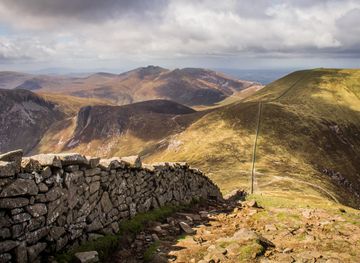
Explore more of Down
Discover the tranquil beauty, historical treasures, and warm hospitality of Down in Northern Ireland, where serene landscapes and rich heritage await.
Explore Down
Explore more of United Kingdom
Discover the United Kingdom: A blend of rich history, stunning landscapes, and vibrant cities, offering a unique travel experience for every visitor.
Explore United Kingdom
