New Abbey Corn Mill, Kirkcudbrightshire Travel Guide
Explore New Abbey Corn Mill, a beautifully restored 18th-century water-powered mill showcasing Scotland’s rich rural heritage and traditional milling craft.
New Abbey Corn Mill, located in the picturesque village of New Abbey near Dumfries, is an 18th-century water-powered mill restored to showcase traditional grain milling. The mill features a large breast-shot waterwheel, original wooden launder, and three floors dedicated to grain processing. Once known as the Monks’ Mill, it ceased operation in 1948 and was restored by Historic Scotland, opening to the public in 1983. It offers a fascinating glimpse into Scotland’s milling and rural industrial heritage.
A brief summary to New Abbey Corn Mill
- Dumfries, New Abbey, DG2 8BX, GB
- Click to display
- Click to display
- Duration: 1 to 2 hours
- Mid ranged
-
 Outdoor
- Mobile reception: 4 out of 5
- Monday 10 am-4:30 pm
- Tuesday 10 am-4:30 pm
- Wednesday 10 am-4:30 pm
- Thursday 10 am-4:30 pm
- Friday 10 am-4:30 pm
- Saturday 10 am-4:30 pm
- Sunday 10 am-4:30 pm

Know before you go
Hi, I'm Eve. Here are a few practical things to know before exploring New Abbey Corn Mill.
- Visit during weekday mornings to enjoy a quieter experience and better access to interpretive displays.
- Allow at least 1 to 1.5 hours to fully explore the mill’s three floors and learn about traditional milling.
- Combine your visit with a walk around New Abbey village to see other historic sites like the Abbey ruins.
- Check the weather forecast as the mill’s rural setting is best enjoyed on clear days for photography.
Do you manage this location?
Take control to get all the benefits, like improved information, better appearance, and stronger visibility across AI-powered discovery. Learn more about listing your business on Evendo
Activate your presenceOther nearby places you may find interesting
The closest places of the same kind, if this one is not quite what you had in mind.


Explore New Abbey Corn Mill on the Map
A handpicked selection of must-see spots near New Abbey Corn Mill, mapped for you.
Getting There
-
Bus
Take the local bus service from Dumfries town center to New Abbey village, which runs approximately every 1 to 2 hours. The journey takes about 20 to 30 minutes. Note that weekend service is less frequent. Bus tickets cost around £3–£5 GBP one way.
-
Car
Driving from Dumfries to New Abbey Corn Mill takes roughly 15 minutes via the A710. There is limited on-street parking near the mill. Parking is free but spaces can be scarce during peak times.
-
Walking
For those staying nearby in New Abbey village, the mill is accessible on foot via paved village roads. Walking from the village center takes about 5 to 10 minutes over flat terrain, suitable for most visitors.
For the on-the-go comforts that matter to you
-
 Restrooms
-
 Information Boards
-
 Seating Areas
Discover more about New Abbey Corn Mill
Architectural and Historical Significance of New Abbey Corn Mill
New Abbey Corn Mill stands as a striking white-painted building with a varied roofline, featuring a kiln capped by a vent adorned with a salmon weather-vane. This late 18th-century structure is a key historic landmark in the village of New Abbey, located at the west end by the Pow river. Although the current mill was built by the Stewart family, it is locally known as the “Monks’ Mill,” reflecting its medieval origins. Archaeological evidence suggests milling on this site dates back to at least the 15th century, with the medieval Abbey Mill operating nearby. The present building ceased commercial use in 1948 and was gifted to the nation by Charles Stewart of Shambellie before being restored and opened as a heritage site in 1983.Traditional Milling Technology and Interior Layout
The mill is powered by a large breast-shot waterwheel, which turns back on itself, driven by water channeled from a millpond via an original wooden launder. Inside, the mill’s three floors are arranged to reflect the grain processing workflow: the top floor for grain storage, the middle floor housing the millstones, and the bottom floor for sacks and finished flour. A sack hoist system is used to transport grain to the upper levels. This setup offers visitors an authentic experience of historic milling operations, demonstrating how water power was harnessed for rural industry.Connection to Local Heritage and Landscape
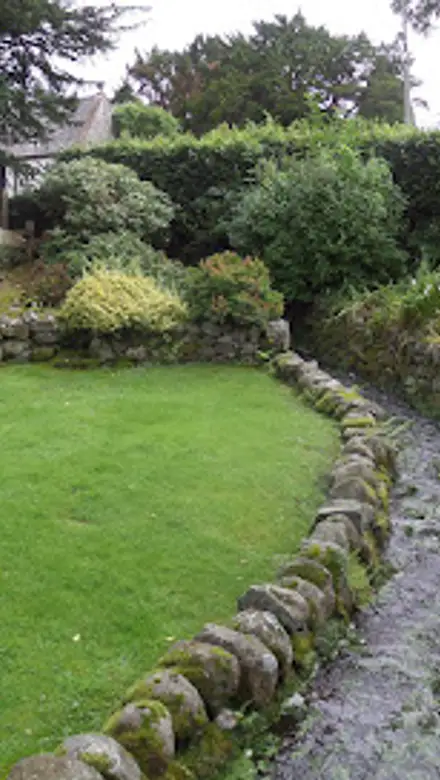
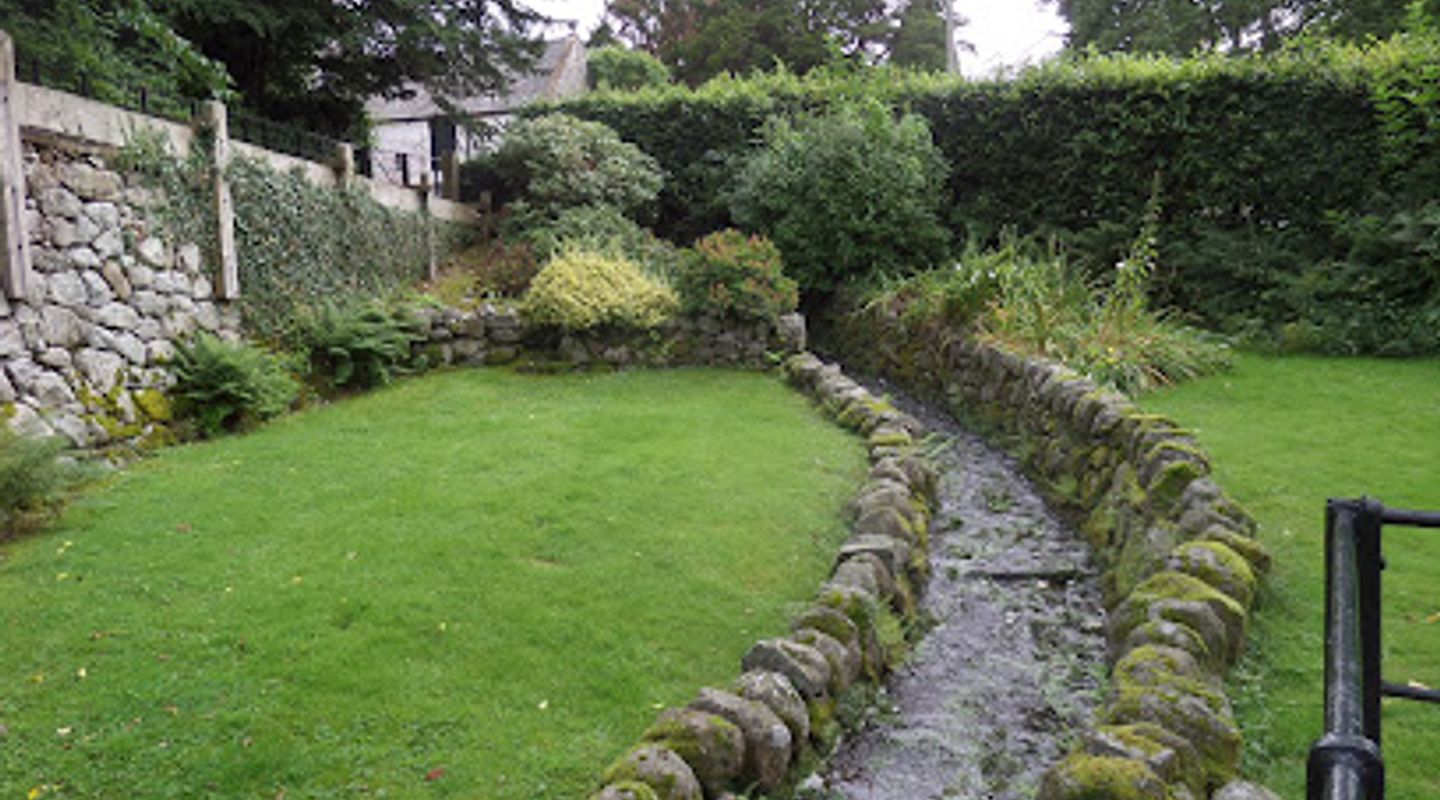
Situated in a scenic rural setting near Dumfries, New Abbey Corn Mill is part of a wider heritage landscape that includes the ruins of New Abbey itself and the nearby Waterloo Monument. The mill’s location by the Pow river and its water management system, including the mill lade running from Loch Kindar, highlight the integration of natural resources in historic industrial practices. The miller’s house attached to the building adds to the sense of a working community centered around this essential rural industry.Visitor Experience and Preservation Efforts
Visitors to New Abbey Corn Mill can explore the restored mill machinery and gain insight into the evolution of milling technology and rural life in Scotland. The site is managed by Historic Environment Scotland and offers interpretive displays that explain its history and operation. The restoration preserved many original features, making it a valuable educational resource and a charming cultural attraction. The mill’s opening hours typically run from 10:00 to 16:30 daily, inviting visitors to immerse themselves in this peaceful historic setting.Architectural Details and Visual Appeal
The mill’s white exterior with its distinctive roofline and salmon weather-vane creates a memorable visual landmark in New Abbey. The building’s design reflects both its functional purpose and the stylistic touches of the late 18th century. The attached miller’s house and the surrounding village architecture complement the mill, offering a cohesive historic environment that appeals to those interested in heritage architecture and rural Scottish history.Legacy and Cultural Importance
New Abbey Corn Mill symbolizes the enduring relationship between Scotland’s rural communities and their natural environment. As a preserved industrial heritage site, it connects visitors to centuries of agricultural and technological development. The mill’s story, from medieval origins to 20th-century restoration, illustrates the importance of preserving such sites for future generations to appreciate the cultural and historical fabric of the region.












Your all‑in‑one travel companion app
Explore expert travel guides, compare and book tours, experiences, hotels, and more—all from the palm of your hand. Download now for seamless trip planning wherever your wanderlust takes you.


Explore More of Kirkcudbrightshire

Looking beyond New Abbey Corn Mill? Discover Kirkcudbrightshire for broader travel guides, local hot-spots, and regional highlights.
Explore Kirkcudbrightshire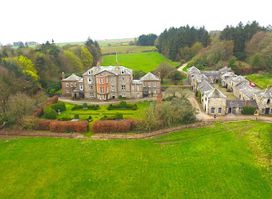
Explore Arbigland House and Gardens, a Georgian coastal estate blending rich history, scenic landscapes, and evolving gardens in Dumfries and Galloway.
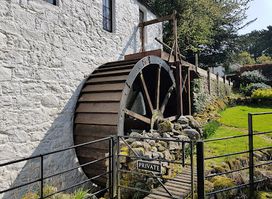
Discover the charm of New Abbey Corn Mill, an 18th-century water-powered mill showcasing Scotland’s rich milling heritage in a picturesque village setting.