
HMP Dumfries: Scotland's Historic Local and National Prison
Historic 19th-century prison in Dumfries serving local courts and national sex offender population with a unique castellated architecture.
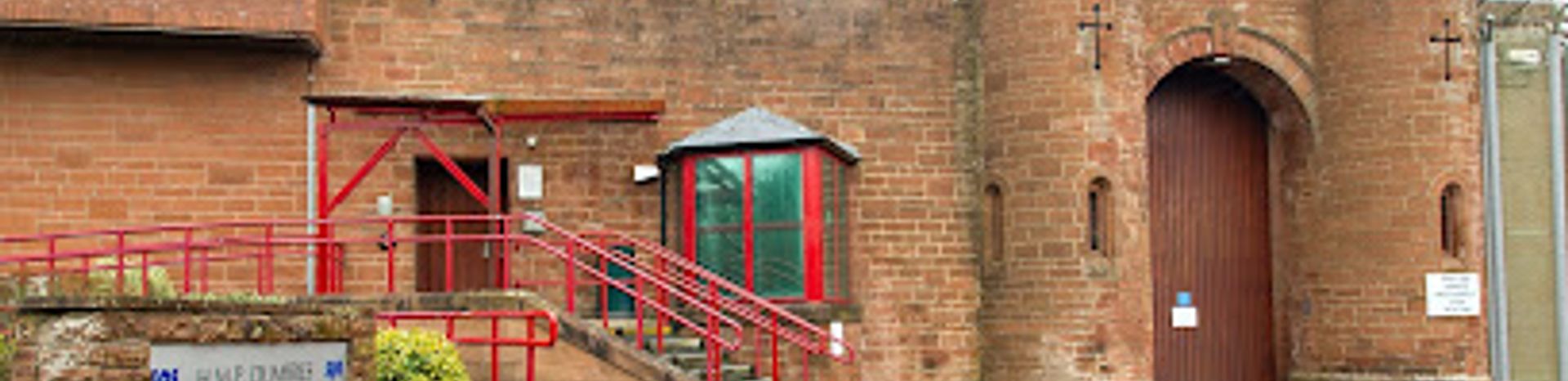
HMP Dumfries, located on Terregles Street in Dumfries, Scotland, is a historic Category B listed prison serving Dumfries and Galloway courts. Built in 1883 in a castellated style, it holds adult and under-21 male prisoners, including short-term remanded inmates and long-term sex offenders requiring separation. The prison combines 19th-century architecture with modern facilities across five main residential halls and a basement observation area, reflecting its dual role as a local and national correctional institution.
A brief summary to HMP Dumfries
- Terregles St, Dumfries, Dumfries, DG2 9AX, GB
- +441387261218
- Visit website
- Duration: 0.5 to 1 hours
- Free
-
 Outdoor
- Mobile reception: 4 out of 5
Local tips
- Respect the sensitive nature of the site as an operational prison; photography and tours are not permitted.
- Appreciate the historic architecture from outside, noting the castellated design and Category B listing.
- Learn about the prison’s dual role serving short-term inmates and long-term sex offenders.
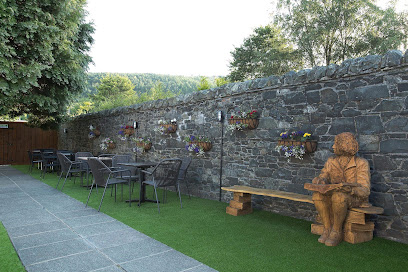
- Notice the well-maintained grounds including a wellbeing garden and recreational facilities.

For the on-the-go comforts that matter to you
- Information Boards
Getting There
-
Train and Bus Combination
Travel by train to Dumfries railway station, approximately 2.5 km from the prison. From there, take local bus services towards Terregles Street, with a journey time of around 15-20 minutes. Bus services run frequently during daytime hours. Total travel time from central Dumfries is about 30-40 minutes. No direct parking at the prison; public transport is recommended.
-
Car Travel
Driving from Dumfries town centre to HMP Dumfries takes approximately 10-15 minutes over a distance of about 3 km. Parking near the prison is restricted and generally reserved for staff and official visitors. Visitors should use public parking facilities in Dumfries and walk or take local transport to the prison vicinity.
-
Taxi Service
Taxis are available from Dumfries town centre and railway station, with a typical journey time of 10-15 minutes to the prison. Taxi fares range from £6 to £10 depending on time of day and traffic. This option offers direct and convenient access but can be more costly than public transport.
HMP Dumfries location weather suitability
-
 Any Weather
-
 Rain / Wet Weather
-
 Cold Weather
-
 Mild Temperatures
Discover more about HMP Dumfries
Architectural Heritage and Design
HMP Dumfries was constructed in 1883, designed by Major General Thomas Bernard Collinson, the Scottish Prison Commission’s architect. Its castellated style, reminiscent of a fortress, was intended to symbolize authority and security for the local community. The prison is a rare surviving example of 19th-century regional prison architecture in Scotland and is designated a Category B listed building. The structure features three floors of 83 individual cells plus a basement level that can be converted into additional cells. The interior includes iron-supported floors and a distinctive chevron cornice on the top floor, with carefully tooled basement walls and stone door surrounds. Despite modern additions, the original institutional character remains clearly visible, preserving its historical significance.Dual Role and Prisoner Population
Serving the courts of Dumfries and Galloway, HMP Dumfries functions both as a local community prison and a national centre for sex offenders. It holds up to 60 men who are either remanded in custody or serving short-term sentences, alongside approximately 135 long-term prisoners requiring offence-related protection due to the nature of their crimes. This dual role creates a complex environment, with prisoner types ranging from untried and convicted short-term inmates to long-term sex offenders who are separated from the mainstream population. The prison’s design includes five main residential halls—A, B, C, D, and E—and a basement area known as B Zero for observation and separation.Historical Evolution and Institutional Role
Originally built to serve the southwest Scotland region, HMP Dumfries has undergone several functional transformations. It was designated a Borstal in 1951, later becoming a Young Offenders Institution in the 1960s, before adopting its current role in 2004. The prison has been notable for its tailored approach to penal labour, historically serving as Scotland’s tailoring establishment for prison uniforms. Its operational complexity requires specialized staff deployment to manage the intricate layout and diverse prisoner needs, including those requiring segregation or special protection.Facilities and Prisoner Wellbeing
The prison provides a range of facilities aimed at prisoner welfare, including a wellbeing garden established in 2022 for inmates with reduced restrictions. The grounds feature recreational spaces such as a football pitch and water features, supporting emotional wellbeing and social interaction. Health care services are in place, though access to clinical psychologists has been noted as insufficient. The prison emphasizes reintegration efforts, particularly for prisoners transitioning from segregation, and maintains a focus on minimizing violence through careful incident scrutiny.Community Impact and Staff Perspective
HMP Dumfries holds an important place in the local community as a secure institution with a long history. Staff morale is generally positive despite concerns about potential closure, reflecting pride in managing a challenging environment. The prison’s fortress-like presence on Terregles Street is a familiar landmark, symbolizing both security and the complexities of modern corrections. Its continued operation preserves a vital function within Scotland’s penal system, balancing historic architecture with evolving correctional needs.Significance in Scottish Penal History
As one of only three 19th-century purpose-built prisons still in use in Scotland, alongside HMP Perth and HMP Barlinnie, HMP Dumfries represents a tangible link to penal reform movements of the late 1800s. Its design reflects the Howard Reforms’ emphasis on individual cells and separation of prisoners by gender. The prison’s continued use and adaptations illustrate the ongoing evolution of correctional philosophy and practice within Scotland’s justice system.Iconic landmarks you can’t miss

Queensberry Monument
0.9 km
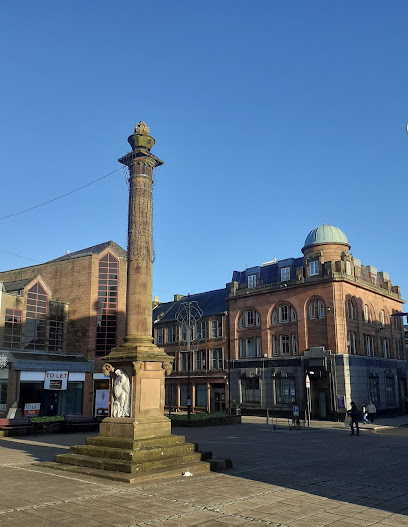
An elegant 18th-century stone column in Dumfries honoring the 3rd Duke of Queensberry and the town’s noble heritage.
Dumfries Historic Buildings Trust
1.1 km
Discover the architectural heritage of Dumfries at the Dumfries Historic Buildings Trust, where history is preserved for future generations.
Dumfries
1.4 km
Historic and accessible Dumfries Railway Station connects Scotland’s southwest with modern amenities and rich heritage.
Dumfries Tours
1.7 km
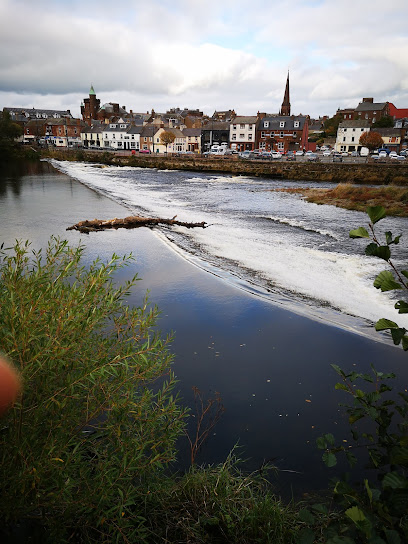
Explore Dumfries with immersive tours that blend history, culture, and stunning landscapes for an unforgettable experience.
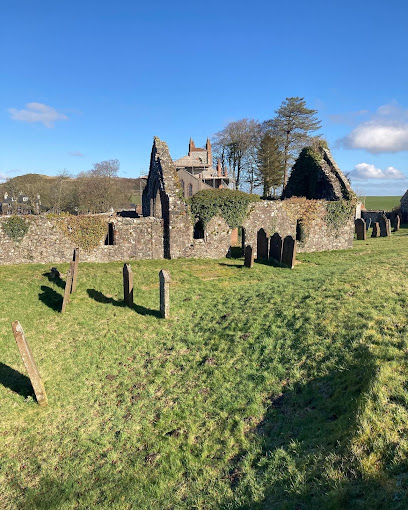
Kingdom Scotland
4.7 km
Discover tranquility at Kingdom Scotland, a serene religious institution in Dumfries that invites spiritual reflection and community connection.

Fourmerkland Tower
7.2 km
Discover the tranquil charm and rich history of Fourmerkland Tower, a secluded 16th-century Scottish tower house near Dumfries.
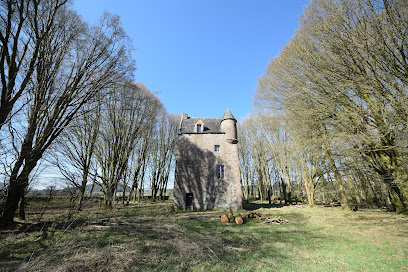
Comyn's Tower
8.2 km
Explore Comyn's Tower near Dumfries, a medieval stronghold entwined with Scotland’s dramatic history and the legacy of the Comyn clan.
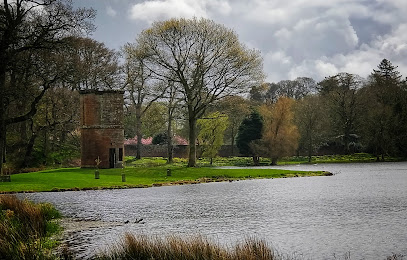
Isle Tower
9.6 km
Explore Isle Tower, a serene 17th-century Scottish tower house ruin guarding historic routes near Dumfries in picturesque Dumfries and Galloway.
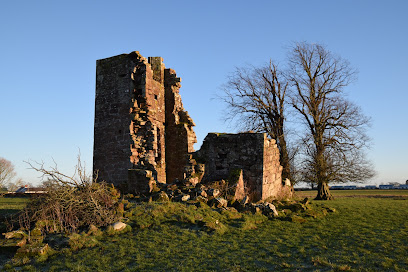
Waterloo Monument
10.5 km
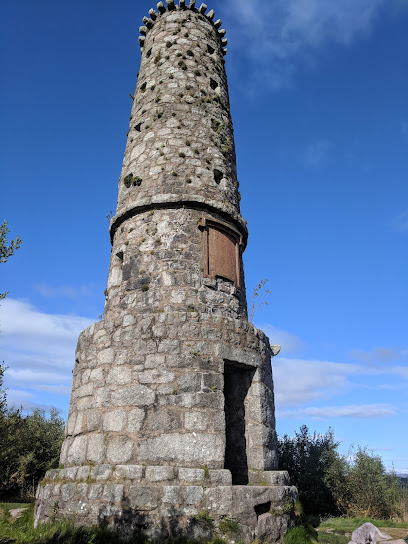
A 150-foot stone tower on Peniel Heugh, built to commemorate the Battle of Waterloo and offering panoramic views across the Scottish Borders and Solway Firth.
Wardlaw Hillfort
11.1 km
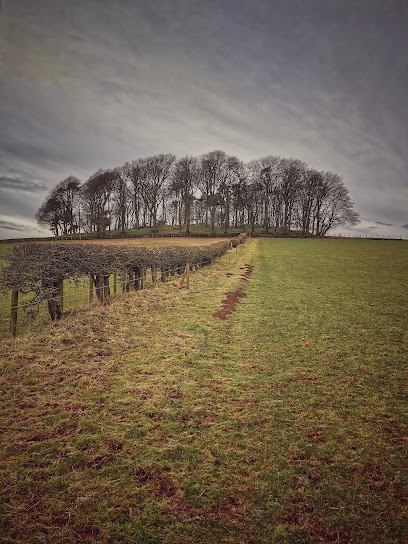
Explore the ancient moated triangular hillfort near Dumfries with panoramic views and rich prehistoric heritage.
Little Dalton Kirk
12.6 km
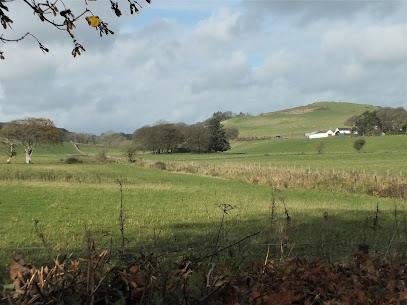
Discover the evocative ruins of Little Dalton Kirk, a medieval parish church nestled in tranquil Scottish countryside near Lockerbie.
Mossband Residential Park
13.0 km
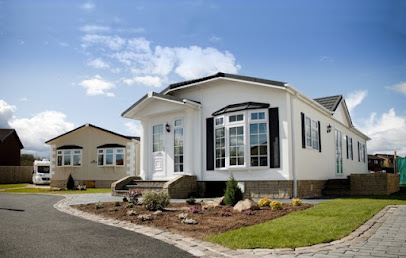
Tranquil rural living with modern comforts and scenic views near Dumfries in the heart of Scotland’s countryside.
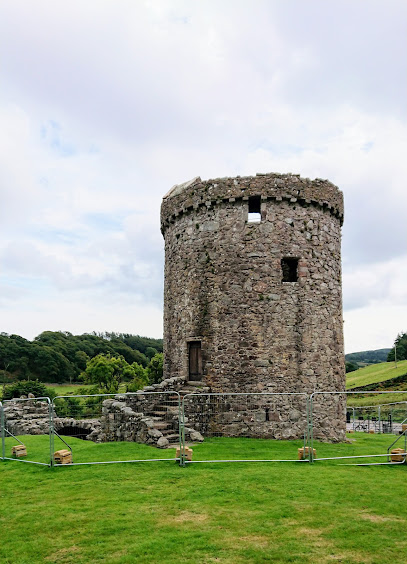
Orchardton Tower
25.5 km
Discover Scotland’s only free-standing circular tower house, a rare medieval fortress steeped in history and legend near Castle Douglas.
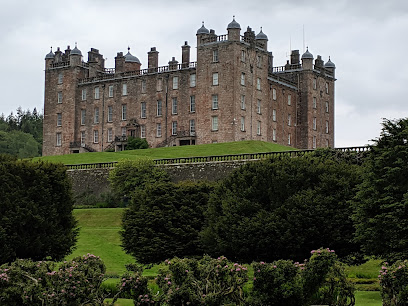
Drumlanrig Castle & Gardens
25.7 km
Explore the stunning Drumlanrig Castle & Gardens, a historical gem in Scotland boasting art, beautiful gardens, and rich heritage.
Threave Garden
26.0 km
Discover the tranquility and beauty of Threave Garden, a botanical paradise in Castle Douglas, Scotland, perfect for nature lovers and tranquility seekers.

Unmissable attractions to see

Dumfries & Galloway Family History Society
0.4 km
Discover your roots and explore South West Scotland’s rich heritage at the Dumfries & Galloway Family History Society Research Centre.
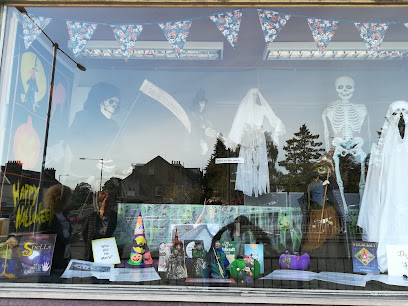
Old Bridge House
0.5 km
Explore Dumfries’ oldest house ingeniously built into a historic bridge, revealing centuries of local life and heritage by the River Nith.
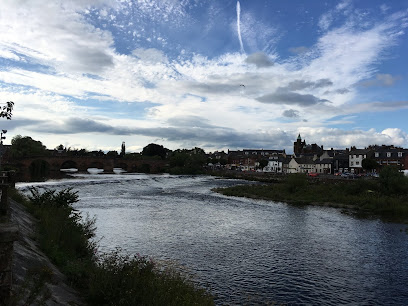
Devorgilla Bridge
0.6 km
Explore the captivating Devorgilla Bridge, an architectural masterpiece and historical landmark nestled in the heart of Dumfries, Scotland.
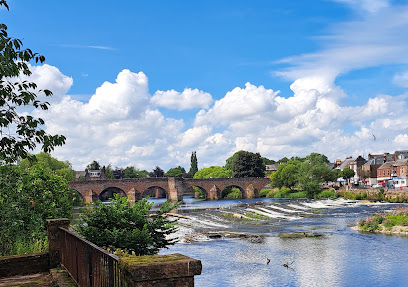
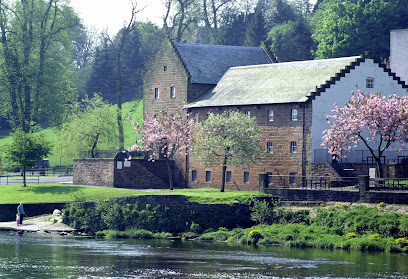
Robert Burns Centre
0.7 km
Discover the life and legacy of Robert Burns in Dumfries’ historic watermill, featuring immersive exhibits and a vibrant independent film theatre.
Dumfries Museum
0.8 km
Explore Dumfries’ rich heritage and the world’s oldest working camera obscura in this captivating museum of history and science.
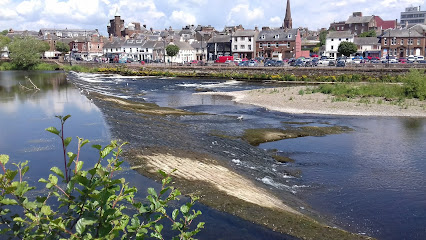
VisitScotland Dumfries iCentre
0.8 km
Friendly and knowledgeable visitor centre offering expert local advice and resources in the heart of Dumfries.
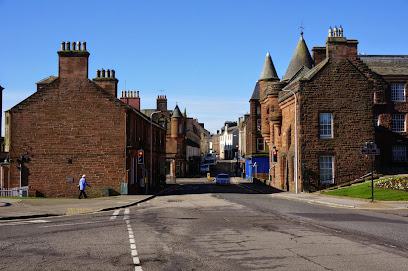
Robert Burns Statue
0.9 km
A majestic marble tribute to Robert Burns, standing proudly in Dumfries’ historic Burns Statue Square.
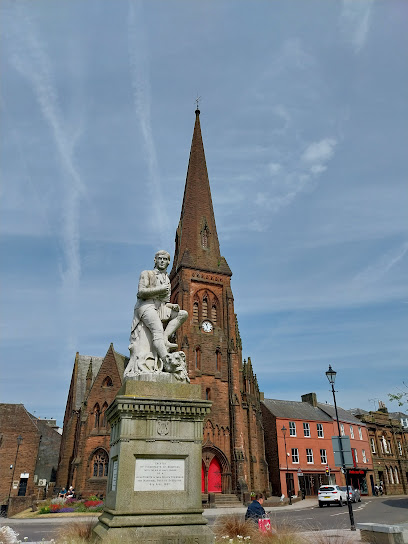
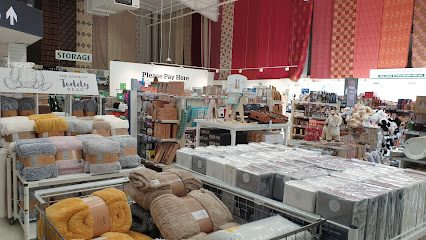
Cuckoo Bridge Retail Park
0.9 km
Dumfries’ main retail park with Tesco Extra, B&M, Dunelm, KFC, Costa and more – a practical, car‑friendly hub for everyday shopping and essentials.
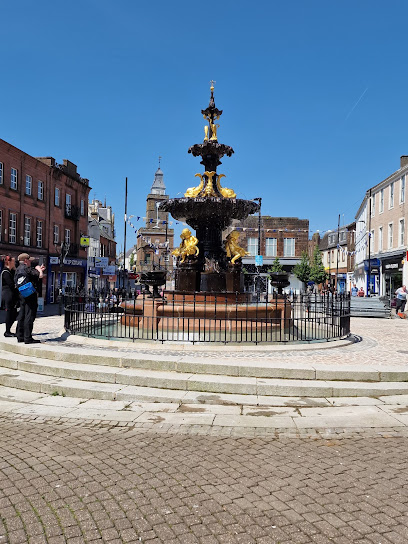
Dumfries Fountain
1.0 km
Discover the Dumfries Fountain, a stunning historical landmark in Dumfries, showcasing the town's rich culture and architectural beauty.
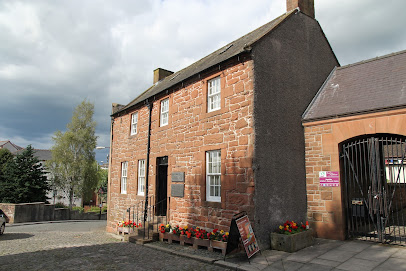
Robert Burns House
1.1 km
Explore the intimate final home of Robert Burns in Dumfries, where Scotland’s national poet lived, wrote, and left a lasting legacy.
Dock Park
1.2 km
Historic riverside park in Dumfries with family-friendly play, mini-golf, bowling, and scenic picnic spots beside the River Nith.
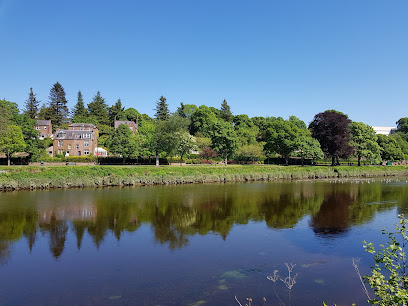
St Michael’s and South Parish Church
1.2 km
Discover Dumfries’ oldest church, a historic landmark rich with medieval pillars, stunning stained glass, and the Burns’ Mausoleum.
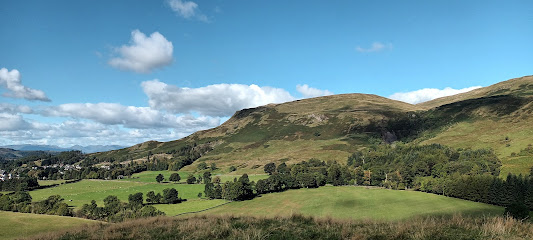
Burns Mausoleum
1.3 km
Final resting place of Robert Burns in a historic Dumfries churchyard, surrounded by centuries of Scottish stories and monuments.
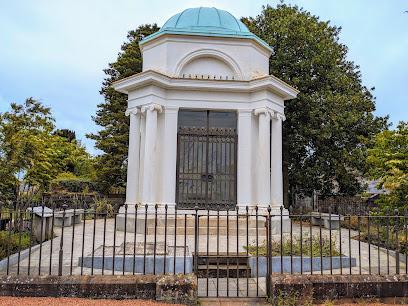
Castledykes Park
1.9 km
Discover Dumfries’ historic green heart where medieval heritage meets tranquil gardens and vibrant wildlife habitats.
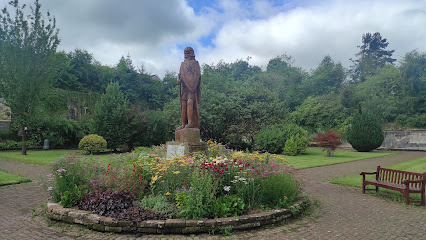
Lincluden Collegiate Church
1.9 km
Explore the hauntingly beautiful ruins of Lincluden Collegiate Church, a masterpiece of Scottish Gothic architecture and noble heritage.
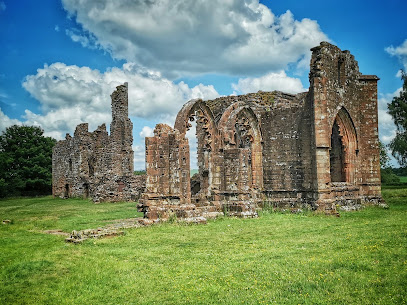
Essential places to dine

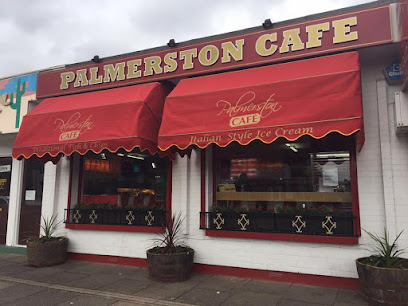
Palmerston Cafe
0.4 km
A family-run Dumfries classic serving award-winning fish & chips and authentic Italian ice cream since 1969.
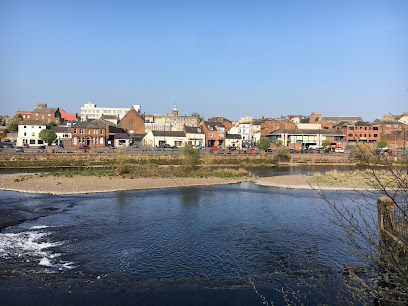
Ivanos Italian Food
0.6 km
Casual Italian takeaway and pizza delivery in Dumfries, serving authentic flavors with a friendly local touch.
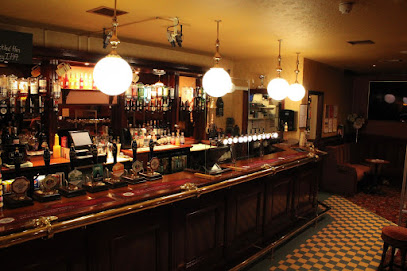
Cavens Arms
0.6 km
A welcoming Dumfries pub offering hearty traditional fare, a dedicated vegan menu, and a friendly atmosphere in the town centre.
The New Oriental Restaurant
0.7 km
Authentic Chinese dining in the heart of Dumfries, known for fresh ingredients and friendly service in a cozy setting.
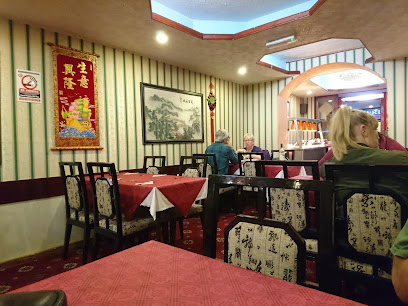
Home Restaurant
0.7 km
A cozy family-run restaurant in Dumfries serving creative, locally sourced Mediterranean-inspired dishes with heartfelt hospitality.
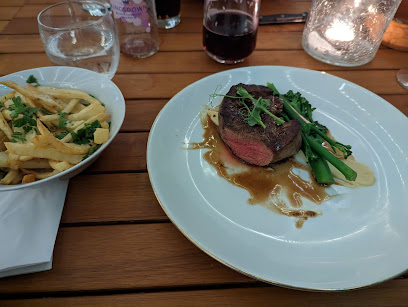
The Bank Bar and Tapas
0.8 km
A vibrant, fully gluten-free tapas bar in Dumfries blending international flavors with a lively social atmosphere and inclusive dining.
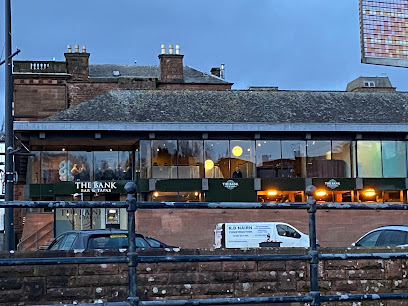
Truffles Bistro
0.9 km
Sophisticated yet cozy, Truffles Bistro in Dumfries serves exquisite local and international dishes in an inviting atmosphere.
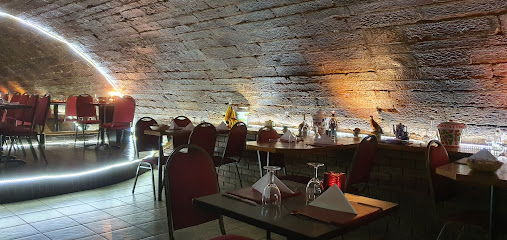
The Corner Eatery and Bar Store
0.9 km
A vibrant eatery in Dumfries serving fresh, homemade British cuisine with a welcoming atmosphere and a charming beer garden.
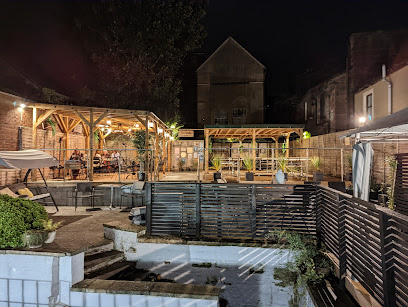
La Dolce Vita
0.9 km
Experience authentic Italian flavors and warm hospitality in the heart of Dumfries at La Dolce Vita, a charming and inclusive dining destination.
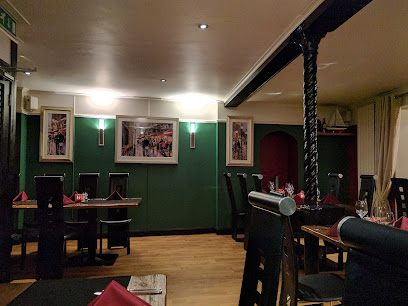
N'Dulge
0.9 km
Discover N'Dulge: A lively bar & grill in Dumfries serving delicious meals and refreshing drinks in an inviting atmosphere.
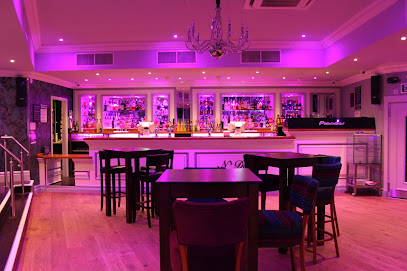
The Back Street
0.9 km
A vibrant hub for modern British cuisine and local drinks in the heart of Dumfries town centre, blending passion with a welcoming atmosphere.
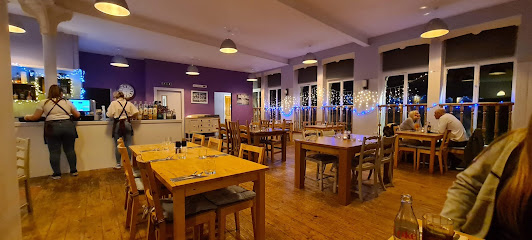
The Globe Inn Dumfries
1.0 km
Historic 17th-century pub and Michelin Guide dining in Dumfries, blending Robert Burns heritage with modern Scottish cuisine and an extensive whisky collection.
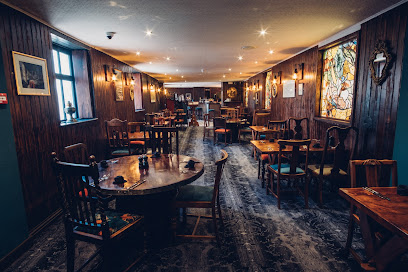
Granary
1.0 km
A vibrant Dumfries pub blending cozy dining, lively weekend entertainment, and community spirit in a welcoming setting.
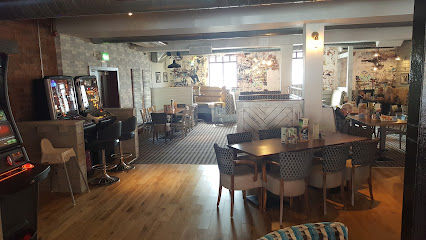
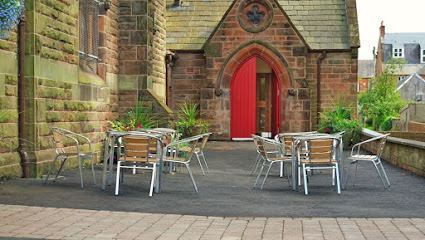
The Usual Place
1.1 km
A charming, community-focused café in a converted church offering fresh, ethical meals and warm hospitality in Dumfries.
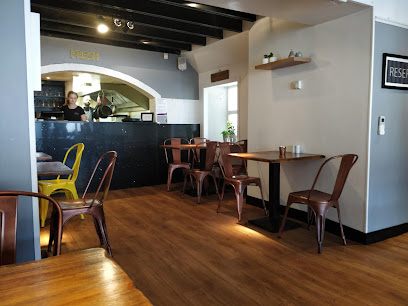
Crumb
1.3 km
Modern dining meets local charm at Crumb, a welcoming Dumfries restaurant known for quality dishes and relaxed atmosphere.
Markets, malls and hidden boutiques

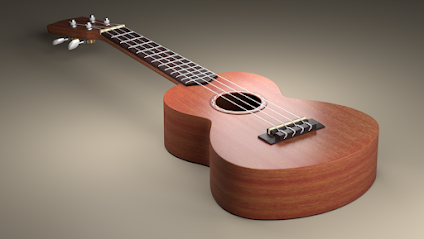
Unique Ukes in Dumfries
0.7 km
Discover handcrafted ukuleles and a vibrant music community at Unique Ukes, Dumfries’ premier ukulele shop on Gordon Street.
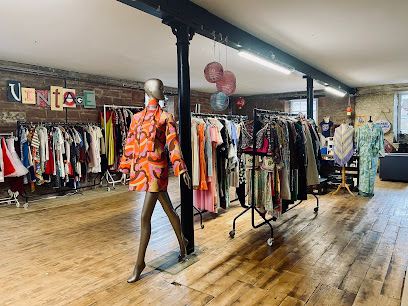
Circle Vintage
0.7 km
Explore the charm of Circle Vintage in Dumfries, your destination for unique and timeless fashion finds that celebrate the beauty of the past.
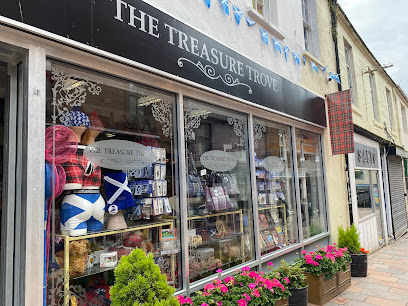
The Treasure Trove Dumfries
0.8 km
Discover unique Scottish gifts and artisan treasures in the heart of Dumfries at The Treasure Trove.
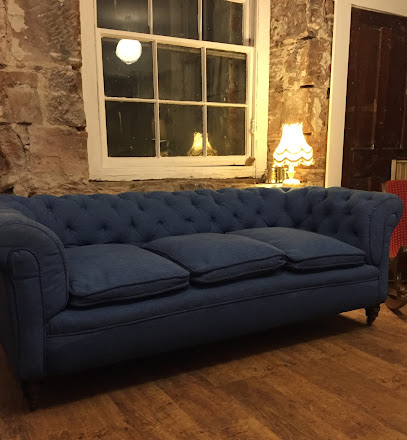
20 Castle Street
0.8 km
Discover unique gifts and timeless antiques with expert interior design at 20 Castle Street, nestled in the historic heart of Dumfries.
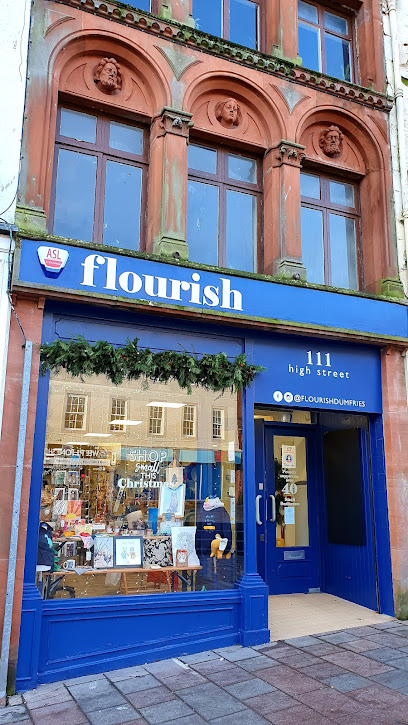
Flourish
0.9 km
Discover unique handcrafted gifts and local art at Flourish, Dumfries’ vibrant gift shop and creative studio on High Street.
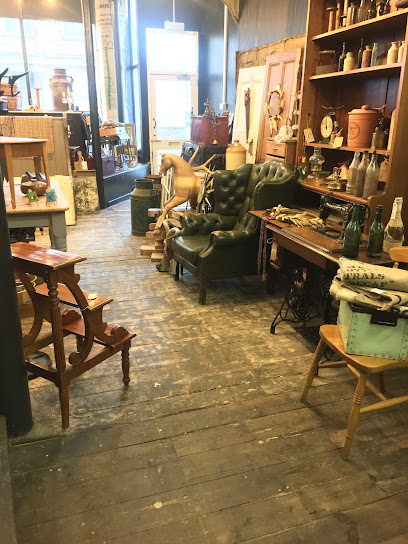
Vintage 109
0.9 km
Discover Vintage 109, a cozy Dumfries boutique brimming with unique, well-priced vintage and handcrafted homewares that add charm to any space.
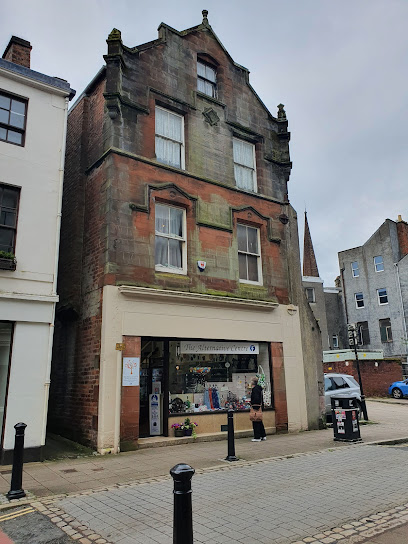
ALTERNATIVE CENTRE(DUMFRIES)
0.9 km
Discover unique local crafts and memorable gifts at Dumfries’ welcoming Alternative Centre on Queensberry Street.
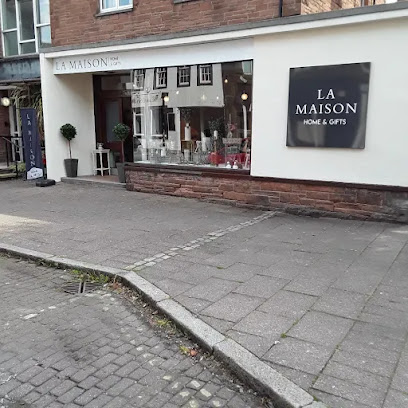
La Maison Home & Gifts
0.9 km
Discover unique homewares and gifts with a personal touch at La Maison, Dumfries’ boutique of curated elegance and local charm.
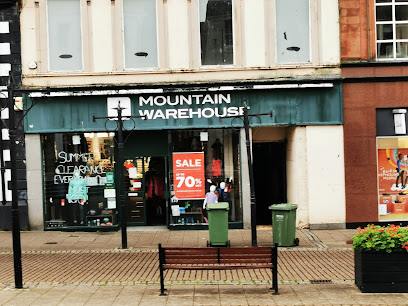
Mountain Warehouse Dumfries
0.9 km
Your go-to store in Dumfries for quality outdoor clothing and gear at moderate prices, catering to adventurers of all ages and skill levels.
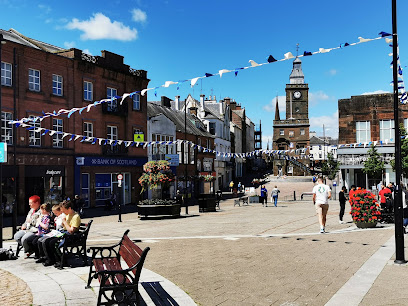
Loreburne Shopping Centre
1.0 km
A vibrant indoor shopping destination in the heart of Dumfries, blending high street brands with local charm and convenient amenities.
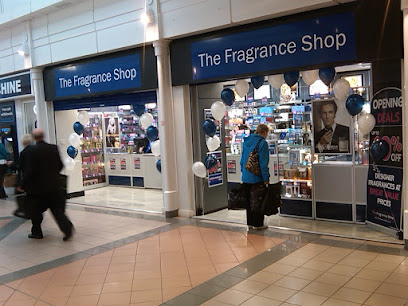
The Fragrance Shop
1.0 km
Discover affordable luxury perfumes and beauty essentials at The Fragrance Shop, Dumfries’ premier scent destination in the Lorebourne Centre.
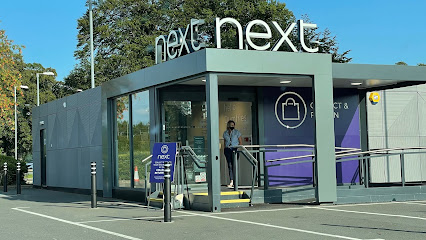
Next
1.0 km
Trendy and spacious Next clothing store in Dumfries’ Cuckoo Bridge Retail Park, offering stylish fashion for all ages and occasions.
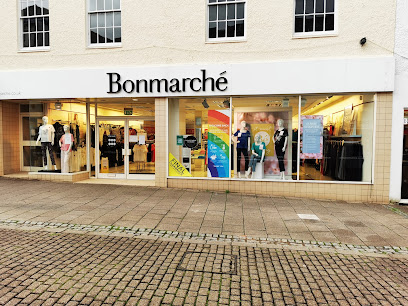
Bonmarché
1.0 km
Affordable and stylish ladies' fashion in the heart of Dumfries, with sizes 10-28 and expert styling advice.
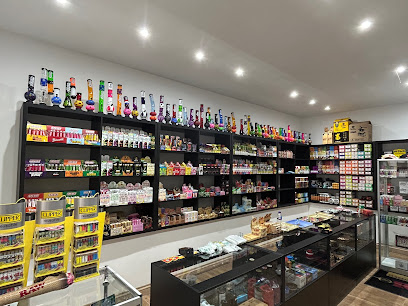
Think Something Different
1.0 km
Discover unique gifts and specialty products at Think Something Different, Dumfries’ go-to shop for eclectic finds and friendly service.
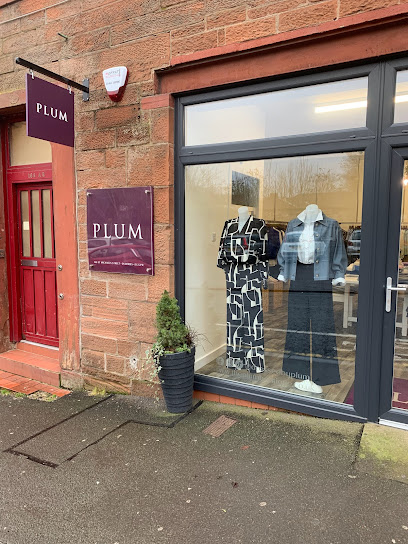
Plum Boutique
1.1 km
Independent women-owned fashion boutique in Dumfries offering curated, sustainable wardrobe staples and seasonal styles with a personal touch.
Essential bars & hidden hideouts

Devorgilla Lounge Bar
0.5 km
A cozy, dog-friendly lounge bar in Dumfries offering friendly service, relaxed vibes, and affordable drinks in the heart of Market Square.
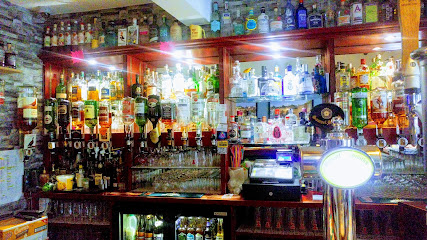
Salutation Inn
0.5 km
A friendly, historic pub in Dumfries Market Square known for excellent pints and a welcoming atmosphere.
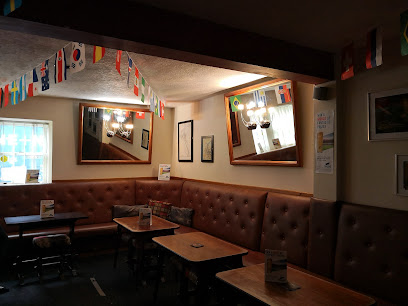
The Dougie Arms
0.8 km
A cosy, welcoming pub in Dumfries known for its diverse ales, friendly atmosphere, and inclusive community spirit.
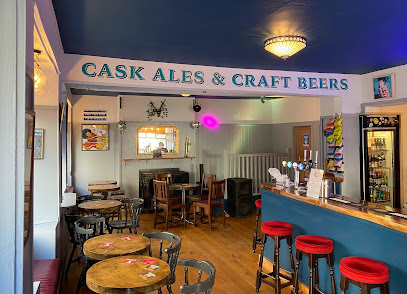
Coach & Horses Inn
0.8 km
Historic 1801 pub in Dumfries offering authentic Scottish charm, quality cask ales, and lively live music in a welcoming atmosphere.
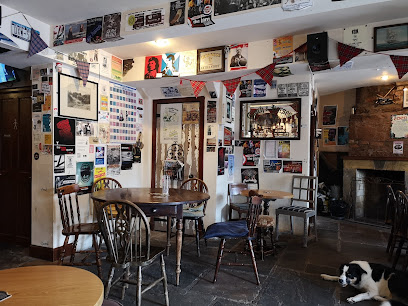
The Venue Dumfries
0.9 km
A vibrant hub for live music, nightlife, and social gatherings in the heart of Dumfries.

Hole I' The Wa' Inn
0.9 km
A historic and lively Dumfries pub offering authentic Scottish charm, good-value drinks, hearty food, and a welcoming community atmosphere.
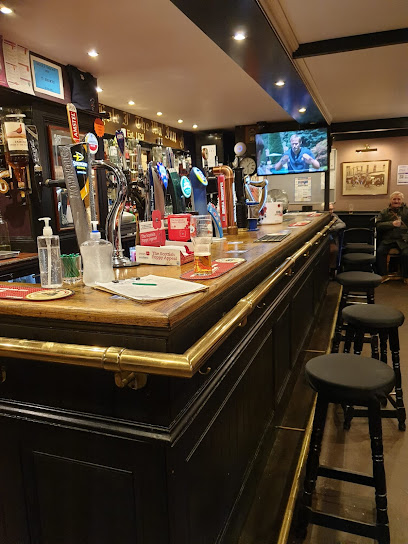
The Stag Bar
0.9 km
A cozy, friendly pub in Dumfries’ town centre offering craft ales and a welcoming atmosphere near the historic Midsteeple.
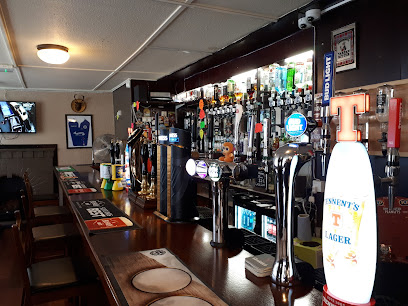
The Imperial
1.0 km
A friendly, fair-priced bar in the heart of Dumfries, perfect for relaxed socializing and local vibes.
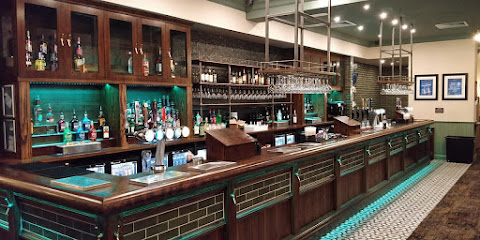
The Barrel
1.0 km
A friendly, traditional pub in Dumfries offering quality pints and a lively, welcoming atmosphere for locals and visitors alike.

The Queensberry
1.0 km
A bright, comfortable bar and hotel in central Dumfries offering relaxed Scottish hospitality and cozy accommodation.
Chancers Night Club
1.0 km
Experience Dumfries nightlife at Chancers Night Club, where vibrant music and a lively atmosphere create unforgettable nights.
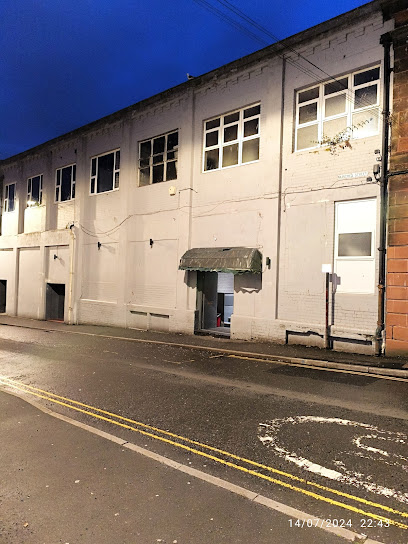
The Lantern
1.0 km
A friendly, dog-welcoming pub in Dumfries offering affordable drinks, live music, and a lively beer garden in a warm, traditional setting.
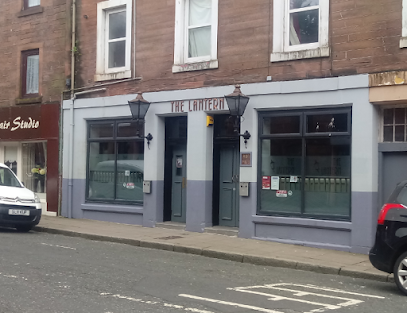
Dickies Bar
1.1 km
Experience warm Scottish hospitality and local craft beers in the cozy, lively setting of Dickies Bar in Dumfries.
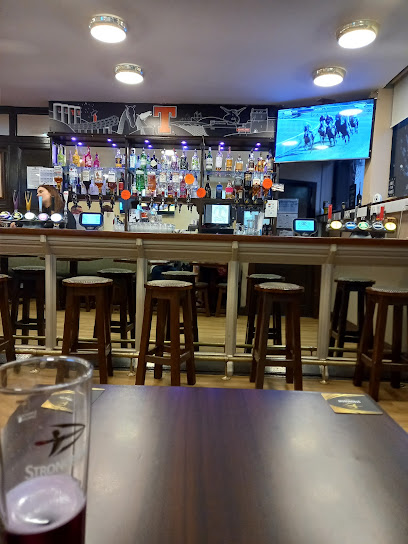
Troqueer Arms
1.1 km
A welcoming traditional pub in Dumfries offering great drinks, live music, and authentic Scottish charm at an affordable price.
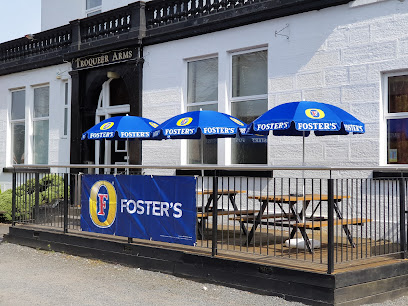
The Riverside Bar
1.3 km
A friendly riverside pub in Dumfries offering diverse craft beers, scenic views, and a relaxed atmosphere beside Dock Park.
Nightclubs & after hour spots

Railway Social Club
1.4 km
A friendly, community-focused social club in Dumfries offering affordable drinks, lively events, and a welcoming atmosphere near the town centre.
Black Box Music Institute
47.8 km
An intimate old-style nightclub and cultural hub in Carlisle offering live music, festivals, and art exhibitions in a vibrant setting.
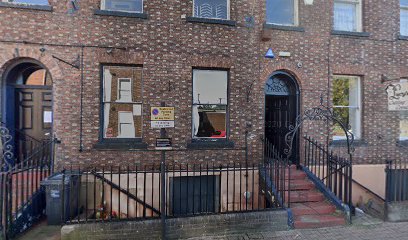
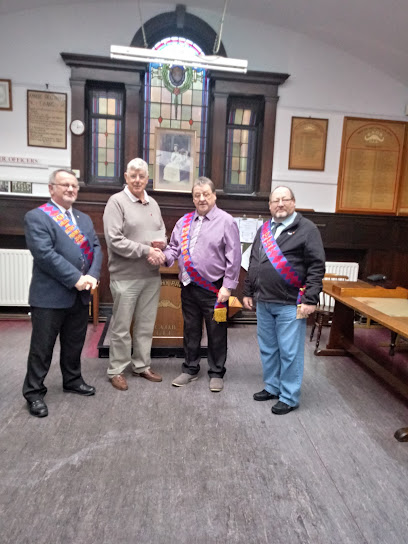
Carlisle R A O B Club
47.8 km
Historic social club in Carlisle offering lively events and a welcoming atmosphere rooted in the Royal Antediluvian Order of Buffaloes tradition.
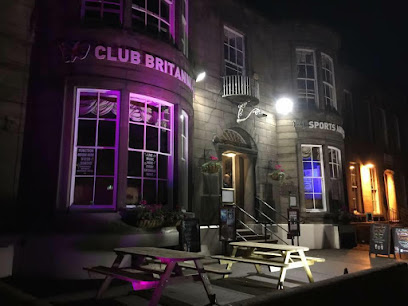
Club Britannia
48.2 km
A vibrant social club in Carlisle offering live music, friendly vibes, and affordable drinks in a smart, welcoming setting.
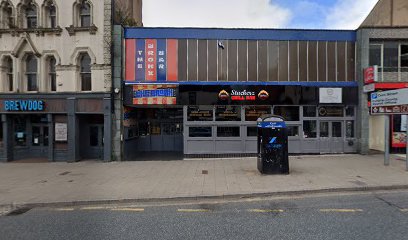
Secret Carlisle
48.5 km
Experience energetic nights and vibrant music at Secret Carlisle, the city centre nightclub where Carlisle’s historic charm meets modern nightlife.
The Galloway Bar
56.8 km
Discover the charm of Wigtown at The Galloway Bar, where locals gather for great drinks and unforgettable experiences.
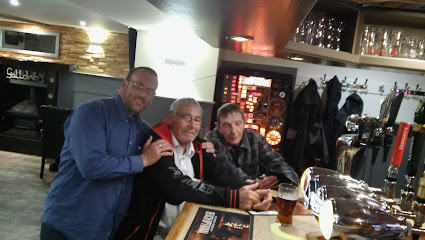
Square One
65.9 km
Vibrant Hawick nightclub with dynamic music floors and a welcoming atmosphere at the heart of Drumlanrig Square.

Base Nightclub
66.3 km
Experience Hawick’s energetic nightlife at Base Nightclub, where vibrant music and lively crowds create unforgettable Friday nights.
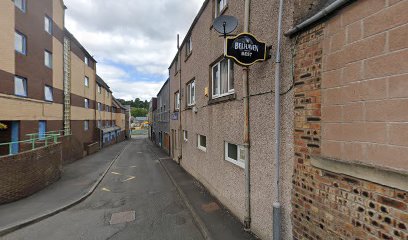
The Border Club
66.6 km
Experience the vibrant local culture at The Border Club, a friendly social hub in Hawick, Scotland, perfect for travelers seeking community spirit.
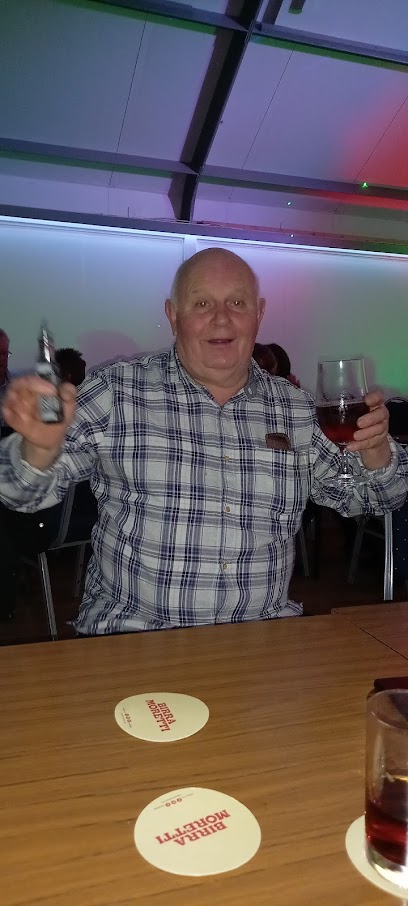
Bridge Inn
70.4 km
Discover the scenic beauty and warm hospitality at Bridge Inn, Peebles' favorite pub overlooking the River Tweed.
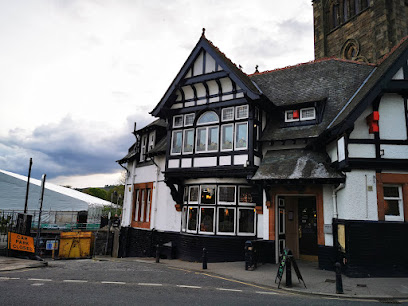
The Neidpath Inn
70.4 km
Discover The Neidpath Inn, a vibrant bar and bed & breakfast in Peebles, offering delicious cuisine, live music, and a cozy atmosphere for all visitors.
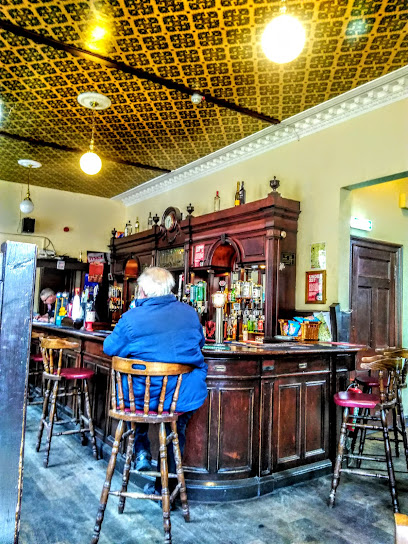
The County
70.5 km
A lively, dog-friendly pub and restaurant in Peebles offering hearty meals, great drinks, and warm Scottish hospitality in a central setting.
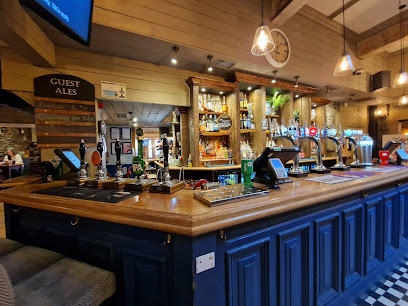
The Central Bar
70.6 km
Experience the heart of Peebles at The Central Bar, where local charm and refreshing drinks await every visitor.
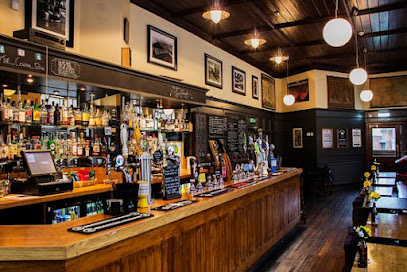
Union Club
70.6 km
A friendly, community-run social club with snooker and events, offering a welcoming and affordable night out in Innerleithen.
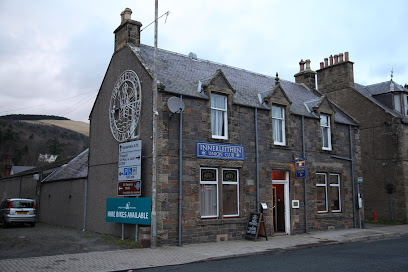
The Cross Keys - Peebles
70.6 km
Historic inn and cozy hotel in Peebles town centre, blending traditional charm with modern comfort and a lively pub atmosphere.
For the vibe & atmosphere seeker
- Tranquil
- Unique
- Historic
For the design and aesthetic lover
- Vintage Styles
- Rustic Designs
For the architecture buff
- Historic
- Landmarks
For the kind of experience you’re after
- Cultural Heritage
For how adventurous you want the journey to be
- Easy Access
Location Audience
- Adults Only
- Business Friendly


