Comyn's Tower, Dumfriesshire Travel Guide
Explore Comyn's Tower near Dumfries, a medieval stronghold entwined with Scotland’s dramatic history and the legacy of the Comyn clan.
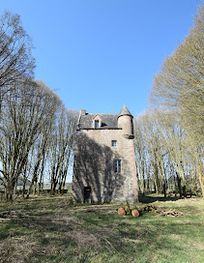
Comyn's Tower, located within the Dalswinton Estate near Dumfries, Scotland, is a significant medieval site linked to the powerful Comyn family. This 15th-century lairds' tower house stands on the grounds of the original Comyn’s Castle, once a pivotal stronghold before its destruction in the early 14th century. The tower is historically notable as the last residence of John Comyn, Lord of Badenoch, before his fateful meeting with Robert the Bruce in 1306, which altered Scottish history forever.
A brief summary to Comyn's Tower
- Dumfries, GB
- Duration: 0.5 to 1.5 hours
- Budget
-
 Outdoor
- Mobile reception: 4 out of 5

Know before you go
Hi, I'm Eve. Here are a few practical things to know before exploring Comyn's Tower.
- Visit during daylight hours to fully appreciate the historic stonework and surrounding estate.
- Combine your visit with nearby historic sites in Dumfries, such as Greyfriars Church and Dumfries Castle.
- Wear sturdy footwear as the terrain around the tower includes earthworks and uneven ground.
- Respect the private property of Dalswinton House, which occupies the original castle site and is not open to visitors.
Do you manage this location?
Take control to get all the benefits, like improved information, better appearance, and stronger visibility across AI-powered discovery. Learn more about listing your business on Evendo
Activate your presenceOther nearby places you may find interesting
The closest places of the same kind, if this one is not quite what you had in mind.
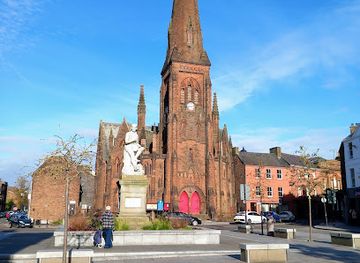
Explore Comyn's Tower on the Map
A handpicked selection of must-see spots near Comyn's Tower, mapped for you.
Getting There
-
Bus
Take the local bus service from Dumfries town center to Dalswinton village, approximately a 20-30 minute journey. Services run several times daily but check schedules in advance. From Dalswinton, the tower is a short walk through the estate grounds.
-
Car
Driving from Dumfries town center takes about 15 minutes via local roads. Limited parking is available near the estate entrance. Note that the final approach involves walking on uneven paths, so park responsibly and prepare for a short walk.
-
Walking
For the adventurous, a 5 km walk from Dumfries town center to Dalswinton Estate offers scenic rural views. The route includes country lanes and footpaths with moderate terrain and is suitable for walkers with good mobility.
For the on-the-go comforts that matter to you
-
 Information Boards
-
 Seating Areas
-
 Trash Bins
Discover more about Comyn's Tower
The Legacy of the Comyn Family in Southern Scotland
Comyn's Tower sits in the scenic Dalswinton Estate near Dumfries and represents the enduring legacy of the Comyn clan, once among Scotland’s most powerful noble families. The Comyns held extensive lands and castles across Scotland, including Inverlochy Castle and Dalswinton Castle, which served as southern residences. John Comyn, known as the Red Comyn, was a key figure in early 14th-century Scottish politics. His influence and rivalry with Robert the Bruce culminated in a dramatic turning point for Scotland's independence.Historical Significance of Comyn's Tower
The tower is part of a 15th-century lairds' tower house built on the site of the original Comyn’s Castle, which was destroyed during the Wars of Scottish Independence. It was from this stronghold that John Comyn set out on February 10, 1306, to meet Robert the Bruce at Greyfriars Church in Dumfries. This meeting ended with Comyn’s murder, an event that triggered a series of conflicts leading to Bruce’s eventual coronation as King of Scots. Though the original castle no longer stands, the tower remains a poignant symbol of this turbulent era.Architectural Features and Current Condition
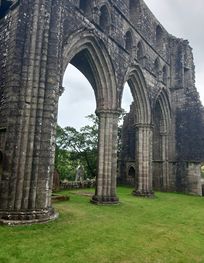
Comyn's Tower is a remnant of a once larger fortified complex. The existing structure, dating from the 15th century, is a tower house typical of the period, designed for both defense and residence. While the tower is in a state of disrepair, visitors can still appreciate its historic stonework and the earthworks that hint at the castle’s former scale and strategic importance. The nearby Dalswinton House now occupies the site of the original castle but is private and not open to the public.The Tower’s Role in Scottish History
The murder of John Comyn at Greyfriars Church shortly after departing the tower marked a decisive moment in Scotland’s struggle for independence. Robert the Bruce’s subsequent actions, including the capture of Dumfries Castle from the English, shifted the balance of power. Comyn's Tower thus stands as a silent witness to the dramatic events that shaped medieval Scotland’s destiny.Visiting Comyn's Tower Today
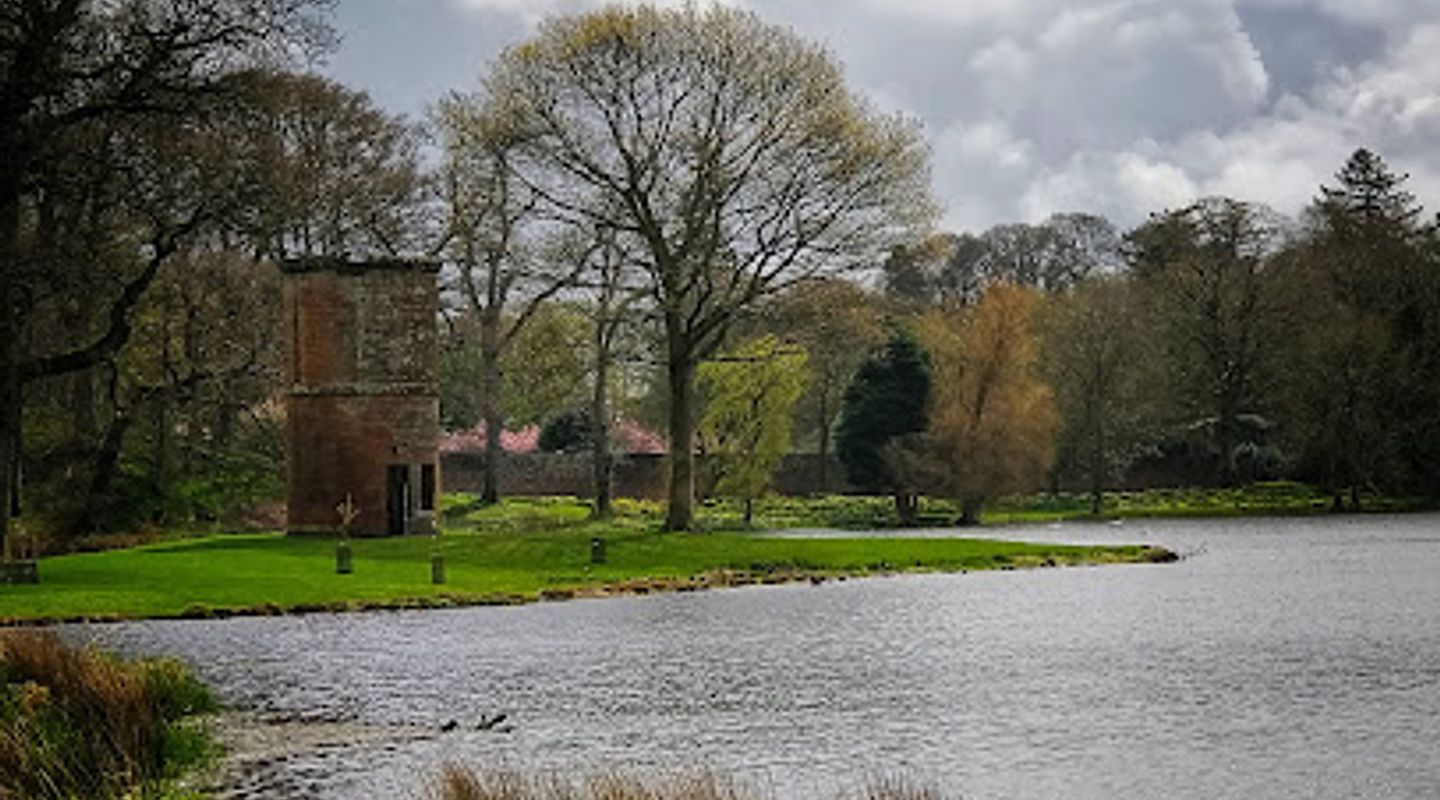
Though not a large or fully intact castle, Comyn's Tower offers visitors a tangible connection to Scotland’s medieval past. Its location within the picturesque Dalswinton Estate provides a tranquil setting for reflection on the complex history of clan rivalries and nation-building. The site is accessible to the public, allowing history enthusiasts to explore the ruins and imagine the lives of those who once inhabited this stronghold.Comyn's Tower in the Context of Dumfries and Galloway Heritage
The tower complements the rich historical tapestry of Dumfries and Galloway, a region steeped in stories of medieval castles, battles, and notable figures such as Robert the Bruce and William Wallace. Nearby sites like Greyfriars Church and Dumfries Castle further enrich the historical experience, making Comyn's Tower a key piece in understanding the area's heritage.












Your all‑in‑one travel companion app
Explore expert travel guides, compare and book tours, experiences, hotels, and more—all from the palm of your hand. Download now for seamless trip planning wherever your wanderlust takes you.


Explore More of Dumfriesshire
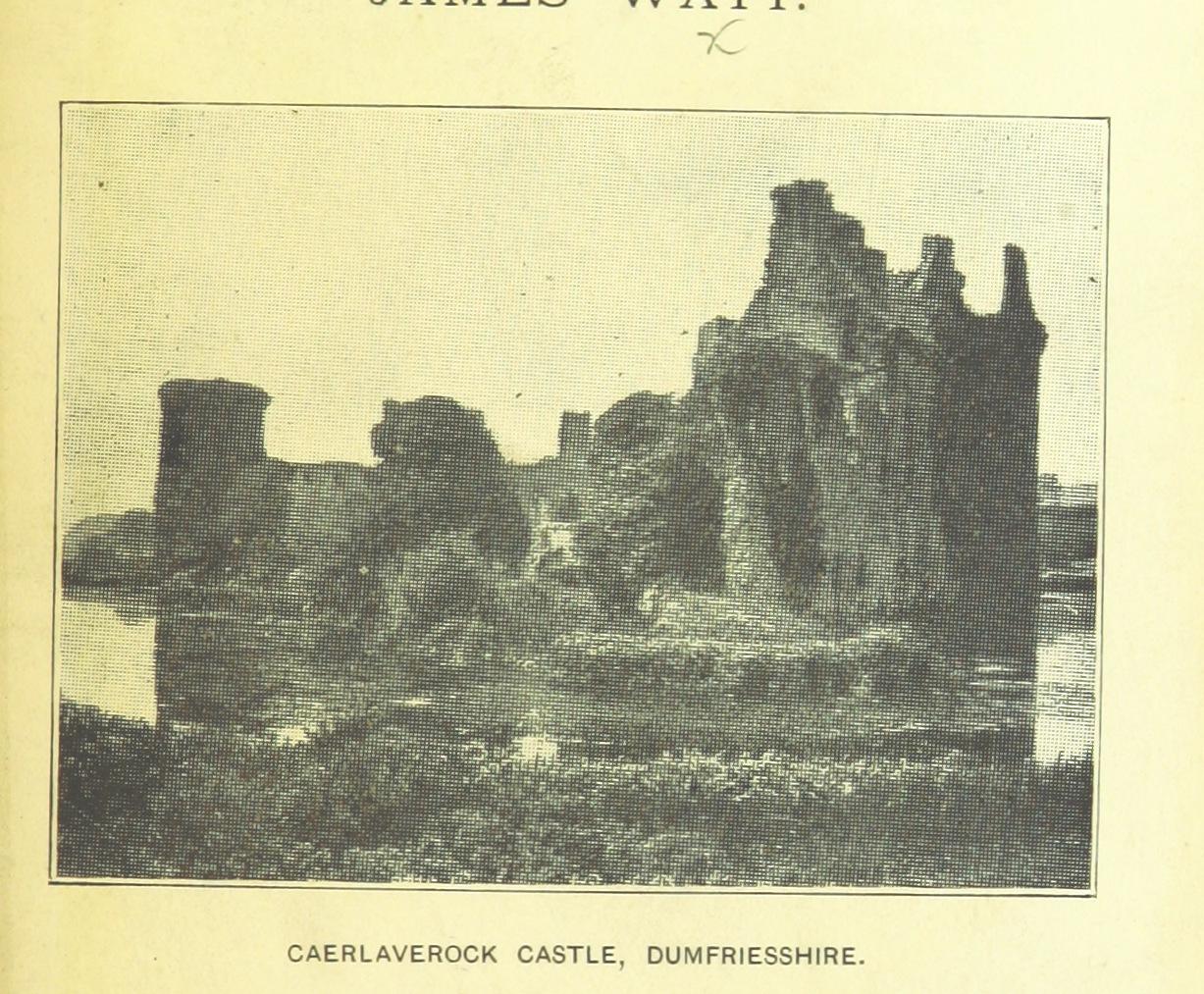
Looking beyond Comyn's Tower? Discover Dumfriesshire for broader travel guides, local hot-spots, and regional highlights.
Explore Dumfriesshire