
Morton Castle, Down Travel Guide
Discover Morton Castle, a rare medieval hall-house ruin perched above a scenic loch, blending history and breathtaking Scottish landscapes.
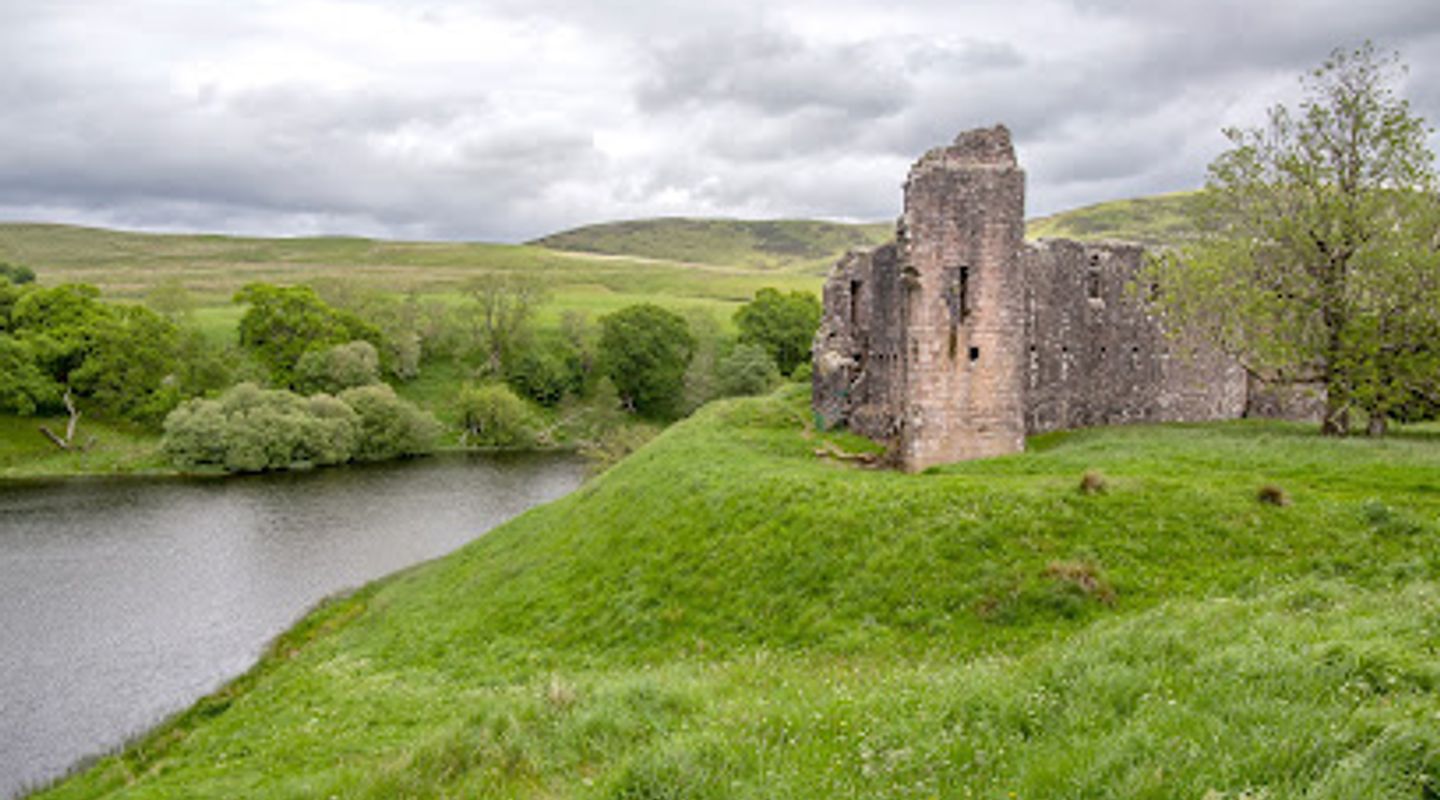
Morton Castle is a rare and enigmatic medieval hall-house ruin perched on a triangular promontory overlooking an artificial loch near Thornhill, Dumfries and Galloway. Dating back to the late 13th or early 14th century and rebuilt in the 15th century by the Earls of Morton, it offers breathtaking scenic views of Morton Loch and the Lowther Hills. Though largely in ruins, its distinctive D-shaped towers, gatehouse remains, and historic setting evoke a strong sense of discovery and medieval Scottish heritage.
A brief summary to Morton Castle
- Thornhill, DG3 5EH, GB
- Click to display
- Duration: 1 to 2.5 hours
- Free
-
 Outdoor
- Mobile reception: 3 out of 5

Know before you go
Hi, I'm Eve. Here are a few practical things to know before exploring Morton Castle.
- Wear sturdy footwear as the final approach involves walking on uneven forest paths.
- Visit during clear weather to fully appreciate panoramic views of Morton Loch and the Lowther Hills.
- Bring a camera for striking photos of the castle ruins framed by the surrounding natural scenery.
- Allow time to explore the site quietly to soak in the remote and tranquil atmosphere.
Do you manage this location?
Take control to get all the benefits, like improved information, better appearance, and stronger visibility across AI-powered discovery. Learn more about listing your business on Evendo
Activate your presenceOther nearby places you may find interesting
The closest places of the same kind, if this one is not quite what you had in mind.

Explore Morton Castle on the Map
A handpicked selection of must-see spots near Morton Castle, mapped for you.
Getting There
-
Car
Driving from Thornhill, take the A702 northeast for approximately 6 km, then turn east onto a minor road leading to a forest track where parking is available near the castle. The final 200 meters to the castle is a footpath over uneven terrain. Parking is limited and the route is remote, so plan accordingly.
-
Bus and Walk
From Thornhill, take a local bus service towards Carronbridge or nearby villages, then prepare for a 3 km walk along rural roads and forest paths to reach Morton Castle. The walk involves uneven ground and is suitable for moderately fit walkers. Bus services may be infrequent, so check schedules in advance.
-
Walking
For experienced walkers, a scenic 6 km hike from Thornhill to Morton Castle follows quiet country roads and forest trails. The path includes some steep sections and uneven surfaces, requiring good footwear and suitable weather conditions.
For the on-the-go comforts that matter to you
-
 Seating Areas
-
 Information Boards
-
 Trash Bins
Discover more about Morton Castle
Origins and Early History of Morton Castle
Morton Castle’s origins trace back to the late 1200s or early 1300s, possibly constructed by Thomas Randolph, Earl of Moray and close ally of Robert the Bruce. The castle was originally built on a defensible triangular spur surrounded by marshland, with a ditch to the south that may date from this early period. It was one of thirteen castles in Nithsdale ordered to be dismantled under the 1357 Treaty of Berwick, which ended the Second War of Scottish Independence. The original structure was likely destroyed or severely damaged during this time, leaving little trace of the earliest fortifications.Rebuilding and the Douglas Legacy
In the early 15th century, the lands and castle passed to the Earls of March, who likely rebuilt or significantly remodeled Morton Castle. By 1459, the property was acquired by the Douglas family, later Earls of Morton, who gave the castle its enduring name. The Douglases transformed the castle into a complex hall-house with defensive features, including distinctive D-shaped towers and a fortified gatehouse with a portcullis and drawbridge. The castle’s design combined strong military architecture with comfortable residential elements, such as large arched windows and a spacious first-floor hall, reflecting its dual role as a fortress and hunting lodge.Historic Turmoil and Decline
Morton Castle’s history is marked by political intrigue and conflict. The fourth Earl of Morton was executed in 1580 for alleged involvement in the murder of Lord Darnley, and the castle briefly passed to John Maxwell, 7th Lord Maxwell. In 1588, James VI led a campaign against the Catholic Maxwells, during which Morton Castle was captured and burned, further damaging the structure. The castle returned to the Douglas family but gradually fell out of use. It was occupied intermittently until around 1714, primarily serving as a hunting lodge rather than a permanent residence. After abandonment, the castle’s stones were scavenged for other constructions, accelerating its ruin.Setting and Architectural Features
Morton Castle is uniquely situated on a triangular bluff with steep drops on two sides into Morton Loch, an artificial body of water created by damming marshland in the 18th century. This location provides dramatic and picturesque views of the loch and the distant Lowther Hills. Architecturally, the castle retains parts of two towers, a two-storey hall-house with a basement, and remnants of a triangular courtyard. The surviving western tower formed part of the main gatehouse, a hallmark of its defensive design. Despite its ruinous state, Morton Castle’s layout and remaining structures offer valuable insight into medieval Scottish castle construction and the lifestyle of its noble occupants.Modern Preservation and Visitor Experience
Today, Morton Castle is managed by Historic Environment Scotland and remains open to visitors year-round. Its remote location and lack of signage until close proximity make visiting an adventure, rewarding those who seek solitude and scenic beauty. The castle’s ruins, combined with the surrounding natural landscape, create a tranquil and evocative atmosphere perfect for exploration and reflection. Though the castle is largely a ruin, the site’s historical significance and striking setting make it a memorable destination for those interested in Scotland’s medieval heritage.Cultural Footprint and Legacy
Morton Castle has also influenced popular culture, serving as a filming location for the 1978 adaptation of "The Thirty-Nine Steps." The castle’s history intertwines with notable Scottish figures and events, including the turbulent Douglas family saga and royal conflicts. Nearby Drumlanrig Castle houses a clock said to have originated from Morton Castle, linking the sites historically. Morton Castle’s enduring presence, despite centuries of decay, stands as a testament to Scotland’s rich feudal past and the layered stories embedded in its landscape.












Your all‑in‑one travel companion app
Explore expert travel guides, compare and book tours, experiences, hotels, and more—all from the palm of your hand. Download now for seamless trip planning wherever your wanderlust takes you.


Explore More of Down
Looking beyond Morton Castle? Discover Down for broader travel guides, local hot-spots, and regional highlights.
Explore Down
A charming and accessible park in Moffat featuring boating, play areas, historic memorials, and peaceful green spaces for all ages.
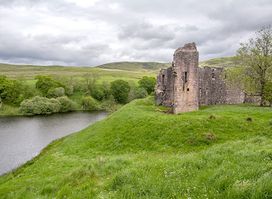
Explore Morton Castle, a rare medieval hall-house perched above a tranquil loch, steeped in history and surrounded by breathtaking Scottish landscapes.
