
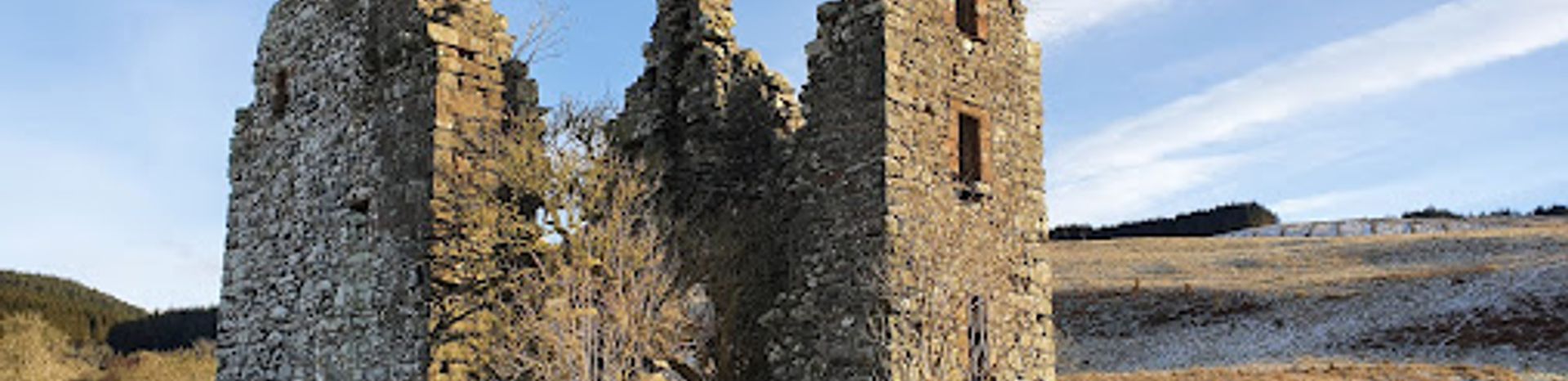
Frenchland Tower: Historic Ruins Overlooking Moffat's Scenic Valley
Explore the evocative ruins of Frenchland Tower, a 16th-century stronghold offering panoramic views and a glimpse into Scotland’s feudal past near Moffat.
Frenchland Tower is a striking 16th-century ruined tower house located near Moffat, Scotland. Once the stronghold of the French family, tenants of the Bruces, the tower offers panoramic views over the valley and town. Though roofless and partly collapsed, the tower’s L-shaped remains reveal its multi-phase construction and historical significance. Surrounded by natural beauty, it invites visitors to explore Scotland’s feudal past amid tranquil countryside.
A brief summary to Frenchland Tower
- Moffat, GB
- Duration: 0.5 to 1.5 hours
- Free
-
 Outdoor
- Mobile reception: 4 out of 5
Local tips
- Wear sturdy footwear as the path to the tower can be uneven and slightly steep.
- Visit early morning or late afternoon for the best natural lighting for photography.
- Bring water and snacks to enjoy a peaceful picnic with scenic valley views.
- Respect the fenced-off areas around the tower ruins to ensure safety and preservation.

For the on-the-go comforts that matter to you
- Information Boards
- Seating Areas
- Trash Bins
Getting There
-
Car
From the M74 motorway, take Junction 15 and follow the A701 towards Moffat. Upon reaching Moffat, continue on the A708 High Street and follow signs to Frenchland Tower. Parking is available near the site, but check for any restrictions. Travel time from Dumfries is approximately 30-40 minutes. No parking fees apply.
-
Walking
From Moffat town center, the walk to Frenchland Tower is about 1.5 miles (2.4 km) along rural paths and minor roads with some uneven terrain and gentle inclines. The walk takes approximately 35-45 minutes and is suitable for those with moderate fitness and sturdy footwear.
-
Public Transport
Local bus services connect Dumfries and Moffat, with journey times around 45-60 minutes. From Moffat bus stop, the tower is accessible by a 30-40 minute walk. Bus frequency may be limited on weekends and evenings, so check schedules in advance.
Frenchland Tower location weather suitability
-
 Any Weather
-
 Clear Skies
-
 Mild Temperatures
-
 Rain / Wet Weather
Discover more about Frenchland Tower
Medieval Origins and the French Family Legacy
Frenchland Tower stands as a testament to the French family, prominent landowners and tenants of the Bruces since the 13th century. The original tower house was constructed in the 16th century, serving as a fortified residence and symbol of their status in Dumfriesshire. The French family held the property until the mid-18th century, when it passed into other hands. Their influence in the region is woven into the history of Moffat and its surroundings.Architectural Evolution and Ruinous State
The tower features an L-shaped design, a common style for Scottish tower houses, with a later 17th-century stair wing added to improve access. The original structure included narrow staircases and defensive features, while the later modifications introduced a wider scale-and-platt stair and altered roofline. Today, the tower is roofless and partially collapsed, with precarious gables and exposed corbels hinting at former turrets. Despite its ruinous state, the stonework and layout remain evocative of its feudal past.Setting and Scenic Views
Perched beside the steep gully of Frenchland Burn, the tower commands sweeping views over the valley and the town of Moffat. The surrounding landscape of rolling hills and wooded glens enhances the tower’s dramatic presence. The site’s natural beauty complements its historical aura, making it a peaceful spot for reflection and photography. The nearby burn and old stone walls add to the atmosphere of timelessness.Visitor Experience and Local Significance
Though access to the tower itself is limited due to its ruinous condition and fenced boundaries, visitors often enjoy the short walk up to the site, appreciating the tranquil countryside and historical significance. The tower is a Scheduled Ancient Monument, recognized for its cultural heritage. Moffat’s reputation as a historic spa town and gateway to Dumfries and Galloway enriches the experience, offering nearby amenities and accommodations.Historical Context within Dumfriesshire
Frenchland Tower exemplifies the tower houses that dotted the Scottish Borders and Dumfriesshire, built for defense and residence during turbulent times. The French family’s tenure reflects the feudal system and landholding patterns of medieval Scotland. The tower’s proximity to Moffat connects it to the town’s development, including its later fame as a health resort. The ruins stand as a silent witness to centuries of Scottish history.Preservation and Cultural Heritage
As a protected monument, Frenchland Tower is preserved as a heritage site, though it remains a ruin. Its evocative remains inspire interest in Scotland’s architectural and social history. The tower’s story is part of the broader narrative of the region’s historical landscape, where nature and history intertwine. Visitors are encouraged to respect the site’s fragility while enjoying its scenic and educational value.Iconic landmarks you can’t miss

Frenchland Tower
0.0 km
Explore the evocative ruins of Frenchland Tower, a 16th-century stronghold offering panoramic views and a glimpse into Scotland’s feudal past near Moffat.
Auchen Castle
4.0 km
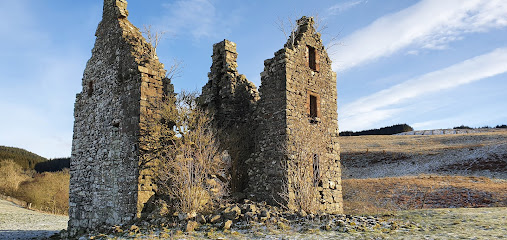
Historic Scottish fairytale castle and elegant wedding venue nestled in scenic Dumfries and Galloway with unique Egyptian revival architecture.
Crown of Scotland
6.0 km
Discover the breathtaking beauty of the Crown of Scotland, a stunning mountain peak offering scenic hikes and panoramic views in Moffat.

Over Rig
18.7 km
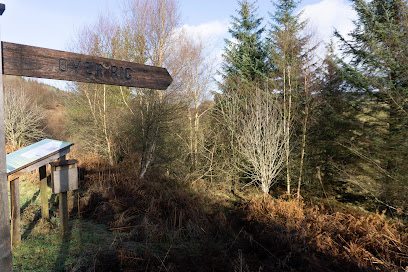
Explore Over Rig, a remarkable historical landmark in Langholm, where rich heritage meets breathtaking natural beauty in Scotland.
James Hogg Monument
20.3 km
A striking white monument honoring James Hogg, the Ettrick Shepherd, overlooking the serene St Mary's Loch in Scotland's Borders.
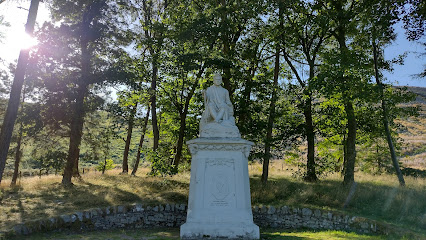
Highest village in Scotland
23.9 km
Discover Wanlockhead, Scotland’s highest village, where rich mining history meets stunning upland landscapes and unique cultural heritage.
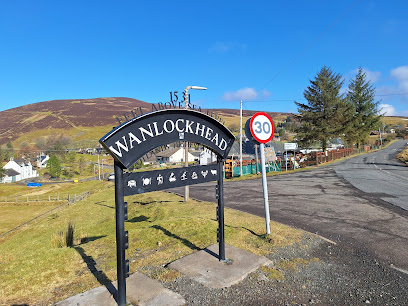
Comyn's Tower
26.4 km
Explore Comyn's Tower near Dumfries, a medieval stronghold entwined with Scotland’s dramatic history and the legacy of the Comyn clan.
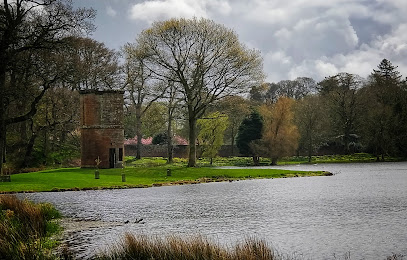
Kingdom Scotland
28.7 km
Discover tranquility at Kingdom Scotland, a serene religious institution in Dumfries that invites spiritual reflection and community connection.

The Dawyck Cafe
30.5 km
A warm, light-filled cafe in the heart of Dawyck Botanic Garden, serving seasonal soups, sandwiches, and excellent home baking with views over 65 acres of woodland.
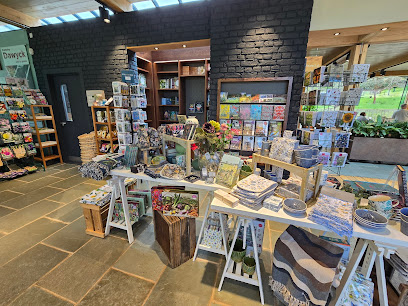
Little Dalton Kirk
30.7 km
Discover the evocative ruins of Little Dalton Kirk, a medieval parish church nestled in tranquil Scottish countryside near Lockerbie.
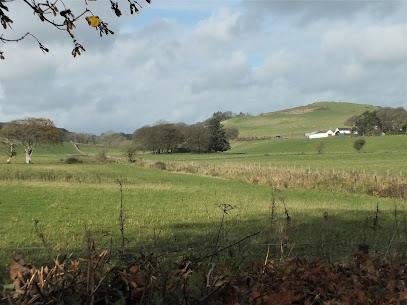
Fourmerkland Tower
31.2 km
Discover the tranquil charm and rich history of Fourmerkland Tower, a secluded 16th-century Scottish tower house near Dumfries.
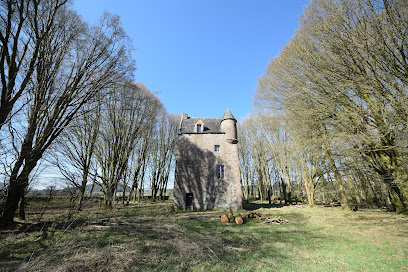
Dumfries
31.4 km
Historic and accessible Dumfries Railway Station connects Scotland’s southwest with modern amenities and rich heritage.
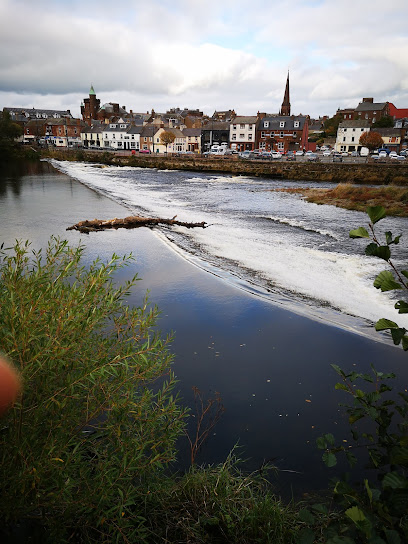
Dumfries Tours
31.7 km
Explore Dumfries with immersive tours that blend history, culture, and stunning landscapes for an unforgettable experience.
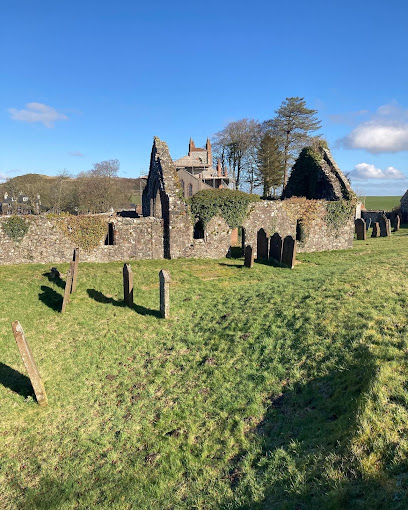
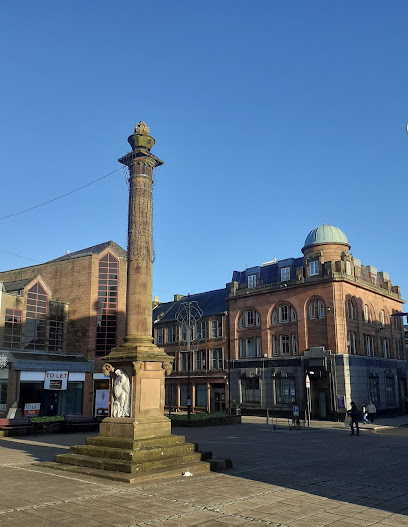
Queensberry Monument
31.9 km
An elegant 18th-century stone column in Dumfries honoring the 3rd Duke of Queensberry and the town’s noble heritage.
Dumfries Historic Buildings Trust
32.0 km
Discover the architectural heritage of Dumfries at the Dumfries Historic Buildings Trust, where history is preserved for future generations.
Unmissable attractions to see

Moffat Mill
1.7 km
Discover Scottish heritage, shopping, and dining all under one roof at Moffat Mill in the heart of historic Moffat.
Moffat Museum
1.7 km
Discover Moffat’s captivating history through interactive exhibits and volunteer-led storytelling in this charming Scottish museum.
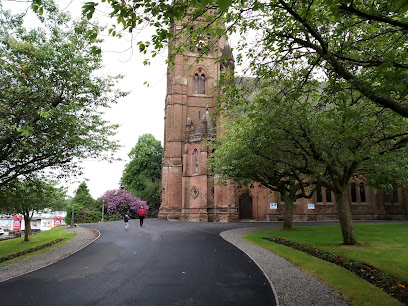
Station Park
1.8 km
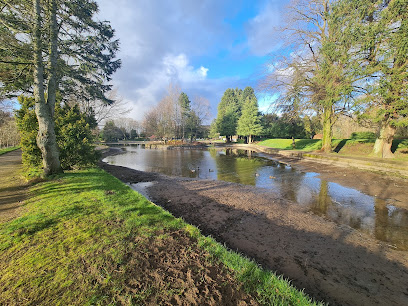
A charming and accessible park in Moffat featuring boating, play areas, historic memorials, and peaceful green spaces for all ages.
The Moffat Spitfire
1.8 km
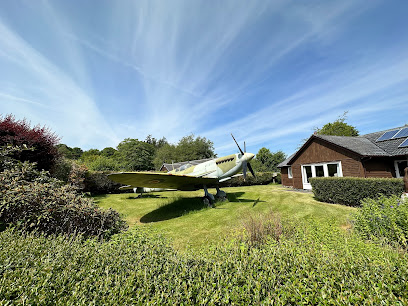
Discover a full-size Spitfire replica in Moffat, honoring RAF hero Hugh Dowding in a unique garden tribute blending history and community spirit.
Moffat Community Nature Reserve
2.2 km
A peaceful nature escape near Moffat offering diverse wildlife habitats, tranquil trails, and community conservation in Scotland’s Southern Uplands.

Eventim Apollo
5.0 km
Experience iconic live entertainment in London’s beautifully restored Art Deco gem, the Eventim Apollo in Hammersmith.
universestore
5.0 km
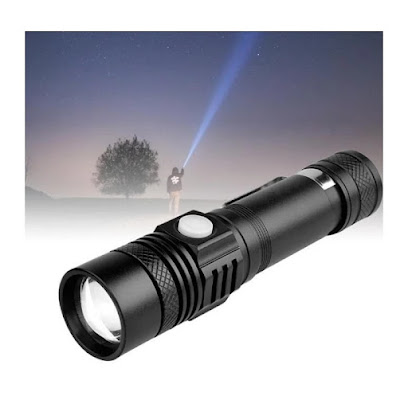
Your go-to camping shop in scenic Moffat, offering the latest outdoor gear for all your adventure needs.
Southern Uplands
12.1 km
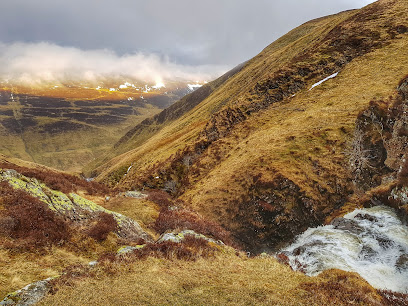
Explore Scotland’s Southern Uplands, a stunning mountain range of rolling hills, historic trails, and tranquil rural landscapes.
Grey Mare's Tail Waterfall
12.5 km
Experience one of the UK’s highest waterfalls cascading 60m through a stunning glacial valley rich in wildlife and history.
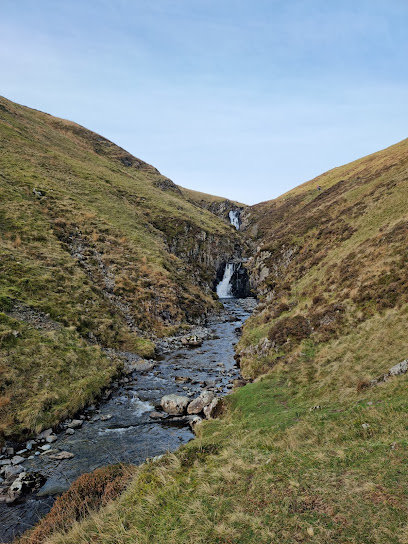
Biggar Adventure
13.7 km
Experience thrilling outdoor adventures and tailored group activities in the stunning Scottish Borders with Biggar Adventure.
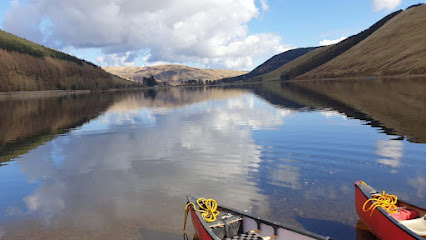
Talla Reservoir
16.1 km
Historic Victorian reservoir nestled in scenic Scottish Borders hills, blending engineering heritage with tranquil natural beauty.
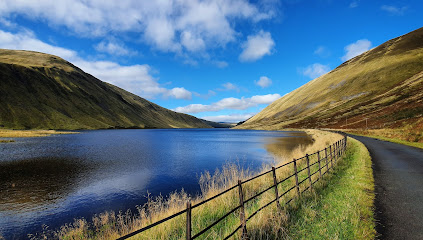
Loupin Stanes
17.7 km
Explore the Loupin Stanes, an ancient monument in Langholm, Scotland, where history meets breathtaking nature in a tranquil setting.
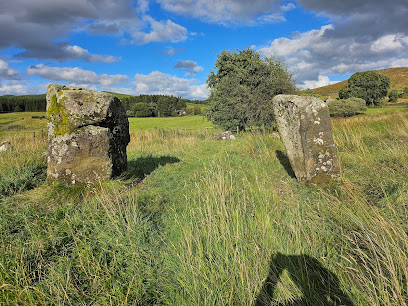
Broad Law
18.7 km
Broad Law, the highest peak in the Scottish Borders, offers sweeping views, rich wildlife, and a serene hiking experience amid Scotland’s Southern Uplands.
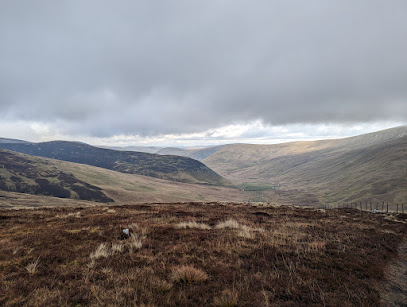
Castle O'er Hill Fort
18.8 km
Explore the ancient Iron Age stronghold of Castle O'er Hill Fort, a commanding prehistoric site with layered history and stunning Eskdale views.
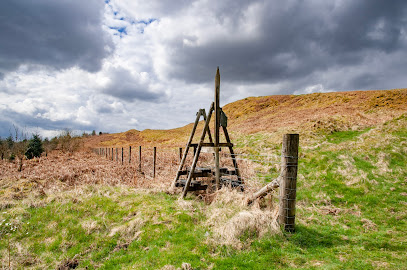
The Navvies Graveyard
19.3 km
A quiet, moving tribute to the 19th-century navvies who built Scotland’s railways, where simple stones and a memorial plaque honor lives of toil and sacrifice.
Essential places to dine

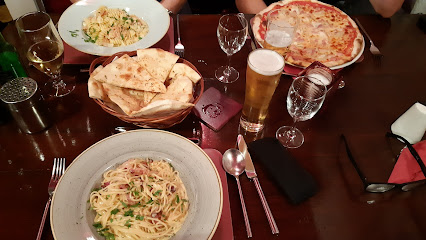
Claudios Restaurant
1.5 km
Experience authentic Italian flavors in a cozy, family-friendly setting at Claudios Restaurant, Moffat’s beloved dining spot.
Moffat Woolen Mill restaurant
1.6 km
Experience traditional Scottish cuisine and warm hospitality in the historic charm of Moffat Woolen Mill Restaurant.
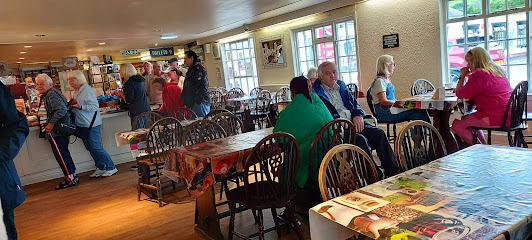
Brodies
1.6 km
Warm hospitality and delicious contemporary cuisine await you at Brodies, Moffat’s beloved restaurant and bar.
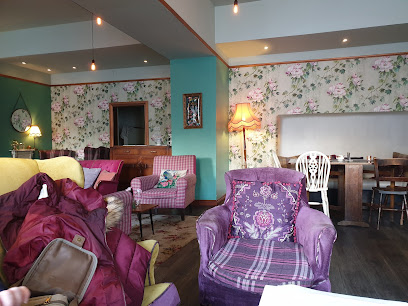
Annandale Arms Hotel and Restaurant
1.7 km
Traditional Scottish charm meets modern comfort at Annandale Arms Hotel, a lively hub for dining, music, and relaxation in Moffat.
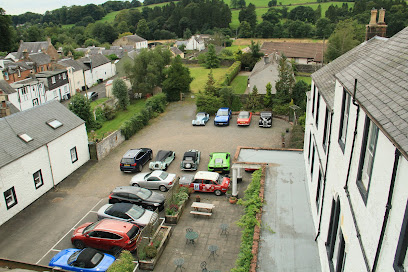
Award-Winning The Gordon Arms Restaurant with Rooms
28.3 km
Historic Scottish Borders inn blending award-winning local cuisine with cozy rooms and tranquil valley views.
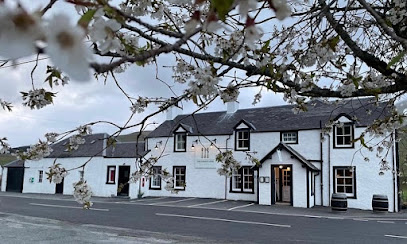
The Lochar Inn
28.4 km
A friendly, lively pub and restaurant in Dumfries offering traditional fare, local charm, and a welcoming community atmosphere.
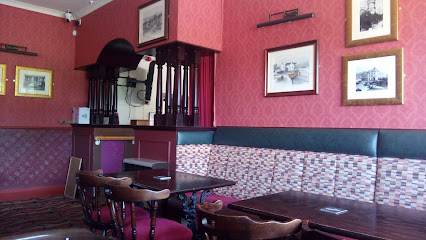
Casa Mia Dumfries
30.7 km
Stylish modern European dining in Dumfries with exceptional vegan options and warm, attentive service.
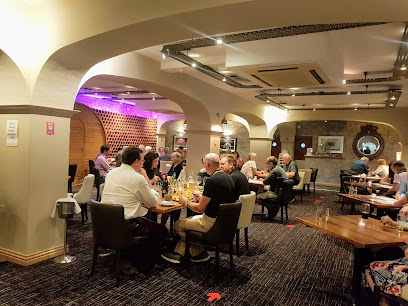
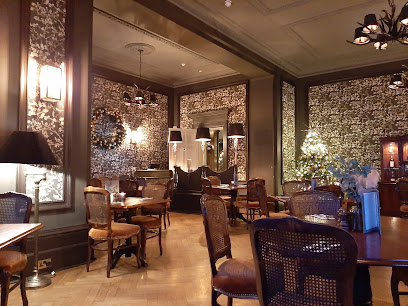
The Ghillie Restaurant
31.0 km
Experience authentic Scottish dining in the historic and elegant setting of Cornhill Castle’s Ghillie Restaurant, Biggar.
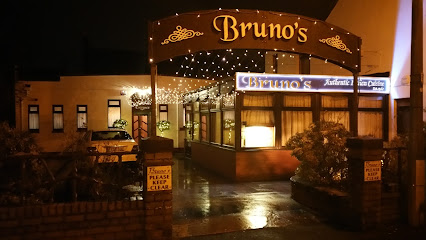
Bruno's Italian Restaurant
31.4 km
Authentic Italian dining with warm hospitality and classic flavors in the heart of Dumfries.
The Station Cafe Dumfries
31.4 km
A friendly, affordable cafe nestled in Dumfries Railway Station, perfect for a comforting breakfast or coffee break on your travels.
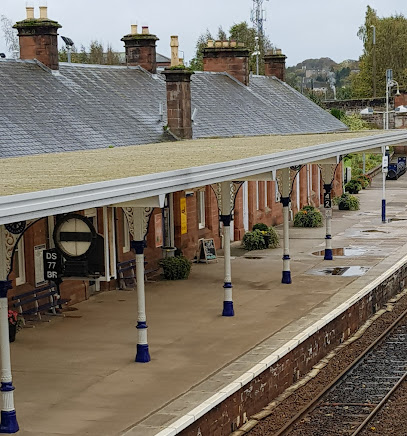
The Usual Place
31.6 km
A charming, community-focused café in a converted church offering fresh, ethical meals and warm hospitality in Dumfries.
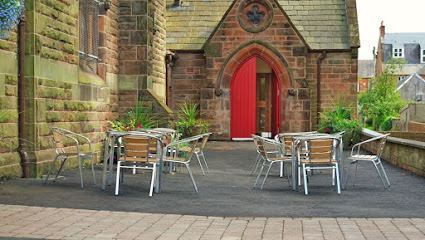
The Hitching Post - DG1 2EQ
31.7 km
Casual American barbecue and grill in Dumfries with a standout gluten-free menu and hearty, authentic flavors.
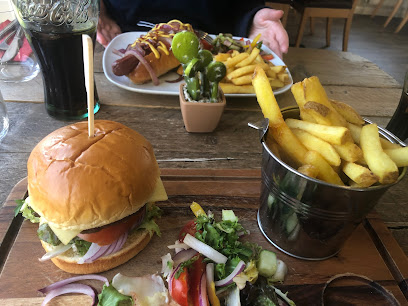
N'Dulge
31.8 km
Discover N'Dulge: A lively bar & grill in Dumfries serving delicious meals and refreshing drinks in an inviting atmosphere.
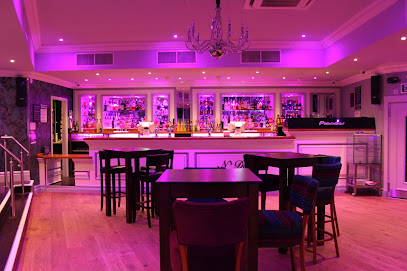
The Back Street
31.8 km
A vibrant hub for modern British cuisine and local drinks in the heart of Dumfries town centre, blending passion with a welcoming atmosphere.
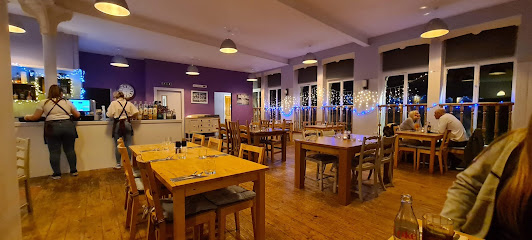
Granary
31.9 km
A vibrant Dumfries pub blending cozy dining, lively weekend entertainment, and community spirit in a welcoming setting.
Markets, malls and hidden boutiques

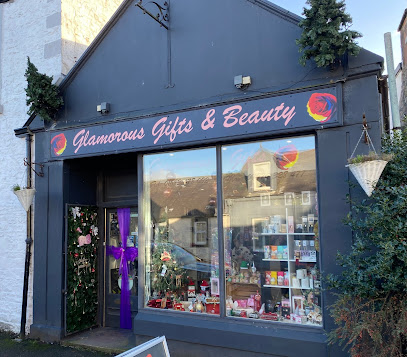
Glamorous Gifts and Beauty
1.6 km
Discover unique gifts and rejuvenating beauty services in Moffat’s charming boutique blending local craft with pampering.
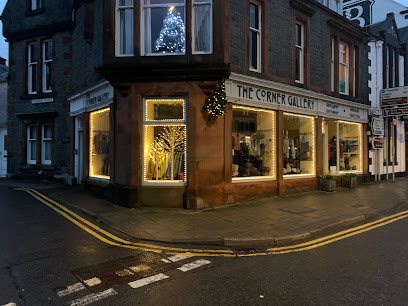
The Corner Gallery
1.7 km
Discover bespoke Scottish knitwear and designer clothing crafted with heritage and style at The Corner Gallery in Moffat.
Wildflower Designs
1.7 km
Discover unique handmade gifts and artisan crafts at Wildflower Designs, Moffat’s charming boutique on High Street.
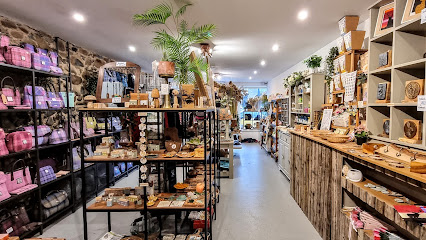
Everyday Beautiful
3.6 km
Discover unique and stylish clothing at Everyday Beautiful, the perfect shopping destination for fashion-savvy tourists.

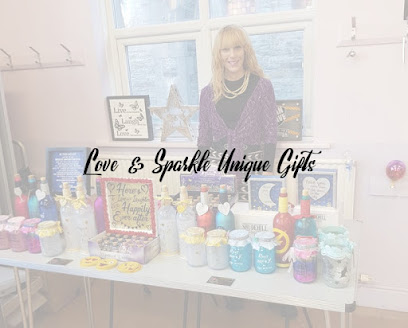
Love & Sparkle Unique Gifts
3.6 km
Explore Love & Sparkle Unique Gifts for one-of-a-kind treasures and local craftsmanship, perfect for thoughtful souvenirs and unique gifts.
Greenpark
5.0 km
Explore Greenpark Gift Shop in Moffat for unique souvenirs and local crafts that capture the essence of Scotland's charm and creativity.
Wild Heart Crafts
23.7 km
Discover authentic handmade crafts and artisan treasures in the heart of historic Leadhills, Scotland.
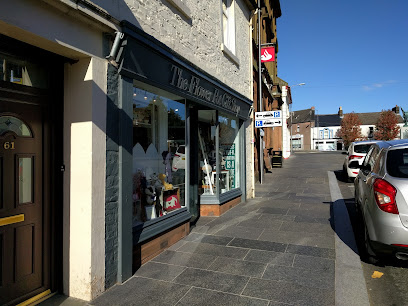
The Flower Pot Gift Shop
24.0 km
Discover unique Scottish gifts and fine jewellery in a warm, family-run boutique nestled in the heart of Lockerbie’s High Street.
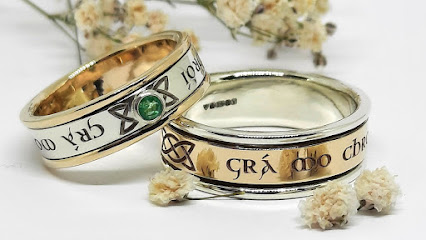
The Alchemist's Forge
28.5 km
Discover bespoke sterling silver and gold-accented jewellery crafted with artistry and nature’s inspiration in the tranquil Lamington countryside.
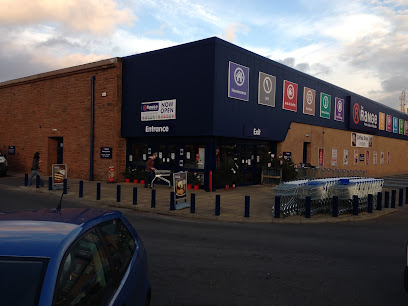
Peel Centre
30.9 km
Dumfries’ premier shopping centre offering a wide range of major stores and convenient amenities in a lively retail environment.

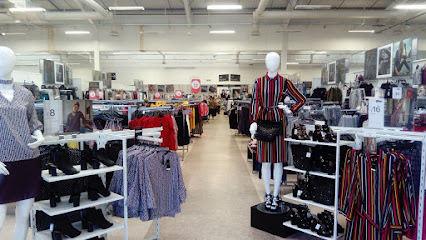
Matalan
30.9 km
Affordable fashion and homeware for the whole family in the heart of Dumfries at The Peel Centre.
Lunar
31.0 km
Explore Lunar Gift Shop in Dumfries for unique gifts and local treasures that make perfect souvenirs from your Scottish adventure.

Next
31.5 km
Trendy and spacious Next clothing store in Dumfries’ Cuckoo Bridge Retail Park, offering stylish fashion for all ages and occasions.

The Range, Dumfries
31.7 km
A versatile home and garden store in Dumfries offering extensive products for every lifestyle and living space.
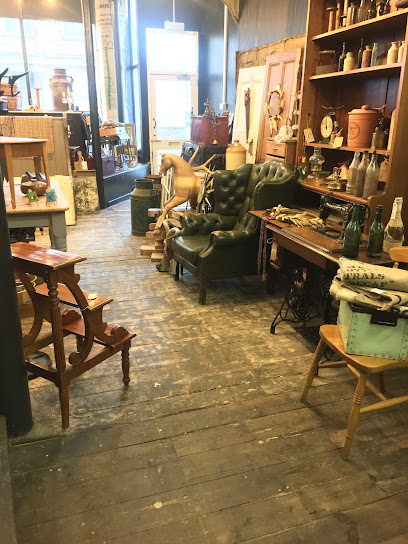
Vintage 109
31.8 km
Discover Vintage 109, a cozy Dumfries boutique brimming with unique, well-priced vintage and handcrafted homewares that add charm to any space.
Essential bars & hidden hideouts

Tibbie Shiels Inn
20.5 km
Historic inn and camping by St. Marys Loch offering cosy rooms, live music, and stunning Scottish Borders scenery.
Royal Bar
23.9 km
Cozy and friendly local bar in Lockerbie offering hearty home-cooked meals, good beer, and a welcoming atmosphere for all.
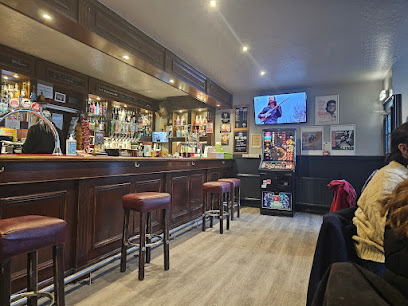
Wanlockhead Inn
24.1 km
Experience Scotland’s highest village pub with warm hospitality, quirky charm, and stunning upland views in historic Wanlockhead.
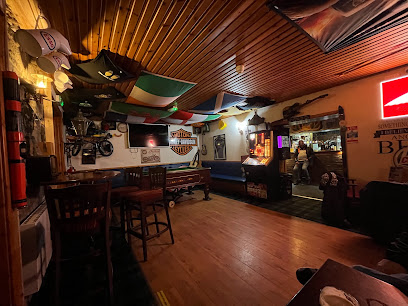
Colebrooke Arms
28.8 km
A cozy village pub in Crawfordjohn offering hearty Scottish fare and warm hospitality amidst the scenic South Lanarkshire countryside.
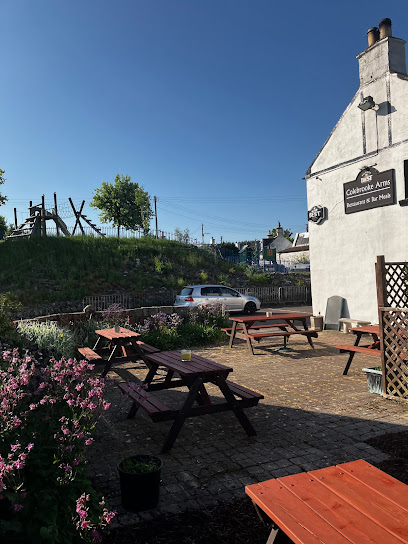
Lockards Farm
30.5 km
A stylish and family-friendly pub in Dumfries offering classic British fare, extensive drinks, and a welcoming beer garden for all seasons.
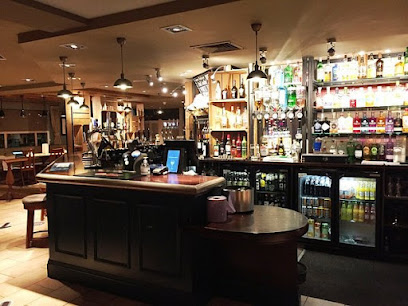
The Five Arches
31.1 km
A welcoming traditional pub in Dumfries offering local brews, live music, and a cozy atmosphere for genuine Scottish hospitality.
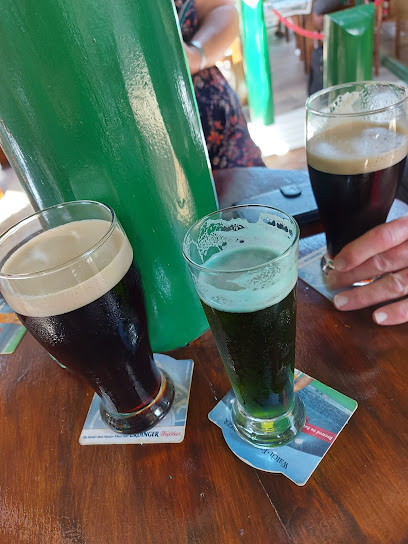
The Pleuchie's Howff
31.4 km
A family-run Dumfries pub blending traditional Scottish charm with lively live music and a welcoming community vibe.
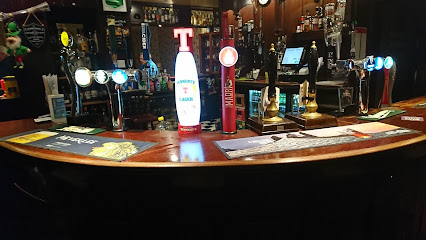
The Lochside Tavern
31.7 km
A cozy riverside pub in Dumfries offering local ales, hearty Scottish fare, and stunning loch views for an authentic experience.
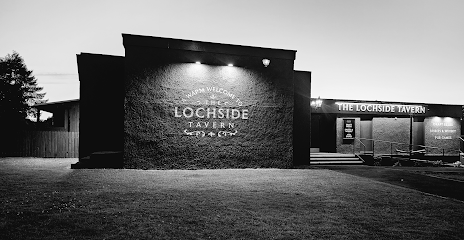
The Venue Dumfries
31.8 km
A vibrant hub for live music, nightlife, and social gatherings in the heart of Dumfries.

Chancers Night Club
31.9 km
Experience Dumfries nightlife at Chancers Night Club, where vibrant music and a lively atmosphere create unforgettable nights.
Hole I' The Wa' Inn
31.9 km
A historic and lively Dumfries pub offering authentic Scottish charm, good-value drinks, hearty food, and a welcoming community atmosphere.
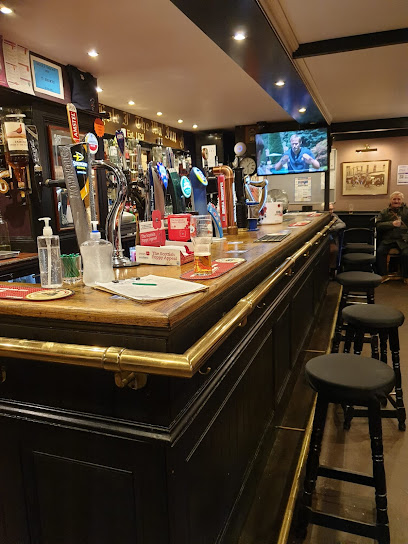
The Imperial
31.9 km
A friendly, fair-priced bar in the heart of Dumfries, perfect for relaxed socializing and local vibes.
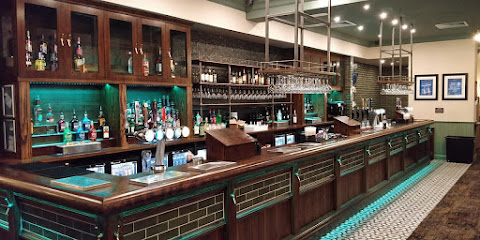
Dickies Bar
31.9 km
Experience warm Scottish hospitality and local craft beers in the cozy, lively setting of Dickies Bar in Dumfries.
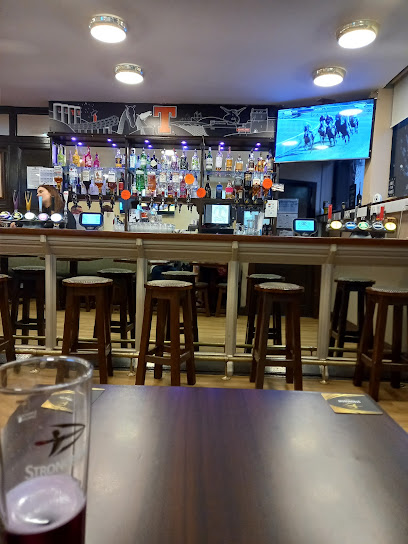
The Dougie Arms
32.0 km
A cosy, welcoming pub in Dumfries known for its diverse ales, friendly atmosphere, and inclusive community spirit.
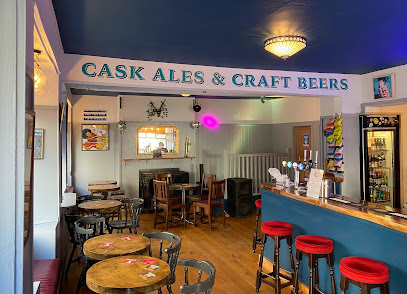
The Barrel
32.0 km
A friendly, traditional pub in Dumfries offering quality pints and a lively, welcoming atmosphere for locals and visitors alike.

Nightclubs & after hour spots

Railway Social Club
31.8 km
A friendly, community-focused social club in Dumfries offering affordable drinks, lively events, and a welcoming atmosphere near the town centre.
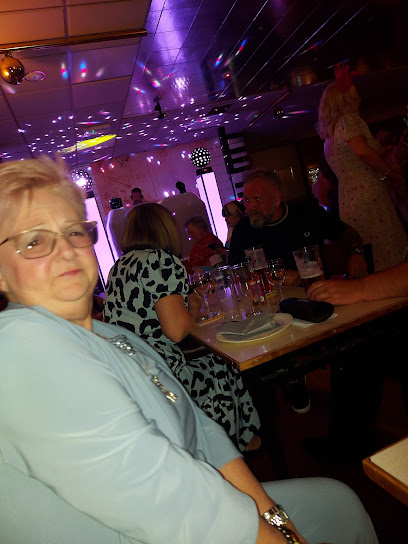
Union Club
38.5 km
A friendly, community-run social club with snooker and events, offering a welcoming and affordable night out in Innerleithen.
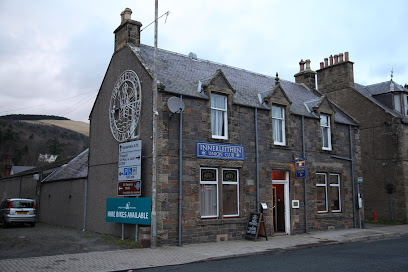
Borders Blues club
38.9 km
Immerse yourself in the vibrant atmosphere of Borders Blues Club, where the best of British blues music comes alive in Innerleithen.

The Vale Of Leithen Social Club
38.9 km
A friendly members' club in Innerleithen offering live music, affordable drinks, and a warm community atmosphere.
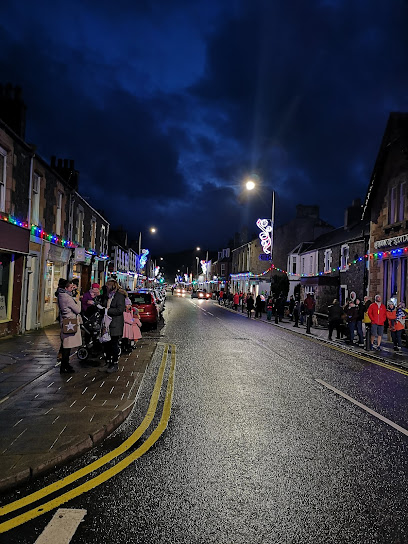
Square One
40.8 km
Vibrant Hawick nightclub with dynamic music floors and a welcoming atmosphere at the heart of Drumlanrig Square.

Base Nightclub
41.1 km
Experience Hawick’s energetic nightlife at Base Nightclub, where vibrant music and lively crowds create unforgettable Friday nights.
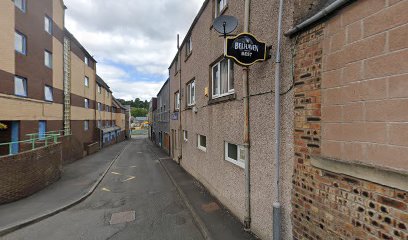
The Border Club
41.3 km
Experience the vibrant local culture at The Border Club, a friendly social hub in Hawick, Scotland, perfect for travelers seeking community spirit.
Niki's Lounge Bar
48.9 km
Discover Niki's Lounge Bar in Galashiels: a cozy bar with a friendly atmosphere and an extensive drink menu perfect for relaxation.
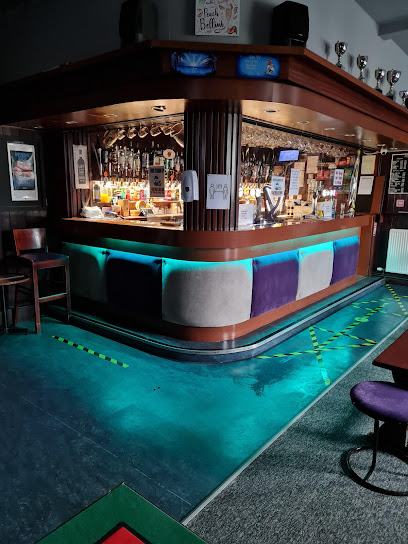
The Indigo Rooms
49.6 km
Experience Galashiels' vibrant nightlife at The Indigo Rooms, a welcoming nightclub and bar with themed events and a lively atmosphere.

Warehouse Nightclub
49.6 km
Experience the vibrant nightlife and dynamic music scene at Warehouse Nightclub, Galashiels’ lively hub after dark.

Morven
51.6 km
Discover the electrifying nightlife at Morven Nightclub in Oxnam, near Melrose, where great music, vibrant atmosphere, and unforgettable memories await.
Nothing
54.3 km
Experience immersive alternative rock concerts by Nothing in the intimate, historic setting of London’s Moth Club.
Montys Bar
54.8 km
Discover Monty’s Bar in Castle Douglas, where sports, drinks, and friendly ambiance come together for an unforgettable experience.
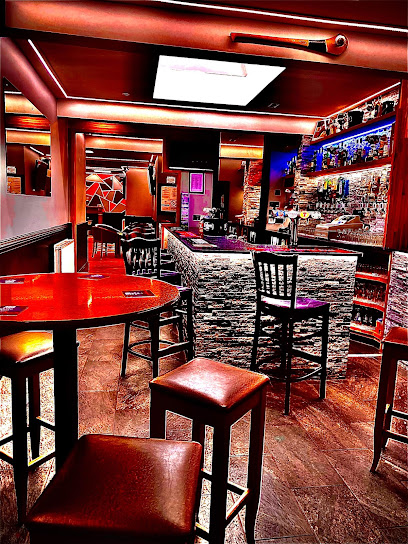
Black Box Music Institute
57.4 km
An intimate old-style nightclub and cultural hub in Carlisle offering live music, festivals, and art exhibitions in a vibrant setting.
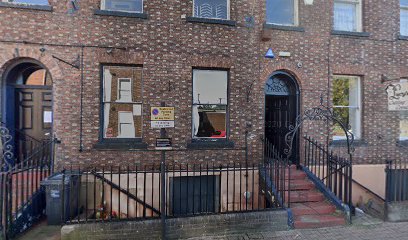
Carlisle R A O B Club
57.5 km
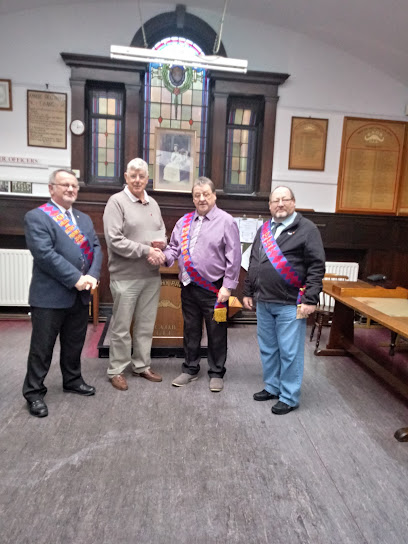
Historic social club in Carlisle offering lively events and a welcoming atmosphere rooted in the Royal Antediluvian Order of Buffaloes tradition.
For the vibe & atmosphere seeker
- Tranquil
- Scenic
- Historic
- Unique
For the design and aesthetic lover
- Rustic Designs
- Vintage Styles
For the architecture buff
- Historic
- Landmarks
For the view chaser and sunset hunter
- Iconic Views
- Panoramas
For the social media creator & influencer
- Instagrammable
- Photo Spots
For the eco-conscious traveler
- Protected Area
- Public-Transport Accessible
- Leave-No-Trace Critical
For the kind of experience you’re after
- Cultural Heritage
- Photowalk
- Nature Escape
- Day Trip
- Weekend Getaway
For how adventurous you want the journey to be
- Easy Access
Location Audience
- Family Friendly
- Senior Friendly
- Child Friendly
- Solo Friendly
- Couple Friendly


