

Best Landmarks Near Morton Castle (Down)
Planning a trip to Morton Castle? Discover the best landmarks nearby with history, expert tips, and routes. Free on web or the Evendo app.


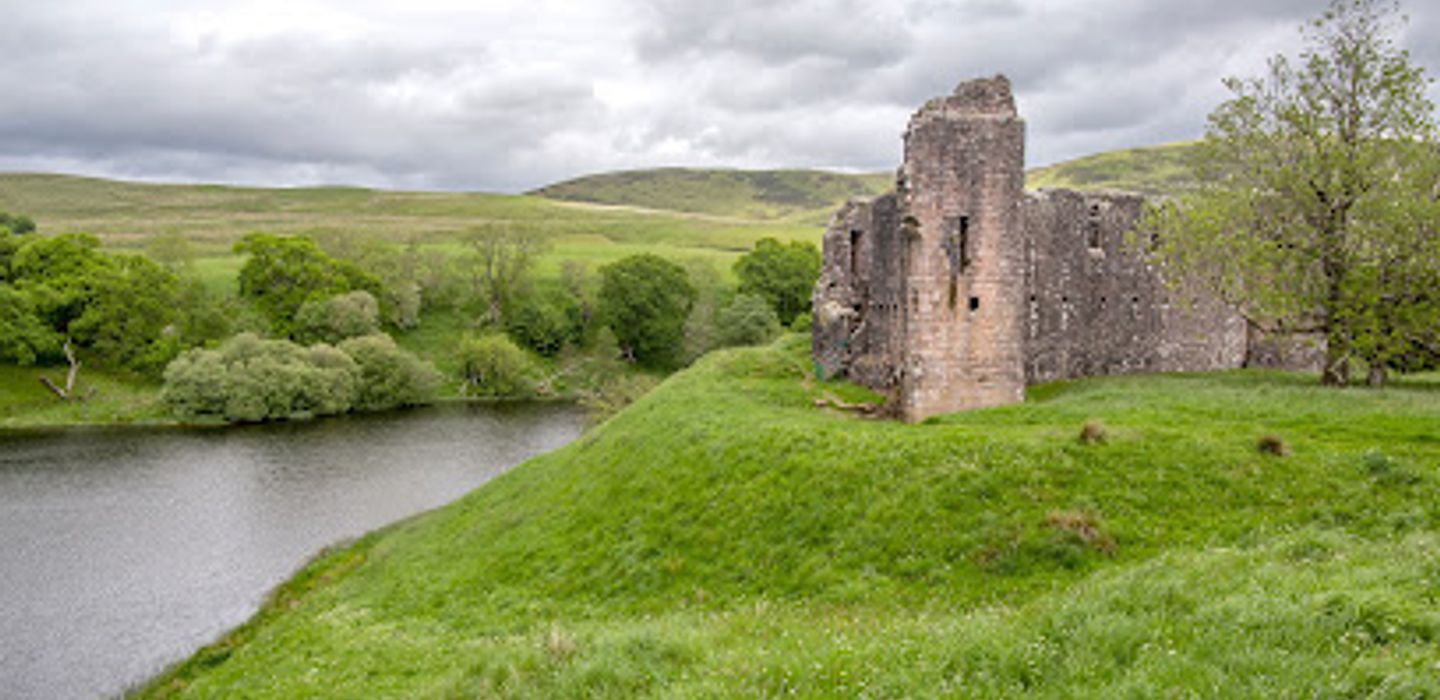
The best landmarks near Morton Castle
- Top rated
- Closest to Morton Castle
- Price level: low to high
- Time to spend: shortest first
- A–Z
71 landmarks
-
Hotel4.2★1,432 reviews
Peebles Hydro Hotel
Peebles Hydro Hotel is a charming 4-star retreat set on expansive grounds overlooking the Tweed Valley in Peebles, Scotland. Offering 132 rooms with classic décor, the hotel blends historic character with modern leisure facilities including an indoor pool, spa, tennis courts, and family-friendly activities. Guests enjoy stunning views, quality dining, and a welcoming atmosphere just a short walk from Peebles town center.
Price level $$Time to spend 1–3 hrs
-
Hotel4.2★1,248 reviews
Barony Castle Hotel
Set in a majestic 16th-century castle near Peebles, Barony Castle Hotel blends historic charm with contemporary amenities. Surrounded by 25 acres of scenic grounds featuring the Great Polish Map of Scotland, the hotel offers 82 unique rooms, a leisure spa with an indoor pool and sauna, a renowned restaurant, and versatile event spaces. Just a short drive from Edinburgh and iconic local attractions, it’s a perfect retreat for relaxation, cultural exploration, and special occasions.
Price level $$Time to spend 1–3 hrs
-
Hotel4.8★963 reviews
Stobo Castle Health Spa
Stobo Castle Health Spa, nestled in the tranquil Scottish Borders near Peebles, is Scotland’s only dedicated destination spa. Set within a historic castle estate, it offers luxurious spa treatments, elegant accommodations, and fine dining amid peaceful gardens and stunning countryside views. Renowned for exceptional service, pristine facilities, and a serene atmosphere, Stobo Castle is a haven for relaxation and wellness seekers.
Price level $$$Time to spend 1–3 hrs
-
Abbey4.3★883 reviews
Sweetheart Abbey
A hauntingly beautiful 13th-century Cistercian ruin in Dumfries and Galloway, Scotland, founded by Lady Dervorguilla in memory of her husband John Balliol. The abbey's romantic name—Dulce Cor, meaning 'Sweet Heart'—stems from the poignant legend of Dervorguilla carrying her husband's embalmed heart in an ivory casket after his death. Today, the striking red-sandstone ruins stand gracefully against the Solway Firth landscape, enclosed by one of Scotland's most impressive precinct walls.
Daily 10:00–16:30Time to spend 1–2.5 hrs
-
Hotel4.4★715 reviews
The Tontine Hotel
Situated on Peebles’ bustling High Street, The Tontine Hotel blends historic character with modern comforts. Known for its welcoming atmosphere, spacious rooms, and excellent dining featuring locally sourced produce, it is a favored base for exploring the Scottish Borders. The hotel offers secure cycle storage, dog-friendly rooms, and attentive service, making it ideal for walkers, golfers, and visitors seeking a cozy yet vibrant stay in the heart of Peebles.
Price level $$Time to spend 1–3 hrs
-
Historical landmark4.7★481 reviews
Bruce’s Stone
Bruce’s Stone, a massive granite boulder perched on a hill overlooking Loch Trool in Glentrool, Scotland, commemorates King Robert the Bruce’s first decisive victory during the Battle of Glen Trool in 1307. Set within the scenic Galloway Forest Park, this site offers visitors stunning views of the loch and surrounding hills, peaceful walking trails, and a deep connection to Scotland’s medieval history.
Open 24 hoursTime to spend 0.5–2 hrs
-
Hotel4.4★494 reviews
Traquair Arms Hotel
The Traquair Arms Hotel is a family-run, 200-year-old coach house hotel and gastro pub located in the heart of Innerleithen, Scottish Borders. Offering 15 cozy rooms, a welcoming bar, a restaurant serving hearty local fare, and self-catering cottages, it blends historic character with modern comfort. Nestled amid rolling hills, it provides a tranquil retreat with excellent service and a warm atmosphere.
Price level $$Time to spend 1–3 hrs
-
Hotel4.3★497 reviews
The Park
The Park Hotel in Peebles offers a charming blend of historic character and modern comfort right in the town centre. Featuring comfortable rooms, a welcoming bar, and a restaurant showcasing local Scottish Borders ingredients, it is an ideal base for exploring the scenic surroundings and enjoying peaceful walks nearby.
Price level $$Time to spend 1–3 hrs
-
Castle4.5★388 reviews
Loch Doon Castle
Perched on the shore of Loch Doon in Ayrshire, this 13th-century ruined castle was originally built on an island and later dismantled stone by stone to save it from rising waters. Its distinctive eleven-sided curtain wall now stands as a quiet monument to the Bruce earls of Carrick and the turbulent Wars of Independence. Visitors can explore the atmospheric remains, walk the lochside paths, and enjoy sweeping views across one of southern Scotland’s largest lochs, all within the dark skies of Galloway Forest Park.
Time to spend 0.5–2 hrs
-
Historical landmark4.7★362 reviews
Cairn Holy Chambered Cairn
Nestled near Newton Stewart in Scotland, the Cairn Holy Chambered Cairns are two remarkable Neolithic burial monuments dating back over 5,000 years. These Clyde cairns feature imposing stone facades and chambers that once served as ritual and burial sites. Set on a hillside with sweeping views over Wigtown Bay, the cairns offer a profound glimpse into prehistoric life and Scotland's ancient heritage.
Open 24 hoursTime to spend 1–2 hrs


Auchen Castle
Auchen Castle is a romantic 19th-century country house and wedding venue near Moffat, Dumfries and Galloway, set within 34 acres of landscaped grounds. Originally named after the nearby 13th-century ruined quadrangular castle built by the Kirkpatricks, the estate features Italian-inspired gardens, a private lake, and a falconry school. Renowned for its unique Egyptian revival architecture and rich Scottish history, it offers an enchanting setting for weddings and special events.
Price level $$Time to spend 1–4 hrs

Electric Brae
Electric Brae is a famous gravity hill near Maybole in South Ayrshire, Scotland, where a quarter-mile stretch of road creates a powerful optical illusion. When you release your vehicle's handbrake, it appears to roll uphill against gravity, though the road actually slopes downward. This natural phenomenon has captivated visitors for generations and remains one of Scotland's most intriguing roadside attractions, offering stunning views of the Ayrshire coast and the Isle of Arran.
Open 24 hoursTime to spend 0.5–2 hrs

The Cameronians - Scottish Rifles - Exploring The Regimental Collection
Located at 129 Muir Street in Hamilton, The Cameronians Museum preserves the rich history of the Cameronians (Scottish Rifles), a distinguished Scottish infantry regiment that served for nearly 300 years until its disbandment in 1968. Housed within the historic Low Parks Museum complex, the collection showcases regimental artifacts, uniforms, medals, and stories that bring to life the regiment’s legacy from its 17th-century origins through major 20th-century conflicts.
Tue–Sat 10:00–17:00Price level $Time to spend 1–2.5 hrs

Devorgilla Bridge
Devorgilla Bridge in Dumfries is one of Scotland’s oldest surviving stone bridges, originally constructed in the 15th century and rebuilt after 17th-century floods. Spanning the River Nith with six elegant arches, this pedestrian bridge offers scenic river views and connects visitors to the Old Bridge House Museum, showcasing local history. Named after Lady Devorgilla of Galloway, the bridge reflects medieval engineering resilience and Dumfries’ rich heritage.
Open 24 hoursTime to spend 0.5–2 hrs

Cambusnethan House/Priory
Cambusnethan Priory, located in Wishaw, Scotland, is a striking early 19th-century neo-Gothic mansion designed by James Gillespie Graham. Built in 1820 on the site of a 17th-century manor, it features Tudor revival priory-style architecture with turrets, pinnacles, and pointed arch windows. Once a hotel and medieval banquet hall, the Priory now stands derelict but remains a significant historic landmark reflecting Scotland’s Gothic revival heritage.
Open 24 hoursTime to spend 0.5–2 hrs

Hamilton Mausoleum
Hamilton Mausoleum, located in South Lanarkshire, Scotland, is a grand 19th-century mausoleum renowned for its massive dome, intricate sandstone carvings, and one of the longest echoes in the world. Built as the resting place for the Dukes of Hamilton, this historic landmark offers guided tours revealing its architectural grandeur, masonic symbolism, and fascinating history. Access is by pre-booked tours through Low Parks Museum, with the mausoleum surrounded by protective fencing to preserve its splendor.
Open 24 hoursPrice level $$Time to spend 1–2 hrs

Orchardton Tower
Orchardton Tower, near Castle Douglas in Dumfries and Galloway, is Scotland’s only free-standing round tower house, built around 1455 by John Cairns. This rare medieval structure rises four storeys high with thick stone walls, arrow loops, and a parapet walk, reflecting its defensive purpose during turbulent border times. Though roofless and partly ruined, it offers a fascinating glimpse into 15th-century noble life and local history.
Time to spend 0.5–1.5 hrs

Our Lady of Good Aid Cathedral
Our Lady of Good Aid Cathedral in Motherwell is a striking Gothic Revival church designed by Pugin & Pugin, opened in 1900 and elevated to cathedral status in 1948. Built from red sandstone with a basilica plan, it features original woodwork, stained glass, and a peaceful interior that reflects both architectural grandeur and spiritual calm. The cathedral remains an active place of worship and a notable example of late 19th-century Catholic church architecture in Scotland, welcoming visitors with its serene atmosphere and historic character.
Time to spend 0.5–1.5 hrs

The Wallace Tower
The Wallace Tower is a striking Neo-Gothic monument standing 113 feet tall on Ayr’s High Street. Built in 1882 to replace an earlier tower, it features a niche famously housing a statue of William Wallace, the Scottish freedom fighter. Though the tower’s name honors the Wallace family of Craigie rather than William Wallace himself, local legend ties the site to his historic exploits. Today, the tower is admired from the street, offering a glimpse into Ayr’s rich heritage and architectural charm.
Mon–Thu 9:00–16:45 · Fri 9:00–16:00Time to spend 0.5–1.5 hrs

Waterloo Monument
Rising 150 feet above Peniel Heugh in the Scottish Borders, the Waterloo Monument is a striking tower built between 1817 and 1824 to commemorate the Battle of Waterloo. Designed by architect Archibald Elliot, this elegant column stands on private land but is accessible via a scenic walk from the Harestanes Visitor Centre. Visitors can borrow a key to climb the spiral staircase and reach the viewing platform, where panoramic views stretch across the surrounding countryside and the Solway Firth. The monument’s classical design and dramatic hilltop setting make it a memorable stop for history lovers and outdoor enthusiasts alike.
Open 24 hoursPrice level $$Time to spend 1.5–3 hrs

Cardoness Castle
A striking 15th-century tower house perched on elevated ground near Gatehouse of Fleet in southwest Scotland, Cardoness Castle commands panoramic views across the Dumfries and Galloway countryside. Built by the McCulloch clan, this well-preserved fortress features a robust gatehouse, vaulted chambers, and a dramatic spiral staircase leading to a rooftop platform. The castle's dramatic silhouette is visible from the A75 road, and the climb to the top rewards visitors with sweeping vistas of the surrounding landscape and distant hills.
Price level $Time to spend 1–2 hrs

Martyr's Stake
Martyr's Stake near Wigtown, Scotland, marks the solemn site where two Covenanter women, Margaret MacLachlan and Margaret Wilson, were executed in 1685 for their steadfast refusal to renounce their faith. Tied to stakes on the tidal mudflats, they were drowned by the rising tide in a brutal act of religious persecution during the 'Killing Time.' Today, the site stands as a poignant monument commemorating their sacrifice and the turbulent history of Scotland's Covenanters.
Open 24 hoursTime to spend 0.5–1.5 hrs

Spirit of Scotland Monument
The Spirit of Scotland Monument, unveiled in 2004 near Darvel, East Ayrshire, is a striking steel silhouette of William Wallace. It commemorates two pivotal battles fought at Loudoun Hill during the Wars of Scottish Independence, symbolizing Scotland's enduring spirit and historic resilience.
Open 24 hoursTime to spend 0.5–2 hrs

Crawford Castle
Crawford Castle, also known as Lindsay Tower, stands as a substantially ruined medieval fortress on the north bank of the River Clyde near Biggar in South Lanarkshire. Built in the 12th century, this strategic stronghold guarded the crucial Mennock Pass and served as the administrative centre for the Barony of Crawford, one of southern Scotland's most influential baronies. Today, visitors can explore the atmospheric remains of this historically significant site, which witnessed pivotal moments during the Wars of Scottish Independence.
Open 24 hoursTime to spend 0.8–2 hrs

Lincluden Collegiate Church
Explore the evocative ruins of Lincluden Collegiate Church, a masterpiece of Scottish Gothic architecture built around 1400 by renowned mason John Morrow. Situated on the banks of the River Nith near Dumfries, this scheduled monument preserves the monumental tomb of Princess Margaret and showcases some of Scotland's finest medieval stonework. Originally founded as a Benedictine nunnery in the 1160s, the site was transformed into a collegiate church under the patronage of Archibald the Grim, 3rd Earl of Douglas, whose family lavished it with elaborate decorations and intricate armorial carvings that still grace the ruins today.
Time to spend 0.8–2 hrs

Burns House Museum
Nestled in the cobbled back streets of Mauchline, the Burns House Museum offers an intimate glimpse into the life and times of Scotland’s national poet, Robert Burns. This small but richly detailed museum showcases original manuscripts, personal artifacts, and interactive exhibits from Burns’ most important years between 1784 and 1788. It celebrates Burns’ legacy through authentic displays in the very town where he lived, worked, and met his beloved Jean Armour.
Price level $Time to spend 1–1.5 hrs

Aikwood Tower
Aikwood Tower is a beautifully restored 16th-century peel tower nestled in the scenic Scottish Borders near Selkirk. This Category A listed building combines medieval charm with modern luxury, offering five ensuite bedrooms for self-catering holidays, weddings, and special events. Surrounded by rolling hills, ancient woodlands, and rivers, it provides a peaceful retreat with rich history and abundant outdoor activities.
Price level $$$Time to spend 1–48 hrs

Newark Castle
Newark Castle, near Selkirk in the Scottish Borders, is a 15th-century ruined tower house steeped in turbulent history. Originally built by the Douglas family and later owned by the Buccleuch family, it witnessed sieges, brutal massacres, and royal connections. Set in peaceful grounds near Bowhill House, the castle’s remains offer a haunting glimpse into Scotland’s medieval past and the violent conflicts that shaped the Borders region.
Open 24 hoursPrice level $Time to spend 1–2.5 hrs

Robert Burns Statue
The Robert Burns Statue stands prominently in Burns Statue Square at the top of Dumfries' High Street. Crafted from fine Italian Carrara marble by sculptor Amelia Robertson Hill and unveiled in 1882, it honors Scotland's national poet. The statue features poetic inscriptions on its plinth and is a central landmark celebrating Burns’ lasting cultural significance in the town where he spent his final years.
Open 24 hoursTime to spend 0.5–1.5 hrs

Brow Well
Brow Well, near Ruthwell in Dumfries, Scotland, is a historic spring famed for its iron-rich waters believed to have healing properties since the 1700s. The well is notably linked to Robert Burns, who visited in 1796 seeking relief from rheumatic fever. The site offers a glimpse into local heritage with its rustic charm beside the Solway Firth, attracting visitors interested in history, nature, and Burnsian lore.
Time to spend 0.5–1.5 hrs

Repentance Tower
Perched atop Trailtrow Hill near Hoddom in Lockerbie, Repentance Tower is a striking 16th-century watchtower built by John Maxwell, 4th Lord Herries. Originally constructed in 1565 as a defensive lookout for Hoddom Castle, it bears the enigmatic inscription 'Repentance' above its entrance. Surrounded by historic gravestones and offering panoramic views over the Solway Firth and surrounding countryside, this tower embodies centuries of border history and local lore.
Open 24 hoursTime to spend 1–2.5 hrs

Dumfries
Dumfries Railway Station, located on Lovers Walk in Dumfries, Scotland, is a historic and accessible transport hub on the Glasgow South Western Line. Managed by ScotRail, it offers step-free access to platforms, essential passenger amenities including toilets, Wi-Fi, a waiting room, and a station buffet. The station serves as a vital link connecting Dumfries to Carlisle, Glasgow, and Kilmarnock, blending 19th-century heritage with modern travel conveniences.
Price level $$Time to spend 0.5–2 hrs

Wallace's Monument, Ayrshire “Burnweil”
Wallace's Monument in Ayrshire, known locally as “Burnweil,” is a striking tribute to Sir William Wallace, the iconic Scottish hero of independence. Located near Kilmarnock along the A719, this monument commemorates Wallace’s legacy and Scotland’s fight for freedom. It stands as a symbol of bravery and national pride, drawing visitors interested in Scotland’s rich history and culture.
Time to spend 0.5–1.5 hrs

Auld Kirk (site of Kirk O' the Forest)
The Auld Kirk in Selkirk, Scottish Borders, is the evocative ruin of the historic Kirk o’ the Forest, a medieval church site dating back to the 12th century. It is famed as the place where William Wallace was proclaimed Guardian of Scotland in 1297. The site features remnants of an 18th-century church built atop earlier medieval foundations, surrounded by a graveyard with ancient tombstones. It stands as a poignant symbol of Scotland’s medieval heritage and national identity.
Time to spend 0.5–1.5 hrs

King Edward Monument
The King Edward Monument is a solitary sandstone pillar on Burgh Marsh near Carlisle, marking the spot where King Edward I of England died in 1307 during his campaign against Scotland. Erected originally in 1685 and renewed in the early 19th century, it commemorates Edward’s ambition to unify England and Scotland. Its remote, windswept setting on the Solway Firth border lends it a haunting and historic atmosphere.
Open 24 hoursTime to spend 0.5–2 hrs

Tweeddale Museum & Gallery
Housed in the historic Chambers Institution on Peebles High Street, Tweeddale Museum & Gallery showcases the rich heritage of Peebles and the Scottish Borders. Highlights include a 16-metre plaster cast of the Parthenon Frieze commissioned by William Chambers, alongside exhibitions on local history, art, and crafts. The museum offers free admission, wheelchair access, and a lively programme of changing exhibitions throughout the year.
Time to spend 1–2.5 hrs

Highest village in Scotland
Wanlockhead, perched at 467 metres in the Southern Uplands, is Scotland's highest village. This historic former lead mining settlement offers a unique glimpse into industrial heritage with its Museum of Lead Mining, the Miners' Library, and preserved miners’ cottages. Surrounded by scenic hills and part of the Southern Upland Way, Wanlockhead also features Britain's highest narrow-gauge railway and a community-owned ski centre, blending cultural history with outdoor adventure.
Price level $$Time to spend 2–5 hrs

Auld Kirk Of Ayr
The Auld Kirk of Ayr, located on Blackfriars Walk, is a historic church with origins dating back over 800 years. It played a pivotal role in Scottish history, linked to figures like Oliver Cromwell, the Covenanters, and Robert Burns. Today, it remains an active church and a monument to Scotland’s rich religious and cultural heritage.
Time to spend 0.5–2 hrs

Wardlaw Hillfort
Wardlaw Hillfort, perched near Dumfries in Scotland, is a striking prehistoric earthwork offering panoramic views and a tangible connection to ancient defensive landscapes. This moated, triangular hillfort stands as a testament to early settlement and strategic ingenuity, inviting visitors to explore its historic earthworks and the surrounding scenic countryside.
Time to spend 1–3 hrs

Mossband Residential Park
Mossband Residential Park, located in Kirkgunzeon near Dumfries, offers a tranquil and scenic rural setting for residential park living. Known for its beautiful surroundings and well-maintained grounds, this park provides modern, fully equipped homes with flexible layouts. It appeals to those seeking a peaceful lifestyle close to nature yet within reach of local amenities and charming nearby towns.
Price level $$Time to spend 1–3 hrs

Horsburgh Castle
Horsburgh Castle is a 16th-century ruined tower house near Peebles in the Scottish Borders, built by the Horsburgh family. Nestled by the River Tweed and the tributary Horse-Brook, its remains include three standing walls of a once four-story tower and traces of adjoining courtyard buildings. This historic site reflects the turbulent Border history and the legacy of the Horsburghs, now preserved as a scheduled monument.
Open 24 hoursTime to spend 0.5–2 hrs

Loupin Stanes
Two remarkable prehistoric stone circles situated along the River Esk near Eskdalemuir in the Scottish Borders. Loupin' Stanes features a compact circle of roughly 10 stones with distinctive entrance markers, while Girdle Stanes—a larger, partially eroded semicircle—lies 650 metres downstream. Both date to the Late Neolithic to Early Bronze Age (approximately 2500–1500 BC). The unusual proximity of these two circles, combined with mysterious recumbent stones between them, continues to intrigue archaeologists. Easily accessible from the main road with parking nearby, these ancient monuments offer a tangible connection to Scotland's prehistoric ritual landscape.
Time to spend 1–3 hrs

Comyn's Tower
Comyn's Tower, located within the Dalswinton Estate near Dumfries, Scotland, is a significant medieval site linked to the powerful Comyn family. This 15th-century lairds' tower house stands on the grounds of the original Comyn’s Castle, once a pivotal stronghold before its destruction in the early 14th century. The tower is historically notable as the last residence of John Comyn, Lord of Badenoch, before his fateful meeting with Robert the Bruce in 1306, which altered Scottish history forever.
Price level $Time to spend 0.5–1.5 hrs

Dryhope Tower
Dryhope Tower is a ruined 16th-century peel tower overlooking St Mary's Loch in the Scottish Borders, steeped in Border history and legend. Built around the 1530s–1550s as a defensive stronghold for the Scott family, this four-storey tower features vaulted basements, gunloops, and the remains of a protective barmkin courtyard. Famous as the home of Mary Scott, the 'Flower of Yarrow'—an ancestor of Sir Walter Scott—the tower was slighted in 1592 by King James VI but rebuilt by 1613. Today, this scheduled monument stands as a haunting reminder of the turbulent Border Reiver era.
Open 24 hoursTime to spend 1–3 hrs

The Dawyck Cafe
Nestled within Dawyck Botanic Garden near Peebles, The Dawyck Cafe offers a warm, welcoming retreat with seasonal views over 65 acres of woodland and burnside walks. Open daily during the garden season, it serves freshly made soups, sandwiches, toasties, baked potatoes, and excellent home baking, all in a bright, airy visitor centre with indoor and outdoor seating. The cafe is popular with garden visitors, walkers, and cyclists exploring the Scottish Borders, and RBGE members enjoy a 10% discount on food and drinks.
Daily 10:00–16:00Price level $$Time to spend 0.5–2 hrs

Strathaven Castle
Strathaven Castle, located in the heart of Strathaven, South Lanarkshire, is a ruined 15th-century fortress perched on a rocky mound beside the Powmillon Burn. Originally built around 1350 by the Baird family, the castle has a rich history involving the Earls of Douglas and the Hamilton family. Though largely ruined by conflict, weather, and quarrying, it retains evocative remains including a north wall and tower. Legends of secret passages and a walled-up lady add to its mysterious allure.
Open 24 hoursTime to spend 0.5–2 hrs

Motte Of Urr
The Motte of Urr is a striking 12th-century motte-and-bailey castle ruin near Dalbeattie in Dumfries and Galloway, Scotland. This earthwork fortress, one of Scotland's most extensive examples, rises dramatically from the west bank of the River Urr. Built around 1165 by Walter de Berkeley, the motte features a distinctive steep-sided mound surrounded by defensive ditches and bailey earthworks. Archaeological excavations revealed evidence of timber fortifications, a central wooden tower, and archer positions. The site witnessed significant medieval history, passing through the hands of the Balliol and Percy families before being abandoned during Robert the Bruce's campaigns in the early 14th century. Today, visitors can climb the narrow path to the summit for panoramic views across the Galloway landscape and contemplate the strategic importance of this Norman fortress.
Time to spend 0.8–2 hrs

Dumfries Fountain
Dumfries Fountain, located on High Street in Dumfries, Scotland, is a rare Victorian cast iron fountain unveiled in 1882. Crafted by the Sun Foundry, it is one of only two models ever made and commemorates the arrival of clean water to the town following a cholera outbreak. Recently restored through community efforts, the fountain stands as a symbol of civic pride and Dumfries’ historical heritage.
Time to spend 0.2–1.5 hrs

Martyr's Memorial
The Martyr's Memorial near Wigtown, Newton Stewart, marks the haunting site where two Scottish Covenanter women, Margaret MacLachlan and Margaret Wilson, were executed by drowning in 1685 for their refusal to renounce their Presbyterian faith. Set against the backdrop of Wigtown Bay and the Galloway Hills, this solemn memorial commemorates their steadfastness during the brutal 'Killing Times' and stands as a poignant symbol of religious conviction and sacrifice.
Open 24 hoursTime to spend 0.5–1.5 hrs

Covington Tower
Covington Tower is a historic 15th-century tower house located near Biggar, Scotland. Built on the site of an earlier 11th-century castle, this substantial medieval fortress features thick coursed rubble masonry walls and earthworks that reflect its defensive origins. Once occupied by the Lindsay family for two centuries, the tower stands as a testament to Scotland’s feudal past and architectural heritage.
Time to spend 0.5–2 hrs

Little Dalton Kirk
Little Dalton Kirk is a historic, roofless church ruin near Lockerbie, Scotland, offering a poignant glimpse into early 17th-century ecclesiastical heritage. Abandoned since the 1600s, its secluded rural setting invites reflection on Scotland’s religious and community history amid tranquil countryside surroundings.
Open 24 hoursTime to spend 0.5–1.5 hrs

Wallace House
Wallace House in Lanark marks the reputed site of William Wallace’s marital home and the dramatic beginnings of his rebellion against English rule in 1297. Located at 3-5 Castlegate, this site features evocative murals, a sword sculpture, and interpretive panels that bring to life the story of Wallace’s marriage, the murder of his wife Marion Braidfute, and his retaliatory attack on the English sheriff. It offers a unique window into Scotland’s fight for independence and Wallace’s enduring legacy.
Open 24 hoursTime to spend 0.5–1.5 hrs

Frenchland Tower
Frenchland Tower, located in Moffat, Scotland, is a historic 16th-century tower house originally built by the French family, tenants of the Bruces since the early 13th century. This landmark stands as a testament to the region's medieval heritage and the prominence of the Frenches as local landowners. Though now in ruins, the tower occupies a scenic site that reflects centuries of Scottish history and offers visitors a glimpse into the area's feudal past.
Open 24 hoursTime to spend 0.5–2 hrs

Ayr Citadel
Ayr Citadel is a remarkable 17th-century artillery fortification located on Eglinton Terrace in Ayr, Scotland. Built in 1657 under Oliver Cromwell's command, this hexagonal fortress with bastions once housed up to 1,000 troops and was designed to control the local population after the English Civil War. Today, visitors can explore its historic walls, interpretive displays, and enjoy views of the surrounding coastal area, making it a compelling site for history enthusiasts and cultural heritage seekers.
Open 24 hoursTime to spend 1–2 hrs

Mungo Park Monument
The Mungo Park Monument in Selkirk commemorates the life and achievements of Mungo Park, the Scottish explorer who charted the Niger River in West Africa in the late 18th century. Erected in 1859 and enhanced with bronze figures and bas-reliefs in the early 20th century, this historic monument stands at 9 Back Row, Selkirk, honoring Park’s daring expeditions and enduring legacy in exploration history.
Time to spend 0.5–1.5 hrs

Historic Scotland
MacLellan's Castle stands as a striking 16th-century tower house in the heart of Kirkcudbright's harbour district. This late Renaissance structure showcases the evolution of Scottish castle architecture, prioritizing domestic comfort over medieval fortification. Visitors explore the ground floor remains, discovering the laird's lug—a secret spyhole behind the great hall fireplace—and descending into atmospheric servant vaults. The castle's dramatic transformation from prosperity to ruin tells the compelling story of the MacLellan family's reversal of fortune. Situated adjacent to historic Greyfriars Church, this photogenic ruin dominates the town's main street and offers insight into 16th-century aristocratic life.
Time to spend 0.8–1.5 hrs

Original site of Loch Doon Castle
The Original Site of Loch Doon Castle marks the historic location of a unique 13th-century polygonal castle originally built on an island within Loch Doon, Ayrshire, Scotland. Constructed by the Bruce earls of Carrick, possibly Robert the Bruce or his father, the castle played a pivotal role during the Scottish Wars of Independence. In the 1930s, to protect it from rising waters caused by a hydroelectric dam, the castle was dismantled and reconstructed on the nearby shore, preserving its distinctive eleven-sided curtain wall and medieval heritage.
Time to spend 0.5–2 hrs

Lanark Castle Marker
The Lanark Castle Marker commemorates the site of the original Lanark Castle, a 12th-century fortress built during the reign of King David I. Although the castle itself has long been demolished, the marker stands near the historic hilltop overlooking the River Clyde, marking the birthplace of the royal burgh of Lanark in Scotland.
Time to spend 0.5–1.5 hrs

Welcome To England Sign
An iconic roadside marker at the England-Scotland border near Gretna, this simple yet symbolic sign has become a beloved photo stop for travelers crossing between the two nations. Located on the M6 motorway approach, it captures the moment of arrival and serves as a tangible reminder of the cultural and historical boundary that has shaped British identity for centuries.
Open 24 hoursTime to spend 0.2–1 hr

North Lanarkshire International Brigades Memorial
A solemn tribute in Motherwell's Duchess of Hamilton Park honouring 40 local volunteers who fought for the Spanish Republic during the 1936–1939 Civil War. This modest but meaningful memorial stands as a testament to working-class idealism and anti-fascist resistance, with annual commemorations drawing supporters and descendants. The site reflects the remarkable contribution of North Lanarkshire to one of history's most significant volunteer movements against tyranny.
Open 24 hoursTime to spend 0.5–1.5 hrs

Ruins of Carluke old Parish Church (St Luke’s)
The Ruins of Carluke Old Parish Church, also known as St Luke’s, are a historic landmark located in Carluke, Scotland. These evocative ruins include remnants of a 14th-century church and an early 18th-century bell tower, reflecting the long ecclesiastical history of the town. Once a spiritual center, the site offers a glimpse into Carluke’s medieval past and its evolving religious heritage amid a tranquil churchyard setting.
Time to spend 0.5–1.5 hrs

Biking In The Borders
Biking In The Borders is a cozy and well-equipped holiday home nestled in the heart of Innerleithen, Scotland. Perfectly suited for cycling enthusiasts, it offers spacious accommodation with three bright bedrooms, a fully equipped kitchen, and a comfortable living area. Located close to world-renowned mountain biking trails, it provides a welcoming base for exploring the scenic Scottish Borders.
Price level $$Time to spend 1–7 hrs

Peebles Mercat Cross
The Mercat Cross in Peebles, located at 8 Eastgate, is a historic symbol of the town’s former market rights and civic authority. Dating back to the 14th century, this octagonal stone monument features rich carvings and a distinctive four-faced sundial added in 1662. It served as the focal point for markets, proclamations, and public events, and remains a key heritage landmark reflecting Peebles’ medieval trading status.
Time to spend 0.2–1 hr

Mercat Cross
The Mercat Cross in Wigtown, Newton Stewart, is a historic Scottish market cross symbolizing the town's right to hold markets granted centuries ago. Positioned centrally in Wigtown’s square, this stone monument marks the town’s commercial heritage and communal gatherings, reflecting its past as a prosperous burgh. The cross stands as a focal point of local history and tradition, embodying centuries of civic life and market activity in this charming Dumfries & Galloway town.
Time to spend 0.2–1 hr

Fourmerkland Tower
Fourmerkland Tower is a small 16th-century tower house near Dumfries, Scotland, nestled on private land surrounded by trees and overlooking a pond. Dating back to 1590 with older foundations, this historic site was once home to the powerful Maxwell family and remains a striking example of traditional Scottish tower architecture, offering a peaceful glimpse into the region's feudal past and scenic countryside.
Time to spend 0.5–2 hrs

Queensberry Monument
The Queensberry Monument, located in Queensberry Square, Dumfries, is an iconic historical landmark dedicated to Charles Douglas, the 3rd Duke of Queensberry. Erected in 1780, this striking stone column commemorates the Duke's influence and status in the region. It stands as a symbol of Dumfries' rich heritage, connecting visitors to the area's noble past and architectural traditions.
Open 24 hoursTime to spend 0.5–1.5 hrs

Isle Tower
Isle Tower is an early 17th-century stone T-plan tower house located in Bankend near Dumfries, Scotland. Historically significant for guarding the eastern approach to Caerlaverock Castle and a key route into Dumfries, this modest but evocative ruin reflects the defensive architecture of the Scottish Borders region during a turbulent era. Surrounded by tranquil rural landscapes, Isle Tower offers a glimpse into Scotland’s fortified past within the Dumfries and Galloway area.
Open 24 hoursTime to spend 0.5–1.5 hrs

James Hogg Monument
The James Hogg Monument, unveiled in 1860, stands proudly overlooking St Mary's Loch near Selkirk, Scotland. Dedicated to the renowned Scottish poet and novelist known as the Ettrick Shepherd, the white-painted stone statue depicts Hogg seated atop a tall pedestal, gazing over the landscape he loved. Surrounded by scenic lochs and historic sites, the monument offers visitors a tranquil spot rich in literary heritage and natural beauty.
Open 24 hoursTime to spend 0.5–2 hrs

Netherton Cross (Hamilton)
The Netherton Cross, located at 3 Strathmore Road in Hamilton, Scotland, is the oldest symbol of Christianity in the town. Dating back to the 10th or 11th century, this intricately carved red sandstone cross features figurative scenes of humans, animals, and patterns on all four sides. Originally situated in the Low Parks near the medieval motte hill, it was relocated to Hamilton Old Parish Church for preservation. The cross is a rare example of ecclesiastical sculpture from the Kingdom of Strathclyde and remains a significant historical landmark under Historic Environment Scotland’s protection.
Time to spend 0.2–1 hr

Tress Of The Kings
Nestled in Heatherlie Park, Selkirk, the Trees Of The Kings are a historic landmark steeped in medieval folklore and Scottish heritage. These ancient trees mark a hallowed meeting place for monarchs of Scotland and England, offering visitors a tranquil setting to reflect amidst lush greenery and panoramic views of the Scottish Borders. The site blends natural beauty with centuries of stories, making it a unique destination for history enthusiasts and nature lovers alike.
Open 24 hoursTime to spend 0.5–1.5 hrs

Southern Reporter
Located at 28 High Street in Selkirk, the Southern Reporter building is a historical landmark tied to one of Scotland’s longest-running regional newspapers. Established in 1855, the Southern Reporter has been a vital source of local news in the Scottish Borders, housed in this traditional town centre location that reflects Selkirk's rich media heritage.
Time to spend 0.5–1.5 hrs
Explore Morton Castle on the map
A handpicked selection of must-see spots near Morton Castle, mapped for you.
More about Morton Castle
Morton Castle travel guide
Discover Morton Castle, a rare medieval hall-house ruin perched above a scenic loch, blending history and breathtaking Scottish landscapes.
Tell me more about Morton CastleMore to explore near Morton Castle

 Best experiences near Morton Castle

 Best hotels near Morton Castle

 Best attractions near Morton Castle

 Best shops near Morton Castle

 Best bars near Morton Castle

 Best restaurants near Morton Castle
Explore more
Explore more of Down
Discover the tranquil beauty, historical treasures, and warm hospitality of Down in Northern Ireland, where serene landscapes and rich heritage await.
Explore Down
Getting your guide ready…
We are putting together a fresh copy of the Morton Castle guide. This can take up to a minute.
This can take a few moments. If your browser asks, choose Allow so the download can start. You'll find the guide in your Downloads folder.
Nothing happened? Download it again
Sorry, the guide is taking longer than usual. Please try again in a minute, or get it by email instead.

