Roman Head on Croy Hill, Down Travel Guide
Explore the commanding Roman Head on Croy Hill, a historic sentinel along Scotland’s Antonine Wall with stunning panoramic views and rich ancient heritage.
The Roman Head on Croy Hill stands as a striking symbol of the Roman presence along the Antonine Wall in Scotland. Located near Glasgow, this historic site features remnants of Roman fortifications, including a fort, fortlet, and signalling platforms, offering commanding views over the surrounding landscapes such as the Firth of Forth and Kilsyth Hills. Open year-round and free to visit, it provides a fascinating glimpse into Scotland’s ancient frontier history.
A brief summary to Roman Head on Croy Hill
- Glasgow, GB
- Duration: 1 to 3 hours
- Free
-
 Outdoor
- Mobile reception: 4 out of 5

Know before you go
Hi, I'm Eve. Here are a few practical things to know before exploring Roman Head on Croy Hill.
- Visit year-round as the site is free and always open, allowing flexible planning.
- Wear comfortable walking shoes to explore the hilltop and surrounding trails.
- Bring a camera to capture panoramic views of the Firth of Forth and Kilsyth Hills.
- Check local weather forecasts; clear skies enhance visibility across the landscape.
- Combine your visit with a walk along other forts on the Antonine Wall for a fuller historical experience.
Do you manage this location?
Take control to get all the benefits, like improved information, better appearance, and stronger visibility across AI-powered discovery. Learn more about listing your business on Evendo
Activate your presenceOther nearby places you may find interesting
The closest places of the same kind, if this one is not quite what you had in mind.

Explore Roman Head on Croy Hill on the Map
A handpicked selection of must-see spots near Roman Head on Croy Hill, mapped for you.
Getting There
-
Bus
Take the Stagecoach bus service from Glasgow city center to Kilsyth, which takes approximately 45 to 60 minutes. From Kilsyth, a 20-minute walk on well-marked paths leads to Croy Hill. Bus tickets cost around £5-£8 one way. Service frequency is moderate, with fewer runs on weekends.
-
Car
Driving from Glasgow to Croy Hill takes about 30 to 40 minutes via the M80 and A803. Limited parking is available near the site, so early arrival is recommended. No parking fees apply. The access road is paved and suitable for all vehicles.
-
Walking
For active travelers, a scenic 2-hour hike from Kilsyth town center to Croy Hill follows countryside trails with moderate elevation gain. Terrain is uneven in places, so sturdy footwear is advised. This route offers opportunities to explore other nearby Roman sites.
For the on-the-go comforts that matter to you
-
 Information Boards
-
 Seating Areas
-
 Trash Bins
Discover more about Roman Head on Croy Hill
Echoes of Rome on Scottish Soil
The Roman Head on Croy Hill is a prominent landmark marking one of the key forts along the Antonine Wall, the north-western frontier of the Roman Empire constructed around AD 140. This site preserves traces of a Roman fort, fortlet, and a temporary camp, alongside two raised platforms known as expansions, which are believed to have been used for signalling. The Antonine Wall itself was a monumental defensive barrier stretching across Scotland’s central belt, showcasing Roman military engineering and territorial ambition.Landscape and Panoramic Vistas
Perched atop Croy Hill, the site offers breathtaking panoramic views that extend across the Firth of Forth and the hills of Fife to the east, the Kilsyth Hills to the north, and the adjacent Bar Hill fort to the west. The natural surroundings include open woodland and wildflower meadows, enhancing the tranquil atmosphere and providing a scenic backdrop to the historic ruins. This elevated vantage point was strategically chosen by the Romans for surveillance and defence.Archaeological Significance and Preservation
While some fortifications have faded with time, the Roman imprint remains unmistakable on the landscape. Croy Hill is recognized for having some of the best-preserved sections of the Antonine Wall. Archaeological efforts have revealed the layout of the fort and its ancillary structures, contributing valuable insights into Roman military logistics and frontier life in ancient Scotland. The site is managed to protect its heritage while allowing public access.Visitor Experience and Engagement
Visitors to the Roman Head on Croy Hill can explore the remains freely year-round without an entrance fee. The site is accessible via walking routes that also connect to other forts along the Antonine Wall, offering an immersive historical and natural experience. Informational boards provide context about the Roman occupation and the significance of the wall, enriching the visit. The peaceful environment invites reflection on the passage of time and the enduring legacy of Roman Britain.Integration with the Surrounding Environment
The site is part of a broader landscape that includes the Forth and Clyde Canal and nearby forestry areas, blending cultural heritage with natural beauty. The surrounding meadows and woodlands support local wildlife, making it a place of ecological as well as historical interest. The Roman Head sculpture itself adds an artistic dimension, symbolizing the fusion of ancient history and modern interpretation.Continuing Legacy and Educational Value
The Roman Head on Croy Hill stands as a testament to the Roman Empire’s reach and the complex history of Scotland’s frontier zones. It serves as an educational resource for understanding Roman military strategy, ancient engineering, and the cultural interactions between Romans and native populations. The site encourages visitors to engage with Scotland’s layered past through its preserved ruins and evocative landscape.More to explore near Roman Head on Croy Hill













Your all‑in‑one travel companion app
Explore expert travel guides, compare and book tours, experiences, hotels, and more—all from the palm of your hand. Download now for seamless trip planning wherever your wanderlust takes you.


Explore More of Down
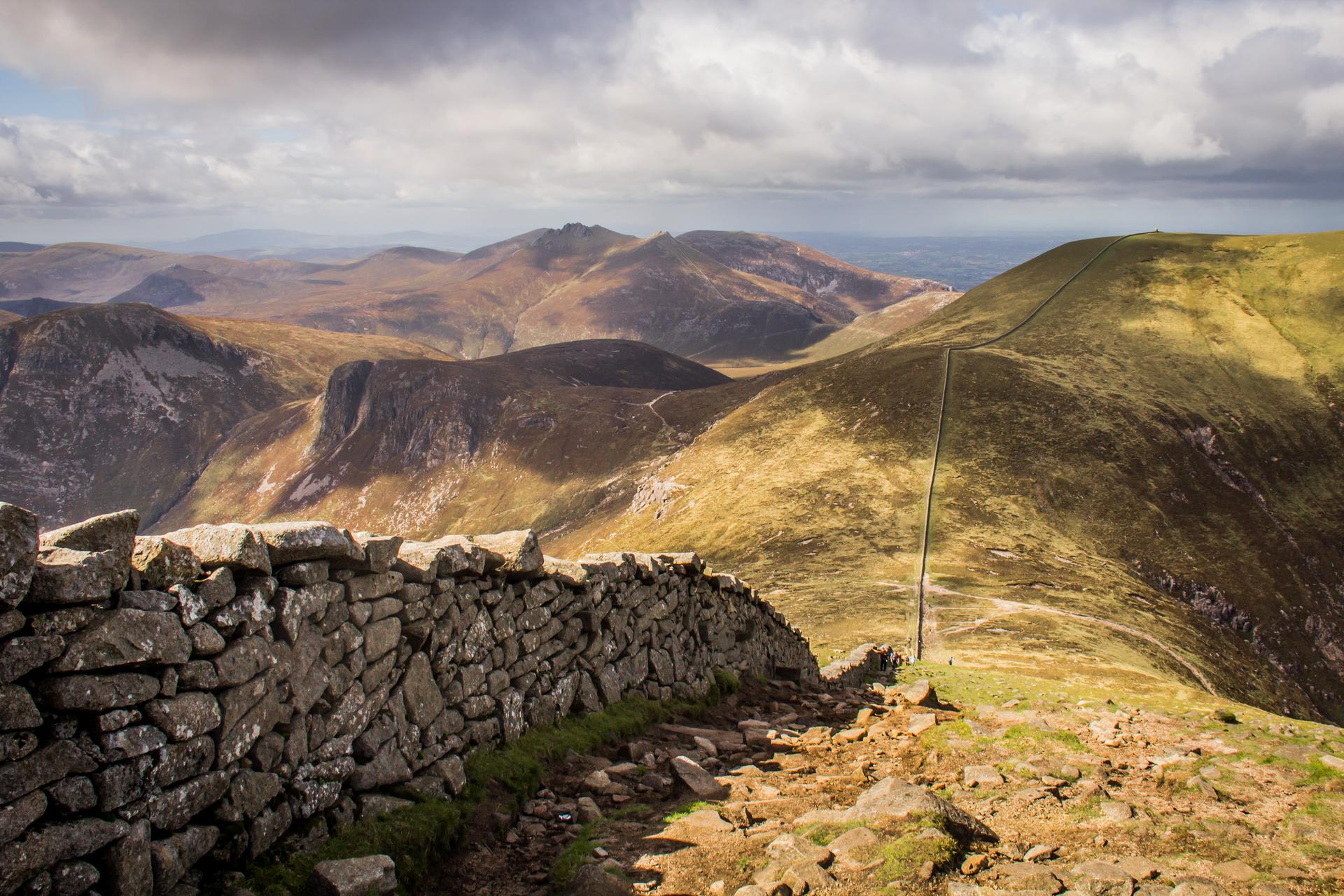
Looking beyond Roman Head on Croy Hill? Discover Down for broader travel guides, local hot-spots, and regional highlights.
Explore Down