
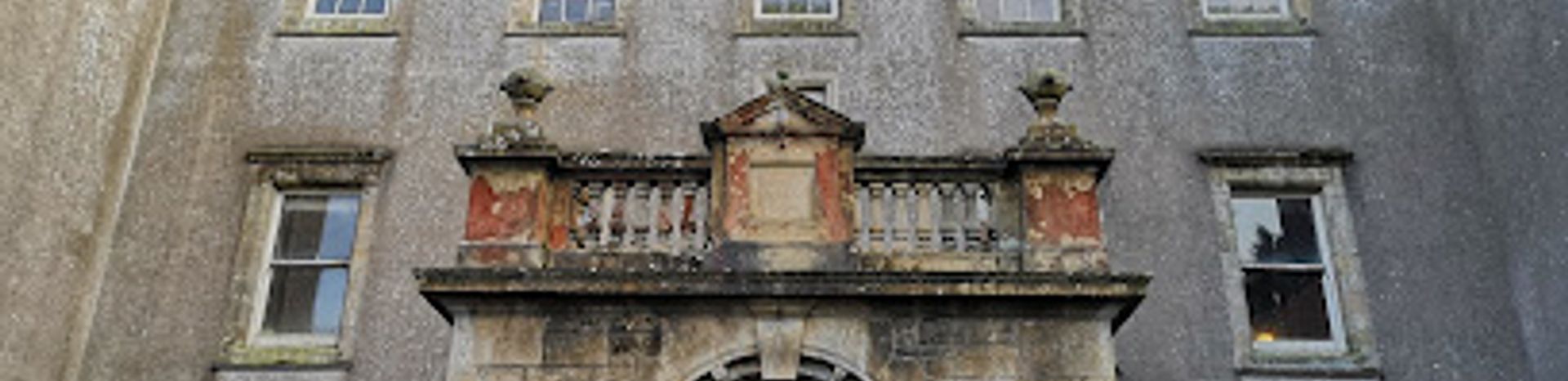
Bannockburn House: A 17th-Century Scottish Heritage Mansion
Explore Bannockburn House, a majestic 17th-century mansion rich in Jacobite history and Scottish industrial heritage near Stirling.
Bannockburn House, completed in 1675 near Stirling, Scotland, is a grand 17th-century mansion steeped in history. Originally built for Sir Hugh Paterson, a wealthy lawyer and coal mine owner, the house has connections to Jacobite intrigue, including hosting Bonnie Prince Charlie in 1746. The house later linked to the famous Bannockburn textile industry. Now lovingly restored, it serves as a cultural landmark and event space, offering visitors a glimpse into Scotland's rich past.
A brief summary to Bannockburn house
- Bannockburn House, Stirling, FK7 8EY, GB
- Visit website
- Duration: 1 to 3 hours
- Mid ranged
-
 Outdoor
- Mobile reception: 4 out of 5
Local tips
- Visit during spring or summer for pleasant weather and to enjoy the surrounding gardens.
- Check for guided tours offered by local volunteers to gain deeper insights into the house’s history.
- Combine your visit with the nearby Battle of Bannockburn historic site for a fuller historical experience.
- Enjoy a tea and cake session after your tour to relax in the charming atmosphere of the house.

For the on-the-go comforts that matter to you
- Restrooms
- Seating Areas
- Information Boards
Getting There
-
Train and Bus Combination
Take a train to Stirling station from major Scottish cities such as Edinburgh or Glasgow, then catch a local bus towards Bannockburn. Total travel time ranges from 1 to 1.5 hours depending on connections. Bus services run regularly but check schedules in advance. Tickets cost approximately £5–£10.
-
Car Travel
Driving from Stirling city center to Bannockburn House takes about 15 minutes via local roads. Limited on-site parking is available. Be aware of narrow country lanes and occasional traffic during peak tourist seasons. Fuel costs vary; expect around £3–£5 for a round trip.
-
Taxi or Rideshare
A taxi from Stirling city center to Bannockburn House takes approximately 15 minutes. This is a convenient option if you prefer direct transport. Typical fares range from £10 to £20 depending on time of day and service provider.
Bannockburn house location weather suitability
-
 Any Weather
-
 Mild Temperatures
-
 Rain / Wet Weather
Discover more about Bannockburn house
Architectural Origins and Early Ownership
Bannockburn House was constructed around 1675 for Sir Hugh Paterson, a prosperous lawyer and coal mine owner who also served as a factor for the Earl of Moray. The mansion likely incorporates parts of an earlier structure known as Drummonds' Hall, tying it to the deeper history of the Bannockburn lands. The Paterson family, who became baronets, held the estate for generations, shaping the house’s legacy with their wealth and influence.Jacobite Connections and Historical Significance
The house gained notable historical importance in 1746 when Hugh Paterson’s son hosted Charles Edward Stuart, better known as Bonnie Prince Charlie, shortly before the Battle of Culloden. During his stay, Charles renewed acquaintance with Clementina Walkinshaw, Paterson’s niece, who later became his lover and mother to his daughter. This Jacobite association adds a layer of romantic and political intrigue to the mansion’s story.Industrial Era and Family Transitions
In the late 19th century, Bannockburn House passed to the Ramsey family and then to Alexander Wilson, a member of the prominent Bannockburn textile manufacturing Wilson family. The Wilsons were renowned for their tartan cloth production, and Alexander Wilson made significant architectural additions, including a new porch and library extension. The house’s ties to the textile industry reflect the region’s industrial heritage and economic development.Decline and Revival Efforts
The 20th century saw the house change hands several times, including ownership by James Mitchell, the Sheriff Substitute of Stirling, and later by millionaire A.E. Pickard. Over time, the mansion fell into disrepair but was rescued in 2017 by the local community. Today, Bannockburn House is carefully restored and functions as a visitor attraction and events venue, preserving its historical fabric while inviting public engagement.Visitor Experience and Surroundings
Set within beautiful grounds near the historic Battle of Bannockburn site, the house offers visitors a rich cultural experience. The interior retains many original 17th-century features alongside later modifications, providing a tangible connection to Scotland’s layered past. Volunteers and heritage trusts have played a vital role in maintaining the house, which often hosts tours, exhibitions, and community events.Legacy and Cultural Importance
Bannockburn House stands as a testament to Scotland’s complex history—from medieval battles and Jacobite uprisings to the rise of industrial textile production. Its architecture and stories reflect the social and political changes over centuries, making it a landmark of both local and national significance. The house continues to inspire interest in Scottish heritage and identity.Iconic landmarks you can’t miss

Historic Scotland
3.8 km
Discover the artistry of stone-cutting at Historic Scotland, a captivating experience in Stirling that showcases Scotland's rich architectural heritage.

St Ninians Well
4.3 km
Discover Stirling’s historic St Ninians Well, a tranquil stone spring steeped in healing lore and centuries of local tradition.
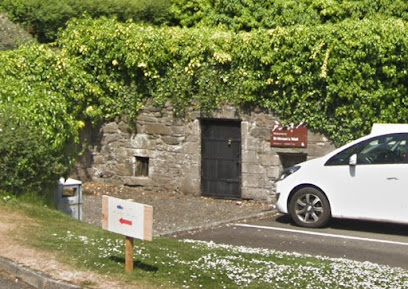
Stirling City Heritage Trust
4.6 km
Explore the Stirling City Heritage Trust and uncover the stories of Scotland's past through its dedicated preservation efforts.

Castle Walk Bed & Breakfast
4.6 km
Discover comfort and Scottish hospitality at Castle Walk Bed & Breakfast, a charming retreat in the heart of Stirling with stunning views and easy access to local attractions.
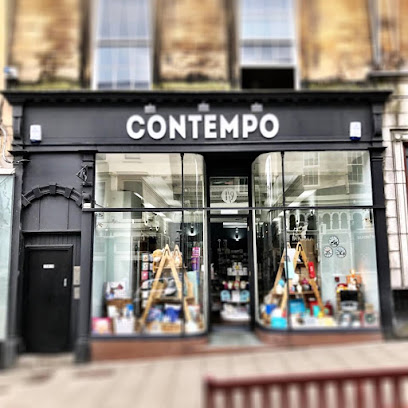
Contempo
4.6 km
Explore Contempo, Stirling's charming gift shop offering unique souvenirs, jewelry, and handcrafted treasures that capture the essence of Scotland.
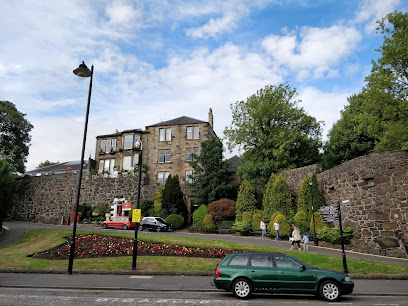
City Walls
4.6 km
Discover the historic City Walls Pub in Stirling, where ancient charm meets modern Scottish hospitality, offering local dishes and brews.
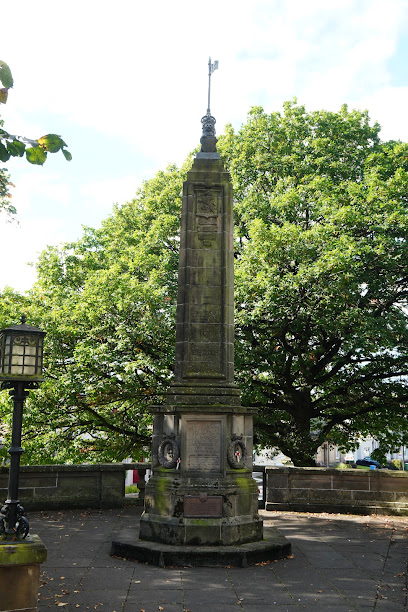
Stirling War Memorial
4.7 km
A dignified sandstone obelisk honoring Stirling’s fallen heroes from World War I and beyond, standing as a lasting symbol of sacrifice and remembrance.
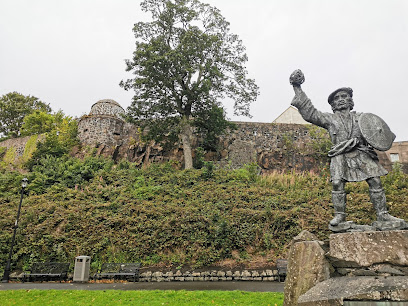
Rob Roy McGregor Statue
4.7 km
Discover the stirring legacy of Rob Roy MacGregor, Scotland’s legendary outlaw and folk hero, immortalized in bronze in the heart of Stirling.
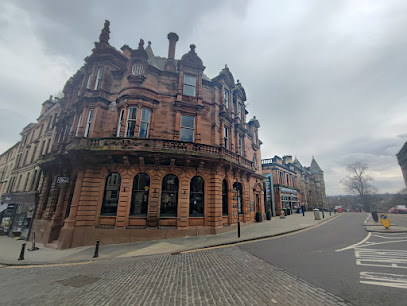
Monterey Jack's Stirling
4.7 km
Experience the authentic taste of American cuisine at Monterey Jack's Stirling, where delicious burgers and creative cocktails await you in a vibrant atmosphere.
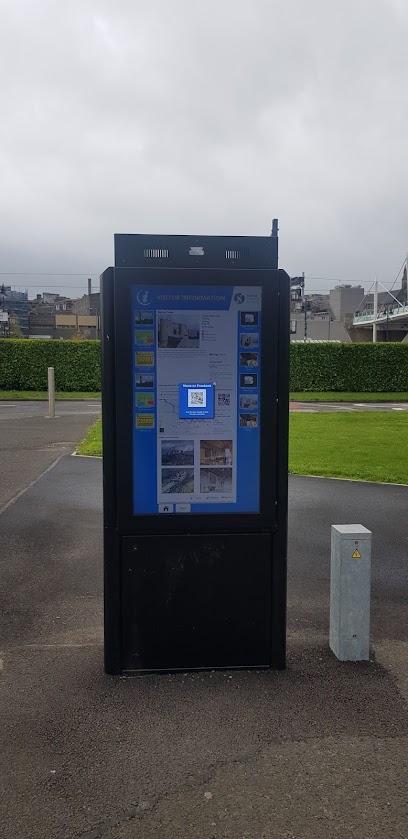
Tourist Information Point
4.7 km
Explore Stirling like a local with insights and resources from the Tourist Information Point, your guide to unforgettable adventures in Scotland.
The Crossed Peels
4.7 km
Historic Stirling pub offering real ales, hearty fare, and a welcoming atmosphere in the heart of the Old Town.
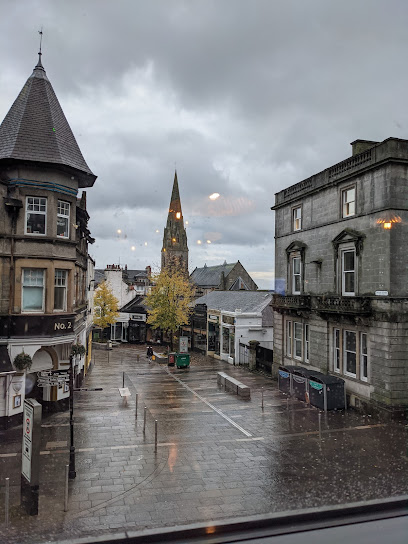
Tinkerbells Emporium
4.7 km
Discover the enchanting Tinkerbells Emporium in Stirling, a magical gift shop filled with unique treasures and delightful souvenirs for every traveler.
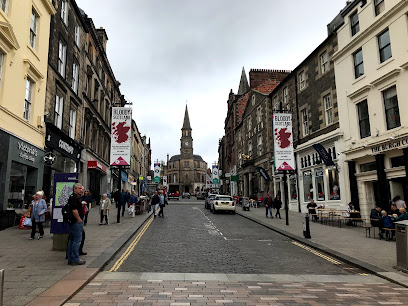
The Statues
5.2 km
Historic statues in Stirling celebrating Scotland’s heroes and cultural legends, set amidst a rich urban heritage landscape.
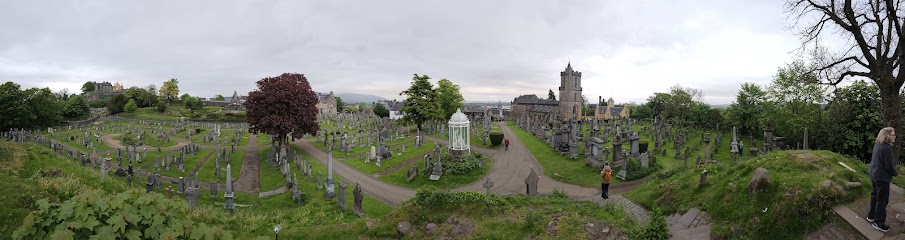
The Star Pyramid
5.2 km
A striking Victorian pyramid honouring Scottish Presbyterian heritage within an ornamental 19th-century cemetery.
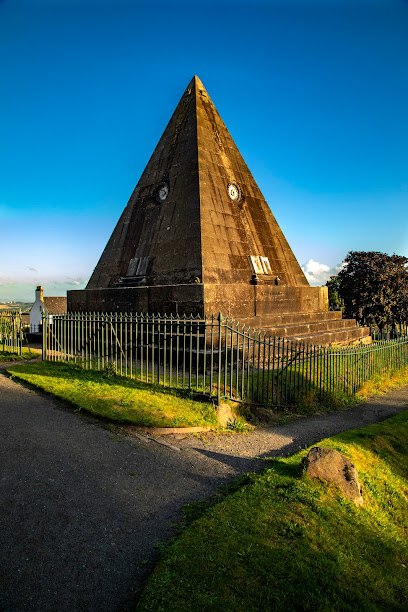
The Great Kitchens - Stirling Castle
5.5 km
Discover the culinary heritage of Scotland at The Great Kitchens of Stirling Castle, where history and gastronomy converge beautifully.
Unmissable attractions to see

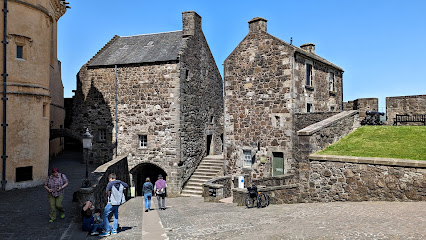
Scotland private tours
1.2 km
Experience Scotland’s epic history with private tours to Bannockburn battlefield and Stirling Castle, blending heritage, storytelling, and scenic beauty.
Ladywell Park
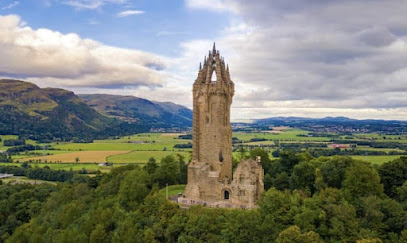
1.6 km
Explore the tranquility and natural beauty of Ladywell Park in Bannockburn, Stirling, a perfect escape for relaxation and recreation.
Bannockburn
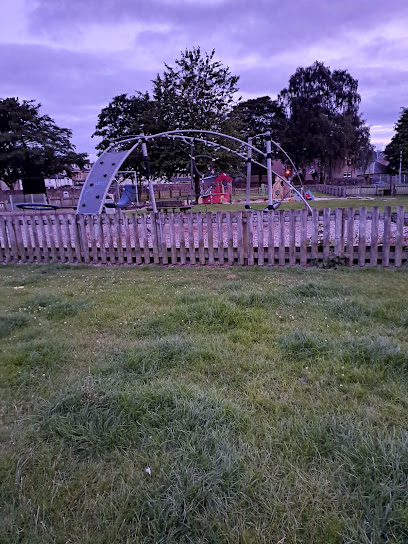
1.6 km
Explore Bannockburn, the iconic Scottish battlefield where Robert the Bruce secured independence with a legendary victory in 1314.
The Battle of Bannockburn Visitor Centre
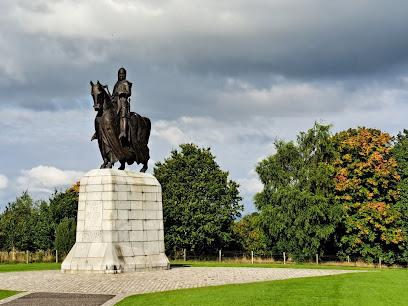
2.0 km
Experience Scotland's greatest medieval victory through immersive 3D technology and expert storytelling.
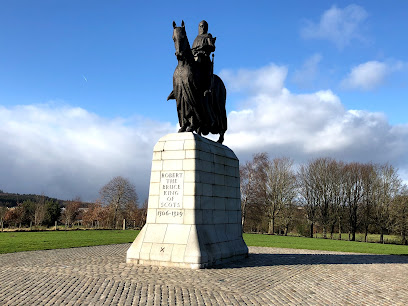
Blue Bell Woods
2.2 km
Discover the tranquil beauty of ancient oak woodland nestled in Stirling’s Blue Bell Woods, a serene nature escape for all seasons.
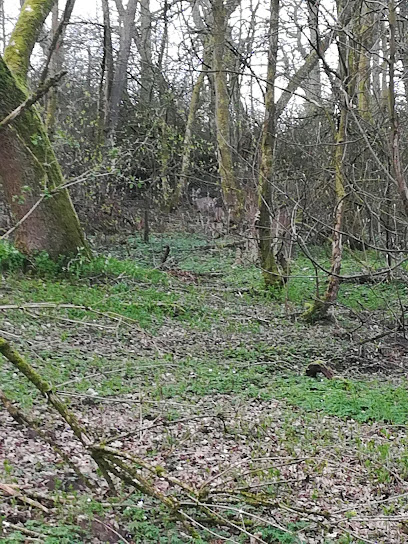
Robert the Bruce Statue
2.3 km
A commanding 19th-century statue honoring Robert the Bruce, Scotland’s legendary king, overlooking Stirling Castle and the historic Bannockburn Battlefield.
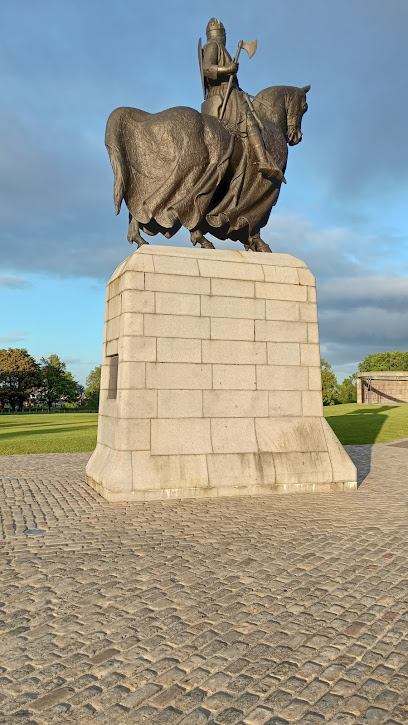
Plean Country Park
2.7 km
Discover 200 acres of peaceful woodland, wildlife, and family-friendly trails just outside Stirling in scenic Plean Country Park.
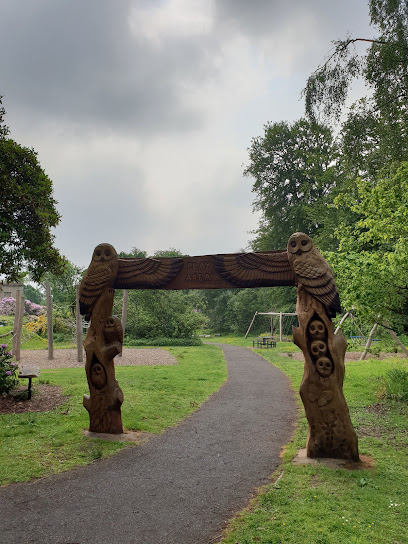
Bruceview Community Park
3.0 km
Explore Bruceview Community Park, a serene green space in Stirling ideal for relaxation, picnics, and family fun amidst beautiful surroundings.
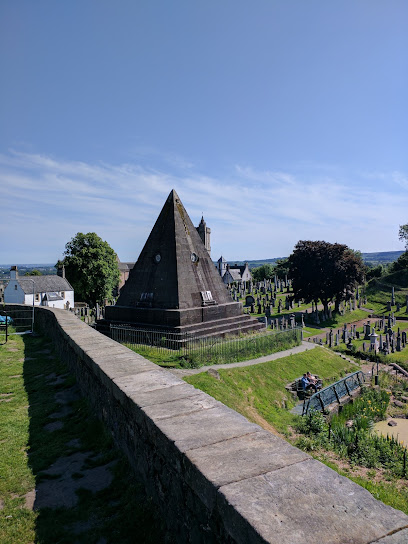
Braehead Park
3.4 km
A peaceful green haven in Stirling offering walking trails, community gardens, and family-friendly outdoor relaxation.
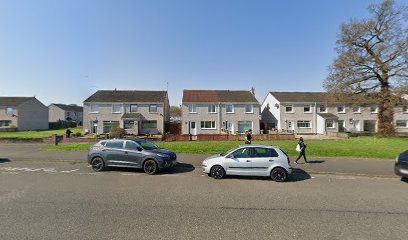
Fallin Bing
3.8 km
Explore the tranquil peat bog and rich mining heritage of Fallin Bing, a unique nature reserve near Stirling, Scotland.
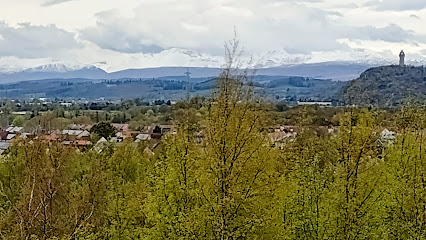
The Run Tourist
4.1 km
Explore Stirling’s historic streets on an easy-paced guided running tour blending fitness, culture, and local stories.
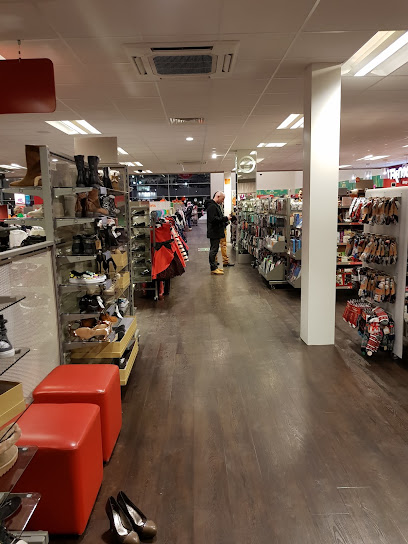
TK Maxx
4.1 km
Discover designer brands and homeware treasures at up to 60% off in Stirling’s vibrant TK Maxx store.
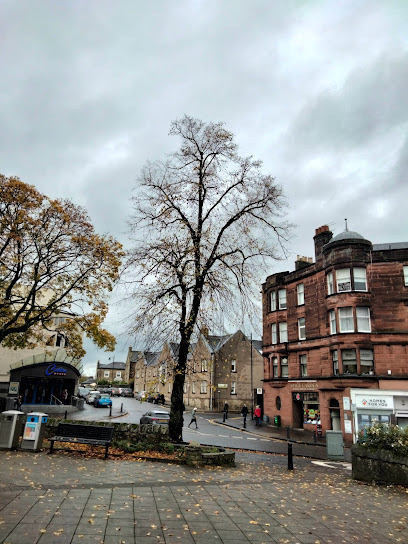
Black Boy
4.4 km
Discover Stirling’s iconic Black Boy Fountain, a historic cast iron landmark blending 19th-century craftsmanship with rich Scottish heritage.
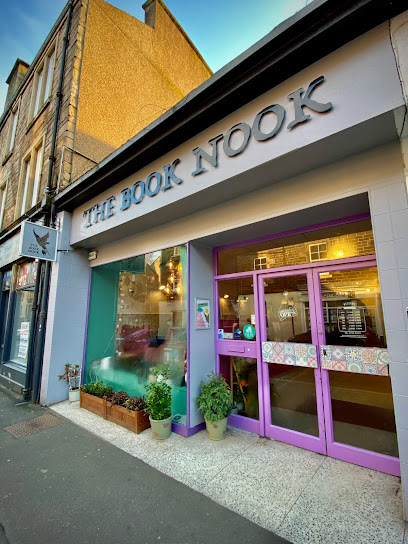
The Book Nook
4.4 km
A cozy, independent bookshop and café in Stirling blending curated fiction, homemade treats, and vibrant community events.
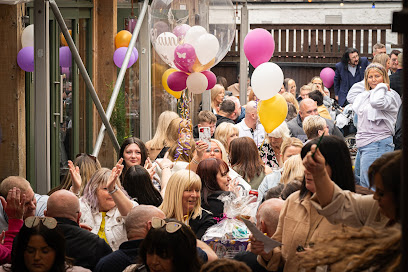
Slanj-A-Va
4.5 km
A spirited live music venue in Stirling blending Scottish flavours, lively events, and a welcoming atmosphere for memorable nights out.
Essential places to dine

The Tartan Arms & McQ's
1.4 km
Historic family-run pub and restaurant in Bannockburn offering hearty British fare, lively nightlife, and a warm community atmosphere.
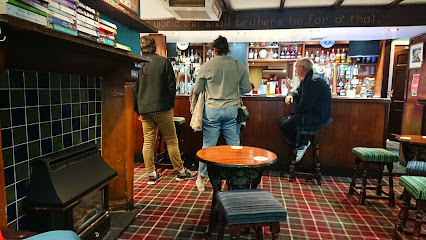
The Hollybank
2.4 km
Classic British dining in a charming old Stirling building, offering hearty meals and warm hospitality in a relaxed bar & grill setting.
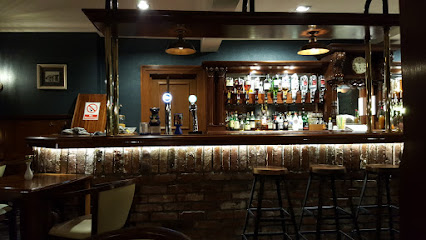
The Linden Inn Bar & Steakhouse
3.6 km
A cozy Stirling steakhouse blending traditional flavors, attentive service, and a welcoming atmosphere for all diners.
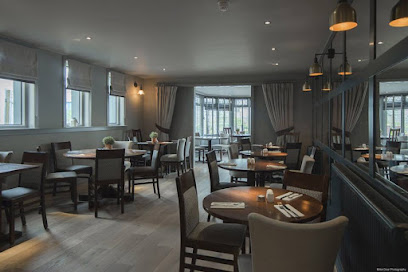
The Inn at Torbrex
3.7 km
Experience authentic Scottish hospitality and hearty country fare at The Inn at Torbrex, a welcoming traditional pub near Stirling.
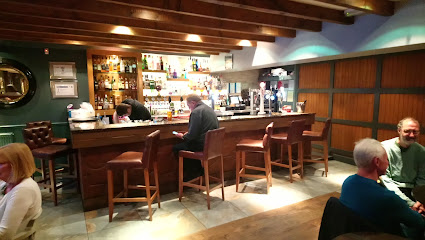
Fletcher’s - Restaurant, Bar & Rooms
4.3 km
A cozy family-run Scottish restaurant and boutique rooms offering fresh local cuisine and warm hospitality in central Stirling.
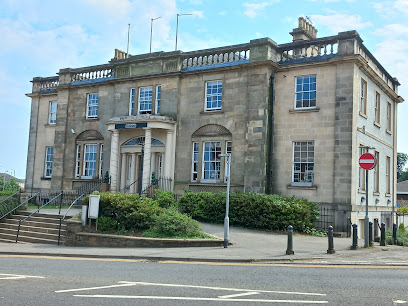
Kahani, Stirling
4.4 km
A vibrant Indian restaurant in Stirling reimagining street food with modern flair, bold flavours, and stylish presentation in a warm, floral-decorated space.
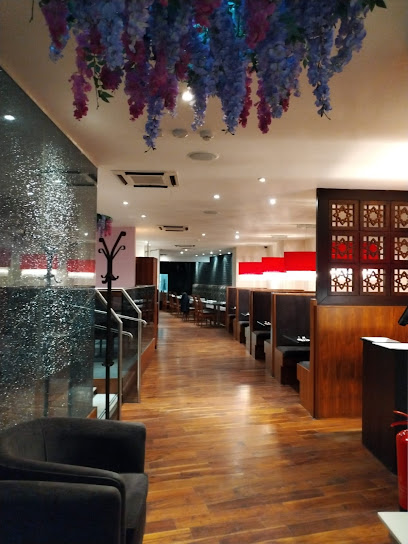
Nooch Bar and Kitchen
4.4 km
A vibrant vegan bar and kitchen in Stirling offering creative plant-based dishes in a warm, lively atmosphere with community events.
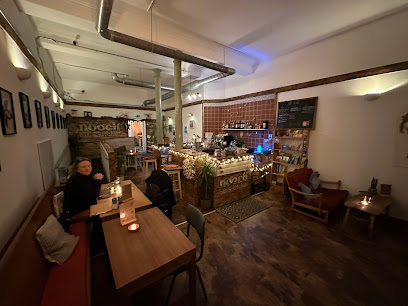
Springkerse View - Pub & Grill
4.4 km
A welcoming pub and grill in Stirling offering expertly flame-grilled dishes, family-friendly vibes, and a relaxed modern atmosphere.
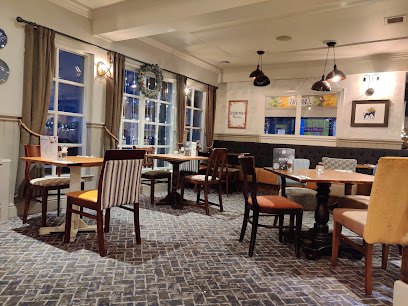
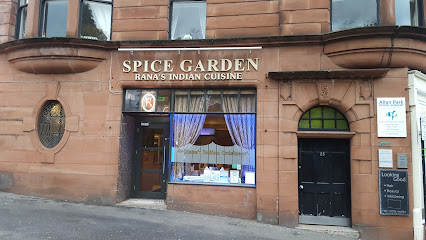
Spice Garden Stirling
4.4 km
Authentic Indian cuisine with rich flavors and warm hospitality in Stirling’s vibrant town centre.
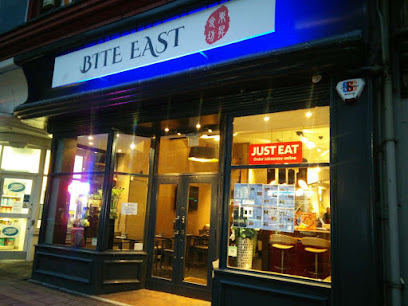
Bite East
4.5 km
Experience authentic Asian fusion flavors with fresh sushi, Szechuan classics, and bubble tea in Stirling’s vibrant Bite East.
Allan Park
4.5 km
Historic charm meets hearty Scottish dining in the heart of Stirling at The Allan Park Hotel & Restaurant.
Stacks
4.5 km
Contemporary dining in the heart of Stirling’s vibrant city centre, blending casual comfort with urban energy.
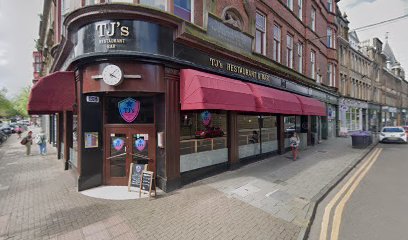
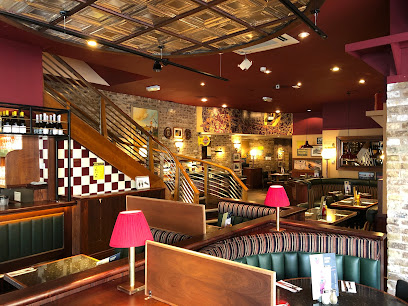
TJ's Restaurant and Bar
4.5 km
Family-run American diner in Stirling serving hand-crafted burgers, pancakes, and milkshakes in a friendly, casual atmosphere.
Indian Cottage
4.5 km
Experience authentic Indian cuisine in Stirling with warm hospitality, rich flavors, and a cozy atmosphere at Indian Cottage.
Gabe's Diner Bistro
4.5 km
Stirling's unpretentious bistro serving creative comfort food with locally sourced ingredients and genuine hospitality.
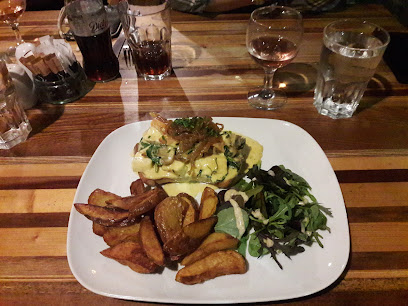
Markets, malls and hidden boutiques

Only Scotland
3.3 km
Discover authentic Scottish gifts and craftsmanship at Only Scotland, a charming boutique in Stirling celebrating heritage and tradition.
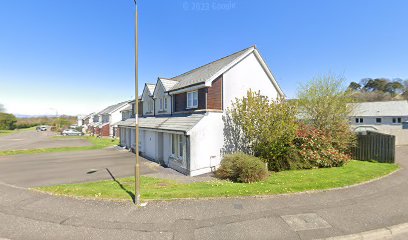
Springkerse Retail Park
4.0 km
A vibrant shopping and dining destination in Stirling offering diverse stores, eateries, and convenient amenities for all visitors.
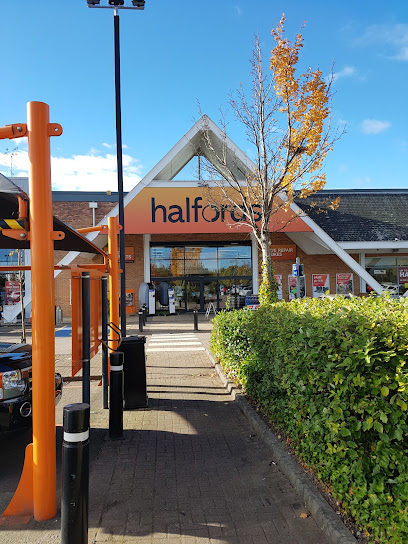
Rivivo Furniture Shop
4.2 km
Discover unique vintage and antique furniture treasures at Rivivo Furniture Shop, nestled in Stirling’s vibrant Springkerse Industrial Estate.
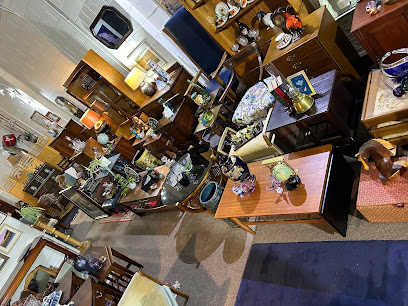
Burghmuir Retail Park
4.2 km
Modern retail destination with free parking, diverse shops, and convenient access in Stirling.

Stirling Reuse Hub
4.3 km
Discover sustainable treasures and community spirit at Stirling Reuse Hub, your go-to for quality pre-loved goods and creative workshops in Stirling.
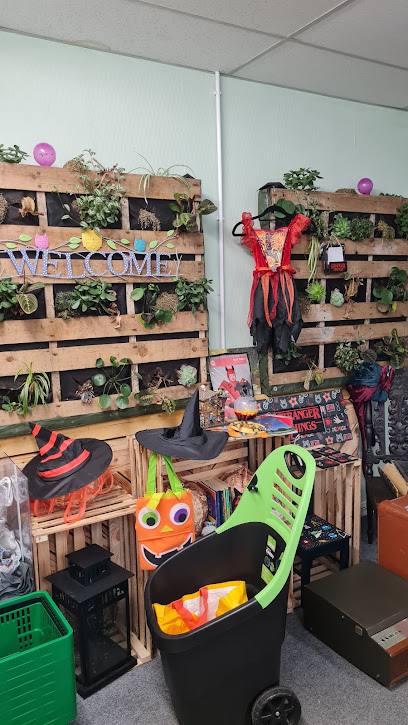
Witches Emporium
4.3 km
Discover enchantment and unique magical gifts in the heart of Stirling Enterprise Park’s vibrant business community.

Primark
4.4 km
Affordable fashion and homeware at Primark Stirling, nestled in the lively Thistle Marches shopping centre.

Born In Scotland - Stirling Thistle Centre
4.4 km
Discover authentic and playful Scottish gifts at Born In Scotland, a vibrant shop in Stirling’s Thistle Marches Shopping Centre.
Stons
4.4 km
Discover unique, stylish menswear and womenswear at Stons, Stirling’s independent boutique for casual and evening fashion.

USC
4.4 km
Your go-to Stirling store for stylish menswear, womenswear, kids’ clothes, shoes, and accessories in a vibrant shopping setting.

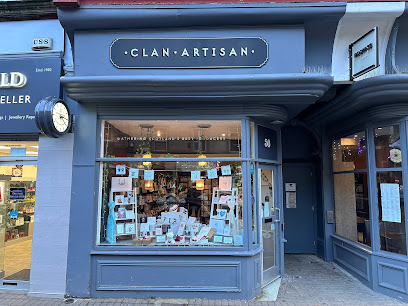
Clan Artisan Ltd
4.5 km
A charming Scottish gift shop in Stirling, where every hamper and handmade item celebrates local makers and the spirit of Scotland.
The Works
4.5 km
Discover creativity and value with a vast selection of books, arts, crafts, toys, and stationery at The Works in Stirling’s Thistles Shopping Centre.
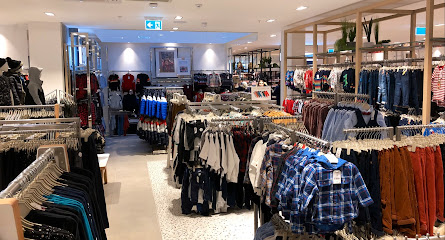
Next
4.5 km
Discover stylish fashion and family essentials at Next, nestled in Stirling’s vibrant Thistles Shopping Centre.
Ann Summers
4.5 km
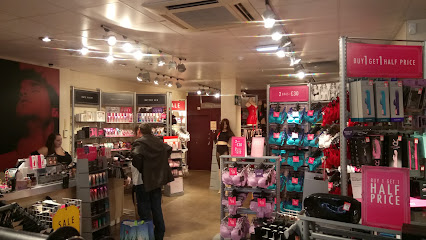
Discover stylish lingerie and adult toys in a discreet, welcoming boutique at Stirling’s Thistles Shopping Centre.
Stirling Health Food Store
4.5 km
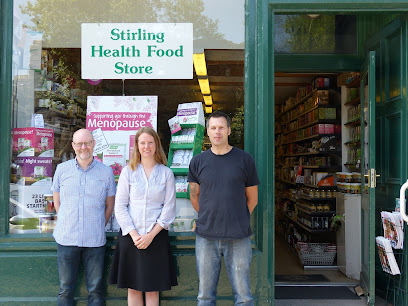
Stirling Health Food Store offers over 45 years of trusted natural, vegan, and organic products with expert advice in the heart of Stirling.
Essential bars & hidden hideouts

1314 Inn
1.8 km
A friendly Stirling pub offering hearty Scottish fare, generous portions, and a warm community atmosphere at great value.
Anchor Bar
2.6 km
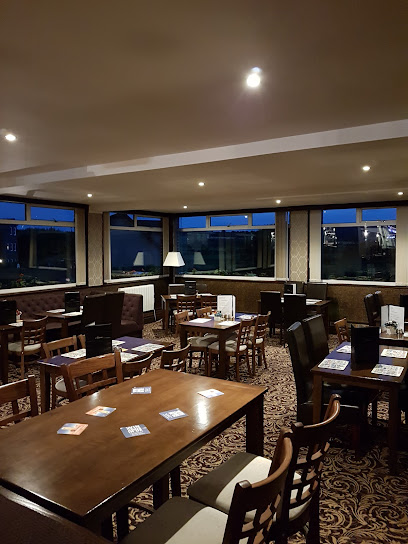
A friendly and affordable community pub in Stirling with pool, darts, live sports, and a spacious function room for vibrant local gatherings.
The Borestone Bar
2.8 km
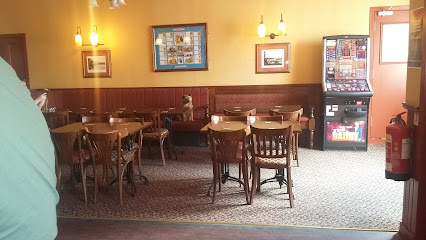
A friendly and affordable Stirling pub with a spacious lounge, welcoming locals, and a lively atmosphere near Bannockburn Road.
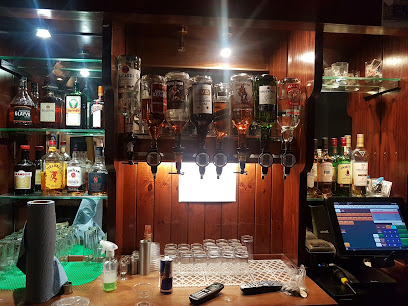
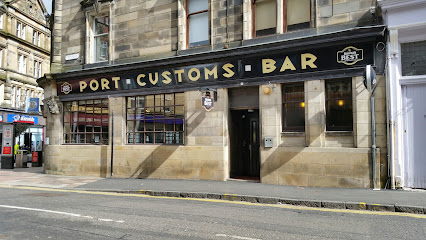
Port Customs Bar
4.5 km
A classic Stirling pub offering well-kept beers, fine whiskies, and a friendly, inviting atmosphere for locals and visitors alike.
King Cons
4.7 km
Experience Stirling’s vibrant nightlife at King Cons, a lively bar offering great drinks, live music, and a welcoming atmosphere in the city centre.
meraki
4.7 km
A vibrant and quirky cocktail bar in Stirling city centre, known for expertly crafted classics and innovative creations in a relaxed, friendly setting.
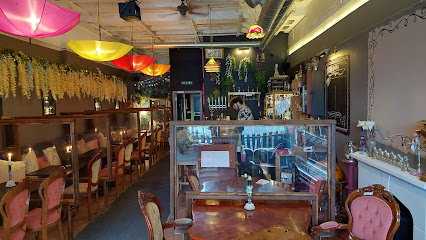
BrewDog Stirling
4.8 km
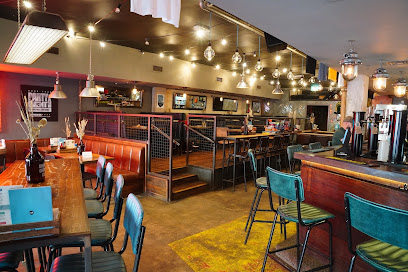
A lively craft beer bar and restaurant in Stirling offering 15 taps, classic bar food, and a vibrant atmosphere near the castle and station.
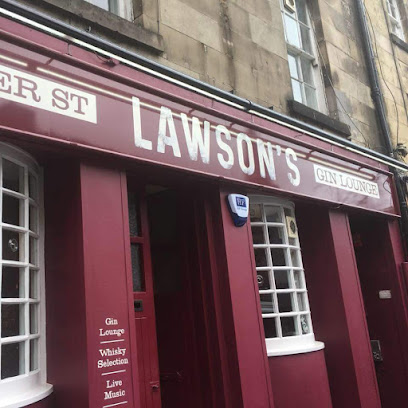
Lawsons
4.8 km
Discover Lawsons, Stirling’s cozy gin lounge with over 95 gins, craft cocktails, and warm Scottish hospitality in a lively, welcoming setting.
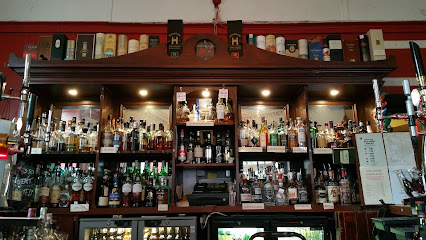
Curly Coo Bar
5.0 km
Discover Stirling’s cozy whisky sanctuary with over 130 malt whiskies, warm hospitality, and a quirky yet traditional atmosphere.
Cross Keys
5.1 km
A cozy historic pub and inn in Stirling offering hearty local fare, guest beers, and comfortable rooms with scenic views.
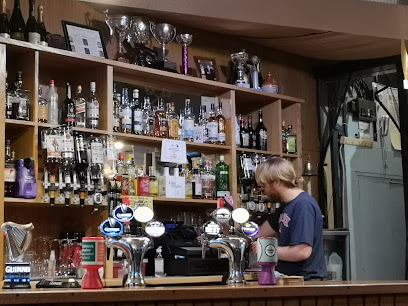
Settle Inn
5.2 km
Historic Stirling pub with cozy charm, lively folk music, and a welcoming atmosphere for ale lovers and locals alike.
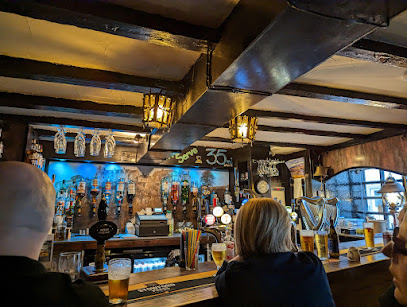
Vinney’s Bar
6.4 km
A friendly, budget-friendly bar in Raploch, Stirling, known for its welcoming vibe and lively local nights.
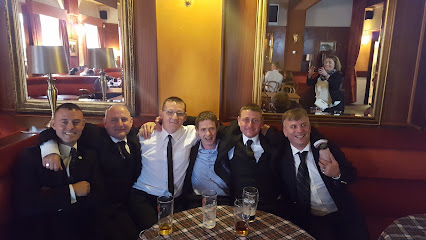
The William Wallace
6.8 km
A cosy, affordable Scottish pub near the Wallace Monument, offering hearty food, fresh beer, and a warm, friendly atmosphere in Stirling's Causewayhead.
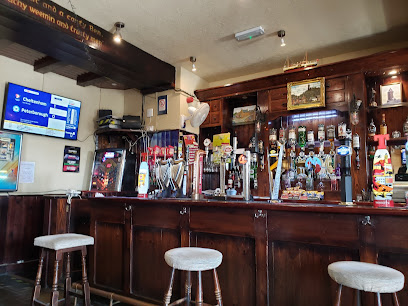
The Inn
7.9 km
A lively and welcoming bar in Tullibody offering great whisky, sports entertainment, and a true local atmosphere.
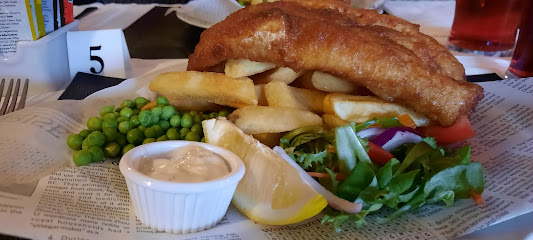
Royal Oak Alloa
8.4 km
A welcoming Scottish pub and hotel in Alloa, blending traditional charm with hearty cuisine and comfortable stays.
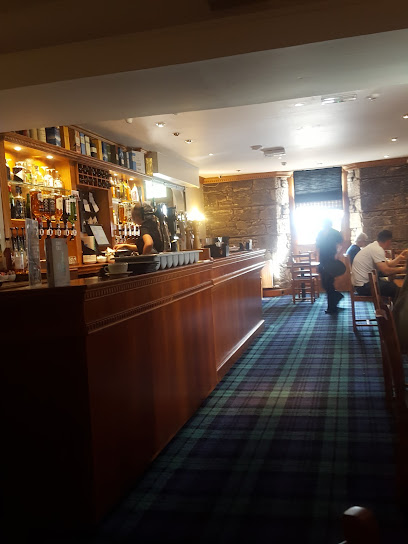
Nightclubs & after hour spots

Castle Leisure Group
4.7 km
Discover the lively atmosphere of Castle Leisure Group in Stirling – a perfect blend of dining, nightlife, and entertainment for tourists.

Fubar Nightclub
4.9 km
Experience Stirling’s energetic student nightlife at Fubar Nightclub, where music, lights, and lively crowds come alive late into the night.
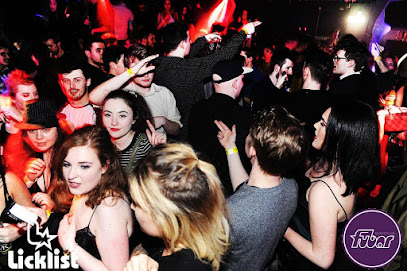
XOXO
11.9 km
Central Scotland’s largest nightclub offering vibrant nightlife, pool hall fun, and private event spaces in the heart of Falkirk.
City Nightclub
11.9 km
Experience Falkirk’s vibrant nightlife at City Nightclub, the town’s energetic weekend hotspot for music, dancing, and late-night fun.
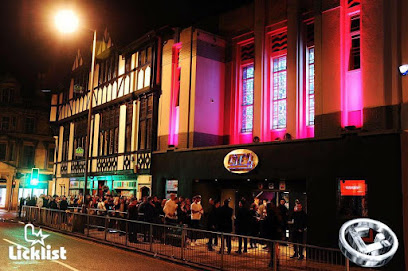
I-Kandy Nightclub
23.8 km
Discover the electrifying nightlife at I-Kandy Nightclub in Airdrie, where vibrant music and a lively atmosphere await!

Pulse
23.9 km
Experience Airdrie’s vibrant nightlife at Pulse Nightclub, where music, dancing, and unforgettable moments come alive.
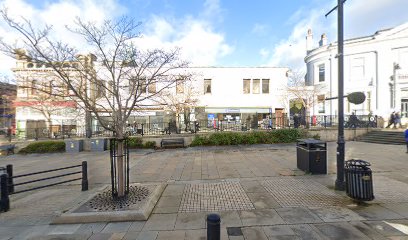
Eden Night Club
24.9 km
Vibrant late-night hotspot in Coatbridge offering house, R&B, and chart music with a lively atmosphere and smart dress code.
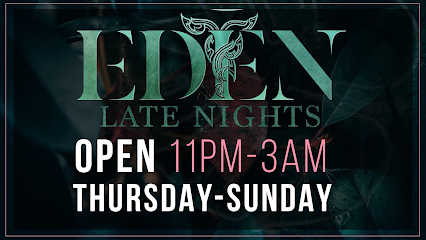
Avenue Nightclub Coatbridge
24.9 km
Coatbridge’s premier late-night nightclub for over-21s, offering vibrant music, modern vibes, and a lively weekend party scene.
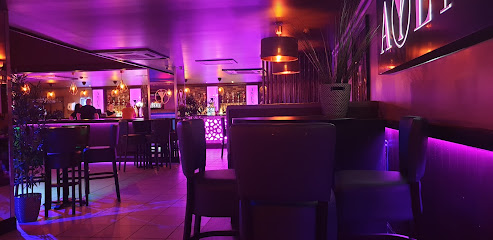
The Twig Nightclub
25.7 km
Bathgate’s oldest nightclub offering lively, affordable, and historic nightlife experiences every Saturday night.
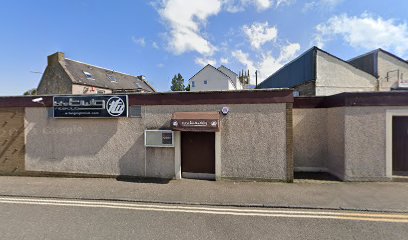
LIFE
28.0 km
Experience vibrant nightlife and late-night fun at LIFE, Dunfermline’s energetic nightclub with a welcoming atmosphere and great music.
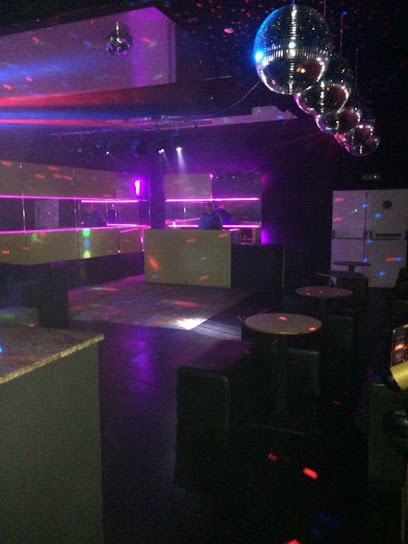
Lourenzos
28.2 km
Experience Dunfermline's nightlife at Lourenzos, a lively bar and nightclub known for its exceptional cocktails and welcoming atmosphere.
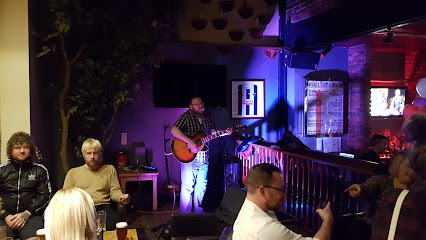
The Club, Motherwell
29.4 km
Discover the vibrant atmosphere of The Club in Motherwell, a perfect blend of traditional pub charm and modern dining experiences.
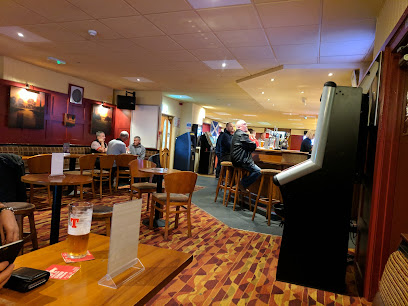
Grand Central
30.3 km
Experience the vibrant nightlife and diverse events at Grand Central, Livingston's premier events venue for unforgettable nights out.

Volunteer Arms Lounge Bistro
30.5 km
A friendly, moderately priced lounge bistro in Uphall offering home-cooked meals, live music, and a welcoming atmosphere for all occasions.
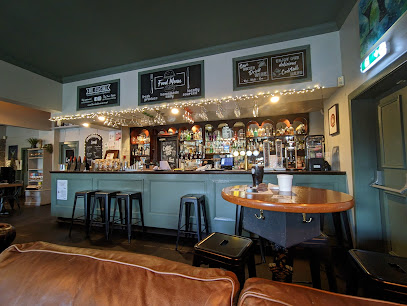
Hustlers Pool Hall
30.8 km
Affordable, lively pool hall and sports bar in Rosyth offering fun games, friendly vibes, and great social atmosphere for all ages.

For the vibe & atmosphere seeker
- Historic
- Scenic
- Relaxing
- Unique
For the design and aesthetic lover
- Vintage Styles
- Rustic Designs
For the architecture buff
- Historic
- Landmarks
- Heritage Neighborhoods
For the view chaser and sunset hunter
- Iconic Views
- Panoramas
For the social media creator & influencer
- Instagrammable
- Photo Spots
- Architectural Shots
For the eco-conscious traveler
- Locally Managed
- Public-Transport Accessible
For the kind of experience you’re after
- Cultural Heritage
- Myth & Legends
- Day Trip
- Weekend Getaway
- Photowalk
For how adventurous you want the journey to be
- Easy Access
Location Audience
- Family Friendly
- Senior Friendly
- Child Friendly
- Couple Friendly
- Solo Friendly


