
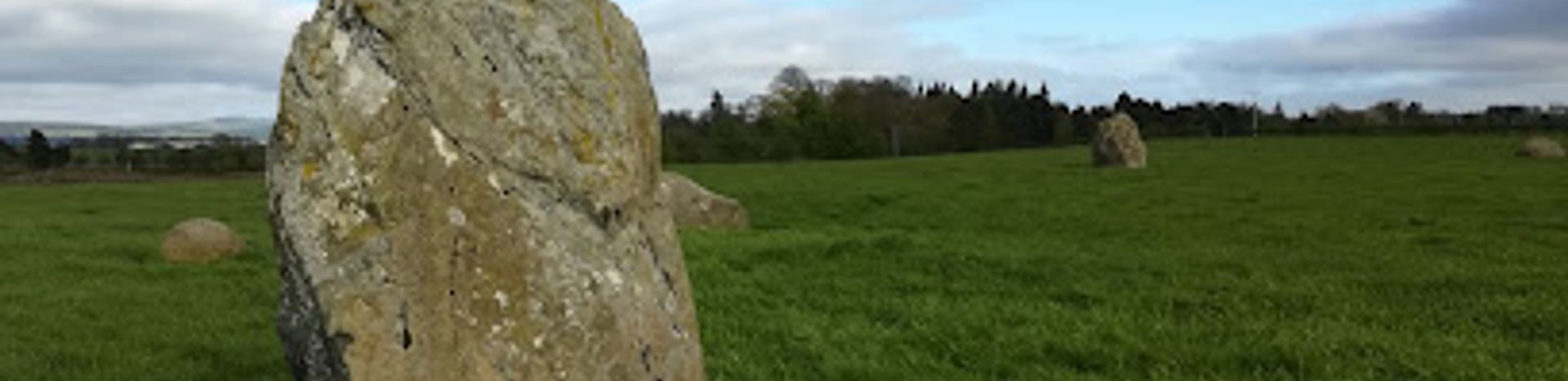
The Twelve Apostles Stone Circle near Dumfries
Explore Scotland’s largest mainland stone circle, a majestic prehistoric monument steeped in mystery and ancient ritual near Dumfries.
The Twelve Apostles is Scotland’s largest stone circle on the mainland, located near Dumfries. Dating back to the late Neolithic or early Bronze Age, this ancient monument spans nearly 90 metres in diameter and originally featured twelve stones, of which eleven remain. Its unique flattened circular form aligns with the midwinter sunset, reflecting its possible ceremonial and astronomical significance. The site sits quietly in farmland, offering a profound glimpse into prehistoric ritual landscapes.
A brief summary to Twelve Apostles stone circle
- Dumfries, GB
- Duration: 0.5 to 2 hours
- Free
-
 Outdoor
- Mobile reception: 4 out of 5
- Monday 12 am-12 am
- Tuesday 12 am-12 am
- Wednesday 12 am-12 am
- Thursday 12 am-12 am
- Friday 12 am-12 am
- Saturday 12 am-12 am
- Sunday 12 am-12 am
Local tips
- Wear sturdy footwear as the site is accessed via farmland with uneven ground.
- Visit during clear weather to appreciate the expansive views and stone alignments.
- Respect the farmland environment; keep dogs on a lead and follow Leave No Trace principles.
- Bring a guidebook or audio guide to enrich your understanding of the circle’s archaeological significance.

For the on-the-go comforts that matter to you
- Information Boards
Getting There
-
Car
Driving from Dumfries town center takes about 15 to 20 minutes. Parking is informal near the B729 road; the site lies in a field accessible by a gate. Note there is no formal parking or signage, so park considerately and be prepared for a short walk across farmland.
-
Bus
Local bus services run from Dumfries towards Newbridge village, approximately 2 km from the site. From the village, a 25-minute walk across rural paths and farmland leads to the circle. Service frequency is limited, so check schedules in advance.
-
Walking
For those staying nearby, walking to the Twelve Apostles involves traversing uneven farmland terrain and requires good footwear. The walk can take 30 to 45 minutes depending on starting point. Dogs should be kept on leads due to livestock presence.
Twelve Apostles stone circle location weather suitability
-
 Any Weather
-
 Clear Skies
-
 Mild Temperatures
-
 Windy Conditions
-
 Rain / Wet Weather
Discover more about Twelve Apostles stone circle
A Monument of Ancient Scale and Mystery
The Twelve Apostles stone circle stands as the largest on mainland Scotland and seventh largest in Britain, measuring approximately 89 metres across. Unlike a perfect circle, it is a 'flattened circle,' a design classified by Alexander Thom, which subtly alters its shape. Originally composed of twelve stones, local records and maps from the 18th and 19th centuries confirm this number, though one stone was removed before 1837, leaving eleven today. The tallest standing stone reaches nearly 2 metres high, while the longest lies on the southwestern side, stretching over 3 metres. The stones are primarily Silurian rock, quarried from nearby areas, with one porphyry boulder among them.Historical and Cultural Significance
Archaeologists date the circle to the late Neolithic or early Bronze Age, roughly 2500–2000 BCE, making it over 4,000 years old. The circle's name, 'Twelve Apostles,' is a much later Christian overlay, inspired by local 19th-century folklore linking the stones to Jesus’s disciples, with the missing twelfth stone symbolically associated with Judas Iscariot. Despite these stories, the circle’s original purpose likely involved ceremonial or social gatherings rather than burial, as no central tomb or structure exists within it. Its alignment towards the midwinter sunset suggests an astronomical function, connecting the monument to seasonal cycles important to prehistoric communities.Archaeological Context and Surroundings
The Twelve Apostles is not an isolated feature but part of a wider prehistoric complex including cursus monuments, ring ditches, enclosures, and burial mounds nearby. This network indicates the area’s significance as a regional ceremonial center where multiple Neolithic groups may have convened. The monument’s large scale implies it was a public site of considerable social importance, transcending a single community’s use. The discovery of a 12th-century bronze figure of Saint Norbert nearby, now in Dumfries Museum, adds a layer of historical depth, linking the site’s long-standing cultural resonance through the ages.Visiting the Site Today
Nestled in a quiet field near Newbridge, just off the A76 northeast of Dumfries, the Twelve Apostles stone circle offers a raw and authentic heritage experience. Unlike more commercialized sites, it has limited signage and no formal parking, preserving its tranquil rural atmosphere. Visitors approach through farmland, where respect for the land and any livestock is essential. The open setting allows for contemplation beneath the vast Scottish sky, where the stones stand as silent witnesses to millennia of history.Preservation and Local Traditions
The circle has endured centuries of change, including the removal of one stone for building material in the 19th century. Despite this, the site has been well preserved as a scheduled ancient monument. Local traditions recorded in the 18th and 19th centuries reflect the community’s connection to the stones, embedding them in folklore and identity. The site’s enduring presence invites ongoing curiosity about the beliefs and practices of Scotland’s prehistoric peoples.Architectural and Geological Features
The stones’ composition mainly of Silurian rock, sourced from two miles away, and the presence of natural boulders among quarried stones, reveal the builders’ selective use of materials. The circle’s flattened shape and large diameter distinguish it architecturally from other stone circles in Britain. This combination of scale, design, and material speaks to sophisticated prehistoric engineering and symbolic intent, making the Twelve Apostles a remarkable testament to Scotland’s ancient past.Iconic landmarks you can’t miss

Dumfries Tours
2.2 km
Explore Dumfries with immersive tours that blend history, culture, and stunning landscapes for an unforgettable experience.
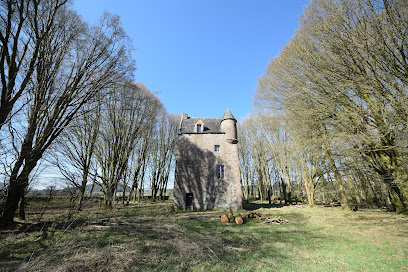
Fourmerkland Tower
4.0 km
Discover the tranquil charm and rich history of Fourmerkland Tower, a secluded 16th-century Scottish tower house near Dumfries.
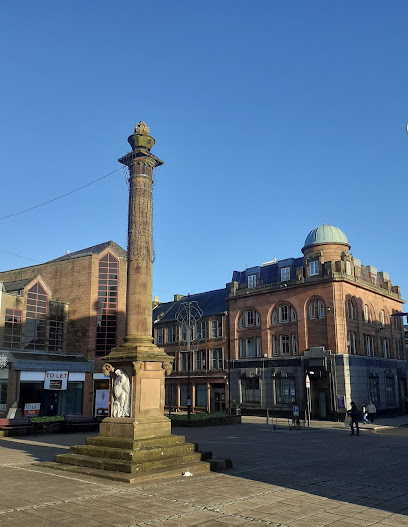
Queensberry Monument
4.1 km
An elegant 18th-century stone column in Dumfries honoring the 3rd Duke of Queensberry and the town’s noble heritage.
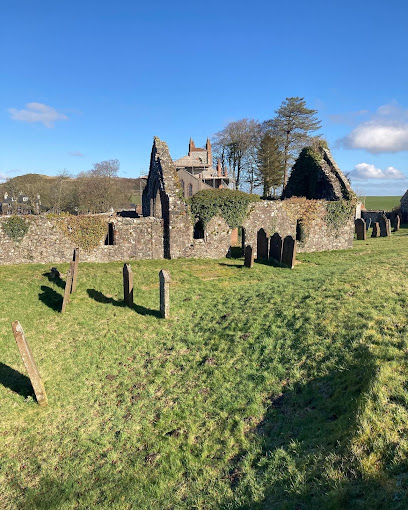
Dumfries
4.2 km
Historic and accessible Dumfries Railway Station connects Scotland’s southwest with modern amenities and rich heritage.
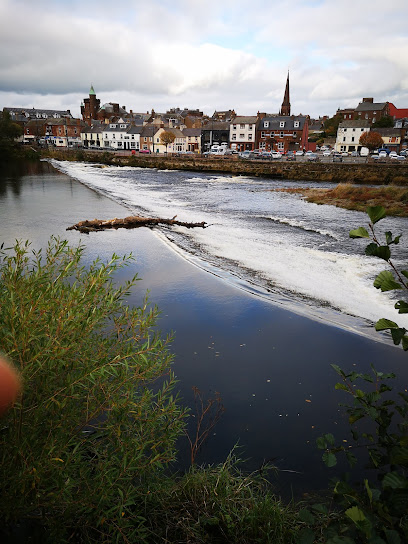
Dumfries Historic Buildings Trust
4.3 km
Discover the architectural heritage of Dumfries at the Dumfries Historic Buildings Trust, where history is preserved for future generations.
Comyn's Tower
4.6 km
Explore Comyn's Tower near Dumfries, a medieval stronghold entwined with Scotland’s dramatic history and the legacy of the Comyn clan.
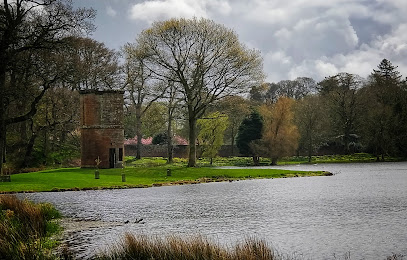
Kingdom Scotland
5.8 km
Discover tranquility at Kingdom Scotland, a serene religious institution in Dumfries that invites spiritual reflection and community connection.

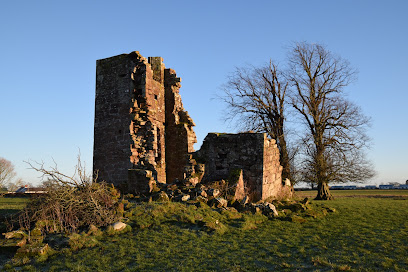
Isle Tower
13.2 km
Explore Isle Tower, a serene 17th-century Scottish tower house ruin guarding historic routes near Dumfries in picturesque Dumfries and Galloway.
Waterloo Monument
13.8 km
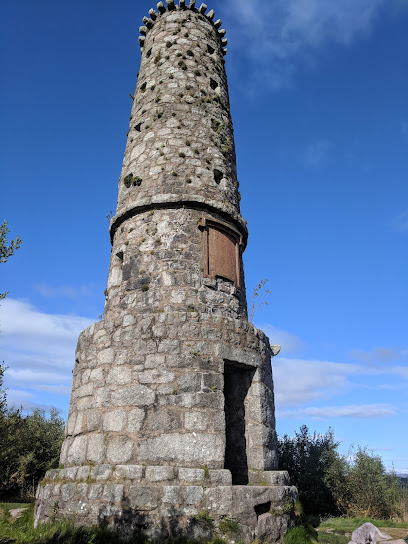
A 150-foot stone tower on Peniel Heugh, built to commemorate the Battle of Waterloo and offering panoramic views across the Scottish Borders and Solway Firth.
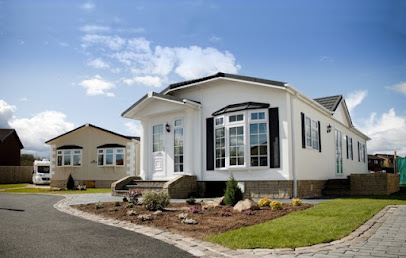
Mossband Residential Park
14.8 km
Tranquil rural living with modern comforts and scenic views near Dumfries in the heart of Scotland’s countryside.
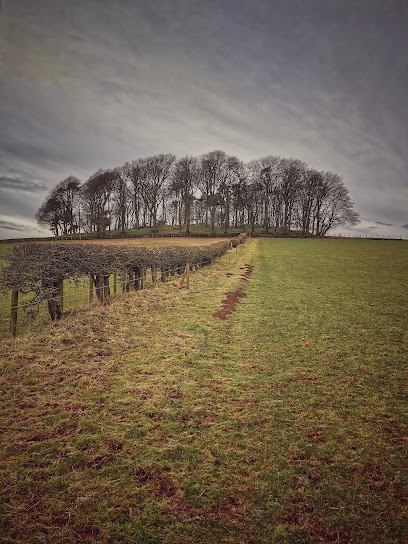
Wardlaw Hillfort
14.9 km
Explore the ancient moated triangular hillfort near Dumfries with panoramic views and rich prehistoric heritage.
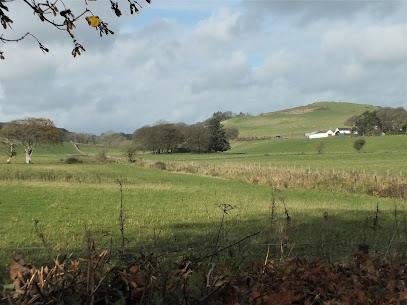
Little Dalton Kirk
15.0 km
Discover the evocative ruins of Little Dalton Kirk, a medieval parish church nestled in tranquil Scottish countryside near Lockerbie.
Arbigland House and Gardens
22.3 km
Explore the enchanting Arbigland House and Gardens, a historic holiday home surrounded by breathtaking gardens in Dumfries, Scotland.
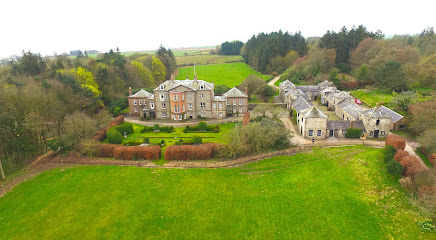
The National Trust for Scotland - Thomas Carlyle's Birthplace
25.1 km
Discover the birthplace of Thomas Carlyle, a historical gem in Ecclefechan, celebrating Scottish literary heritage and tranquil village charm.
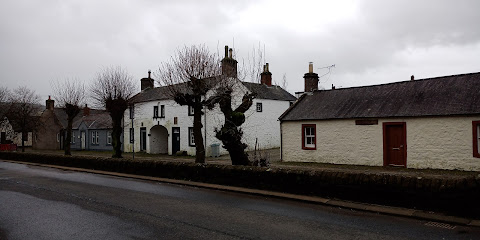
Threave Castle
26.8 km
Explore the medieval charm and natural beauty of Threave Castle, a hidden gem in Dumfries and Galloway, Scotland, perfect for history lovers and nature enthusiasts alike.
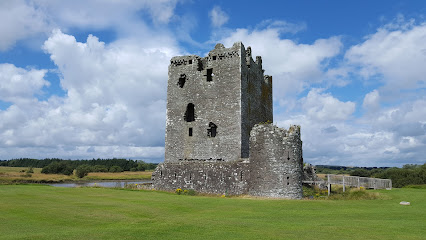
Unmissable attractions to see

Lincluden Collegiate Church
2.5 km
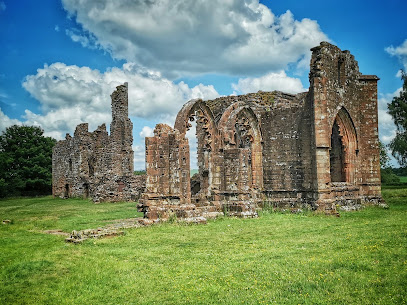
Explore the hauntingly beautiful ruins of Lincluden Collegiate Church, a masterpiece of Scottish Gothic architecture and noble heritage.
Cuckoo Bridge Retail Park
3.0 km
Dumfries’ main retail park with Tesco Extra, B&M, Dunelm, KFC, Costa and more – a practical, car‑friendly hub for everyday shopping and essentials.
Garden of Cosmic Speculation
3.7 km
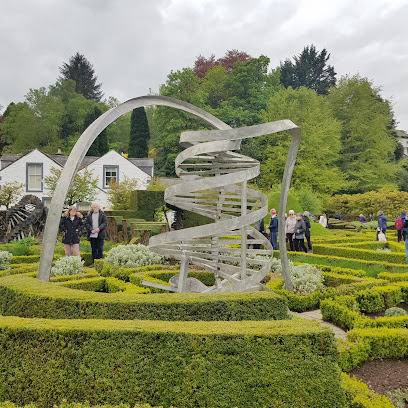
A visionary 30-acre sculpture garden near Dumfries blending science, art, and nature, open just one day a year for charity.
HMP Dumfries
3.8 km
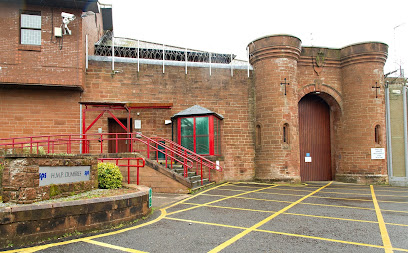
Historic 19th-century prison in Dumfries serving local courts and national sex offender population with a unique castellated architecture.
Dumfries & Galloway Family History Society
3.9 km
Discover your roots and explore South West Scotland’s rich heritage at the Dumfries & Galloway Family History Society Research Centre.
Dalscone Farm Fun
3.9 km
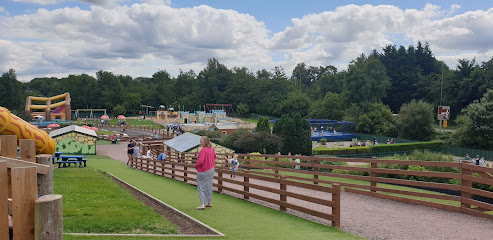
A vibrant family farm in Dumfries offering indoor soft play, outdoor adventures, animal encounters, and Scotland’s largest toyshop.
Robert Burns Statue
4.0 km
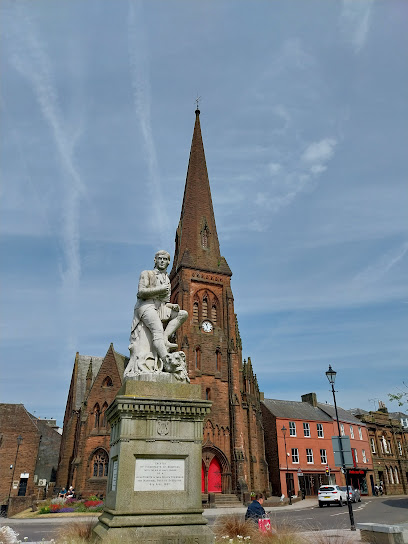
A majestic marble tribute to Robert Burns, standing proudly in Dumfries’ historic Burns Statue Square.
Devorgilla Bridge
4.0 km
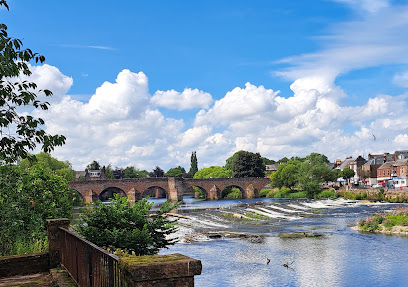
Explore the captivating Devorgilla Bridge, an architectural masterpiece and historical landmark nestled in the heart of Dumfries, Scotland.
Old Bridge House
4.0 km
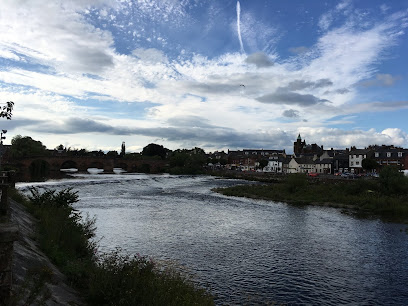
Explore Dumfries’ oldest house ingeniously built into a historic bridge, revealing centuries of local life and heritage by the River Nith.
VisitScotland Dumfries iCentre
4.2 km
Friendly and knowledgeable visitor centre offering expert local advice and resources in the heart of Dumfries.
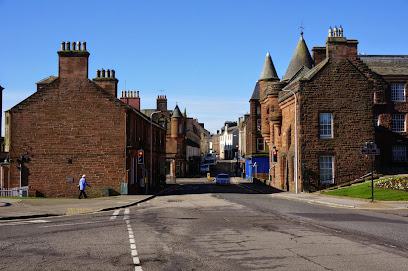
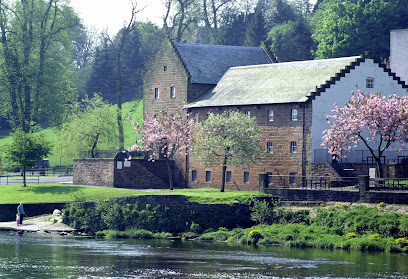
Robert Burns Centre
4.3 km
Discover the life and legacy of Robert Burns in Dumfries’ historic watermill, featuring immersive exhibits and a vibrant independent film theatre.
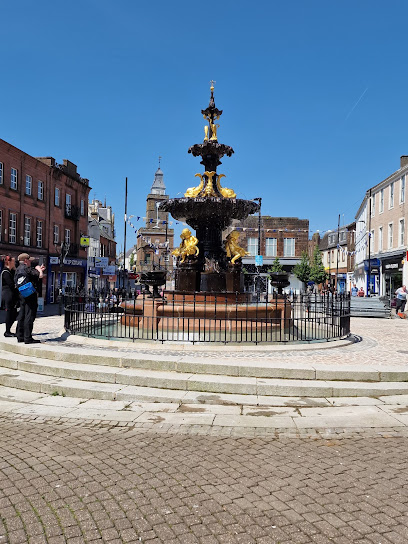
Dumfries Fountain
4.3 km
Discover the Dumfries Fountain, a stunning historical landmark in Dumfries, showcasing the town's rich culture and architectural beauty.
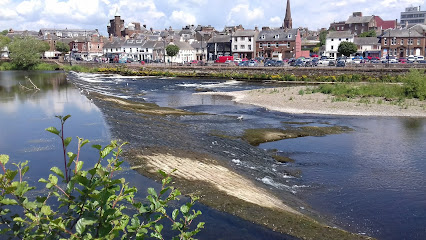
Dumfries Museum
4.4 km
Explore Dumfries’ rich heritage and the world’s oldest working camera obscura in this captivating museum of history and science.
Robert Burns House
4.5 km
Explore the intimate final home of Robert Burns in Dumfries, where Scotland’s national poet lived, wrote, and left a lasting legacy.
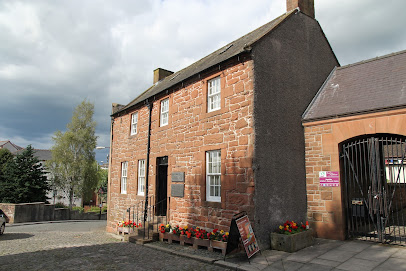
St Michael’s and South Parish Church
4.7 km
Discover Dumfries’ oldest church, a historic landmark rich with medieval pillars, stunning stained glass, and the Burns’ Mausoleum.
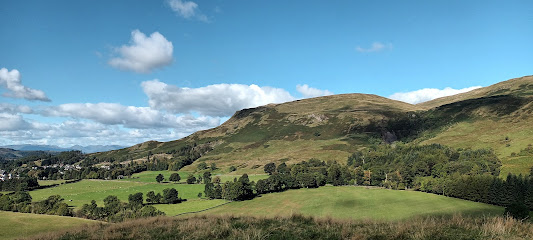
Essential places to dine

Casa Mia Dumfries
3.2 km
Stylish modern European dining in Dumfries with exceptional vegan options and warm, attentive service.
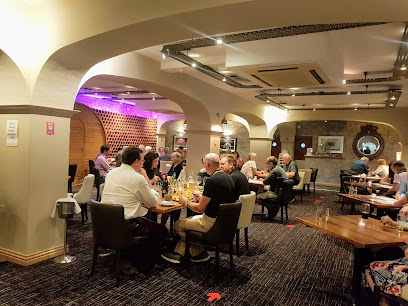
Palmerston Cafe
3.8 km
A family-run Dumfries classic serving award-winning fish & chips and authentic Italian ice cream since 1969.
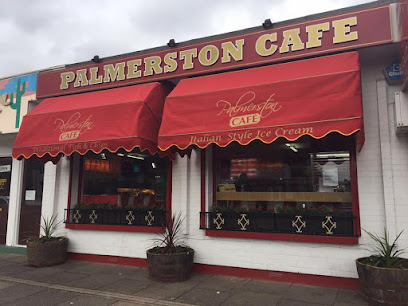
Cavens Arms
3.9 km
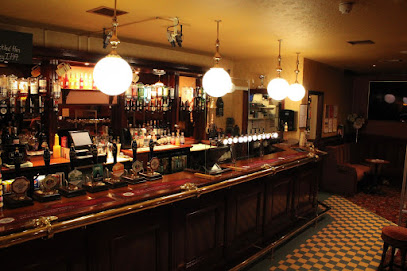
A welcoming Dumfries pub offering hearty traditional fare, a dedicated vegan menu, and a friendly atmosphere in the town centre.
The Usual Place
4.0 km
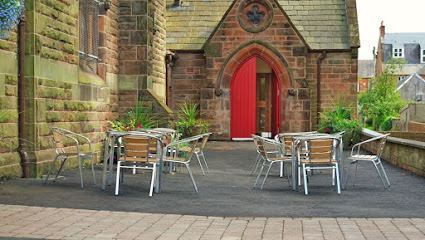
A charming, community-focused café in a converted church offering fresh, ethical meals and warm hospitality in Dumfries.
Ivanos Italian Food
4.0 km
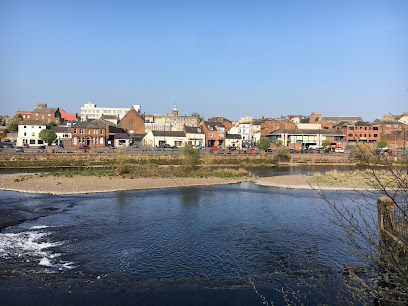
Casual Italian takeaway and pizza delivery in Dumfries, serving authentic flavors with a friendly local touch.
N'Dulge
4.0 km
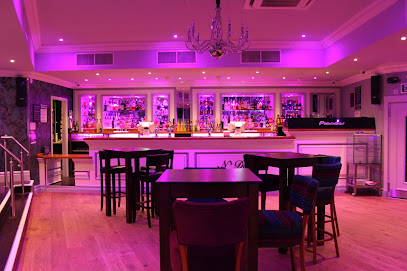
Discover N'Dulge: A lively bar & grill in Dumfries serving delicious meals and refreshing drinks in an inviting atmosphere.
The Back Street
4.0 km
A vibrant hub for modern British cuisine and local drinks in the heart of Dumfries town centre, blending passion with a welcoming atmosphere.
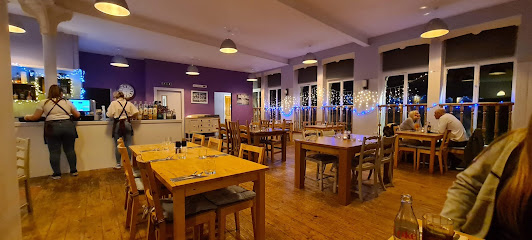
The New Oriental Restaurant
4.0 km
Authentic Chinese dining in the heart of Dumfries, known for fresh ingredients and friendly service in a cozy setting.
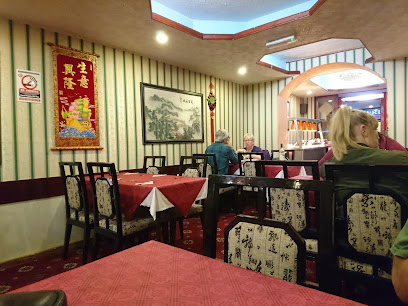
Home Restaurant
4.1 km
A cozy family-run restaurant in Dumfries serving creative, locally sourced Mediterranean-inspired dishes with heartfelt hospitality.
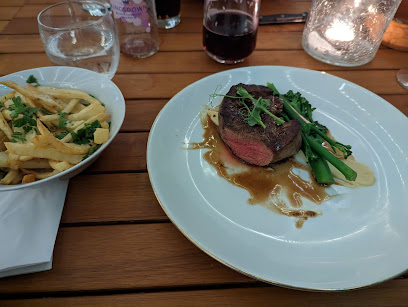
The Station Cafe Dumfries
4.2 km
A friendly, affordable cafe nestled in Dumfries Railway Station, perfect for a comforting breakfast or coffee break on your travels.
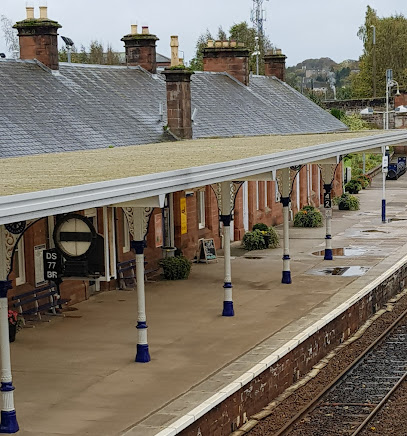
The Corner Eatery and Bar Store
4.2 km
A vibrant eatery in Dumfries serving fresh, homemade British cuisine with a welcoming atmosphere and a charming beer garden.
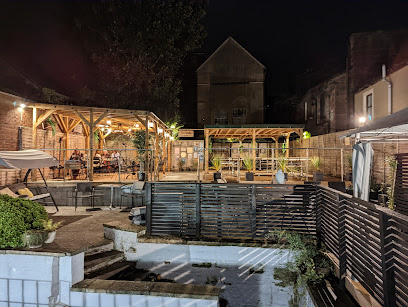
La Dolce Vita
4.2 km
Experience authentic Italian flavors and warm hospitality in the heart of Dumfries at La Dolce Vita, a charming and inclusive dining destination.
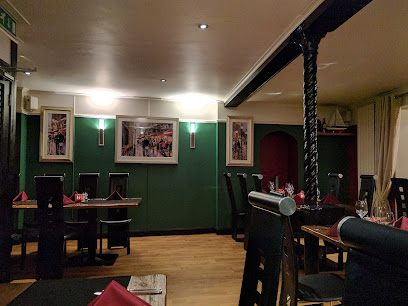
The Bank Bar and Tapas
4.2 km
A vibrant, fully gluten-free tapas bar in Dumfries blending international flavors with a lively social atmosphere and inclusive dining.
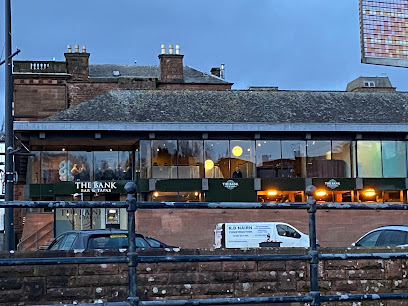
Granary
4.2 km
A vibrant Dumfries pub blending cozy dining, lively weekend entertainment, and community spirit in a welcoming setting.
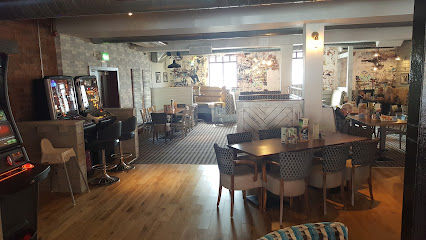
Truffles Bistro
4.2 km
Sophisticated yet cozy, Truffles Bistro in Dumfries serves exquisite local and international dishes in an inviting atmosphere.
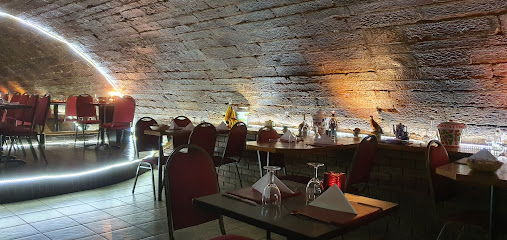
Markets, malls and hidden boutiques

Next
3.0 km
Trendy and spacious Next clothing store in Dumfries’ Cuckoo Bridge Retail Park, offering stylish fashion for all ages and occasions.

Unique Ukes in Dumfries
3.8 km
Discover handcrafted ukuleles and a vibrant music community at Unique Ukes, Dumfries’ premier ukulele shop on Gordon Street.
20 Castle Street
3.9 km
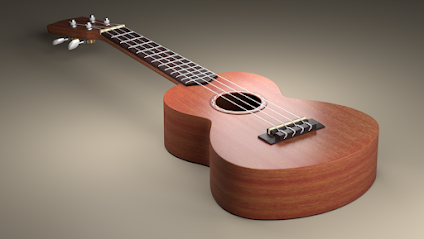
Discover unique gifts and timeless antiques with expert interior design at 20 Castle Street, nestled in the historic heart of Dumfries.
Vintage 109
4.0 km
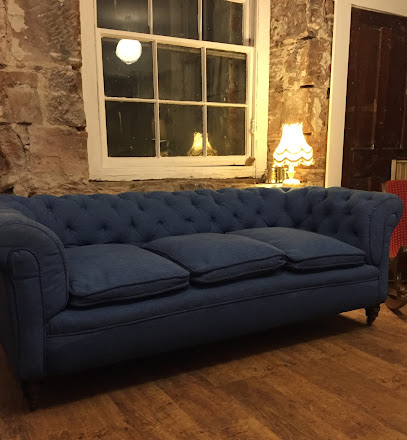
Discover Vintage 109, a cozy Dumfries boutique brimming with unique, well-priced vintage and handcrafted homewares that add charm to any space.
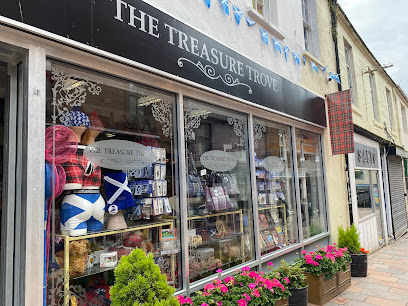
The Treasure Trove Dumfries
4.0 km
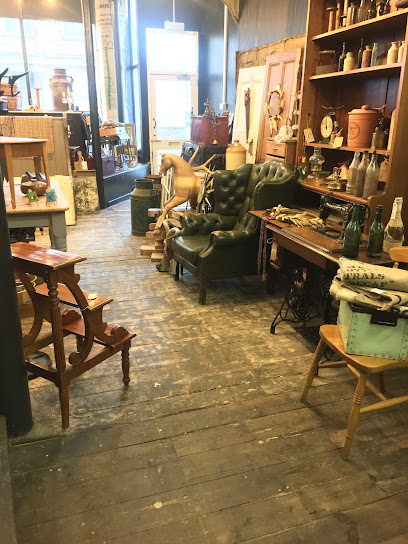
Discover unique Scottish gifts and artisan treasures in the heart of Dumfries at The Treasure Trove.
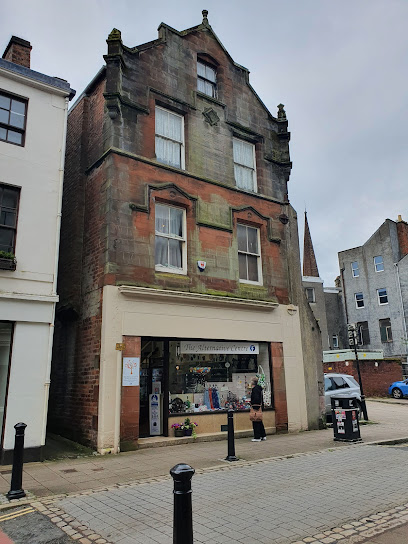
ALTERNATIVE CENTRE(DUMFRIES)
4.1 km
Discover unique local crafts and memorable gifts at Dumfries’ welcoming Alternative Centre on Queensberry Street.
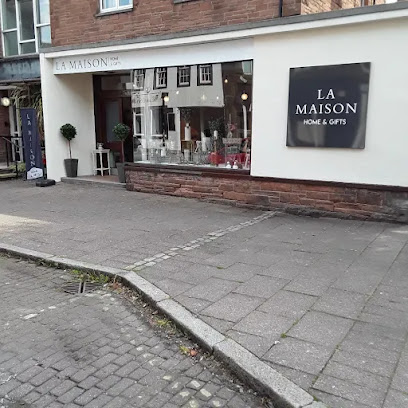
La Maison Home & Gifts
4.1 km
Discover unique homewares and gifts with a personal touch at La Maison, Dumfries’ boutique of curated elegance and local charm.
Circle Vintage
4.1 km
Explore the charm of Circle Vintage in Dumfries, your destination for unique and timeless fashion finds that celebrate the beauty of the past.

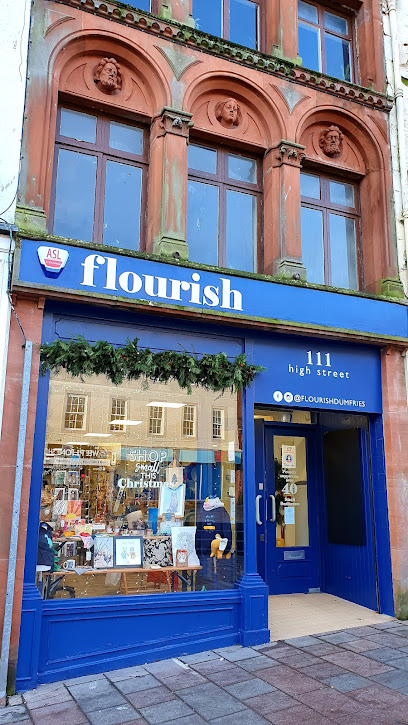
Flourish
4.2 km
Discover unique handcrafted gifts and local art at Flourish, Dumfries’ vibrant gift shop and creative studio on High Street.
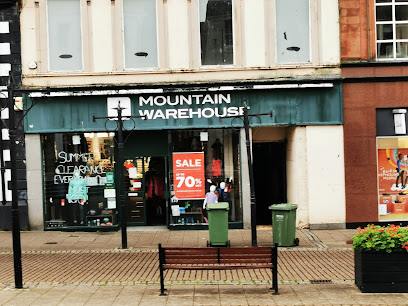
Mountain Warehouse Dumfries
4.3 km
Your go-to store in Dumfries for quality outdoor clothing and gear at moderate prices, catering to adventurers of all ages and skill levels.
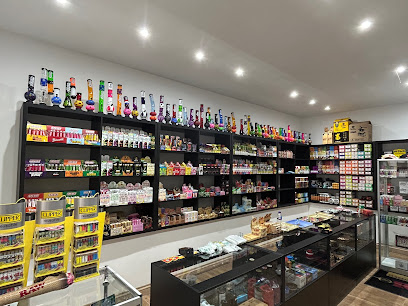
Think Something Different
4.3 km
Discover unique gifts and specialty products at Think Something Different, Dumfries’ go-to shop for eclectic finds and friendly service.
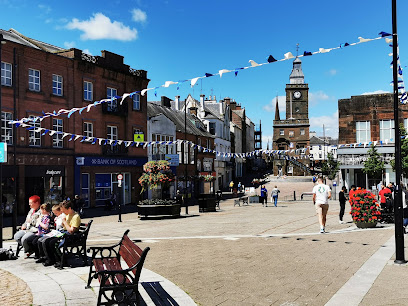
Loreburne Shopping Centre
4.3 km
A vibrant indoor shopping destination in the heart of Dumfries, blending high street brands with local charm and convenient amenities.
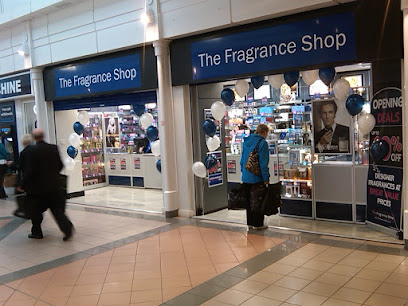
The Fragrance Shop
4.4 km
Discover affordable luxury perfumes and beauty essentials at The Fragrance Shop, Dumfries’ premier scent destination in the Lorebourne Centre.
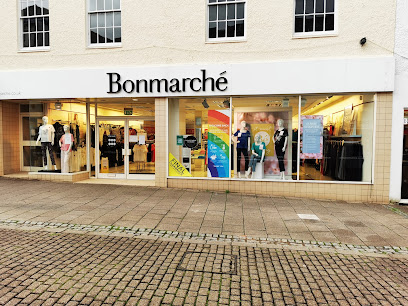
Bonmarché
4.4 km
Affordable and stylish ladies' fashion in the heart of Dumfries, with sizes 10-28 and expert styling advice.
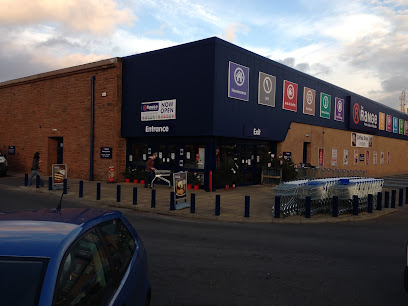
The Range, Dumfries
4.5 km
A versatile home and garden store in Dumfries offering extensive products for every lifestyle and living space.
Essential bars & hidden hideouts

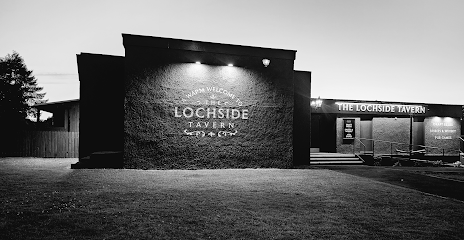
The Lochside Tavern
2.2 km
A cozy riverside pub in Dumfries offering local ales, hearty Scottish fare, and stunning loch views for an authentic experience.
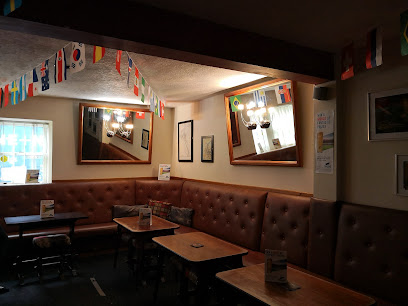
Salutation Inn
3.9 km
A friendly, historic pub in Dumfries Market Square known for excellent pints and a welcoming atmosphere.
Devorgilla Lounge Bar
4.0 km
A cozy, dog-friendly lounge bar in Dumfries offering friendly service, relaxed vibes, and affordable drinks in the heart of Market Square.
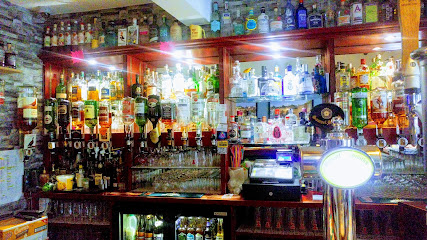
The Venue Dumfries
4.0 km
A vibrant hub for live music, nightlife, and social gatherings in the heart of Dumfries.

The Dougie Arms
4.0 km
A cosy, welcoming pub in Dumfries known for its diverse ales, friendly atmosphere, and inclusive community spirit.
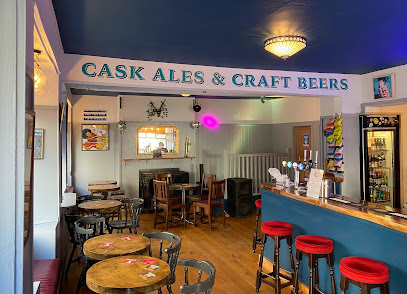
Hole I' The Wa' Inn
4.1 km
A historic and lively Dumfries pub offering authentic Scottish charm, good-value drinks, hearty food, and a welcoming community atmosphere.
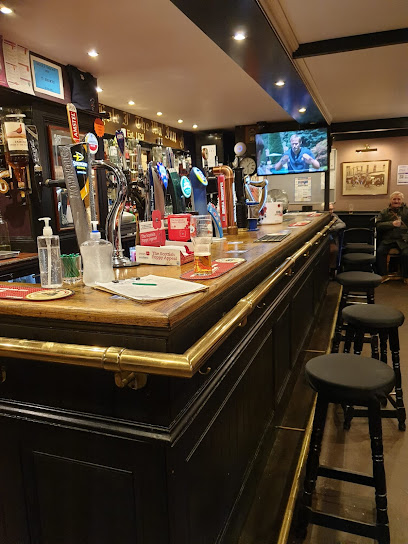
The Imperial
4.2 km
A friendly, fair-priced bar in the heart of Dumfries, perfect for relaxed socializing and local vibes.
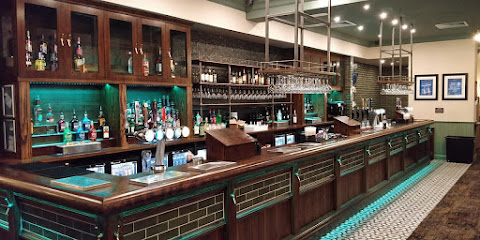
Coach & Horses Inn
4.2 km
Historic 1801 pub in Dumfries offering authentic Scottish charm, quality cask ales, and lively live music in a welcoming atmosphere.
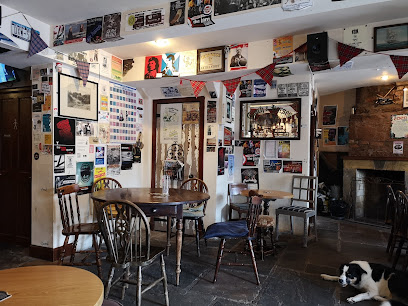
Chancers Night Club
4.2 km
Experience Dumfries nightlife at Chancers Night Club, where vibrant music and a lively atmosphere create unforgettable nights.
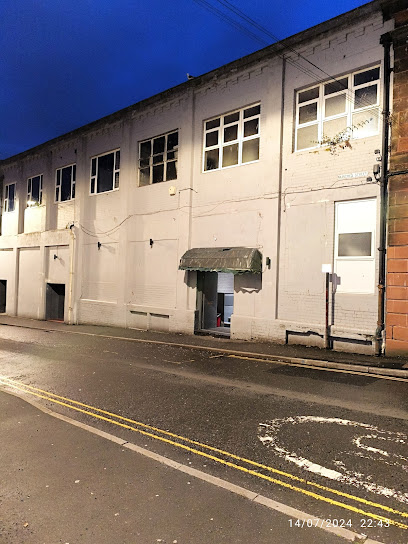
The Stag Bar
4.2 km
A cozy, friendly pub in Dumfries’ town centre offering craft ales and a welcoming atmosphere near the historic Midsteeple.
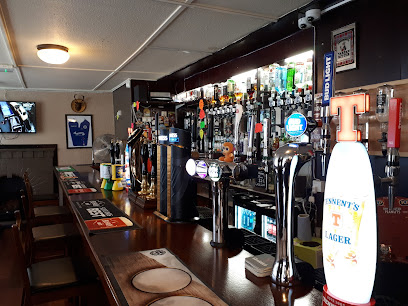
The Barrel
4.3 km
A friendly, traditional pub in Dumfries offering quality pints and a lively, welcoming atmosphere for locals and visitors alike.

Dickies Bar
4.3 km
Experience warm Scottish hospitality and local craft beers in the cozy, lively setting of Dickies Bar in Dumfries.
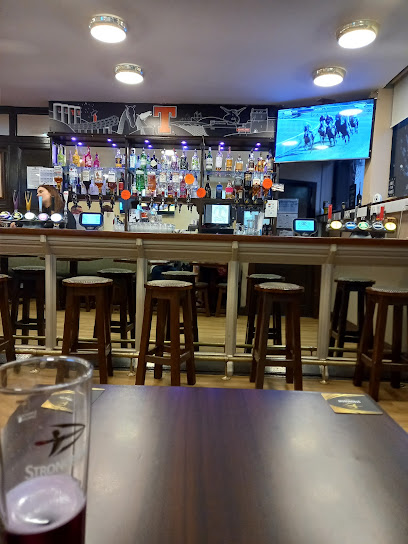
The Queensberry
4.3 km
A bright, comfortable bar and hotel in central Dumfries offering relaxed Scottish hospitality and cozy accommodation.

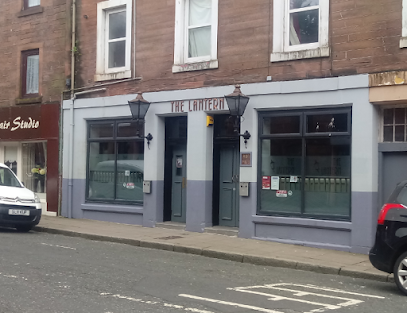
The Lantern
4.5 km
A friendly, dog-welcoming pub in Dumfries offering affordable drinks, live music, and a lively beer garden in a warm, traditional setting.
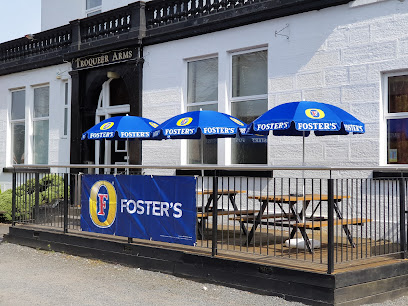
Troqueer Arms
4.7 km
A welcoming traditional pub in Dumfries offering great drinks, live music, and authentic Scottish charm at an affordable price.
Nightclubs & after hour spots

Railway Social Club
4.5 km
A friendly, community-focused social club in Dumfries offering affordable drinks, lively events, and a welcoming atmosphere near the town centre.
Black Box Music Institute
50.7 km
An intimate old-style nightclub and cultural hub in Carlisle offering live music, festivals, and art exhibitions in a vibrant setting.
Carlisle R A O B Club
50.8 km
Historic social club in Carlisle offering lively events and a welcoming atmosphere rooted in the Royal Antediluvian Order of Buffaloes tradition.

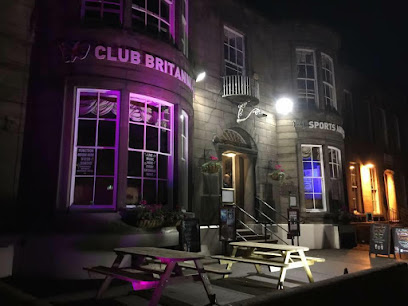
Club Britannia
51.2 km
A vibrant social club in Carlisle offering live music, friendly vibes, and affordable drinks in a smart, welcoming setting.
Secret Carlisle
51.4 km
Experience energetic nights and vibrant music at Secret Carlisle, the city centre nightclub where Carlisle’s historic charm meets modern nightlife.

The Galloway Bar
56.6 km
Discover the charm of Wigtown at The Galloway Bar, where locals gather for great drinks and unforgettable experiences.

Square One
65.4 km
Vibrant Hawick nightclub with dynamic music floors and a welcoming atmosphere at the heart of Drumlanrig Square.

Base Nightclub
65.8 km
Experience Hawick’s energetic nightlife at Base Nightclub, where vibrant music and lively crowds create unforgettable Friday nights.
The Border Club
66.1 km
Experience the vibrant local culture at The Border Club, a friendly social hub in Hawick, Scotland, perfect for travelers seeking community spirit.
Bridge Inn
68.0 km
Discover the scenic beauty and warm hospitality at Bridge Inn, Peebles' favorite pub overlooking the River Tweed.
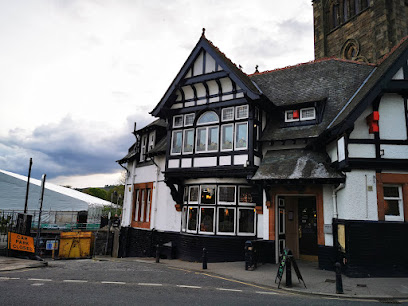
The Neidpath Inn
68.1 km
Discover The Neidpath Inn, a vibrant bar and bed & breakfast in Peebles, offering delicious cuisine, live music, and a cozy atmosphere for all visitors.
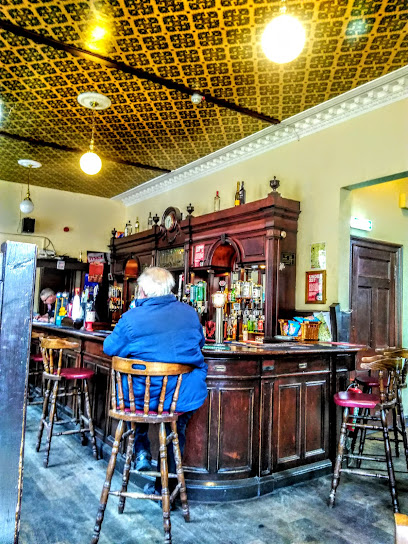
The County
68.1 km
A lively, dog-friendly pub and restaurant in Peebles offering hearty meals, great drinks, and warm Scottish hospitality in a central setting.
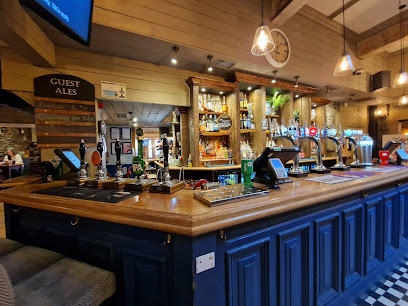
The Central Bar
68.3 km
Experience the heart of Peebles at The Central Bar, where local charm and refreshing drinks await every visitor.
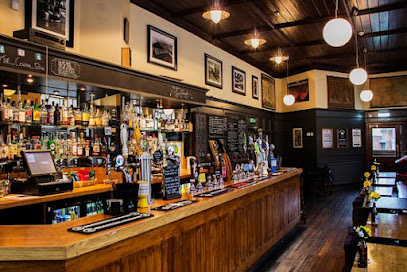
The Cross Keys - Peebles
68.3 km
Historic inn and cozy hotel in Peebles town centre, blending traditional charm with modern comfort and a lively pub atmosphere.
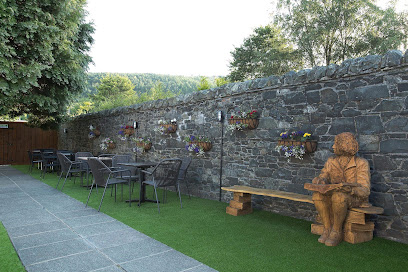
Union Club
68.7 km
A friendly, community-run social club with snooker and events, offering a welcoming and affordable night out in Innerleithen.
For the vibe & atmosphere seeker
- Tranquil
- Scenic
- Unique
- Casual
For the design and aesthetic lover
- Rustic Designs
For the architecture buff
- Historic
- Landmarks
For the view chaser and sunset hunter
- Iconic Views
- Panoramas
For the social media creator & influencer
- Instagrammable
- Photo Spots
For the eco-conscious traveler
- Protected Area
- Public-Transport Accessible
- Leave-No-Trace Critical
- Locally Managed
For the kind of experience you’re after
- Cultural Heritage
- Myth & Legends
- Photowalk
- Day Trip
- Nature Escape
For how adventurous you want the journey to be
- Easy Access
Location Audience
- Family Friendly
- Senior Friendly
- Child Friendly
- Teen Friendly
- Wheelchair Access
- Pet Friendly
- Solo Friendly
- Couple Friendly
- Solo Female Friendly


