
Lincluden Collegiate Church: Scotland’s Gothic Ruin of Noble Legacy
Explore the hauntingly beautiful ruins of Lincluden Collegiate Church, a masterpiece of Scottish Gothic architecture and noble heritage.
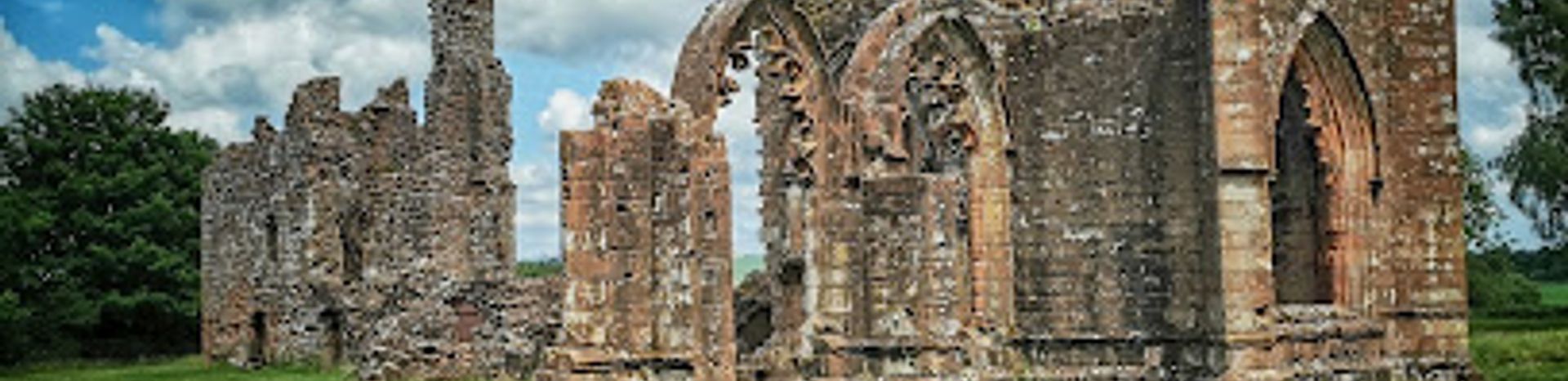
Lincluden Collegiate Church, near Dumfries, is a striking medieval ruin originally founded as a Benedictine nunnery in the 1160s. Rebuilt around 1400 by Archibald the Grim, it became a collegiate church showcasing some of Scotland’s finest Gothic architecture. The site features the monumental tomb of Princess Margaret and evocative remnants of religious and domestic buildings, set beside the River Nith in a tranquil, historic landscape.
A brief summary to Lincluden Collegiate Church
- Abbey Ln, Dumfries, DG2 0DG, GB
- Visit website
- Duration: 0.5 to 2 hours
- Free
-
 Outdoor
- Mobile reception: 4 out of 5
Local tips
- Visit in the morning or late afternoon for the best natural light illuminating the Gothic stonework.
- Wear sturdy footwear as paths around the ruins can be uneven and muddy, especially after rain.
- Take time to view the tomb of Princess Margaret and the intricately carved pulpitum in the choir.
- Bring a camera for atmospheric photos of the ruins against the backdrop of the River Nith.
- Check for any local heritage events or guided tours that may offer deeper insights into the site’s history.

For the on-the-go comforts that matter to you
- Information Boards
- Seating Areas
- Trash Bins
Getting There
-
Bus
Take the Stagecoach bus service from Dumfries town center to the Lincluden area, a journey of approximately 15-20 minutes. Buses run frequently during the day, with tickets costing around £2-£4. From the stop, a short walk of about 300 meters on uneven paths leads to the church ruins.
-
Car
Driving from Dumfries town center, the church is about a 5-minute drive. Limited street parking is available nearby, but spaces can be scarce during peak times. The access road includes narrow sections and some uneven surfaces. No dedicated parking lot is provided.
-
Walking
For those staying in Dumfries, a walk of approximately 3 kilometers (about 35-45 minutes) follows quiet residential streets and riverside paths. Terrain is mostly flat but can be muddy after rain. Suitable for visitors with moderate mobility.
Lincluden Collegiate Church location weather suitability
-
 Any Weather
-
 Rain / Wet Weather
-
 Clear Skies
-
 Mild Temperatures
Discover more about Lincluden Collegiate Church
From Nunnery to Collegiate Church: A Tale of Transformation
Lincluden Collegiate Church began life as a Benedictine nunnery founded circa 1160, likely by Uchtred, son of Fergus, Lord of Galloway. The priory stood for centuries until the late 14th century when Archibald ‘the Grim’, Lord of Galloway and 3rd Earl of Douglas, petitioned the Pope to replace the nunnery due to alleged moral and physical decay. The nuns were expelled, and the site was transformed into a collegiate church with a provost, priests, and bedesmen tasked with praying for Archibald’s family. This marked a significant shift in the site’s religious and social role, reflecting changing ecclesiastical and noble priorities in medieval Scotland.Architectural Grandeur and Artistic Highlights
Constructed around 1400, the collegiate church is attributed to John Morrow, a master mason renowned for his skill. The surviving choir is one of Scotland’s finest examples of Gothic architecture, featuring a richly decorated stone pulpitum adorned with angels, cherubs, and scenes from Christ’s life. The choir also contains a sedilia for priests and a piscina for washing communion vessels. Among its most notable features is the monumental tomb of Princess Margaret, Lady of Galloway and daughter of King Robert III, who died in 1450. The tomb and nearby sacristy door remain focal points amid the evocative ruins.Historical Shifts and Decline
The church survived the Protestant Reformation of 1560, with the last mass held in the 1580s. Around 1590, the last provost departed, and ownership passed to the Maxwell family, who converted the collegiate church’s domestic ranges into a mansion house. By the late 1600s, the site was abandoned and later used as a stone quarry. In 1882, efforts began to conserve and stabilize the ruins, which eventually came under state care. Despite periods of vandalism, including damage to Princess Margaret’s effigy, conservation efforts have preserved the site’s historic fabric.Setting and Visitor Experience
Lincluden Collegiate Church is situated in a bend of the Cluden Water near its confluence with the River Nith, on the edge of a modern housing estate. The ruins include largely intact choir walls, vaulted domestic ranges, and the remains of a tower house. The surrounding landscape offers a peaceful atmosphere with scenic river views. Visitors can explore the evocative stonework, intricate carvings, and the atmospheric ruins that tell stories of medieval Scotland’s religious, noble, and architectural heritage.Legacy and Cultural Significance
The site embodies centuries of Scottish history, from monastic origins through noble patronage to post-Reformation adaptation. It stands as a testament to the complex social and religious transformations of the region. The tomb of Princess Margaret connects Lincluden to Scotland’s royal lineage, while the architectural mastery of John Morrow highlights the artistic achievements of the period. Today, Lincluden Collegiate Church is a protected scheduled monument, valued for its heritage and evocative ruins.Conservation and Access Today
Managed by Historic Environment Scotland, the site is open year-round with free entry, though facilities are limited. Conservation efforts focus on maintaining the ruins and protecting delicate features. The site’s quiet setting and historic ambiance make it a compelling destination for those interested in medieval architecture, Scottish history, and tranquil exploration.Iconic landmarks you can’t miss

Dumfries Tours
1.5 km
Explore Dumfries with immersive tours that blend history, culture, and stunning landscapes for an unforgettable experience.
Dumfries
1.7 km
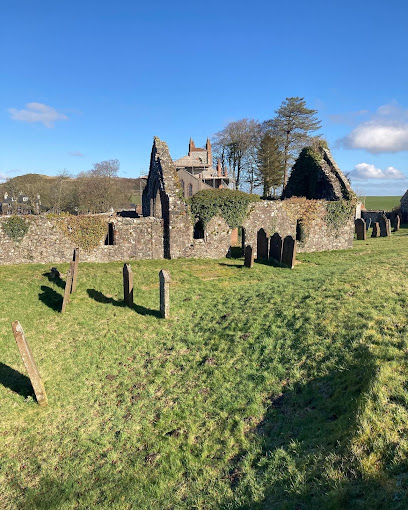
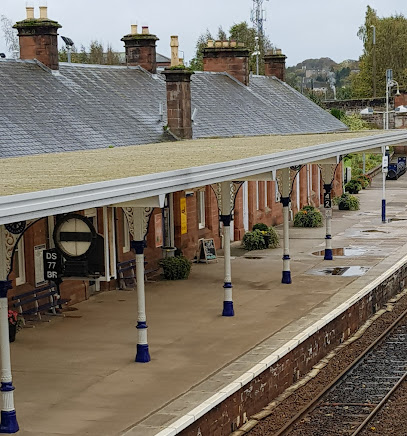
Historic and accessible Dumfries Railway Station connects Scotland’s southwest with modern amenities and rich heritage.
Queensberry Monument
1.9 km
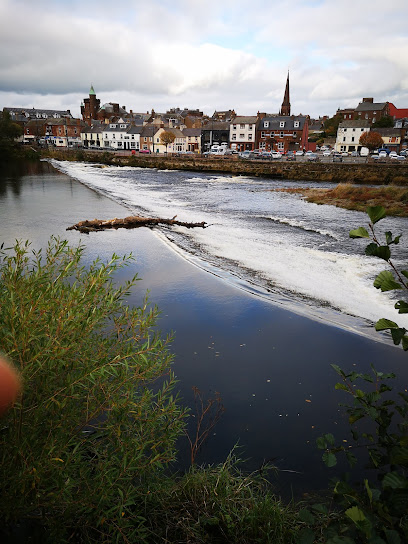
An elegant 18th-century stone column in Dumfries honoring the 3rd Duke of Queensberry and the town’s noble heritage.
Dumfries Historic Buildings Trust
2.0 km
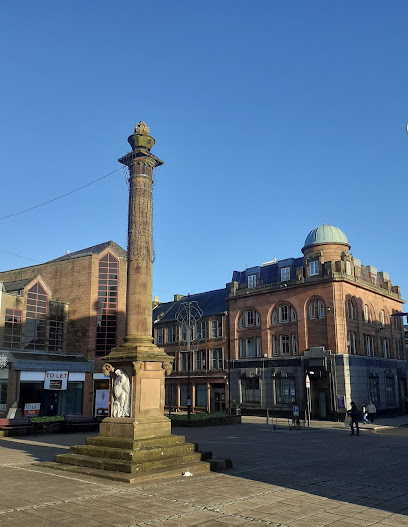
Discover the architectural heritage of Dumfries at the Dumfries Historic Buildings Trust, where history is preserved for future generations.
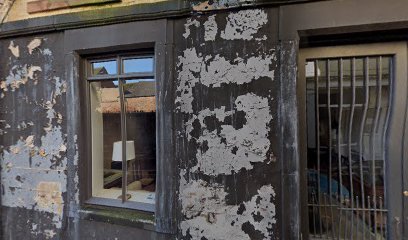
Kingdom Scotland
3.8 km
Discover tranquility at Kingdom Scotland, a serene religious institution in Dumfries that invites spiritual reflection and community connection.

Fourmerkland Tower
6.4 km
Discover the tranquil charm and rich history of Fourmerkland Tower, a secluded 16th-century Scottish tower house near Dumfries.
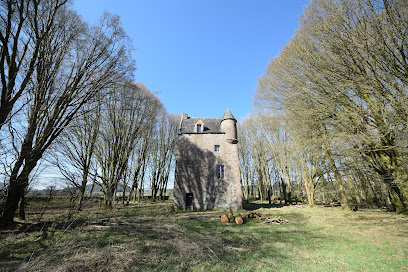
Comyn's Tower
6.5 km
Explore Comyn's Tower near Dumfries, a medieval stronghold entwined with Scotland’s dramatic history and the legacy of the Comyn clan.
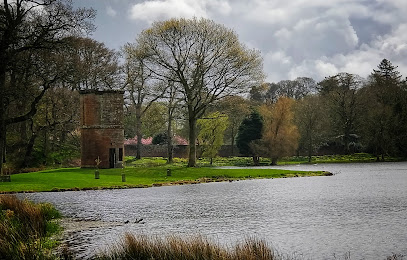
Isle Tower
10.8 km
Explore Isle Tower, a serene 17th-century Scottish tower house ruin guarding historic routes near Dumfries in picturesque Dumfries and Galloway.
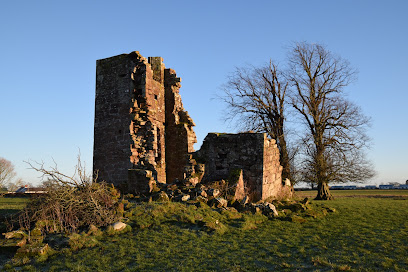
Waterloo Monument
12.4 km
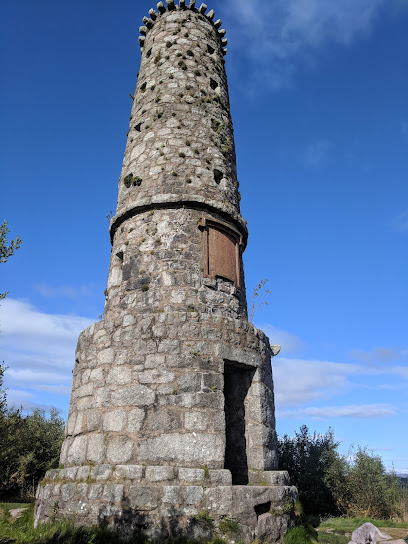
A 150-foot stone tower on Peniel Heugh, built to commemorate the Battle of Waterloo and offering panoramic views across the Scottish Borders and Solway Firth.
Wardlaw Hillfort
12.6 km
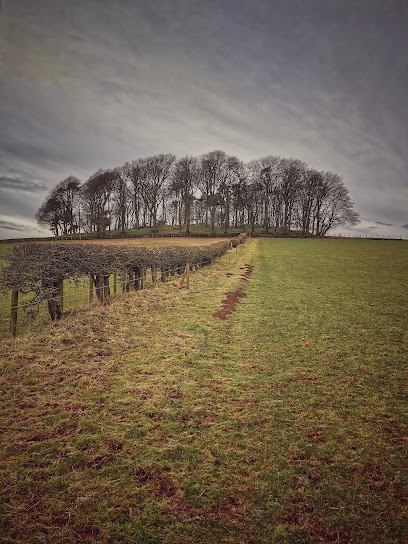
Explore the ancient moated triangular hillfort near Dumfries with panoramic views and rich prehistoric heritage.
Little Dalton Kirk
12.7 km
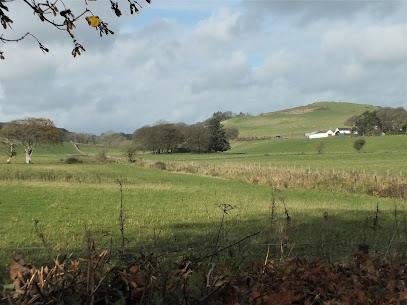
Discover the evocative ruins of Little Dalton Kirk, a medieval parish church nestled in tranquil Scottish countryside near Lockerbie.
Mossband Residential Park
14.7 km
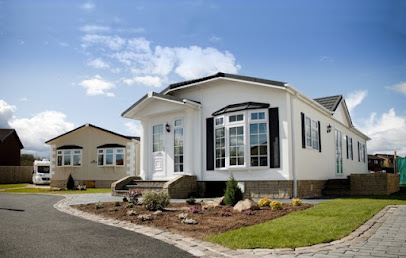
Tranquil rural living with modern comforts and scenic views near Dumfries in the heart of Scotland’s countryside.
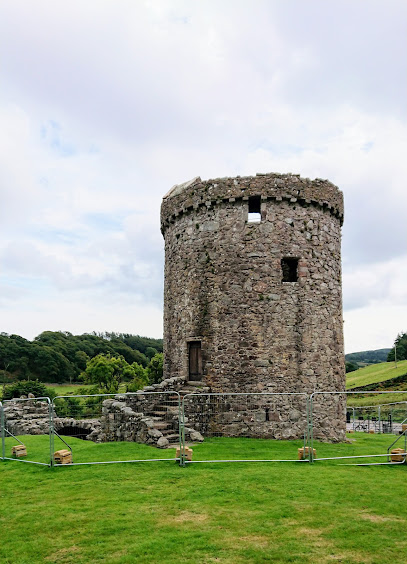
Orchardton Tower
27.2 km
Discover Scotland’s only free-standing circular tower house, a rare medieval fortress steeped in history and legend near Castle Douglas.
Threave Garden
27.4 km
Discover the tranquility and beauty of Threave Garden, a botanical paradise in Castle Douglas, Scotland, perfect for nature lovers and tranquility seekers.

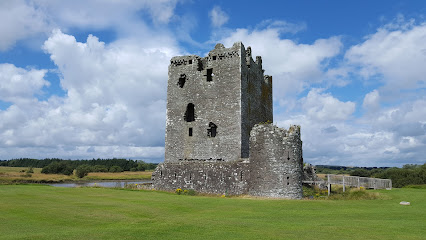
Threave Castle
27.5 km
Explore the medieval charm and natural beauty of Threave Castle, a hidden gem in Dumfries and Galloway, Scotland, perfect for history lovers and nature enthusiasts alike.
Unmissable attractions to see

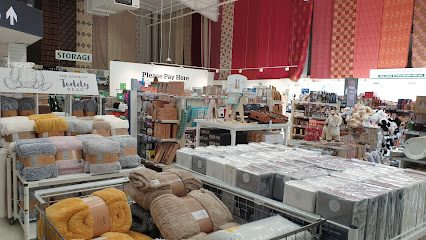
Cuckoo Bridge Retail Park
1.1 km
Dumfries’ main retail park with Tesco Extra, B&M, Dunelm, KFC, Costa and more – a practical, car‑friendly hub for everyday shopping and essentials.
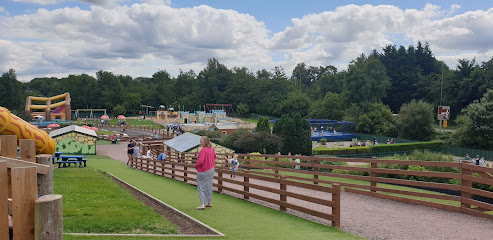
Dalscone Farm Fun
1.7 km
A vibrant family farm in Dumfries offering indoor soft play, outdoor adventures, animal encounters, and Scotland’s largest toyshop.
Robert Burns Statue
1.7 km
A majestic marble tribute to Robert Burns, standing proudly in Dumfries’ historic Burns Statue Square.
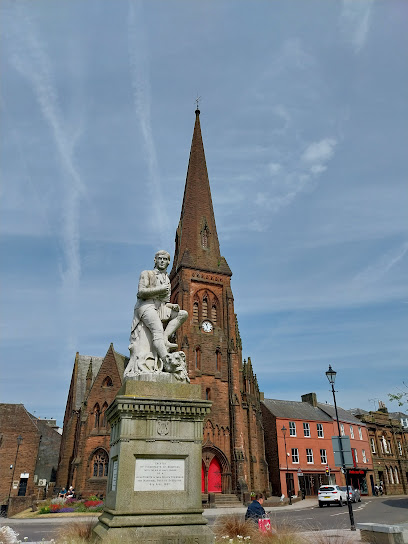
Dumfries & Galloway Family History Society
1.8 km
Discover your roots and explore South West Scotland’s rich heritage at the Dumfries & Galloway Family History Society Research Centre.
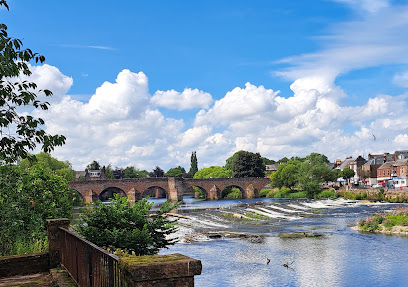
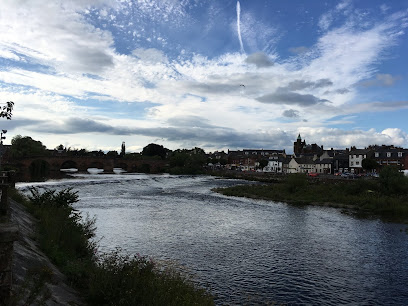
Devorgilla Bridge
1.9 km
Explore the captivating Devorgilla Bridge, an architectural masterpiece and historical landmark nestled in the heart of Dumfries, Scotland.
Old Bridge House
1.9 km
Explore Dumfries’ oldest house ingeniously built into a historic bridge, revealing centuries of local life and heritage by the River Nith.
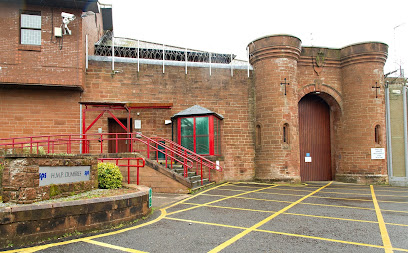
HMP Dumfries
1.9 km
Historic 19th-century prison in Dumfries serving local courts and national sex offender population with a unique castellated architecture.
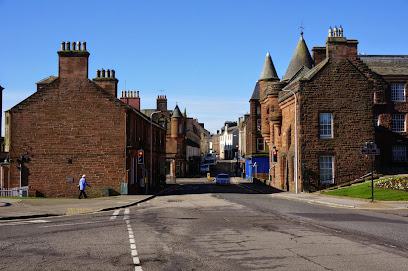
VisitScotland Dumfries iCentre
2.0 km
Friendly and knowledgeable visitor centre offering expert local advice and resources in the heart of Dumfries.
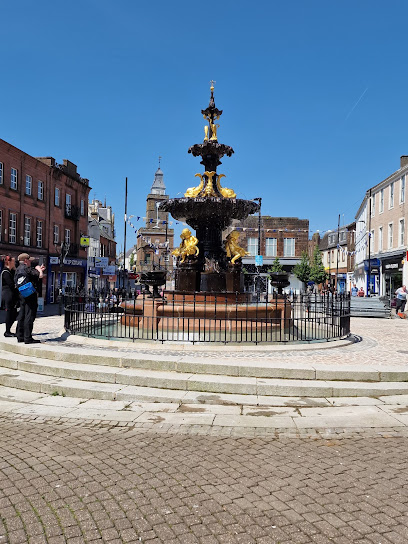
Dumfries Fountain
2.0 km
Discover the Dumfries Fountain, a stunning historical landmark in Dumfries, showcasing the town's rich culture and architectural beauty.
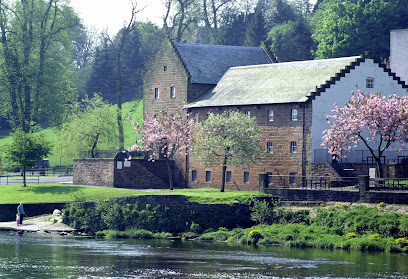
Robert Burns Centre
2.1 km
Discover the life and legacy of Robert Burns in Dumfries’ historic watermill, featuring immersive exhibits and a vibrant independent film theatre.
Dumfries Museum
2.2 km
Explore Dumfries’ rich heritage and the world’s oldest working camera obscura in this captivating museum of history and science.
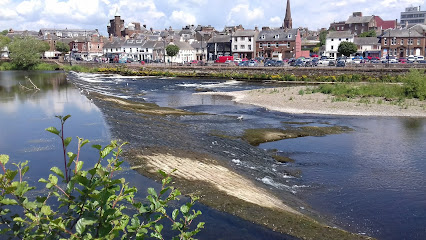
Robert Burns House
2.2 km
Explore the intimate final home of Robert Burns in Dumfries, where Scotland’s national poet lived, wrote, and left a lasting legacy.
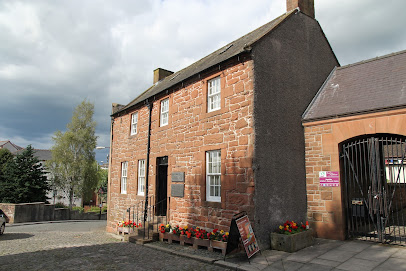
Lockerbie Road off-road driving course
2.3 km
Experience the thrill of off-road driving on varied terrain with expert guidance at Dumfries’ premier off-road course.
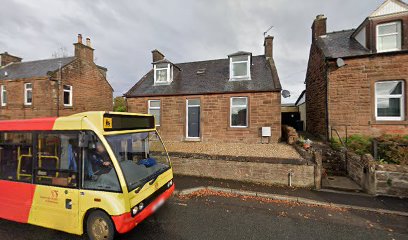
St Michael’s and South Parish Church
2.4 km
Discover Dumfries’ oldest church, a historic landmark rich with medieval pillars, stunning stained glass, and the Burns’ Mausoleum.
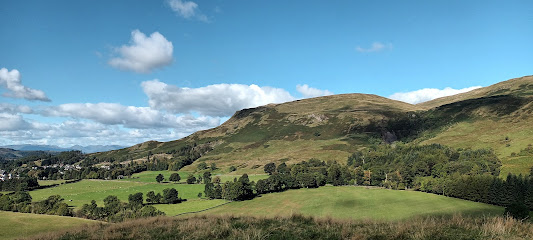
Burns Mausoleum
2.4 km
Final resting place of Robert Burns in a historic Dumfries churchyard, surrounded by centuries of Scottish stories and monuments.
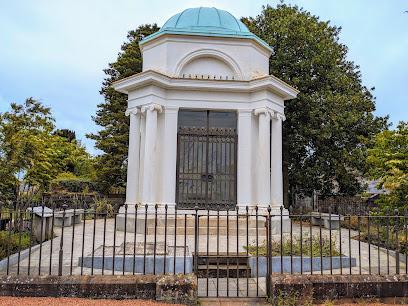
Essential places to dine

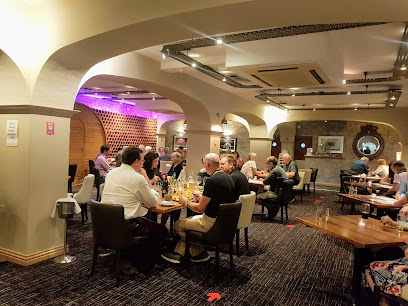
Casa Mia Dumfries
0.8 km
Stylish modern European dining in Dumfries with exceptional vegan options and warm, attentive service.
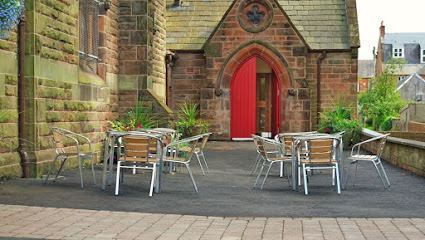
The Usual Place
1.6 km
A charming, community-focused café in a converted church offering fresh, ethical meals and warm hospitality in Dumfries.
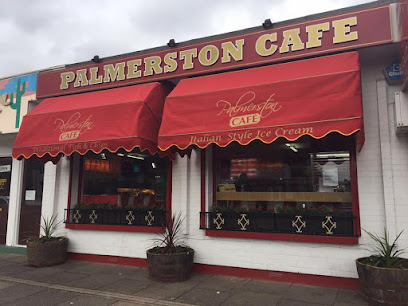
Palmerston Cafe
1.7 km
A family-run Dumfries classic serving award-winning fish & chips and authentic Italian ice cream since 1969.
N'Dulge
1.7 km
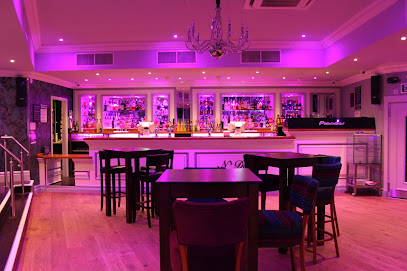
Discover N'Dulge: A lively bar & grill in Dumfries serving delicious meals and refreshing drinks in an inviting atmosphere.
The Back Street
1.7 km
A vibrant hub for modern British cuisine and local drinks in the heart of Dumfries town centre, blending passion with a welcoming atmosphere.
The Station Cafe Dumfries
1.7 km
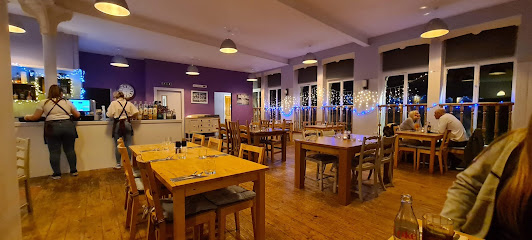
A friendly, affordable cafe nestled in Dumfries Railway Station, perfect for a comforting breakfast or coffee break on your travels.
Cavens Arms
1.7 km
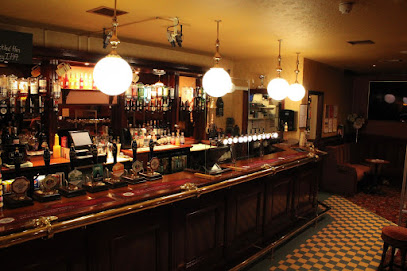
A welcoming Dumfries pub offering hearty traditional fare, a dedicated vegan menu, and a friendly atmosphere in the town centre.
Ivanos Italian Food
1.8 km
Casual Italian takeaway and pizza delivery in Dumfries, serving authentic flavors with a friendly local touch.
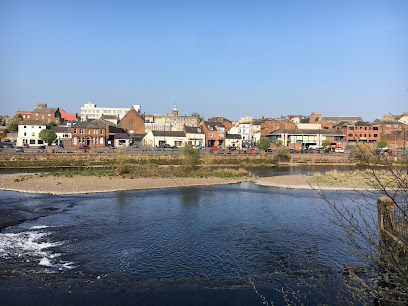
The New Oriental Restaurant
1.8 km
Authentic Chinese dining in the heart of Dumfries, known for fresh ingredients and friendly service in a cozy setting.
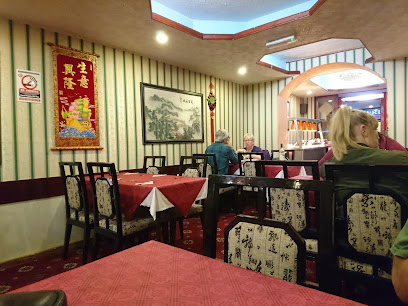
Granary
1.9 km
A vibrant Dumfries pub blending cozy dining, lively weekend entertainment, and community spirit in a welcoming setting.
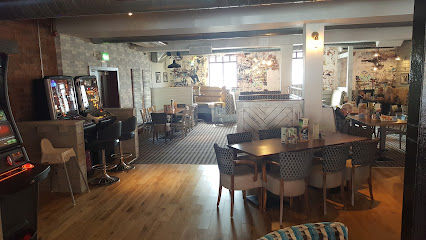
Home Restaurant
1.9 km
A cozy family-run restaurant in Dumfries serving creative, locally sourced Mediterranean-inspired dishes with heartfelt hospitality.
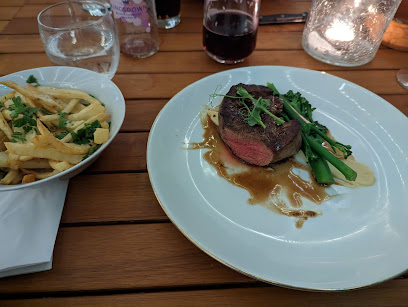
The Corner Eatery and Bar Store
2.0 km
A vibrant eatery in Dumfries serving fresh, homemade British cuisine with a welcoming atmosphere and a charming beer garden.
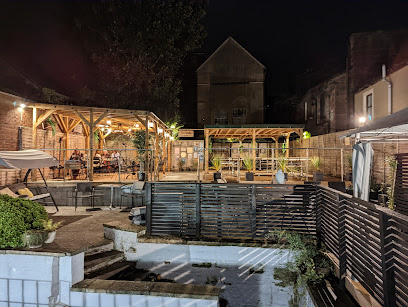
La Dolce Vita
2.0 km
Experience authentic Italian flavors and warm hospitality in the heart of Dumfries at La Dolce Vita, a charming and inclusive dining destination.
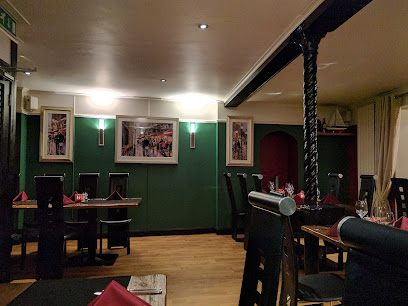
Truffles Bistro
2.0 km
Sophisticated yet cozy, Truffles Bistro in Dumfries serves exquisite local and international dishes in an inviting atmosphere.
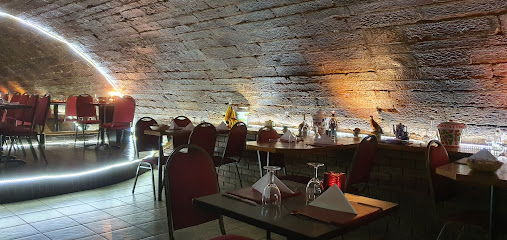
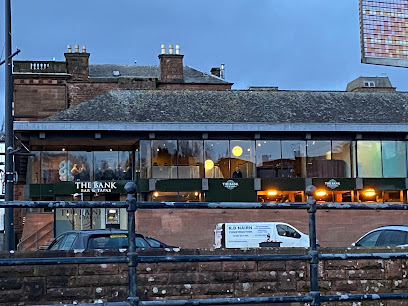
The Bank Bar and Tapas
2.0 km
A vibrant, fully gluten-free tapas bar in Dumfries blending international flavors with a lively social atmosphere and inclusive dining.
Markets, malls and hidden boutiques

Next
0.9 km
Trendy and spacious Next clothing store in Dumfries’ Cuckoo Bridge Retail Park, offering stylish fashion for all ages and occasions.

Unique Ukes in Dumfries
1.6 km
Discover handcrafted ukuleles and a vibrant music community at Unique Ukes, Dumfries’ premier ukulele shop on Gordon Street.
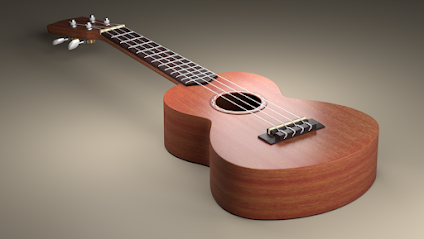
20 Castle Street
1.6 km
Discover unique gifts and timeless antiques with expert interior design at 20 Castle Street, nestled in the historic heart of Dumfries.
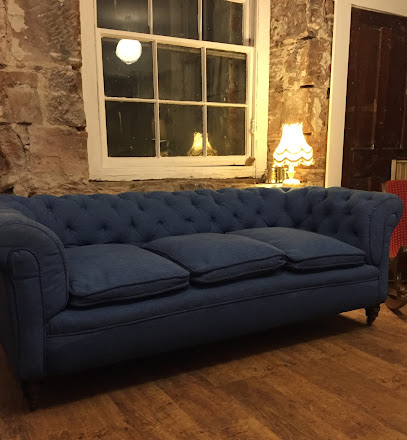
Vintage 109
1.7 km
Discover Vintage 109, a cozy Dumfries boutique brimming with unique, well-priced vintage and handcrafted homewares that add charm to any space.
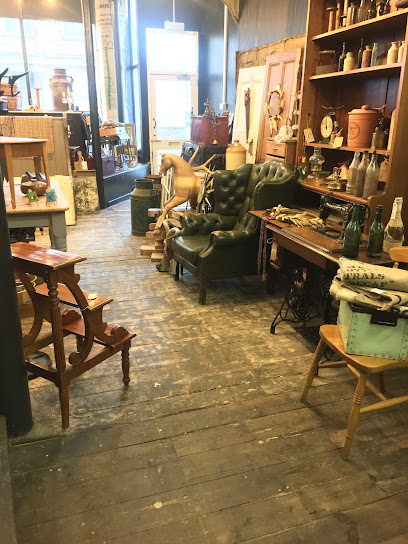
The Treasure Trove Dumfries
1.8 km
Discover unique Scottish gifts and artisan treasures in the heart of Dumfries at The Treasure Trove.
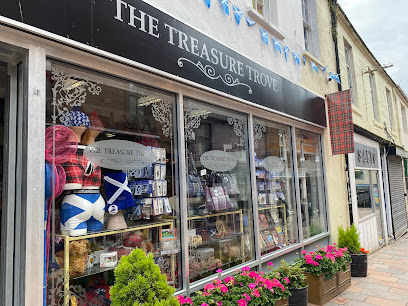
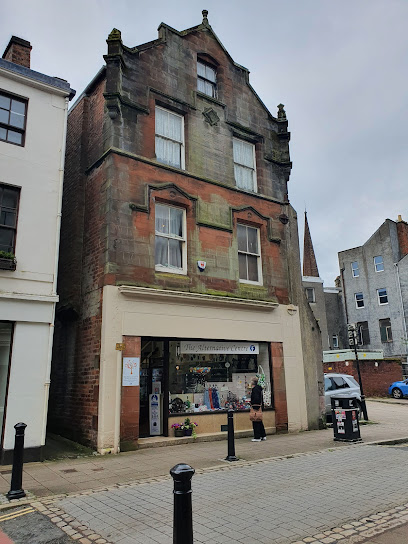
ALTERNATIVE CENTRE(DUMFRIES)
1.8 km
Discover unique local crafts and memorable gifts at Dumfries’ welcoming Alternative Centre on Queensberry Street.
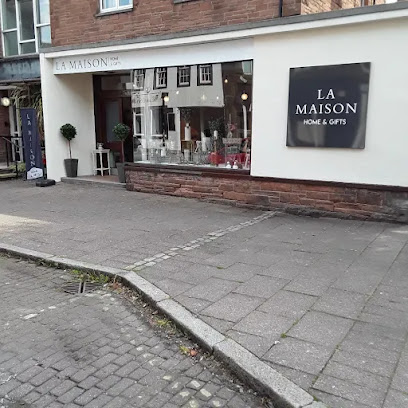
La Maison Home & Gifts
1.8 km
Discover unique homewares and gifts with a personal touch at La Maison, Dumfries’ boutique of curated elegance and local charm.
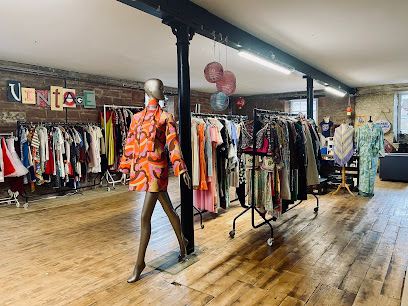
Circle Vintage
1.9 km
Explore the charm of Circle Vintage in Dumfries, your destination for unique and timeless fashion finds that celebrate the beauty of the past.
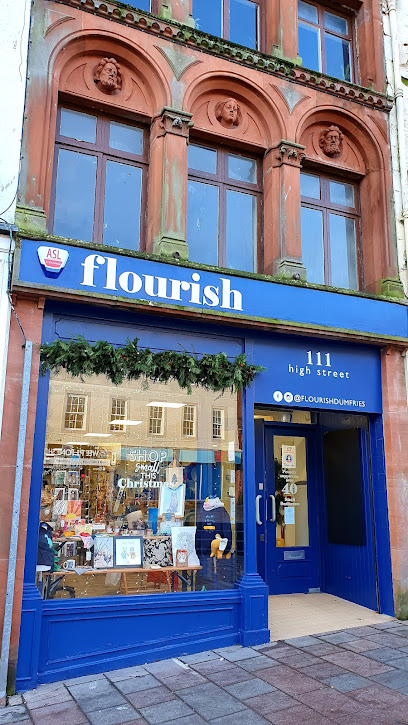
Flourish
1.9 km
Discover unique handcrafted gifts and local art at Flourish, Dumfries’ vibrant gift shop and creative studio on High Street.
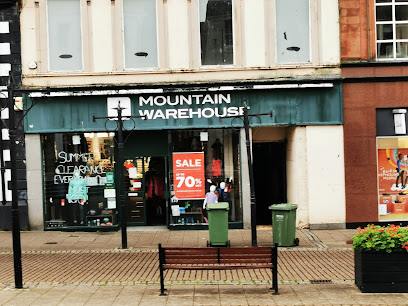
Mountain Warehouse Dumfries
2.0 km
Your go-to store in Dumfries for quality outdoor clothing and gear at moderate prices, catering to adventurers of all ages and skill levels.
Think Something Different
2.0 km
Discover unique gifts and specialty products at Think Something Different, Dumfries’ go-to shop for eclectic finds and friendly service.
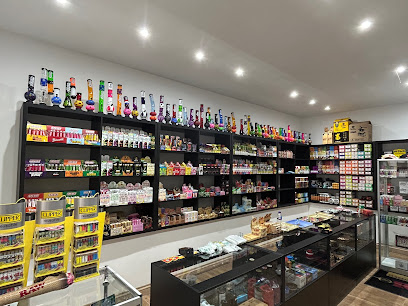
Lunar
2.0 km
Explore Lunar Gift Shop in Dumfries for unique gifts and local treasures that make perfect souvenirs from your Scottish adventure.

The Range, Dumfries
2.1 km
A versatile home and garden store in Dumfries offering extensive products for every lifestyle and living space.
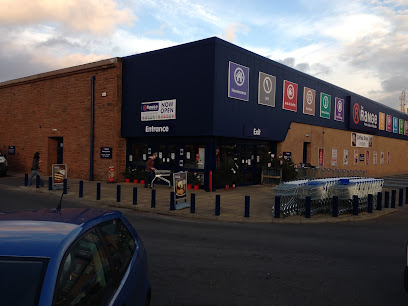
Loreburne Shopping Centre
2.1 km
A vibrant indoor shopping destination in the heart of Dumfries, blending high street brands with local charm and convenient amenities.
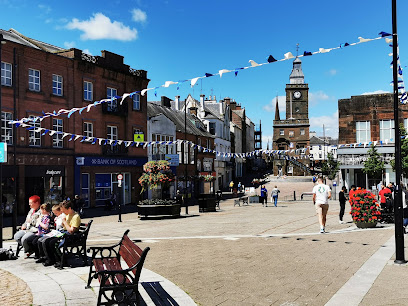
Bonmarché
2.1 km
Affordable and stylish ladies' fashion in the heart of Dumfries, with sizes 10-28 and expert styling advice.

Essential bars & hidden hideouts

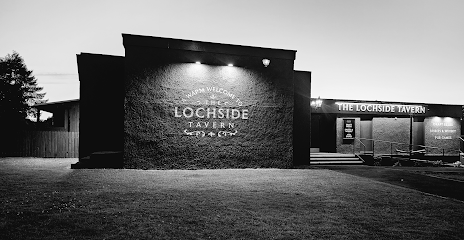
The Lochside Tavern
1.5 km
A cozy riverside pub in Dumfries offering local ales, hearty Scottish fare, and stunning loch views for an authentic experience.
The Venue Dumfries
1.7 km
A vibrant hub for live music, nightlife, and social gatherings in the heart of Dumfries.

The Dougie Arms
1.8 km
A cosy, welcoming pub in Dumfries known for its diverse ales, friendly atmosphere, and inclusive community spirit.
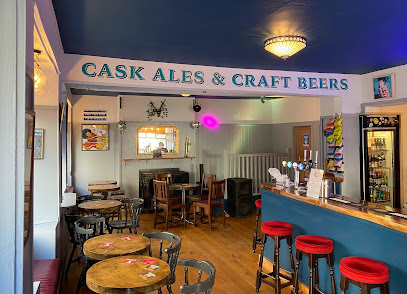
Hole I' The Wa' Inn
1.8 km
A historic and lively Dumfries pub offering authentic Scottish charm, good-value drinks, hearty food, and a welcoming community atmosphere.
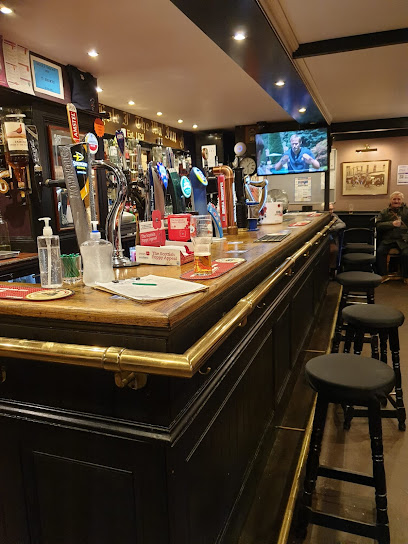
Salutation Inn
1.8 km
A friendly, historic pub in Dumfries Market Square known for excellent pints and a welcoming atmosphere.
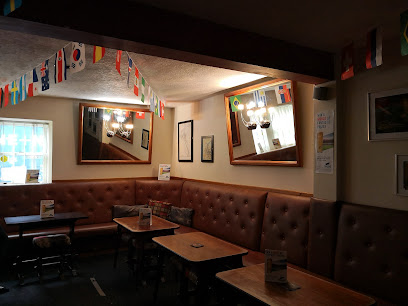
Devorgilla Lounge Bar
1.9 km
A cozy, dog-friendly lounge bar in Dumfries offering friendly service, relaxed vibes, and affordable drinks in the heart of Market Square.
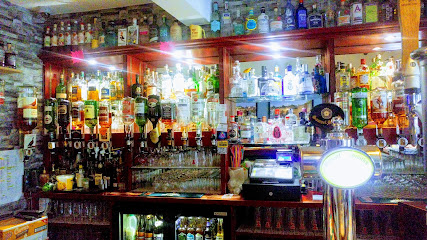
The Imperial
1.9 km
A friendly, fair-priced bar in the heart of Dumfries, perfect for relaxed socializing and local vibes.
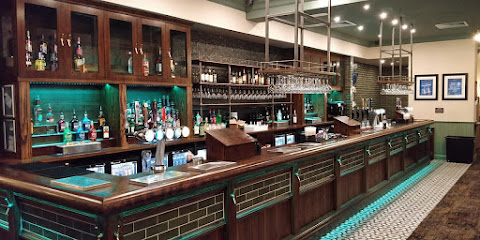
Chancers Night Club
1.9 km
Experience Dumfries nightlife at Chancers Night Club, where vibrant music and a lively atmosphere create unforgettable nights.
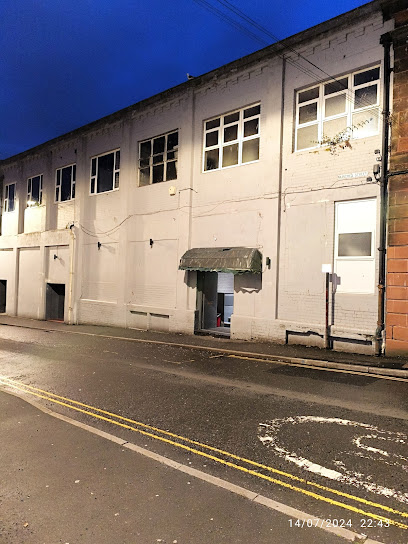
The Stag Bar
2.0 km
A cozy, friendly pub in Dumfries’ town centre offering craft ales and a welcoming atmosphere near the historic Midsteeple.
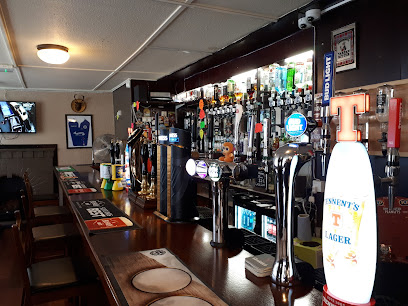
Dickies Bar
2.0 km
Experience warm Scottish hospitality and local craft beers in the cozy, lively setting of Dickies Bar in Dumfries.
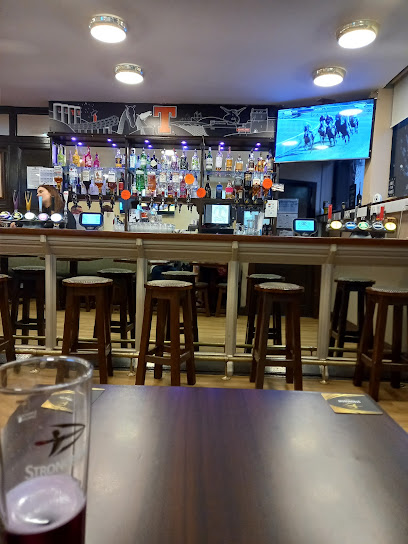
Coach & Horses Inn
2.0 km
Historic 1801 pub in Dumfries offering authentic Scottish charm, quality cask ales, and lively live music in a welcoming atmosphere.
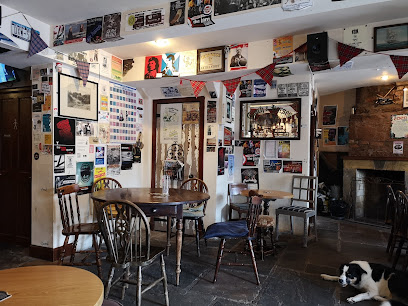
The Barrel
2.0 km
A friendly, traditional pub in Dumfries offering quality pints and a lively, welcoming atmosphere for locals and visitors alike.

The Queensberry
2.0 km
A bright, comfortable bar and hotel in central Dumfries offering relaxed Scottish hospitality and cozy accommodation.
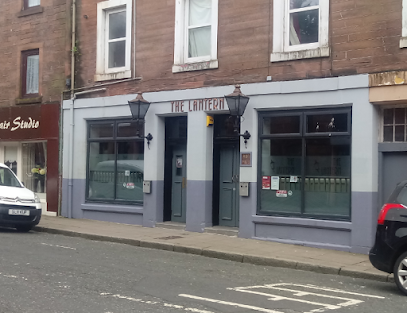
The Lantern
2.2 km
A friendly, dog-welcoming pub in Dumfries offering affordable drinks, live music, and a lively beer garden in a warm, traditional setting.
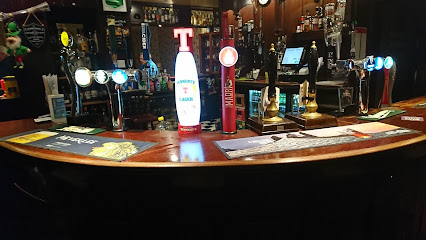
The Pleuchie's Howff
2.3 km
A family-run Dumfries pub blending traditional Scottish charm with lively live music and a welcoming community vibe.
Nightclubs & after hour spots

Railway Social Club
2.1 km
A friendly, community-focused social club in Dumfries offering affordable drinks, lively events, and a welcoming atmosphere near the town centre.

Black Box Music Institute
48.3 km
An intimate old-style nightclub and cultural hub in Carlisle offering live music, festivals, and art exhibitions in a vibrant setting.
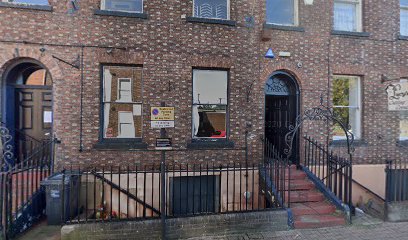
Carlisle R A O B Club
48.4 km
Historic social club in Carlisle offering lively events and a welcoming atmosphere rooted in the Royal Antediluvian Order of Buffaloes tradition.
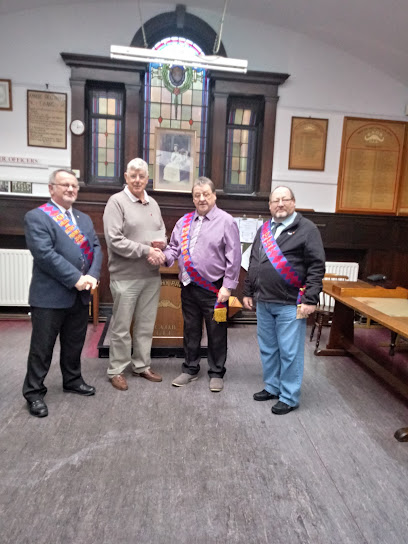
Club Britannia
48.7 km
A vibrant social club in Carlisle offering live music, friendly vibes, and affordable drinks in a smart, welcoming setting.
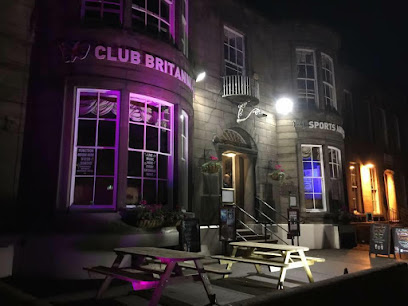
Secret Carlisle
49.0 km
Experience energetic nights and vibrant music at Secret Carlisle, the city centre nightclub where Carlisle’s historic charm meets modern nightlife.

The Galloway Bar
57.8 km
Discover the charm of Wigtown at The Galloway Bar, where locals gather for great drinks and unforgettable experiences.

Square One
64.5 km
Vibrant Hawick nightclub with dynamic music floors and a welcoming atmosphere at the heart of Drumlanrig Square.

Base Nightclub
65.0 km
Experience Hawick’s energetic nightlife at Base Nightclub, where vibrant music and lively crowds create unforgettable Friday nights.
The Border Club
65.3 km
Experience the vibrant local culture at The Border Club, a friendly social hub in Hawick, Scotland, perfect for travelers seeking community spirit.

Bridge Inn
68.5 km
Discover the scenic beauty and warm hospitality at Bridge Inn, Peebles' favorite pub overlooking the River Tweed.
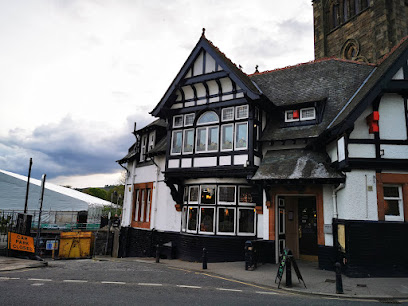
The Neidpath Inn
68.6 km
Discover The Neidpath Inn, a vibrant bar and bed & breakfast in Peebles, offering delicious cuisine, live music, and a cozy atmosphere for all visitors.
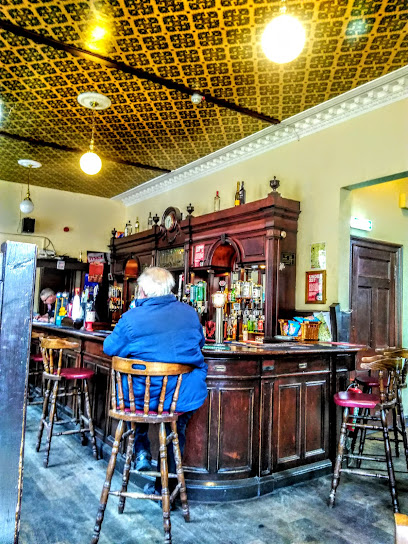
The County
68.6 km
A lively, dog-friendly pub and restaurant in Peebles offering hearty meals, great drinks, and warm Scottish hospitality in a central setting.
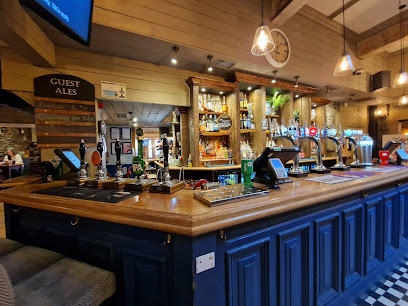
The Central Bar
68.7 km
Experience the heart of Peebles at The Central Bar, where local charm and refreshing drinks await every visitor.
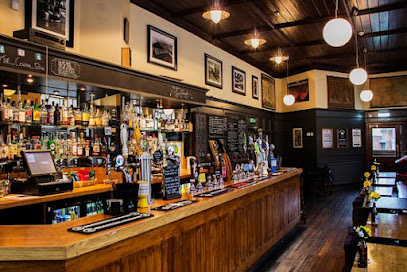
The Cross Keys - Peebles
68.8 km
Historic inn and cozy hotel in Peebles town centre, blending traditional charm with modern comfort and a lively pub atmosphere.
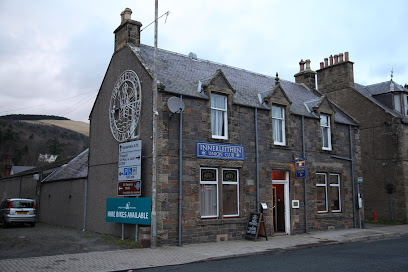
Union Club
68.9 km
A friendly, community-run social club with snooker and events, offering a welcoming and affordable night out in Innerleithen.
For the vibe & atmosphere seeker
- Tranquil
- Scenic
- Unique
- Casual
For the design and aesthetic lover
- Vintage Styles
For the architecture buff
- Historic
- Landmarks
- Sacred Sites
For the view chaser and sunset hunter
- Iconic Views
- Waterfront
For the social media creator & influencer
- Instagrammable
- Photo Spots
- Selfie Spots
For the eco-conscious traveler
- Protected Area
- Public-Transport Accessible
- Locally Managed
For the kind of experience you’re after
- Cultural Heritage
- Photowalk
- Nature Escape
- Day Trip
- Weekend Getaway
For how adventurous you want the journey to be
- Easy Access
Location Audience
- Family Friendly
- Senior Friendly
- Child Friendly
- Teen Friendly
- Wheelchair Access
- Pet Friendly
- Solo Friendly
- Couple Friendly
- Solo Female Friendly


