

Free Dumfriesshire Travel Guide & Mobile App
Explore Dumfriesshire with free travel guides. Discover regional history, expert tips, proposed trips, and audio guides on web or mobile app.


Discover Dumfriesshire: Immerse yourself in Scotland's rich history, stunning landscapes, and vibrant arts scene, all nestled in the serene southwest.
Read more about Dumfriesshire
When is the best time to visit Dumfriesshire?
Best: June–August · 17–19°C| Month | High (°C) | Rainfall (mm) |
|---|---|---|
| January | 6 | 80 |
| February | 6 | 70 |
| March | 8 | 70 |
| April | 11 | 60 |
| May | 14 | 70 |
| June (best) | 17 | 70 |
| July (best) | 19 | 80 |
| August (best) | 19 | 80 |
| September | 16 | 70 |
| October | 12 | 80 |
| November | 8 | 80 |
| December | 6 | 90 |
Getting to and around Dumfriesshire
How to get there
Transportation
Best attractions in Dumfriesshire
Nestled in the heart of Scotland, Dumfriesshire is a treasure trove of historical and natural wonders that captivate every visitor. Wander through the ancient ruins of Caerlaverock Castle with its unique triangular shape and picturesque moat, or explore the historic market town of Dumfries, where you can trace the footsteps of Robert Burns, Scotland's national poet. Nature lovers can lose themselves in the lush landscapes of the Galloway Forest Park, a designated Dark Sky Park perfect for stargazing. The Solway Coast offers stunning coastal walks and wildlife spotting opportunities, making it a haven for bird watchers. Don't miss the chance to visit the Devil's Porridge Museum, which delves into the fascinating history of the munitions factory that played a crucial role during World War I. With its rich tapestry of cultural heritage, scenic beauty, and engaging museums, Dumfriesshire promises an unforgettable journey through time and nature.
-
Shopping outlet
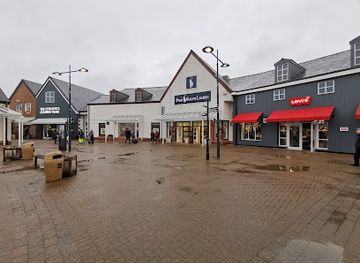
Caledonia Park Designer Outlet
Shop designer brands with up to 70% off at Caledonia Park Designer Outlet—South Scotland’s premier retail destination with free parking and pet-friendly policies.
-
Wedding souvenir shop
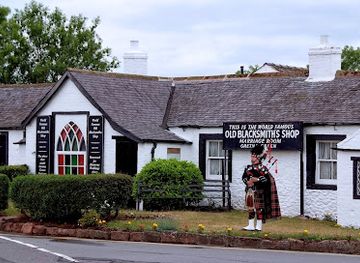
Gretna Green Famous Blacksmiths Shop
Where centuries of runaway lovers have sealed their vows over the iconic blacksmith’s anvil in Scotland’s most romantic village.
-
Monument
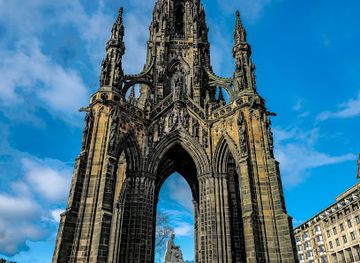
Scott Monument
Explore the towering Gothic spire dedicated to Sir Walter Scott, offering stunning views and rich literary history in the heart of Edinburgh.
-
Park and Garden
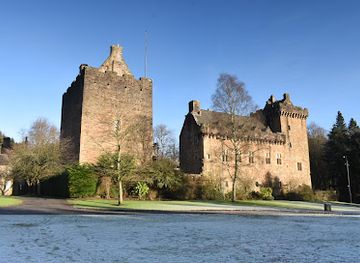
Dean Castle Country Park
Explore centuries of history and nature in this 200-acre park with a medieval castle, woodland trails, and family-friendly attractions in Kilmarnock.
Best landmarks in Dumfriesshire
Nestled in the heart of Scotland, Dumfriesshire beckons visitors with a captivating tapestry of historical and natural wonders. Wander through the ruins of Caerlaverock Castle, with its unique triangular design and rich medieval history, or stroll along the serene banks of the River Nith for a glimpse of Robert Burns’ beloved haunts. Discover the quaint village of Moffat, known for its therapeutic sulphur springs and Victorian charm, or explore the ancient stone circles of Eskdalemuir, shrouded in mystique and druidic lore. The expansive Galloway Forest Park offers a sanctuary for nature enthusiasts, with its dark sky park status ideal for stargazing. Whether you're tracing the steps of literary giants, delving into ancient history, or losing yourself in the beauty of the rugged landscapes, Dumfriesshire promises an unforgettable journey through time and nature.
-
Historical landmark
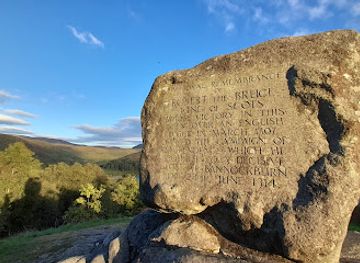
Bruce’s Stone
Discover the historic site of Bruce’s Stone overlooking Loch Trool, where Scotland’s fight for independence echoes amid stunning natural beauty.
-
Historical landmark
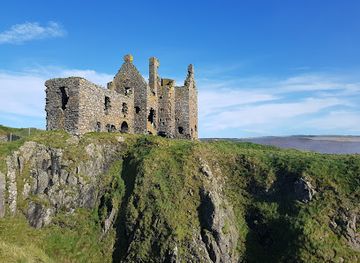
Dunskey Castle
Explore the evocative 16th-century ruins of Dunskey Castle perched on Scotland’s dramatic Galloway coast, where history and legend meet stunning sea views.
-
Historical landmark
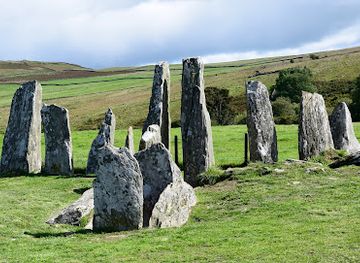
Cairn Holy Chambered Cairn
Explore ancient Neolithic burial cairns with towering stone facades and sweeping views over Wigtown Bay near Newton Stewart.
-
Historical landmark
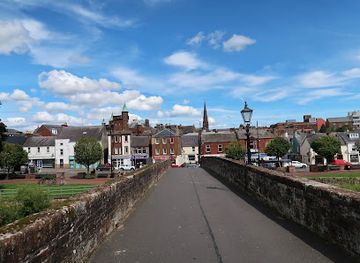
Devorgilla Bridge
Medieval bridge spanning the River Nith, named after Lady Devorgilla of Galloway and rebuilt after 17th-century floods.
Explore Dumfriesshire on the map
Plan your trip on one map. See where the top cities, national parks and sights are, and book hotels and experiences in a few clicks.
Best hotels in Dumfriesshire
Best restaurants in Dumfriesshire
Dumfriesshire's dining scene is a delightful blend of traditional Scottish fare and innovative culinary creations, set against the stunning backdrop of rolling hills and historic landmarks. Visitors can indulge in hearty dishes like haggis, neeps, and tatties at cozy, centuries-old inns, or savor fresh, locally-sourced seafood at charming bistros overlooking the Solway Firth. The region's rich agricultural heritage ensures that farm-to-table dining experiences are abundant, with seasonal produce and artisanal cheeses playing starring roles on many menus. For those with a sweet tooth, the local bakeries and tearooms offer an array of delectable treats, from crumbly shortbread to sumptuous clootie dumplings. Craft breweries and distilleries dot the landscape, inviting guests to sample robust ales and fine whiskies, making every meal in Dumfriesshire not just a taste sensation, but a journey into the heart of Scottish culture.
-
Restaurant
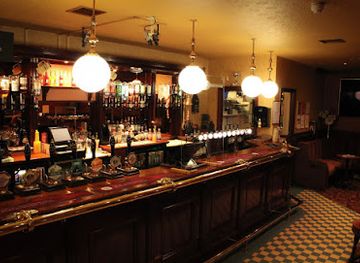
Cavens Arms
A welcoming Dumfries pub offering hearty traditional fare, a dedicated vegan menu, and a friendly atmosphere in the town centre.
-
Restaurant
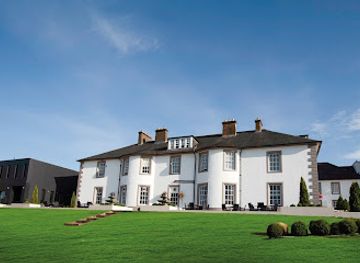
Hetland Hall Hotel
Elegant country house hotel near Dumfries offering spacious rooms, excellent dining, and tranquil rural charm.
-
Restaurant
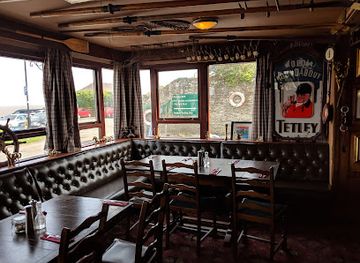
The Steamboat Inn
Quirky coastal pub with hearty seafood, cozy fires, and stunning Solway Firth views in the heart of Carsethorn.
-
Modern European
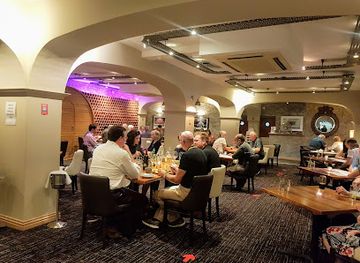
Casa Mia Dumfries
Stylish modern European dining in Dumfries with exceptional vegan options and warm, attentive service.
Best bars in Dumfriesshire
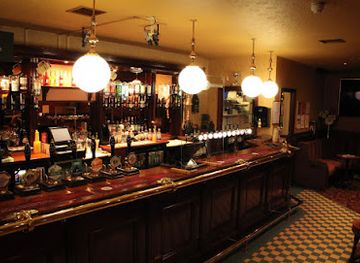
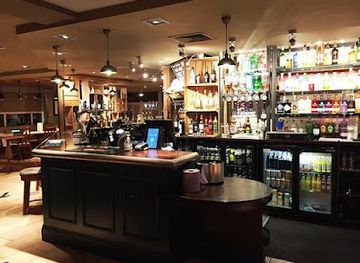
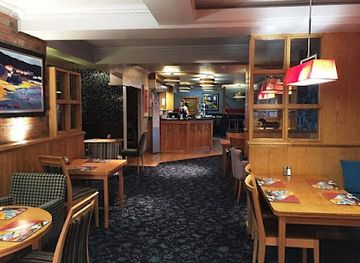
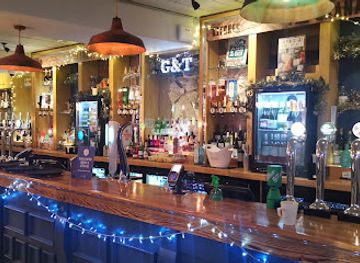
Dumfriesshire, nestled in the heart of Scotland's enchanting lowlands, offers a unique and vibrant nightlife experience that seamlessly blends the old-world charm with contemporary flair. As the sun sets, the historic towns and villages come alive with cozy, atmospheric pubs that echo with live traditional Scottish music, often featuring local talents. You can savor a dram of finest Scotch whisky or enjoy locally brewed ales in quaint establishments that have stood the test of time. For those seeking a more modern vibe, Dumfries, the county town, boasts trendy bars and chic nightclubs where DJ sets and themed nights ensure an unforgettable evening. Whether you're drawn to the intimate ambiance of a village pub or the lively energy of a nightclub, Dumfriesshire's nightlife promises an eclectic mix of experiences against the backdrop of its rich cultural heritage.
-
Pub
Cavens Arms
A traditional Dumfries pub offering award-winning ales, hearty home-cooked meals, and a welcoming atmosphere for all.
-
Pub
Lockards Farm
A stylish and family-friendly pub in Dumfries offering classic British fare, extensive drinks, and a welcoming beer garden for all seasons.
-
Pub
The Swan - Kingholm Quay
Cozy riverside pub with British-European fare, inviting indoor warmth, and sunny outdoor seating at Dumfries’ scenic Kingholm Quay.
-
Pub
Granary
A vibrant Dumfries pub blending hearty Scottish fare, lively quiz nights, and weekend DJ parties in a welcoming, family-friendly setting.
Best nightclubs in Dumfriesshire
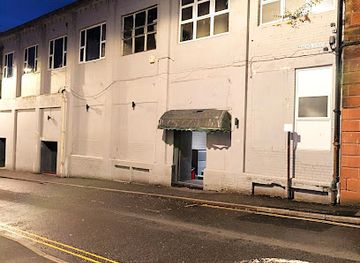
Dumfriesshire, nestled in the heart of Scotland's enchanting lowlands, offers a unique and vibrant nightlife experience that seamlessly blends the old-world charm with contemporary flair. As the sun sets, the historic towns and villages come alive with cozy, atmospheric pubs that echo with live traditional Scottish music, often featuring local talents. You can savor a dram of finest Scotch whisky or enjoy locally brewed ales in quaint establishments that have stood the test of time. For those seeking a more modern vibe, Dumfries, the county town, boasts trendy bars and chic nightclubs where DJ sets and themed nights ensure an unforgettable evening. Whether you're drawn to the intimate ambiance of a village pub or the lively energy of a nightclub, Dumfriesshire's nightlife promises an eclectic mix of experiences against the backdrop of its rich cultural heritage.

Best shops in Dumfriesshire
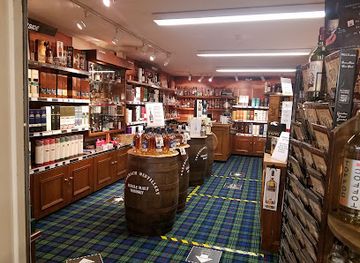
Dumfriesshire's shopping scene is a delightful blend of the traditional and the contemporary, offering visitors a unique and charming retail experience. Wander through the cobbled streets of its picturesque towns where you'll discover quaint boutiques brimming with local crafts, artisanal products, and bespoke gifts. Antique enthusiasts will revel in the treasure troves of vintage shops, while food lovers can indulge in farm shops and markets showcasing the finest local produce, cheeses, and delicacies. Don't miss out on the vibrant galleries and studios that display the works of talented local artists, providing the perfect keepsake from your visit to this enchanting region.
-
Shopping Centre
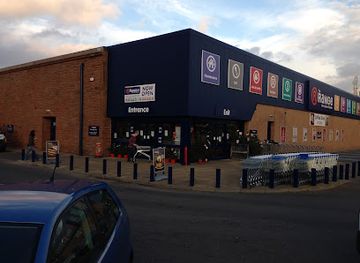
Cuckoo Bridge Retail Park
Dumfries’ premier retail park offering a wide range of national stores, dining options, and 24-hour Tesco convenience.
-
Gift shop
Moffat Mill
Explore Moffat Mill’s historic charm with diverse shopping, local crafts, and a cozy café in the heart of Moffat’s quaint town centre.
-
Homewares Shop
The Range, Dumfries
A versatile home and garden store in Dumfries offering extensive products for every lifestyle and living space.
-
Shopping Centre
Loreburne Shopping Centre
A convenient and welcoming shopping hub in Dumfries combining high street brands with local character and essential amenities.


Get your free copy of our complete guide to Dumfriesshire, delivered straight to you.
Everything on this page, from attractions and restaurants to essentials and local phrases, in one PDF you can read offline, print or share.
Already have an account? Sign in
Your Dumfriesshire guide is ready.
We'll send it to · Not you? Sign out

Getting your guide ready…
We are putting together a fresh copy of the Dumfriesshire guide. This can take up to a minute.
This can take a few moments. If your browser asks, choose Allow so the download can start. You'll find the guide in your Downloads folder.
Nothing happened? Download it again
Sorry, the guide is taking longer than usual. Please try again in a minute, or get it by email instead.
Dumfriesshire essentials
Currency and Payment
Safety
Emergency Situations
Do's and Don'ts
Local Tips
From Eve
Local phrases worth knowing
You don't need to get them perfect. A few words go a long way, and locals appreciate the effort.
Basics
| English | Local | Say it |
|---|---|---|
| Hello | Hello | [həˈloʊ] |
| Goodbye | Cheerio | [ˈtʃɪəriˌoʊ] |
| Yes | Aye | [aɪ] |
| No | Naw | [nɔː] |
| Please/You're welcome | Please/You’re welcome | [pliːz/ jʊər ˈwɛlkəm] |
| Thank you | Cheers | [tʃɪrz] |
| Excuse me/Sorry | Sorry | [ˈsɔːri] |
| How are you? | How are ye? | [haʊ ɑːr ji] |
| Fine. And you? | Fine, and yersel? | [faɪn, ənd jərˈsɛl] |
| Do you speak English? | Dae ye speak English? | [deɪ jɪ spiːk ˈɪŋɡlɪʃ] |
| I don't understand | Ah dinnae understand | [ɑː ˈdɪni ˌʌndərˈstænd] |
Eating & Drinking
| English | Local | Say it |
|---|---|---|
| I'd like to see the menu, please | Ah'd like tae see the menu, please | [ɑːd laɪk teɪ siː ðə ˈmɛnjuː pliːz] |
| I don't eat meat | Ah dinnae eat meat | [ɑː ˈdɪni iːt miːt] |
| Cheers! | Cheers! | [tʃɪrz] |
| I would like to pay, please | Ah'd like tae pay, please | [ɑːd laɪk teɪ peɪ pliːz] |
Emergencies
| English | Local | Say it |
|---|---|---|
| Help! | Help! | [hɛlp] |
| Go away! | Gae awa! | [ɡeɪ əˈwɑː] |
| Call the Police! | Call the polis! | [kɔːl ðə ˈpoʊlɪs] |
| Call a doctor! | Call a doctor! | [kɔːl ə ˈdɒktə] |
| I'm lost | Ah'm lost | [ɑːm lɔːst] |
| I'm ill | Ah'm unwell | [ɑːm ʌnˈwɛl] |
Shopping
| English | Local | Say it |
|---|---|---|
| I'd like to buy... | Ah'd like tae buy... | [ɑːd laɪk teɪ baɪ] |
| I'm just looking | Ah'm just lookin' | [ɑːm dʒʌst ˈlʊkɪn] |
| How much is it? | How much is it? | [haʊ mʌtʃ ɪz ɪt] |
| That's too expensive | That's ower dear | [ðæts ˈoʊər dɪr] |
| Can you lower the price? | Can ye lower the price? | [kæn ji ˈloʊər ðə praɪs] |
Time & Numbers
| English | Local | Say it |
|---|---|---|
| What time is it? | Whit time is it? | [wɪt taɪm ɪz ɪt] |
| It's one o'clock | It's one o'clock | [ɪts wʌn əˈklɒk] |
| Half past (10) | Half past ten | [hɑːf pɑːst tɛn] |
| Morning | Mornin' | [ˈmɔːrnɪn] |
| Afternoon | Afternoon | [ˌɑːftərˈnuːn] |
| Evening | Evenin' | [ˈiːvnɪn] |
| Yesterday | Yestreen | [ˈjɛstrin] |
| Today | Today | [təˈdeɪ] |
| Tomorrow | Morrow | [ˈmɒroʊ] |
| 1 | One | [wʌn] |
| 2 | Two | [tuː] |
| 3 | Three | [θriː] |
| 4 | Four | [fɔːr] |
| 5 | Five | [faɪv] |
| 6 | Six | [sɪks] |
| 7 | Seven | [ˈsɛvən] |
| 8 | Eight | [eɪt] |
| 9 | Nine | [naɪn] |
| 10 | Ten | [tɛn] |
Transport & Directions
| English | Local | Say it |
|---|---|---|
| Where's a/the...? | Whar's the...? | [wɛrz ðə] |
| What's the address? | Whit’s the address? | [wɪt ðə əˈdrɛs] |
| Can you show me (on the map)? | Can ye show me (on the map)? | [kæn ji ʃoʊ mi (ɒn ðə mæp)] |
| When's the next (bus)? | When's the next (bus)? | [wɛn ðə nɛkst bʌs] |
| A ticket (to ....) | A ticket (ta ...) | [ə ˈtɪkɪt (tə ...)] |
History of Dumfriesshire
Ancient Beginnings: The Early Inhabitants
Dumfriesshire's history stretches back to ancient times, with evidence of human settlement dating to the Neolithic period. The region is dotted with prehistoric sites, including stone circles and burial cairns. One of the most notable is the Twelve Apostles stone circle near Dumfries, one of the largest in mainland Scotland.
The Roman Influence
During the Roman occupation of Britain, Dumfriesshire was an important frontier zone. The Romans built several forts in the area, including the Birrens Roman Fort. These outposts were part of the Roman effort to control and monitor the local tribes, such as the Selgovae. Artifacts from this period, including coins and pottery, offer a glimpse into the life of Roman soldiers stationed in the region.
Medieval Turbulence: The Wars of Independence
The Middle Ages were a tumultuous period for Dumfriesshire. The region played a key role in the Scottish Wars of Independence. The town of Dumfries is famously associated with Robert the Bruce, who killed his rival John Comyn in Greyfriars Church in 1306, an act that significantly altered Scotland's history. The ruins of castles and abbeys from this era, such as Caerlaverock Castle and Sweetheart Abbey, bear witness to the region's medieval strife and resilience.
Border Reivers: Lawlessness and Clan Feuds
From the late Middle Ages into the 17th century, Dumfriesshire was plagued by the lawlessness of the Border Reivers. These clans engaged in raiding and feuding across the Anglo-Scottish border. The region's landscape is dotted with fortified towers and peel houses that were built for protection against these raids. The legacy of the Border Reivers is still evident in local folklore and place names.
The Covenanters: Religious Strife
In the 17th century, Dumfriesshire was a stronghold of the Covenanters, who opposed the interference of the monarchy in church affairs. The region witnessed numerous skirmishes and persecutions during the Covenanter Wars. Sites like the Covenanters' Grave at Irongray Church serve as solemn reminders of this period of religious conflict and the steadfastness of those who fought for their beliefs.
Robert Burns: The Bard of Ayrshire
The renowned Scottish poet Robert Burns spent the final years of his life in Dumfries. His presence is commemorated throughout the town, with landmarks such as the Robert Burns House, where he lived and wrote some of his most famous works, and the Burns Mausoleum in St. Michael's Churchyard, where he is buried. Burns' legacy is a source of immense cultural pride for the region.
The Industrial Revolution and Modern Era
The Industrial Revolution brought significant changes to Dumfriesshire, with the development of industries like textiles, milling, and engineering. The arrival of the railway in the 19th century further spurred economic growth and connectivity. Today, Dumfriesshire balances its rich historical heritage with modern advancements, offering visitors a unique blend of past and present.
Dumfriesshire in Photos
Browse through our photo collection highlighting the charm and character of the destination.
Neighbouring regions of Dumfriesshire
The closest regions to Dumfriesshire, if you have time for more than one.
-
 Selkirkshire
Discover the enchanting beauty and rich history of Selkirkshire, the heart of the Scottish Borders, where nature, tradition, and culture come together.
Selkirkshire
Discover the enchanting beauty and rich history of Selkirkshire, the heart of the Scottish Borders, where nature, tradition, and culture come together.
-
 Peeblesshire
Discover the serene beauty of Peeblesshire in the Scottish Borders, where history, nature, and local charm come together for an unforgettable experience.
Peeblesshire
Discover the serene beauty of Peeblesshire in the Scottish Borders, where history, nature, and local charm come together for an unforgettable experience.
-
 Roxburghshire
Discover the enchanting landscapes and rich history of Roxburghshire, a picturesque region in the Scottish Borders known for its ancient castles, scenic hills, and vibrant market towns.
Roxburghshire
Discover the enchanting landscapes and rich history of Roxburghshire, a picturesque region in the Scottish Borders known for its ancient castles, scenic hills, and vibrant market towns.
-
 Kirkcudbrightshire
Discover Kirkcudbrightshire: Scotland's artistic haven, where vibrant art scenes meet stunning natural landscapes and rich history.
Kirkcudbrightshire
Discover Kirkcudbrightshire: Scotland's artistic haven, where vibrant art scenes meet stunning natural landscapes and rich history.
-
 Lanarkshire
Discover Lanarkshire: Where Scotland's rich history, stunning landscapes, and vibrant local culture come together for an unforgettable travel experience.
Lanarkshire
Discover Lanarkshire: Where Scotland's rich history, stunning landscapes, and vibrant local culture come together for an unforgettable travel experience.
Swipe for more regions

