
Repentance Tower, Dumfriesshire Travel Guide
A rare 16th-century watchtower atop Trailtrow Hill offering panoramic views and rich border history near Lockerbie.
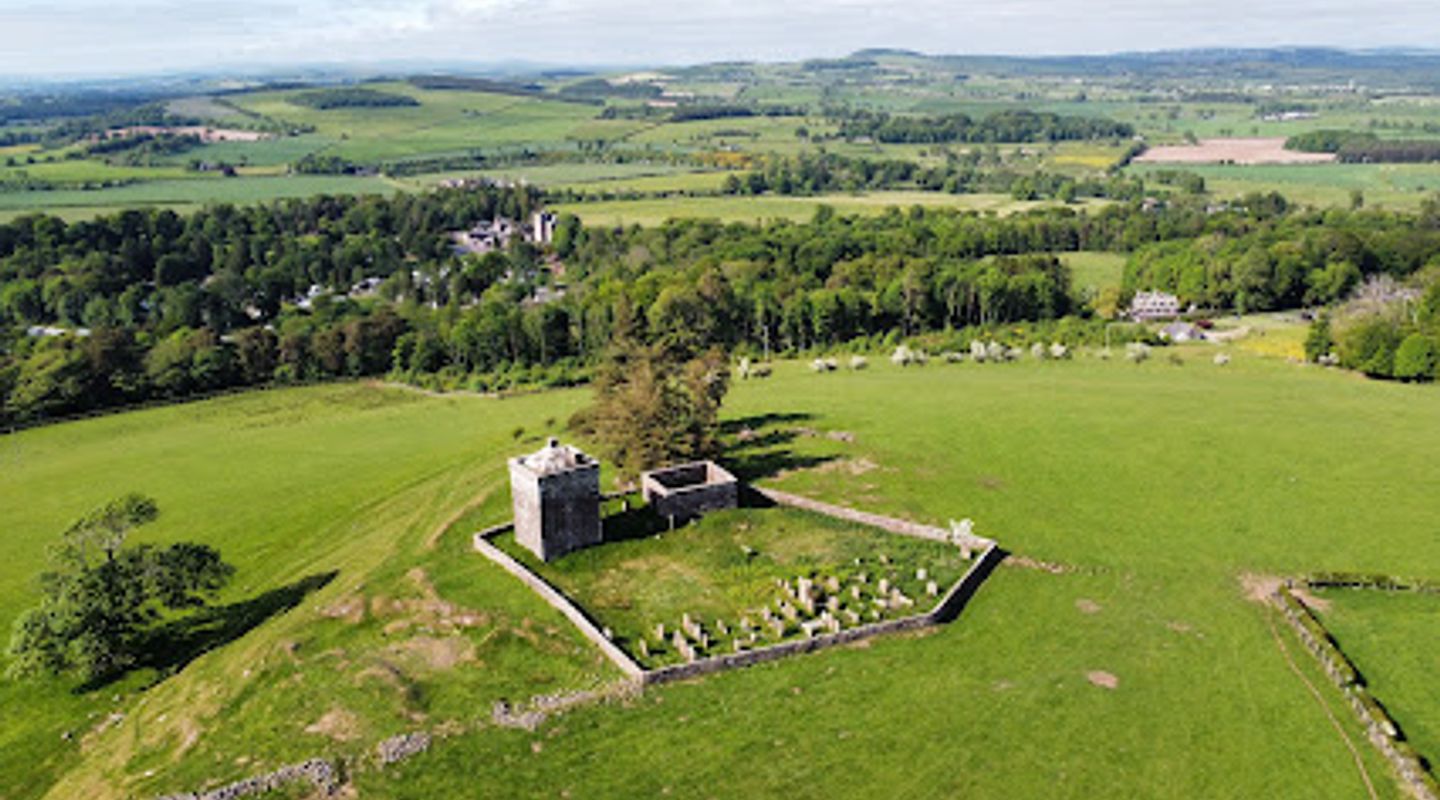
Repentance Tower, built in 1565 by John Maxwell, 4th Lord Herries, is a rare mid-16th century watchtower perched atop Trailtrow Hill near Lockerbie. Originally designed as a defensive lookout for Hoddom Castle, it offers panoramic views of the Solway Firth and surrounding countryside. The tower’s name derives from a carved inscription above its door, believed to reflect Maxwell’s act of repentance. The site includes gravestones from a former chapel and remains a poignant historical landmark.
A brief summary to Repentance Tower
- Lockerbie, Hoddom, GB
- Duration: 1 to 3 hours
- Free
-
 Outdoor
- Mobile reception: 3 out of 5

Know before you go
Hi, I'm Eve. Here are a few practical things to know before exploring Repentance Tower.
- Wear sturdy footwear for the steep but rewarding climb up Trailtrow Hill.
- Visit on a clear day to fully appreciate the 360-degree panoramic views across the Solway Firth.
- Explore the graveyard around the tower to see historic headstones with unique carvings.
- Though the tower interior is closed, walking around the exterior offers excellent photo opportunities.
Do you manage this location?
Take control to get all the benefits, like improved information, better appearance, and stronger visibility across AI-powered discovery. Learn more about listing your business on Evendo
Activate your presenceOther nearby places you may find interesting
The closest places of the same kind, if this one is not quite what you had in mind.
Explore Repentance Tower on the Map
A handpicked selection of must-see spots near Repentance Tower, mapped for you.
Getting There
-
Car
Driving from Lockerbie town center, the journey to Repentance Tower takes approximately 20 to 30 minutes. Use local rural roads leading towards Hoddom and Trailtrow Hill. Parking is limited near the base of the hill, so be prepared for a short walk uphill. No parking fees apply.
-
Bus and Walk
Take a regional bus from Lockerbie to the nearest stop at Hoddom, approximately 5 km from the tower. From there, expect a 45-minute walk on well-trodden paths with some steep sections to reach the tower. Wear suitable footwear and bring water.
-
Walking
For local walkers, the tower is accessible via a steep 20 to 30-minute hike from Hoddom Mains or Kinmount Estates. Paths are grassy farmland tracks and can be slippery when wet. The terrain requires moderate fitness and caution during wet weather.
For the on-the-go comforts that matter to you
-
 Seating Areas
-
 Information Boards
-
 Trash Bins
Discover more about Repentance Tower
Origins and Historical Significance
Repentance Tower was constructed in 1565 by John Maxwell, 4th Lord Herries, shortly after he built Hoddom Castle nearby. The tower’s name comes from the word "Repentance" carved above its entrance, which is thought to symbolize Maxwell’s remorse for breaking a pledge that led to the execution of fourteen Scots held hostage by the English. Another theory suggests the tower was built as recompense for Maxwell’s use of stone from the Trailtrow Chapel in constructing Hoddom Castle. This watchtower stands as a testament to the turbulent border conflicts of the 16th century and Maxwell’s complex legacy.Architectural Features and Purpose
This mid-16th century watchtower was not intended for habitation but as a fortified lookout point. It has a single small fireplace and was designed to provide safety for sentinels guarding the West March of the Border. From its elevated position on the 350-foot-high Trailtrow Hill, guards could spot English invaders or raiding parties approaching across the Solway Firth. The tower’s defensive capabilities were proven when it was besieged and damaged by the English in 1570, later repaired by 1579. In the 18th century, the upper storey was converted into a dovecote, adding to its historical layers.The Surrounding Landscape and Views
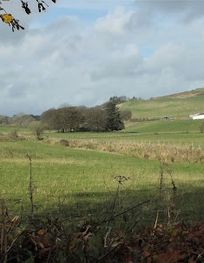
Trailtrow Hill offers sweeping 360-degree panoramic views across the Solway and into the hills of Cumberland. The tower’s location on this conical hill makes it a prominent landmark visible for miles. Visitors can explore the grounds, which include gravestones from the former Trailtrow Chapel, some bearing intriguing 19th-century carvings. The natural setting combines farmland and open sky, providing a tranquil yet evocative atmosphere that connects visitors with centuries of history.Visitor Experience and Access
Though the tower itself is not open to the public, visitors can walk around its well-preserved stone walls and enjoy the surrounding graveyard. The climb up Trailtrow Hill is steep but manageable, with multiple paths offering different approaches. The site is ideal for a short walk combined with historical exploration and scenic photography. The peaceful rural environment and the tower’s evocative presence make it a rewarding destination for those interested in Scottish history and border heritage.Legends and Cultural Context
The story of Repentance Tower is steeped in border lore, reflecting themes of conflict, faith, and atonement. The inscription "Repentance" may have religious connotations, or it may memorialize the tragic consequences of broken promises during the fraught Anglo-Scottish relations. This layered history enriches the tower’s significance, making it a cultural landmark that invites reflection on the complexities of Scotland’s past.Preservation and Legacy
Today, Repentance Tower remains in good condition, a rare survivor of mid-16th century military architecture. It stands as a protected historical site, preserving the memory of the Maxwell family and the border conflicts that shaped the region. The tower’s enduring presence on Trailtrow Hill continues to inspire visitors with its blend of history, mystery, and stunning natural beauty.












Your all‑in‑one travel companion app
Explore expert travel guides, compare and book tours, experiences, hotels, and more—all from the palm of your hand. Download now for seamless trip planning wherever your wanderlust takes you.


Explore More of Dumfriesshire
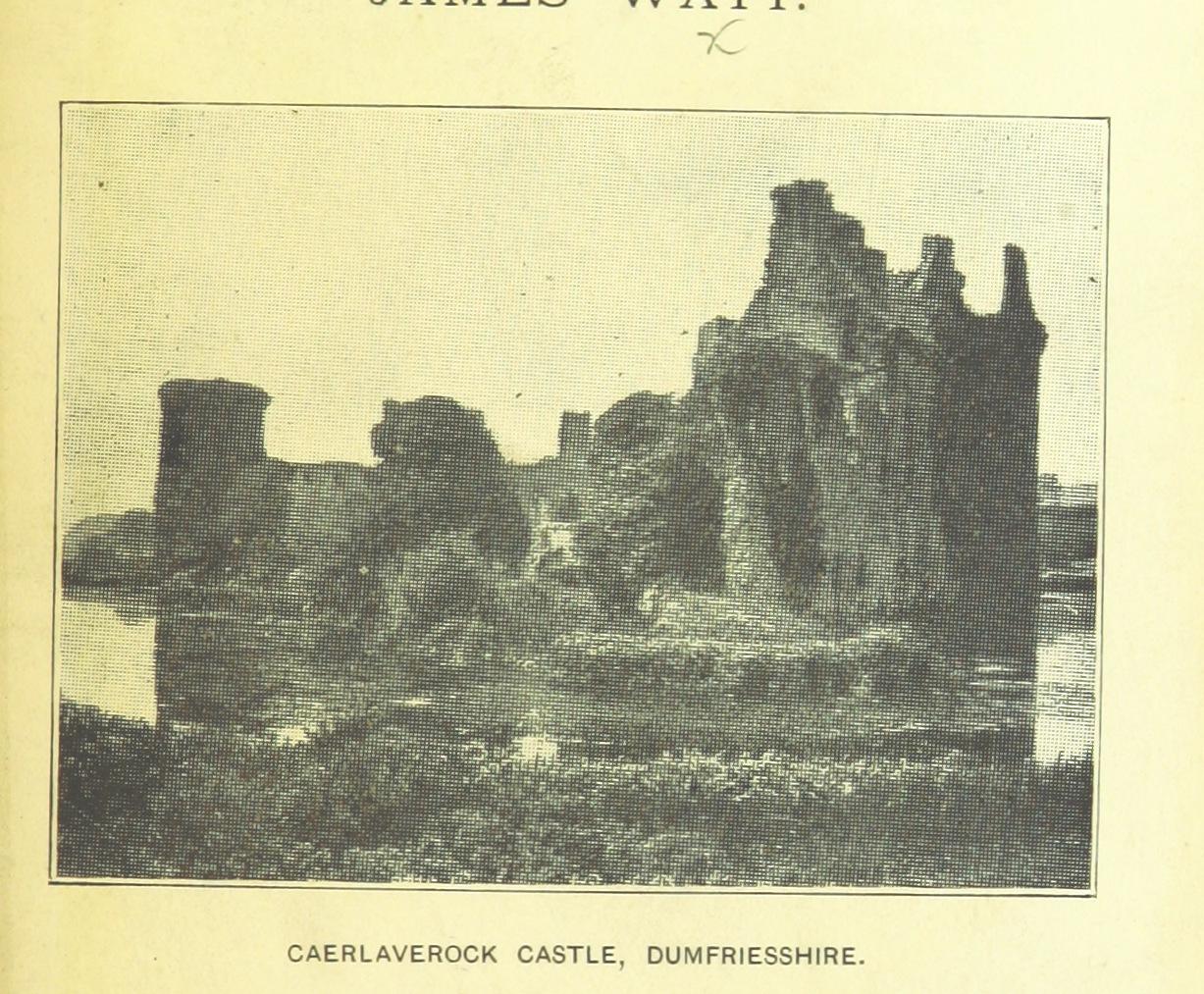
Looking beyond Repentance Tower? Discover Dumfriesshire for broader travel guides, local hot-spots, and regional highlights.
Explore Dumfriesshire
Explore Comyn's Tower near Dumfries, a medieval stronghold entwined with Scotland’s dramatic history and the legacy of the Comyn clan.
Discover the evocative ruins of Little Dalton Kirk, a medieval parish church nestled in tranquil Scottish countryside near Lockerbie.
