
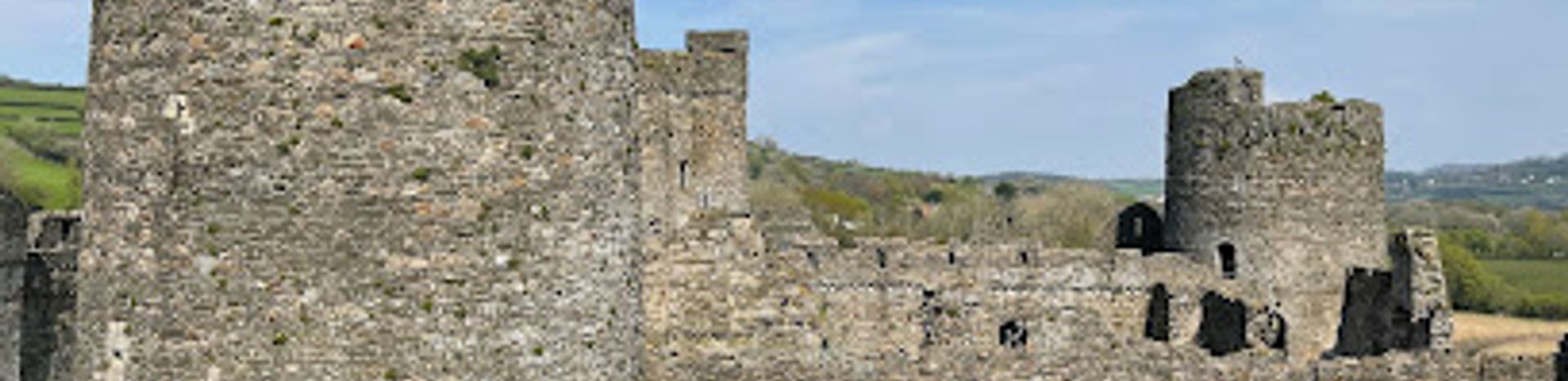
Kidwelly Castle: A Norman Stronghold on the Welsh Coast
Explore the majestic Norman fortress of Kidwelly Castle, where medieval history meets stunning Welsh coastal views.
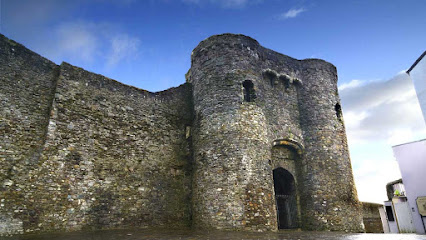
Kidwelly Castle, located in Carmarthenshire, Wales, is a remarkably well-preserved Norman medieval fortress dating back to the early 12th century. With its imposing gatehouse, concentric stone walls, and multiple towers, it offers visitors a vivid glimpse into medieval military architecture and life. Perched above the River Gwendraeth estuary, the castle provides stunning panoramic views and a rich historical experience managed by Cadw, the Welsh Government’s historic environment service.
A brief summary to Castell Cydweli / Kidwelly Castle
- Castle Rd, Kidwelly, SA17 5BQ, GB
- +443000252239
- Visit website
- Duration: 1 to 2 hours
- Mid ranged
-
 Outdoor
- Mobile reception: 4 out of 5
- Monday 9:30 am-6 pm
- Tuesday 9:30 am-6 pm
- Wednesday 9:30 am-6 pm
- Thursday 9:30 am-6 pm
- Friday 9:30 am-6 pm
- Saturday 9:30 am-6 pm
- Sunday 9:30 am-6 pm
Local tips
- Visit early in the day or late afternoon for fewer crowds and beautiful lighting for photography.
- Wear sturdy footwear as some paths and staircases are uneven and steep.
- Bring a picnic to enjoy on the benches and grassy areas outside the castle walls.
- Check seasonal opening hours and ticket prices on the official Cadw website before visiting.
- Dogs on leads are welcome on the ground floor; however, upper levels are not accessible to pets.

For the on-the-go comforts that matter to you
- Restrooms
- Seating Areas
- Picnic Areas
- Trash Bins
- Information Boards
- Visitor Center
Getting There
-
Train and Bus
From Carmarthen or Swansea, take a regional train to Kidwelly station. From there, a short bus ride on routes X11 or X12 (approximately 10 minutes) connects you to the castle area. Train travel times vary from 30 to 60 minutes depending on origin. Tickets cost around £5–£10 one way.
-
Car
Driving to Kidwelly Castle from nearby towns like Carmarthen or Swansea takes about 20 to 40 minutes. Free parking is available near the visitor centre, including accessible spaces. Note that the castle grounds have some sloped paths and limited vehicle access.
-
Walking
If staying in Kidwelly town centre, the castle is a 15 to 20-minute walk along paved and grass paths. The route is mostly flat but includes some gentle inclines; suitable for most visitors, though mobility aids may be challenged on uneven surfaces.
Castell Cydweli / Kidwelly Castle location weather suitability
-
 Any Weather
-
 Rain / Wet Weather
-
 Clear Skies
-
 Mild Temperatures
-
 Windy Conditions
Discover more about Castell Cydweli / Kidwelly Castle
Origins and Strategic Importance
Kidwelly Castle was originally established around 1106 as a Norman ringwork castle, initially constructed from timber and earthworks. Over the 12th and 13th centuries, it evolved into a formidable stone fortress featuring concentric defenses, including a gatehouse with a drawbridge and portcullis, curtain walls, and four robust towers guarding the inner ward. Its location atop a ridge overlooking the River Gwendraeth estuary was strategically chosen to control the surrounding lands and defend against Welsh princes, notably enduring attacks from the Lord Rhys in 1159. The castle’s layered defenses made it one of the most impregnable strongholds in Wales during medieval times.Architectural Features and Layout
The castle’s design exemplifies Norman military architecture with a concentric layout that was advanced for its era. The outer ward housed workshops and stables, while the inner ward contained the remains of a chapel, great hall, and living quarters, reflecting its dual role as a military fortress and noble residence. Visitors can explore the imposing gatehouse, walk along the curtain walls, and climb the south-east tower for panoramic views over the town and estuary. The dry moat and barbican add to the castle’s defensive complexity, creating a true ‘killing zone’ for any would-be attackers.Historical Significance and Cultural Heritage
Kidwelly Castle is a Scheduled Ancient Monument and a Grade I listed building, underscoring its cultural and historical importance. It played a pivotal role in the Anglo-Norman conquest and subsequent conflicts in Wales, symbolizing the turbulent medieval history of the region. The castle also has a place in popular culture, famously appearing in the opening scene of the film ‘Monty Python and the Holy Grail.’ Its preservation allows visitors to connect tangibly with nearly 900 years of Welsh and Norman history.Visitor Experience and Amenities
Managed by Cadw, the castle is open to the public with seasonal hours generally from 9:30 AM to 6 PM in summer and shorter hours in winter. Admission is reasonably priced, with concessions available. The site offers wheelchair and buggy access to the visitor centre and ground floor, though upper levels require navigating narrow, steep stairs. Facilities include restrooms, a small gift shop, picnic areas with benches, and information boards that provide historical context. Dogs on leads are welcome on the ground floor. Visitors can freely roam the grounds, explore the ruins, and enjoy spectacular views, making it a rewarding destination for history enthusiasts and families alike.Scenic Setting and Surroundings
Situated near the estuary of the River Gwendraeth, the castle commands scenic views of the Welsh countryside and coastline. The surrounding grassy grounds and pathways invite leisurely exploration and photography. The castle’s elevated position offers excellent sunrise and sunset spots, enhancing its appeal for visitors seeking both history and natural beauty. Nearby Kidwelly town provides additional amenities and local charm, complementing the castle visit.Preservation and Access Considerations
While much of Kidwelly Castle is well-preserved, some areas feature uneven surfaces and low doorways, requiring care when exploring. The one-way systems on wall walks and lighting in basement areas enhance safety. Visitors should wear comfortable footwear and be mindful of weather conditions, as some staircases can be slippery when wet. The castle’s accessibility is good for ground-level exploration, but upper levels are less suitable for those with mobility challenges. The site emphasizes respectful visitation to preserve its historic fabric for future generations.Iconic landmarks you can’t miss

The Baltic Inn & Restaurant
7.0 km
A welcoming countryside inn in Pontyates offering cozy rooms, hearty dining, and a peaceful Welsh village atmosphere.

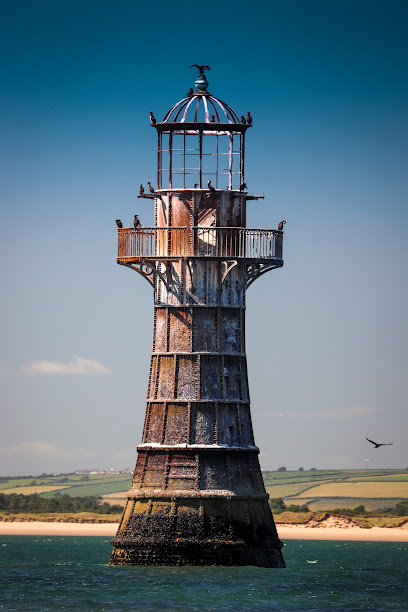
Whiteford Lighthouse
10.4 km
A rare cast-iron lighthouse standing in the tidal estuary of the Gower Peninsula, reachable only at low tide across vast sands and saltmarsh.
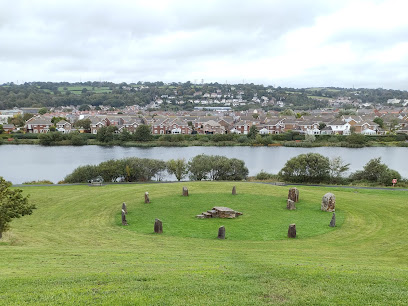
Gorsedd Circle
10.8 km
A modern stone circle in Llanelli celebrating Welsh culture, poetry, and the spirit of the National Eisteddfod.
Kilns of Mynyddcerrig
11.2 km
Explore the historic limekilns of Mynyddcerrig, a window into Carmarthenshire’s rural industrial heritage and traditional limeburning craft.
South African War Memorial
13.0 km
A dignified tribute in Carmarthen’s Guildhall Square commemorating local heroes of the Anglo-Boer War with a striking marble soldier statue.
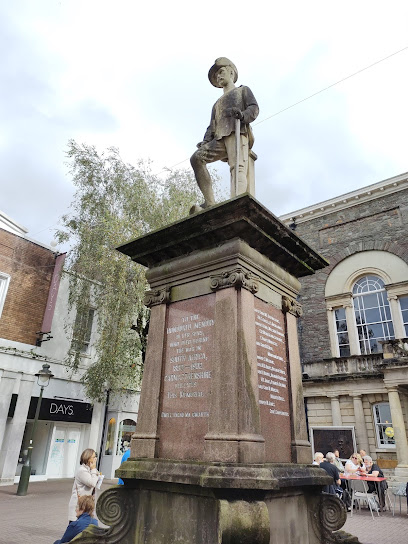
Dyfed Powys Police Federation
13.2 km
Discover the Dyfed Powys Police Federation in Carmarthen for a unique perspective on local law enforcement and community safety initiatives.
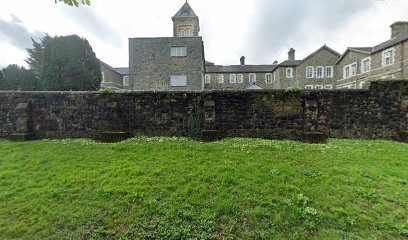
Carmarthen Work House
13.5 km
Explore the historic Carmarthen Work House, a powerful testament to Wales’ social welfare past and resilience through times of hardship.
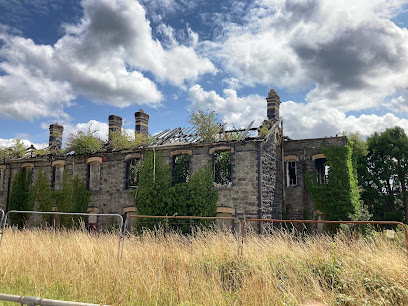
St Clears Castle
15.3 km
Explore the earthwork remains of St Clears Castle, a Norman motte-and-bailey fortress steeped in medieval Welsh history at the rivers’ confluence.
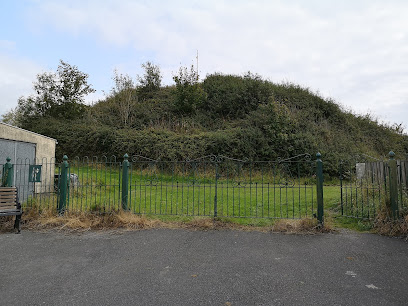
Dyfed Menswear
16.2 km
Explore Llanelli with ease at Dyfed Menswear, a central bus stop connecting you to the town’s vibrant culture and attractions.
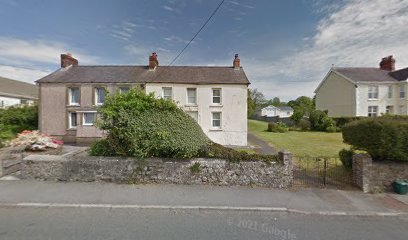
Rhossili Downs
18.0 km
Experience breathtaking coastal panoramas and ancient heritage atop the highest point of Wales' Gower Peninsula.
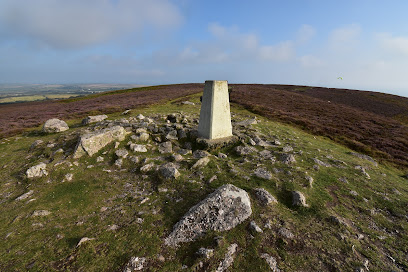
Dyfed Chimneys
19.4 km
Discover expert chimney sweeping and stove building at Dyfed Chimneys in Carmarthen, where safety meets craftsmanship in the heart of Wales.
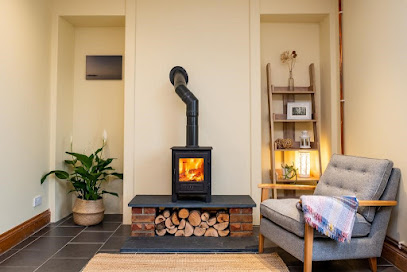
Glamorgan History Society
25.1 km
Explore Glamorgan’s rich history through dedicated research, publications, and community events at the heart of Swansea’s heritage.
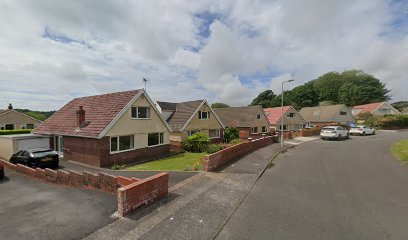
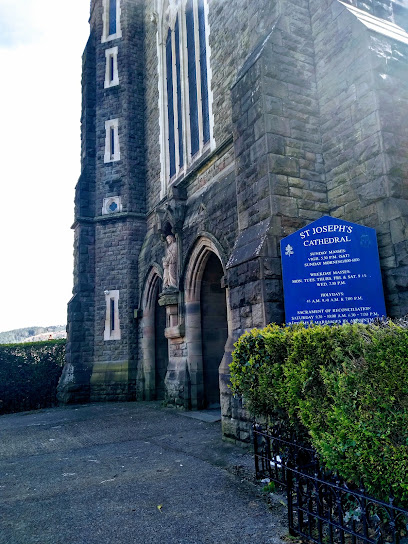
Cathedral Church of Saint Joseph (Eglwys Gadeirlan Siôseff Sant)
27.6 km
A majestic Gothic Revival cathedral in Swansea, symbolizing faith, history, and community since 1888.
Imperial Hotel, Tenby
28.2 km
Historic hotel on Tenby’s ancient walls with stunning sea views, modern comforts, and a vibrant seaside dining experience.
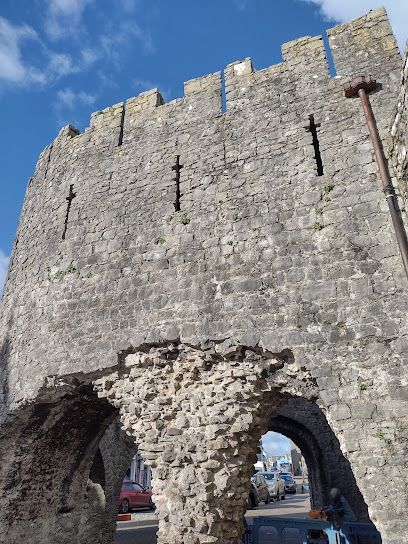
Tenby Town walls
28.3 km
Explore Tenby’s medieval town walls, a stunning coastal fortress that tells the story of centuries-old Welsh defense and heritage.
Unmissable attractions to see

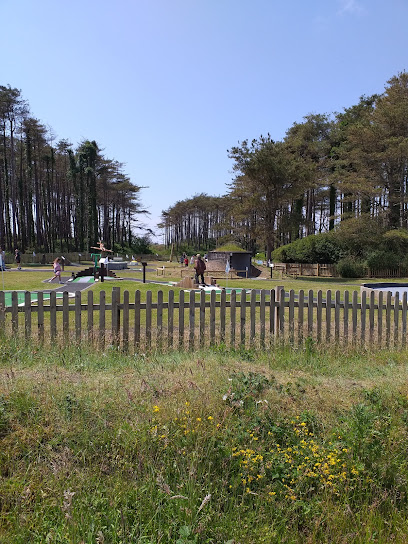
Pembrey Country Park
6.4 km
Explore 500 acres of award-winning woodlands and an eight-mile Blue Flag beach with family-friendly activities and scenic coastal trails.
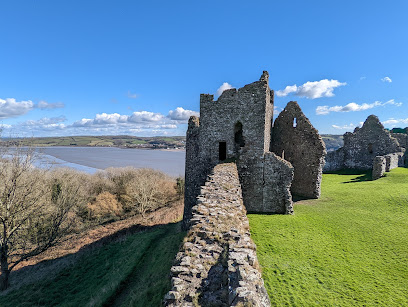
Llansteffan Castle
6.5 km
Explore Llansteffan Castle’s dramatic Norman ruins perched above Carmarthen Bay, where ancient history meets breathtaking coastal views.
Green Castle Wood
9.5 km
Explore ancient oaks, vibrant meadows, and riverside tranquility in Carmarthenshire’s Green Castle Woods, a year-round nature haven.
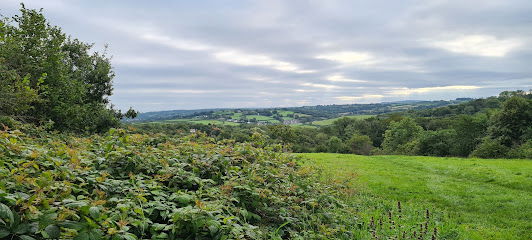
Castell Talacharn / Laugharne Castle
11.3 km
Explore the medieval and Tudor ruins of Dylan Thomas’s beloved Laugharne Castle, set against stunning estuary views in scenic Carmarthenshire.
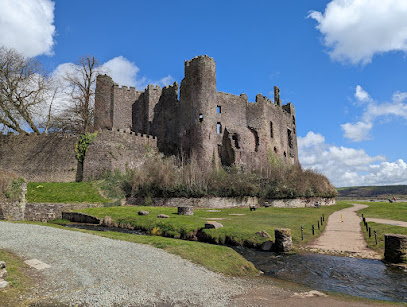
Amgueddfa Parc Howard - Parc Howard Museum
11.5 km
Discover Llanelli’s industrial heritage and famed pottery collections in the historic and welcoming Parc Howard Museum.
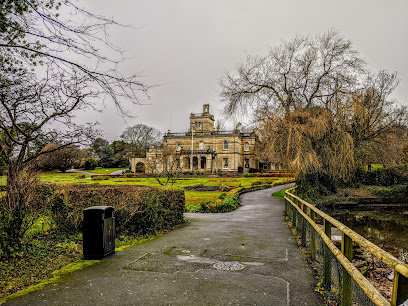
Plas Llanelly House
11.7 km
Explore Llanelli’s finest Georgian townhouse, a beautifully restored heritage site blending history, architecture, and vibrant cultural experiences.
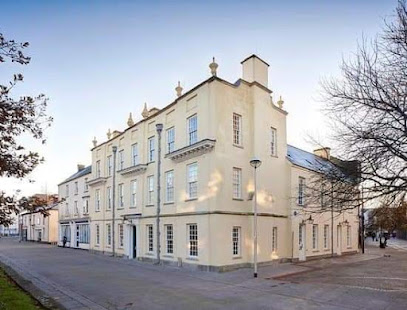
Carmarthen Castle
12.9 km
Explore the evocative medieval ruins of Carmarthen Castle, perched above the River Twyi with panoramic views and rich Welsh history.
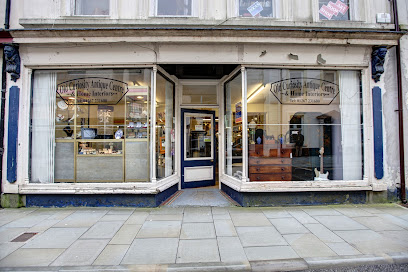
The Old Curiosity
13.1 km
Discover timeless antiques and unique collectibles in the heart of historic Carmarthen at The Old Curiosity.
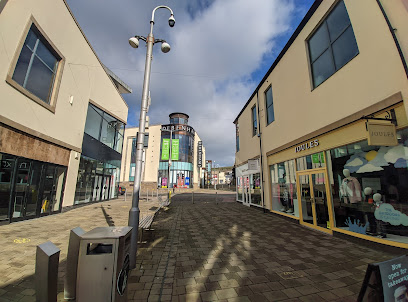
St Catherine's Walk Shopping Centre
13.3 km
A vibrant, accessible shopping and leisure hub in Carmarthen with over 20 stores, dining, cinema, and extensive parking facilities.
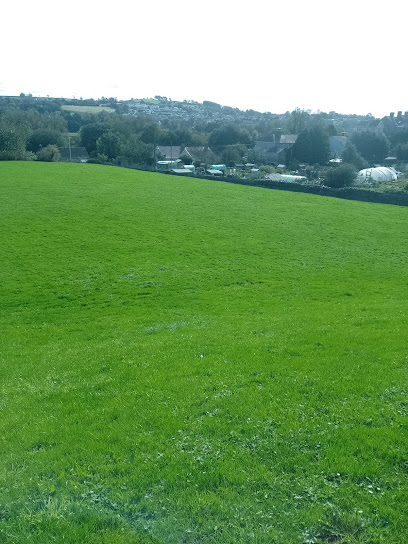
Parc Hinds
13.5 km
A quiet green retreat in eastern Carmarthen, perfect for a relaxed stroll, children’s play, or a peaceful dog walk.
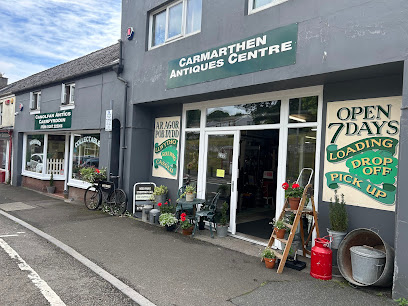
Carmarthen Antiques Centre
13.6 km
Discover a vast collection of Welsh antiques, vintage treasures, and unique collectibles in Carmarthen's premier two-floor antiques emporium.
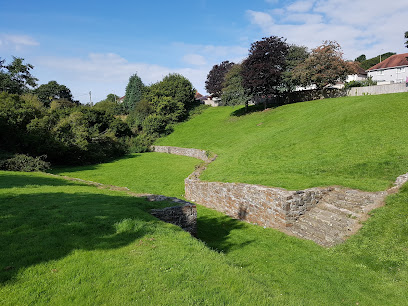
Moridunum Roman Amphitheatre
13.6 km
Explore the rare 2nd-century Roman amphitheatre in Carmarthen, a unique window into ancient Wales and the far west of the Roman Empire.
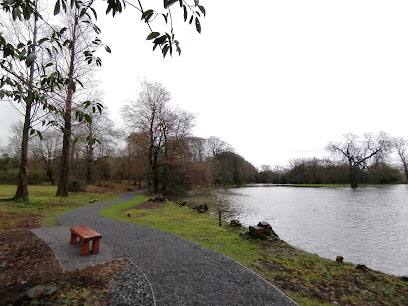
Amgueddfa Sir Gâr - Carmarthenshire Museum
14.3 km
Discover Carmarthenshire’s rich heritage in a 700-year-old bishop’s palace with themed galleries, historic charm, and family-friendly exhibits.
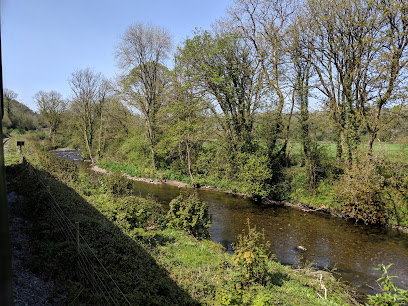
Gwili Steam Railway
14.5 km
Step aboard the Gwili Steam Railway for a scenic, nostalgic steam train journey through the tranquil Carmarthenshire countryside.
Burry Holms
14.5 km
Discover Burry Holms, a tidal island rich in ancient history and stunning coastal views at the northern end of Rhossili Bay.
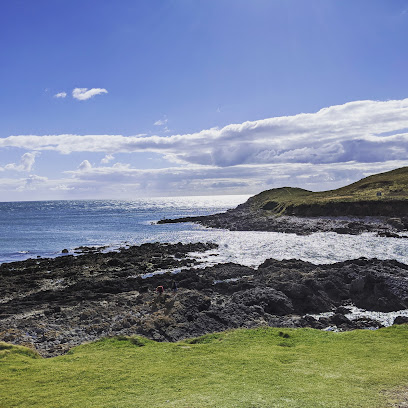
Essential places to dine

Inn At The Sticks
6.9 km
A historic Welsh inn blending innovative local cuisine, warm hospitality, and cozy accommodation in the scenic village of Llansteffan.
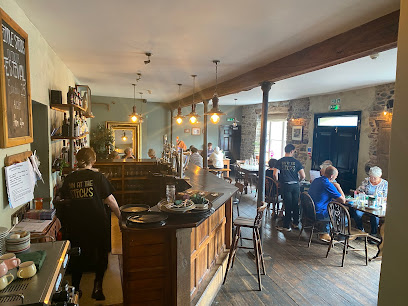
The Farmers Arms
9.0 km
A cozy Welsh country pub in Llanybri offering hearty traditional dishes, warm hospitality, and a charming rural atmosphere.
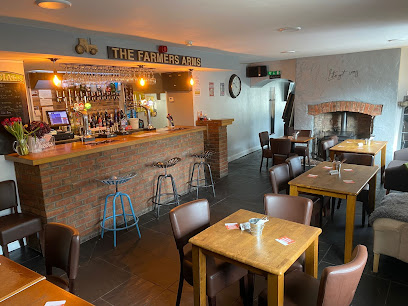
Hollol Gymraeg
12.8 km
Discover authentic Welsh flavors and warm hospitality at Hollol Gymraeg, a family-run culinary gem near Carmarthen.
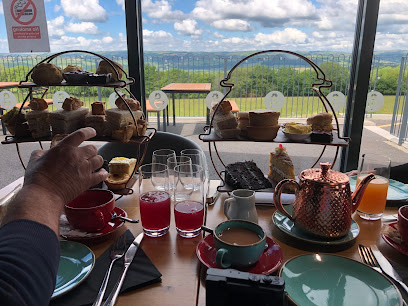
Dexters
12.8 km
Savor premium locally sourced steaks and scenic estuary views at Dexters Steakhouse & Grill in Carmarthen’s inviting riverside setting.
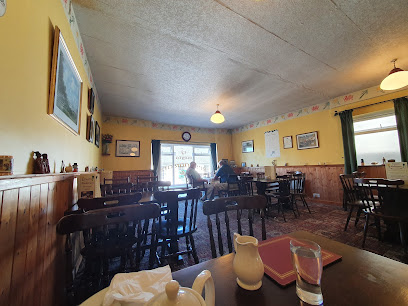
Pantri Blakeman Restaurant
13.0 km
Cozy, home-cooked Welsh and English fare served with generous portions and genuine hospitality in the heart of Carmarthen.
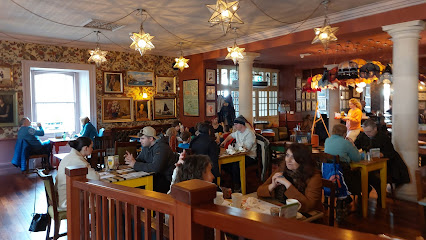
Cofio Lounge
13.0 km
Historic Guildhall café in Carmarthen serving diverse, fresh dishes with vegan and gluten-free options in a welcoming atmosphere.
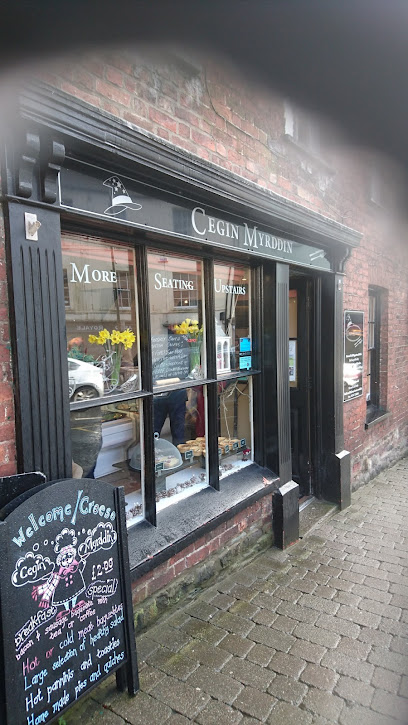
Cegin Myrddin
13.0 km
A cozy Carmarthen café offering traditional Welsh breakfasts, homemade cakes, and artisan coffee in a warm, welcoming setting.
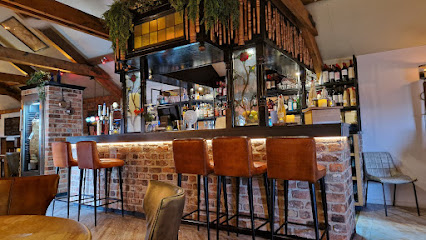
Sloppy Joe's Streetfood
13.0 km
Family-friendly grill and streetfood spot in Carmarthen with lively vibes, local brews, and a menu full of hearty favorites.
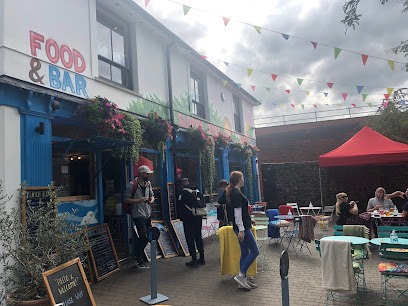
The Warren
13.0 km
A top-rated restaurant in Carmarthen offering exceptional modern cuisine in a warm, inviting setting on historic Mansel Street.
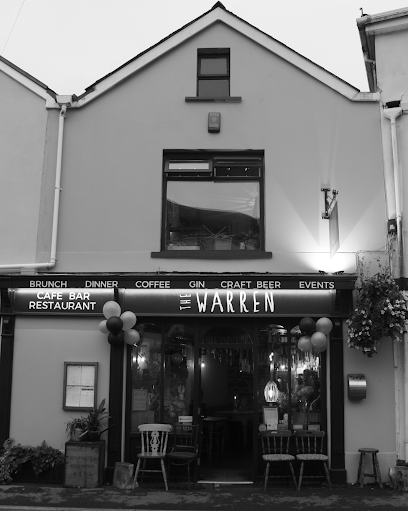
Florentino's
13.1 km
Experience authentic Italian cuisine with homemade gluten-free pasta and wood-fired pizzas in a charming Welsh Longhouse setting in Carmarthen.
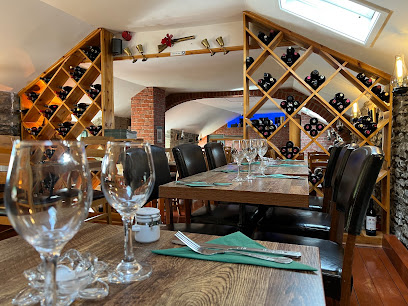
The New Curiosity
13.1 km
Experience contemporary Welsh cuisine in a warm, stylish setting with outstanding food and attentive service in Carmarthen’s heart.
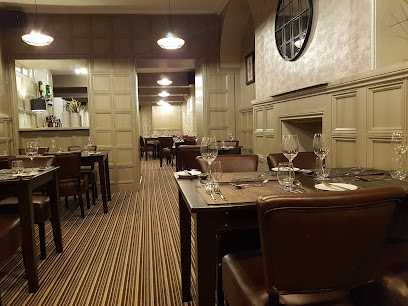
Harvester St Catherines Walk
13.3 km
Family-friendly British grill restaurant in Carmarthen with fresh food, unlimited salad bar, and a welcoming atmosphere in St Catherine's Walk.
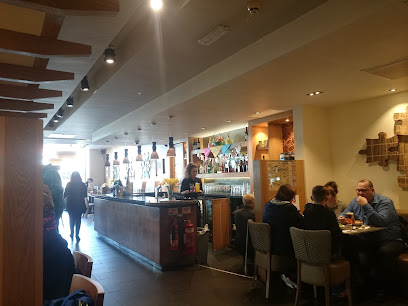
The Butchers Arms
13.4 km
A welcoming Welsh country pub in Llanddarog offering traditional oak-beamed charm, local cuisine, and a cozy fireplace.
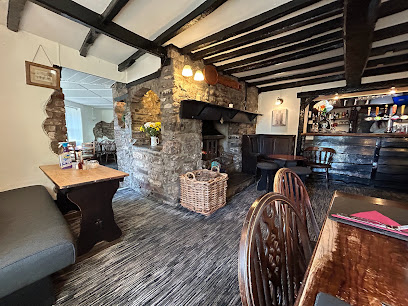
The Fox & Hounds
13.9 km
Welcoming Welsh pub and restaurant in Bancyfelin offering hearty traditional fare, cozy rooms, and friendly local charm.
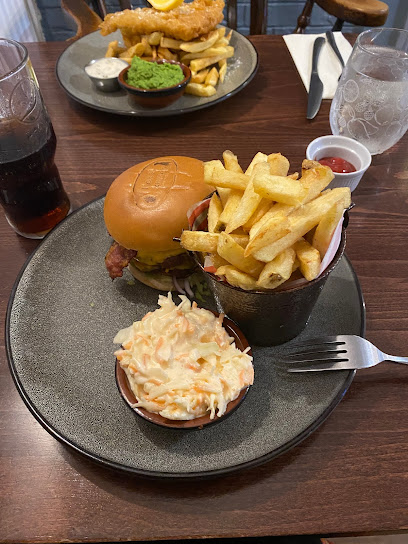
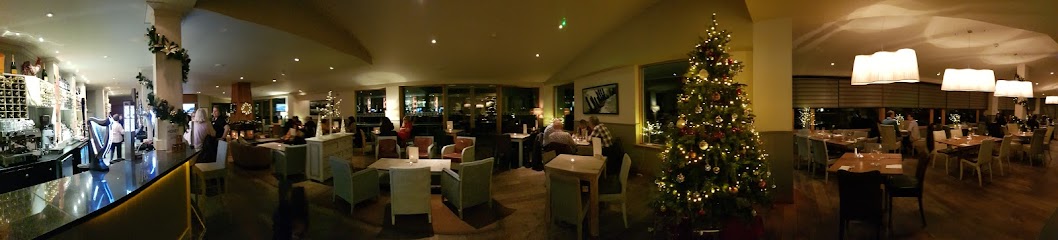
Fredricks Bar & Brasserie
14.0 km
Relax and dine in style with stunning golf course views at Fredricks Bar & Brasserie, Llanelli’s refined yet welcoming culinary spot.
Markets, malls and hidden boutiques

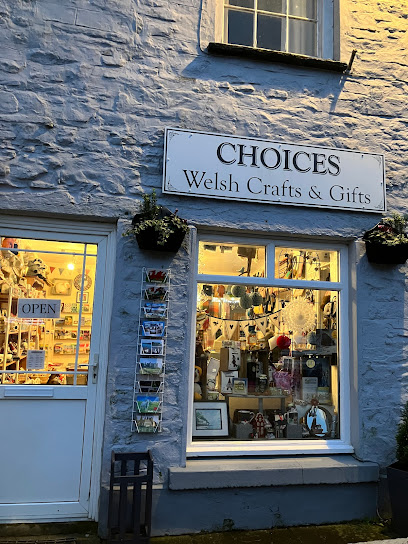
Choices
11.4 km
Choices is a charming gift shop in Laugharne offering unique local crafts and souvenirs in a welcoming atmosphere, open daily from 9am to 5pm.
Dunelm
12.1 km
Explore a vast selection of homewares and furnishings at Dunelm Carmarthen, your local destination for stylish and practical living solutions.

The Range, Carmarthen
12.7 km
Your one-stop homeware destination in South Wales with furniture, décor, garden supplies, and more.

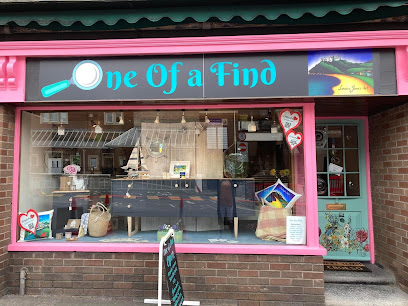
One of a Find
12.9 km
Discover unique vintage gifts and charming home accents at One of a Find, Carmarthen’s beloved boutique on Blue Street.
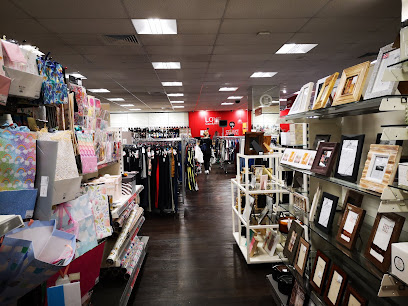
TK Maxx
12.9 km
Discover unbeatable deals on designer fashion and homeware at TK Maxx Carmarthen, where style meets savings in the heart of Merlin's Walk.
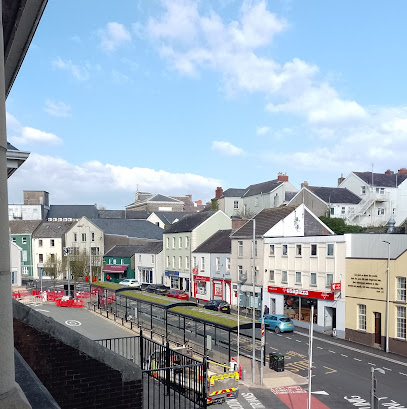
Merlin's Walk Shopping Centre
12.9 km
A vibrant Carmarthen shopping centre blending local legend, specialty stores, and convenient access for a welcoming retail experience.
Poundland
12.9 km
Affordable everyday essentials and family fashion in the heart of Carmarthen’s Merlin's Walk Shopping Centre.
Weird Fish Carmarthen
13.0 km
Quality casual clothing in Wales's oldest town, where legend meets modern retail.
Nomads
13.0 km
Discover unique global treasures and quality handcrafted gifts at Nomads, Carmarthen’s boutique gift and clothing shop.
Muddlebox
13.0 km
Trendy cocktail bar and alcohol retailer in Carmarthen offering creative drinks, retail convenience, and delivery services in a vibrant setting.
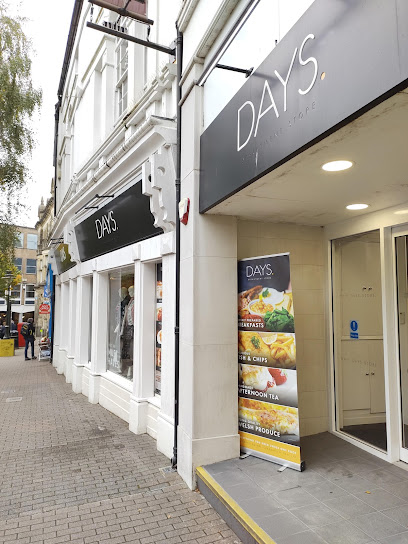
Days Department Store
13.0 km
A welcoming department store in Carmarthen offering diverse fashion and accessories at reasonable prices with convenient hours.
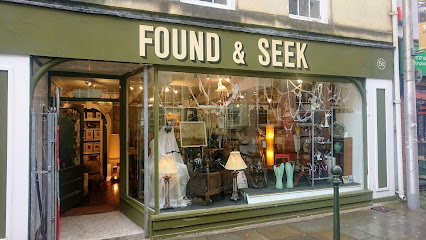
Found & Seek
13.1 km
Discover Carmarthen’s charming boutique blending local crafts with vintage treasures in a unique and welcoming setting.
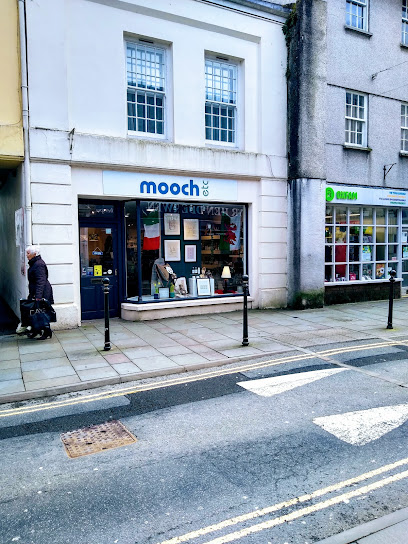
Mooch etc
13.1 km
Discover unique Welsh gifts and local crafts at Mooch etc, a cozy and creative gem in Carmarthen’s historic King Street.
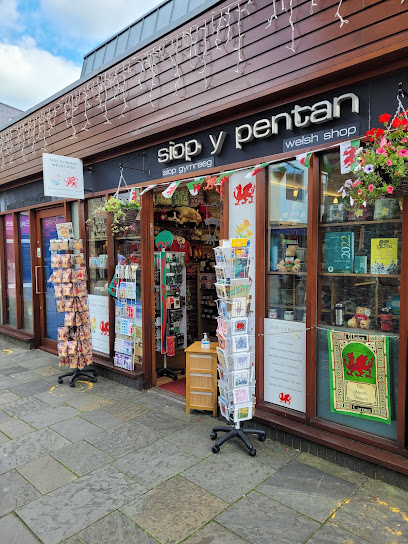
Siop Y Pentan
13.1 km
A cozy Carmarthen bookshop blending Welsh literature with unique local gifts and a warm, inviting atmosphere.
Cambrian Way Shopping Centre
13.2 km
Experience the heart of Carmarthen at Cambrian Way Shopping Centre, where shopping, dining, and lively atmosphere come together.
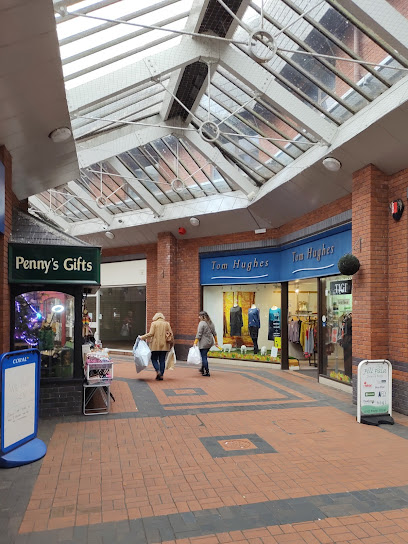
Essential bars & hidden hideouts

Caraway
12.0 km
A family-friendly pub in Carmarthen with great food, traditional ales, a large beer garden, and a warm, welcoming atmosphere.
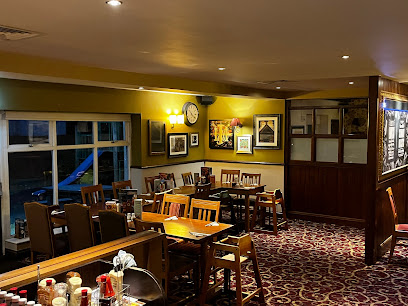
Friends Arms Public House
12.8 km
A cosy, traditional Welsh pub in Carmarthen offering real ales, friendly vibes, and a welcoming spot for locals and visitors alike.
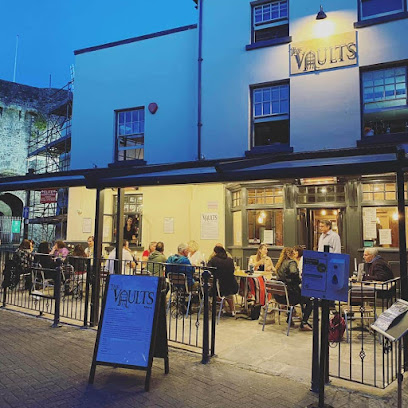
The Vaults
12.9 km
Historic charm meets vibrant nightlife in Carmarthen’s oldest cocktail bar with stunning castle views and live music weekends.
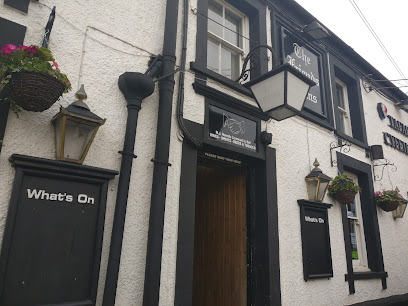
Plume of Feathers Inn
13.0 km
Discover Wales’ smallest pub, The Plume of Feathers Inn in Carmarthen—where cozy charm meets warm welcomes and great food.
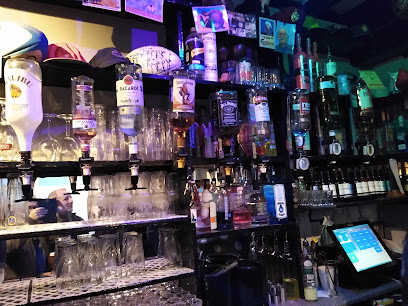
The Gremlin Club
13.0 km
Discover the vibrant nightlife of Carmarthen at The Gremlin Club, where great drinks and lively entertainment await every visitor.
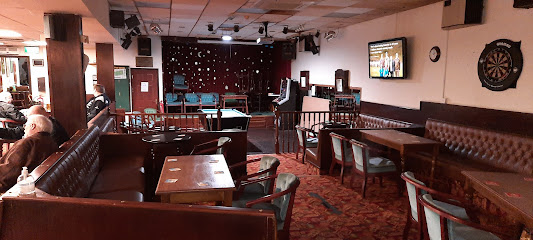
Rose and Crown Hotel
13.0 km
A charming coaching inn in Carmarthen blending historic Welsh warmth with modern comfort and hearty local fare.
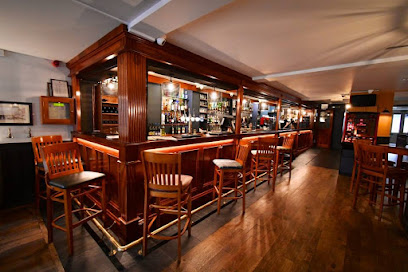
Golden Lion Hotel
13.0 km
Historic Carmarthen pub with lively music, a popular beer garden, and welcoming atmosphere for locals and visitors alike.
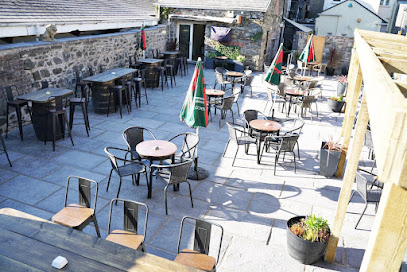
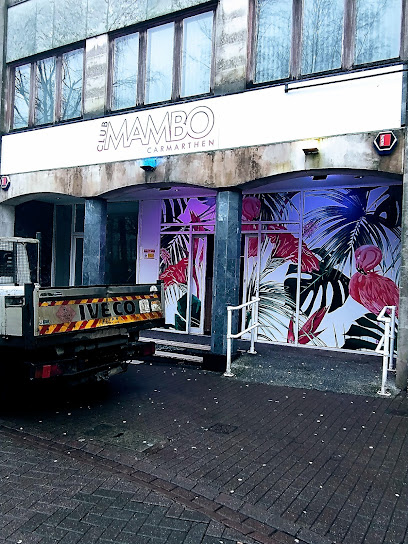
Club Mambo
13.0 km
Experience Carmarthen’s vibrant nightlife at Club Mambo, a lively bar and dance venue known for its energetic atmosphere and welcoming crowd.
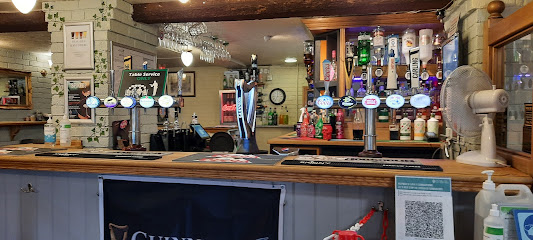
Stag & Pheasant
13.1 km
A lively, dog-friendly pub in Carmarthen offering great beers, hearty meals, and a welcoming local atmosphere.
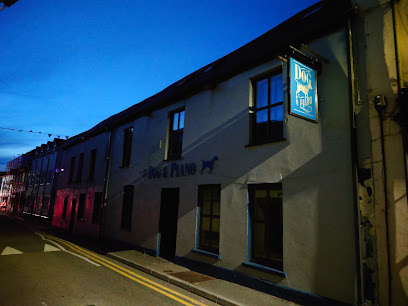
The Dog & Piano
13.1 km
A lively Carmarthen pub blending classic charm with live piano music, cocktails, and a welcoming atmosphere for all.
The New Stags Head
13.1 km
A cozy Carmarthen pub blending traditional charm with locally sourced food and a lively, welcoming atmosphere.
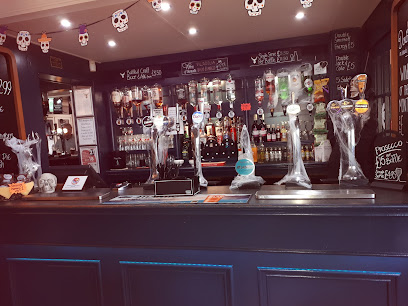
Coracle Tavern
13.1 km
A lively Carmarthen pub blending traditional charm with homemade British fare and live entertainment.
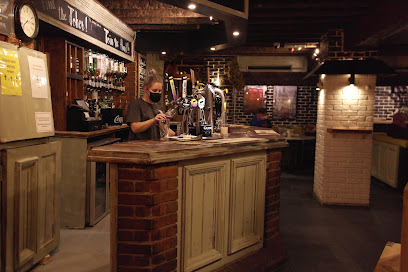
CWRW
13.2 km
CWRW blends craft beers, creative arts, and live music in a vibrant Carmarthen venue full of character and community spirit.
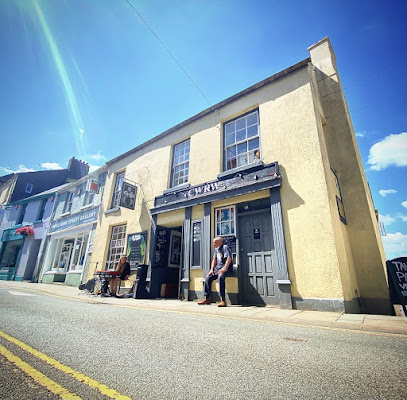
The Mansel Arms
13.8 km
A traditional Welsh pub offering hearty meals, real ales, and a warm, lively atmosphere in the heart of Carmarthenshire countryside.
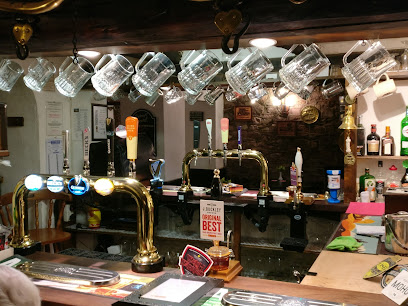
Tafarn Tanerdy
14.1 km
Traditional Welsh pub with scenic river views, family-friendly amenities, and hearty pub classics in Carmarthen’s countryside.
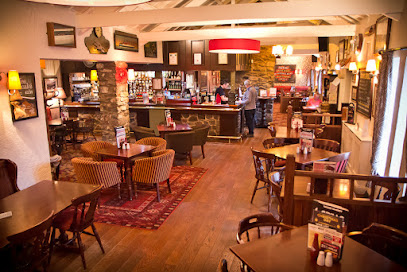
Nightclubs & after hour spots

Lucifer's Nightlife
13.0 km
Experience Carmarthen's vibrant nightlife and fast food fusion at Lucifer's Nightlife, where music, dancing, and late-night bites come alive on Queen Street.
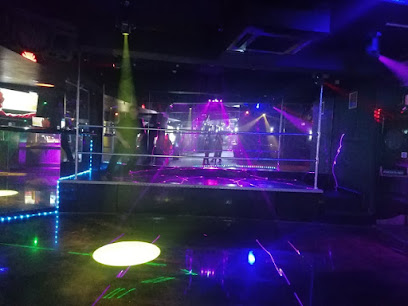
Savannah's Night Club
13.0 km
Experience Carmarthen’s vibrant nightlife at Savannah's Night Club—where music, dance, and stylish vibes create unforgettable Saturday nights.
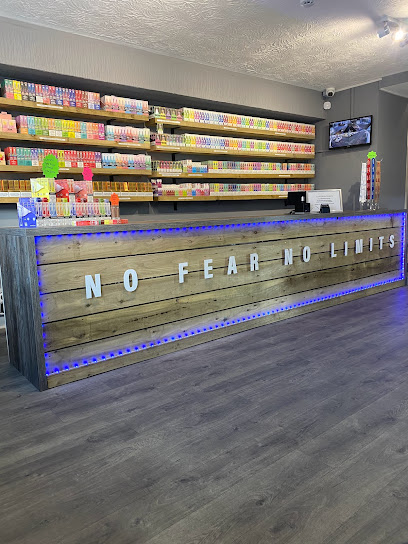
The Rainbow Rooms Bar & Club
20.3 km
Experience lively nights and vibrant music at The Rainbow Rooms Bar & Club, Gorseinon’s premier destination for unforgettable nightlife.
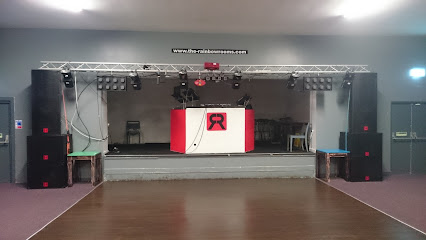
Sands Nightclub
27.3 km
Saundersfoot’s lively nightclub with dance, drinks, and a vibrant atmosphere near the beach.
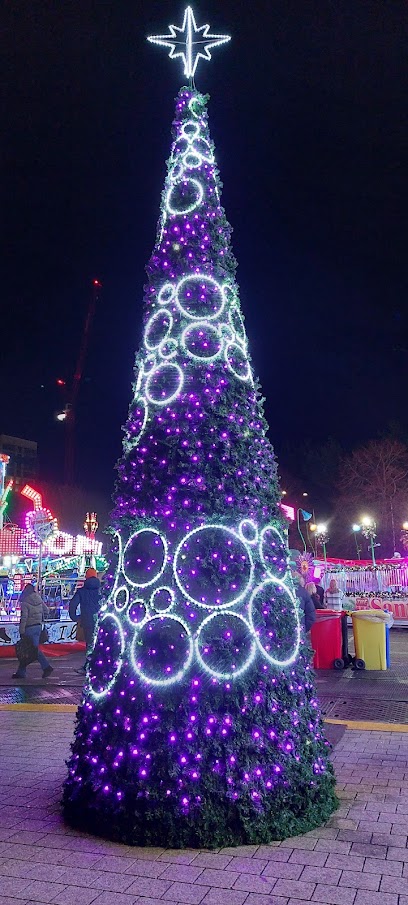
Sin City
28.0 km
Energetic Swansea nightclub with live music, affordable drinks, and a lively atmosphere on Dillwyn Street.
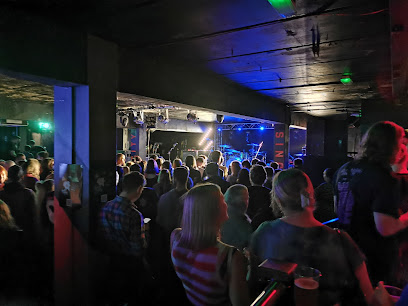
Cuba Escape
28.0 km
Experience Swansea’s vibrant nightlife at Cuba Escape, where live music, energetic crowds, and a colorful atmosphere come together for unforgettable nights.

PlanB
28.0 km
Swansea’s energetic two-floor nightclub with a focus on dance music, lively DJs, and great drink deals for a night to remember.

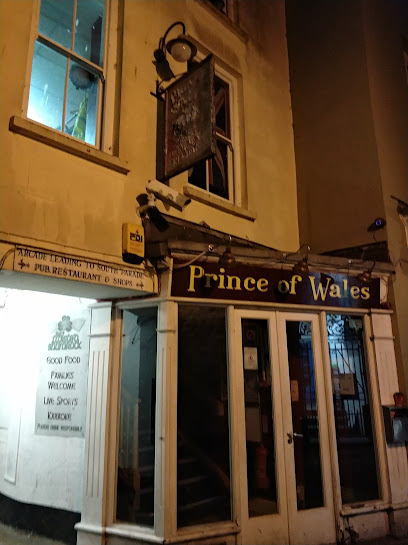
Prince Of Wales
28.3 km
Tenby’s iconic late-night nightclub blending lively music, classic charm, and a spirited atmosphere in the heart of Town Wall Arcade.
Popworld - Swansea
28.5 km
Experience Swansea’s energetic retro nightclub with affordable cocktails, themed events, and a lively dance floor in the heart of the city.

Comlongon
33.3 km
Experience vibrant nightlife in the charming village of St Florence with Comlongon, Tenby’s energetic nightclub gem.
The Arch Bar & Nightclub
35.4 km
A lively Neath hotspot blending nightclub energy, live music, pub charm, and Thai cuisine in one vibrant venue.
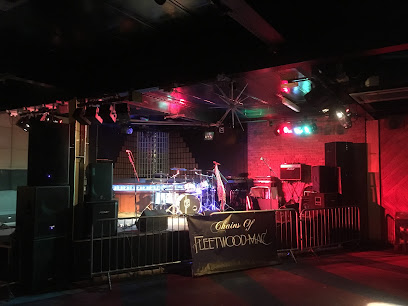
Jimmy's Bar
39.7 km
Experience the vibrant nightlife and live music scene at Jimmy's Bar, Port Talbot’s lively local hotspot with a welcoming atmosphere.
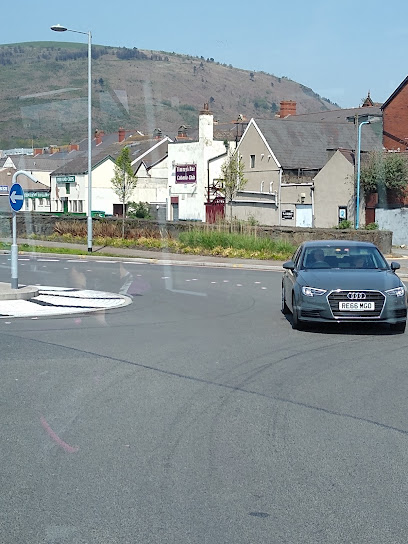
Paddles
42.7 km
Experience Pembroke’s vibrant nightlife at Paddles, the go-to nightclub for late-night music, drinks, and social energy in the town center.
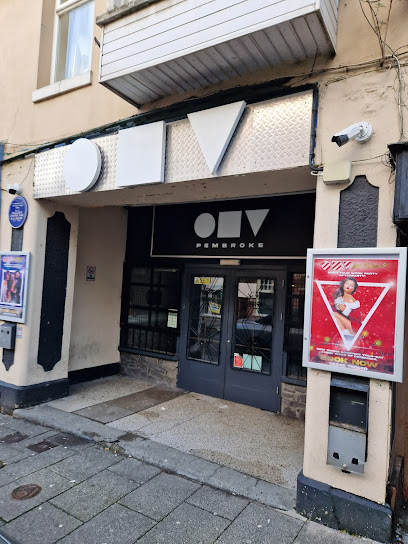
The Star Club
44.0 km
Experience the vibrant nightlife at The Star Club, Pembroke Dock's premier bar for unforgettable evenings filled with music, drinks, and fun.
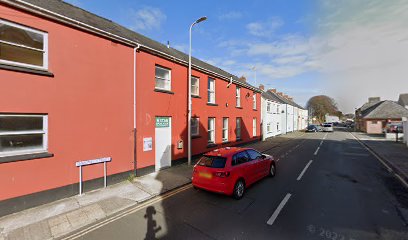
Albion Aberteifi
45.0 km
Discover the charm of Albion Aberteifi, where historic ambiance meets modern hospitality along the beautiful River Teifi.
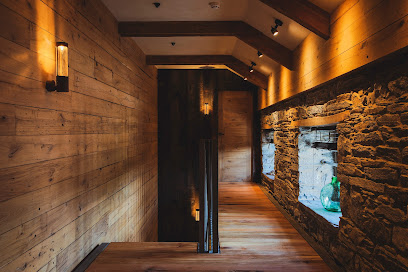
For the vibe & atmosphere seeker
- Scenic
- Relaxing
- Historic
- Unique
For the design and aesthetic lover
- Rustic Designs
- Vintage Styles
For the architecture buff
- Historic
- Landmarks
- Heritage Neighborhoods
For the view chaser and sunset hunter
- Iconic Views
- Panoramas
- Sunrise Spots
- Sunset Spots
For the social media creator & influencer
- Instagrammable
- Photo Spots
- Selfie Spots
- Architectural Shots
For the eco-conscious traveler
- Protected Area
- Public-Transport Accessible
- Leave-No-Trace Critical
- Locally Managed
For the kind of experience you’re after
- Cultural Heritage
- Photowalk
- Nature Escape
- Day Trip
- Weekend Getaway
- Myth & Legends
For how adventurous you want the journey to be
- Easy Access
Location Audience
- Family Friendly
- Senior Friendly
- Child Friendly
- Teen Friendly
- Wheelchair Access
- Pet Friendly
- Couple Friendly
- Solo Friendly
- Vegetarian Friendly
- Vegan Friendly


