
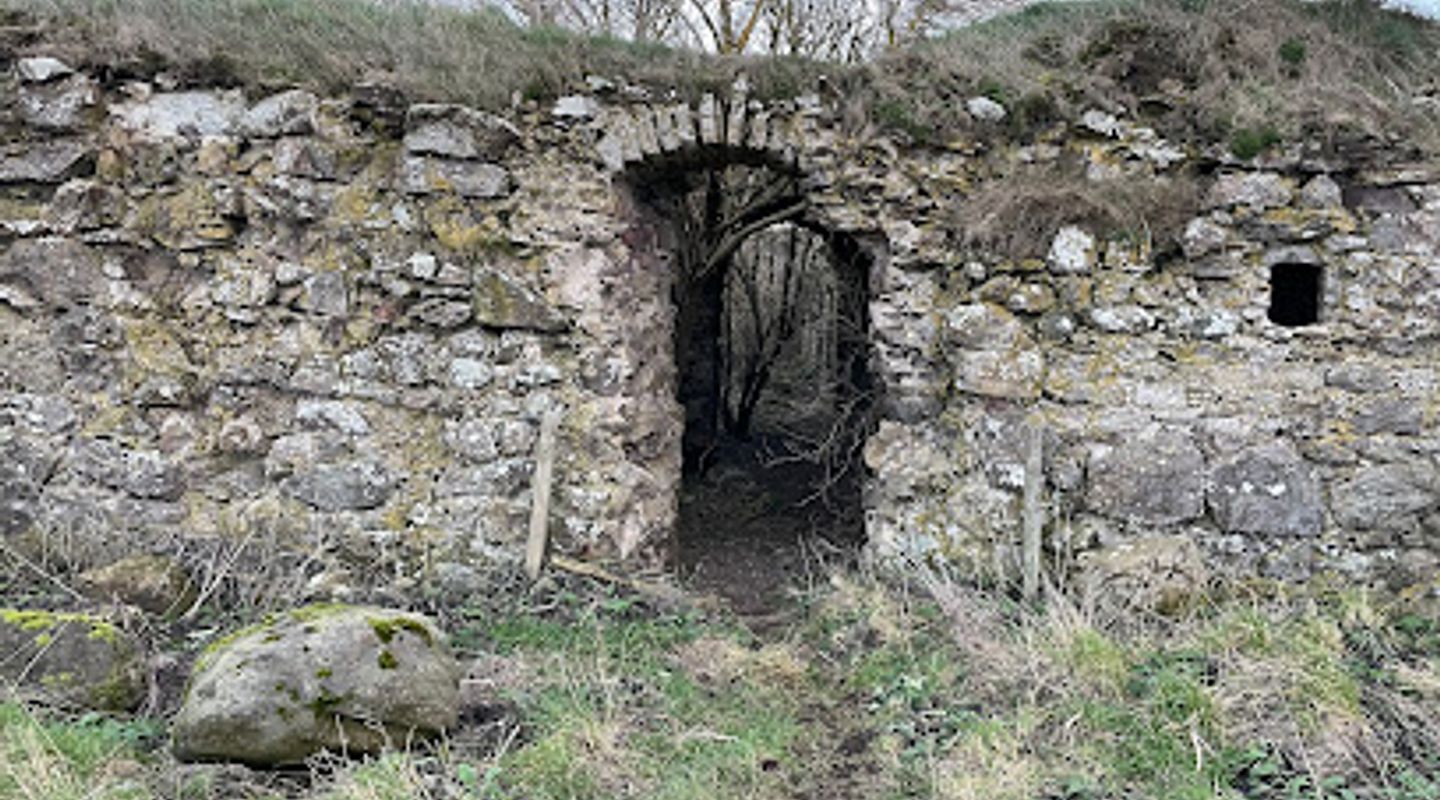
Barnes Castle, East Lothian Travel Guide
Explore Barnes Castle, an unfinished Renaissance fortress near Haddington, embodying Scotland’s noble ambitions and turbulent 16th-century history.
Barnes Castle, near Haddington in East Lothian, is a striking unfinished late 16th-century castle built by Sir John Seton, Treasurer to King James VI. Its unusual rectangular layout with large corner towers and smaller wall towers reflects advanced Renaissance design influences. Though construction ceased on Seton's death in 1594, the castle remains a fascinating historic ruin embodying Scotland’s turbulent past and architectural ambition.
A brief summary to Barnes Castle
- Haddington, GB
- Duration: 0.5 to 2 hours
- Free
-
 Outdoor
- Mobile reception: 3 out of 5

Know before you go
Hi, I'm Eve. Here are a few practical things to know before exploring Barnes Castle.
- Wear sturdy footwear as the castle is a ruin with uneven ground and no formal paths.
- Visit during daylight hours to fully appreciate the castle’s architectural details and surrounding landscape.
- Bring a camera to capture the castle’s unique axial layout and scenic views of the Garleton Hills.
- Combine your visit with nearby historic sites in East Lothian for a full day of cultural exploration.
Do you manage this location?
Take control to get all the benefits, like improved information, better appearance, and stronger visibility across AI-powered discovery. Learn more about listing your business on Evendo
Activate your presenceOther nearby places you may find interesting
The closest places of the same kind, if this one is not quite what you had in mind.
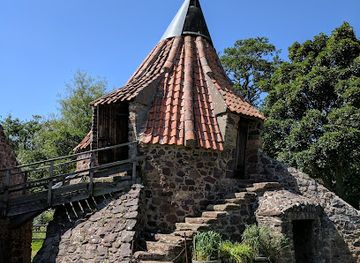

Explore Barnes Castle on the Map
A handpicked selection of must-see spots near Barnes Castle, mapped for you.
Getting There
-
Car
Driving from central Haddington to Barnes Castle takes approximately 15-20 minutes. Parking is limited near the site, so plan to park on nearby country roads and walk the last few hundred meters over uneven terrain. No parking fees apply.
-
Public Transport
Take the bus from Haddington town center towards Athelstaneford, with a journey time of about 25-35 minutes. Services run infrequently, so check schedules in advance. From the nearest stop, a 20-minute walk over rural paths leads to the castle ruins.
-
Walking
For active visitors, a scenic 1.5-hour walk from Haddington follows country lanes and footpaths through farmland and gentle hills. The terrain is uneven in places, so suitable footwear and moderate fitness are recommended.
For the on-the-go comforts that matter to you
-
 Seating Areas
-
 Trash Bins
-
 Information Boards
Discover more about Barnes Castle
Origins and Historical Context of Barnes Castle
Barnes Castle stands near Haddington, East Lothian, on lands granted to the Seyton family by King Robert the Bruce in the early 14th century. By the late 16th century, the estate belonged to Sir John Seton of Barnes, a well-travelled diplomat and Treasurer of the Household to King James VI of Scotland. Sir John began constructing the castle around 1583 as a grand fortified residence to reflect his wealth and status. The site had earlier fortifications destroyed during the Rough Wooing in 1544, making this new castle a symbol of restoration and prestige.Architectural Ambition and Design Features
Barnes Castle is notable for its unusual axial, rectangular plan measuring approximately 50 by 39 meters. The quadrangular layout features four large square towers at each corner and smaller towers along the walls, including an imposing entrance gate on the southwest side. The walls, about one meter thick, enclose a large courtyard. The symmetrical front includes a vestibule leading to a long hallway connecting vaulted chambers, showcasing Renaissance architectural influences uncommon in Scottish castles of the era.Incomplete Legacy and Historical Significance
Construction halted abruptly in 1594 upon Sir John Seton’s death. His heir, also named John, inherited the estate but lacked the resources to complete the ambitious project, partly due to political and financial turmoil linked to the royalist uprisings. The castle was eventually abandoned and left to decay, never serving as a fully functional residence. Despite this, Barnes Castle remains a Scheduled Monument, valued for its architectural uniqueness and its reflection of Scotland’s noble ambitions during the Renaissance.The Castle’s Later History and Present State
After changing hands in the early 18th century, the castle fell further into ruin. Today, it is a striking ruin used as a farm store near Barney Mains, locally known as The Vaults. The remains provide a tangible connection to the Seton family’s legacy and the region’s history. Its location on the slopes of the Garleton Hills offers scenic views, adding to its atmospheric appeal as a historic site.Visitor Experience and Surrounding Landscape
Visiting Barnes Castle allows exploration of a rare example of a late 16th-century fortified grange with Renaissance design elements. The surrounding East Lothian countryside, with its rolling hills and farmland, enhances the sense of stepping back in time. The castle’s ruins invite reflection on Scotland’s complex history of diplomacy, warfare, and noble ambition, making it a compelling destination for history enthusiasts and cultural heritage explorers.Legacy of Sir John Seton and the Seton Family
Sir John Seton was a distinguished figure educated across Europe and serving in royal courts from Spain to Scotland. His vision for Barnes Castle was to create a residence befitting his status as a diplomat and royal treasurer. Although unfinished, the castle symbolizes the Seton family’s influence and their role in Scottish history, including connections to other estates like Hailes Castle. The Setons’ story is intertwined with the castle’s fate, marking Barnes as a monument to ambition and the passage of time.












Your all‑in‑one travel companion app
Explore expert travel guides, compare and book tours, experiences, hotels, and more—all from the palm of your hand. Download now for seamless trip planning wherever your wanderlust takes you.


Explore More of East Lothian
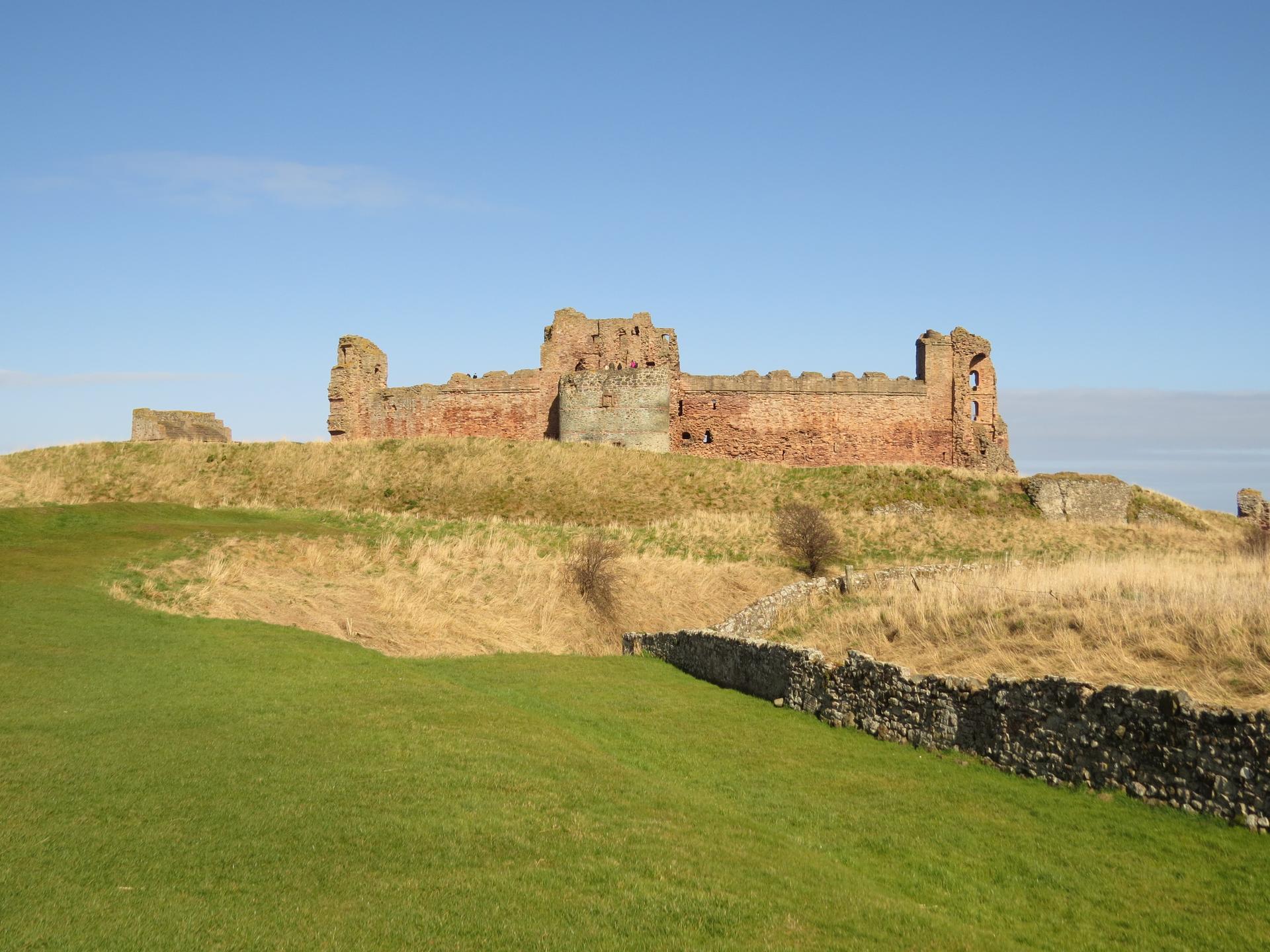
Looking beyond Barnes Castle? Discover East Lothian for broader travel guides, local hot-spots, and regional highlights.
Explore East Lothian
Preserving North Berwick Harbour’s heritage and community spirit through dedicated stewardship and vibrant local initiatives.
Explore the evocative 16th-century ruins of Garleton Castle, a historic courtyard fortress nestled near the scenic Garleton Hills in East Lothian.
