

Free East Lothian Travel Guide & Mobile App
Explore East Lothian with free travel guides. Discover regional history, expert tips, proposed trips, and audio guides on web or mobile app.


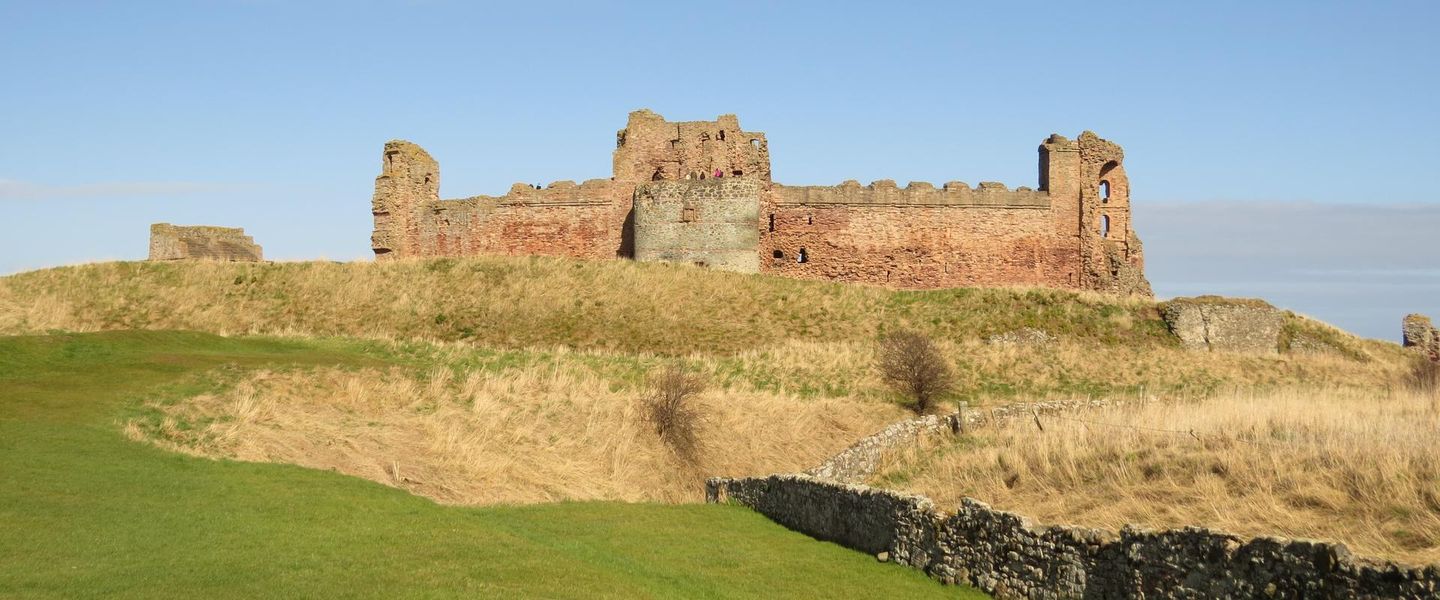


Explore East Lothian for sandy beaches, castle ruins, golf, coastal walking, seabirds, fertile farmland and historic towns beside Edinburgh.
Read more about East Lothian
When is the best time to visit East Lothian?
Best: June–August · 18–20°C| Month | High (°C) | Rainfall (mm) |
|---|---|---|
| January | 6 | 50 |
| February | 7 | 45 |
| March | 10 | 50 |
| April | 13 | 45 |
| May | 16 | 45 |
| June (best) | 18 | 50 |
| July (best) | 20 | 50 |
| August (best) | 20 | 55 |
| September | 17 | 55 |
| October | 13 | 55 |
| November | 9 | 55 |
| December | 6 | 55 |
Getting to and around East Lothian
How to get there
Transportation
Top city travel guides in East Lothian
The cities of East Lothian, and the easiest places to base yourself.

Swipe for more cities
Best attractions in East Lothian
East Lothian’s attractions combine coastal scenery, historic buildings, wildlife and the material culture of a productive farming county. North Berwick’s Scottish Seabird Centre introduces the seabird colonies and marine habitats of the Firth of Forth, while the John Muir Way links beaches, dunes, cliffs and fields along the coast. Tantallon Castle, dramatically positioned above the sea near North Berwick, and Dirleton Castle offer contrasting examples of medieval fortification. Dunbar’s harbour and coastal ruins provide a sense of the town’s military and maritime past, while Haddington contributes churches, civic buildings and market-town history. The National Museum of Flight at East Fortune is one of the region’s most substantial indoor attractions, displaying aircraft in former airfield buildings and outdoor spaces. Historic houses and designed landscapes, including Newhailes near Musselburgh and Lennoxlove near Haddington, reveal the influence of major estates. Beaches at Yellowcraig, Gullane, North Berwick and Dunbar support walking, wildlife watching and family outings, while Traprain Law and the Lammermuir foothills offer more strenuous countryside experiences.
-
Museum
National Museum Of Flight
Explore Scotland’s rich aviation heritage at East Fortune Airfield, home to historic aircraft and the iconic Concorde experience.
-
Local history museum
Museum of Edinburgh
Discover Edinburgh’s rich history in a charming 16th-century building on the Royal Mile, featuring iconic artifacts and engaging exhibitions.
-
Tourist attraction
Scottish Seabird Centre
Explore Scotland’s marine wildlife through interactive exhibits, live cameras, and scenic boat trips at the award-winning Scottish Seabird Centre.
-
Nature reserve
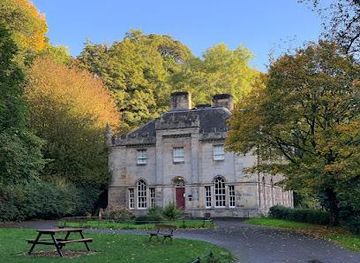
Hermitage of Braid and Blackford Hill Local Nature Reserve
A peaceful 149-acre nature reserve with historic charm, scenic trails, and panoramic views just south of Edinburgh’s city centre.


Best landmarks in East Lothian
Tantallon Castle is East Lothian’s most theatrical historic landmark, occupying a headland above the Firth of Forth with a massive curtain wall and views towards Bass Rock. Dirleton Castle presents a different medieval character: a ruined noble residence set within the village and known for its surviving architectural details and gardens. Dunbar Castle survives in fragmentary form on a coastal site that reflects the town’s strategic military role, while St Mary’s Church in Haddington is a major medieval building and an important reminder of the county town’s former prominence. Traprain Law is the region’s defining natural and archaeological landmark, rising conspicuously above the surrounding farmland and associated with a major Iron Age hill-fort and Roman silver hoard. North Berwick’s harbour and the profile of Bass Rock across the water are enduring coastal symbols, while Newhailes House near Musselburgh represents the architecture and designed landscapes of East Lothian’s historic estates.
-
Historical landmark
Hopetoun Monument
A towering tribute on Byres Hill offering historic charm and sweeping panoramic views across East Lothian and beyond.
-
Historical landmark
Preston Tower
Discover Preston Tower, a resilient 15th-century Scottish stronghold set within tranquil gardens, rich with history and medieval charm.
-
Historical landmark
St Martin's Kirk
Explore the evocative 12th-century Romanesque ruins of St Martin's Kirk, a cornerstone of Haddington's medieval spiritual heritage and Reformation history.
-
Historical landmark
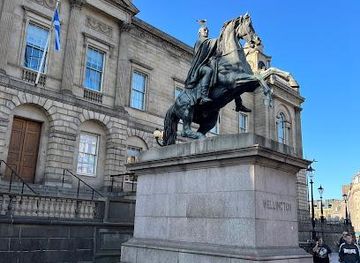
Duke of Wellington Equestrian statue
A commanding bronze tribute to the Duke of Wellington, standing proud at Edinburgh’s historic Register House since 1852.


Explore East Lothian on the map
Plan your trip on one map. See where the top cities, national parks and sights are, and book hotels and experiences in a few clicks.
Best hotels in East Lothian
Best restaurants in East Lothian
East Lothian’s dining reflects its fertile soils and long coastline rather than a single signature dish. Menus often draw on locally grown vegetables, fruit, cereals and potatoes, alongside seafood from the Firth of Forth and the wider east coast. North Berwick, Dunbar and other coastal settlements have cafés, seafood-led restaurants, bakeries and traditional pubs, while Haddington and the inland villages provide country inns and contemporary dining rooms. Farm shops and seasonal producers are useful for discovering apples, berries, vegetables, preserves, baking and other local goods. East Lothian is also associated with brewing and whisky production, with Belhaven Brewery in Dunbar and Glenkinchie Distillery near the Lammermuirs forming part of the region’s drinks heritage. Expect Scottish staples alongside modern menus shaped by seasonal produce; the strongest local character is often found in simple dishes that allow fresh ingredients to lead.
-
Pub
The Melville Inn
A charming gastropub and inn in Lasswade offering hearty British cuisine, warm hospitality, and cozy accommodations amid scenic Melville Nurseries.
-
Family friendly
The Longniddry Inn
A warm, family-friendly pub in Longniddry serving hearty local dishes and handcrafted pizzas in a cozy, community-focused setting.
-
Cafe
Söderberg The Meadows
Authentic Scandinavian bakery and café in Edinburgh famed for its cardamom buns and cozy atmosphere with indoor and outdoor seating.
-
Restaurant
The Waterside Bistro in Haddington
Charming riverside bistro in Haddington offering classic dishes, fresh seafood, and warm, professional service in a historic setting.


Best bars in East Lothian
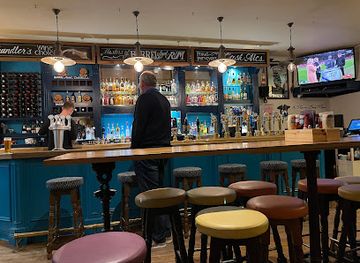
Evening life in East Lothian is primarily centred on traditional pubs, restaurants, hotel bars and live music rather than a large nightclub scene. North Berwick has the broadest concentration of places for an evening out, with pubs, cafés and bars serving residents, visitors and golfers, while Dunbar, Haddington and Musselburgh offer their own established local venues. Village inns and rural pubs are more likely to provide conversation, food and occasional music than late dancing. Local beer and whisky may feature on drinks lists, and some coastal establishments have a seasonal atmosphere during warmer months. Visitors should check current arrangements for individual venues, as opening patterns and entertainment can change, particularly outside the larger towns. Edinburgh’s extensive nightlife is nearby but lies outside East Lothian.
-
Bar
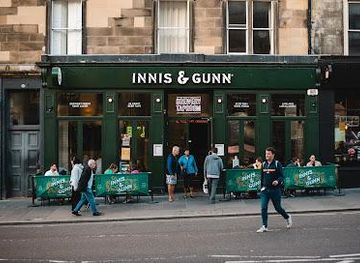
Innis & Gunn Edinburgh City Centre Brewery Taproom
A vibrant craft beer haven and steakhouse in Edinburgh’s West End, perfect for lively evenings and hearty Scottish fare.
-
Bar
BrewDog Edinburgh Lothian Road
Experience Edinburgh’s craft beer culture in a vibrant, historic setting with legendary wings, 28 taps, and a dog-friendly atmosphere.
-
Pub
The David MacBeth Moir - JD Wetherspoon
A welcoming JD Wetherspoon pub in Musselburgh offering hearty meals, local ales, and a lively atmosphere from breakfast to late night.
-
Pub
The Ship Inn
Historic Scottish coastal pub offering hearty fare, warm hospitality, and a lively atmosphere in the heart of North Berwick.


Best nightclubs in East Lothian
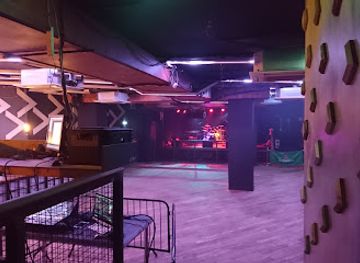
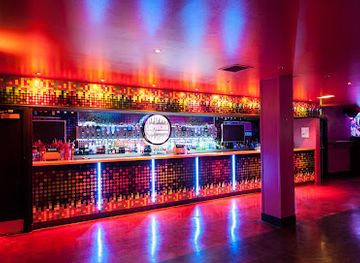
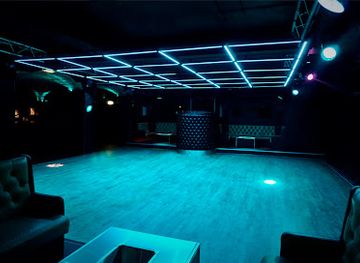
Evening life in East Lothian is primarily centred on traditional pubs, restaurants, hotel bars and live music rather than a large nightclub scene. North Berwick has the broadest concentration of places for an evening out, with pubs, cafés and bars serving residents, visitors and golfers, while Dunbar, Haddington and Musselburgh offer their own established local venues. Village inns and rural pubs are more likely to provide conversation, food and occasional music than late dancing. Local beer and whisky may feature on drinks lists, and some coastal establishments have a seasonal atmosphere during warmer months. Visitors should check current arrangements for individual venues, as opening patterns and entertainment can change, particularly outside the larger towns. Edinburgh’s extensive nightlife is nearby but lies outside East Lothian.
-
Nightclub
La Belle Angele
Edinburgh’s intimate hotspot for live music and vibrant nightlife tucked away in the historic Old Town.
-
Nightclub
Club Tropicana
Step into Club Tropicana for a vibrant 80s disco night filled with retro beats, lively crowds, and a tropical party vibe in the heart of Edinburgh.
-
Nightclub
Why Not Nightclub
Edinburgh’s dynamic late-night hotspot with vibrant music rooms, a futuristic LED space, and a lively outdoor beer garden for unforgettable nights.
-
Live Music
Midnight Breakfast Club
A cozy live music venue and bar in Bathgate known for great tribute acts, strong drinks, and a friendly, lively atmosphere.

Best shops in East Lothian
Shopping in East Lothian is shaped by market towns, independent businesses, farm shops and coastal gift stores rather than large-scale retail. North Berwick has a compact selection of independent shops, galleries, cafés and outdoor-oriented businesses, with locally themed gifts and craft goods particularly common near the harbour and central streets. Haddington provides everyday shopping alongside books, antiques, specialist food and small retailers, while Dunbar combines practical town-centre shops with businesses connected to its coastal setting. Farm shops and seasonal producers are good places to buy East Lothian fruit, vegetables, preserves, baking, cheese and drinks. Visitors may also find pottery, textiles, prints and jewellery made by Scottish craftspeople, although stock varies between businesses. Musselburgh offers the most urban retail environment within the region and is useful for combining shopping with historic sites and transport links to Edinburgh.
-
Shopping Centre
Haddington Retail Park
Modern retail hub in East Lothian offering diverse stores, dining, and sustainable amenities with ample parking and extended hours.
-
Gift shop
One World Shop
Discover ethically sourced treasures and support global artisans at Edinburgh’s oldest fair trade shop beneath historic St John’s Church.
-
Cheese shop
I.J. Mellis Cheesemonger Victoria Street
Discover artisan farmhouse cheeses matured to perfection in Edinburgh’s iconic Victoria Street cheese shop.
-
Gift shop
Westgate - Coastal Gallery, Gifts & Cafe
Discover local art, unique gifts, and cozy café delights in the heart of North Berwick’s charming Westgate Gallery.


Get your free copy of our complete guide to East Lothian, delivered straight to you.
Everything on this page, from attractions and restaurants to essentials and local phrases, in one PDF you can read offline, print or share.
Already have an account? Sign in
Your East Lothian guide is ready.
We'll send it to · Not you? Sign out

Getting your guide ready…
We are putting together a fresh copy of the East Lothian guide. This can take up to a minute.
This can take a few moments. If your browser asks, choose Allow so the download can start. You'll find the guide in your Downloads folder.
Nothing happened? Download it again
Sorry, the guide is taking longer than usual. Please try again in a minute, or get it by email instead.
East Lothian essentials
Currency and Payment
Safety
Emergency Situations
Do's and Don'ts
Local Tips
From Eve
Local phrases worth knowing
You don't need to get them perfect. A few words go a long way, and locals appreciate the effort.
Basics
| English | Local | Say it |
|---|---|---|
| Hello | Hiya | [hai-uh] |
| Goodbye | Cheerio | [cheer-ee-oh] |
| Yes | Aye | [ai] |
| No | Naw | [naw] |
| Please/You're welcome | Please/No bother | [pleez/no bo-thur] |
| Thank you | Thanks a lot | [thangs uh lot] |
| Excuse me/Sorry | Scuse me/Sorry | [skyoos mee/sor-ee] |
| How are you? | How's it gaun? | [how's it gawn] |
| Fine. And you? | Aye, fine. And yersel'? | [ai, fine. And yer-sell?] |
| Do you speak English? | D'ye speak English? | [d'ye speak ing-glish?] |
| I don't understand | Ah dinnae understand | [ah din-ee un-der-stand] |
Eating & Drinking
| English | Local | Say it |
|---|---|---|
| I'd like to see the menu, please | Can I see the menu, please? | [can ah see th' menu, pleez?] |
| I don't eat meat | Ah dinnae eat meat | [ah din-ee eat meat] |
| Cheers! | Cheers! | [cheers] |
| I would like to pay, please | Ah'd like tae pay, please | [ah'd lik tae pay, pleez] |
Emergencies
| English | Local | Say it |
|---|---|---|
| Help! | Help! | [help] |
| Go away! | Gie it a rest! | [gee it a rest] |
| Call the Police! | Phone the polis! | [fone th' polis] |
| Call a doctor! | Get a doctor! | [get a dok-tor] |
| I'm lost | Ah'm lost | [ah'm lost] |
| I'm ill | Ah'm no weel | [ah'm no weel] |
Shopping
| English | Local | Say it |
|---|---|---|
| I'd like to buy... | Ah'd like tae buy... | [ah'd lik tae buy...] |
| I'm just looking | Ah'm just havin' a look | [ah'm just hav-in' a luk] |
| How much is it? | Whit’s the price? | [whit’s th' price?] |
| That's too expensive | That's a bit dear | [that's a bit deer] |
| Can you lower the price? | Can ye bring the price doon? | [can ye bring th' price doon?] |
Time & Numbers
| English | Local | Say it |
|---|---|---|
| What time is it? | Whit time is it? | [whit time is it?] |
| It's one o'clock | It's one o'clock | [it's wun uh-clock] |
| Half past (10) | Half past ten | [half past ten] |
| Morning | Mornin' | [morn-in'] |
| Afternoon | Afternoon | [af-ter-noon] |
| Evening | Evenin' | [eev-in'] |
| Yesterday | Yesterday | [yes-ter-day] |
| Today | Today | [to-day] |
| Tomorrow | Morrow | [mor-row] |
| 1 | One | [wun] |
| 2 | Two | [too] |
| 3 | Three | [three] |
| 4 | Four | [for] |
| 5 | Five | [five] |
| 6 | Six | [six] |
| 7 | Seven | [sev-en] |
| 8 | Eight | [ate] |
| 9 | Nine | [nine] |
| 10 | Ten | [ten] |
Transport & Directions
| English | Local | Say it |
|---|---|---|
| Where's a/the...? | Whar's th'...? | [whar's th'...?] |
| What's the address? | Whit’s th' address? | [whit’s th' ad-dress?] |
| Can you show me (on the map)? | Can ye show me (on th' map)? | [can ye show me (on th' map)?] |
| When's the next (bus)? | When's th' next (bus)? | [when's th' next (bus)?] |
| A ticket (to ....) | A ticket (ta....) | [a tik-it (ta....)] |
History of East Lothian
Prehistoric East Lothian and Traprain Law
East Lothian contains evidence of settlement stretching back thousands of years, with prehistoric remains associated with fertile coastal plains, raised ground and defensible hills. Traprain Law, east of Haddington, became a major hill-fort and later an important centre in the landscape of eastern Scotland. Its archaeological importance includes evidence of occupation and a large Roman silver hoard discovered in the early twentieth century. The region’s agricultural potential, coastal access and position between the Borders and the Forth helped make it strategically significant long before the emergence of modern towns.
Roman Influence and the Southern Forth
Roman armies reached the area during campaigns into what is now Scotland, and East Lothian lay within a wider frontier zone connected to roads, forts and settlements south of the Forth. The Roman silver discovered at Traprain Law, probably deposited in the fifth century, illustrates contact between local communities and the Roman world even after imperial control had weakened. Roman influence did not erase existing societies, but it altered patterns of trade, warfare and political power. The county’s position on routes between southern Scotland and the Forth remained important in later centuries.
Medieval Burghs, Churches and Castles
During the Middle Ages, Haddington developed as a major burgh and administrative centre, while Dunbar and North Berwick benefited from their coastal positions. Religious foundations, parish churches and great estates shaped the region’s economy and appearance. Castles at Dirleton and Tantallon belonged to powerful families and guarded important routes and shorelines, while Dunbar Castle occupied a strategically valuable headland. The surviving ruins and medieval churches reflect a period when East Lothian stood close to the contested border between the Scottish crown, powerful nobles and English armies.
The Scottish Reformation and the Conflict of the Sixteenth Century
The sixteenth century brought religious and political upheaval to East Lothian, as it did to Scotland more widely. Churches, monasteries and landed estates were affected by the Reformation, while the region’s proximity to Edinburgh and the English border made it vulnerable to military intervention. Haddington and surrounding settlements were drawn into conflicts involving the Scottish crown, noble factions and English forces. The altered religious landscape can still be read in parish churches, ruined collegiate foundations and the changing fortunes of medieval ecclesiastical buildings.
The Battle of Dunbar, 1650
The Battle of Dunbar was fought on 3 September 1650 during the Wars of the Three Kingdoms. An English Parliamentarian army commanded by Oliver Cromwell defeated a larger Scottish Royalist force near Dunbar. The battle had serious consequences for Scotland, including prisoners being marched south and held in harsh conditions. The battlefield lies outside the modern town’s historic core, while the ruins and coastal setting of Dunbar provide context for understanding the town’s long military importance. The event remains one of the defining episodes in East Lothian’s seventeenth-century history.
Agricultural Improvement and Estate Landscapes
From the eighteenth century, East Lothian became closely associated with agricultural improvement. Landowners and tenant farmers introduced drainage, enclosure, more systematic crop rotation and new approaches to farm management on the county’s productive soils. Estates developed formal policies, designed landscapes and substantial houses, while Haddington and other market centres supported trade in grain and livestock. The reputation of East Lothian as the ‘garden of Scotland’ reflects this agricultural identity, although the phrase should not obscure the labour of farming communities or the continuing changes in rural land use.
Golf, Railways and Coastal Tourism
The nineteenth century transformed access to East Lothian through railway connections from Edinburgh and the development of coastal tourism. Seaside resorts such as North Berwick expanded, while golf became increasingly established on links courses at places including Gullane and Dunbar. Railways also strengthened markets for agricultural produce and helped residents travel between rural towns and the capital. The combination of open coastal terrain, improved transport and leisure culture created a regional identity that continues today, with golf, walking and seaside recreation complementing the older agricultural and maritime economy.
John Muir and Modern Conservation
John Muir was born in Dunbar in 1838 and later became a major naturalist, writer and advocate of protected landscapes in the United States. His early experience of East Lothian’s coast and countryside formed part of the background to his lifelong interest in nature, although his conservation work developed mainly after he emigrated. The John Muir Way, a long-distance route across Scotland, passes through East Lothian and gives visitors a way to experience habitats and landscapes connected with his early life. His legacy has helped strengthen the region’s focus on outdoor access and environmental awareness.
East Lothian in Photos
Browse through our photo collection highlighting the charm and character of the destination.
Neighbouring regions of East Lothian
The closest regions to East Lothian, if you have time for more than one.
-

-

-

-

-


Swipe for more regions
Explore more

Explore more of United Kingdom
Discover the United Kingdom: A blend of rich history, stunning landscapes, and vibrant cities, offering a unique travel experience for every visitor.
Explore United Kingdom