St. Patrick, East Lothian Travel Guide
Historic Catholic church in Edinburgh’s Old Town, blending neoclassical beauty with deep Irish immigrant roots and peaceful city centre sanctuary.
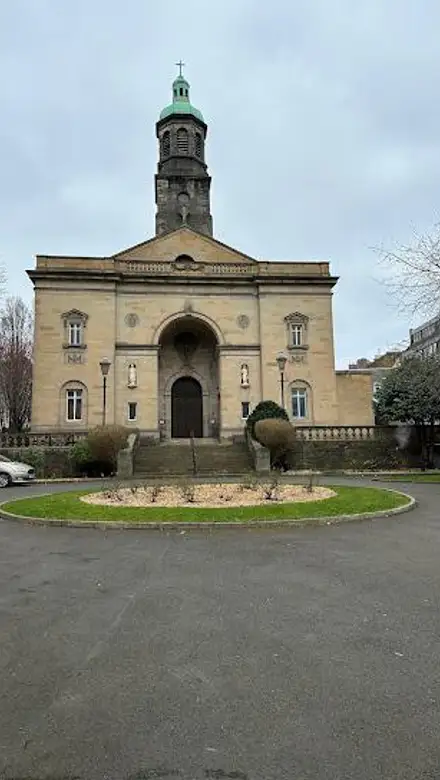
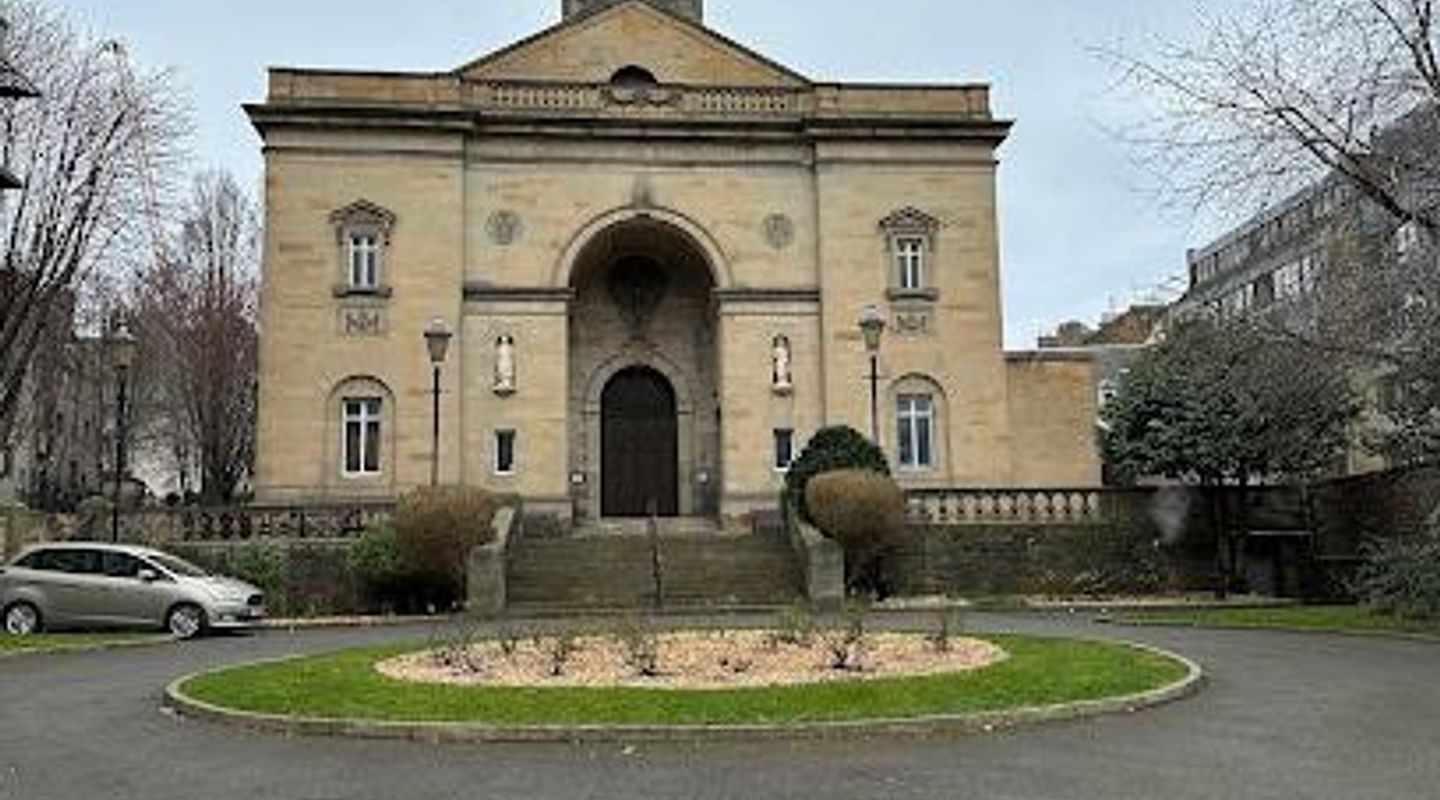
St Patrick's Church in Edinburgh's Old Town is a historic Catholic church originally built between 1771 and 1774 as an Episcopalian chapel. It became a Catholic church in 1856 to serve the Irish immigrant community. The church features a neoclassical facade added in 1929 with statues of St Patrick and St Brigid, and contains memorial chapels honoring parishioners lost in World War I. It remains an active place of worship and a peaceful city centre oasis.
A brief summary to St. Patrick
- 5, 40 S Gray's Cl, High St, Edinburgh, EH1 1TQ, GB
- Click to display
- Click to display
- Duration: 0.5 to 1.5 hours
- Free
-
 Indoor
- Mobile reception: 4 out of 5
- Monday 8 am-7 pm
- Tuesday 8 am-7 pm
- Wednesday 8 am-7 pm
- Thursday 8 am-7 pm
- Friday 8 am-7 pm
- Saturday 8 am-7 pm
- Sunday 8 am-6 pm

Know before you go
Hi, I'm Eve. Here are a few practical things to know before exploring St. Patrick.
- Visit during weekday mornings to experience the church’s tranquil atmosphere and admire its neoclassical facade in soft natural light.
- Explore the memorial chapels inside, especially the World War I mortuary chapel, for a poignant glimpse into the parish’s history.
- Look for the restored fragments of Alexander Runciman’s original murals, a rare example of pre-Reformation religious art in Scotland.
- Attend a service to experience the church’s vibrant community and hear its rich liturgical traditions in action.
- Take time to appreciate the statues of St Patrick and St Brigid on the 1929 facade, symbolic of the church’s Irish heritage.
Do you manage this location?
Take control to get all the benefits, like improved information, better appearance, and stronger visibility across AI-powered discovery. Learn more about listing your business on Evendo
Activate your presenceOther nearby places you may find interesting
The closest places of the same kind, if this one is not quite what you had in mind.
Explore St. Patrick on the Map
A handpicked selection of must-see spots near St. Patrick, mapped for you.
Getting There
-
Public Bus
Take Lothian Buses routes 3, 35, or 36 from Edinburgh city centre, with a journey time of approximately 10–15 minutes. Buses run frequently throughout the day, and single tickets cost around £1.80. The stop is near South Gray's Close, a short walk to the church. Note that buses may be crowded during peak hours.
-
Walking
From Edinburgh Waverley Station, it is a 20–25 minute walk through the Old Town on mostly paved streets, with some cobblestones near the Cowgate area. The route is accessible but may be challenging for those with mobility issues due to uneven surfaces.
-
Taxi or Rideshare
A taxi or rideshare from central Edinburgh takes about 5–10 minutes depending on traffic, costing approximately £5–£8. Drop-off is possible near the church entrance on South Gray's Close. Availability is good throughout the day.
For the on-the-go comforts that matter to you
-
 Restrooms
-
 Seating Areas
-
 Information Boards
Discover more about St. Patrick
Origins and Architectural Beginnings
St Patrick's Church was originally constructed between 1771 and 1774 as an Episcopalian chapel, designed by architect John Baxter. It was known locally as the “English Chapel” due to its Episcopalian roots, distinct from the predominant Presbyterian Church of Scotland. The building was funded by public subscription, a considerable sum at the time, reflecting the community’s commitment. Inside, the original altar was situated in an oval apse on the eastern side, adorned with a major religious painting, the Ascension, by Alexander Runciman, one of Scotland’s earliest significant public religious artworks since the Reformation.Transition to a Catholic Church and Community Significance
In 1856, the chapel was purchased by Bishop James Gillis for £4,000 to serve Edinburgh’s growing Irish Catholic immigrant population concentrated in the Cowgate area, known as ‘Little Ireland.’ This marked its transformation into St Patrick’s Catholic Church. The congregation, despite widespread poverty, raised half the funds themselves, underscoring the church’s importance as a spiritual and cultural hub. The church was officially opened as a Catholic place of worship on 3 August 1856, with a large congregation present.20th Century Enhancements and Memorials
Throughout the early 20th century, St Patrick’s underwent several significant additions. In 1921, a mortuary chapel was erected to commemorate the 320 parish men who died in World War I, serving as a poignant memorial. Between 1924 and 1925, two chapels—the Lady Chapel and the Sacred Heart Chapel—were constructed, enriching the church’s spiritual spaces. The most visually striking enhancement came in 1929 with the addition of a neoclassical facade designed by Reginald Fairlie. This grand frontage includes statues of St Patrick and St Brigid in niches above the entrance and an impressive terrace and steps, giving the church its current iconic appearance.Artistic Heritage and Restoration Efforts
The church’s interior once featured prominent murals by Alexander Runciman, which were painted over when the building was taken over by the Presbyterian congregation in 1818. Recent efforts have focused on uncovering and restoring these historic artworks to their former glory, highlighting the church’s layered religious and artistic heritage. The altar was relocated from the eastern apse to the northern side in the late 19th century to accommodate a growing congregation, reflecting the church’s evolving liturgical needs.Role in Edinburgh’s Urban and Cultural Landscape
Situated in the heart of Edinburgh’s Old Town near the historic Cowgate, St Patrick’s Church stands as a significant landmark. Its tower is a notable feature of the city skyline, and the church continues to serve a flourishing congregation. Beyond its religious function, it offers a tranquil refuge amidst the bustling city centre, providing a peaceful oasis for reflection and spiritual solace. The church’s connection to the Irish community and its architectural prominence contribute to its cultural importance.Legacy and Continuing Importance
St Patrick’s remains an active parish church within the Archdiocese of St Andrews and Edinburgh. It is recognized as a Category B listed building, preserving its architectural and historical significance. The church’s story—from its 18th-century Episcopalian origins through its Catholic transformation and 20th-century enhancements—reflects the rich tapestry of Edinburgh’s religious and social history. It continues to welcome worshippers and visitors alike, embodying a living heritage in the city’s Old Town.












Your all‑in‑one travel companion app
Explore expert travel guides, compare and book tours, experiences, hotels, and more—all from the palm of your hand. Download now for seamless trip planning wherever your wanderlust takes you.


Explore More of East Lothian
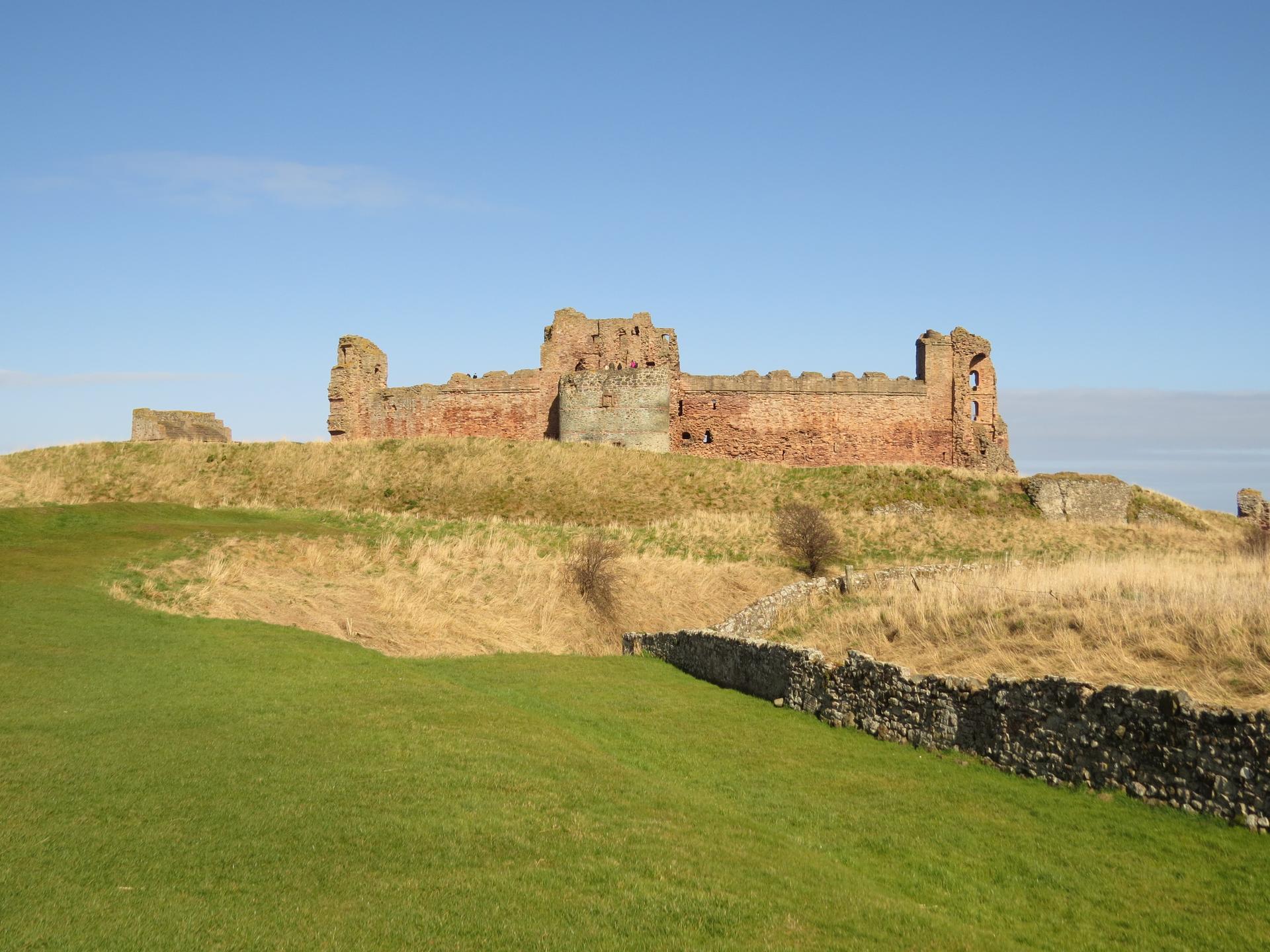
Looking beyond St. Patrick? Discover East Lothian for broader travel guides, local hot-spots, and regional highlights.
Explore East Lothian
Discover Scotland’s rich storytelling heritage in Edinburgh’s vibrant cultural hub blending medieval charm with contemporary arts.
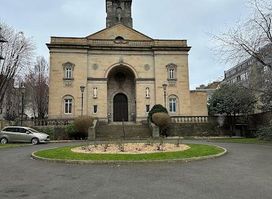
Discover St Patrick's Church, a historic Catholic sanctuary in Edinburgh’s Old Town blending rich heritage, art, and community spirit.