
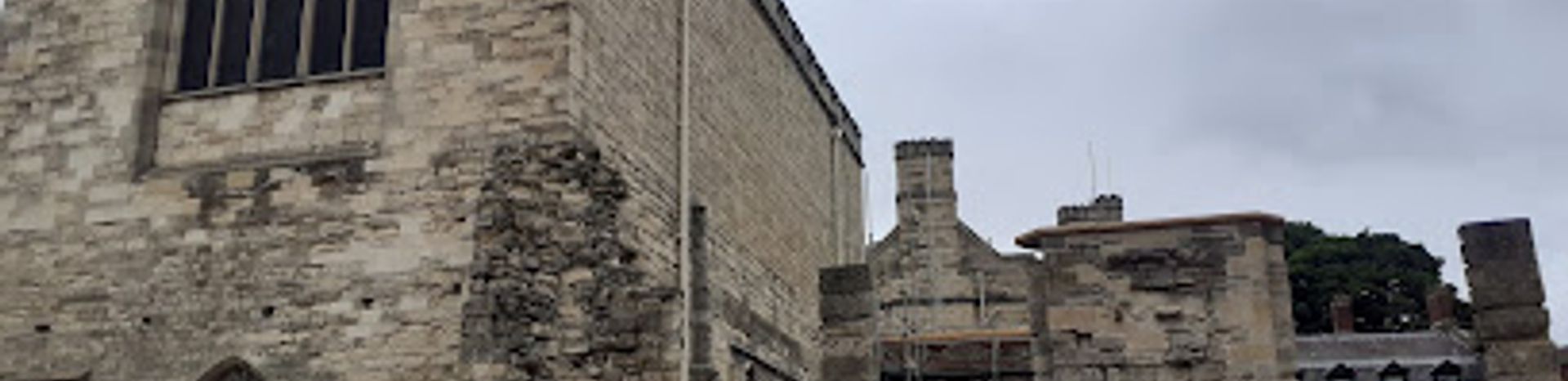
Lincoln Medieval Bishops' Palace: A Glimpse into England's Ecclesiastical Power
Explore the majestic ruins and tranquil gardens of Lincoln Medieval Bishops' Palace, a symbol of medieval ecclesiastical power and heritage.
Nestled near the iconic Lincoln Cathedral, the Lincoln Medieval Bishops' Palace is a historic ruin that once served as the grand residence and administrative center for some of medieval England’s most powerful bishops. Visitors can explore the remains of the East Hall, chapel, and entrance tower, alongside a unique heritage garden and vineyard, all offering sweeping views over Lincoln and its countryside. This site reflects the wealth, influence, and architectural grandeur of the medieval church.
A brief summary to Lincoln Medieval Bishops' Palace
- Minster Yard, Lincoln, LN2 1PU, GB
- +443703331181
- Visit website
- Duration: 1 to 2 hours
- Mid ranged
-
 Outdoor
- Mobile reception: 4 out of 5
- Monday 10 am-5 pm
- Tuesday 10 am-5 pm
- Wednesday 10 am-5 pm
- Thursday 10 am-5 pm
- Friday 10 am-5 pm
- Saturday 10 am-5 pm
- Sunday 10 am-5 pm
Local tips
- Visit during weekdays or early in the day to enjoy a quieter experience with fewer crowds.
- Download the English Heritage digital guide for an interactive audio tour that brings the palace’s history to life.
- Take time to explore the Heritage Garden and vineyard, unique features that add a peaceful natural element to your visit.
- Wear comfortable footwear as the site includes uneven terrain and steps, which may be challenging for those with limited mobility.

For the on-the-go comforts that matter to you
- Restrooms
- Food Options
- Drink Options
- Seating Areas
- Information Boards
- Visitor Center
Getting There
-
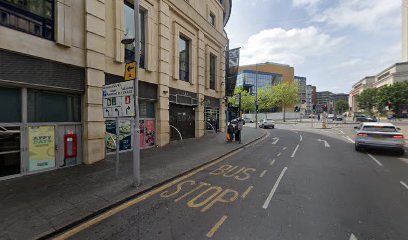
Bus
Take the Number 1 or 12 bus from Lincoln city center to Minster Yard, a 10 to 15-minute journey. Buses run frequently during the day but less often in the evenings and on weekends. Tickets cost approximately £2-£4 one way.
-
Train and Walk
Arrive at Lincoln Central Station, then enjoy a 20-minute walk through the city center to Minster Yard. The walk is mostly flat but includes some cobblestone streets. Train tickets vary by origin but local services from nearby towns are frequent.
-
Car
Driving to the palace is possible with parking available in nearby public car parks, such as the Minster Yard car park, about a 5-minute walk away. Parking fees typically range from £3 to £8 per day. Note that the palace area is pedestrianized, so parking close to the site is limited.
Lincoln Medieval Bishops' Palace location weather suitability
-
 Any Weather
-
 Clear Skies
-
 Mild Temperatures
-
 Rain / Wet Weather
Discover more about Lincoln Medieval Bishops' Palace
The Historical Significance of Lincoln Medieval Bishops' Palace
The Lincoln Medieval Bishops' Palace was constructed in the late 12th century and stood as one of the most important buildings in England during the medieval period. It served as the administrative heart of the largest diocese in medieval England, which stretched from the Humber to the Thames. The palace was not only a residence but also a symbol of the enormous wealth and power held by the bishops, who were princes of the church. Its architecture and scale reflect this status, with grand halls, chapels, and defensive structures designed to impress and assert ecclesiastical authority.Architectural Features and Ruins
Today, visitors can explore the evocative ruins of the palace, including the undercroft of the East Hall, the chapel range, and the entrance tower, which was modernized in the 1430s by Bishop William Alnwick. These remnants provide a tangible connection to the medieval past, showcasing the craftsmanship and design of the era. Informative panels throughout the site help contextualize the ruins, explaining their original function and significance. The palace’s proximity to Lincoln Cathedral enhances its historical ambiance, offering a powerful juxtaposition of two monumental medieval ecclesiastical sites.A Unique Heritage Garden and Vineyard
One of the palace’s distinctive features is its contemporary Heritage Garden, a tranquil space elevated above the city that offers visitors a peaceful retreat. The garden is designed to evoke a sense of harmony with nature and includes a vineyard, the only one managed by English Heritage. This vineyard is maintained with the help of the local community, adding a living dimension to the site’s historical narrative. The garden also attracts peregrine falcons, adding to the natural charm and providing a unique wildlife experience.Visitor Experience and Atmosphere
Visitors to the Lincoln Medieval Bishops' Palace enjoy a serene atmosphere, enhanced by the well-maintained grounds and panoramic views over Lincoln and the surrounding countryside. The audio tour guides guests through the site’s history and architecture, enriching the visit with stories of the bishops and the palace’s role in medieval society. While the site is not extensive, it offers a meaningful exploration of England’s religious and political history, ideal for those interested in medieval heritage and architecture.Current Status and Access
The palace is currently undergoing changes in how it welcomes visitors, with operations being developed for future reopening. When open, it typically operates from 10:00 to 17:00 during peak seasons, with entry fees available online or on-site. The site is accessible for groups and welcomes dogs on leads. Facilities include toilets, a gift shop, and refreshments nearby, making it a comfortable stop during a day out in Lincoln.Legacy and Cultural Importance
The Lincoln Medieval Bishops' Palace stands as a testament to the power of the medieval church and its influence over English history. Its ruins and gardens continue to inspire visitors, offering a window into the past where religion, politics, and architecture intertwined. The palace’s connection to Lincoln Cathedral and its place within the city’s historic landscape make it a vital cultural heritage site, preserving stories of ecclesiastical grandeur and community life through the centuries.Iconic landmarks you can’t miss

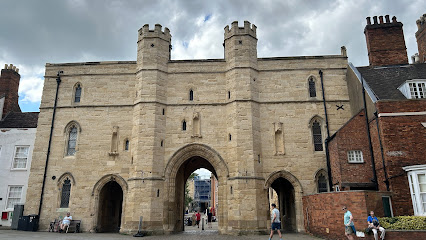
Exchequer Gate
0.1 km
Step through Exchequer Gate, a majestic 14th-century medieval archway guarding Lincoln’s historic heart between Castle and Cathedral.
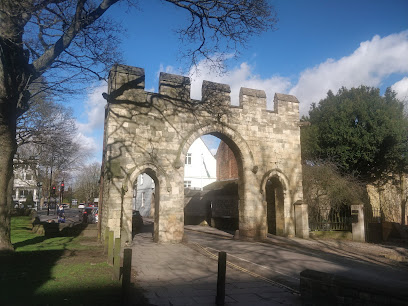
Priory Arch
0.2 km
A majestic Victorian Gothic arch marking the historic entrance to Lincoln’s cathedral quarter and the ancient Bailgate street.
North Tower of the East Gate of the Wall of Roman Lindum Colonia (Lincoln)
0.2 km
Explore the impressive Roman North Tower of the East Gate, a gateway to Lincoln’s ancient Lindum Colonia and a testament to Roman urban grandeur.
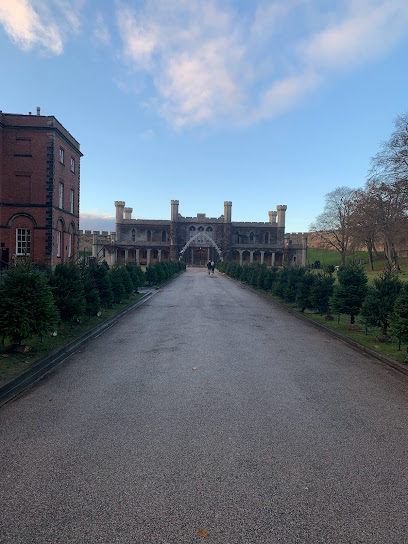
Lincoln War Memorial
0.7 km
A timeless symbol of unity and freedom, the Lincoln Memorial stands proudly at the heart of Washington, D.C.'s National Mall.
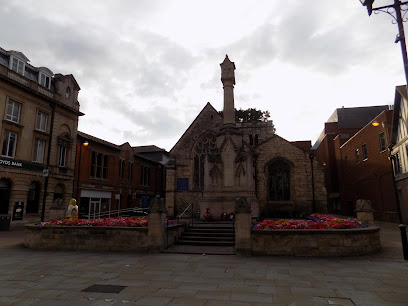
Tupholme Abbey
17.0 km
Medieval monastery transformed: where Premonstratensian canons once prayed, Tudor mansions rose and farmland endured.
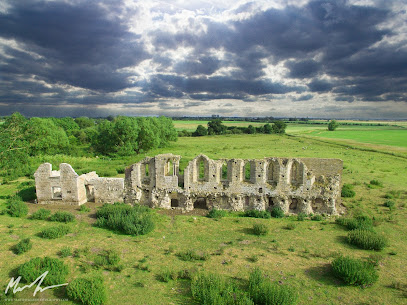
Sleaford Castle
27.6 km
Explore the evocative ruins of Sleaford Castle, a medieval fortress steeped in centuries of ecclesiastical history and local heritage.
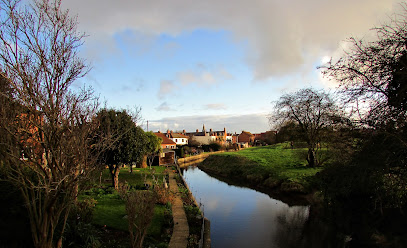
National Trust - Mr Straw's House
39.6 km
Explore Mr Straw's House in Worksop, a historic museum showcasing the charm of Edwardian life through its preserved interiors and artifacts.
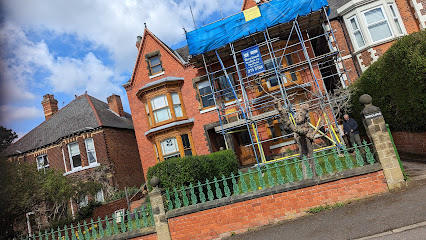
English Heritage - Sibsey Trader Windmill
42.0 km
Explore the enchanting Sibsey Trader Windmill, a historical landmark in Lincolnshire that showcases the region's milling heritage and stunning countryside views.
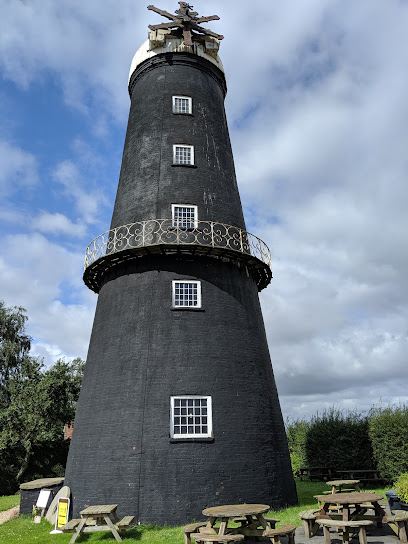
Waltham Windmill
42.2 km
Discover the beauty and history of Waltham Windmill, a stunning tourist attraction surrounded by serene gardens in the heart of Lincolnshire.
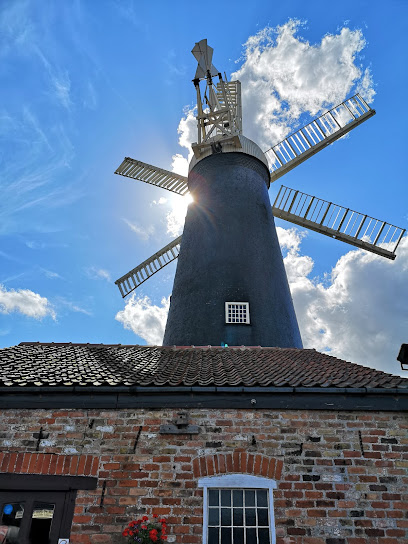
Creswell Crags
43.9 km
Explore Creswell Crags, a captivating archaeological site offering a glimpse into prehistoric life through stunning caves and rich history.
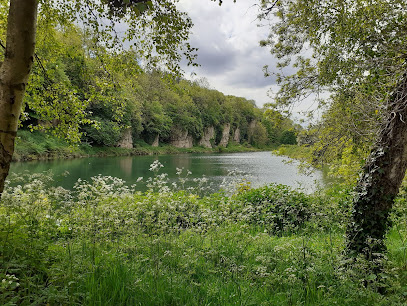
Lincolnshire Road Victims Memorial
43.9 km
A solemn memorial in Wyberton honoring lives lost on Lincolnshire’s roads, set within peaceful Sir Joseph Banks Country Park.
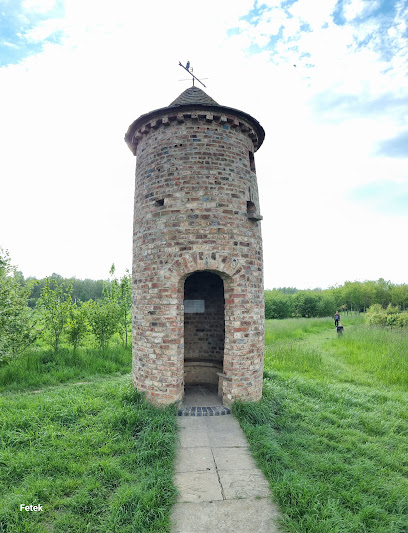
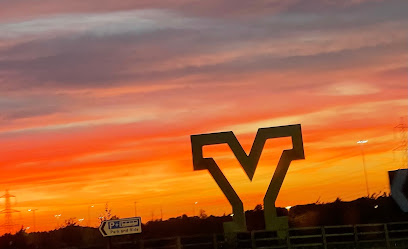
The Big Yellow Y - Gateway to Yorkshire Feature
44.2 km
Explore the wonders of Yorkshire at The Big Yellow Y, a vibrant gateway to stunning landscapes and rich cultural heritage.
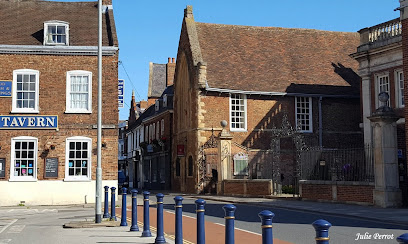
Boston Guildhall
44.7 km
Discover the captivating history and culture of Boston at the Boston Guildhall, a must-visit museum for all history enthusiasts.
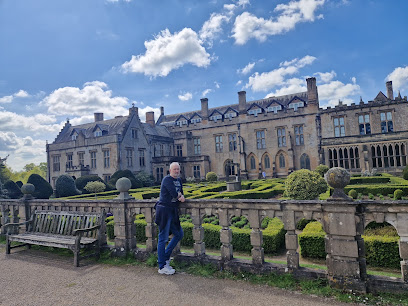
Newstead Abbey
47.0 km
Explore the captivating beauty and rich history of Newstead Abbey, a perfect blend of culture, art, and nature in the heart of Newstead Village.
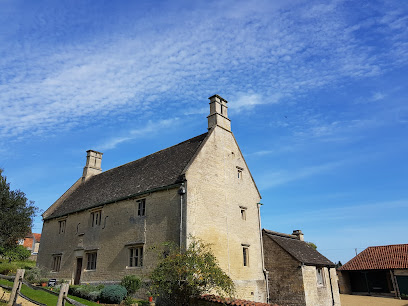
National Trust - Woolsthorpe Manor
47.6 km
Discover Woolsthorpe Manor, the historical birthplace of Sir Isaac Newton, where science and history intertwine in an enchanting English countryside setting.
Unmissable attractions to see

Lincoln Cathedral
0.1 km
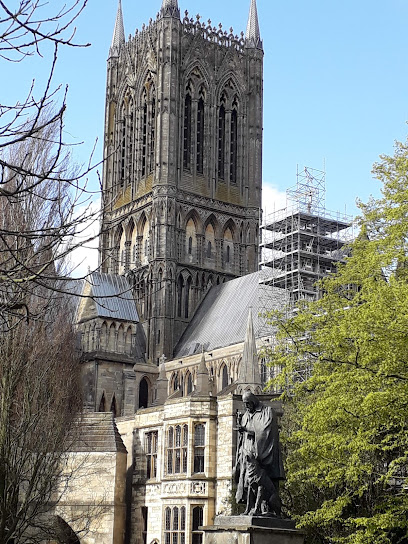
Explore Lincoln Cathedral’s soaring Gothic architecture, rich history, and vibrant community spirit in the heart of Lincoln.
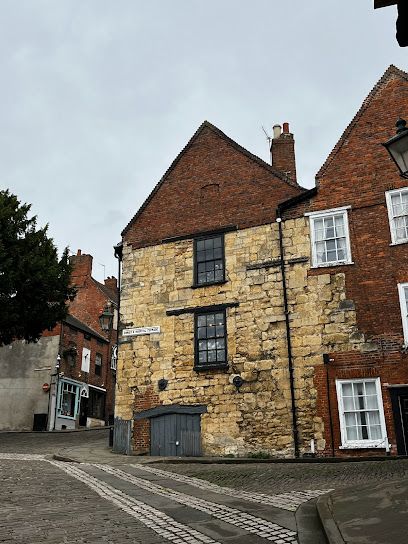
Medieval Norman House
0.2 km
Step into history with the Medieval Norman House, a rare 12th-century stone home nestled on Lincoln’s iconic Steep Hill.
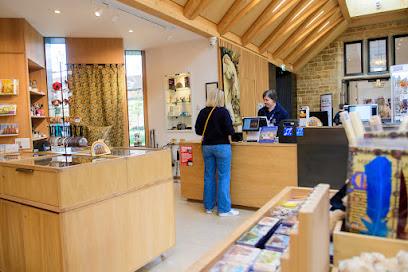
Lincoln Cathedral Shop
0.2 km
Discover unique gifts and artisan treasures in a bright, contemporary shop supporting Lincoln Cathedral’s heritage and local makers.
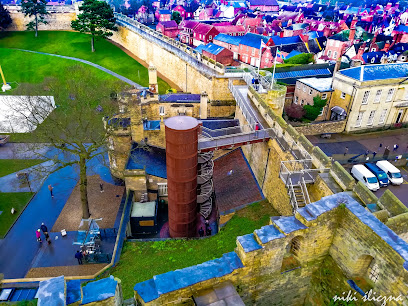
Lincoln Museum
0.2 km
Discover Lincoln’s heritage and art at the Lincoln Museum, a vibrant cultural landmark in the city’s historic core.
Pottergate Arch
0.2 km
Explore the majestic Pottergate Arch, a symbol of Lincoln's rich history and architectural beauty, perfect for every traveler seeking cultural insights.
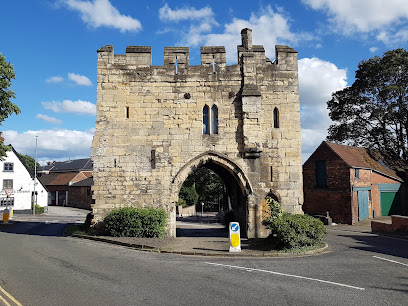
Observatory Tower
0.3 km
Discover sweeping city views and rich history atop Lincoln Castle’s iconic Observatory Tower.
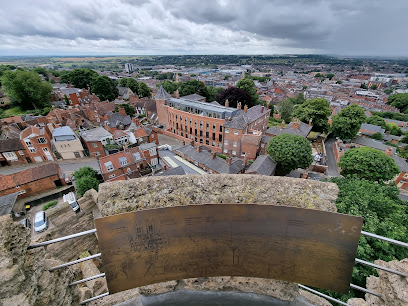
Lincoln Castle
0.3 km
Explore a millennium of history at Lincoln Castle, home to the original Magna Carta and stunning medieval ramparts.
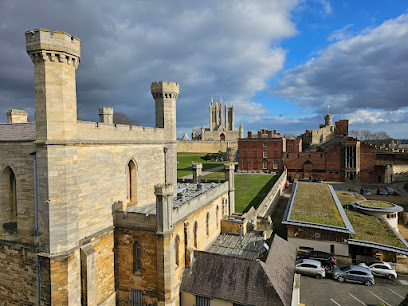
Lucy Tower
0.3 km
Explore the historic 12th-century Lucy Tower atop Lincoln Castle’s motte, offering panoramic views and a glimpse into Norman England’s medieval past.
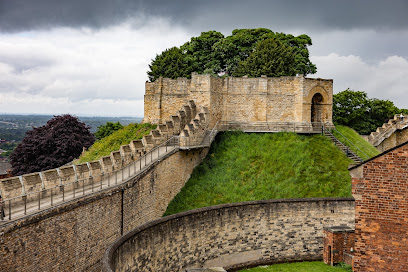
Atmosphere
0.4 km
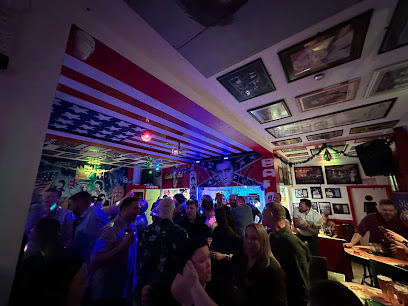
A lively karaoke bar in Lincoln’s city center, Atmosphere offers late-night fun and a welcoming social scene for music lovers and night owls alike.
Westgate Water Tower
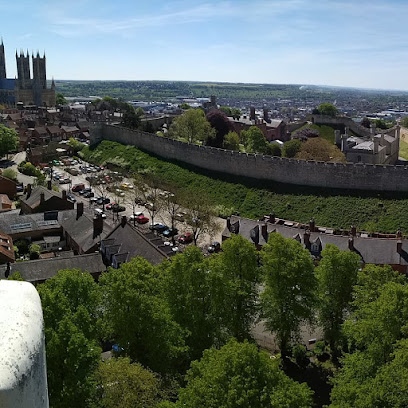
0.5 km
Explore the Westgate Water Tower in Lincoln, a stunning historical landmark showcasing the city's rich heritage and architectural elegance.
Peacock Inn
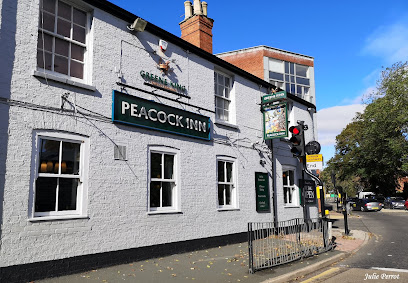
0.5 km
A welcoming Lincoln pub blending hearty British classics with lively sports and community spirit on Wragby Road.
Lincoln Guildhall
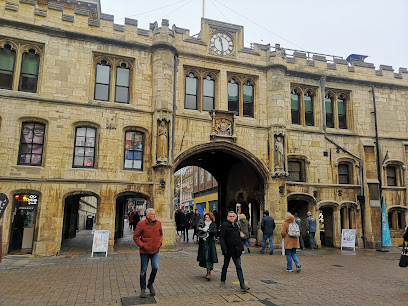
0.5 km
Explore Lincoln Guildhall, a centuries-old civic landmark with royal charters, medieval artifacts, and Tudor architecture at the heart of Lincoln.
Witch & Wardrobe
0.6 km
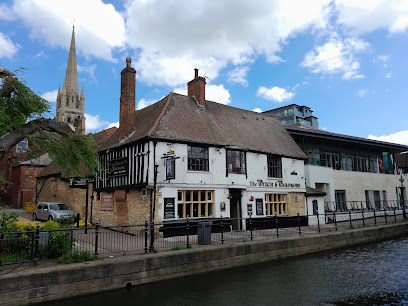
A lively, affordable pub with quirky charm and riverside views in the heart of Lincoln’s historic Waterside district.
Museum of Lincolnshire Life
0.7 km
Explore 200 years of Lincolnshire’s rich heritage through immersive exhibits, interactive family activities, and historic military collections.
Arboretum
0.8 km
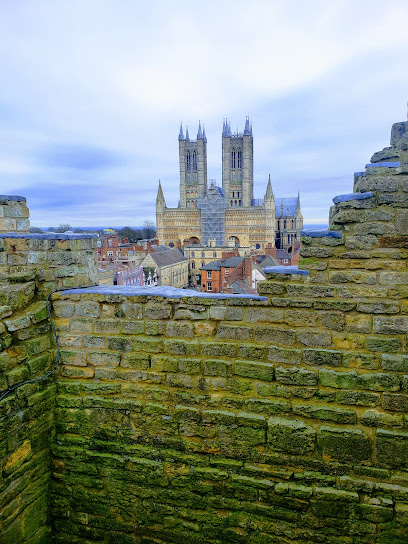
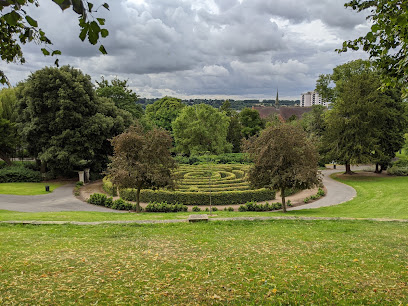
Discover Lincoln Arboretum, a beautifully restored Victorian park offering tranquil gardens, historic charm, and a peaceful urban retreat open daily until 10pm.
Essential places to dine

The Rest Hotel
0.1 km
Boutique 5-star comfort on Lincoln’s historic Steep Hill, blending modern luxury with medieval charm and a renowned coffee shop.

Hobbsons Restaurant and Pie Shop
0.2 km
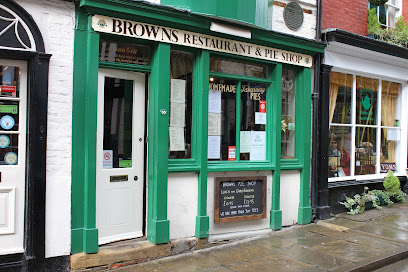
Savor traditional British gourmet pies in a cozy, historic setting on Lincoln’s iconic Steep Hill.
White Hart Hotel
0.2 km
Historic charm and modern luxury converge in Lincoln’s vibrant Bailgate at The White Hart Hotel, steps from cathedral and castle.
Duke William Hotel
0.4 km
Experience historic Lincoln hospitality with modern comforts, excellent British cuisine, and a welcoming atmosphere in the heart of the Cathedral Quarter.
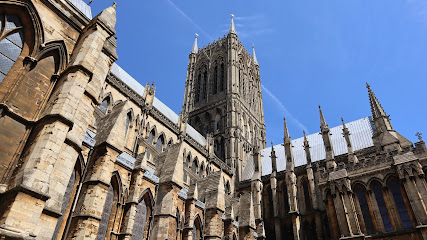
Premier Inn Lincoln City Centre
0.4 km
Modern comfort and friendly service in Lincoln’s historic heart, steps from the Cathedral and Castle.
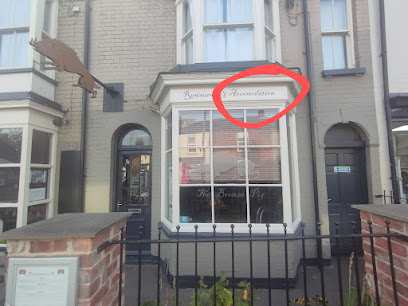
The Bronze Pig
0.6 km
Michelin-guided fine dining in Lincoln's historic quarter, celebrating local ingredients and Mediterranean-inspired creativity.
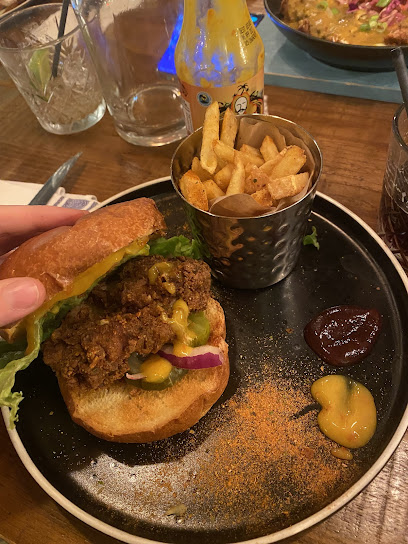
Turtle Bay Lincoln
0.7 km
Experience vibrant Caribbean flavors, tropical cocktails, and reggae vibes at Turtle Bay Lincoln’s lively Central Market venue.
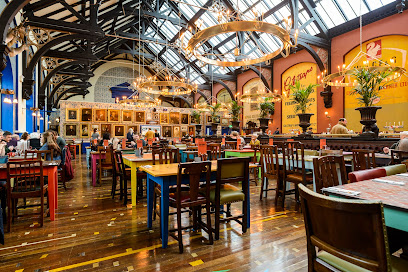
Cosy Club
0.7 km
Eclectic dining and vibrant drinks in Lincoln’s historic Corn Exchange with a quirky, vintage-inspired atmosphere.
The Botanist Lincoln
0.7 km
A secret garden of botanical cocktails, seasonal cuisine, and live music in historic Lincoln.
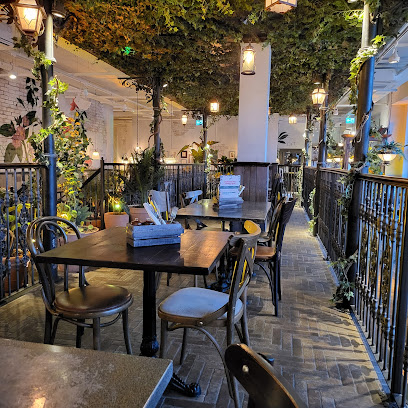
The Square Sail - JD Wetherspoon
0.7 km
Affordable waterfront pub in Lincoln offering classic British fare, quick service, and a relaxed atmosphere with scenic marina views.
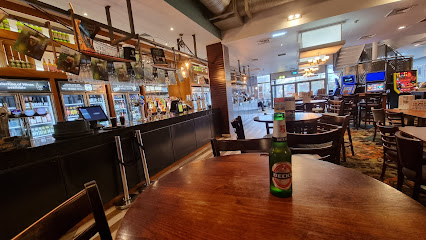
Harvester Brayford Wharf Lincoln
0.8 km
Casual British dining with a family-friendly vibe and scenic riverside views at Lincoln’s Brayford Wharf.
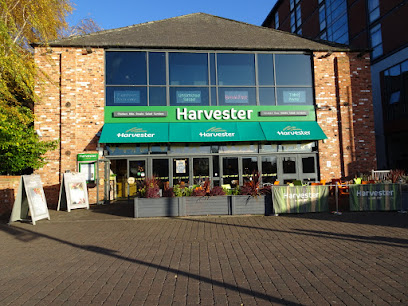
Holiday Inn Lincoln, an IHG Hotel
0.8 km
Modern comfort and scenic waterfront views converge at Holiday Inn Lincoln, your gateway to the vibrant heart of Lincoln.
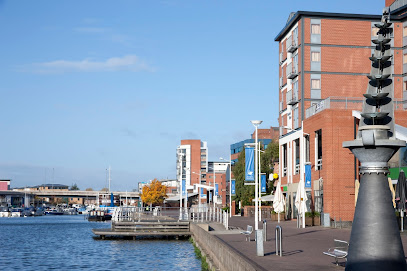
Mill Lodge Beefeater
2.6 km
Family-friendly steakhouse in Lincoln offering aged grills, classic British roasts, and hearty breakfasts in a cozy farmhouse setting.
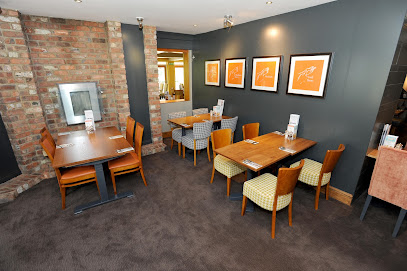
Premier Inn Lincoln (Canwick) hotel
2.6 km
Discover comfort and convenience at Premier Inn Lincoln (Canwick), your gateway to exploring historic Lincoln's treasures.
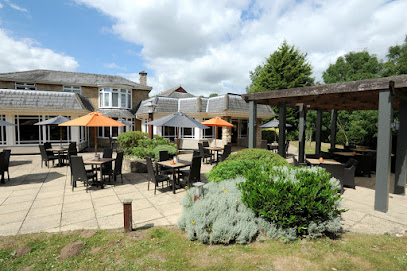
Homestead
3.8 km
A historic Grade II listed countryside pub in Bracebridge Heath offering hearty British classics and a warm, inviting atmosphere near Lincoln.
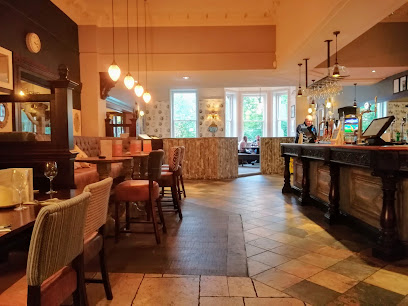
Markets, malls and hidden boutiques

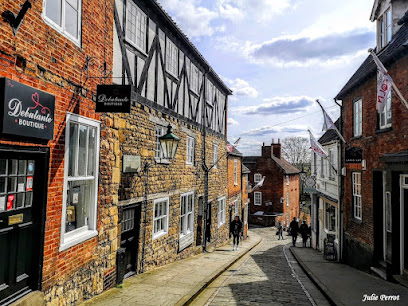
Debutante Boutique
0.1 km
Affordable, stylish ladies' clothing and accessories with French and Italian flair on Lincoln’s historic Steep Hill.
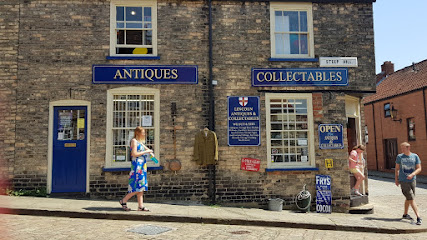
Lincoln Antiques & Collectables
0.2 km
Discover timeless treasures and vintage charm at Lincoln Antiques & Collectables, nestled on historic Steep Hill in the heart of Lincoln.
Pretty Little / Noa Noa
0.2 km
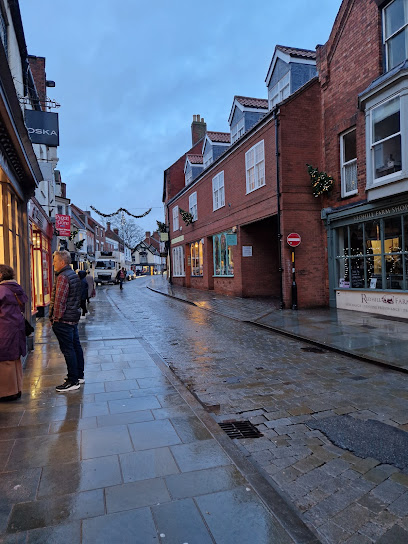
Discover unique ladies' fashion in the charming historic Bailgate district of Lincoln, blending style with personalized service.
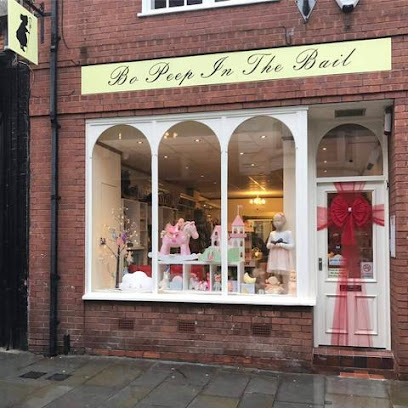
Bo Peep Boutique
0.2 km
Family-run children's clothing and toy boutique in Lincoln offering quality brands and charming gifts in a warm, historic setting.
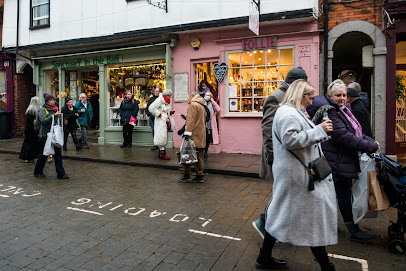
Follie
0.2 km
A charming independent gift shop in Lincoln’s historic Cathedral Quarter, offering unique home accessories, jewellery, cards and vintage-inspired finds.
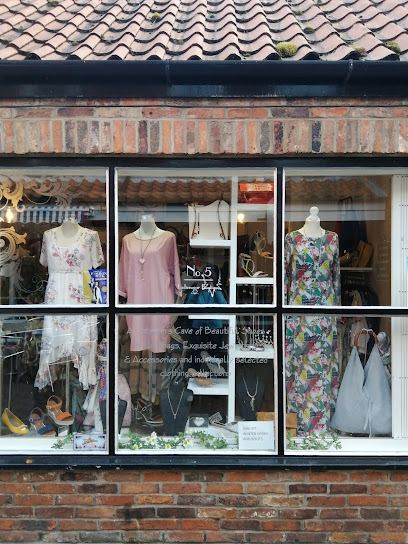
No.5 ladieswear boutique
0.3 km
Discover stylish designer ladieswear, handbags, and accessories at No.5 Ladieswear Boutique, Lincoln’s charming fashion destination.
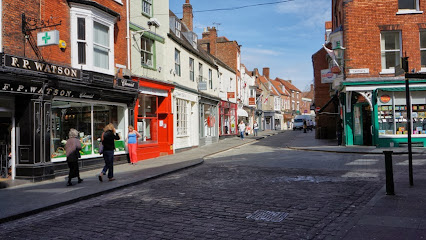
Object & line
0.3 km
Discover unique gifts and charming treats at Object & Line, Lincoln’s boutique of curated creativity and personal service.
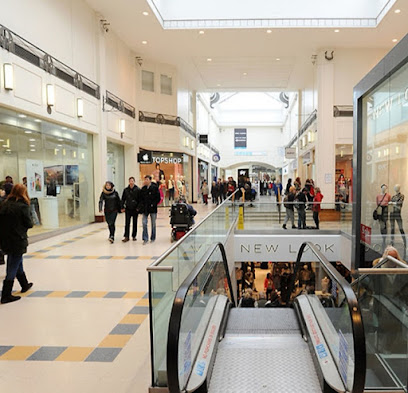
Waterside Shopping Centre
0.6 km
Compact and vibrant shopping hub in Lincoln’s city centre with popular brands, eateries, and family-friendly amenities.
Primark
0.6 km
Discover affordable fashion and homeware for all ages in the heart of Lincoln’s vibrant High Street.
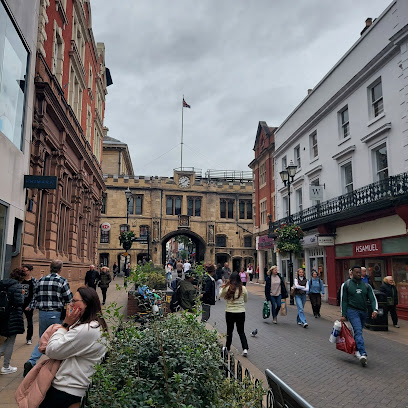
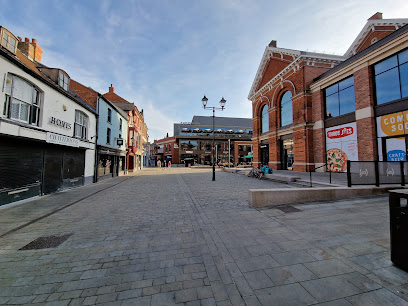
Cornhill Quarter
0.7 km
Discover Lincoln’s Cornhill Quarter, a vibrant blend of shopping, dining, culture, and entertainment at the city’s lively heart.
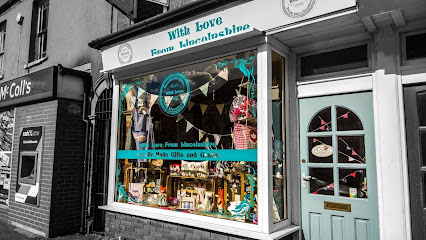
Pre-Loved From Lincolnshire
1.0 km
Discover unique handmade gifts and quality preloved treasures crafted and curated by local Lincolnshire artisans.
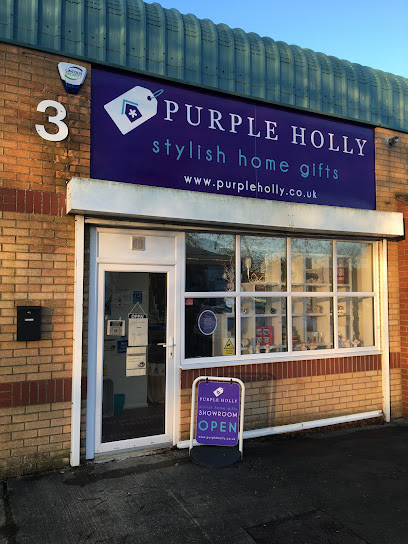
Purple Holly
1.8 km
Discover stylish gifts and charming homewares inspired by Lincolnshire’s countryside at Purple Holly, your boutique destination in Lincoln’s Newporte Business Park.
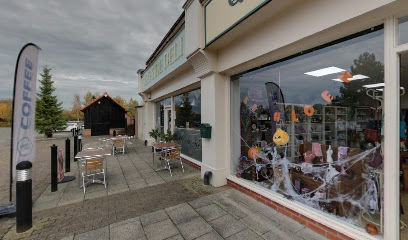
Quayside Gifts
4.4 km
Discover unique souvenirs and local treasures at Quayside Gifts in Burton Waters, Lincoln – a perfect stop for memorable gifts.
Brant Road Shopping Centre
4.9 km
A compact and community-focused shopping centre in Lincoln with diverse shops and eateries open daily from early morning to late evening.
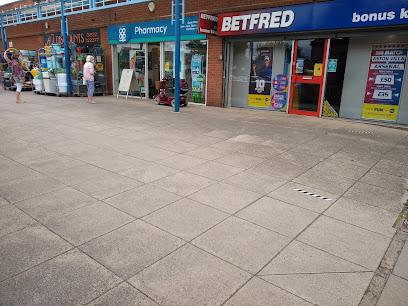
Birchwood Shopping Centre
5.0 km
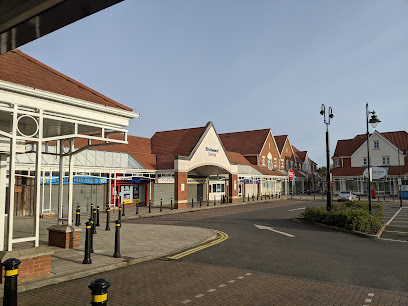
A convenient and community-focused shopping destination in Lincoln’s Birchwood, offering diverse retail, dining, and essential services.
Essential bars & hidden hideouts

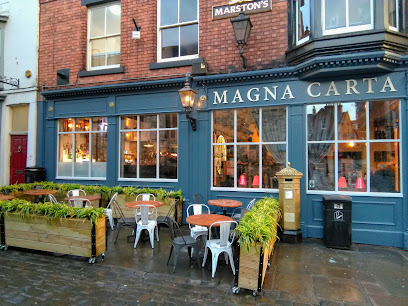
Magna Carta
0.2 km
Historic charm meets lively pub culture in Lincoln’s Magna Carta, a multi-level venue with great food, drinks, and views of the castle and cathedral.
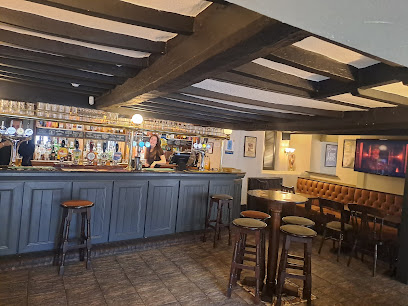
The Adam & Eve Tavern
0.3 km
Lincoln’s oldest tavern since the 1700s, blending historic charm with lively pub culture near the Cathedral.
Lion & Snake
0.3 km
Experience historic charm and lively hospitality at Lincoln’s beloved Lion & Snake pub on Bailgate.
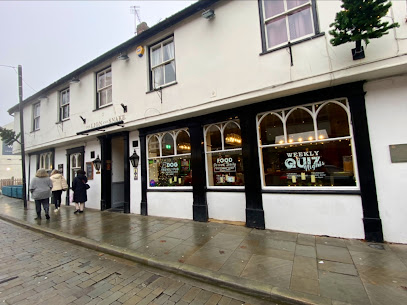
The Strait and Narrow
0.3 km
Lincoln’s quirky cocktail bar with inventive drinks, cozy nooks, and a unique social vibe featuring table phones for calling strangers.
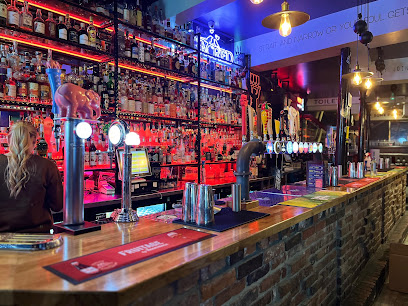
Be at One - Lincoln
0.3 km
Lively Lincoln cocktail bar with 100+ drinks, 2-for-1 happy hours, and a vibrant atmosphere on High Street.
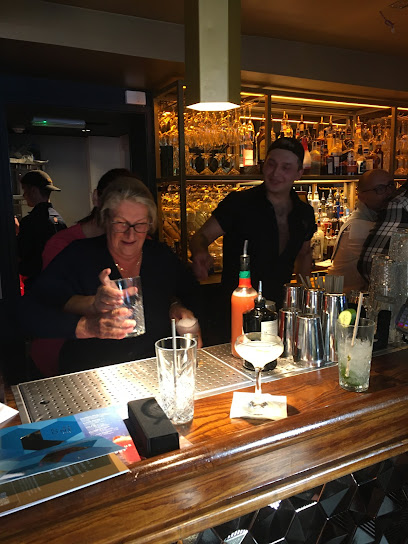
The Cardinal's Hat
0.3 km
Historic charm meets lively atmosphere at The Cardinal's Hat, Lincoln’s beloved pub with rich drinks and cozy vibes.
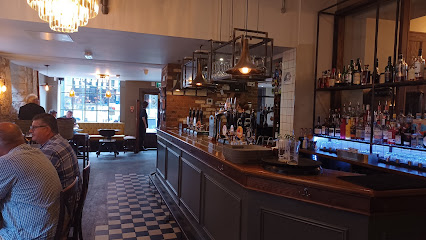
The Morning Star
0.4 km
A cozy traditional pub in Lincoln offering expertly kept ales, warm ambiance, and a prime spot near the cathedral.
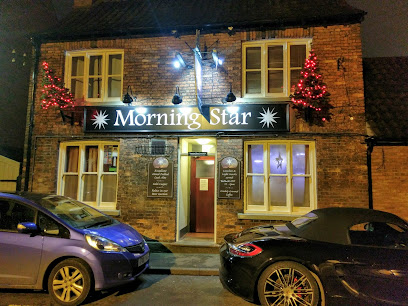
Slug & Lettuce - Lincoln
0.4 km
Lively cocktail bar and restaurant on Lincoln’s historic High Street, perfect for drinks, dining, and social nights out.
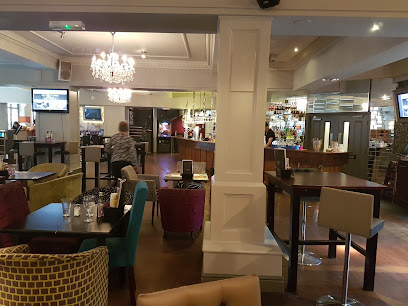
Carousel Bar Lincoln
0.4 km
A lively Lincoln hotspot blending inventive cocktails, street food, and arcade games for an unforgettable social experience.
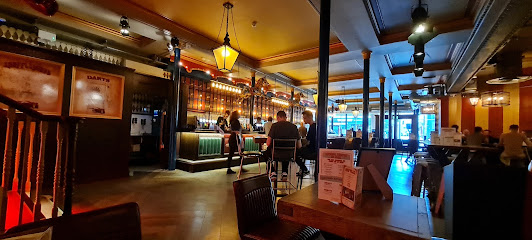
Vice & Co
0.5 km
Experience expertly crafted cocktails and a stylish speakeasy vibe at Vice & Co, Lincoln’s premier cocktail bar on Corporation Street.
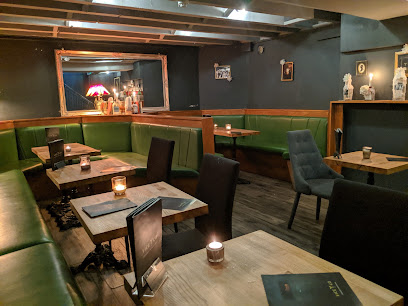
Home
0.5 km
Lincoln’s lively bar and nightclub offering great value drinks, quality food, live music, and a safe, fun atmosphere for memorable nights out.
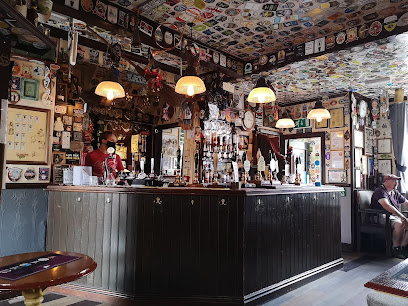
The Strugglers inn
0.5 km
A must-visit Lincoln pub famed for expertly poured cask ales, unique decor, and a warm, dog-friendly atmosphere.
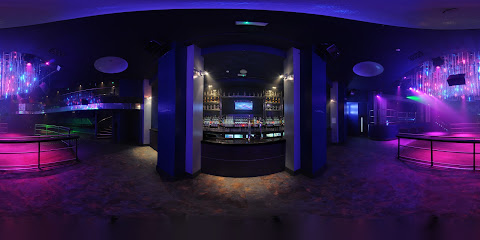
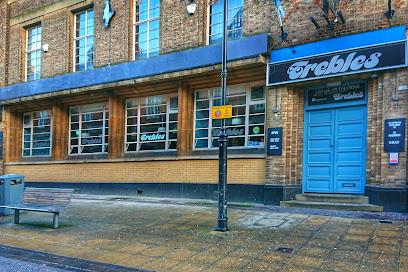
Trebles
0.5 km
Lincoln’s lively and affordable evening bar with fresh decor, great drinks, and a welcoming vibe in the heart of Saltergate.
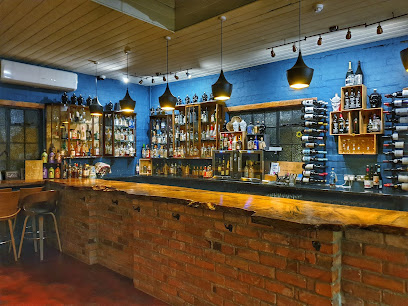
The Pessimist Gin and Wine Bar
0.5 km
Lincoln’s premier wine and gin bar offering expert pairings, locally sourced small plates, and a welcoming, stylish atmosphere.
Still
0.6 km
A cosy, traditional pub in Lincoln offering great ales, live entertainment, and a welcoming atmosphere for all.
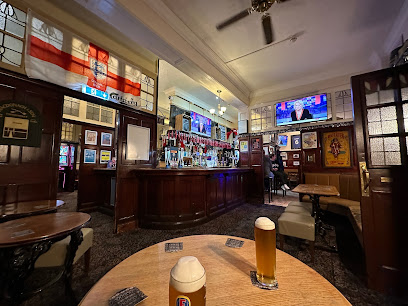
Nightclubs & after hour spots

Void Nightclub
0.4 km
Lincoln’s stylish hotspot for electronic dance music, vibrant nights, and unforgettable clubbing experiences.
Popworld - Lincoln
0.4 km
Popworld Lincoln: Where cheesy pop hits and vibrant nightlife create unforgettable party nights on High Street.
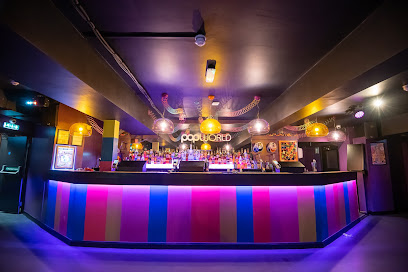
Club Desire
0.5 km
Experience Lincoln’s vibrant nightlife at Club Desire, where luxury meets affordability in a lively, welcoming gentlemen’s club setting.
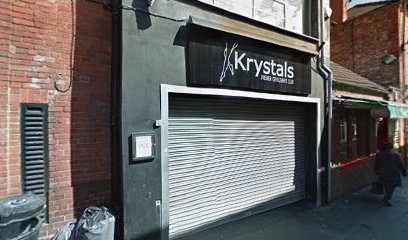
Sugarcubes Nightclub
0.5 km
Energetic and affordable nightlife in Lincoln with a unique cube-themed vibe and friendly atmosphere.
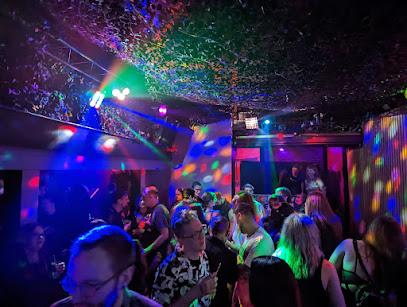
The Scene
0.7 km
Lincoln’s vibrant two-floor nightclub and LGBTQ+ venue, open nightly with diverse events and a welcoming atmosphere.
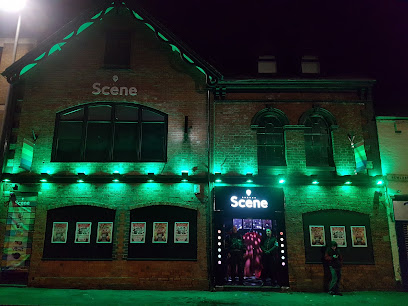
Lincoln Rock N Roll Club
5.9 km
A vibrant rock and roll nightspot in Waddington offering affordable drinks, energetic dancing, and a welcoming community atmosphere.
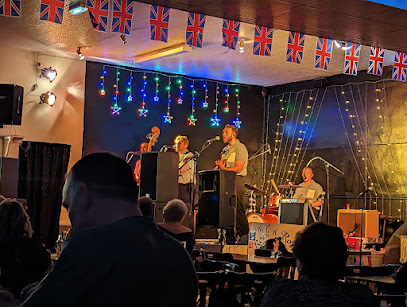
Charlie's Nightclub
27.9 km
Experience Coningsby's vibrant nightlife at Charlie's Nightclub, where lively music and a welcoming atmosphere create unforgettable evenings.
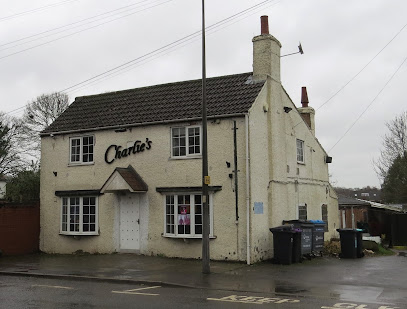
Club Angel
44.5 km
Experience stylish nightlife and vibrant weekend parties at Club Angel, Boston’s elegant hotspot for late-night entertainment.
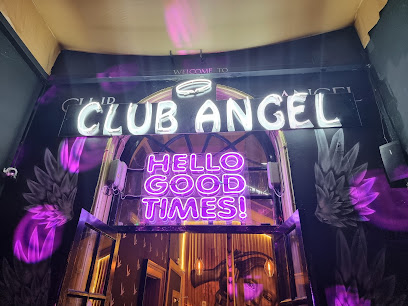
The Brickworks
50.8 km
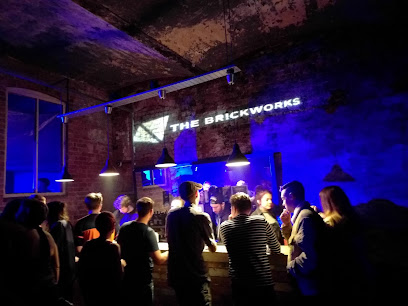
Nottingham's raw warehouse heartbeat: intimate DJ nights, killer cocktails, and pure underground energy in a brick-clad haven.
NG-One
50.9 km
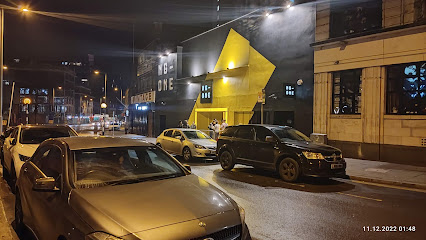
A large, late‑night Nottingham club with multiple dancefloors, strong sound and long weekend hours — built for night owls and student crowds.
Eleven
51.1 km
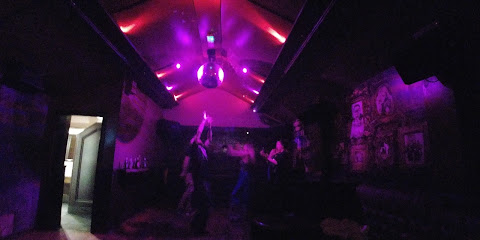
A lively, multi-bar nightclub in Nottingham’s Hockley district, famed for great cocktails, student nights, and an intimate yet energetic party vibe.
The Bodega Nottingham
51.2 km
Intimate two-level live-music bar and late-night club on Pelham Street — gritty, affordable and centred on close-up gigs and local sounds.
Tantra Night Clubs
51.3 km
Dive into Nottingham's electric nightlife at Tantra Night Clubs, where pulsating beats, dazzling lights, and stylish vibes create unforgettable nights of dance and discovery in the city center.
Unit 13
51.3 km
Dive into Nottingham's underground bassline haven at Unit 13, where industrial beats and stellar DJs fuel unforgettable warehouse raves.

Love zoo
51.3 km
Dive into Nottingham's electrifying beats at Love Zoo, where house rhythms, dazzling lights, and cocktail-fueled nights create pure nightlife magic on Weekday Cross.
For the vibe & atmosphere seeker
- Tranquil
- Scenic
- Historic
- Relaxing
For the design and aesthetic lover
- Rustic Designs
For the architecture buff
- Historic
- Landmarks
- Sacred Sites
For the view chaser and sunset hunter
- Iconic Views
- Panoramas
- Sunset Spots
For the social media creator & influencer
- Instagrammable
- Photo Spots
- Aesthetic Corners
For the eco-conscious traveler
- Public-Transport Accessible
- Locally Managed
For the kind of experience you’re after
- Cultural Heritage
- Photowalk
- Nature Escape
- Day Trip
- Weekend Getaway
For how adventurous you want the journey to be
- Easy Access
Location Audience
- Family Friendly
- Senior Friendly
- Child Friendly
- Couple Friendly
- Solo Friendly
- Vegetarian Friendly
- Vegan Friendly


