St Andrews Cathedral, Fife Travel Guide
Explore Scotland’s largest medieval cathedral ruins, a majestic symbol of faith, history, and architectural grandeur overlooking St Andrews and the North Sea.
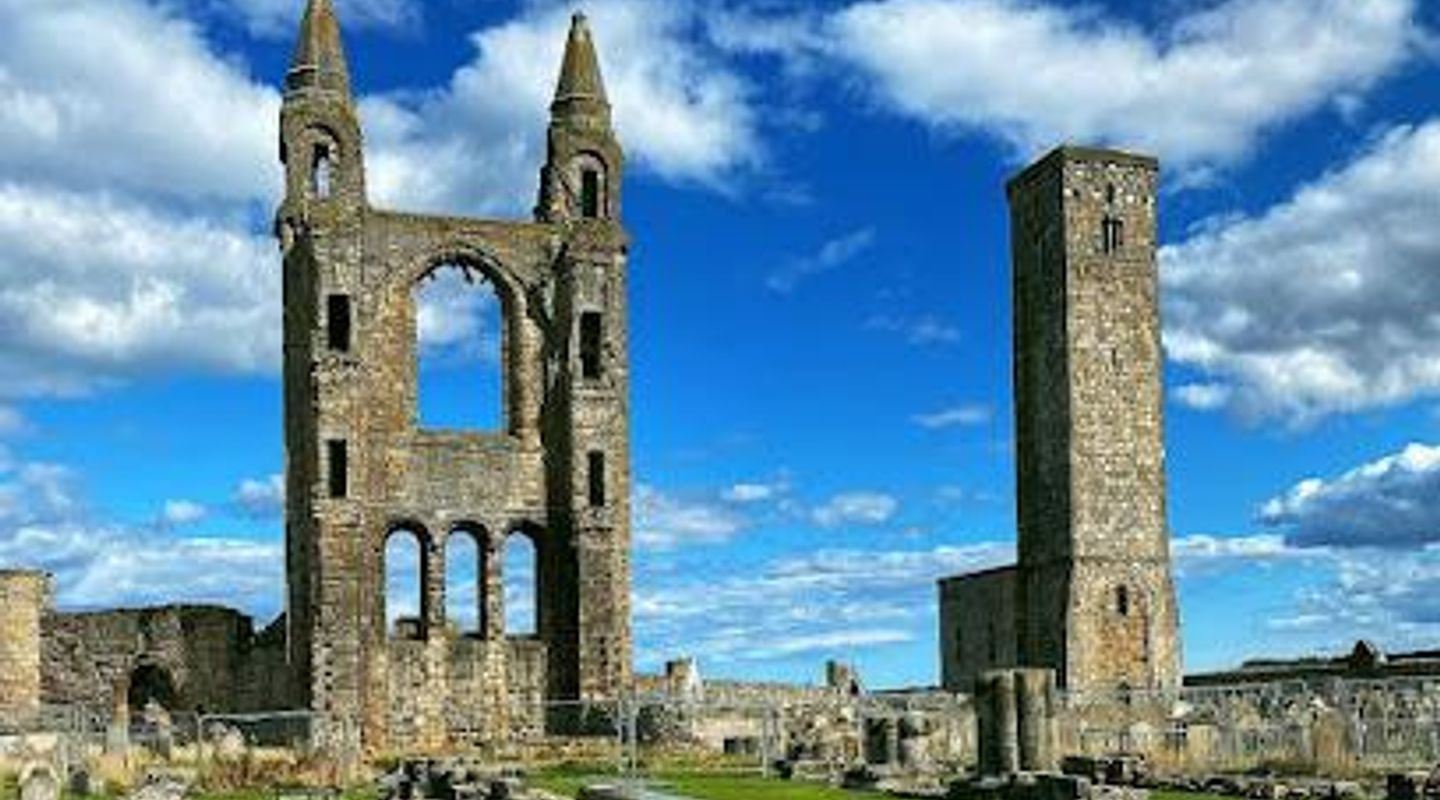
St Andrews Cathedral, located at The Pends in St Andrews, Fife, is Scotland’s largest medieval cathedral ruin. Founded in 1158, it was the seat of the Archdiocese of St Andrews and a center of religious power until the 16th-century Reformation. Today, visitors can explore its impressive ruins, including the majestic west front, cloister remains, and the nearby St Rule’s Tower, which offers panoramic views over the town and sea.
A brief summary to St Andrews Cathedral
- The Pends, St Andrews, KY16 9QL, GB
- Click to display
- Click to display
- Duration: 1 to 2 hours
- Budget
-
 Outdoor
- Mobile reception: 4 out of 5
- Monday 10 am-4 pm
- Friday 10 am-4 pm
- Saturday 10 am-4 pm
- Sunday 10 am-4 pm

Know before you go
Hi, I'm Eve. Here are a few practical things to know before exploring St Andrews Cathedral.
- Visit early in the day to avoid crowds and enjoy peaceful exploration of the cathedral grounds.
- Wear sturdy footwear as the grounds have uneven surfaces and some trip hazards.
- Check ahead for the opening status of St Rule’s Tower and the museum, as they may close for maintenance.
- Consider purchasing an Explorer Pass for access to multiple historic sites in St Andrews.
Do you manage this location?
Take control to get all the benefits, like improved information, better appearance, and stronger visibility across AI-powered discovery. Learn more about listing your business on Evendo
Activate your presenceOther nearby places you may find interesting
The closest places of the same kind, if this one is not quite what you had in mind.



Explore St Andrews Cathedral on the Map
A handpicked selection of must-see spots near St Andrews Cathedral, mapped for you.
Unlock the Best of St Andrews Cathedral
Buy tickets
-
No tickets available
Book tours with entry


Getting There
-
Bus
Take the Stagecoach Fife bus service from central St Andrews to The Pends area, with a journey time of approximately 10-15 minutes. Services run frequently during the day, with tickets costing around £2-£3. The stop is a short walk from the cathedral grounds.
-
Car
Driving to St Andrews Cathedral is straightforward with parking available nearby at The Pends car park. Travel time from central St Andrews is about 5-10 minutes. Parking fees apply, typically £1-£3 per hour. Note that the area can be busy during peak tourist seasons.
-
Walking
From St Andrews town center, a pleasant 15-20 minute walk along South Street leads to the cathedral. The route is mostly flat but includes some cobbled sections. Suitable for most visitors, though those with mobility impairments may find some uneven surfaces challenging.
For the on-the-go comforts that matter to you
-
 Restrooms
-
 Seating Areas
-
 Information Boards
Discover more about St Andrews Cathedral
Origins and Architectural Grandeur
St Andrews Cathedral was founded in 1158 by Bishop Arnold to replace the smaller St Rule's Church and to serve as the principal church of the Medieval Catholic Church in Scotland. Construction spanned nearly 150 years, culminating in its consecration in 1318 in the presence of King Robert the Bruce. The cathedral was once approximately 119 meters (390 feet) long, making it the largest church ever built in Scotland. Its architecture combined Norman and Early Scottish styles, featuring a central tower, six turrets, and a majestic west front. Despite damage from storms and fires, the cathedral remained a symbol of ecclesiastical power and grandeur.Religious Significance and Historical Events
The cathedral served as the seat of the Archdiocese of St Andrews and was the headquarters of the Scottish Church. It housed important relics, including those of St Andrew, Scotland’s patron saint. The site also included St Rule’s Tower, a 33-meter-high beacon for pilgrims. The cathedral played a role in significant historical events, such as the marriage of Mary Queen of Scots’ parents in 1538 and the heresy trial of Patrick Hamilton in 1528. However, the Scottish Reformation in 1559, sparked by John Knox’s fiery sermons, led to the violent destruction of the cathedral’s interior and the expulsion of the clergy, marking the end of its religious function.Ruination and Preservation
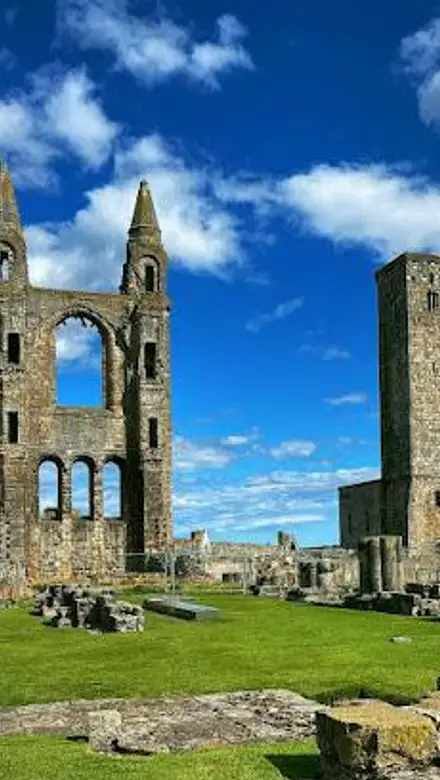
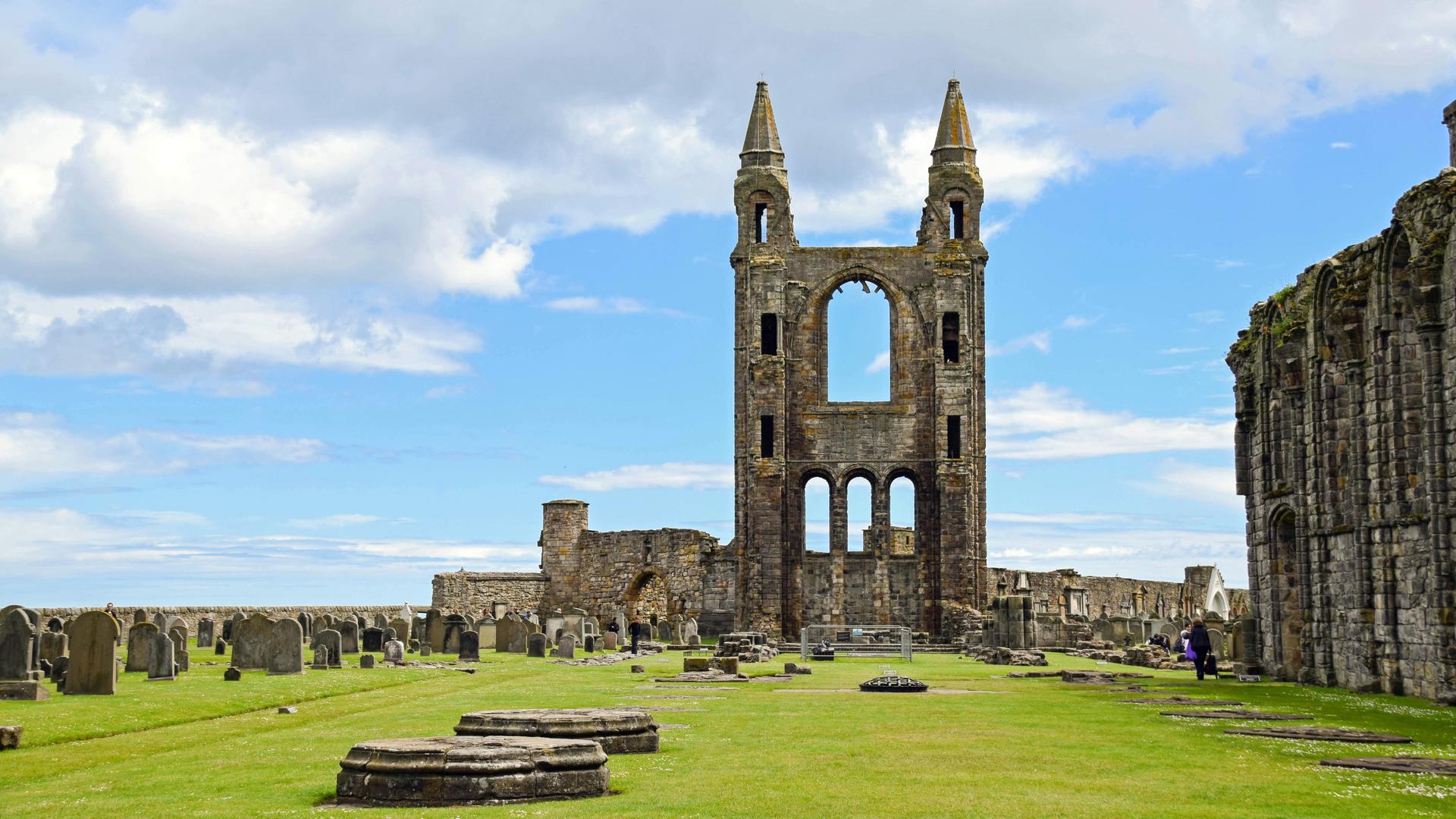
Following the Reformation, the cathedral was abandoned and fell into ruin. Its stones were repurposed for other buildings in St Andrews, and by the late 16th century, the central tower collapsed, causing further structural damage. The ruins visible today include the east gable, south wall of the nave, the west front, cloister remains, and the precinct walls. Restoration efforts began in the 19th century, with careful preservation of the stone foundations and vaults. The undercrofts now house the cathedral museum, which displays a remarkable collection of medieval sculptures and relics, including the Pictish St Andrews Sarcophagus.Visitor Experience and Accessibility
Visitors can freely explore the cathedral grounds, which are mainly level but include some steps and trip hazards due to gravestones and foundation stones. The museum and St Rule’s Tower are currently closed for maintenance, but the grounds remain open. The visitor center offers displays of carved stones and historical artifacts. Accessibility is generally good, with ramps and level paths, though the tower climb is not suitable for those with mobility issues. The site provides an evocative glimpse into Scotland’s medieval ecclesiastical heritage and offers scenic views over the town and the North Sea.Architectural Highlights and Surroundings
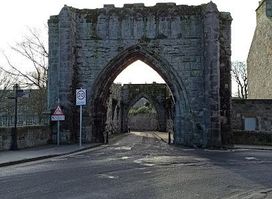
The cathedral precinct includes the Pends Gate, the main entrance, and well-preserved precinct walls. Beyond the walls lie the foundations of St Mary on the Rock, an earlier church associated with the displaced Culdee clergy. The cloister area reveals the chapter house ruins and the vaulted undercrofts. St Rule’s Tower, part of the original Augustinian church, stands prominently and historically served as a lighthouse for pilgrims. The site’s combination of grand ruins, historical artifacts, and coastal panorama creates a unique atmosphere of reverence and reflection.Legacy and Cultural Importance
St Andrews Cathedral remains a powerful symbol of Scotland’s religious history and medieval architecture. Its story reflects the turbulent shifts from Catholicism to Protestantism and the changing fortunes of the Scottish church. Today, it is managed by Historic Environment Scotland and continues to attract visitors interested in history, architecture, and culture. The cathedral’s ruins, combined with the nearby castle and university town, form a rich tapestry of Scotland’s heritage, making it an essential destination for cultural exploration.












Your all‑in‑one travel companion app
Explore expert travel guides, compare and book tours, experiences, hotels, and more—all from the palm of your hand. Download now for seamless trip planning wherever your wanderlust takes you.


Explore More of Fife
Looking beyond St Andrews Cathedral? Discover Fife for broader travel guides, local hot-spots, and regional highlights.
Explore Fife