
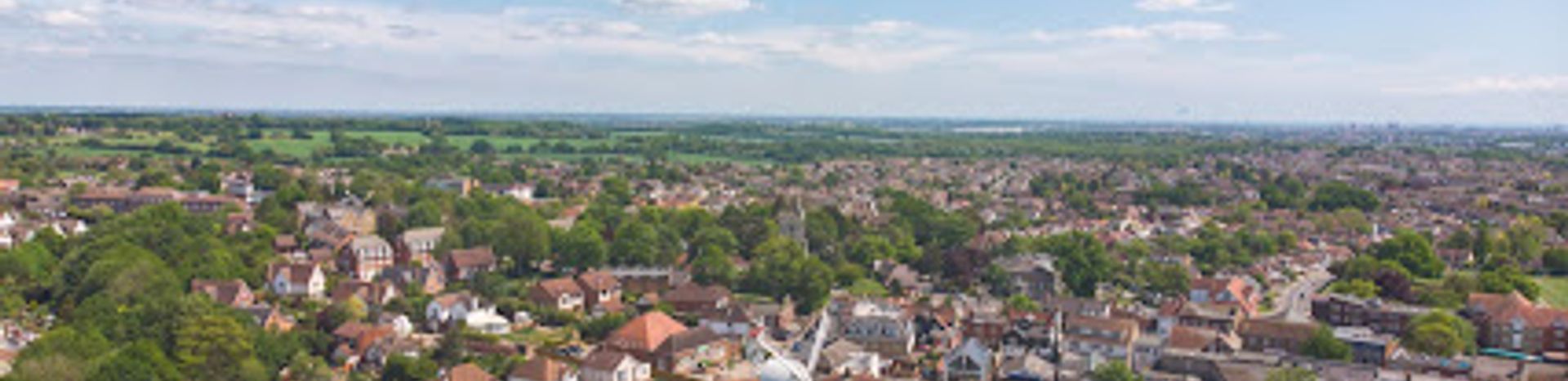
Rayleigh Mount: Essex’s Norman Motte and Bailey Castle and Wildlife Haven
Explore Rayleigh Mount, Essex’s unique Norman castle earthwork and vibrant wildlife sanctuary with panoramic views and rich medieval history.
Rayleigh Mount in Essex is the site of a Norman motte and bailey castle, the only Essex castle mentioned in the 1086 Domesday Book. Now a protected ancient monument managed by the National Trust, it offers visitors scenic views, rich medieval history, and a peaceful urban wildlife sanctuary with wildflowers, birds, and a tranquil pond.
A brief summary to National Trust - Rayleigh Mount
- Rayleigh, SS6 7EW, GB
- +441284747500
- Visit website
- Duration: 0.5 to 2 hours
- Free
-
 Outdoor
- Mobile reception: 4 out of 5
- Monday 7 am-6 pm
- Tuesday 7 am-6 pm
- Wednesday 7 am-6 pm
- Thursday 7 am-6 pm
- Friday 7 am-6 pm
- Saturday 7 am-2 pm
- Sunday 7 am-6 pm
Local tips
- Wear sturdy footwear for the steep and uneven steps to the motte summit to enjoy the panoramic views.
- Visit the nearby Rayleigh Windmill during April to September to explore the interpretation room and learn more about the castle’s history.
- Bring binoculars or a camera to observe and photograph local wildlife around the pond and wildflower areas.
- Plan your visit in the summer to catch open-air theatre performances set against the historic mount backdrop.

For the on-the-go comforts that matter to you
- Restrooms
- Seating Areas
- Information Boards
Getting There
-
Public Bus
Take bus services from Southend or Basildon to Rayleigh town centre; the journey typically takes 20–35 minutes. From the town centre, it is a 10-minute walk to Rayleigh Mount. Bus tickets cost approximately £3–£5 one way. Service frequency varies, so check local timetables.
-
Train and Walk
Rayleigh railway station is served by trains from London Liverpool Street and Southend, with travel times between 30–45 minutes. From the station, it is about a 20-minute walk through the town to Rayleigh Mount. The walk includes some steep sections and uneven paths.
-
Car
Driving to Rayleigh Mount is convenient via the A127 or A130. Parking is available in nearby Bellingham Lane and Mill Hall car parks, with charges applying. Travel times vary from 20 minutes from Southend and 45 minutes from London. Note that the mount itself has no dedicated parking.
-
Walking
For local visitors, walking to Rayleigh Mount from Rayleigh town centre takes about 10–15 minutes. The route includes paved and some uneven surfaces with a steep ramp into the moat area. Suitable for most walkers but may be challenging for those with mobility issues.
National Trust - Rayleigh Mount location weather suitability
-
 Any Weather
-
 Clear Skies
-
 Mild Temperatures
-
 Rain / Wet Weather
Discover more about National Trust - Rayleigh Mount
Medieval Origins and Strategic Importance
Rayleigh Mount stands as a rare surviving earthwork of a Norman motte and bailey castle, constructed shortly after the Norman Conquest by Sweyn, Sheriff of Essex. Notably, it is the only castle in Essex recorded in the Domesday Book of 1086. Positioned on a spur overlooking the Rivers Crouch and Thames, the castle served as a defensive outpost guarding the approaches to London. Over centuries, the site expanded with a large moat and ramparts, reflecting the power of its owners, including Henry de Essex, who enhanced its fortifications during the 12th century.Decline and Transformation into a Historic Monument
By the 17th century, Rayleigh Castle had lost its military significance and was repurposed as farmland, with sheep and cattle grazing on its slopes. The stonework was gradually removed for local building projects, including Holy Trinity Church. In 1923, Edward Belcham Francis donated the motte, now known as Rayleigh Mount, to the National Trust. Since then, it has been legally protected as a scheduled ancient monument, with ongoing conservation efforts supported by local community groups and funds.A Living Green Space in the Heart of Rayleigh
Today, Rayleigh Mount is a cherished green oasis amidst urban development. Although the outer bailey has been built over, the motte and inner bailey remain as open spaces rich in wildlife. Trees and shrubs provide habitat for birds and small mammals, while wildflowers attract bees and butterflies. The site includes a peaceful pond where swans and other waterfowl can be observed, offering visitors a tranquil retreat filled with natural sounds and seasonal blooms.Visitor Experience and Accessibility
Visitors can explore the grassy moat and inner bailey, with benches placed around for rest and contemplation. A steep, uneven staircase leads to the top of the motte, rewarding climbers with panoramic views across Rayleigh and the Crouch Valley. While the motte summit is not wheelchair accessible, the surrounding grounds have a steep but step-free path suitable for many visitors. Nearby, the Rayleigh Windmill houses an interpretation room open seasonally, providing deeper insights into the castle’s history and archaeology.Community Engagement and Cultural Events
Rayleigh Mount remains an active part of the local community, hosting open-air theatre performances during summer months that take advantage of its dramatic setting. The site’s historical timbers, excavated in the 20th century, are displayed at the Rayleigh Town Museum, enriching the narrative of the castle’s medieval past. The National Trust and local volunteers continue to care for the mount, ensuring its preservation as both a cultural landmark and a natural haven.Conservation Challenges and Future Prospects
Encroaching modern development has brought buildings close to the castle’s original outer defenses, highlighting the importance of ongoing conservation. The National Trust emphasizes protecting the motte’s archaeology while maintaining its role as an urban green space. Visitors are encouraged to respect the delicate balance between heritage preservation and wildlife habitat, helping to secure Rayleigh Mount’s legacy for future generations.Iconic landmarks you can’t miss

Prittlewell royal Anglo-Saxon burial
8.1 km
Explore the earliest princely Anglo-Saxon burial in England, revealing a royal Christian tomb rich with ancient treasures and history.
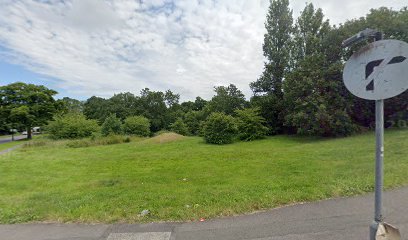
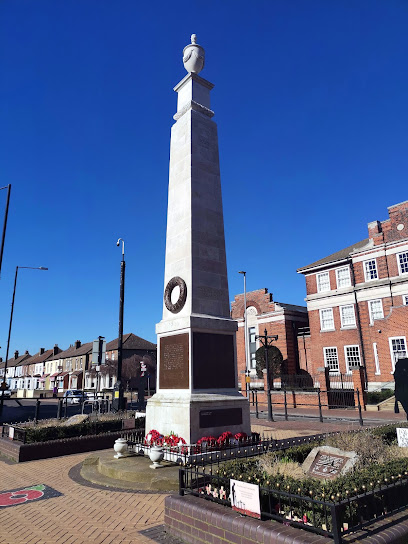
Laindon War Memorial
12.6 km
A solemn tribute in Basildon honoring Laindon's wartime heroes, blending history with community remembrance.
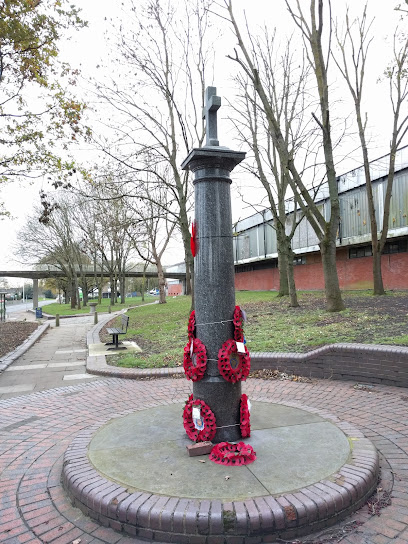
Great Baddow Chain Home Radar Tower
15.2 km
The only complete Chain Home radar tower in the UK, a towering symbol of WWII air defence and Cold War innovation in Great Baddow.
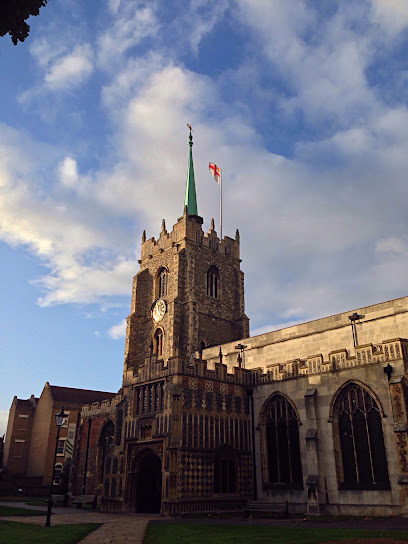
Chelmsford Cathedral
18.7 km
A serene 11th-century cathedral in the city centre offering free entry, beautiful architecture, and vibrant cultural events.
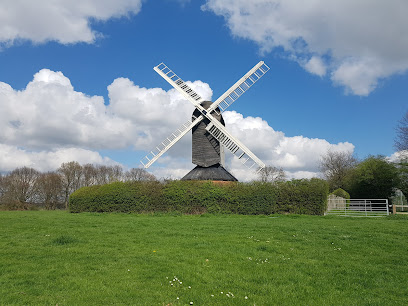
Mountnessing Windmill
18.8 km
Explore the unique charm of Mountnessing Windmill, a historic attraction offering captivating views and a glimpse into England's milling heritage.
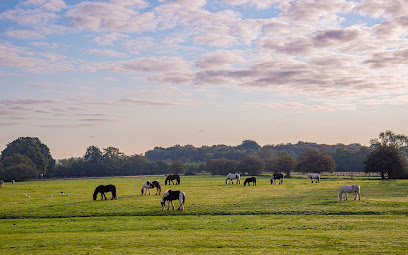
Hopefield Animal Sanctuary
21.5 km
Explore Hopefield Animal Sanctuary in Brentwood, a nurturing haven for rescued animals and a must-visit for nature-loving tourists seeking compassion and education.
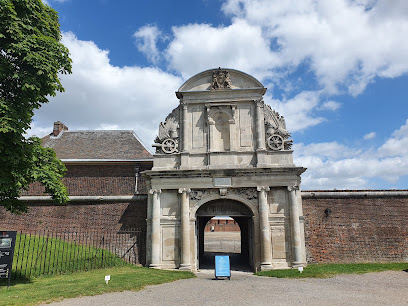
Tilbury Fort
21.9 km
Discover the historical significance of Tilbury Fort, a well-preserved fortress along the River Thames, showcasing Britain's military heritage.
Falklands Island Monument
23.0 km
A solemn tribute in Grays honoring merchant seafarers who sacrificed their lives in the 1982 Falklands War.
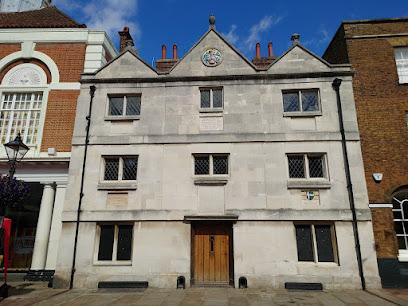
Six Poor Traveller House
23.2 km
Discover Rochester’s Tudor charity house that sheltered six poor travellers nightly, inspiring Dickens and preserving centuries of social history.
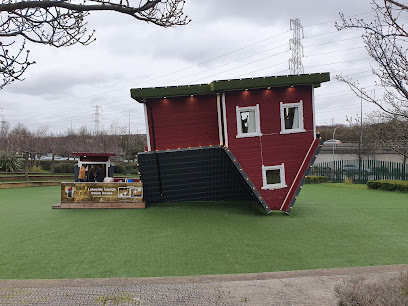
Upside Down House – Lakeside
24.8 km
Discover the Upside Down House in Lakeside, a whimsical amusement park attraction that turns reality on its head for a fun-filled day of exploration and laughter.
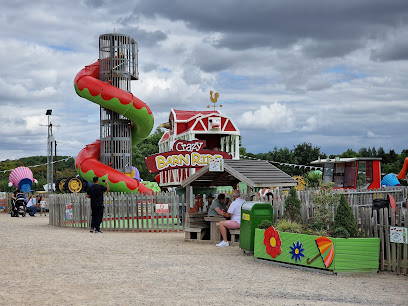
Old MacDonald's Farm & Fun Park
25.8 km
Experience family fun and educational adventures at Old MacDonald's Farm & Fun Park in Brentwood, where animals and amusement come together.
Kelvedon Hatch Secret Nuclear Bunker
25.8 km
Explore the Kelvedon Hatch Secret Nuclear Bunker, a fascinating museum that reveals the hidden history of Cold War Britain and its civil defense efforts.
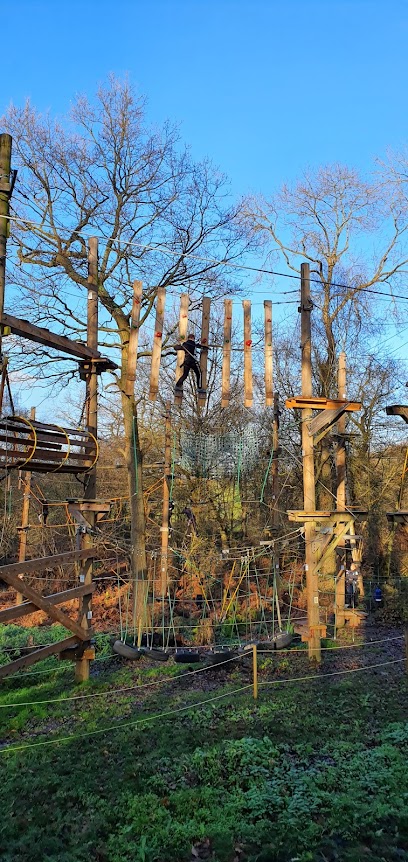
St Mary Magdalene Church, Cobham
26.3 km
Explore the historic St Mary Magdalene Church in Cobham, a serene landmark with stunning architecture and a rich cultural heritage.

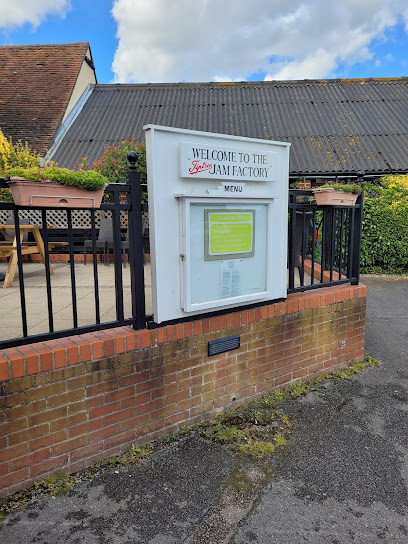
The Tiptree Jam Museum
26.4 km
Explore the delightful world of jam-making in Tiptree at the fascinating Tiptree Jam Museum, a sweet adventure for all visitors.
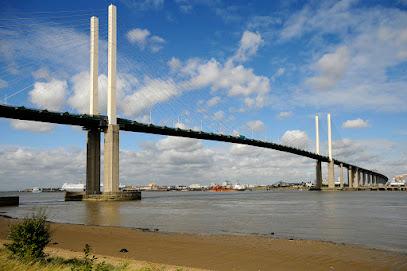
Dartford Crossing (Southbound)
27.6 km
Experience the engineering marvel of the Dartford Crossing, the busiest estuarial road crossing in the UK, linking Kent and Essex over the River Thames.
Unmissable attractions to see

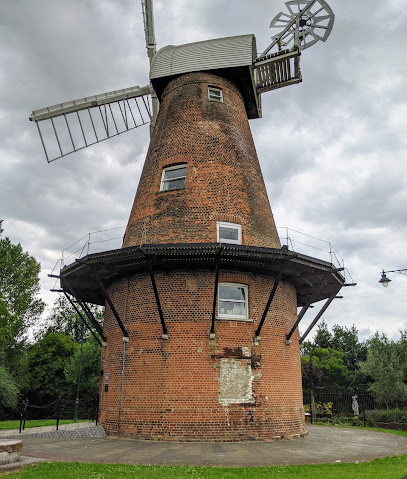
Rayleigh Windmill
0.1 km
Explore Rayleigh Windmill, a historic 1809 landmark blending heritage, art, and community in the heart of Essex.
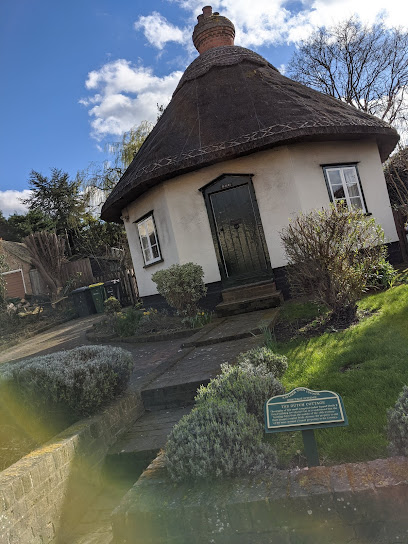
Dutch Cottage
0.2 km
Discover Rayleigh’s unique 18th-century octagonal Dutch Cottage, a charming heritage site blending history and distinctive architecture.
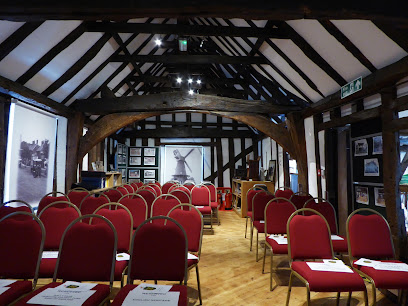
Rayleigh Town Museum
0.2 km
Discover Rayleigh’s rich history in a charming 14th-century timber-framed museum nestled in the heart of the High Street.
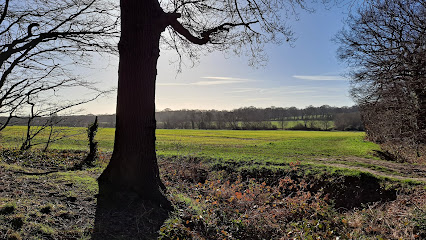
Edwards Hall Park
3.4 km
A peaceful country park in Leigh-on-Sea offering sports, walking trails, and family-friendly green spaces for relaxation and outdoor fun.
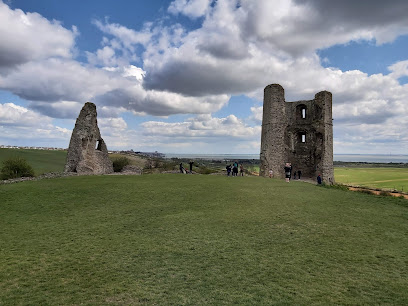
Hadleigh Park
4.0 km
Explore Essex’s largest country park with panoramic estuary views, historic ruins, Olympic mountain bike trails, and family-friendly outdoor activities.
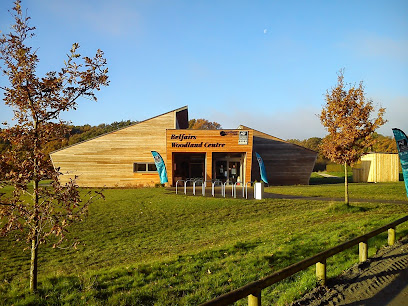
Essex Wildlife Trust Belfairs Nature Discovery Centre
4.3 km
Explore ancient woodlands, wildlife, and community at Essex Wildlife Trust’s Belfairs Nature Discovery Centre in Leigh-on-Sea.
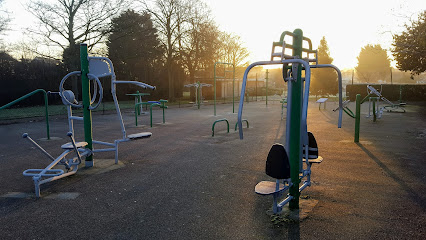
Eastwood Park
4.4 km
Explore Eastwood Park: A serene haven in Leigh-on-Sea, featuring stunning gardens, children's play areas, and picturesque walking paths for a perfect day out.
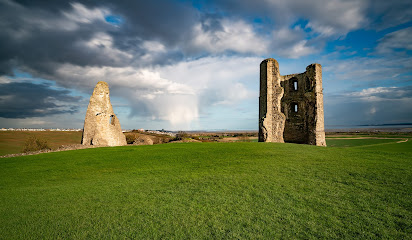
Hadleigh Castle
4.8 km
Explore the romantic ruins of Hadleigh Castle with stunning views over the Thames Estuary and Essex marshes in a peaceful historic setting.
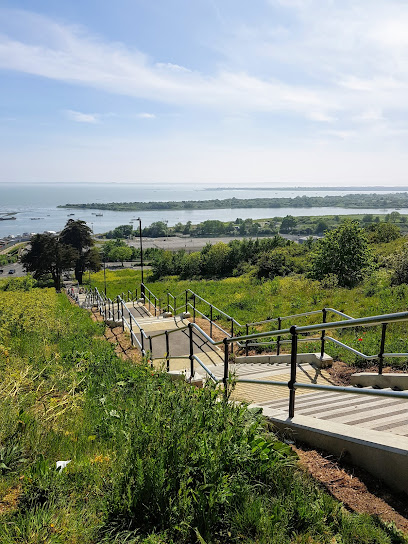
Belton Hills Nature Reserve
5.7 km
Discover peaceful coastal beauty and panoramic Thames views at Belton Hills Nature Reserve in Leigh-on-Sea.
Wickford Memorial Park
5.9 km
A sprawling 110-acre park in Wickford blending nature, sports, and memorial gardens for all ages and interests.
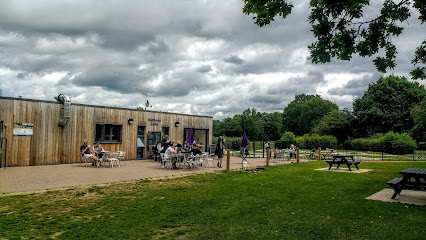
Leigh National Nature Reserve
6.1 km
A peaceful nature reserve in Southend-on-Sea offering scenic walks, rich wildlife, and year-round natural beauty.
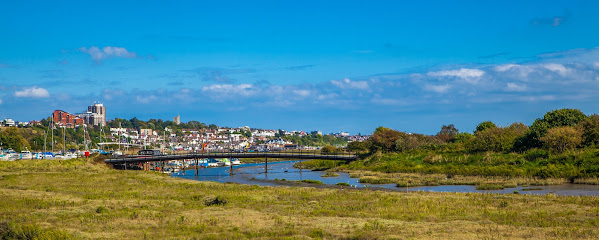
Two Tree Island
6.1 km
A tranquil Essex nature reserve on the Thames Estuary, rich in wildlife, scenic trails, and coastal heritage.
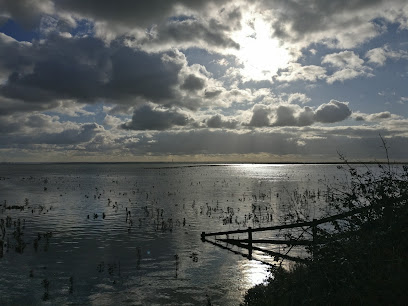
Model Aircraft Flying Field
6.1 km
A scenic model aircraft airfield nestled within the tranquil salt marshes of Two Tree Island nature reserve.
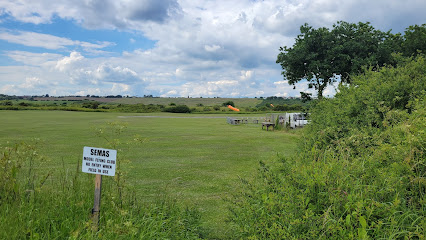
Leigh Heritage Centre & Museum
6.2 km
Discover the maritime heritage of Leigh-on-Sea in a charming fisherman's cottage filled with local stories and artifacts.
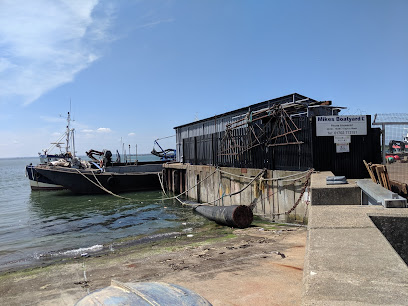
Victoria Wharf
6.3 km
A peaceful waterfront park in Leigh-on-Sea blending coastal charm with historic maritime heritage.
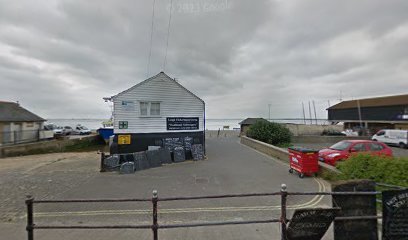
Essential places to dine

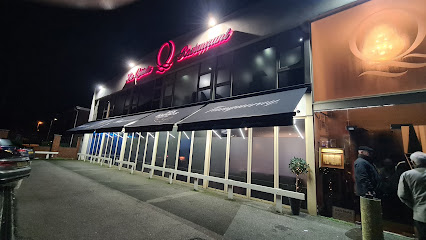
La Quinta Restaurant & Venue Hire - Benfleet Essex
3.5 km
Experience superb dining, lively entertainment, and warm hospitality at La Quinta, Benfleet’s premier restaurant and event venue.
Aspera
4.3 km
Experience authentic Mediterranean flavors with fresh, locally sourced ingredients in a stylish and welcoming setting in Benfleet.

The Dining Room
5.1 km
Cozy British and European dining with fresh, local ingredients and friendly service in the heart of Leigh-on-Sea.
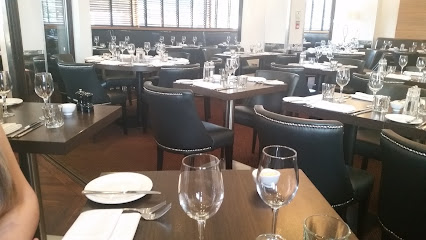
Leigh Bistro Restaurant
6.4 km
Charming family-run bistro serving fresh contemporary European cuisine in the vibrant heart of Leigh-on-Sea.
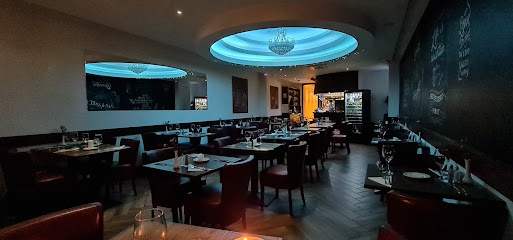
Toulouse Restaurant
8.1 km
Modern European dining with fresh local flavors and stunning estuary views on Westcliff-on-Sea’s Western Esplanade.
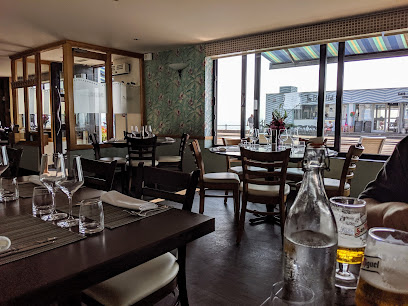
Il Mondo Southend
8.2 km
Experience authentic Italian flavors and warm hospitality in the heart of Westcliff-on-Sea at Il Mondo Southend.
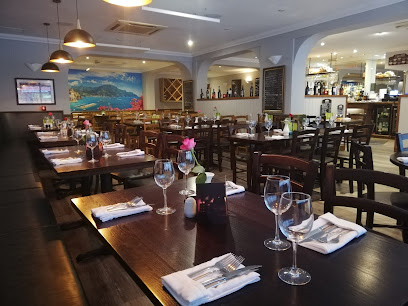
Oyster Creek Kitchen
8.3 km
Fresh seafood and coastal charm on the Westcliff waterfront, where attentive service meets seaside sophistication.
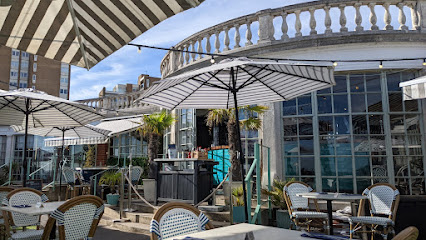
Padrino Italian Restaurant & Pizzeria
8.5 km
Classic Italian dining with warm hospitality and flavorful pizzas in the heart of Westcliff-on-Sea.
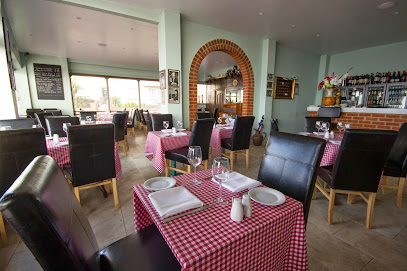
Prowse Restaurant
8.5 km
Authentic Turkish flavors and warm hospitality meet seaside charm at Prowse Restaurant in Westcliff-on-Sea.
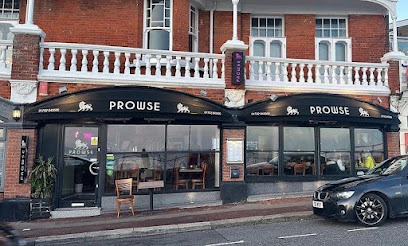
Piccolo
8.5 km
Experience authentic Italian flavors and lively dining by Southend’s beautiful seafront at Piccolo, a beloved Westcliff-on-Sea restaurant.
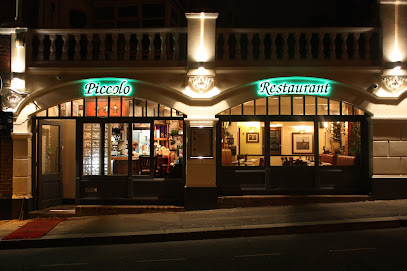
Great Tides Restaurant & Bar
8.9 km
Modern European dining with stunning sea views and a vibrant bar atmosphere on Westcliff Parade, Westcliff-on-Sea.
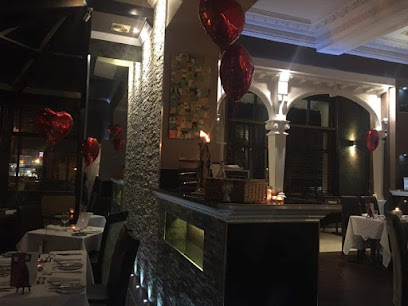
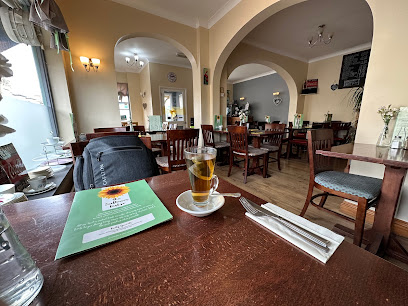
The Sunflower Bistro
9.0 km
A welcoming, affordable bistro in Southend-on-Sea offering fresh British fare and a relaxed, friendly atmosphere perfect for any casual meal.
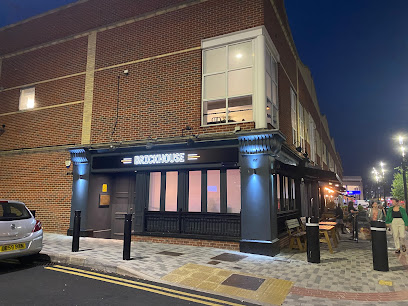
Brickhouse
9.0 km
A lively Southend-on-Sea hotspot serving up juicy burgers and smoky barbecue in a casual, welcoming setting with great value.
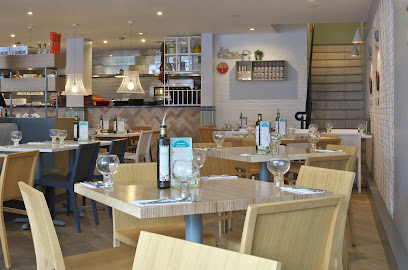
ASK Italian
9.1 km
Modern Italian dining near Southend seafront, blending classic flavors with community spirit and seasonal delights.
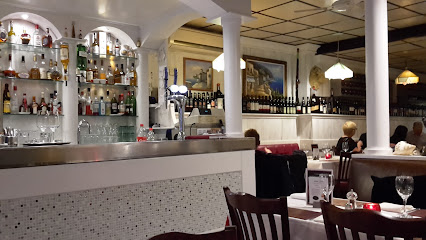
Il Pescatore
9.1 km
Experience authentic Sicilian seafood and Italian hospitality in the heart of Southend-on-Sea at Il Pescatore.
Markets, malls and hidden boutiques

The Factory Shops
0.2 km
Discover unbeatable bargains and a diverse range of discounted goods at The Factory Shops, Rayleigh’s favorite value retail destination.
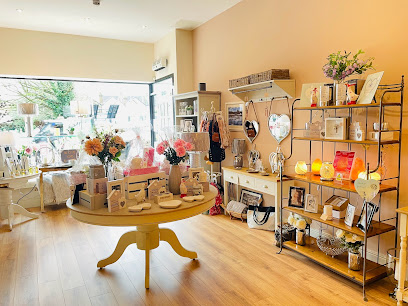
Gifts for All Home Decor
3.8 km
Discover unique, stylish home decor and gifts at Gifts for All Home Decor, Hadleigh’s charming boutique with quality and affordability.
La Luna Boutique
5.5 km
Discover unique bohemian fashion with a vintage rock ’n’ roll edge at La Luna Boutique in Leigh-on-Sea.

Store Thirty3
6.1 km
A charming gift shop on Elm Road offering unique local treasures in the heart of Leigh-on-Sea’s vibrant coastal town.
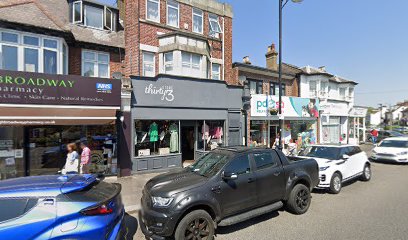
Latham Street
6.2 km
Discover sustainable vintage fashion reimagined with style and care at Latham Street in the heart of Leigh-on-Sea.

A Touch Too Wild
6.4 km
Elegant bespoke ladies' couture and formal wear boutique in the charming seaside town of Leigh-on-Sea.
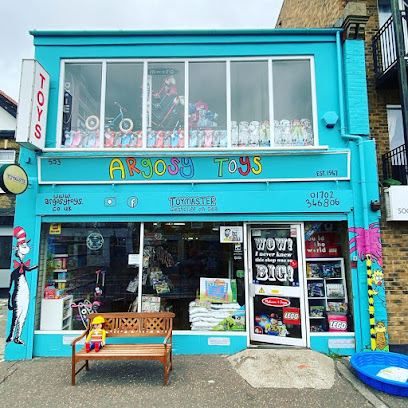
Argosy Toys & Gifts
7.5 km
Discover a treasure trove of toys and gifts at Argosy Toys, a cherished independent shop in Westcliff-on-Sea since 1947.
The Happy Sole
7.5 km
Discover the charm of Westcliff-on-Sea at The Happy Sole, your go-to shop for unique gifts and local treasures.

Eliza Boutique
8.2 km
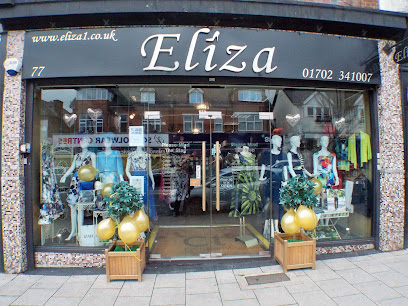
Discover timeless style and personalized service at Eliza Boutique, Westcliff-on-Sea’s independent ladies’ fashion destination.
ideal gift shop
8.9 km
Discover unique and thoughtful gifts in the heart of Westcliff-on-Sea’s welcoming Ideal Gift Shop on London Road.
No Potential
8.9 km
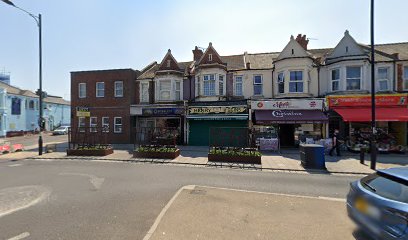
Independent art studio and vintage fashion shop blending creative practice with curated nostalgia.

Two Vintage
8.9 km
Discover timeless style and unique vintage finds at Two Vintage, Southend-on-Sea’s curated clothing boutique.

Steptoe and Mum / Antique and Retro Boutique / With House Clearance Service
9.0 km
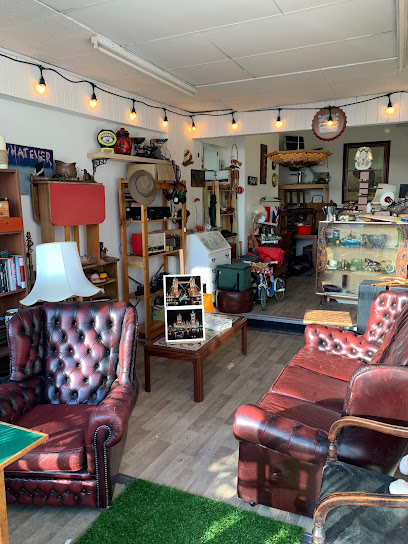
A cluttered, character-filled secondhand boutique in Southend-on-Sea, packed with vintage furniture, retro homewares, and quirky collectables.
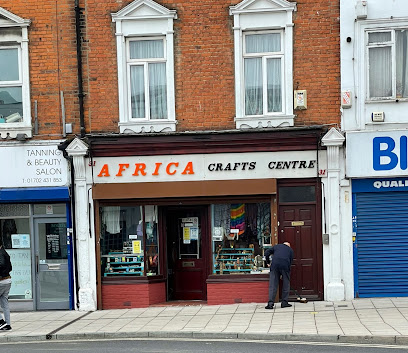
Africa Crafts Centre
9.1 km
Discover authentic African crafts and vibrant textiles in Southend-on-Sea’s beloved cultural gift shop.
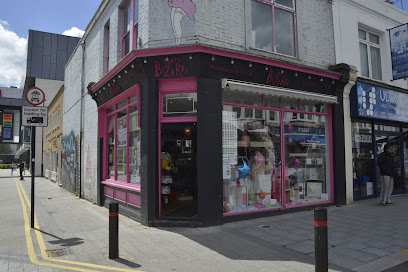
That's Bizarre
9.1 km
Discover unique gifts, personalised keepsakes, and high-vibration crystals at That's Bizarre, Southend-on-Sea’s family-run alternative gift shop since 1971.
Essential bars & hidden hideouts

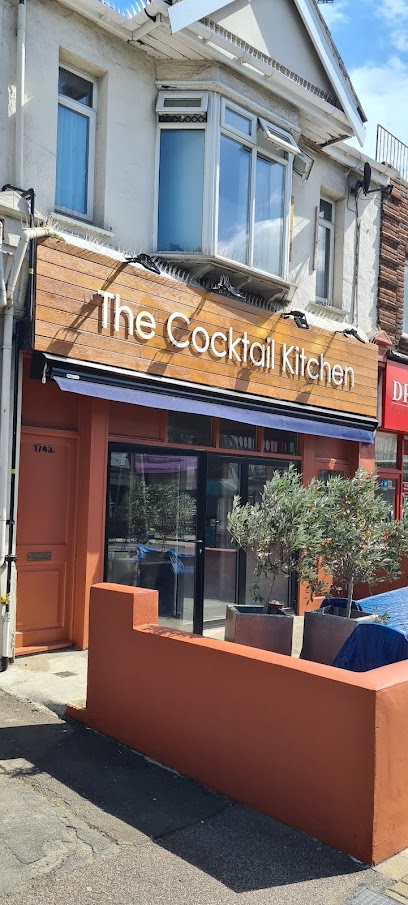
The Cocktail Kitchen
4.8 km
A lively cocktail bar and tapas spot in Leigh-on-Sea, famed for creative drinks, generous small plates, and a welcoming atmosphere.
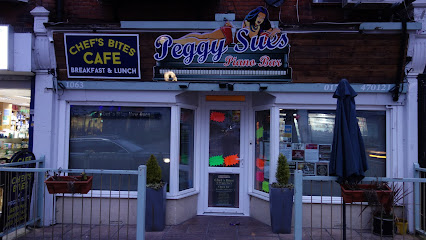
Peggy’s Music Bar Ltd
6.0 km
Experience vibrant music nights and a welcoming vibe at Peggy’s Music Bar, Leigh-on-Sea’s hotspot for DJs and social fun.
Ten Green Bottles
6.1 km
A cozy, quirky bar tucked away in Leigh-on-Sea’s Rectory Grove, offering great drinks, live music, and a friendly vibe.

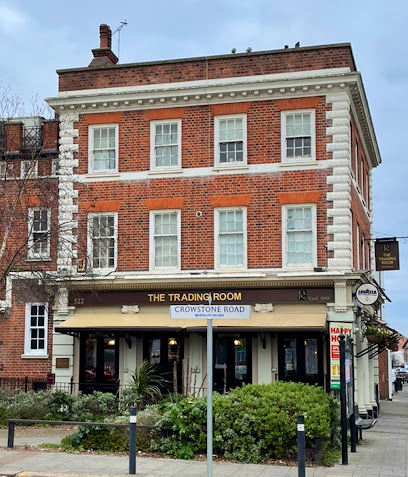
The Trading Room Bar & Kitchen
7.5 km
A vibrant pub and kitchen in Westcliff-on-Sea offering hearty roasts, live music, and a welcoming atmosphere for all.
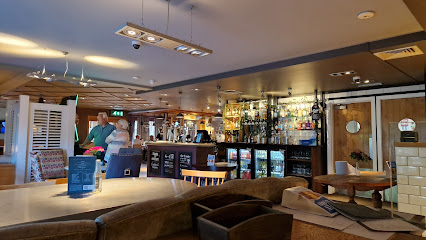
Saxon King
8.0 km
A cozy British pub in Southend-on-Sea blending historic charm with hearty classics and family-friendly warmth.
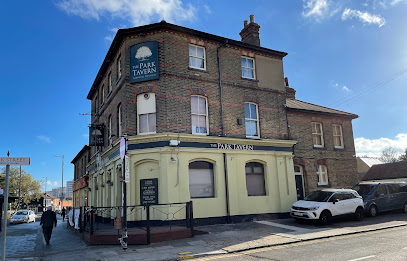
Park Tavern Southend-on-Sea
8.7 km
A lively, welcoming pub in Southend-on-Sea offering great drinks, hearty food, and a warm community atmosphere on London Road.
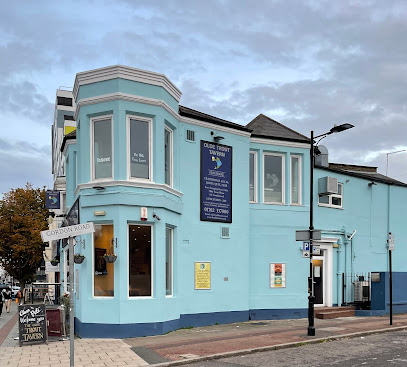
The Olde Trout Tavern
8.9 km
A charming traditional English pub in Southend-on-Sea, renowned for real ales, hearty food, and a warm, welcoming atmosphere.
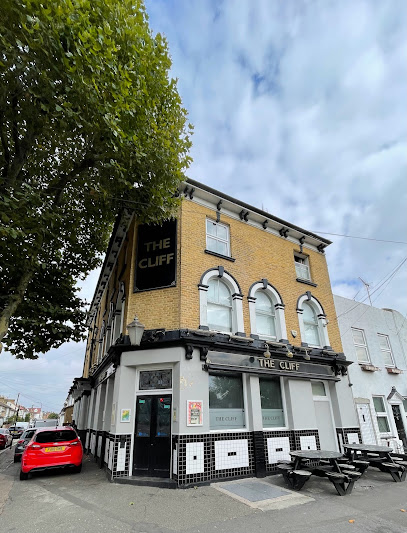
The Cliff
9.0 km
A lively, inclusive LGBT+ pub in Southend-on-Sea offering great cocktails, karaoke nights, and a welcoming atmosphere for all.
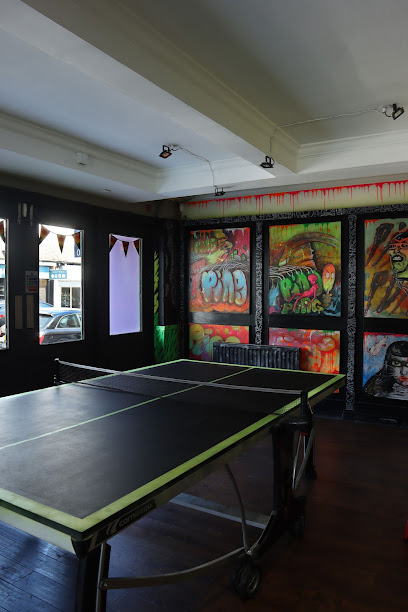
SWITCH
9.1 km
A vibrant cocktail bar and games lounge in Southend-on-Sea blending creative drinks with interactive fun and social gaming.
Boom Battle Bar Southend-on-Sea
9.2 km
An energetic bar in Southend’s Victoria Shopping Centre offering augmented reality games, cocktails, and a lively social scene for unforgettable group fun.

Slug & Lettuce - Southend
9.2 km
Lively cocktail bar and restaurant in Southend-on-Sea offering stylish vibes, bottomless brunch, and vibrant social events by the seaside.
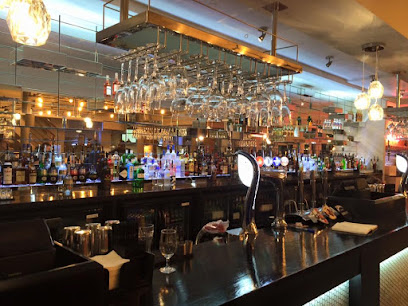
Bart's Bar
9.2 km
Discover Bart's Bar in Southend-on-Sea, where refreshing drinks and a vibrant atmosphere meet for an unforgettable night out.
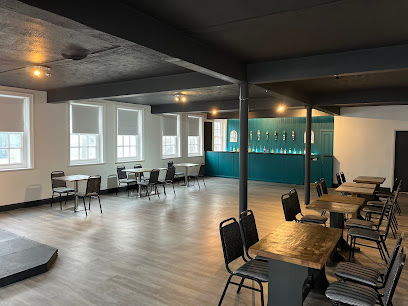
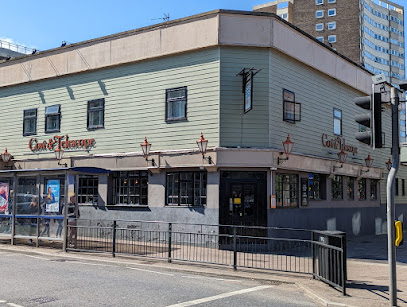
Cow and Telescope
9.3 km
A lively Southend-on-Sea pub renowned for live music, great beers, and a welcoming atmosphere with a charming beer garden.
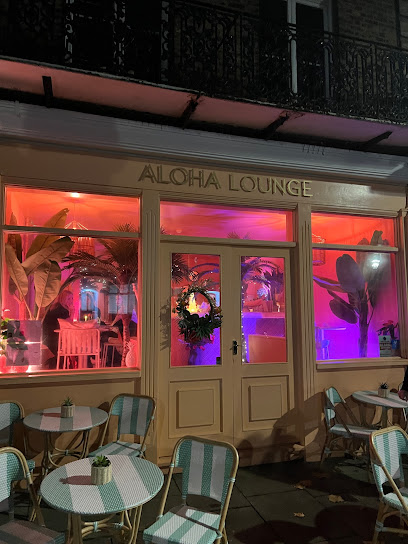
Aloha Lounge
9.3 km
Experience a vibrant tropical oasis in Southend-on-Sea with exceptional cocktails, island-inspired cuisine, and warm, welcoming vibes at Aloha Lounge.
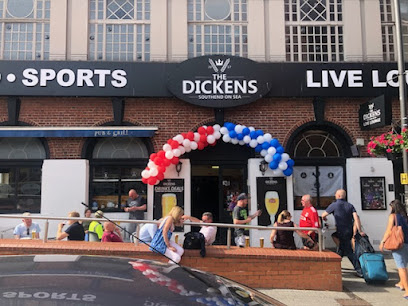
The Dickens
9.3 km
Lively pub and nightclub in Southend-on-Sea offering karaoke, great drinks, and a welcoming atmosphere for all-night fun.
Nightclubs & after hour spots

The Lounge Jazz Club
6.0 km
Experience intimate jazz and soul performances in a cozy, elegant venue near Southend Airport with fine drinks and a lively atmosphere.

The Moonraker Club
8.1 km
A vibrant, intimate nightclub in Westcliff-on-Sea with top DJs, a powerful sound system, and a lively social scene for unforgettable nights out.
MooMoo Clubrooms Southend
8.9 km
Experience Southend’s vibrant nightlife with diverse music rooms, top DJs, and a lively atmosphere at MooMoo Clubrooms.

Just Vibez
9.4 km
Experience vibrant nightlife and non-stop dancing at Just Vibez, Southend-on-Sea’s energetic nightclub hotspot.
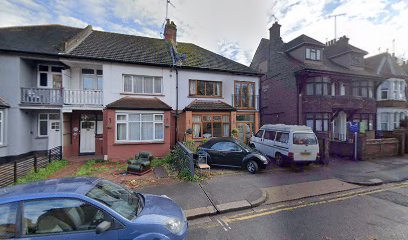
Foundation
9.5 km
Vibrant nightclub and bar in Southend-on-Sea offering lively music, crafted cocktails, and a welcoming atmosphere for memorable nights out.
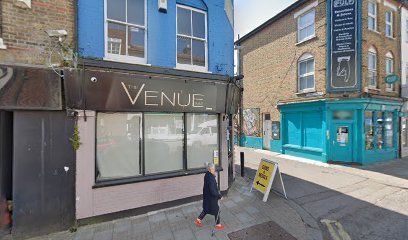
Sunrooms2
9.5 km
Experience Southend-on-Sea’s dynamic nightlife at Sunrooms², where live music and DJ-driven parties keep the energy alive until the early hours.

MYST Club
9.9 km
Experience the vibrant pulse of Southend-on-Sea’s nightlife at MYST Club, where music, dancing, and social energy converge.

The Loft Basildon
10.4 km
Experience Basildon’s vibrant dance scene with energetic music nights, friendly staff, and a lively atmosphere at The Loft Basildon.

Bar & Beyond Chelmsford
18.3 km
A large, lively nightclub in Chelmsford known for affordable drinks, vibrant atmosphere, and a mix of praise and controversy around its staff and music.

Club Tantalize
18.3 km
Chelmsford’s largest and most luxurious lapdancing club offering stylish nightlife with live pole shows and private VIP experiences.
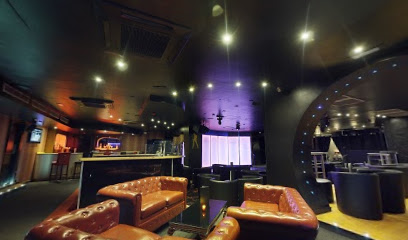
Popworld - Chelmsford
18.4 km
Experience Chelmsford’s ultimate pop-themed nightclub with vibrant music, creative cocktails, and unforgettable themed parties.

Funky Friday Over 30's Night
26.7 km
Funky Friday Over 30's Night in Greenhithe offers a vibrant atmosphere with live music, perfect for dancing and socializing with friends.

Air & Breathe Nightclub
31.3 km
Vibrant dual-zone nightclub in Dartford blending youthful energy with plush exclusivity for over 25s.

Epping Roof Garden & Nightclub
36.2 km
A stylish rooftop nightclub in Epping blending lively nightlife with blooming garden charm and sophisticated cocktails.

Faces NightClub
37.1 km
A stylish, vibrant nightclub in Gants Hill with immersive sound, dynamic visuals, and a versatile space for unforgettable nights and events.
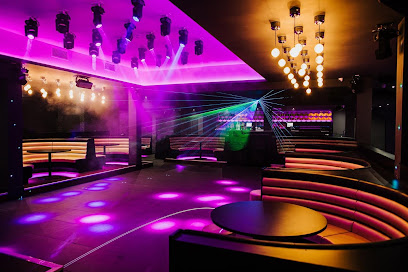
For the vibe & atmosphere seeker
- Tranquil
- Scenic
- Relaxing
- Unique
- Casual
For the design and aesthetic lover
- Rustic Designs
For the architecture buff
- Historic
- Landmarks
- Parks & Gardens
For the view chaser and sunset hunter
- Iconic Views
- Panoramas
For the social media creator & influencer
- Photo Spots
- Selfie Spots
- Aesthetic Corners
For the eco-conscious traveler
- Protected Area
- Locally Managed
- Public-Transport Accessible
- Wildlife Habitat
For the kind of experience you’re after
- Cultural Heritage
- Nature Escape
- Photowalk
- Day Trip
- Weekend Getaway
- Festival / Event Nearby
For how adventurous you want the journey to be
- Easy Access
- Requires Hike
Location Audience
- Family Friendly
- Senior Friendly
- Child Friendly
- Teen Friendly
- Wheelchair Access
- Pet Friendly
- Solo Friendly
- Couple Friendly
- Vegetarian Friendly
- Vegan Friendly


