
Giant's Causeway Blue Trail
Walk among 40,000 hexagonal basalt columns on a paved trail steeped in geology and Irish legend.
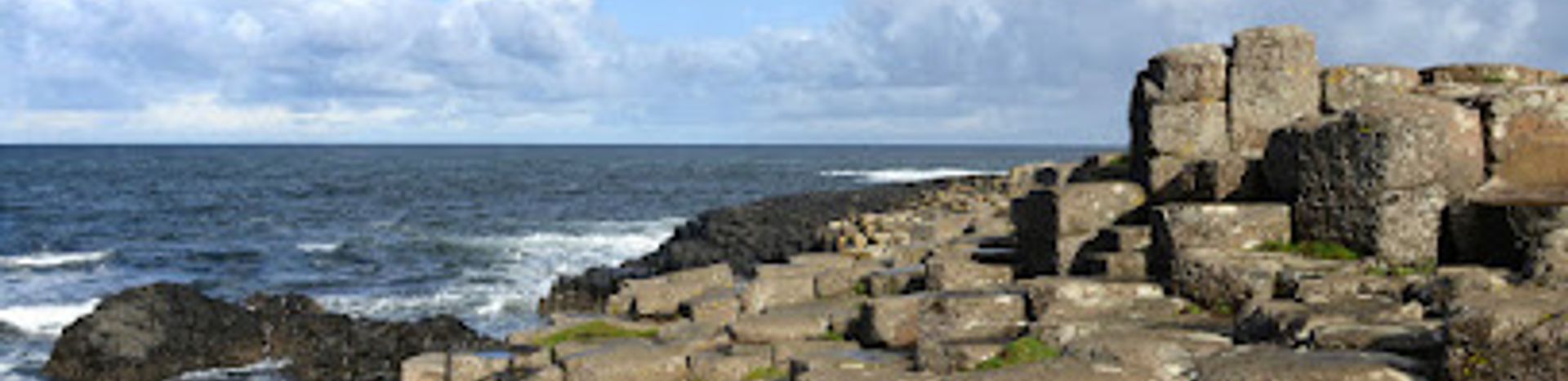
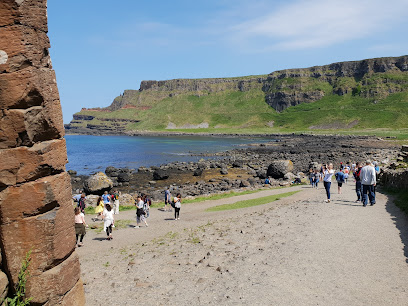
The Blue Trail is a short, accessible walking route descending to Northern Ireland's most iconic natural wonder—a UNESCO World Heritage Site featuring approximately 40,000 hexagonal basalt columns formed 60 million years ago by ancient volcanic activity. This paved, well-maintained path takes roughly 25 minutes to traverse and offers direct access to the dramatic coastal rock formations steeped in Irish legend and geological significance.
A brief summary to Giant's Causeway - Blue Trail
- Bushmills, BT57 8SU, GB
- Visit website
- Duration: 1 to 3 hours
- Free
-
 Outdoor
- Mobile reception: 4 out of 5
- Monday 12 am-12 am
- Tuesday 12 am-12 am
- Wednesday 12 am-12 am
- Thursday 12 am-12 am
- Friday 12 am-12 am
- Saturday 12 am-12 am
- Sunday 12 am-12 am
Local tips
- Wear sturdy, waterproof footwear with good grip—the basalt columns are slippery, especially when wet or after rain. Standard trainers may not provide adequate traction on the uneven stone surfaces.
- Visit during early morning or late afternoon to avoid peak crowds and experience dramatic lighting conditions. The basalt columns are particularly striking during sunrise and sunset.
- Combine the Blue Trail with the Red Trail for a more comprehensive experience. The Red Trail offers elevated coastal views and takes approximately one hour, allowing you to see the causeway from multiple perspectives.
- Allow extra time to explore the basalt columns themselves—the 25-minute descent is just the beginning. Budget an additional 30 to 60 minutes to scramble across the rocks and absorb the landscape.
- Check weather conditions before your visit. Strong winds, heavy rain, or fog can make the basalt columns more hazardous and reduce visibility of the surrounding coastline.

For the on-the-go comforts that matter to you
- Restrooms
- Drink Options
- Food Options
- Seating Areas
- Information Boards
- Visitor Center
Getting There
-
Bus from Bushmills
Translink operates regular bus services from Bushmills village to the Giant's Causeway Visitor Centre, approximately 3 kilometers away. Journey time is roughly 10 to 15 minutes. The bus service runs throughout the day with multiple departures. A Park and Ride facility at Dundarave Car Park in Bushmills offers discounted Visitor Experience tickets when combined with bus travel, reducing overall costs. Single bus fares are approximately £7.50 to £8.00. This option eliminates parking concerns and provides access to local amenities in Bushmills before or after your visit.
-
Car to Causeway Coast Way Car Park
From Bushmills, follow the B147 Causeway Road for approximately 3 kilometers to reach the Causeway Coast Way Car Park at Innisfree Farm (60 Causeway Road). Parking costs £12 per vehicle, payable via the JustPark app. National Trust Members park free by entering their membership number on the app. The car park is approximately 400 meters from the Visitor Centre, with a walking path connecting the two. This option provides flexibility and direct access to the Blue Trail. Parking operates year-round, though spaces can be limited during peak summer months and weekends.
-
Car to Causeway Hotel Car Park
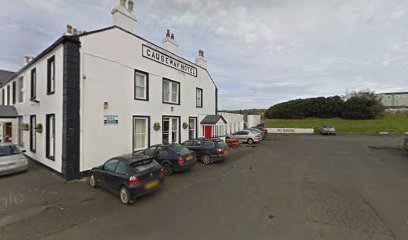
From Bushmills, follow the B147 Causeway Road for approximately 3 kilometers. The Causeway Hotel Car Park is located adjacent to the Visitor Centre and offers an alternative to main parking facilities. Parking costs £10 per vehicle, and you receive a £10 voucher redeemable at the hotel restaurant or bar. The trailhead is accessible directly from this car park, making it convenient for visitors who wish to avoid the main Visitor Centre. This option is particularly economical if you plan to dine at the hotel.
-
Shuttle Bus from Visitor Centre
A mobility-friendly shuttle bus operates from the Visitor Centre, transporting visitors the 1 kilometer down to the basalt columns and back. This service is available to all visitors and is particularly valuable for those with limited mobility, families with young children, or visitors who prefer not to walk the full descent. The shuttle operates during Visitor Centre hours and incurs an additional charge beyond parking or admission fees. Journey time is approximately 5 to 10 minutes each way.
Giant's Causeway - Blue Trail location weather suitability
-
 Clear Skies
-
 Mild Temperatures
Discover more about Giant's Causeway - Blue Trail
A Geological Marvel Carved by Ancient Fire
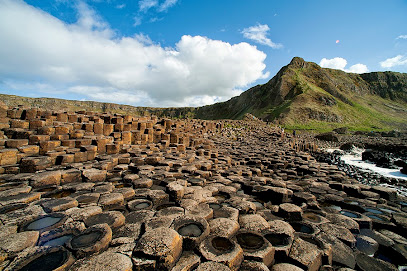
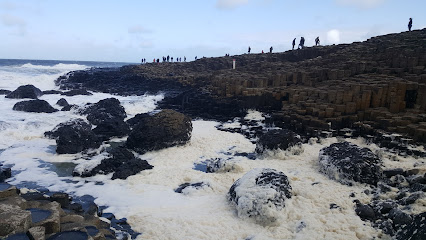
The Giant's Causeway Blue Trail leads you to one of Europe's most extraordinary natural formations—a landscape shaped by violent volcanic upheaval 60 million years ago during the Paleogene period. As the Atlantic Ocean began to separate Europe and North America, molten basalt surged through chalk beds, creating an extensive volcanic plateau. As the lava cooled and contracted, it fractured into the distinctive hexagonal columns visible today, with some reaching heights of 12 meters. This geological process created approximately 40,000 individual basalt columns, each uniquely shaped and sized, stretching several kilometers along the Antrim coast. The Blue Trail provides the most direct and accessible route to experience this remarkable formation, descending from the Visitor Centre through a well-maintained paved pathway.Legend and Mythology Woven into Stone
Beyond its scientific significance, the Giant's Causeway is steeped in Irish folklore and legend. According to local mythology, the Irish giant Finn McCool (Fionn mac Cumhaill) constructed the causeway as a bridge to cross the sea and confront the Scottish giant Benandonner. Depending on which version of the tale you hear, Finn either defeats his rival or cleverly hides when he realizes Benandonner is far larger. After Benandonner's retreat, he allegedly destroyed the causeway to prevent Finn from following him back to Scotland—a detail supported by the presence of similar basalt columns found along the Scottish coast. These stories have captivated visitors for centuries, transforming the site into a place where geology and imagination intertwine.The Blue Trail Experience
The Blue Trail itself is approximately 1.3 kilometers (0.8 miles) in length, typically requiring 20 to 30 minutes to complete on foot. Unlike the more challenging Red and Green trails that wind along clifftops and coastal paths, the Blue Trail is a wide, paved asphalt road designed for accessibility and ease of movement. The path descends steadily from the rear of the Visitor Centre toward the basalt columns at water level. While the route is well-maintained, certain sections can be steep, and the path itself becomes the basalt columns at the trail's end—surfaces that can be slippery, particularly when wet or during high tides. The trail is serviced by a shuttle bus for those unable or unwilling to walk the full distance, making it genuinely accessible to visitors of varying mobility levels.Wildlife and Sensory Richness
As you descend the Blue Trail, the soundscape transforms. The calls of seabirds—particularly oystercatchers and gannets—echo across the coastline, their cries mingling with the crash of Atlantic waves against the ancient stone. The air carries the salt spray of the sea, and the basalt columns themselves display subtle variations in color and texture, from deep charcoal to lighter grey tones weathered by millennia of coastal exposure. The columns create natural alcoves and formations, including the distinctive Giant's Boot, a rock formation that has captured visitors' imaginations for generations. The interplay of light across the hexagonal surfaces shifts throughout the day, creating different visual impressions from dawn to dusk.Practical Considerations for Your Visit
The Blue Trail is open year-round and accessible to the general public free of charge, though parking and visitor centre facilities require payment or membership. The trail itself is best visited during daylight hours, with optimal conditions occurring during clear weather when visibility extends across the coastline. The basalt columns can be treacherous underfoot, so sturdy, waterproof footwear is essential. The section between the Visitor Centre and the main causeway formation experiences significant foot traffic during peak hours, particularly between mid-morning and mid-afternoon. Early morning or late afternoon visits offer a more contemplative experience, with the added bonus of dramatic lighting conditions during sunrise and sunset. Winter months bring fewer crowds but more unpredictable weather, while summer attracts international visitors seeking to experience this UNESCO World Heritage Site.Iconic landmarks you can’t miss

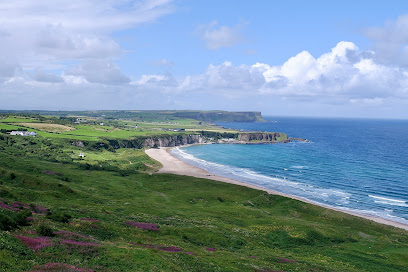
Whitepark Bay viewpoint
7.8 km
Dramatic clifftop vista of white sand and ancient dunes on the North Antrim coast.
Causeway Coastal Route
9.9 km
Discover the stunning landscapes and rich heritage along the Causeway Coastal Route, a scenic journey through Northern Ireland's breathtaking coastline.
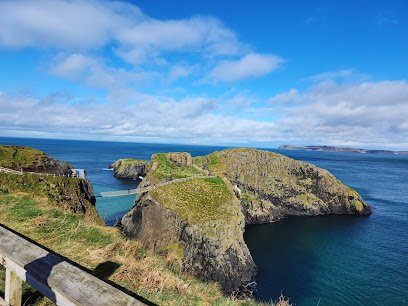
National Trust - Carrick-a-Rede
11.6 km
Experience the thrill of crossing Carrick-a-Rede Rope Bridge, a breathtaking connection to nature and history on Northern Ireland's stunning coastline.
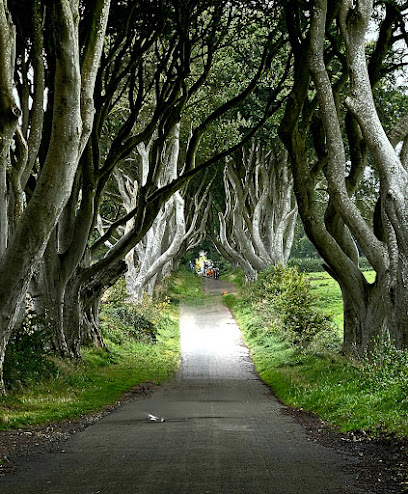
The Dark Hedges
13.9 km
Discover the enchanting beech tree-lined avenue of The Dark Hedges, a must-visit natural wonder in Northern Ireland, perfect for photography and serene strolls.
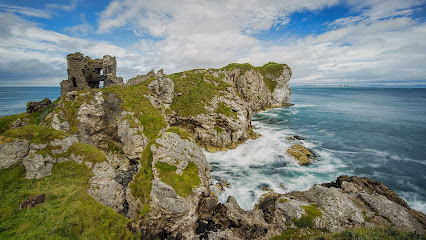
Kinbane Castle
14.2 km
Dramatic 16th-century ruin perched on white limestone cliffs with breathtaking Atlantic views and a rewarding steep descent.
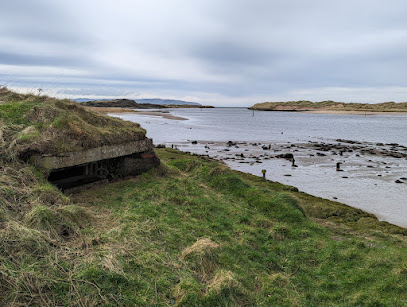
National Trust Barmouth Bird Hide
17.4 km
Discover the beauty of wildlife in its natural habitat at Barmouth Bird Hide, a serene nature preserve in Northern Ireland perfect for birdwatching.
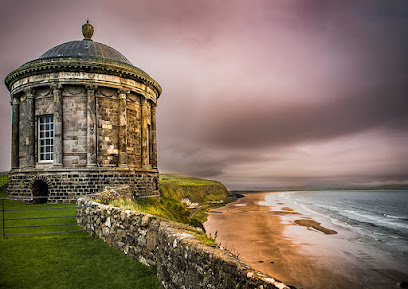
National Trust - Mussenden Temple and Downhill Demesne
20.3 km
Discover the breathtaking Mussenden Temple and Downhill Demesne, a stunning blend of nature, history, and coastal views in Northern Ireland.
Merrick Stone
24.6 km
Discover the intriguing history and stunning scenery of Merrick Stone, a captivating landmark in Limavady, Northern Ireland.
Moville Shore Path Walk, Inishowen
33.6 km
Explore the breathtaking Moville Shore Path Walk in Inishowen, where stunning coastal views and serene pathways await every nature lover.
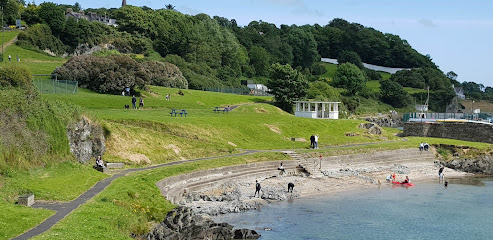
Culdaff Beach
40.5 km
Discover the beauty of Culdaff Beach in County Donegal, where golden sands meet the Atlantic, perfect for relaxation and adventure.
The Temple of Deen
40.9 km
Explore the Temple of Deen, a captivating historical landmark in County Donegal, surrounded by breathtaking scenery and rich cultural heritage.
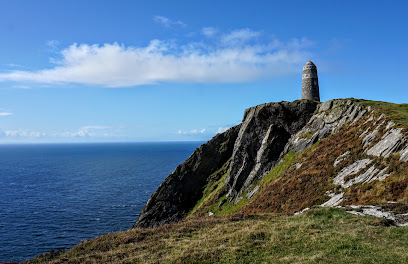
American Monument
41.4 km
A lighthouse-shaped war memorial honouring over 600 lives lost at sea during World War I, standing sentinel on a remote Scottish clifftop.
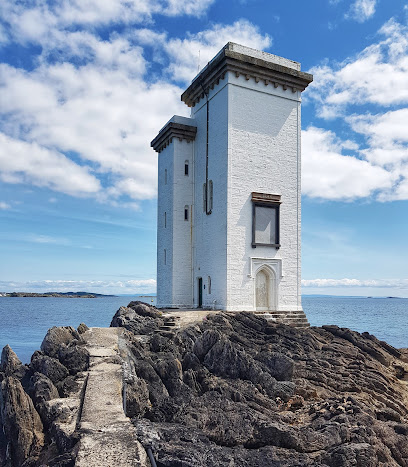
Carraig Fhada Lighthouse
47.1 km
Experience the breathtaking beauty and rich maritime history at Carraig Fhada Lighthouse on the stunning Isle of Islay.
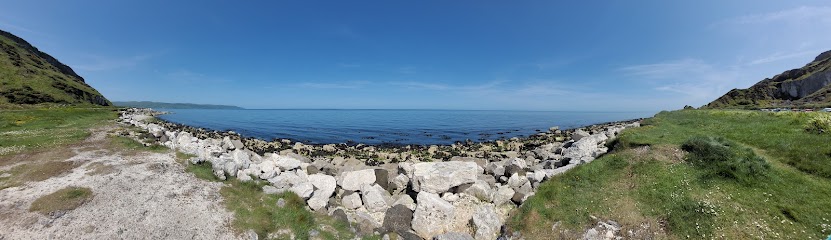
Whitebay
47.7 km
Explore the breathtaking beauty of Whitebay, a tranquil tourist attraction in Ballymena perfect for nature lovers and outdoor enthusiasts.
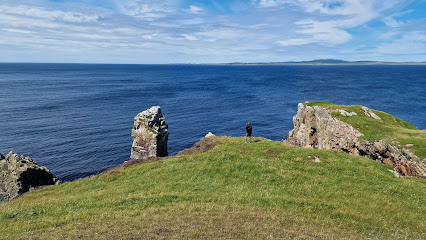
Soldiers Rock
48.1 km
Experience the breathtaking beauty of Soldiers Rock, a stunning nature reserve on the Isle of Islay, perfect for hikers and nature lovers seeking tranquility.
Unmissable attractions to see

National Trust - Giant's Causeway Visitor Centre
0.1 km
Explore the Giant's Causeway: Where geology meets legend on Northern Ireland's stunning coast. Visitor Centre with tours, exhibits, and more.
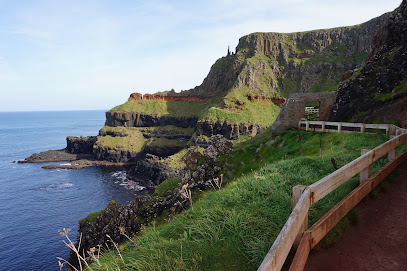
Giant's Causeway & Bushmills Railway
0.3 km
Ride a vintage train along the scenic Causeway Coast, connecting Bushmills to the Giant's Causeway on a historic railway journey.
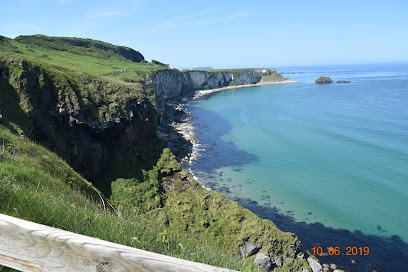
Giants Causeway Carpark
0.3 km
Essential access point to Northern Ireland’s iconic Giant’s Causeway with convenient parking and visitor facilities.
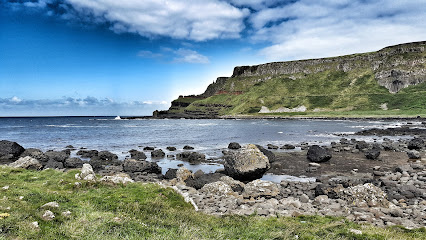
Bay of the Cow Viewpoint
0.4 km
Experience the stunning coastal views at the Bay of the Cow Viewpoint, a must-see destination for nature lovers and adventure seekers in Bushmills, Northern Ireland.
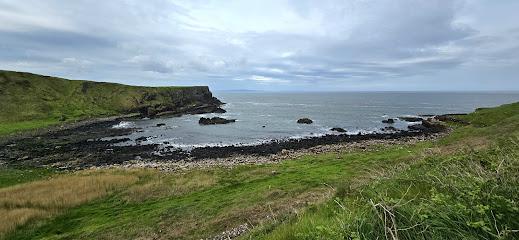
Bay of the Cow
0.4 km
Experience the breathtaking beauty of the Bay of the Cow, a serene coastal gem near Bushmills, Northern Ireland, rich in wildlife and stunning landscapes.
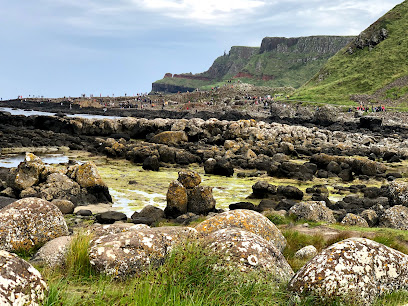
The Gajowy cave
0.6 km
Discover the breathtaking Gajowy Cave, a natural wonder in Bushmills, rich in geology and local history, perfect for adventure and exploration.
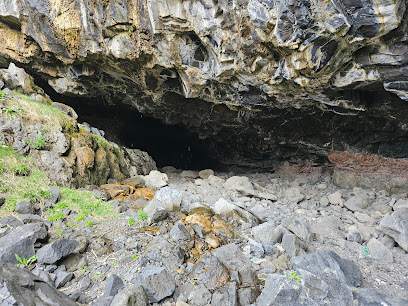
Portcoon Jetty
0.6 km
Explore the picturesque Portcoon Jetty in Northern Ireland, a breathtaking scenic spot perfect for nature lovers and unforgettable views.
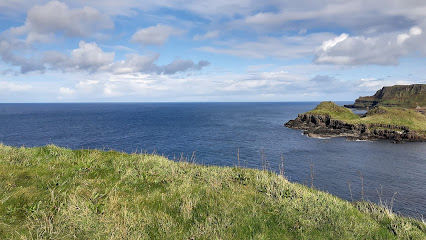
Giant's Causeway Viewpoint
0.7 km
Discover the stunning beauty of the Giant's Causeway Viewpoint, where myth meets nature in Northern Ireland's iconic landscape.
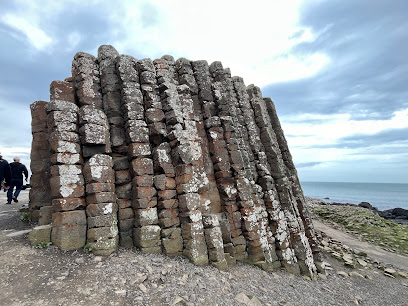
Shepherd's Steps
0.9 km
Discover the breathtaking beauty of Shepherd's Steps, a must-visit hiking destination near the iconic Giant's Causeway in Northern Ireland.
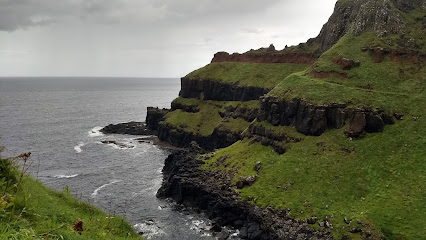
Giant's Causeway
0.9 km
Explore the breathtaking beauty and folklore of Giant's Causeway, a UNESCO World Heritage site famed for its unique basalt columns and stunning coastal views.
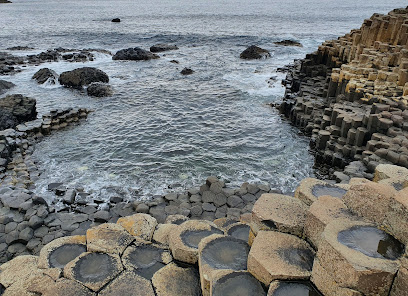
Organ Pipes - Giant's Causeway
1.2 km
Explore the breathtaking Organ Pipes at Giant's Causeway, a UNESCO World Heritage Site showcasing stunning basalt formations and rich geological history.
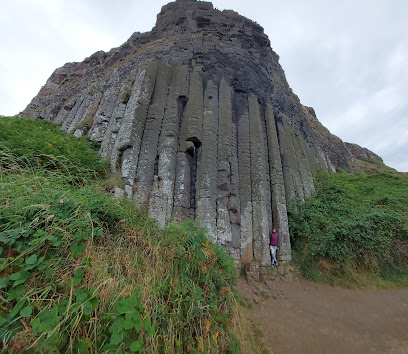
Amphitheatre Viewpoint - End of the cliffwalk
1.4 km
Experience breathtaking views and unique geological formations at the Amphitheatre Viewpoint in Bushmills, a must-see destination for nature lovers.
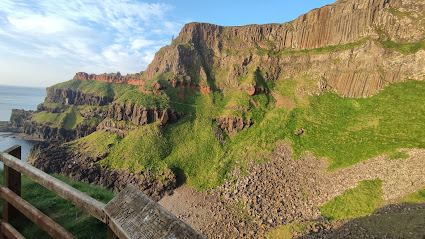
carrick bridge
2.8 km
Experience the thrill of crossing the Carrick-a-Rede Rope Bridge, a historic landmark on Northern Ireland's stunning Causeway Coast.

Giants Causeway & Bushmills Heritage Railway
2.9 km
Step aboard a historic heritage railway for a scenic journey from Bushmills to the legendary basalt columns of the Giant's Causeway.
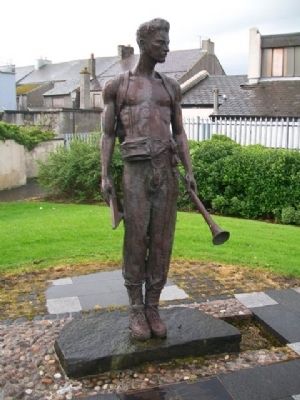
Alphabet Angel - Ulster-Scots statue
3.0 km
Experience the cultural heritage of the Ulster-Scots at the Alphabet Angel statue in Bushmills, a unique tourist attraction combining art and history.
Essential places to dine

The Nook
0.1 km
Discover delicious seafood at The Nook in Bushmills—where local flavors meet stunning coastal views for an unforgettable dining experience.
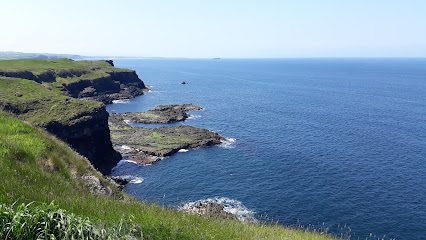
National trust cafe
0.1 km
Experience delightful refreshments at the National Trust Cafe while exploring Northern Ireland's stunning Giant's Causeway.

The Causeway Hotel
0.2 km
Discover comfort and stunning views at The Causeway Hotel near the iconic Giant's Causeway in Northern Ireland.
Hungry Giant Causeway
0.3 km
Discover delicious local cuisine at Hungry Giant Causeway while enjoying breathtaking views near Northern Ireland's iconic natural wonder.

Finn McCool's Giants Causeway Hostel
0.3 km
Boutique hostel with panoramic coastal views, just steps from the Giant's Causeway, offering budget-friendly comfort and a friendly atmosphere.
Clubhouse Restaurant & Bar
2.1 km
Discover exquisite grilled cuisine at Clubhouse Restaurant & Bar in Portballintrae – where local flavors meet breathtaking coastal views.
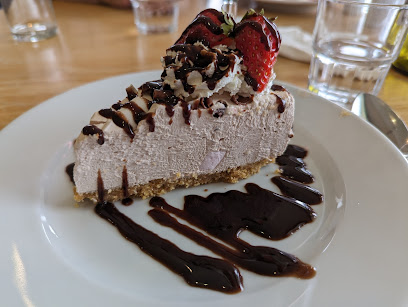
Bayview Hotel
2.7 km
Experience coastal charm at Bayview Hotel in Portballintrae - your gateway to Northern Ireland's stunning landscapes and rich heritage.
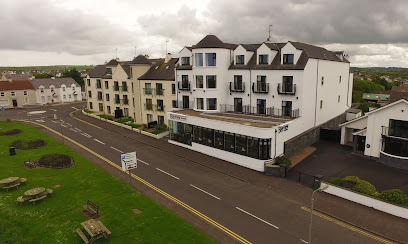
The Bushmills Inn Restaurant and Bar
2.9 km
Discover culinary delights at The Bushmills Inn Restaurant and Bar - where traditional Irish hospitality meets modern gastropub dining.
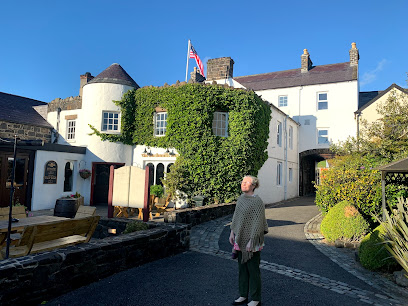
The Bushmills Inn Hotel
2.9 km
A historic 17th-century coaching inn reborn as a 4-star boutique retreat on the Causeway Coast, with peat fires, an AA Rosette restaurant, and easy access to the Giant’s Causeway.
Bushmills Townhouse
3.0 km
Discover exceptional comfort and fine dining at Bushmills Townhouse in Northern Ireland's charming village.
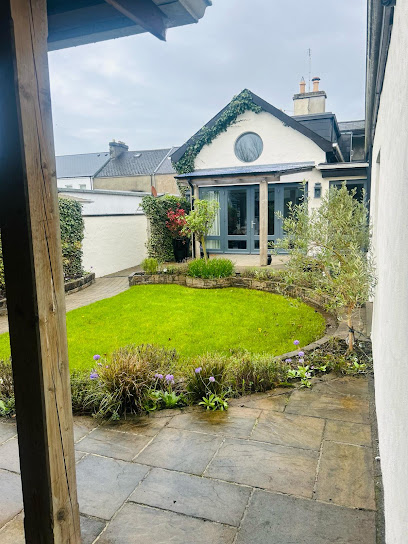
Lorna's Kitchen
3.0 km
Experience the essence of Irish cuisine at Lorna's Kitchen in Bushmills - where local flavors meet warm hospitality.
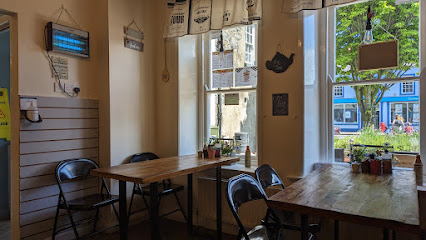
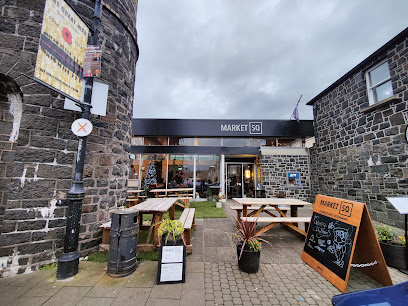
Market Square
3.0 km
Experience authentic Irish cuisine at Market Square in Bushmills - where delicious food meets vibrant culture.
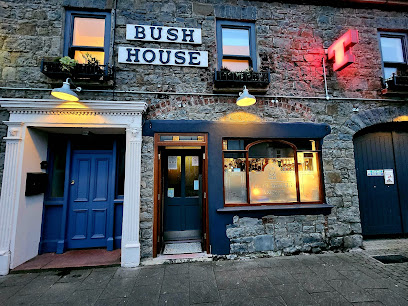
The Bush House Bar
3.1 km
Discover The Bush House Bar - A Cozy Pub Experience in Bushmills Offering Local Brews and Hearty Irish Fare.
Flash In The Pan
3.1 km
Experience authentic British cuisine at Flash In The Pan in Bushmills – home of delicious fish and chips and warm hospitality.
Tartine at the Distillers Arms
3.3 km
Experience exquisite modern European cuisine at Tartine at the Distillers Arms in Bushmills, where local flavors meet culinary innovation.
Markets, malls and hidden boutiques

Express Snack Hub & Hot Drinks
0.2 km
Experience the warm hospitality of Bushmills at Express Snack Hub & Hot Drinks, where every sip and bite reflects the charm of Northern Ireland.
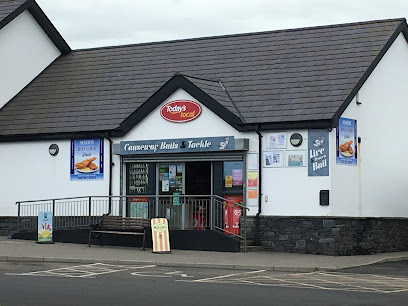
Causeway Tackle
2.2 km
Explore Causeway Tackle in Portballintrae for all your fishing needs, from equipment to expert advice, amidst stunning Northern Ireland landscapes.
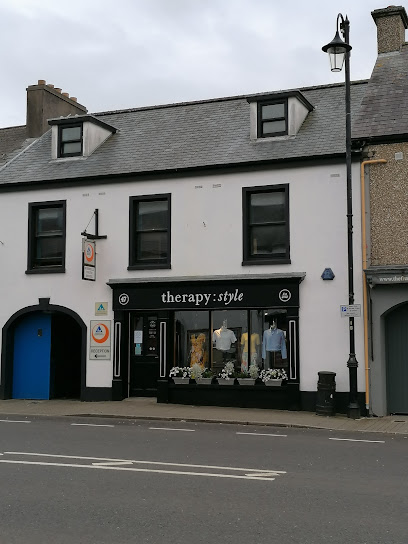
Therapy Style Studio
3.0 km
Explore Therapy Style Studio in Bushmills for unique women's fashion that reflects your style amidst stunning coastal scenery.
Therapy:Sole
3.0 km
Explore Bushmills' Sole Therapy for stylish shoes that blend comfort and local craftsmanship, perfect for every occasion.
CentraBushmills
3.0 km
Discover the convenience of CentraBushmills, your go-to supermarket for fresh produce and local delicacies in the heart of Bushmills, Northern Ireland.
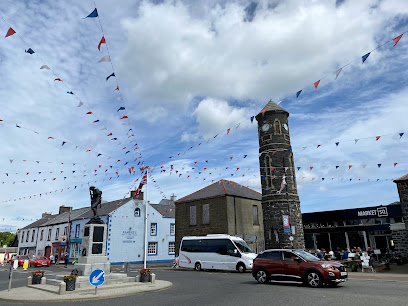
Lilly's
3.1 km
Discover the cozy charm of Lilly's in Bushmills, where delightful coffee and homemade treats await in a picturesque setting.
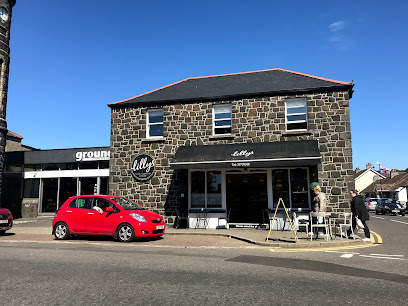
Carleton’s Corner Shop
3.1 km
Explore Carleton’s Corner Shop in Bushmills for unique gifts and local crafts that embody the rich culture of Northern Ireland.
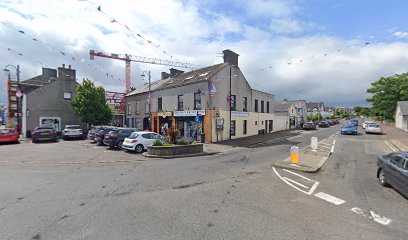
Glass's Fruiterer & Florists
3.1 km
Discover the vibrant flavors and stunning blooms at Glass's Fruiterer & Florists in Bushmills, a must-visit for nature lovers and food enthusiasts.
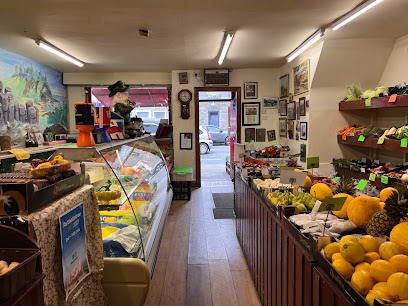
Taylor Yates
3.1 km
Explore the charm of Bushmills at Taylor Yates, where handcrafted fashion meets unique gifts for every traveler.

Linen Lane
3.1 km
Discover unique lighting designs at Linen Lane in Bushmills, a charming store offering exquisite lamps and lamp shades for every taste.

Hollie’s Highlighters
3.2 km
Explore Bushmills' charming school supply store, Hollie’s Highlighters, where creativity meets local craftsmanship in a delightful shopping experience.
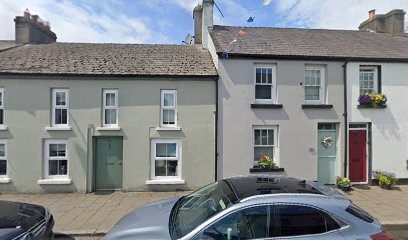
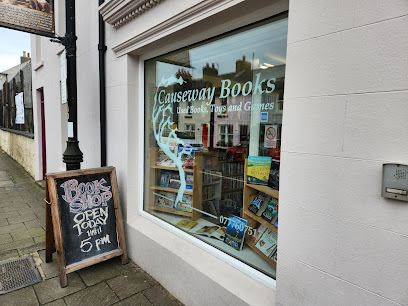
Causeway Books
3.2 km
Explore the enchanting world of literature at Causeway Books in Bushmills – a treasure trove for book enthusiasts and visitors alike.
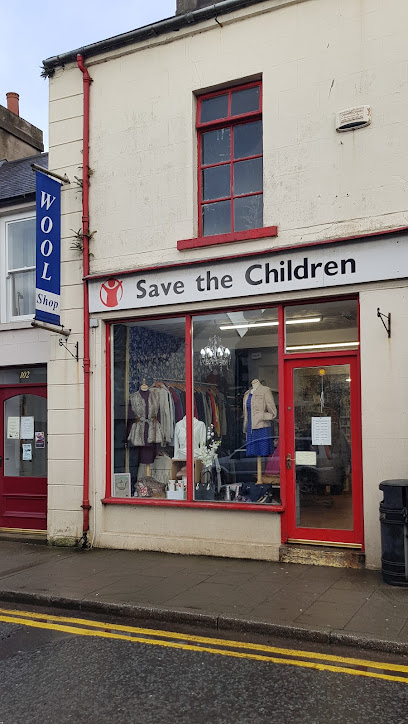
Bushmills Save the Children
3.2 km
Explore unique finds and support a noble cause at Bushmills Save the Children thrift store, a charming stop in the heart of Bushmills.
Mcconaghys Bushmills
3.2 km
Discover the essence of Northern Ireland at McConaghys Bushmills, a charming gift shop brimming with locally crafted treasures and unique souvenirs.
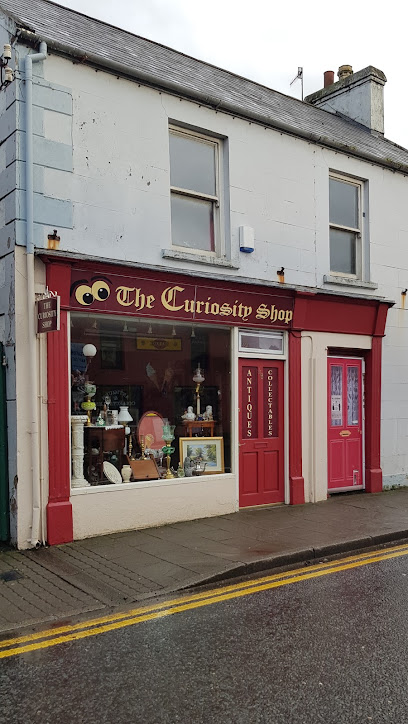
The Curiosity Shop
3.2 km
Discover hidden treasures and unique antiques at The Curiosity Shop in Bushmills, a charming destination for collectors and casual shoppers alike.
Essential bars & hidden hideouts

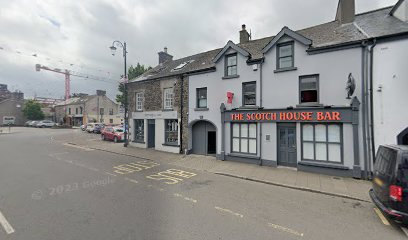
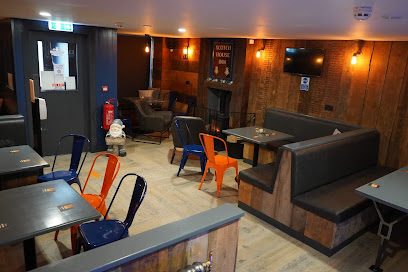
The Scotch House Bar
3.0 km
Discover the lively atmosphere of The Scotch House Bar in Bushmills, where traditional Irish music meets delicious pub fare and a warm welcome.
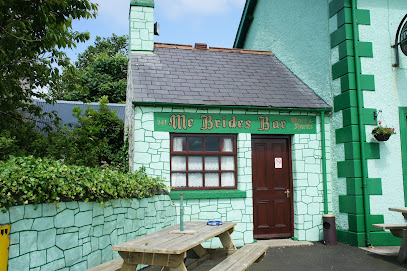
McBrides Bar
3.4 km
Experience traditional Irish hospitality at McBrides Bar in Bushmills, a cozy pub with local brews and a welcoming atmosphere.
Chonga Castlecatt
6.6 km
Experience the warmth of Irish hospitality at Chonga Castlecatt, a charming bar in Bushmills, where local culture and relaxation meet.
Kon-Tiki Boat Bar
8.5 km
Experience the vibrant atmosphere at Kon-Tiki Boat Bar, where tropical cocktails and stunning coastal views create an unforgettable evening in Portrush.
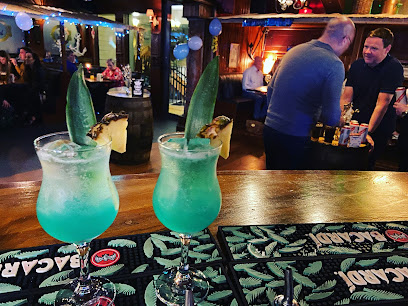
Springhill Bar
9.2 km
Experience the charm of Springhill Bar in Portrush, where great drinks and delicious pub fare await in a cozy atmosphere.
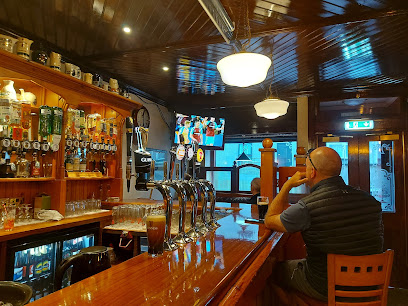
Kiwi's Brew Bar
9.3 km
Discover the flavors and sounds of Portrush at Kiwi's Brew Bar, where great food meets live entertainment in a cozy atmosphere.
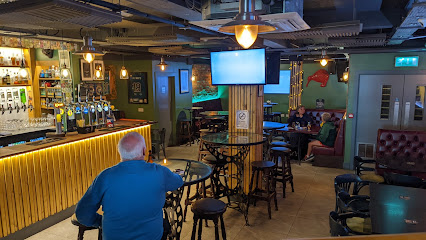
The Station Bar
9.4 km
Experience the vibrant atmosphere of The Station Bar in Portrush, where live music and great drinks come together for unforgettable nights.
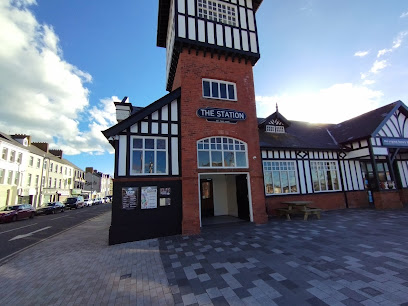
The Offshore
9.4 km
Experience authentic Irish hospitality and lively coastal vibes at The Offshore, a beloved pub in the heart of Portrush.
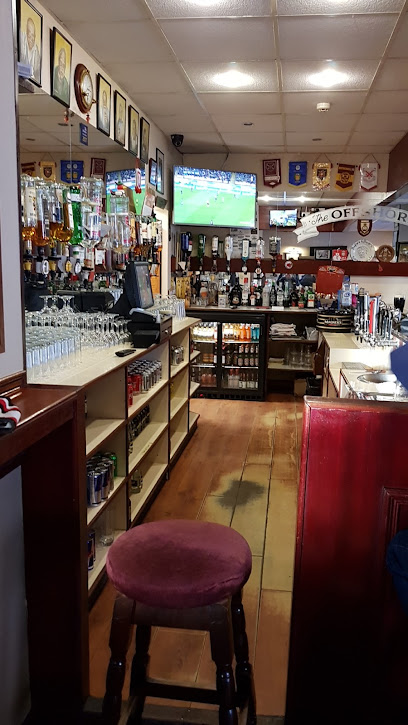
The Harbour Bar
9.5 km
Experience the charm of The Harbour Bar in Portrush, where traditional Irish hospitality meets stunning coastal views and delicious local cuisine.
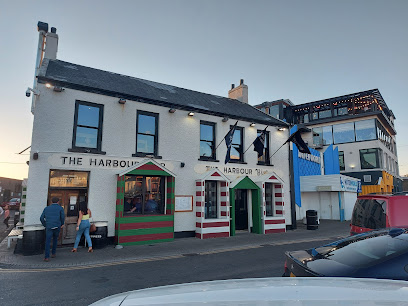
Harbour Gin Bar
9.6 km
Experience the best of Portrush's cocktail culture at Harbour Gin Bar, where creative drinks meet stunning harbor views.
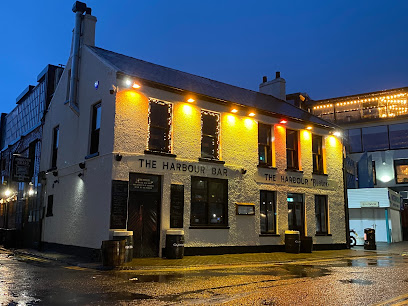
Blackwater Bar
12.4 km
Discover the cozy charm of Blackwater Bar in Dervock, a perfect retreat for travelers seeking local drinks and a friendly atmosphere.
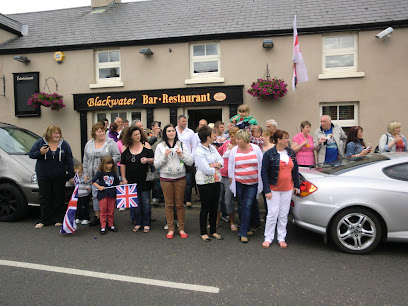
The Armada Inn
16.5 km
Discover the charm of The Armada Inn, a cozy pub in Armoy offering authentic Irish cuisine and a welcoming atmosphere for all travelers.
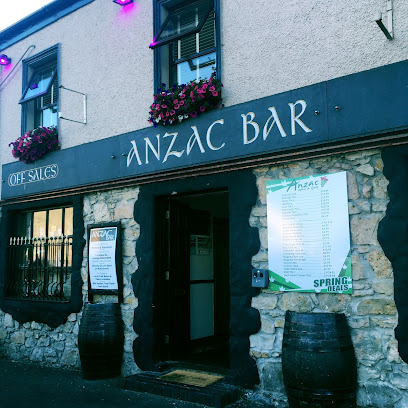
ANZAC BAR, RESTAURANT & OFF SALES
17.0 km
Discover the heart of Irish culture at ANZAC Bar, Restaurant & Off Sales in Ballycastle, where every meal is a celebration of local flavors.
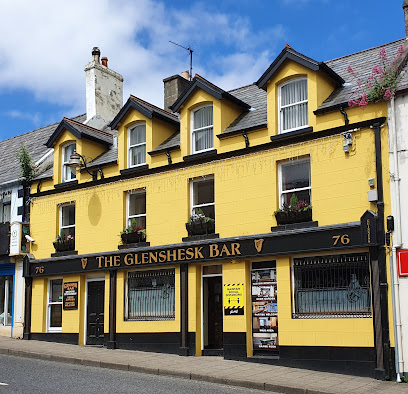
Glenshesk Bar
17.1 km
Experience the warmth of Irish hospitality at Glenshesk Bar, Ballycastle's favorite spot for local brews and live music.
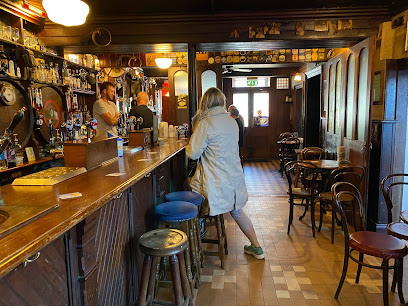
House of McDonnell
17.1 km
Discover the heart of Ballycastle at the House of McDonnell, where traditional Irish cuisine meets vibrant local culture in a cozy pub setting.
Nightclubs & after hour spots

Kellys Complex Portrush
8.5 km
Discover the pulse of Portrush nightlife at Kellys Complex, where clubbing meets culinary delights in a vibrant atmosphere.

The Legends Lounge
9.8 km
Experience the vibrant atmosphere of The Legends Lounge in Portrush, a perfect bar for enjoying drinks and local culture.
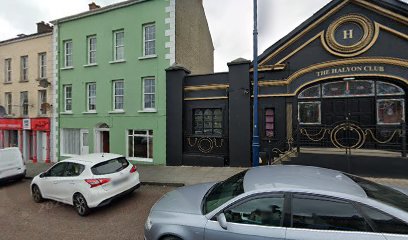
Halyon Club
33.7 km
Discover the vibrant nightlife of Halyon Club in Ballynally, Co. Donegal, where music, dance, and fun come together for an unforgettable experience.
Bailey Redcastle Nite Club
39.4 km
Discover the heart of Co. Donegal's nightlife at Bailey Redcastle Nite Club, where great music and vibrant energy await your arrival.
ORIGIN Nightclub & Bar Ballymena
43.4 km
Discover Ballymena's nightlife at ORIGIN Nightclub & Bar, where music, dancing, and vibrant crowds create an unforgettable experience.
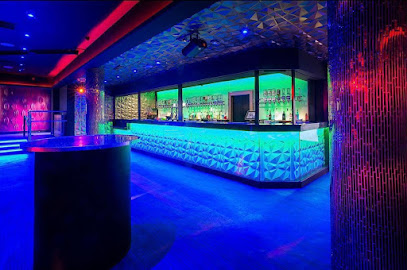
Tul Na Ri
46.5 km
Experience the vibrant nightlife of Co. Donegal at Tul Na Ri, where great music, dancing, and a friendly atmosphere await.

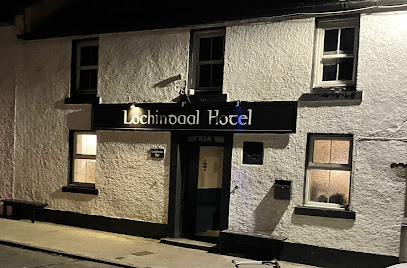
Lochindaal Hotel
56.9 km
Discover the perfect blend of comfort, local charm, and exquisite dining at Lochindaal Hotel on the stunning Isle of Islay.
Ibiza Orchestra Live
56.9 km
Experience the electrifying fusion of live orchestral music and iconic Ibiza dance beats in Londonderry’s vibrant nightlife hotspot.
Port Charlotte Hotel
57.0 km
Experience the perfect blend of warmth, comfort, and exquisite local cuisine at Port Charlotte Hotel on the beautiful Isle of Islay.
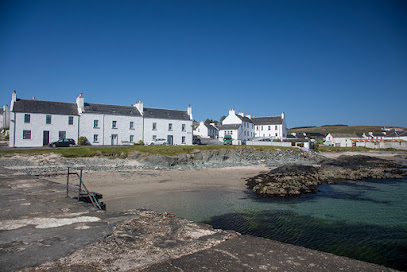
Sandinos
57.4 km
Experience the lively atmosphere of Sandinos in Londonderry, where great drinks, live music, and friendly vibes come together.
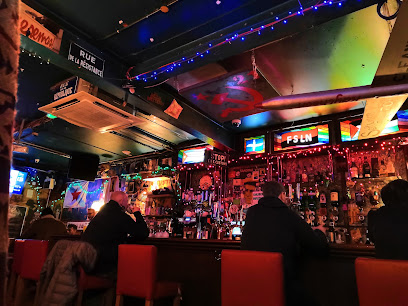
Blackbird
57.5 km
Lively pub on Foyle Street serving fresh local dishes, live music, and excellent drinks in a warm, friendly atmosphere.
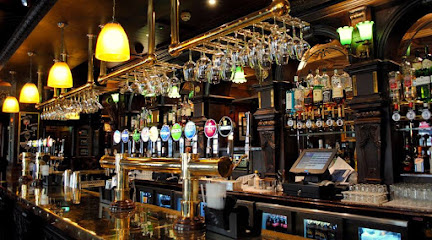
The Ritz Bar & Bistro
57.5 km
Discover the flavors of Londonderry at The Ritz Bar & Bistro, where grill specialties and a cozy atmosphere await.
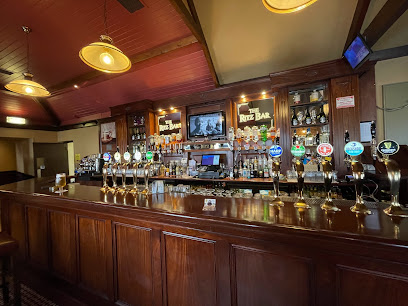
Gainsborough Bar
57.5 km
Experience the heart of Irish hospitality at Gainsborough Bar, where lively atmosphere and delicious fare await in Londonderry.
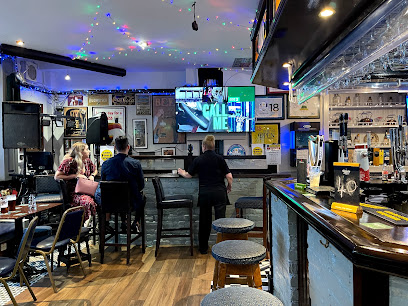
Metro Bar
57.5 km
Experience the warmth and vibrancy of Londonderry at Metro Bar, your go-to pub for local brews and a lively atmosphere.
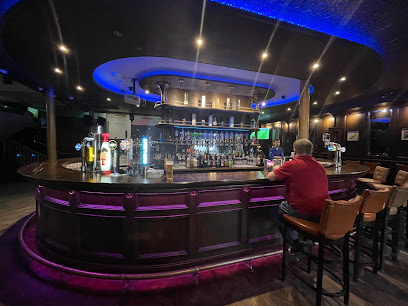
Tinney's Bar & The Shirt Factory
57.5 km
Discover the lively atmosphere of Tinney's Bar & The Shirt Factory in Londonderry, the perfect blend of tradition and modern pub culture.
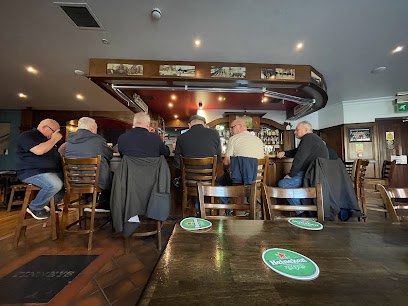
For the vibe & atmosphere seeker
- Scenic
- Adventurous
- Unique
- Tranquil
For the architecture buff
- Landmarks
- Viewpoints
- Parks & Gardens
For the view chaser and sunset hunter
- Iconic Views
- Panoramas
- Waterfront
- Sunrise Spots
- Sunset Spots
For the social media creator & influencer
- Instagrammable
- Photo Spots
- Architectural Shots
For the eco-conscious traveler
- Protected Area
- Nature Reserve
- Public-Transport Accessible
- Leave-No-Trace Critical
For the kind of experience you’re after
- Myth & Legends
- Cultural Heritage
- Photowalk
- Nature Escape
- Day Trip
For how adventurous you want the journey to be
- Easy Access
- Requires Hike
Location Audience
- Family Friendly
- Senior Friendly
- Child Friendly
- Wheelchair Access
- Pet Friendly
- Solo Friendly
- Couple Friendly


