Torr Head: Northern Ireland’s Dramatic Coastal Headland
Experience breathtaking coastal vistas, ancient ruins, and wild natural beauty at Torr Head, Northern Ireland’s closest point to Scotland.
Torr Head is a rugged headland near Ballycastle, County Antrim, renowned for its spectacular coastal views, historic ruins, and proximity to Scotland. This scenic spot offers breathtaking panoramas of the North Channel, the Mull of Kintyre, and Rathlin Island, with a fascinating history including ancient forts and a former semaphore station. Visitors can enjoy hiking, wildlife watching, and exploring the natural and cultural heritage of this striking landscape.
A brief summary to Torr Head
- Ballycastle, GB
- Click to display
- Duration: 1 to 3 hours
- Free
-
 Outdoor
- Mobile reception: 4 out of 5

Know before you go
Hi, I'm Eve. Here are a few practical things to know before exploring Torr Head.
- Drive carefully on the narrow, winding Torr Road; take your time to enjoy the spectacular views safely.
- Wear sturdy footwear for the short steep walk to the summit to fully appreciate the panoramic views.
- Bring a picnic or snacks, as there are no food or shop facilities at Torr Head itself.
- Visit nearby Ballycastle for amenities, dining, and accommodation before or after exploring Torr Head.
- Exercise caution near cliff edges due to strong winds and steep drops, especially during wet or windy weather.
Do you manage this location?
Take control to get all the benefits, like improved information, better appearance, and stronger visibility across AI-powered discovery. Learn more
Activate your presence

Getting There
-
Car
Driving from Ballycastle to Torr Head takes about 20-25 minutes via Torr Road, a narrow and winding route requiring cautious driving. Parking is available near the headland but limited, so arrive early during peak times. No parking fees apply.
-
Bus and Walking
Local bus services run to Ballycastle from major towns like Belfast. From Ballycastle, a taxi or a 40-minute walk along country roads can reach Torr Head. Walking routes are scenic but involve uneven terrain and some steep sections.
-
Cycling
Cyclists can access Torr Head via the scenic coastal roads from Ballycastle or Cushendun. The route covers approximately 12.5 miles and includes steep climbs, suitable for experienced cyclists. No dedicated bike facilities at the site.
For the on-the-go comforts that matter to you
-
 Restrooms
-
 Seating Areas
-
 Information Boards
-
 Parking
Discover more about Torr Head
Striking Coastal Landscape and Panoramic Views
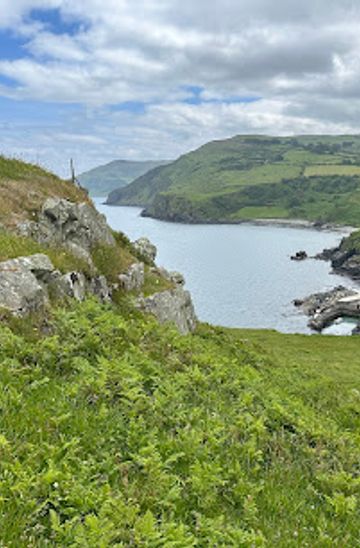
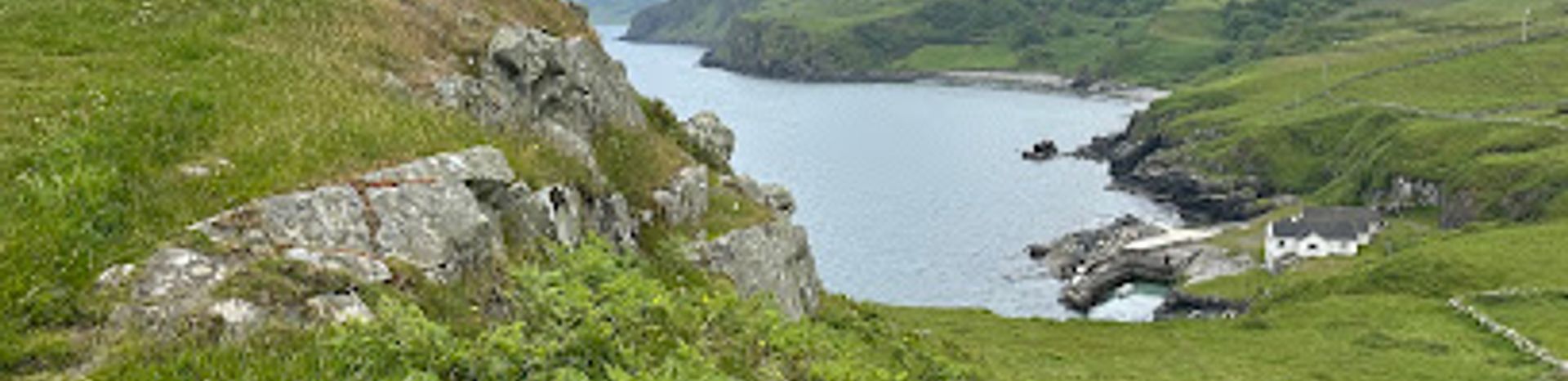
Torr Head stands proudly on the northern coast of County Antrim, offering one of the most dramatic coastal vistas in Northern Ireland. The headland’s cliffs rise steeply above the Irish Sea, providing sweeping views across the North Channel to Scotland’s Mull of Kintyre, just about 12 miles away. On clear days, the sight of Rathlin Island to the north adds to the breathtaking seascape. The rugged coastline is characterized by crashing waves, rocky outcrops, and lush green pastures dotted with grazing sheep, creating a quintessential Irish coastal scene.Rich Historical and Archaeological Significance
Torr Head is steeped in history, with evidence of human activity dating back centuries. The ruins of Altagore Cashel, a stone fort dating to the early Christian period, stand as a testament to its strategic importance. The headland also hosted a semaphore signalling station in the late 1800s, used to monitor and relay the passage of transatlantic ships to Lloyds of London. Additionally, the site of an ancient fort known as Dun Bharraigh connects the location to Gaelic warrior heritage. These layers of history enrich the visitor experience, blending natural beauty with cultural depth.Adventure and Exploration Opportunities
Visitors to Torr Head can enjoy a variety of outdoor activities. A short but steep hike leads to the summit, rewarding walkers with panoramic views and a sense of wild isolation. The narrow, winding Torr Road that approaches the headland offers a thrilling drive with spectacular scenery at every turn. Rock climbers are drawn to nearby Fair Head, renowned for its challenging climbs and extensive routes. Birdwatchers and nature enthusiasts can observe sea birds hunting over the waves and the diverse coastal flora.Environmental and Geological Features
Torr Head is an excellent example of metamorphosed limestone and volcanic rock sequences, showcasing Ireland’s complex geological history. The cliffs and surrounding landscapes provide habitats for various wildlife species and are part of a protected natural environment. The area’s treacherous tides and roaring flood tides add to the dramatic atmosphere, while the coastal flora includes flowering currant hedgerows lining the roads in summer.Visitor Experience and Amenities
The headland is open 24 hours a day, allowing visitors to explore at their leisure. Although there are no shops or facilities directly on Torr Head, nearby Ballycastle offers food, drink, and accommodation options, making it a convenient base. The site features wheelchair-accessible parking and entrance, enhancing accessibility. Visitors are advised to exercise caution near cliff edges due to strong winds and steep drops. The area’s peaceful yet wild ambience makes it ideal for photography, nature walks, and quiet contemplation.Connecting with Local Culture and Legends
Torr Head’s Gaelic name, meaning a mound or large mass, reflects its imposing presence. The headland is entwined with local myths, including tales of ancient warriors and the legendary Children of Lir, whose story is linked to the surrounding Sea of Moyle. This cultural heritage adds a mystical dimension to the visit, inviting reflection on the deep historical roots and folklore of the region.Explore the best of what Torr Head has to offer













More about Northern Ireland
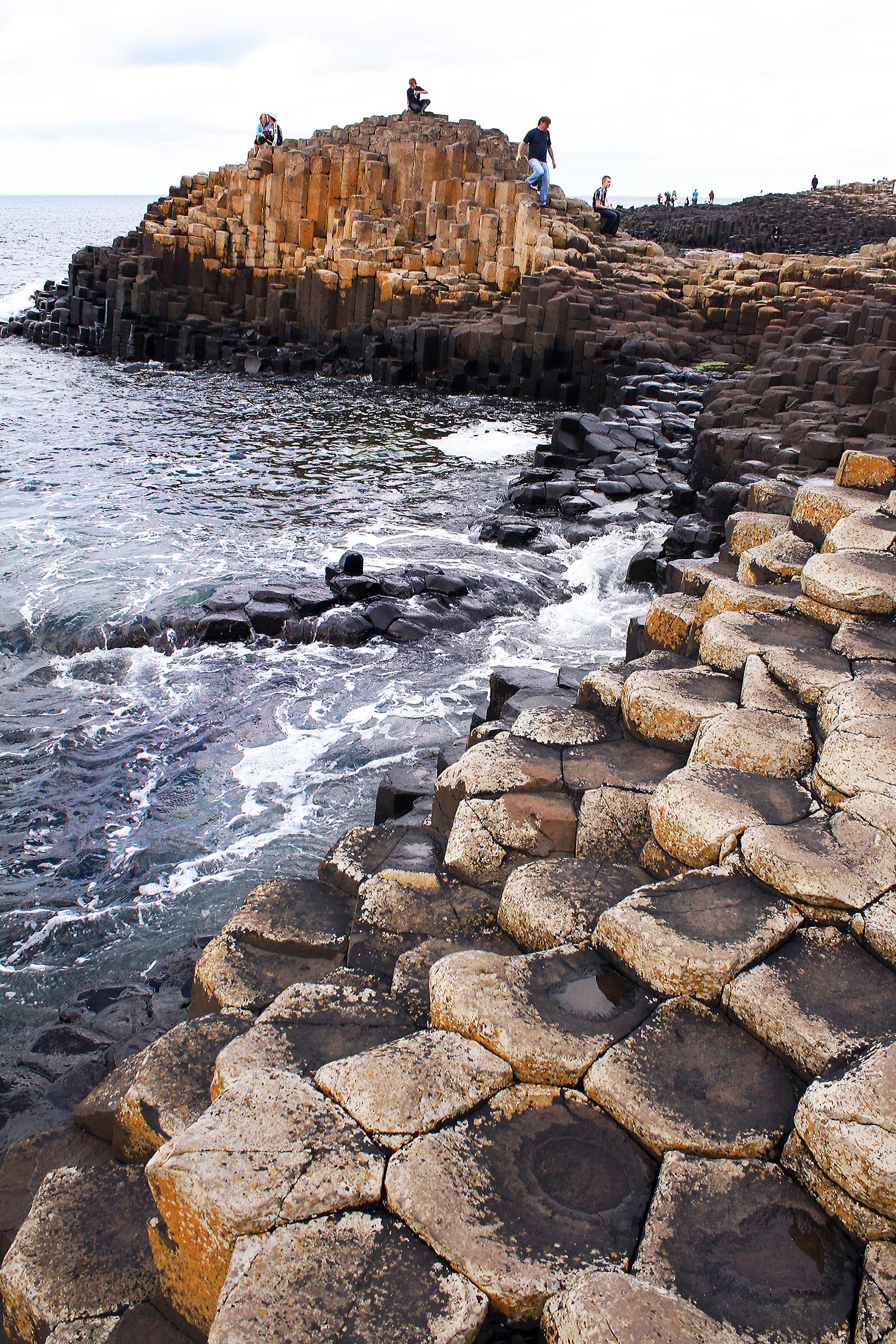
Discover Northern Ireland: where ancient history, natural wonders, and vibrant culture converge to create an unforgettable travel experience.
Tell me more about Northern Ireland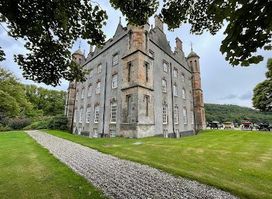
Historic Glenarm Castle and Gardens blend centuries of heritage with vibrant cultural festivals and scenic beauty in Northern Ireland’s Antrim Coast.

Explore the breathtaking Cushendun Caves, a stunning natural attraction in Northern Ireland known for its unique rock formations and rich cultural history.