Blackness Castle: The Ship That Never Sailed on the Firth of Forth
Explore the formidable 15th-century Blackness Castle, the iconic 'ship that never sailed,' with breathtaking views over the Firth of Forth and rich Scottish history.
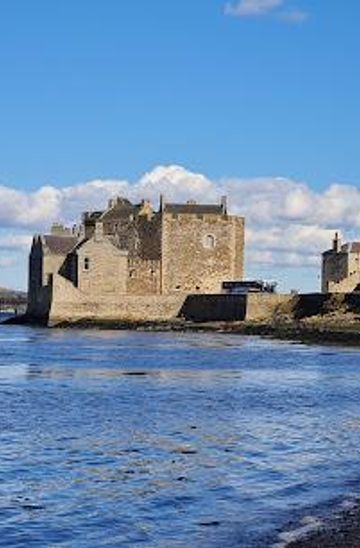
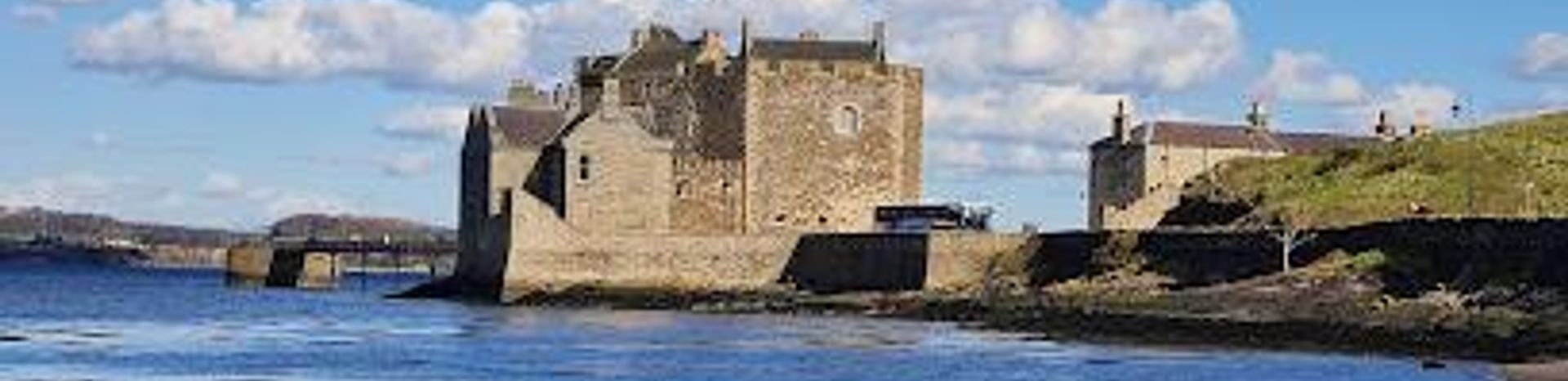
Blackness Castle, located near Linlithgow, Scotland, is a striking 15th-century fortress known for its unique ship-like silhouette jutting into the Firth of Forth. Originally built by the powerful Crichton family, it evolved from a noble residence to a royal castle, state prison, and artillery fortress. Visitors can explore its imposing ramparts, historic prison cells, and enjoy panoramic views of the Firth of Forth and surrounding coastline. The castle also gained fame as a filming location for the TV series Outlander.
A brief summary to Blackness Castle
- Linlithgow, Blackness, EH49 7NH, GB
- Click to display
- Click to display
- Duration: 1 to 2 hours
- Mid ranged
-
 Outdoor
- Mobile reception: 4 out of 5
- Monday 10 am-4 pm
- Tuesday 10 am-4 pm
- Wednesday 10 am-4 pm
- Thursday 10 am-4 pm
- Friday 10 am-4 pm
- Saturday 10 am-4 pm
- Sunday 10 am-4 pm

Know before you go
Hi, I'm Eve. Here are a few practical things to know before exploring Blackness Castle.
- Book tickets online in advance to guarantee entry, especially during peak seasons.
- Wear sturdy footwear due to uneven cobbled grounds and historic stone staircases.
- Take time to climb the towers for panoramic views of the Firth of Forth and the Forth Rail Bridge.
- Outlander fans should look out for filming locations within the castle, notably representing Fort William.
- Assistance dogs are welcome; other dogs must be on a lead and are not allowed inside roofed areas.
Do you manage this location?
Take control to get all the benefits, like improved information, better appearance, and stronger visibility across AI-powered discovery. Learn more
Activate your presence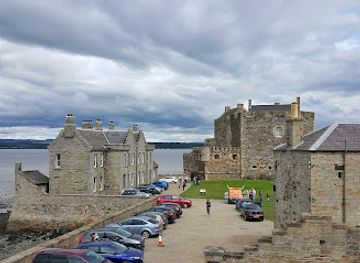
Getting There
-
Train and Bus Combination
Travel by train from Edinburgh Waverley to Linlithgow station (approx. 25-35 minutes). From Linlithgow, take bus service 35 or 35A towards Blackness (approx. 15-20 minutes). Buses run hourly; single fare around £4. Total journey time about 45-60 minutes. Note limited weekend and evening services.
-
Car
Drive from Edinburgh via the A89 and A904 roads to Blackness (approx. 40-50 minutes). Parking is limited near the castle; during busy periods, park in Linlithgow town and walk about 3 km along the coast. No parking fees at the castle, but check local restrictions.
-
Guided Tour
Join a guided day tour from Edinburgh or Glasgow that includes Blackness Castle, often combined with nearby historic sites. Tours last 6-8 hours with transportation included, costing around £50-£70 per person. Advance booking recommended.
For the on-the-go comforts that matter to you
-
 Restrooms
-
 Food Options
-
 Seating Areas
-
 Information Boards
-
 Visitor Center
Discover more about Blackness Castle
Origins and Early History of Blackness Castle
Blackness Castle was constructed in the 1440s by Sir George Crichton, a prominent Scottish nobleman and Lord High Admiral. Situated on the southern shore of the Firth of Forth, it originally served as the main port for the Royal Burgh of Linlithgow, a favored residence of Scottish monarchs. In 1453, the castle and its lands were annexed by King James II, marking its transition into a royal fortress. The Crichton family, politically influential at the time, had close ties to the crown, which shaped the castle’s early role as both a noble residence and a strategic stronghold.Transformation into a Military Fortress
Between 1534 and 1542, under the direction of Sir James Hamilton of Finnart, the castle underwent significant fortifications to adapt to the era’s evolving warfare. These upgrades included thickened walls, gunloops, and artillery placements designed to defend against cannon fire. The castle’s distinctive ship-like shape earned it the nickname "the ship that never sailed," as its long, narrow structure juts boldly into the Firth of Forth. These defenses were tested during the mid-17th century when Oliver Cromwell’s forces besieged and captured the castle in 1650, leaving visible scars that remain today.A Prison and Military Depot Through the Centuries
Beyond its military function, Blackness Castle served as a state prison, housing high-profile captives such as Cardinal David Beaton and the 6th Earl of Angus. Prisoners of different ranks were accommodated differently, with nobles held in relatively comfortable chambers equipped with fireplaces and latrines, while common prisoners endured harsh conditions in the flooded sea tower dungeon. Following the Union of Scotland and England in 1707, the castle was maintained by the British Army and later used to hold French prisoners of war during the 18th and early 19th centuries. In 1870, it became Scotland’s central ammunition depot, prompting further structural changes including covering the courtyard with a roof and constructing barracks and a cast-iron pier.Architectural Features and Visitor Experience
Visitors today can explore the castle’s labyrinthine entrance, imposing curtain walls, and multiple towers, including the stern (south) tower and fore (north) tower, which offer sweeping panoramic views of the Firth of Forth, the Forth Rail Bridge, and the surrounding coastline. The castle’s central courtyard, set on exposed bedrock, is a notable feature that prevented tunneling escapes. The site includes picnic areas and a modest visitor center with informative displays. The uneven cobbled grounds and historic stone staircases provide an authentic, immersive experience of medieval military architecture and daily life.Blackness Castle in Popular Culture and Modern Significance
The castle’s dramatic setting and well-preserved structure have made it a popular filming location, notably serving as Fort William in the TV series Outlander, attracting fans eager to walk in the footsteps of their favorite characters. Managed by Historic Environment Scotland, Blackness Castle is part of the Explorer Pass network, offering visitors access to multiple historic sites. Its evocative atmosphere, combining raw medieval fortification with stunning natural vistas, makes it a compelling destination for history enthusiasts, photographers, and cultural travelers alike.Accessibility and Practical Information
Access to Blackness Castle involves some uneven terrain and historic stone staircases, which may challenge visitors with mobility impairments. Assistance dogs are permitted, and dogs on leads are allowed in outdoor areas but not inside roofed buildings. The castle is open daily from 10am to 4pm, with admission fees applicable, and free entry for Historic Environment Scotland members. On-site amenities include picnic tables, benches, and a gift shop. Visitors typically spend 1 to 2 hours exploring the site to fully appreciate its history and views.Explore the best of what Blackness Castle has to offer













More about Midlothian
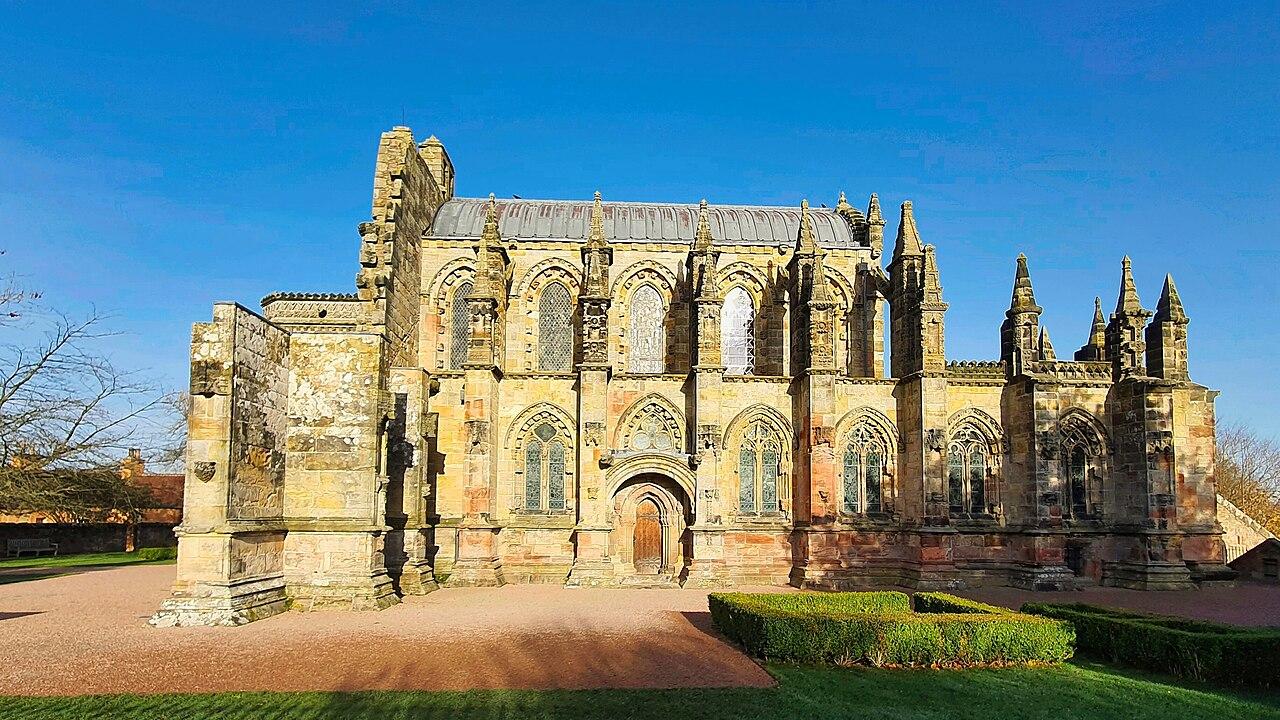
Discover Midlothian, Scotland's hidden gem, where history, nature, and culture blend seamlessly to offer a unique travel experience.
Tell me more about Midlothian
Explore Hopetoun House, a majestic Georgian stately home near Edinburgh, blending historic grandeur with tranquil gardens and stunning coastal views.
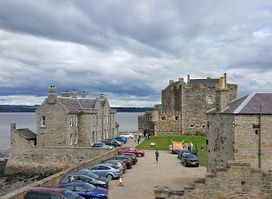
Explore Blackness Castle, the 'ship that never sailed,' a 15th-century fortress with rich history and stunning views over the Firth of Forth.