
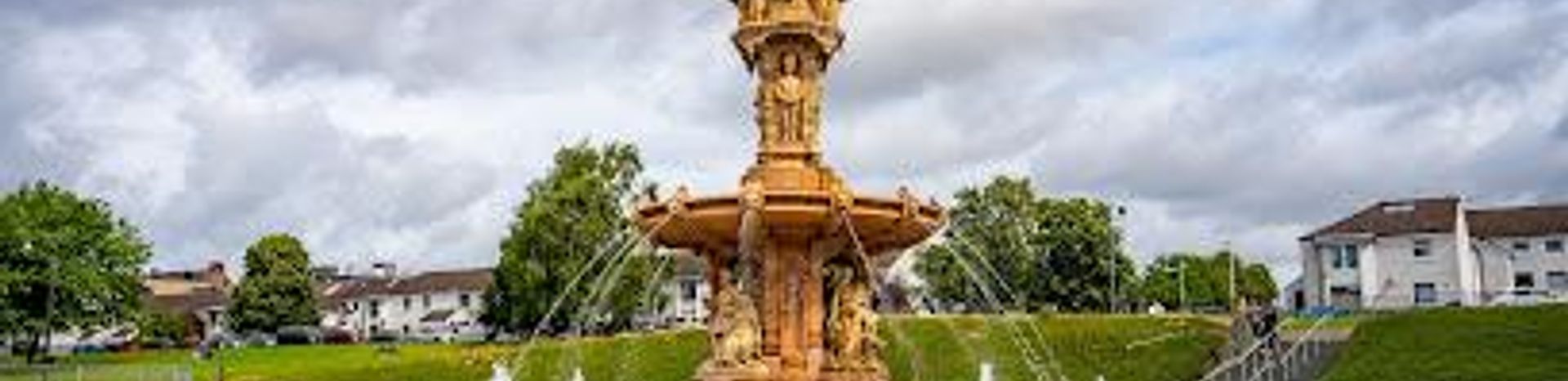
Doulton Fountain: Glasgow's Majestic Terracotta Tribute to Empire
Glasgow’s grand terracotta fountain celebrating Queen Victoria’s Jubilee and the British Empire’s legacy in ornate Victorian style.
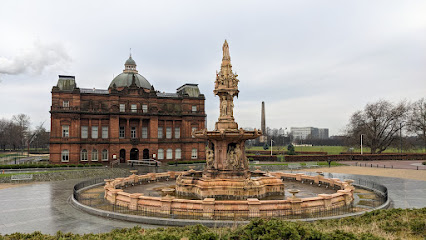
The Doulton Fountain, located in Glasgow Green near the People’s Palace, is the world’s largest terracotta fountain. Erected originally in 1888 to celebrate Queen Victoria’s Golden Jubilee, this ornate French Renaissance-style monument features intricate sculptures representing the British Empire’s colonies and military regiments. Restored meticulously in 2005, it remains a striking symbol of Victorian craftsmanship and Glasgow’s imperial heritage.
A brief summary to Doulton Fountain
- Glasgow Green, Glasgow, G40 1AT, GB
- Duration: 0.5 to 1.5 hours
- Free
-
 Outdoor
- Mobile reception: 4 out of 5
- Monday 12 am-12 am
- Tuesday 12 am-12 am
- Wednesday 12 am-12 am
- Thursday 12 am-12 am
- Friday 12 am-12 am
- Saturday 12 am-12 am
- Sunday 12 am-12 am
Local tips
- Visit during warmer months when the fountain is operational, as it is switched off in winter to prevent frost damage.
- Explore the nearby People’s Palace Museum to deepen your understanding of Glasgow’s social and imperial history.
- Take time to study the detailed sculptures representing Britain’s colonies and military regiments for a richer appreciation.
- Photograph the fountain from different angles to capture its ornate French Renaissance design and cascading water effects.

For the on-the-go comforts that matter to you
- Restrooms
- Drink Options
- Food Options
- Seating Areas
- Information Boards
Getting There
-
Bus
Take local bus services 67 or 75 from Glasgow city center to Glasgow Green; journey time approximately 15-20 minutes. Services run frequently during the day. A single fare costs around £1.80.
-
Subway and Walk
Use Glasgow Subway to St Enoch station, then walk about 15 minutes across the city center to Glasgow Green. The walk is on flat terrain and suitable for most visitors.
-
Taxi
A taxi ride from central Glasgow to Glasgow Green takes about 10 minutes depending on traffic, costing approximately £6-£10. Taxis are readily available but fares may increase during peak times.
Doulton Fountain location weather suitability
-
 Any Weather
-
 Rain / Wet Weather
-
 Clear Skies
-
 Mild Temperatures
Discover more about Doulton Fountain
Origins and Imperial Symbolism
Commissioned by Sir Henry Doulton and designed by architect Arthur Edward Pearce, the Doulton Fountain was created as a grand centerpiece for the 1888 International Exhibition held in Kelvingrove Park. Intended to commemorate Queen Victoria’s Golden Jubilee of 1887, the fountain embodies Victorian Britain’s pride in its empire. Standing 46 feet tall with a base diameter of 70 feet, it is believed to be the largest terracotta fountain ever constructed. The crowning statue depicts Queen Victoria dressed as Empress of India, holding an orb and scepter, symbolizing her imperial reign.Artistic Design and Sculptural Details
The fountain’s design is heavily influenced by the ornate French Renaissance style, with its red terracotta material chosen for its durability and ability to capture intricate detail. Surrounding Queen Victoria are four kneeling maidens pouring water, symbolizing purity and abundance. Below them stand four servicemen representing the Black Watch Highlanders, Grenadier Guards, Royal Navy, and Irish Fusiliers, reflecting Britain’s military heritage. At the lowest tier, four allegorical groups represent the empire’s former colonies: Australia, Canada, India, and South Africa, each depicted with figures and symbols highlighting their unique cultural and industrial identities.Relocations and Restoration Efforts
Originally installed in Kelvingrove Park, the fountain was moved to Glasgow Green in 1890 to accommodate urban development and later relocated in 2004 to its current prominent position outside the People’s Palace Museum. Over time, exposure to weather and a lightning strike that damaged Queen Victoria’s statue led to deterioration. A comprehensive £2 million restoration between 2003 and 2005 painstakingly dismantled, cleaned, and repaired all 763 terracotta pieces, restoring the fountain to its original splendor. This restoration ensured the preservation of its historical and artistic significance for future generations.Historical Context and Cultural Legacy
The Doulton Fountain stands as a testament to Glasgow’s status during the late 19th century as the British Empire’s second city. It reflects the era’s imperial values and Glasgow’s ambition to showcase its industrial and cultural achievements on an international stage. Today, it is a Category B listed monument recognized for both its architectural grandeur and its role in narrating Britain’s colonial history. The fountain also serves as a focal point within Glasgow Green, Scotland’s oldest public park, linking the city’s past with its vibrant present.Material and Technical Aspects
Constructed from red terracotta bricks mounted on an iron framework, the fountain’s material was selected for its weather resistance and ease of sculpting detailed figures. Terracotta allowed artisans to create the elaborate bas-reliefs and statues that adorn the fountain. Despite its durability, the fountain remains vulnerable to frost damage, making ongoing conservation essential. The restoration involved skilled craftsmanship to replicate missing elements and preserve the fountain’s intricate artistry.Visitor Experience and Symbolic Interpretation
Visitors to the Doulton Fountain encounter a richly decorated monument that combines artistic beauty with historical narrative. The cascading water from the pitchers of the maidens and the tiered basins creates a dynamic visual and auditory experience. The fountain invites reflection on Glasgow’s imperial past and Victorian aesthetics, offering insight into the complex legacy of empire through its symbolic sculptures. Its location beside the People’s Palace enhances its cultural resonance, connecting visitors with Glasgow’s social history and heritage.Iconic landmarks you can’t miss

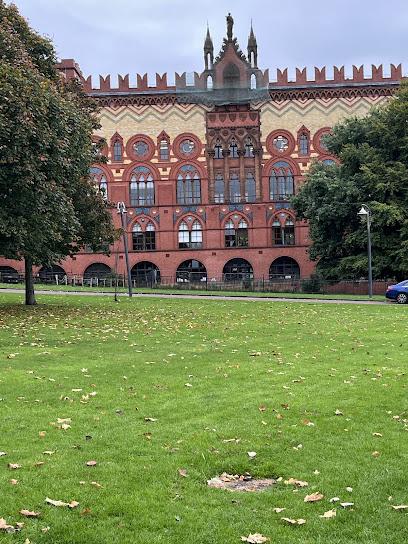
Former Templeton Carpet Factory
0.2 km
A Venetian Gothic masterpiece in Glasgow’s East End, blending rich carpet-making heritage with vibrant modern community life.
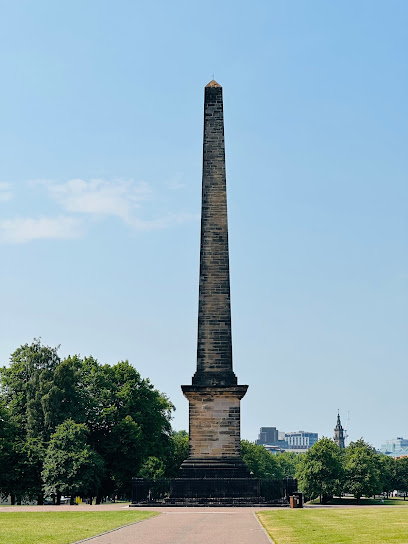
Nelson's Monument, Glasgow
0.3 km
A towering 44-meter obelisk on Glasgow Green honoring Admiral Nelson’s naval victories and Glasgow’s pioneering civic spirit.
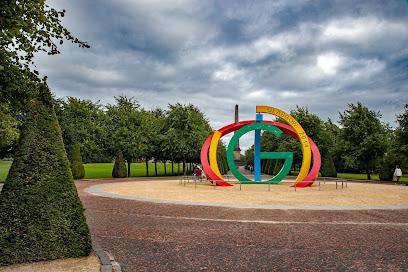
Glasgow 2014 Monument
0.5 km
A bold, colourful sculpture celebrating Glasgow’s 2014 Commonwealth Games, where sport, art and civic pride come together in a striking riverside landmark.
Tolbooth Steeple
0.7 km
Glasgow’s iconic 17th-century Tolbooth Steeple stands tall as a historic clock tower and enduring symbol of the city’s rich civic past.
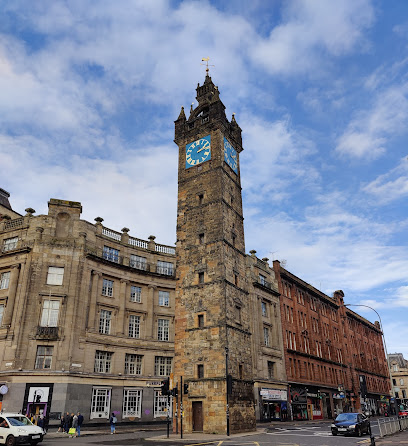
The Glenlee Propellers
0.8 km
Discover the Glenlee Propellers, iconic steel relics symbolizing Glasgow’s proud shipbuilding heritage and maritime history.
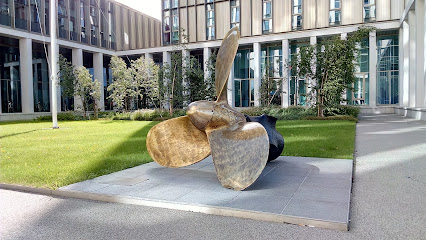
Glasgow City Heritage Trust
0.8 km
Explore Glasgow's rich history with the Glasgow City Heritage Trust, a non-profit dedicated to preserving the city's architectural and cultural heritage.
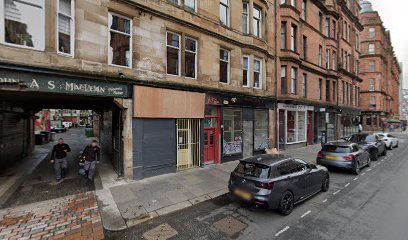
Bridge of Sighs
1.2 km
A quiet stone bridge in Glasgow’s Cathedral Square, linking the medieval cathedral to the Victorian Necropolis and echoing centuries of farewells.
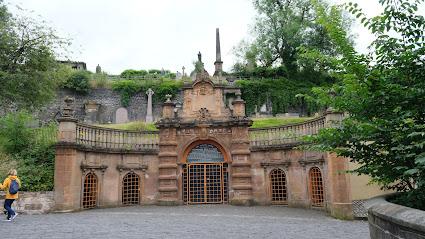
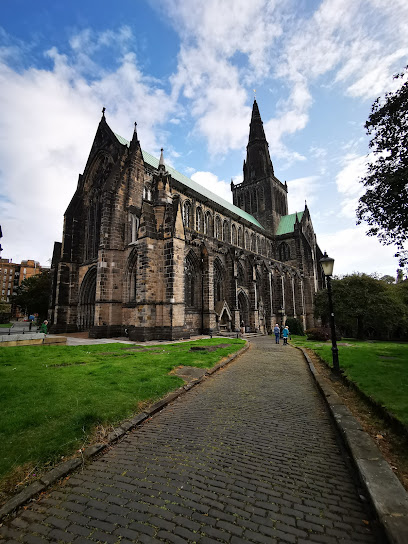
Glasgow Cathedral
1.3 km
Explore the breathtaking Gothic architecture and rich heritage of Glasgow Cathedral, a must-visit for every traveler in Scotland.
The Glasgow Necropolis
1.3 km
Explore the historical beauty of the Glasgow Necropolis, a Victorian cemetery offering stunning views and rich stories of Glasgow's past.

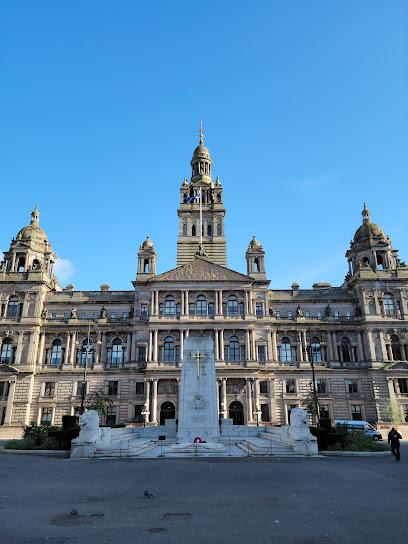
Glasgow City Chambers
1.3 km
A grand Victorian town hall in the heart of Glasgow, where civic power meets opulent architecture and free guided tours reveal the city’s proud history.
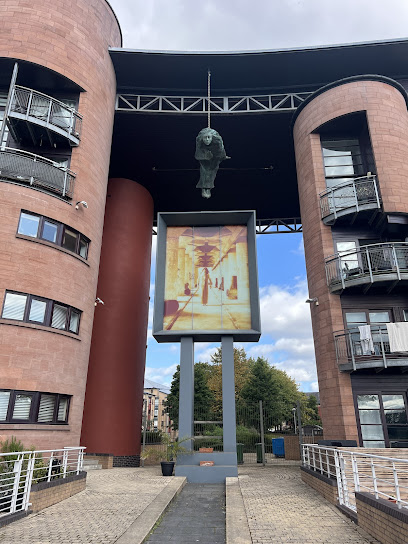
The Gatekeeper
1.3 km
A striking bronze figure guarding Glasgow’s Gorbals, blending art, history, and community spirit in a unique urban landmark.
Royal Exchange Square
1.3 km
Discover the lively Royal Exchange Square in Glasgow, a cultural landmark renowned for its stunning architecture, art exhibitions, and vibrant atmosphere.
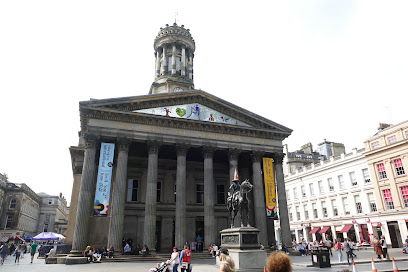
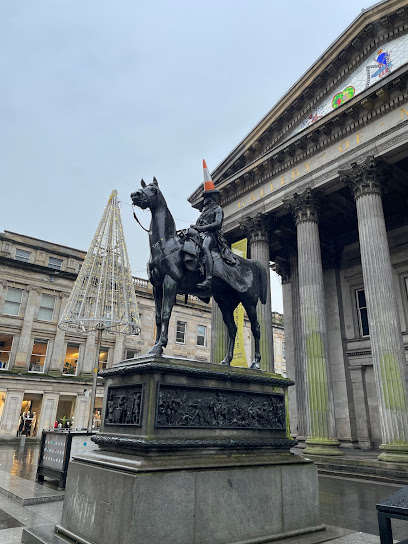
Equestrian statue of the Duke of Wellington, Glasgow
1.4 km
Discover the Equestrian Statue of the Duke of Wellington in Glasgow, a quirky landmark that merges history with local humor.
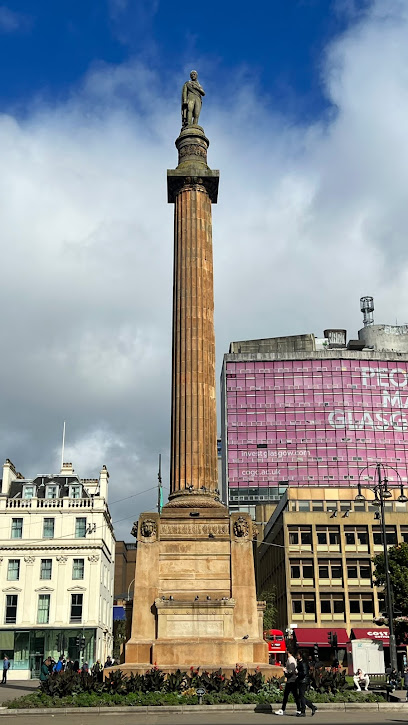
Walter Scott Monument
1.4 km
A towering Gothic tribute to Sir Walter Scott in Glasgow’s historic George Square, celebrating Scotland’s literary heritage.
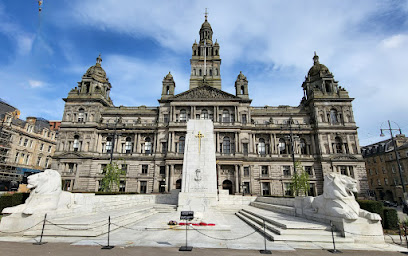
George Square
1.4 km
Discover the essence of Glasgow at George Square, a vibrant hub of history, culture, and stunning architecture, perfect for your travel adventures.
Unmissable attractions to see

People's Palace
0.1 km
Explore Glasgow’s rich social history and lush Winter Gardens in the iconic People's Palace, a cultural landmark in Glasgow Green.
Glasgow Green
0.3 km
Glasgow Green, the city’s oldest park, blends rich history, iconic landmarks, and vibrant events across expansive green spaces by the River Clyde.
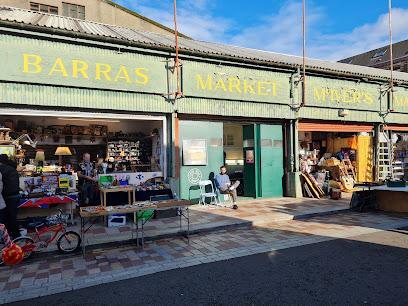
Barras Market
0.4 km
Explore Glasgow’s historic Barras Market, a lively weekend bazaar famed for antiques, street food, and authentic local culture every Saturday and Sunday.
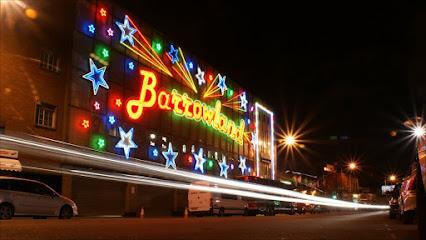
Barrowland Ballroom
0.4 km
Glasgow’s legendary live music venue with iconic neon sign, superb acoustics, and a storied history as a dance hall turned concert landmark.
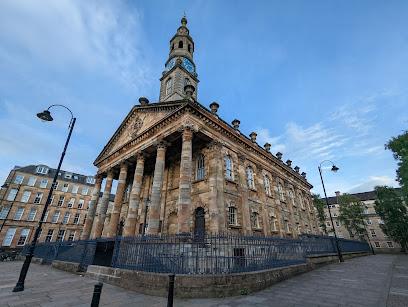
St Andrew's in the Square
0.6 km
An exquisite 18th-century classical church turned vibrant cultural centre celebrating Scotland’s music, history, and heritage in Glasgow’s historic East End.
Barrowland Park
0.6 km
A lively urban park at the heart of Glasgow’s music scene, where culture and community come alive on Gallowgate.
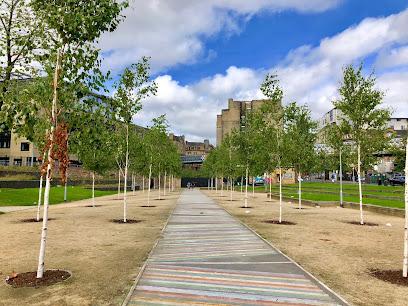
Glasgow Women's Library
0.6 km
Scotland's pioneering library celebrating women's histories, archives, and voices through collections, events, and community.
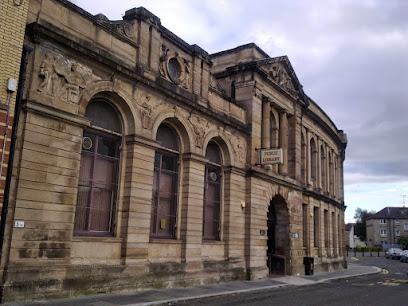
McLennan Arch
0.6 km
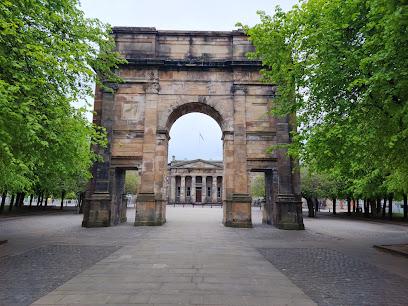
Historic sandstone archway marking the grand entrance to Glasgow Green, a timeless symbol of Glasgow’s architectural heritage.
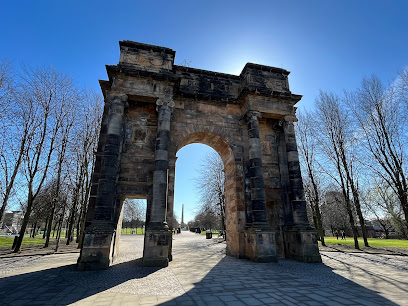
Tron Theatre
0.8 km
Historic church-turned-theatre at the heart of Glasgow's Merchant City, showcasing bold contemporary work and emerging Scottish talent.
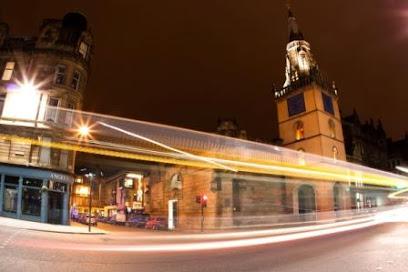
Trongate
0.9 km
Explore Trongate, Glasgow’s oldest street and historic merchant hub, where commerce, culture, and heritage converge in the city’s vibrant heart.
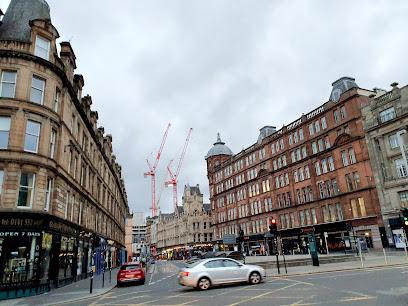
Blackfriars of Bell Street
0.9 km
Discover Glasgow's Blackfriars: A lively gastropub offering hearty meals, craft drinks, and live music in a cozy, inviting atmosphere.
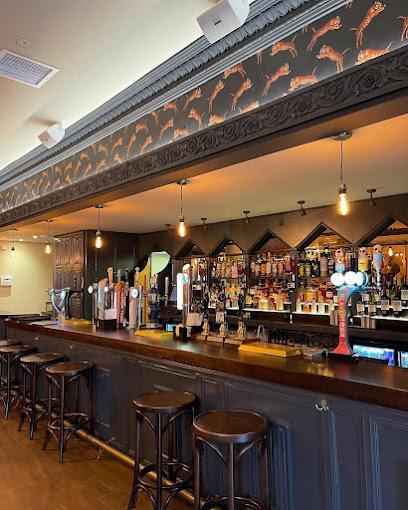
Glasgow Police Museum
0.9 km
Discover Glasgow’s policing heritage through fascinating artifacts and a global uniform collection in this volunteer-run, free museum in Merchant City.
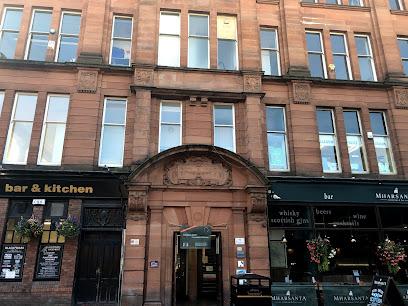
o2 accadamy
0.9 km
Historic art deco music venue in Glasgow's Gorbals, hosting diverse live shows with a lively atmosphere and accessible facilities.
Britannia Panopticon
0.9 km
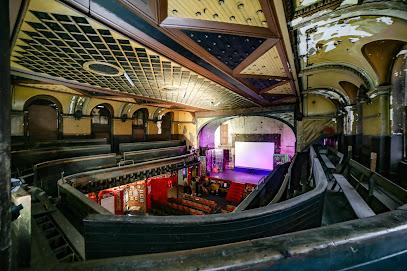
Discover Glasgow’s Britannia Panopticon, the world’s oldest surviving music hall, where Victorian variety meets early cinema in a vibrant historic venue.
High St
0.9 km
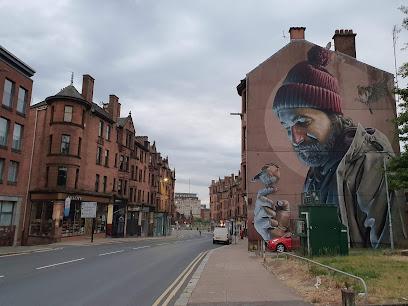
Historic High Street in Glasgow links the city’s rich past with vibrant shopping streets and cultural landmarks.
Essential places to dine

Saint Luke's & The Winged Ox
0.3 km
Discover the fusion of delicious grill cuisine and live music at Saint Luke's & The Winged Ox in Glasgow – where every meal is an experience.
Mono
0.8 km
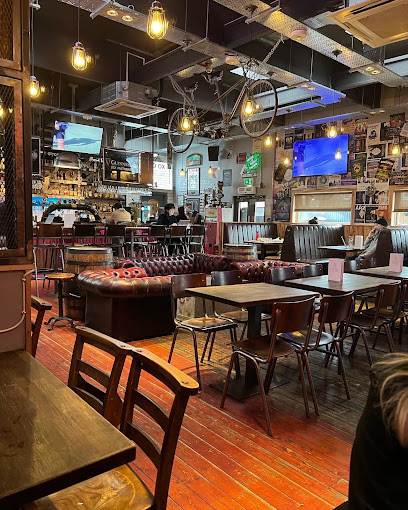
Glasgow’s vibrant vegan café-bar blending creative plant-based cuisine, indie music vibes, and a unique record shop atmosphere.
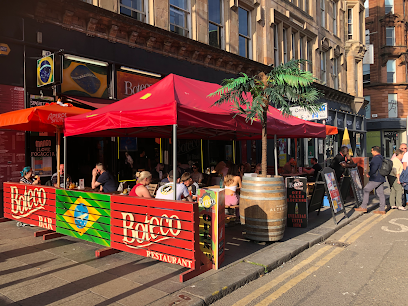
Boteco Do Brasil
0.8 km
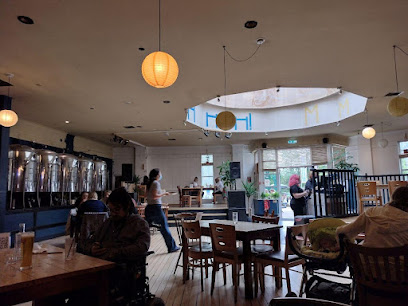
Discover the vibrant flavors of Brazil at Boteco Do Brasil in Glasgow – where delicious cuisine meets lively nightlife.
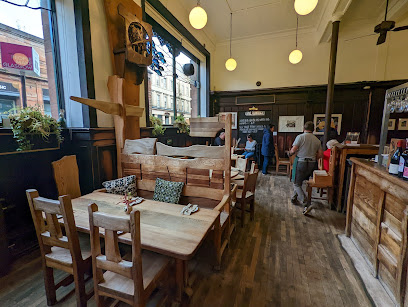
Cafe Gandolfi
0.9 km
A historic Glasgow bistro blending Scottish culinary tradition with artisanal craftsmanship and warm, convivial atmosphere.
Mharsanta - Scottish Restaurant & Bar
0.9 km
Experience authentic Scottish cuisine and warm hospitality in the heart of Glasgow’s historic Merchant City.
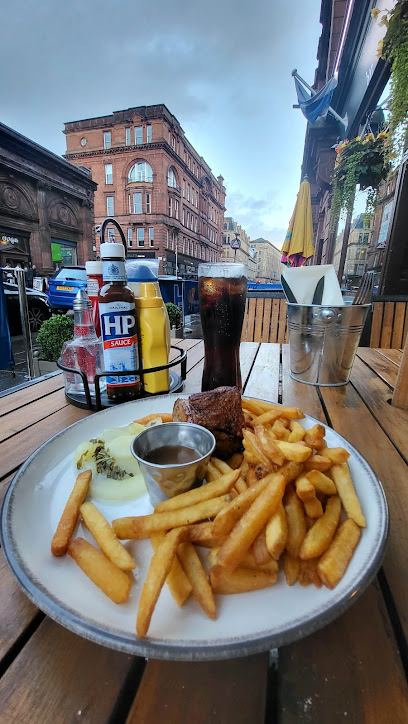
The Dhabba
0.9 km
Experience authentic Northern Indian cuisine in Glasgow with vibrant flavors, a nut-free menu, and a welcoming atmosphere at The Dhabba.
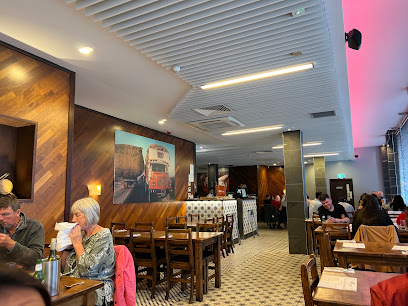
Bar Soba Merchant City
0.9 km
Experience Glasgow's Asian fusion at Bar Soba Merchant City - where unique cocktails meet vibrant flavors in an unforgettable atmosphere.
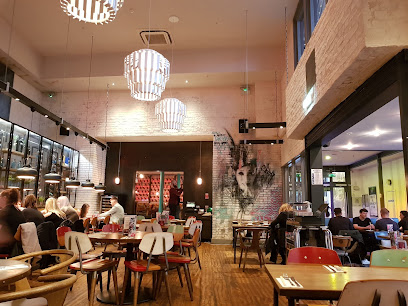
Table Twenty Eight
0.9 km
Chic restaurant and cocktail bar in Glasgow’s Merchant Square, renowned for gourmet dishes, vibrant atmosphere, and expertly crafted drinks.
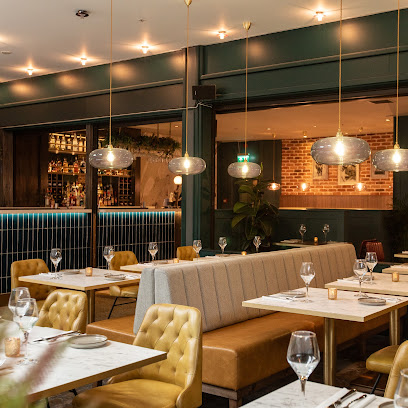
Metropolitan Bar and Restaurant
1.0 km
Experience Glasgow's vibrant culinary scene at Metropolitan Bar & Restaurant – where gourmet pub fare meets expertly crafted cocktails.
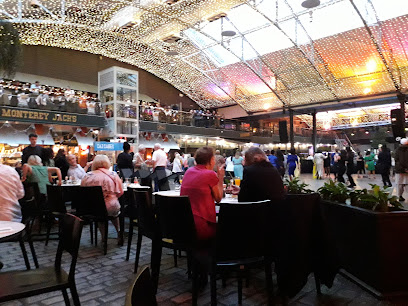
The Italian Kitchen
1.0 km
Authentic Italian flavors and warm hospitality in the heart of Glasgow’s Merchant City.
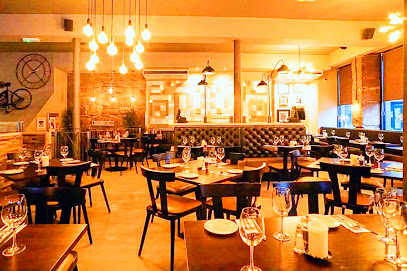
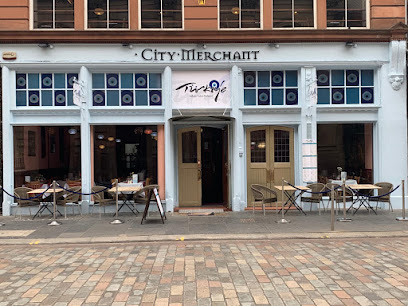
Turkiye EFES Restaurant
1.0 km
Authentic Turkish cuisine and grilled meats served with warmth and tradition in Glasgow’s vibrant Merchant City.
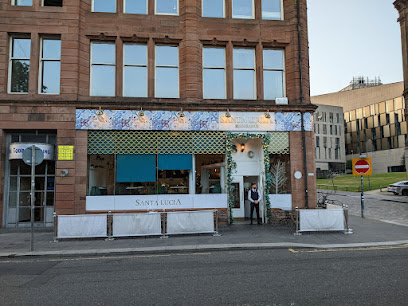
Santa Lucia Merchant City Glasgow
1.0 km
Authentic Italian dining with fresh flavors, lively ambiance, and live music in the heart of Glasgow’s Merchant City.
Celentano's
1.1 km
Michelin-awarded Italian cuisine celebrating Scottish ingredients in a historic city-centre setting.
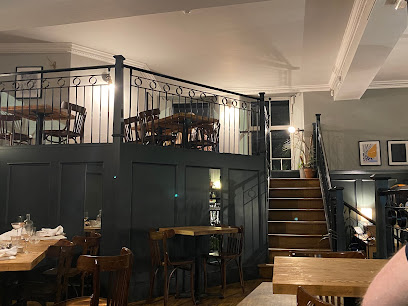
Saints of Ingram
1.2 km
Historic Hutchesons’ Hall hosts Saints of Ingram, a stylish Glasgow venue blending classic brunch, cocktails, and live weekend entertainment.
Bilsons Cafe Bistro
1.2 km
Experience innovative Scottish brunch and unique wine pairings in a charming Glasgow bistro known for fresh, seasonal dishes and warm hospitality.
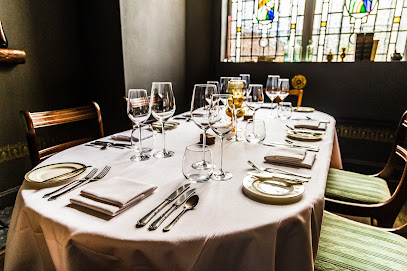
Markets, malls and hidden boutiques

Modern Love Store
0.3 km
Pastel-hued trove of global homewares, kitsch glassware, and joyful gifts in Glasgow's east end—unique finds with character await.
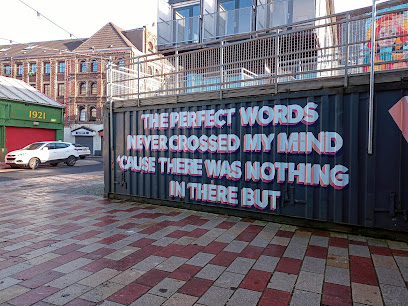
Never miss a gift
0.4 km
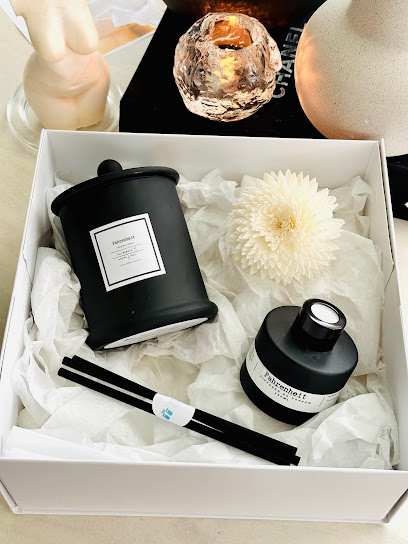
Explore Never Miss a Gift in Glasgow for unique candles and health products that capture the essence of thoughtful gifting.
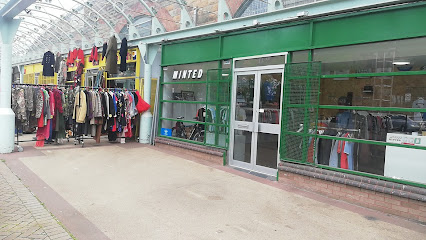
Minted
0.8 km
Discover rare vintage streetwear and sustainable style at Minted, Glasgow’s curated hub for iconic 90s and sportswear fashion.
Mr Ben Retro Clothing
0.8 km
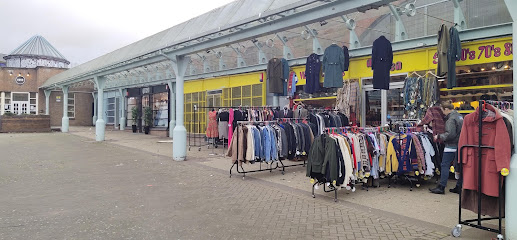
A snug, long‑established vintage boutique in Kings Court with handpicked garments, textured displays and friendly, specialist service.
Social Recluse
0.8 km
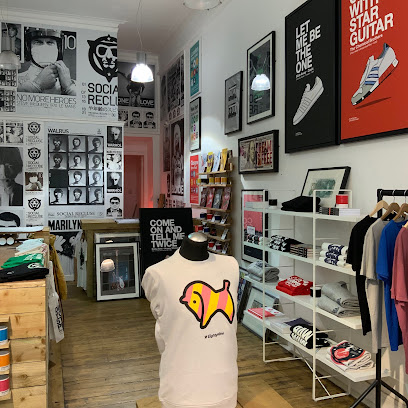
Discover unique gifts and stylish apparel at Social Recluse, Glasgow’s boutique for creative and quality designs in the city center.
Boots
0.9 km
Discover the best in beauty and health at Boots in Glasgow, your one-stop cosmetics shop for quality products and expert advice.
Shop local
0.9 km
A compact, practical convenience store on Crown Street supplying everyday essentials and neighbourhood flavours in Glasgow’s Gorbals.
Bob's Bubbles Glasgow
1.0 km
Experience the best vaporiser shop in Glasgow at Bob's Bubbles, where quality meets expertise in a vibrant atmosphere.
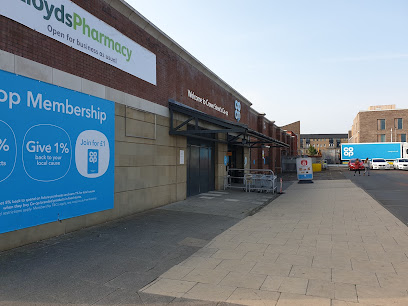
Co-op Food - Glasgow - Crown Street
1.0 km
Discover the convenience of Co-op Food in Glasgow's Gorbals, offering local snacks, essentials, and a taste of Scotland!
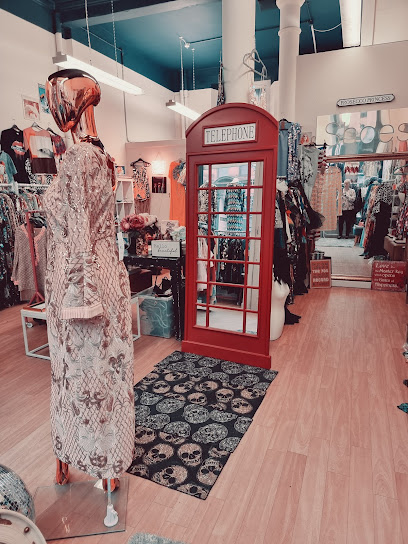
Frida and Coco
1.0 km
Discover unique vintage treasures and creative flair at Frida and Coco, Glasgow’s beloved boutique for timeless style and costume fashion.
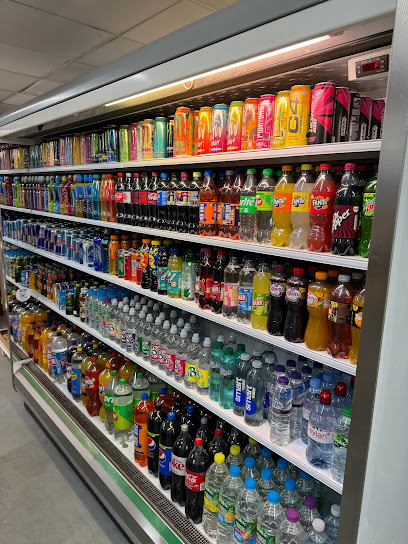
Grab n Go convenience store
1.1 km
A compact, dependable convenience store on Gorbals Street offering snacks, basics and friendly counter service for locals and passersby.
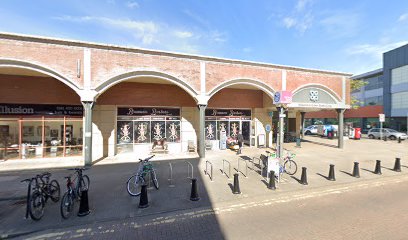
Pride of Glasgow
1.1 km
Discover tartan treasures and whisky wonders at this spirited Argyle Street shop, where Scottish pride meets Glasgow's cheeky charm in every authentic souvenir.
The Glasgow Souvenir Outlet
1.1 km
Authentic Scottish treasures in Glasgow's vibrant core: tartans, whisky keepsakes, and artisan crafts for every traveler's suitcase.
Shop Small at St Enoch
1.2 km
Discover unique fashion finds at Shop Small in Glasgow’s iconic St Enoch Centre, where historic charm meets modern shopping under Europe’s largest glass roof.
Primark
1.3 km
Vast budget fashion haven on Glasgow's Argyle Street: trendy clothes, beauty, home goods, and more in a wheelchair-accessible city-center mega-store.
Essential bars & hidden hideouts

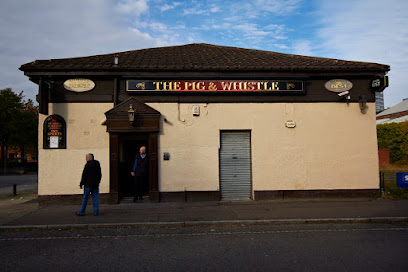
Pig 'n' Whistle
0.6 km
Cozy Glasgow pub pouring pints and serving comfort food in a lively City Centre spot with a welcoming beer garden.
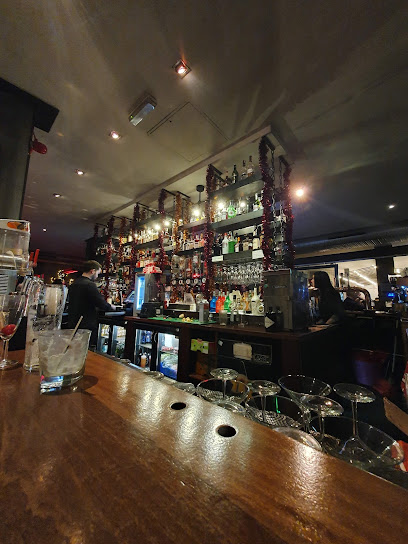
Maggies Rock n Rodeo
0.8 km
Experience Glasgow’s wild side with live music, line dancing, and a mechanical bull at Maggie’s Rock n Rodeo in Merchant City.
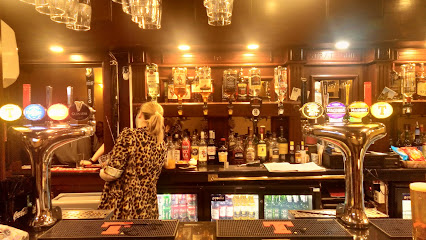
Strathduie Bar
0.8 km
Traditional Glasgow pub revived in Merchant City: darts, live music, draught beers, and cozy rooms for authentic Scottish hospitality.
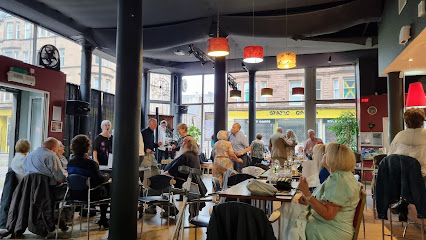
Avant Garde Music Bar & Restaurant
0.8 km
Dive into Glasgow's underground beats at Avant Garde, where live music, modern eats, and vaulted vibes create unforgettable Merchant City nights.
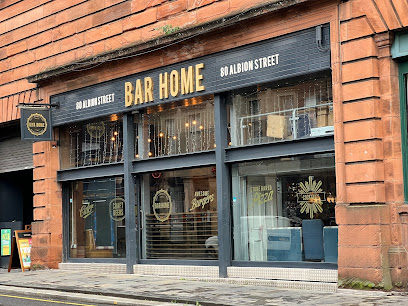
Home
0.9 km
Glasgow's go-to pub for live sports, craft cocktails, and hearty sharing plates in the vibrant Merchant City – where every visit feels like home turf.
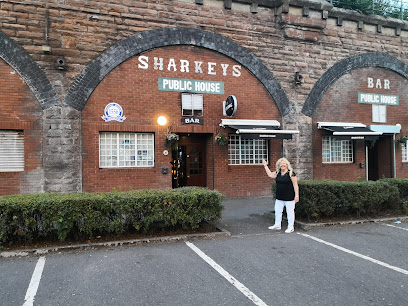
Sharkeys Bar
1.0 km
Family-run Gorbals gem serving hearty pies, perfect pints, and warm welcomes in a dog-friendly local atmosphere.
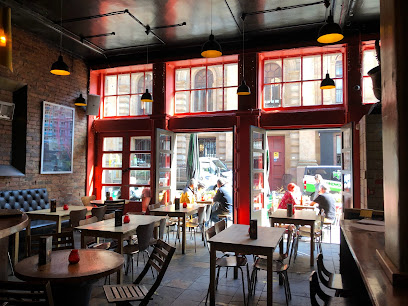
Bar 91
1.0 km
Laid-back Merchant City pub pouring craft brews, global bites, and live tunes opposite City Halls—a Glasgow essential for day-to-night vibes.
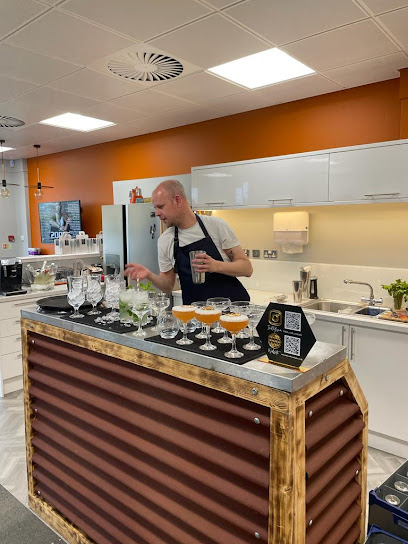
DnH Craft Cocktails
1.1 km
Expert mobile mixologists delivering award-worthy craft cocktails to your Glasgow or Edinburgh event, with pop-up bars and classes for unforgettable celebrations.
BrewDog Glasgow Merchant City
1.1 km
Craft beer rebellion meets smoky barbecue in Glasgow's historic Merchant City – 25 taps, outdoor patio, and dog-friendly vibes await.
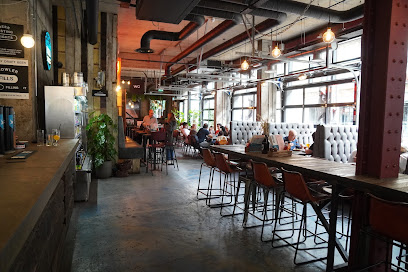
Steps Bar
1.1 km
Discover Glasgow's Art Deco time capsule: Steps Bar's preserved 1930s elegance, walnut gantry, and jukebox vibes await in Merchant City's historic heart.
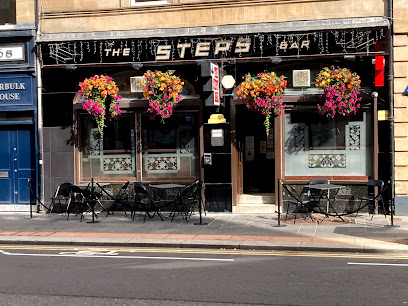
Bacchus Bar
1.1 km
Glasgow's friendliest independent bar in Merchant City, pouring wine-god vibes with live music, quizzes, and unbeatable value since over two decades.
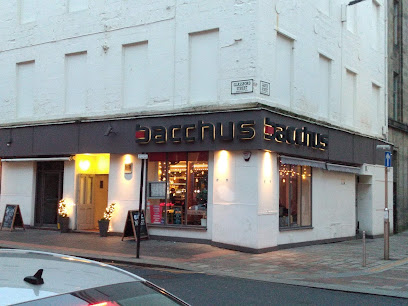
Speakeasy
1.2 km
A vibrant and welcoming gay bar in Glasgow’s Merchant City, blending relaxed pub vibes with lively nightlife and creative cocktails.
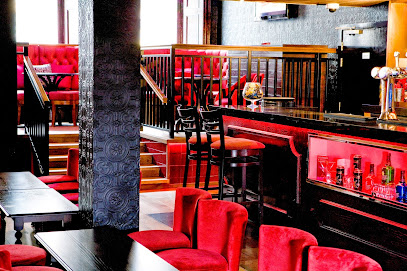
Cairns Bar
1.2 km
Cozy Merchant City pub pouring Belhaven ales, serving pub classics, and screening live sports in Glasgow's lively heart—perfect for pints and pies anytime.
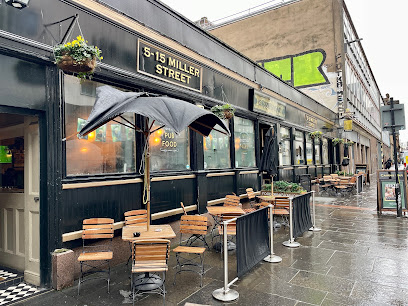
The Spiritualist Glasgow
1.2 km
Moody, theatrical cocktail bar and small-plate restaurant in central Glasgow — inventive drinks, shareable dishes and a lively evening atmosphere.
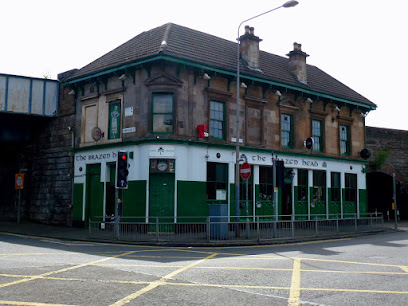
Brazen Head
1.2 km
A lively Celtic and Irish pub in the Gorbals, famed for match nights, football memorabilia and live music in an intimate, unpretentious setting.
Nightclubs & after hour spots

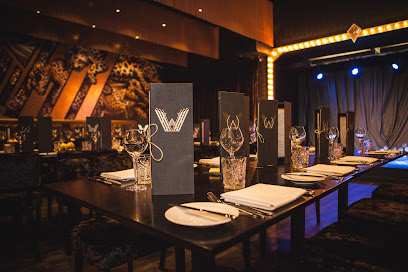
18 Candleriggs
0.9 km
Glasgow's kitsch cabaret haven where dazzling shows, tasty grill fare, and lively vibes create unforgettable Merchant City nights.
Polo Lounge
1.1 km
Glasgow's grandest gay nightclub: multi-level dance floors, cheap drinks, and non-stop energy until dawn in Merchant City's heart.
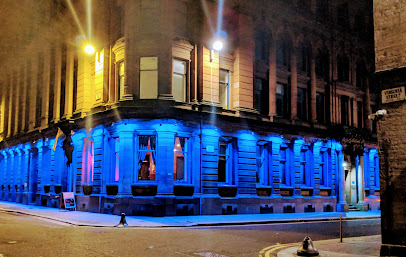
AXM Glasgow
1.2 km
Scotland's biggest LGBTQ+ nightclub: two floors of pop, charts, and dance in Glasgow's heart, with cheap drinks and zero attitude.
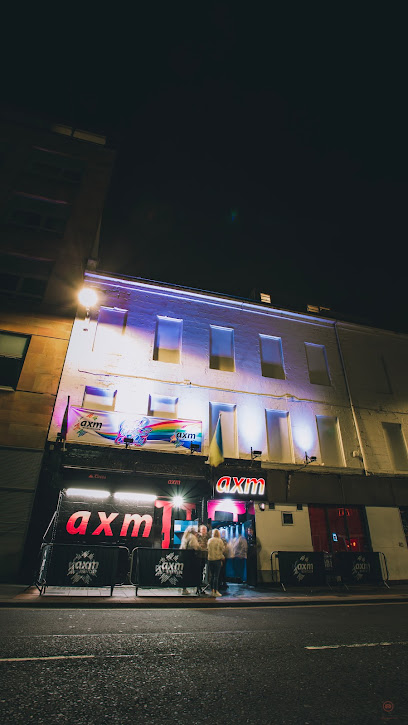
Riding Room
1.2 km
Fancy cabaret club in Glasgow's gay triangle, serving exotic kettle cocktails alongside burlesque, magic, and cheeky shows in a lively, intimate venue.
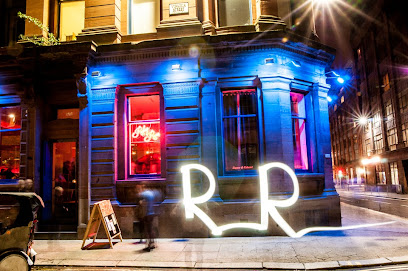
Club X
1.2 km
Glasgow's underground RnB haven: where beats throb, lights flash, and the LGBTQ+ community dances till dawn in Merchant City's beating heart.
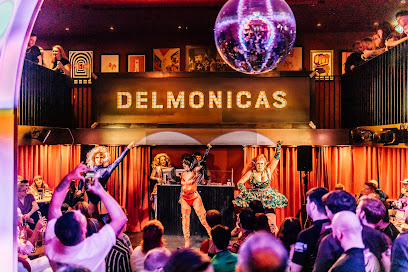
Delmonicas
1.2 km
Scotland's biggest gay club: drag shows, karaoke, DJs, and non-stop inclusive party vibes in Glasgow's Merchant City heart.
La Cheetah Club
1.3 km
Glasgow’s intimate basement club with a powerful sound system, vibrant underground beats, and a welcoming community spirit.
Sub Club
1.5 km
Glasgow’s legendary underground nightclub, Sub Club, pulses with cutting-edge sound and authentic dance culture in an intimate basement setting.
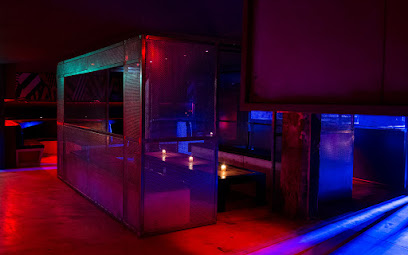
Classic Grand
1.5 km
Glasgow's ultimate electronic music haven in a reborn cinema, where thunderous beats and euphoric crowds collide until dawn.
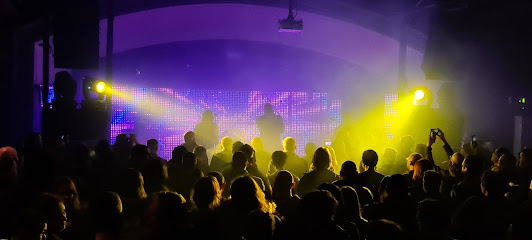
Cathouse Rock Club
1.5 km
Glasgow's unrelenting rock fortress since 1990—metal riffs, live gigs, and alternative fury across three pounding rooms.
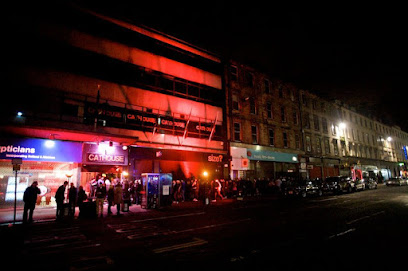
Platinum Lace Glasgow
1.6 km
Glasgow’s premier gentlemen’s club with stunning dancers, VIP luxury, and an electric nightlife atmosphere in the city centre.
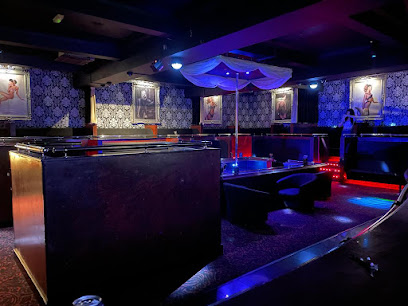
Club Tropicana & Venga
1.7 km
Two-room retro nightclub in central Glasgow with themed ’80s/’90s nights, booth bookings and a high-energy weekend atmosphere.
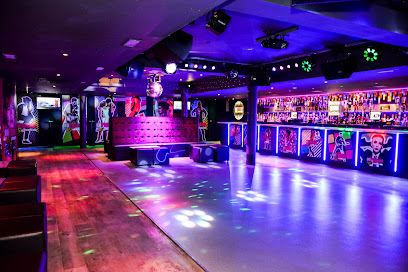
Popworld Glasgow
1.7 km
Dive into a whirlwind of 80s-00s pop anthems, retro props, and cocktail-fueled dance marathons at Glasgow's ultimate cheesy nightclub escape.
Kokomo Glasgow
1.8 km
Kokomo Glasgow was a late-night nightclub and bar known for its energetic vibe and central city location on West Regent Street.
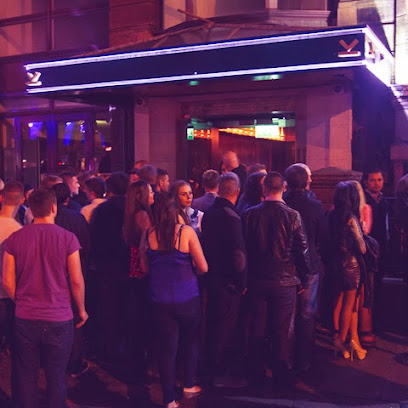
142B Lounge
1.8 km
Glasgow's premier spot for Afrobeats, Amapiano, and African flavors—dance, dine, and vibe in luxury VIP style until dawn.
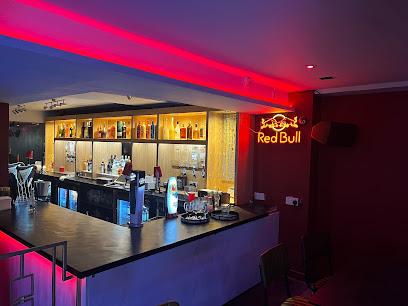
For the vibe & atmosphere seeker
- Scenic
- Relaxing
- Tranquil
- Historic
- Unique
For the design and aesthetic lover
- Vintage Styles
- Art Deco Styles
For the architecture buff
- Historic
- Landmarks
- Art & Design
- Parks & Gardens
For the view chaser and sunset hunter
- Iconic Views
- Panoramas
For the social media creator & influencer
- Instagrammable
- Photo Spots
- Architectural Shots
For the eco-conscious traveler
- Public-Transport Accessible
- Locally Managed
For the kind of experience you’re after
- Cultural Heritage
- Photowalk
- Day Trip
- Weekend Getaway
For how adventurous you want the journey to be
- Easy Access
Location Audience
- Family Friendly
- Senior Friendly
- Child Friendly
- Teen Friendly
- Wheelchair Access
- Pet Friendly
- Solo Friendly
- Couple Friendly
- Solo Female Friendly


