Dumbarton Castle, Glasgow Travel Guide
Explore Dumbarton Castle, a historic fortress atop a volcanic rock with panoramic views and centuries of Scottish heritage.
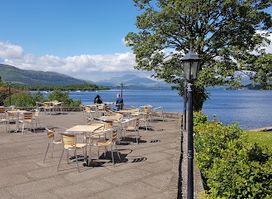
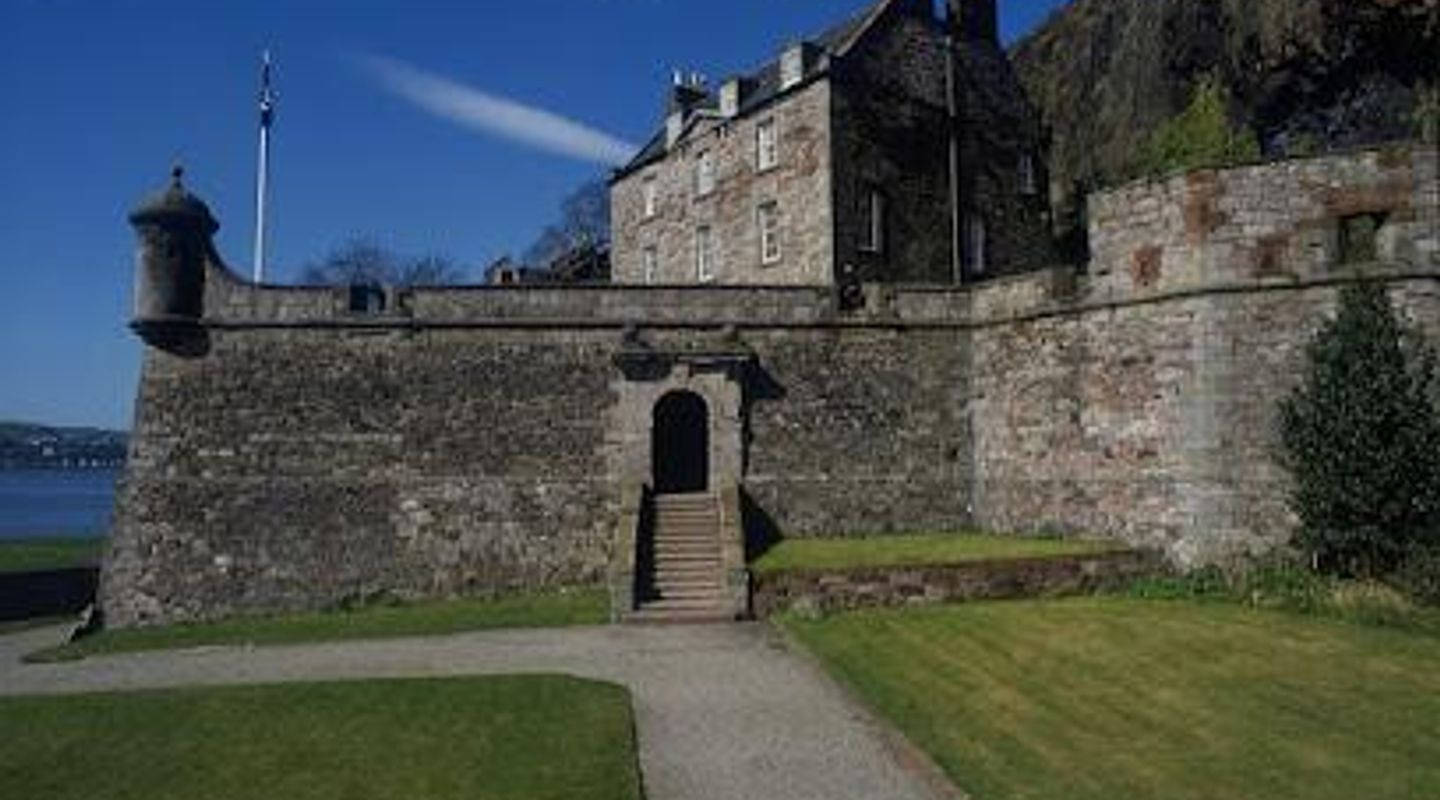
Perched atop Dumbarton Rock, a dramatic volcanic plug rising 75 meters above the River Clyde, Dumbarton Castle boasts over 1,500 years of history. Once the capital of the ancient Kingdom of Strathclyde, it has served as a royal residence, military fortress, and prison. Visitors can explore its Georgian Governor’s House, 18th-century artillery fortifications, and enjoy panoramic views stretching to Loch Lomond and beyond. The castle’s steep, rocky terrain and over 500 steps offer a rewarding challenge for history enthusiasts and adventurers alike.
A brief summary to Dumbarton Castle
- Castle Rd, Dumbarton, G82 1JJ, GB
- Click to display
- Click to display
- Duration: 2 to 3.5 hours
- Mid ranged
-
 Outdoor
- Mobile reception: 4 out of 5
- Monday 10 am-4 pm
- Tuesday 10 am-4 pm
- Wednesday 10 am-4 pm
- Saturday 10 am-4 pm
- Sunday 10 am-4 pm

Know before you go
Hi, I'm Eve. Here are a few practical things to know before exploring Dumbarton Castle.
- Wear sturdy, comfortable shoes due to the steep, narrow, and uneven stairways and paths throughout the castle.
- Check weather conditions before visiting, as strong winds can close upper areas for safety.
- Allow at least 2 to 3 hours to explore the castle fully, including climbing to the summit and visiting the Governor’s House.
- Bring your own snacks and water, as on-site food options are limited.
Do you manage this location?
Take control to get all the benefits, like improved information, better appearance, and stronger visibility across AI-powered discovery. Learn more about listing your business on Evendo
Activate your presenceOther nearby places you may find interesting
The closest places of the same kind, if this one is not quite what you had in mind.
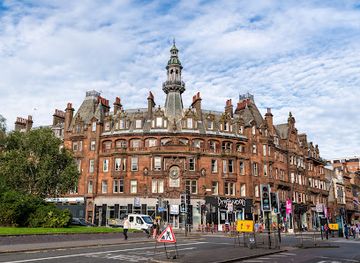
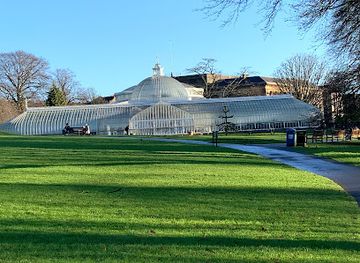
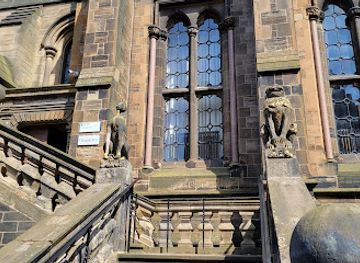
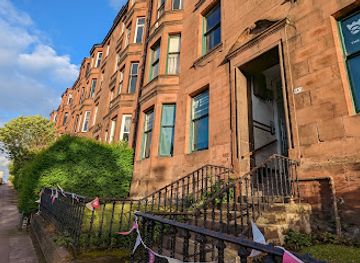
Explore Dumbarton Castle on the Map
A handpicked selection of must-see spots near Dumbarton Castle, mapped for you.
Unlock the Best of Dumbarton Castle
Buy tickets
-
No tickets available
Book tours with entry


Getting There
-
Car
Driving from Glasgow city center takes approximately 30 to 40 minutes via the A82 and A814. Limited parking is available near the castle, but spaces can fill quickly during peak times. Parking is free but expect a short uphill walk to the castle entrance.
-
Train and Bus
Take a train from Glasgow Queen Street to Dumbarton Central (about 40 minutes). From the station, a local bus or a 20-minute walk along Castle Road leads to the castle. Bus services run regularly but check schedules for weekend and holiday variations.
-
Walking
For those staying in Dumbarton town center, walking to the castle takes around 30 minutes. The route includes some uphill sections and uneven surfaces, so suitable footwear and moderate fitness are recommended.
For the on-the-go comforts that matter to you
-
 Restrooms
-
 Information Boards
-
 Visitor Center
-
 Seating Areas
Discover more about Dumbarton Castle
Ancient Origins and Strategic Importance
Dumbarton Castle sits on Dumbarton Rock, a volcanic plug formed around 340 million years ago, which dramatically overlooks the confluence of the River Leven and the River Clyde. This natural fortress has been continuously occupied for over 1,500 years, beginning as the capital of the Kingdom of Strathclyde, known historically as Alt Clut or the Rock of the Clyde. The fortress endured multiple sieges, including a 15-week Viking siege in 870, and played a pivotal role in Scottish history as a royal stronghold and defensive bastion.Medieval and Renaissance History
The medieval castle was constructed in the early 13th century under Alexander II as a defense against Norwegian threats. Throughout the centuries, Dumbarton Castle was a royal residence and a military base, with notable events including the imprisonment of William Wallace and the refuge of Mary, Queen of Scots before her journey to France in 1548. The castle also saw action during the Scottish Wars of Independence and was a key site during various rebellions and sieges, including those led by James IV and the Earl of Lennox.Architectural Evolution and Military Significance
By the 17th and 18th centuries, the castle’s medieval structures were largely replaced or modified to accommodate artillery fortifications, reflecting advances in military technology. The Georgian Governor’s House stands as a fine example of 18th-century architecture within the castle grounds. The castle remained strategically important through the Jacobite uprisings and was garrisoned until World War II, after which it transitioned into a historic monument managed by Historic Environment Scotland.Visitor Experience and Natural Surroundings
Visitors to Dumbarton Castle face an invigorating climb of over 500 stone steps and narrow stairways to reach the summit, where sweeping views encompass the River Clyde, Loch Lomond, Argyll, and the Highlands. The rocky terrain and exposed paths can be steep and windy, demanding sturdy footwear and a reasonable level of fitness. The site includes the Governor’s House museum and shop, artillery batteries, the French Prison, and remnants of the White Tower, offering a rich tapestry of history and architecture to explore.Preservation and Accessibility
While the castle is a treasured historic site, its steep and uneven terrain limits accessibility for visitors with mobility challenges. The site is large and rugged, with many narrow and historic staircases. On-site facilities include restrooms and information boards, but food and extensive shelter are limited. The castle’s elevated position makes it susceptible to strong winds, occasionally leading to partial closures for safety.Legacy and Cultural Significance
Dumbarton Castle remains a symbol of Scotland’s turbulent history and resilience. It is intimately connected to the ancient Kingdom of Strathclyde and has witnessed centuries of royal intrigue, warfare, and cultural evolution. Today, it offers visitors a unique blend of natural beauty, architectural heritage, and panoramic vistas, making it a compelling destination for history buffs, photographers, and outdoor enthusiasts alike.












Your all‑in‑one travel companion app
Explore expert travel guides, compare and book tours, experiences, hotels, and more—all from the palm of your hand. Download now for seamless trip planning wherever your wanderlust takes you.


Explore More of Glasgow
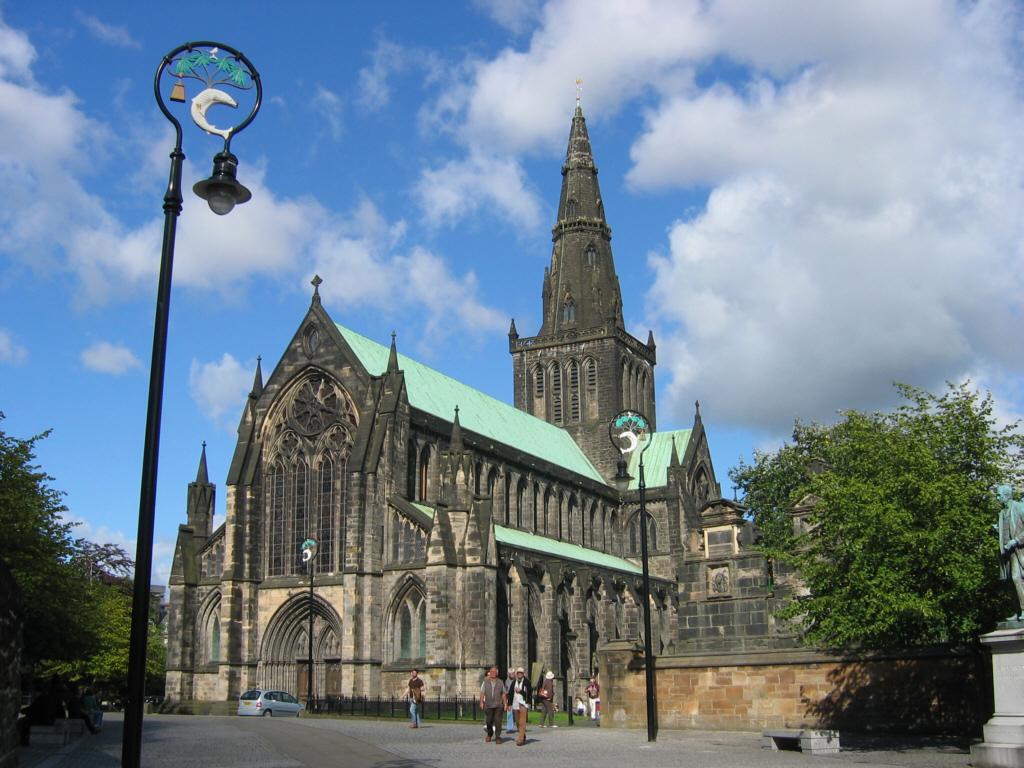
Looking beyond Dumbarton Castle? Discover Glasgow for broader travel guides, local hot-spots, and regional highlights.
Explore Glasgow