Dunblane Cathedral, Clackmannanshire Travel Guide
Discover Dunblane Cathedral, a medieval Gothic marvel blending centuries of history, stunning architecture, and vibrant community spirit in central Scotland.
Dunblane Cathedral, located in the heart of Dunblane, Scotland, is a striking medieval church dating back to the 12th century. Renowned for its Gothic architecture, the cathedral features a distinctive red sandstone tower, elegant nave, and rare 15th-century choir stalls. Its rich history spans over a millennium, from early Christian origins to a remarkable 19th-century restoration, making it both a spiritual hub and architectural landmark.
A brief summary to Dunblane Cathedral
- The Cross, Dunblane, Dunblane, FK15 0AQ, GB
- Click to display
- Click to display
- Duration: 1 to 2.5 hours
- Free
-
 Outdoor
- Mobile reception: 4 out of 5
- Monday 10 am-12:30 pm
- Tuesday 10 am-12:30 pm
- Wednesday 10 am-12:30 pm
- Thursday 10 am-12:30 pm
- Friday 10 am-12:30 pm
- Saturday 10 am-12:30 pm

Know before you go
Hi, I'm Eve. Here are a few practical things to know before exploring Dunblane Cathedral.
- Visit on weekdays to enjoy a quieter, more contemplative atmosphere.
- Explore the chapter house memorial and the rare medieval choir stalls for unique historical insights.
- Attend a Sunday or midweek service to experience the cathedral’s living spiritual heritage.
- Don’t miss the Pictish carved stones and the modern Dunblane tragedy memorial inside the nave.
Do you manage this location?
Take control to get all the benefits, like improved information, better appearance, and stronger visibility across AI-powered discovery. Learn more about listing your business on Evendo
Activate your presenceOther nearby places you may find interesting
The closest places of the same kind, if this one is not quite what you had in mind.

Explore Dunblane Cathedral on the Map
A handpicked selection of must-see spots near Dunblane Cathedral, mapped for you.
Unlock the Best of Dunblane Cathedral
Buy tickets
-
No tickets available
Book tours with entry


Book tours without entry
-
No tours available
Getting There
-
Train and Walking
Travel by train to Dunblane station from Stirling or Glasgow, with journeys typically lasting 20 to 45 minutes. From the station, enjoy a 15-minute walk along gentle, paved streets to reach the cathedral. The route is accessible and suitable for most travelers.
-
Car
Drive to Dunblane Cathedral via the A9 or M9 motorways, with journey times ranging from 30 to 60 minutes depending on starting point. Limited parking is available near the town center; expect to walk 5 to 10 minutes on paved surfaces to the cathedral. Parking fees typically range from £2 to £5.
-
Bus
Local bus services connect Dunblane with Stirling and nearby towns, with travel times of 30 to 50 minutes. Buses stop within a short walking distance of the cathedral. Services run regularly but check schedules for frequency and seasonal variations. Single fares range from £3 to £6.
For the on-the-go comforts that matter to you
-
 Restrooms
-
 Drink Options
-
 Food Options
-
 Seating Areas
-
 Information Boards
-
 Visitor Center
Discover more about Dunblane Cathedral
Origins and Early Christian Roots
Dunblane Cathedral stands on a site sacred for over a thousand years, with origins tracing back to followers of Saint Blane around 602 AD. Early Christian presence is evidenced by 7th- and 8th-century cross-slabs found on site. The first stone church was built in the 12th century, marking the establishment of the Roman Catholic bishopric in the area. The medieval cathedral’s construction was largely driven by Bishop Clement in the 13th century, who expanded and completed the building after receiving papal support.Architectural Evolution and Unique Features
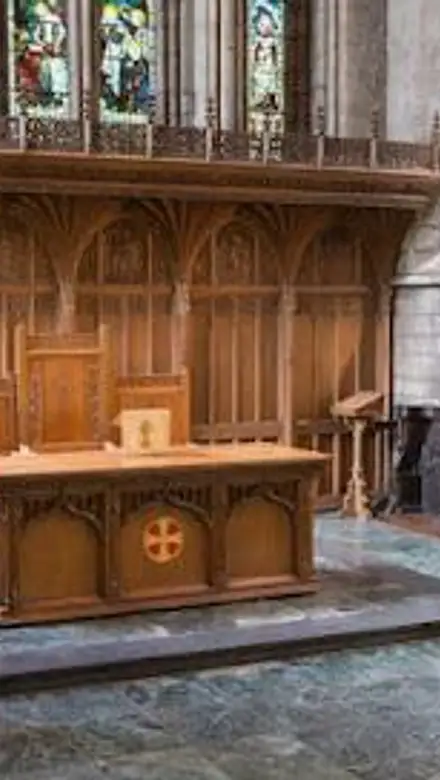
The cathedral’s most distinctive feature is its red sandstone tower, dating from the late 11th century, uniquely positioned at an angle to the nave. The nave, completed around 1240, is an elegant eight-bay structure with aisles and a clerestory, celebrated for its simple proportions and graceful windows. The six-bay aisle-less chancel and adjoining sacristy and chapter house on the north side reflect the cathedral’s administrative and liturgical functions. The building’s asymmetry and weathered stonework add to its unique charm.Impact of the Reformation and Restoration Efforts
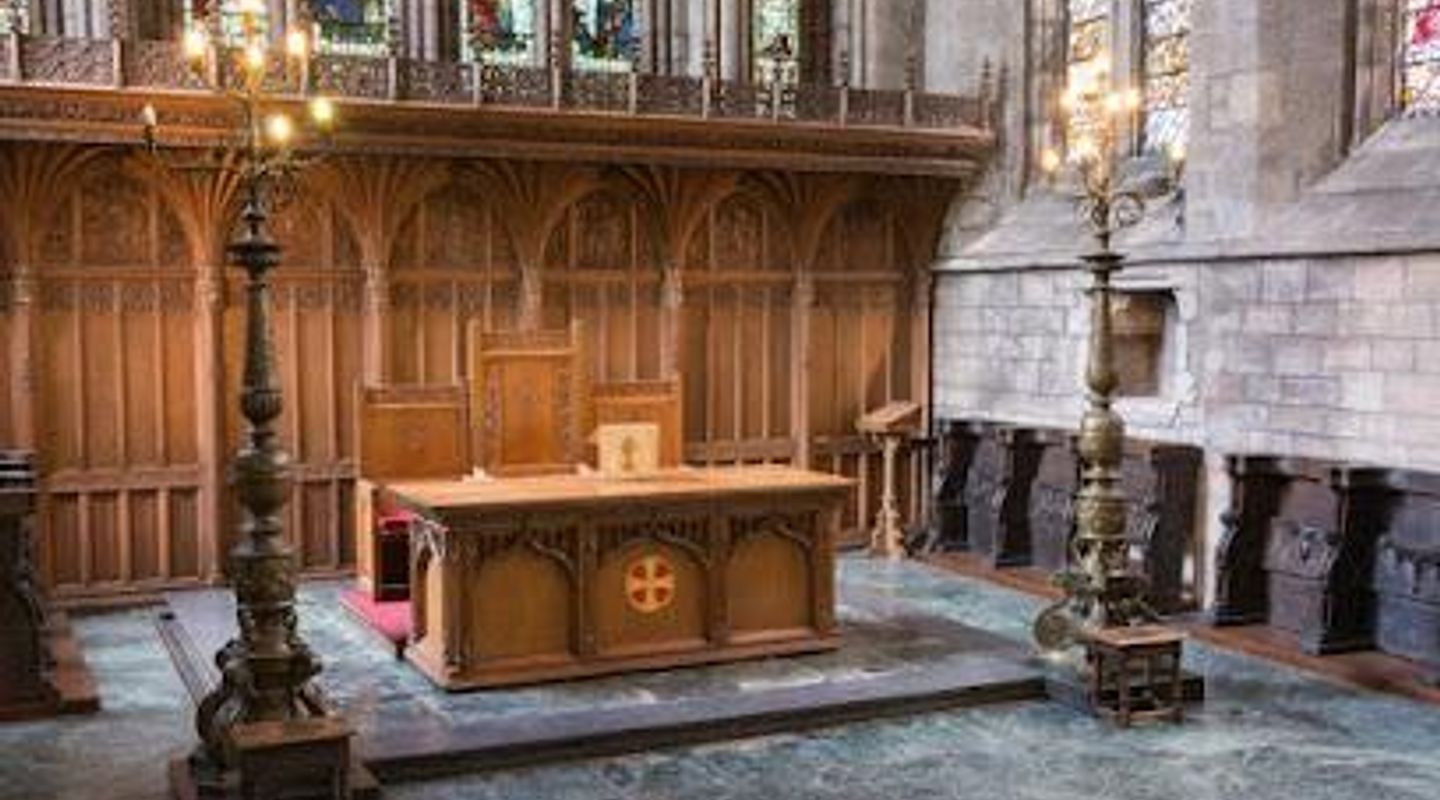
Following the Protestant Reformation in 1560, the cathedral’s interior was stripped of its elaborate furnishings, and public worship was confined to the chancel. The nave fell into ruin, its roof collapsing in 1622 and remaining roofless for over 300 years. In the 19th century, architect James Gillespie Graham restored the chancel, and later Robert Rowand Anderson led the nave’s restoration, completed by 1893. Further enhancements, including choir stalls and pews, were added in the early 20th century, blending medieval and Victorian craftsmanship.Spiritual and Community Significance Today
Today, Dunblane Cathedral remains an active place of worship within the Church of Scotland, hosting regular services including Sunday and midweek gatherings. It serves as a spiritual center for the community and a memorial site, notably housing the chapter house memorial for war fallen. The cathedral’s welcoming atmosphere is enhanced by facilities such as a creche, loop system for the hearing impaired, and accessible spaces.Artistic Highlights and Memorials
Visitors can admire rare medieval artifacts, including Pictish carved stones and the intricately carved Leighton Screen depicting the seven corporal acts of mercy. The stained glass windows, mainly from the early 20th century, add vibrant color and light to the interior. A poignant modern memorial commemorates the Dunblane tragedy of 1996, blending the cathedral’s historical narrative with contemporary remembrance.Setting and Visitor Experience
Set in the charming town of Dunblane, the cathedral is surrounded by a peaceful churchyard and historic cemetery. Its human scale allows visitors to absorb its architectural details intimately. The cathedral’s exterior, with its Romanesque windows and asymmetrical buttresses, contrasts with the soaring interior spaces. Guided tours and seasonal events offer deeper insight into its history and significance.












Your all‑in‑one travel companion app
Explore expert travel guides, compare and book tours, experiences, hotels, and more—all from the palm of your hand. Download now for seamless trip planning wherever your wanderlust takes you.


Explore More of Clackmannanshire
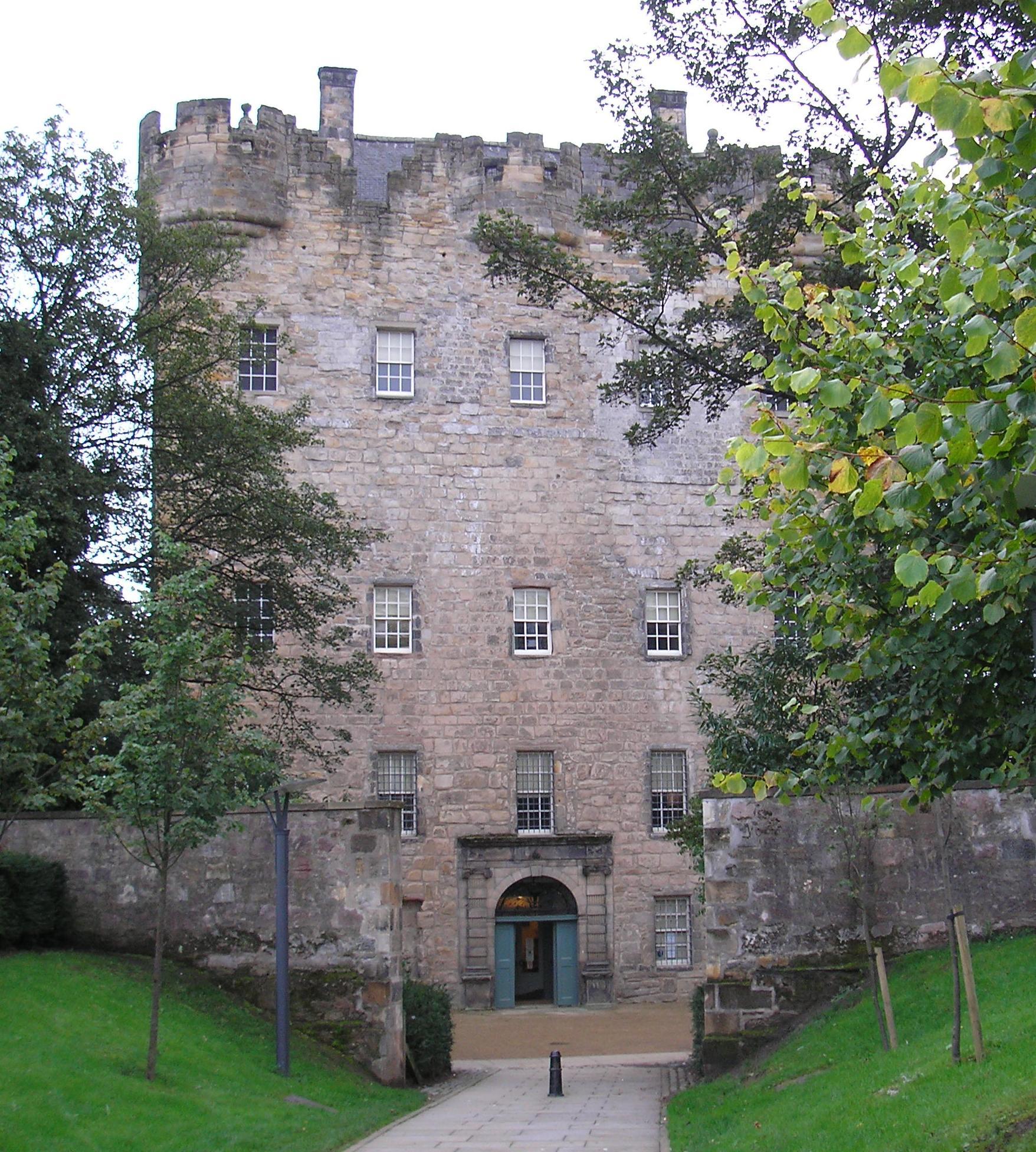
Looking beyond Dunblane Cathedral? Discover Clackmannanshire for broader travel guides, local hot-spots, and regional highlights.
Explore Clackmannanshire