
The Glasgow School of Art
Mackintosh's revolutionary masterpiece where Scottish baronial tradition meets modernist vision.
Charles Rennie Mackintosh's architectural masterpiece, The Glasgow School of Art stands as one of Scotland's most significant cultural institutions. Built in two phases between 1897 and 1909, this iconic building on Renfrew Street blends Scottish baronial influences with modernist principles. Though the Mackintosh Building sustained fire damage in 2014 and remains under restoration, visitors can explore the campus, view original Mackintosh furniture in the contemporary Reid Building, and join student-led tours celebrating the architect's revolutionary vision and the school's enduring creative legacy.
A brief summary to The Glasgow School of Art
- 167 Renfrew St, Glasgow, G3 6RQ, GB
- +441413534500
- Visit website
- Duration: 1.5 to 3 hours
- Free
-
 Mixed
Mixed
- Mobile reception: 5 out of 5
Local tips
- Book student-led tours in advance online to secure your place, as groups are limited to 20 people and tours fill quickly, especially during peak season.
- Visit the Mackintosh Furniture Gallery in the Reid Building to see original pieces and understand Mackintosh's design philosophy through authentic artefacts.
- Explore the exterior of the Mackintosh Building carefully; the contrast between facades reveals the architect's sophisticated approach to form and function across different phases of construction.
- Combine your visit with a walk through Garnethill to experience the neighbourhood's creative institutions, galleries, and the broader context of Glasgow's artistic community.
- Check the GSA website for current exhibitions and events; the campus hosts changing programmes that complement the architectural experience.

For the on-the-go comforts that matter to you
- Restrooms
- Drink Options
- Food Options
- Seating Areas
- Information Boards
- Visitor Center
Getting There
-
Public Transport
From Glasgow Central Station, take the Subway (Underground) towards Ibrox and exit at Cowcaddens station, approximately 8 minutes travel time. From the station, walk uphill along Cowcaddens Road for about 5 minutes to reach Renfrew Street. Alternatively, multiple bus routes serve the Garnethill area; journey times from the city centre range from 10 to 15 minutes depending on traffic and route. Single fares cost around £1.75 to £2.00.
-
Taxi or Rideshare
Taxis and rideshare services (Uber, local firms) are readily available throughout Glasgow. Journey time from the city centre to 167 Renfrew Street is typically 10 to 15 minutes depending on traffic conditions. Expect fares between £8 and £15 from central locations. The building's location on a main street makes drop-off straightforward.
-
Walking
From Glasgow city centre (around George Square), the walk to the Glasgow School of Art takes approximately 20 to 25 minutes. Head northwest through the city streets towards the Garnethill neighbourhood. The route is well-signposted and passes through vibrant urban areas with galleries and cultural venues. The final approach involves walking uphill on Renfrew Street; the building is clearly visible and accessible from street level.
-
Driving and Parking
Street parking on Renfrew Street is limited and subject to Glasgow's permit zones. Several public car parks operate within a 5 to 10 minute walk of the building, including facilities on nearby streets. Parking charges typically range from £1.50 to £3.00 per hour depending on the car park and time of day. The building itself does not operate a dedicated visitor car park.
The Glasgow School of Art location weather suitability
-
 Any Weather
Discover more about The Glasgow School of Art
A Visionary's Triumph in Stone and Steel
When Charles Rennie Mackintosh was just 28 years old, he won the competition to design a new home for the Glasgow School of Art. The institution, founded in 1845 to support Glasgow's manufacturing industries, had outgrown its cramped quarters above the Corporation art gallery on Sauchiehall Street. Under the dynamic leadership of Headmaster Francis Newbery, the school's reputation had soared, but its physical spaces could no longer accommodate the expanding student body and ambitious curriculum. Mackintosh's design would transform not only the school but also the trajectory of early 20th-century architecture. The building rose in two distinct phases, each reflecting the architect's evolving vision. Between 1897 and 1899, the central and eastern sections took shape, featuring the museum, headmaster's room, and boardroom. The delay before the second phase—construction between 1907 and 1909—proved fortuitous. By then, Mackintosh had become a partner in the firm, and he seized the opportunity to refine and expand his original concept, introducing new studios, workshops, and a more overtly modernist aesthetic influenced by emerging 20th-century design principles.Where Form Serves Function with Poetic Precision
The building's plan, a shallow E-shape rising from a rectangular basement, maximizes natural light flooding into the north-facing studio spaces through large gridded windows accented by delicate ironwork. The entrance, positioned at the centre of the northern facade, is reached by a sweeping set of steps that announce the building's significance. Above the entrance sits the headmaster's room with its distinctive balcony crossing an oriel window, while his private studio rises further still, accessed by a stair tower that extends beyond the roofline like a castle's turret—a nod to Scottish baronial tradition. The contrast between the building's facades reveals Mackintosh's sophisticated approach to architectural expression. The south and east sections present austere, roughcast surfaces that speak to utilitarian purpose, yet everywhere the design reveals what contemporary critic Lewis F. Day described as "the marked individuality of the artist." The west wing, by contrast, bursts with dramatic oriel windows projecting from sandstone surfaces, heralding what the school itself describes as "the birth of a new style in 20th-century European architecture." This section houses the legendary Mackintosh Library, constructed around a complex framework of timber posts and beams inspired by traditional Japanese architecture, complete with bright enamelled balustrades and a cascading cluster of electric lights suspended from the ceiling.A Living Monument to Creative Ambition
For over a century, the Mackintosh Building functioned as a working art school, its studios and workshops alive with the energy of students and faculty pushing the boundaries of design, fine art, and architecture. The building was never intended as a museum piece; rather, it embodied Mackintosh's belief that architecture should serve human creativity and aspiration. Its recognition as a work of international significance began in the 1930s and has only deepened with time, as architectural historians and practitioners have come to appreciate how thoroughly Mackintosh synthesised Scottish fortified tower houses, Arts and Crafts principles, Japonisme, and modernist ideals into a coherent, revolutionary whole.Contemporary Dialogue and Ongoing Restoration
In 2014, a serious fire damaged the west wing, prompting a comprehensive restoration programme that continues to this day. Rather than diminishing the campus, this period of renewal has sparked a creative dialogue between old and new. The recently completed Reid Building, designed by Steven Holl Architects, stands opposite the Mackintosh Building as a striking contemporary counterpoint. Its geometric matte-glass exterior and translucent materiality create what Holl described as a "symbiotic relationship" with Mackintosh's masonry forms. The Reid Building houses the Mackintosh Furniture Gallery, where visitors can view the school's unique collection of original Mackintosh furniture and design pieces, along with changing exhibitions and a visitor centre.Experiencing the School Today
The Glasgow School of Art remains a vibrant creative hub within the Garnethill neighbourhood, a district rich with galleries, museums, and performing arts venues. Student-led tours, conducted by award-winning guides with firsthand experience of studio life at GSA, explore the exterior of the Mackintosh Building and provide exclusive access to the Mackintosh Furniture Gallery in the Reid Building. These tours illuminate Mackintosh's journey from student to master architect, his inspirations and relationships, and the revolutionary ideas embedded in every detail of his design. The school also offers Reid Building tours showcasing Holl's contemporary intervention, and guided walks through Glasgow's creative landscape, revealing the city's architectural heritage and vibrant present.Iconic landmarks you can’t miss

McLellan Galleries
0.1 km
Victorian art gallery turned creative workspace, preserving Glasgow's 19th-century cultural ambitions.
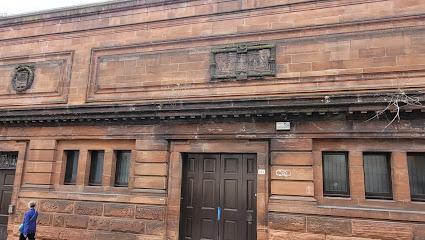
ToursByLocals - Glasgow
0.6 km
Discover Glasgow's rich culture and hidden gems through personalized tours with local experts at ToursByLocals.
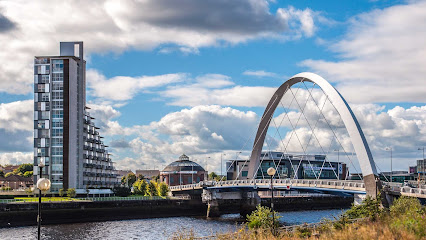
St George's Tron Church of Scotland
0.7 km
Historic Presbyterian church with iconic Baroque tower, rooted in Glasgow’s evangelical heritage and vibrant city centre life.
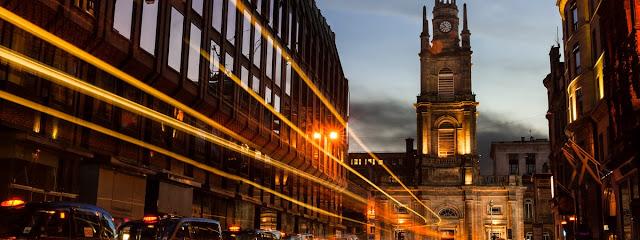
Savings Bank of Glasgow building
0.8 km
A Victorian banking landmark symbolizing Glasgow's rise to financial prominence in 19th-century Britain.
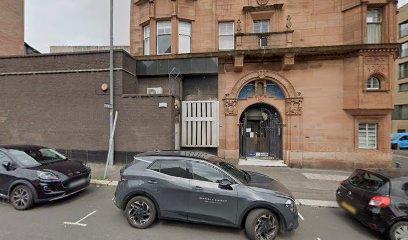
Walter Scott Monument
1.0 km
A towering Gothic tribute to Sir Walter Scott in Glasgow’s historic George Square, celebrating Scotland’s literary heritage.
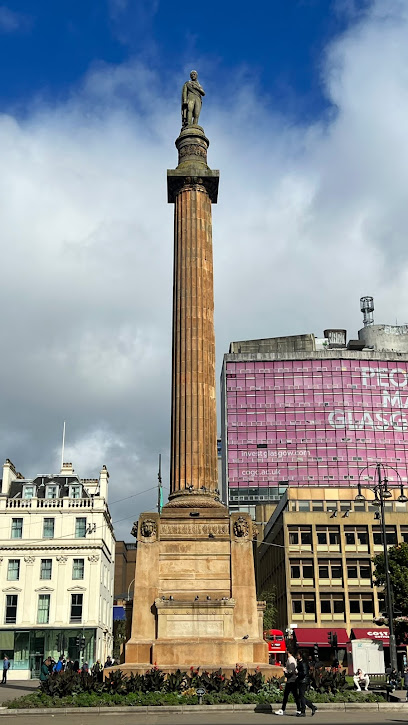
Historic Walking Tours of Glasgow
1.0 km
Explore Glasgow's rich history with guided walking tours that reveal the city's hidden gems and captivating stories.
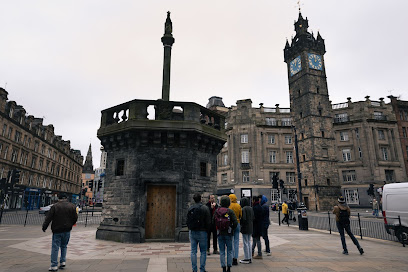
Glasgow City Chambers
1.1 km
A grand Victorian town hall in the heart of Glasgow, where civic power meets opulent architecture and free guided tours reveal the city’s proud history.
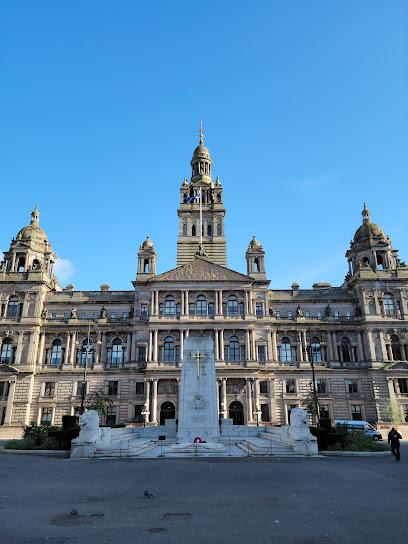
Tobacco Merchant's House
1.1 km
Explore the Tobacco Merchant's House, a historic site in Glasgow that reveals the fascinating story of the tobacco trade and its impact on the city's heritage.
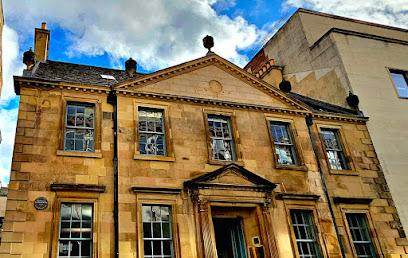
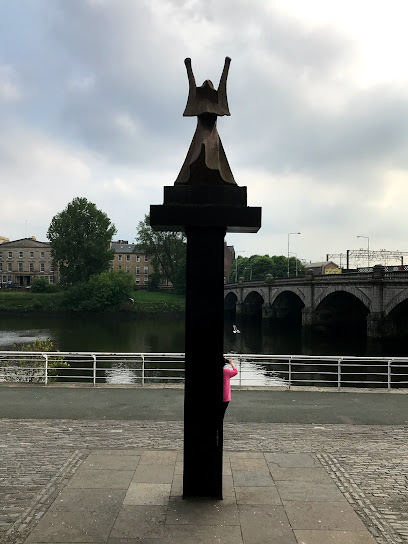
La Pasionaria
1.2 km
Discover La Pasionaria in Glasgow, a powerful sculpture symbolizing resilience and passion, capturing the essence of the city's rich history and culture.
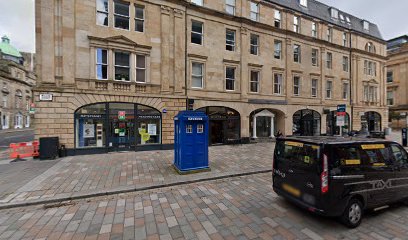
Old Police Post
1.2 km
A historic blue police box marking Glasgow's pioneering role in British law enforcement and urban policing innovation.
Kelvingrove Park
1.3 km
Explore the serene beauty and cultural treasures of Kelvingrove Park, a stunning urban oasis in Glasgow's vibrant West End.

Ramshorn Graveyard
1.4 km
Explore the serene beauty and rich history of Ramshorn Graveyard, a hidden gem in the heart of Glasgow, perfect for reflection and discovery.
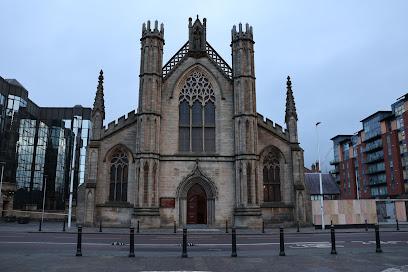
Metropolitan Cathedral of St Andrew
1.4 km
Historic Neo-Gothic cathedral and spiritual heart of Glasgow’s Catholic community since the early 19th century.
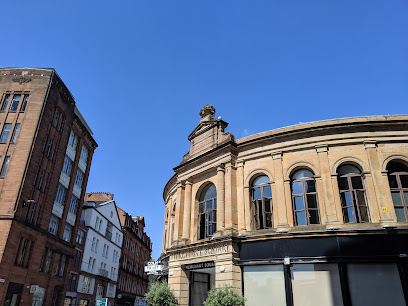
City Halls & Old Fruitmarket
1.4 km
Explore the rich musical heritage and stunning architecture of City Halls & Old Fruitmarket, a premier live music venue in Glasgow.
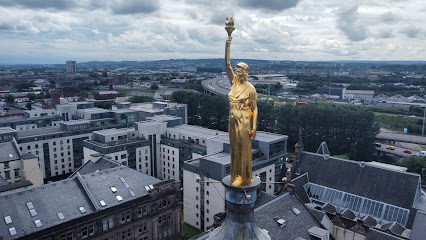
Statue of Light and Life
1.4 km
Gilded guardian of Glasgow’s skyline, the Statue of Light and Life shines atop 95 Morrison Street, symbolizing guidance and vitality.
Unmissable attractions to see

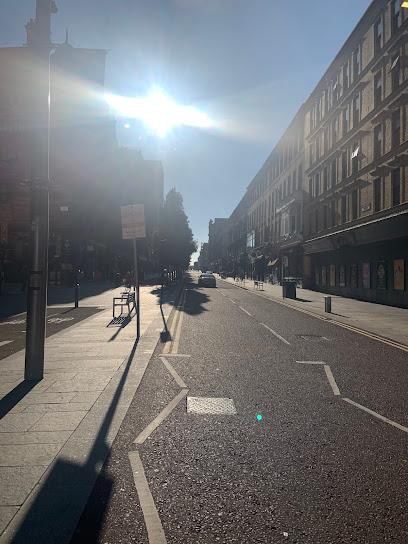
Sauchiehall Street
0.2 km
Explore Glasgow’s iconic Sauchiehall Street, where historic architecture, vibrant shopping, and lively nightlife converge in a dynamic cultural corridor.
The Glasgow Art Club
0.2 km
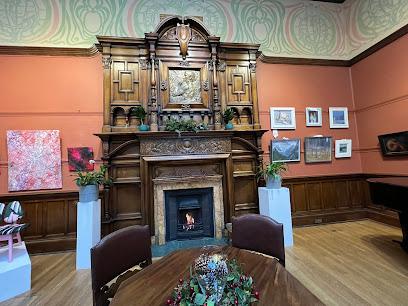
Historic Georgian club and gallery showcasing Charles Rennie Mackintosh’s art legacy with vibrant exhibitions and exclusive dining in central Glasgow.
Blythswood Square
0.3 km
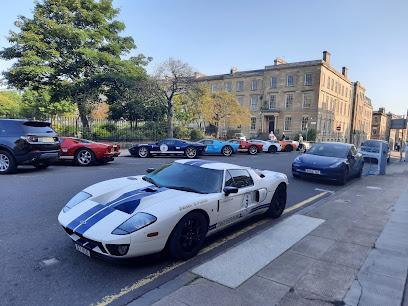
A serene Georgian square in Glasgow blending historic elegance, artistic heritage, and vibrant city life in a lush garden setting.
Dead Famous Cities Ltd
0.3 km
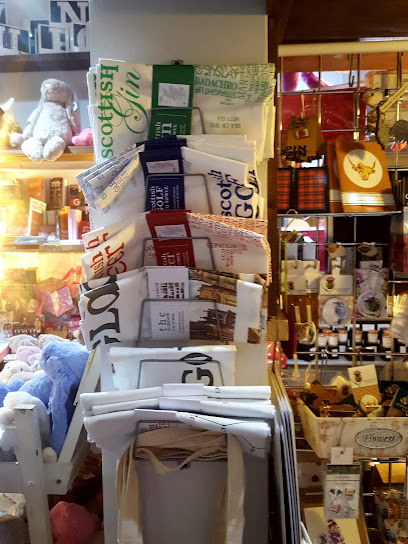
Cozy industrial café in Glasgow’s Garnethill offering homemade breads, vegan-friendly brunch, and a strong eco-conscious ethos.
Nice N Sleazy
0.3 km
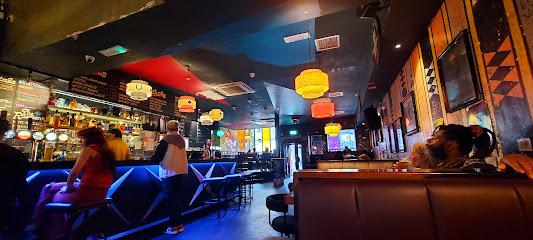
Discover the vibrant nightlife of Glasgow at Nice N Sleazy, a lively live music venue and bar that perfectly captures the city's artistic spirit.
The Tenement House
0.4 km
Step into a perfectly preserved early 20th-century Glasgow flat and experience the life of Agnes Toward, an independent working woman.
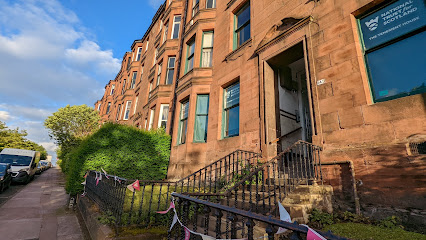
Royal Highland Fusiliers Regimental Museum
0.4 km
Explore centuries of Highland military heritage in Glasgow’s historic Royal Highland Fusiliers Museum, where stories of valor come alive.
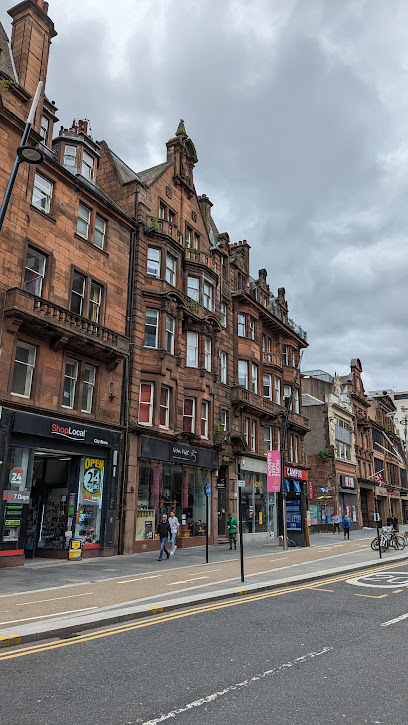
Royal Conservatoire of Scotland
0.4 km
Scotland’s premier performing arts conservatoire in Glasgow’s city centre, blending historic legacy with vibrant live performances and world-class training.
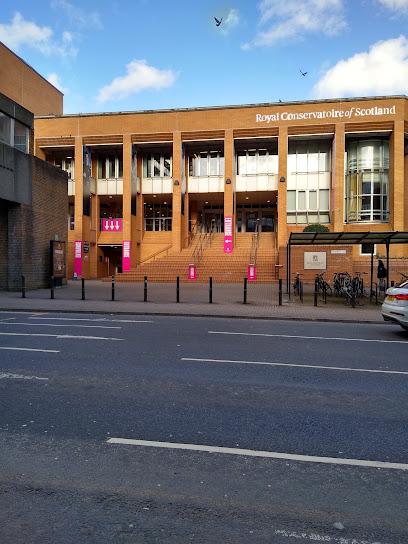
King Tut's Wah Wah Hut
0.4 km
Discover Glasgow’s iconic live music venue where legends are born and intimate gigs create unforgettable memories.
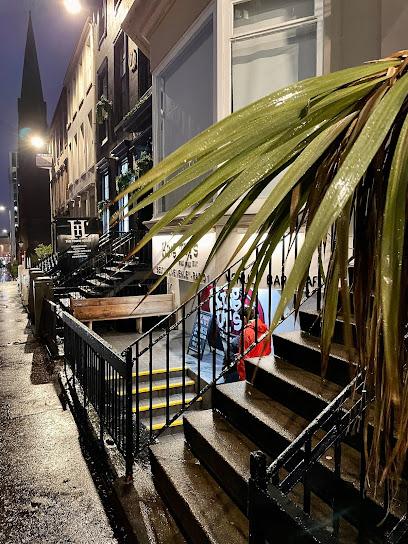
Seventh Heaven Lap Dancing Club
0.4 km
Glasgow’s premier lap dancing club offering vibrant nightlife, sensual performances, and exclusive VIP experiences until 4am nightly.

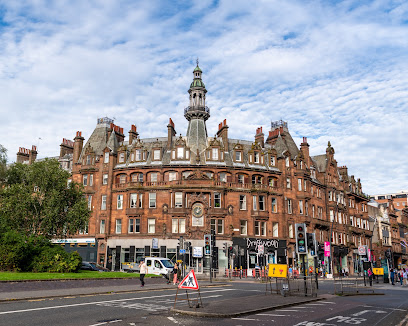
Charing Cross Mansions
0.4 km
Explore Glasgow’s grandest red sandstone tenement, a Victorian architectural jewel blending history with vibrant city life.
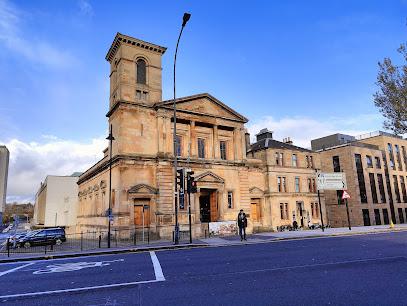
The National Piping Centre
0.5 km
Explore Scotland’s rich piping heritage at Glasgow’s National Piping Centre, home to a world-class museum, live performances, and expert tuition.
Theatre Royal Glasgow
0.5 km
Discover Glasgow’s grand Victorian theatre, home to Scottish Opera and Ballet, blending historic charm with vibrant cultural performances.
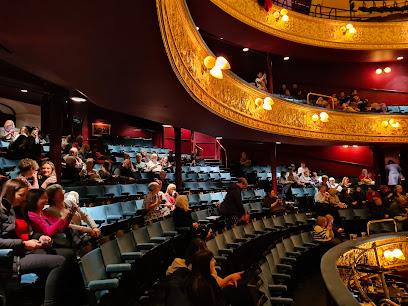
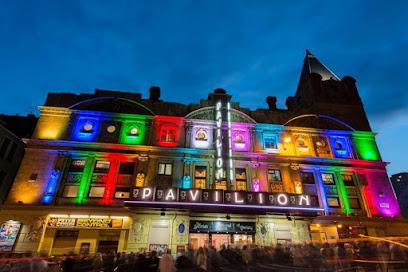
Pavilion Theatre
0.5 km
Glasgow’s historic Pavilion Theatre, a stunning Edwardian venue famed for variety shows, pantomimes, and rich Louis XV interiors since 1904.
The Pot Still
0.5 km
Discover Glasgow’s iconic whisky bar with nearly 600 bottles, warm atmosphere, and traditional Scottish fare on historic Hope Street.
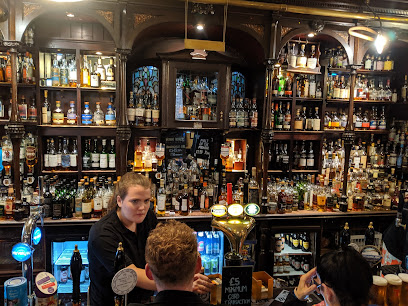
Essential places to dine

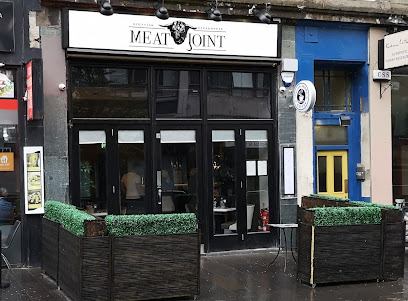
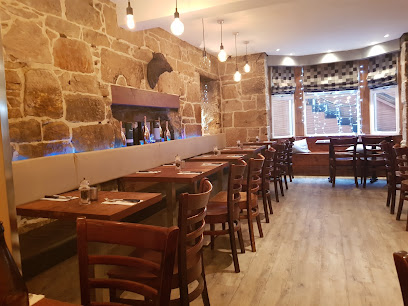
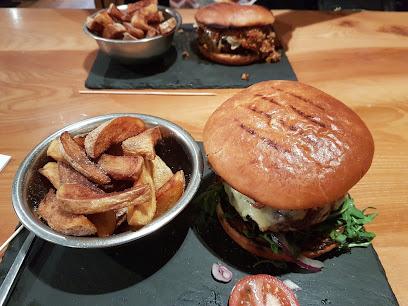
Meat Joint Scottish Steakhouse
0.1 km
Savor expertly cooked Scottish steaks in a cozy, family-owned steakhouse on Glasgow’s lively Sauchiehall Street.
Mini Grill Steakhouse - Glasgow
0.2 km
Cozy Glasgow steakhouse serving expertly cooked Scottish steaks with warm hospitality and classic sides in a relaxed, intimate setting.
Bath Street Palomino
0.2 km
A stylish Italian restaurant and cocktail bar in Glasgow’s city centre, blending modern design with exceptional food and drinks.
The butterfly and the pig
0.3 km
A quirky Glasgow gem serving hearty Scottish fare, vibrant live music, and a beloved vintage-style afternoon tea experience.
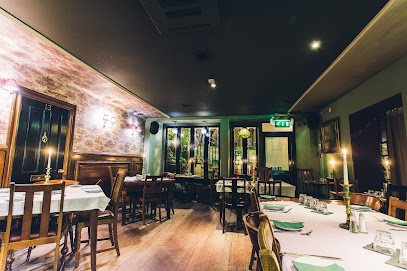
Red Onion
0.3 km
Experience vibrant Scottish dining with modern twists in the heart of Glasgow at Red Onion, a welcoming spot for classic and contemporary flavors.
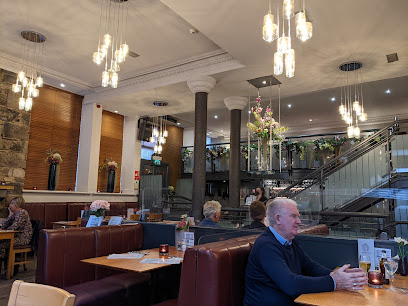
iasg
0.3 km
Refined Scottish seafood dining in a stylish hotel setting with fresh flavors, elegant design, and warm hospitality in Glasgow’s heart.
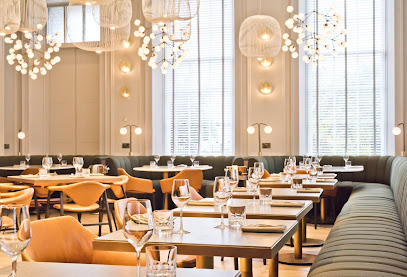
Ristorante Pieno
0.4 km
Award-winning family Italian restaurant in Glasgow's theatre district, celebrated for authentic cuisine and impeccable service.
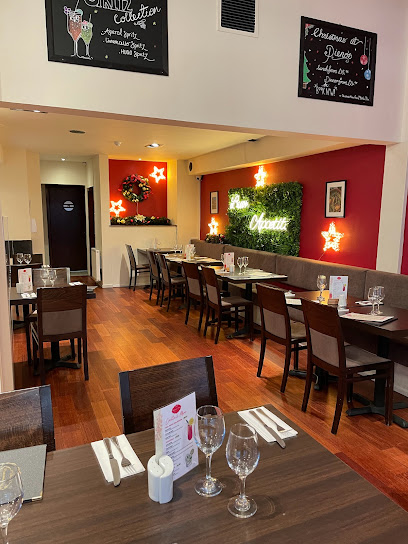
Gamba
0.4 km
Elegant seafood dining in Glasgow’s city center, where classic flavors meet creative finesse in an intimate, welcoming setting.
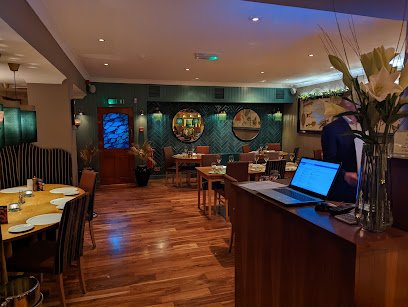
Ardnamurchan Scottish Restaurant & Bar
0.4 km
A stylish Scottish restaurant in Glasgow blending traditional flavors with modern flair in a warm, inviting setting.
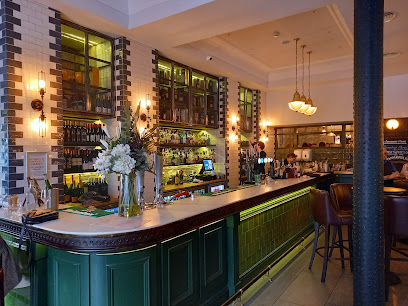
Baby Grand Bar & Grill
0.4 km
Live piano music, refined British cuisine, and timeless elegance in Glasgow's city centre.
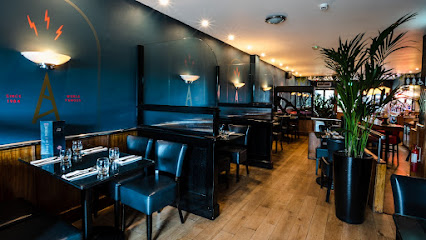
Opium
0.5 km
Sleek Asian fusion dining on Glasgow’s Hope Street, blending traditional flavors with modern style and diverse dietary options.
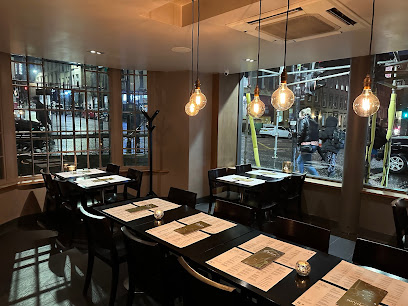
Verona
0.5 km
Authentic Italian flavors and warm hospitality await you in the heart of Glasgow’s city center at Verona.
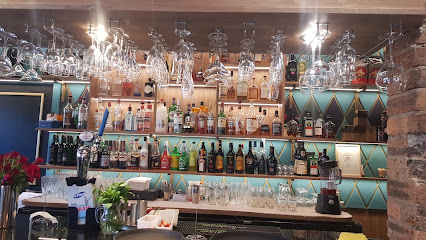
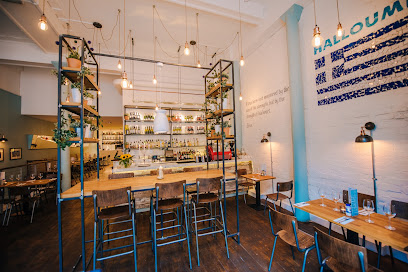
Halloumi Glasgow
0.5 km
Experience authentic Greek meze and lively vibes at Halloumi Glasgow, a vibrant Mediterranean gem in the city centre.
Gōst
0.6 km
Discover Gōst, Glasgow’s elegant bar and restaurant where smoky flavors meet sustainable Angus beef in a cozy, speakeasy setting.
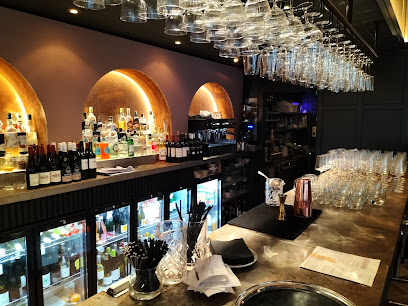
La Bonne Auberge
0.6 km
Classic French brasserie offering authentic Mediterranean flavors in Glasgow’s vibrant Theatreland district with a warm, inviting atmosphere.

Markets, malls and hidden boutiques

Braw Wee Emporium
0.4 km
Celebrate Scottish creativity with handmade gifts from independent designers and makers.
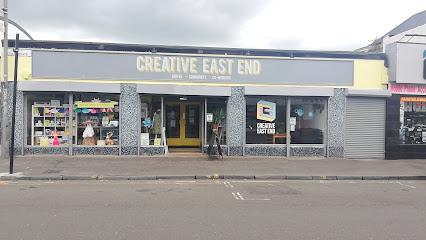
McLay's Gift Shop
0.6 km
Discover handcrafted treasures and unique gifts with a personal touch at McLay's Gift Shop in Glasgow’s vibrant Hilton district.
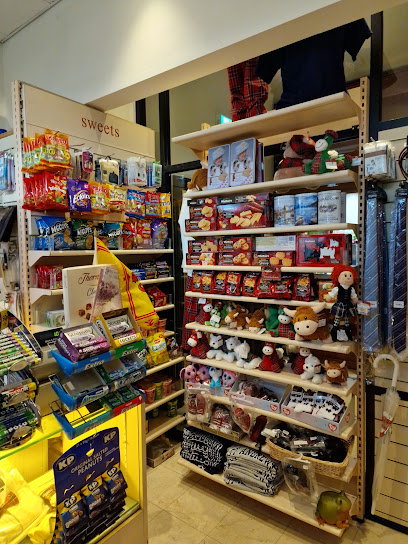
MAIA GIFTS
0.6 km
Discover Glasgow’s award-winning independent gift shop with unique, quirky, and handpicked treasures for every special occasion.
Glasgow Gifts
0.7 km
Discover authentic Scottish souvenirs and unique gifts at Glasgow Gifts, nestled in the vibrant heart of Sauchiehall Street.
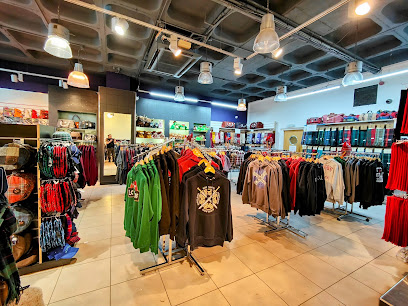
Ilahui&Ximi Vogue Life Uk
0.8 km
Discover bold, stylish gifts and fashion-forward lifestyle treasures in the heart of Glasgow’s Buchanan Galleries.
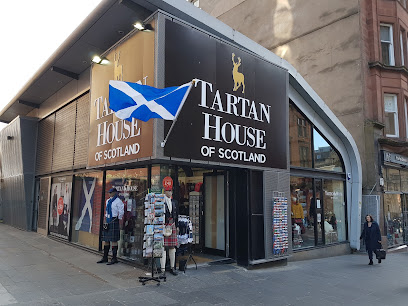
Tartan House of Scotland
0.8 km
Authentic Scottish tartans and souvenirs in the heart of Glasgow’s vibrant Buchanan Street shopping district.
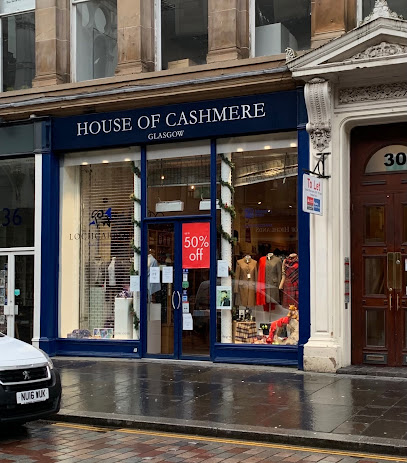
House Of Cashmere Glasgow
0.8 km
Discover authentic Scottish cashmere craftsmanship and timeless luxury in the heart of Glasgow’s vibrant city centre.
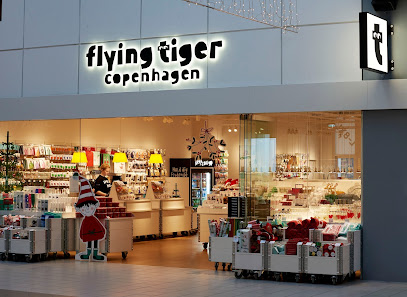
Flying Tiger Copenhagen
0.8 km
Discover colorful, affordable Scandinavian fun and creative essentials at Flying Tiger Copenhagen in Glasgow’s Buchanan Galleries.
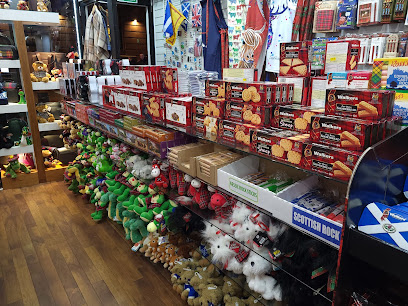
Wee scottish shop
0.8 km
Discover authentic Scottish gifts and handmade treats in the heart of Glasgow’s vibrant Buchanan Street.
The Shop Network
0.8 km
A diverse urban retail destination in Glasgow’s city centre offering gifts, accessories, clothing, and tech essentials all under one roof.

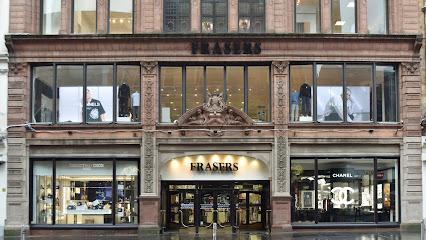
House of Fraser
1.0 km
Discover Glasgow’s historic House of Fraser on Buchanan Street, a vibrant hub for fashion, beauty, and homewares since 1849.
Taste of Scotland
1.0 km
Discover authentic Scottish gifts and rare whiskies in the heart of Glasgow at Taste of Scotland, your gateway to Scotland’s rich heritage.
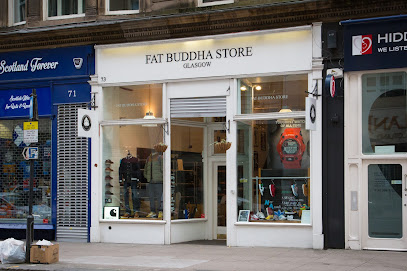
Fat Buddha Store
1.0 km
Glasgow's ultimate streetwear haven: premium menswear, spray paints, vinyl toys, and urban essentials across three vibrant floors since 2006.
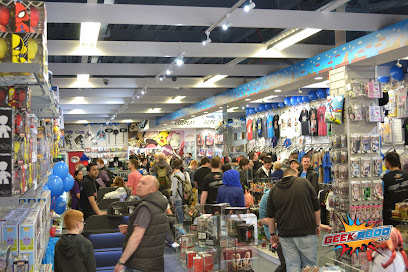
Geek-aboo
1.1 km
Dive into Glasgow's ultimate geek haven: official merch, epic collectibles, and gaming events from your favorite franchises await at Geek-aboo.
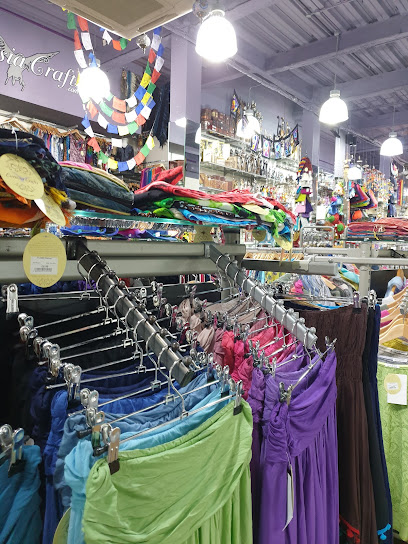
Eurasia Crafts
1.1 km
Discover handcrafted wonders from Eurasia in a cozy Glasgow gem—unique gifts, artisan stories, and cultural treasures await on elegant Queen Street.
Essential bars & hidden hideouts

Tiki Bar & Kitsch Inn
0.1 km
Glasgow’s vibrant tropical escape blending exotic cocktails, authentic Thai cuisine, and a lively beer garden in the heart of the city.
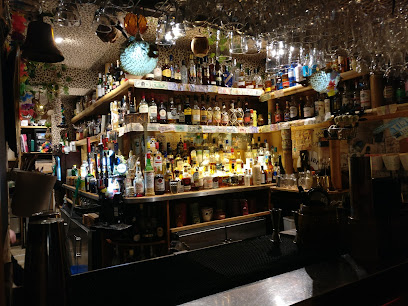
Slouch: Live Music, Kitchen & Late Night Venue
0.2 km
A stylish Glasgow gastropub blending live jazz, blues, and rock with hearty food and creative cocktails in a cozy, speakeasy-inspired setting.
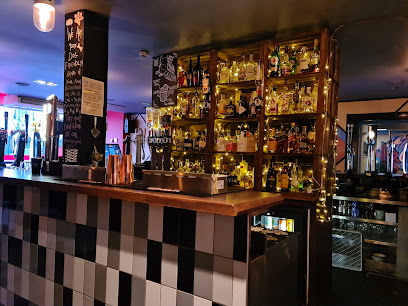
The Howlin' Wolf: Bar, Kitchen, Juke Joint
0.4 km
Glasgow's ultimate blues juke joint: live music daily, soul food till 2am, whiskey flows, and rock 'n' roll vibes in a Mississippi-inspired den.
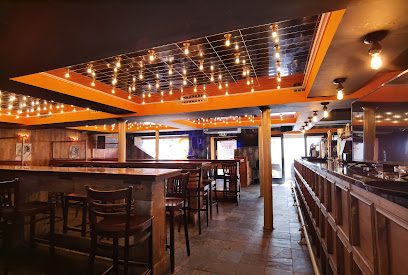
The Bon Accord
0.5 km
Discover Glasgow’s Bon Accord, a legendary pub boasting over 900 beers and an award-winning whisky bar in a vibrant, historic setting.
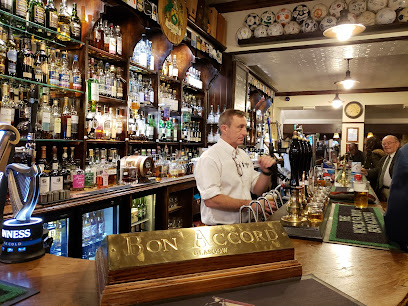
Gin71
0.6 km
Discover Glasgow’s elegant gin sanctuary with exotic vibes, expert cocktails, and a vibrant social atmosphere on Renfield Street.
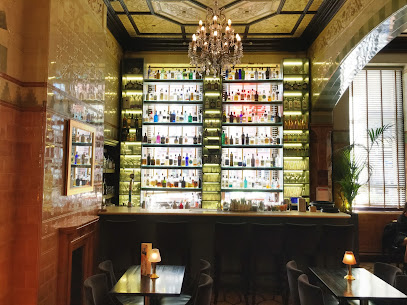
Blue Dog
0.6 km
Glasgow's chic cocktail haven with live piano, masterful mixes, and cozy vibes for unforgettable nights out in the city center.
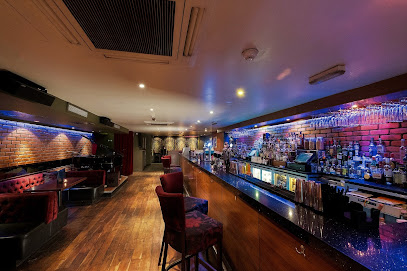
Missoula - Glasgow
0.6 km
A vibrant Glasgow cocktail bar blending expert drinks, live DJs, and an all-day menu in a lively city center setting.
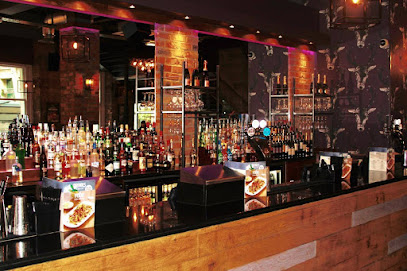
Devil of Brooklyn
0.6 km
A chic speakeasy cocktail bar in Glasgow’s city centre, blending Italianate elegance with creative drinks and a warm, intimate vibe.
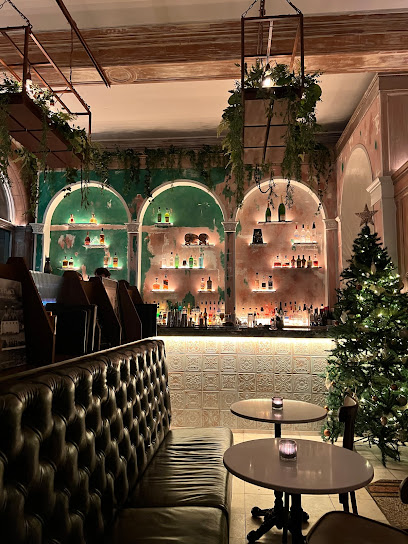
Drum & Monkey Glasgow
0.7 km
Traditional Glasgow gastropub in a historic bank building, famed for its ales, hearty pies, and welcoming city centre vibe.
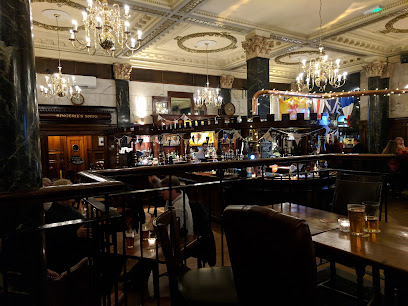
Horseshoe Bar Glasgow
0.7 km
Historic Victorian pub with Britain’s longest horseshoe-shaped bar, lively karaoke, live sports, and warm Glaswegian hospitality in the city centre.
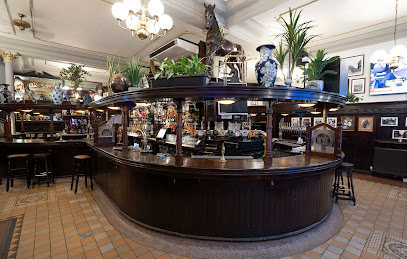
Waxy O'Connor's Glasgow
0.8 km
Explore Glasgow’s largest Irish pub maze with live music, hearty food, and spirited sports in the heart of Merchant City.
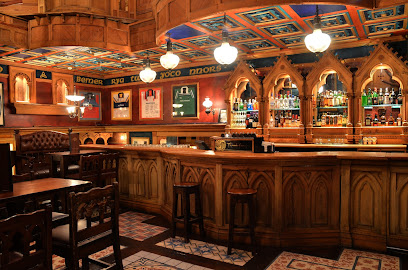
The Duke's Umbrella
0.8 km
Cozy Glasgow gastropub blending fine-dining comfort food, live music, and rustic charm in a lively, welcoming atmosphere.
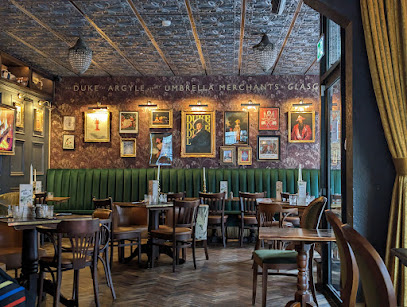
Ross's Original Bar
0.9 km
Classic Glasgow pub with hearty food, lively karaoke nights, and a welcoming old-school atmosphere in the heart of the city.
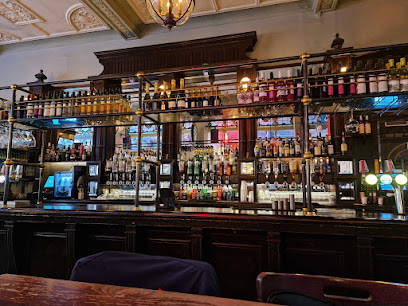
TABAC
0.9 km
Retro Parisian cocktail bar on hidden Mitchell Lane, blending masterful mixes, street food bites, and lively vibes in Glasgow's heart.
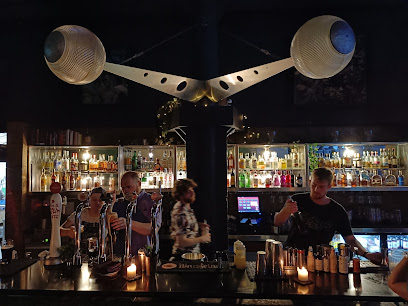
Wunderbar
1.0 km
Lively Glasgow cocktail bar blending pizza, pub vibes, and live music in a vibrant city center setting.
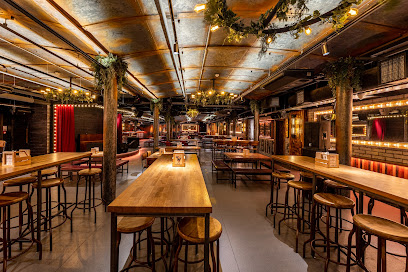
Nightclubs & after hour spots

Firewater
0.2 km
Dive into Glasgow's indie nightlife at Firewater, where two rooms blast alternative anthems, cheap entry fuels the fun, and Sauchiehall Street's energy ignites until 2:30am Thu-Sat.
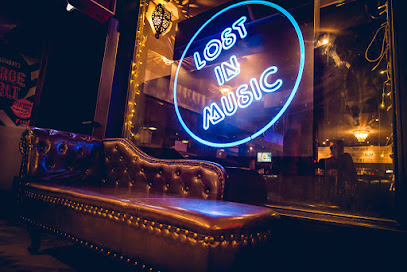
Saint Judes After Dark
0.2 km
Glasgow's electrifying after-dark escape: pulsating DJ beats, craft cocktails, and retro club vibes fuel nights until 3am on Bath Street.

The Plug Glasgow
0.3 km
Experience Glasgow’s premier Afrobeat nightclub where Nigerian wedding vibes meet luxury nightlife and vibrant celebration.
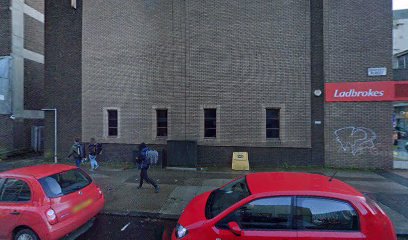
Buff Club
0.3 km
Dive into Glasgow's funky basement beats at The Buff Club, where soul, disco, and 80s grooves light up the night under disco ball magic.
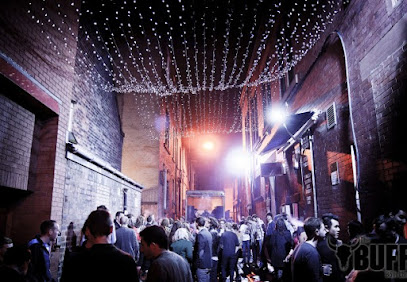
The Savoy
0.4 km
Experience Glasgow’s vibrant weekend nightlife at The Savoy, a lively nightclub on Sauchiehall Street pulsing with music and energy until dawn.

The Berkeley Suite
0.5 km
Discover Glasgow’s hidden vintage nightclub with top DJs, retro vibes, and an intimate dancehall atmosphere beneath a 1940s ballroom.
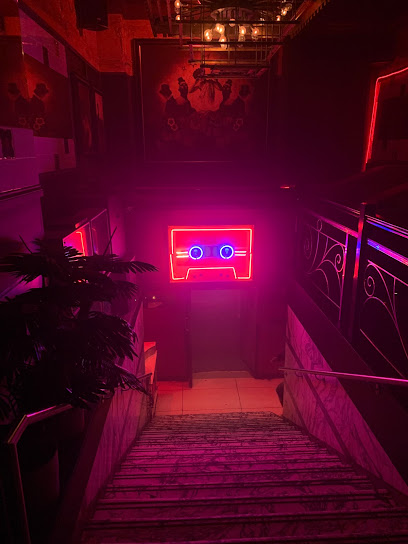
Bamboo
0.6 km
Glasgow’s energetic three-room basement nightclub offering affordable drinks and diverse music for a lively student crowd.
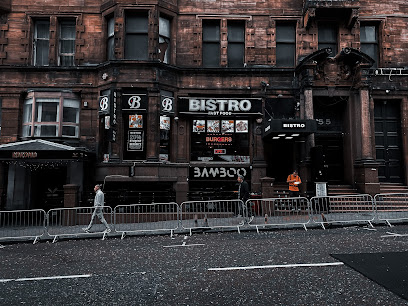
Kokomo Glasgow
0.6 km
Kokomo Glasgow was a late-night nightclub and bar known for its energetic vibe and central city location on West Regent Street.
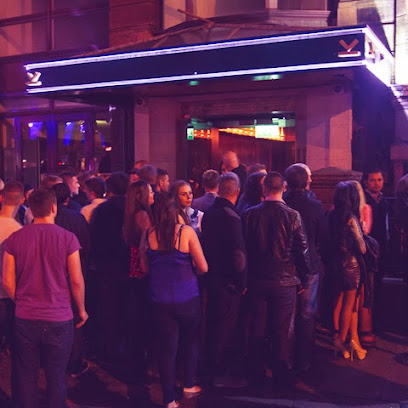
142B Lounge
0.6 km
Experience Glasgow’s vibrant Afrobeat and Amapiano hotspot with stylish vibes, great music, and authentic African flavors.
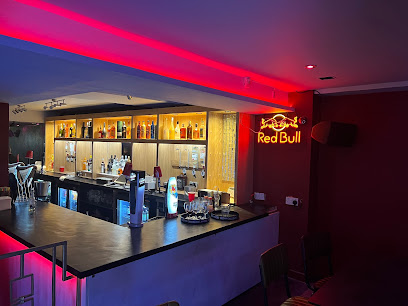
Popworld Glasgow
0.6 km
Dive into a whirlwind of 80s-00s pop anthems, retro props, and cocktail-fueled dance marathons at Glasgow's ultimate cheesy nightclub escape.

Club Tropicana & Venga
0.7 km
Two-room retro nightclub in central Glasgow with themed ’80s/’90s nights, booth bookings and a high-energy weekend atmosphere.
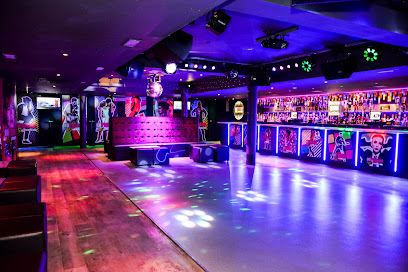
Platinum Lace Glasgow
0.7 km
Glasgow’s premier gentlemen’s club with stunning dancers, VIP luxury, and an electric nightlife atmosphere in the city centre.
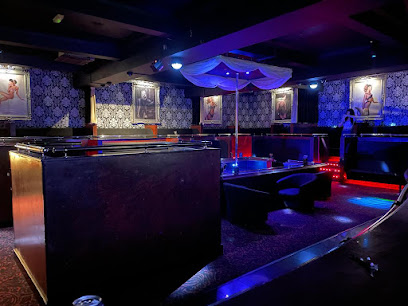
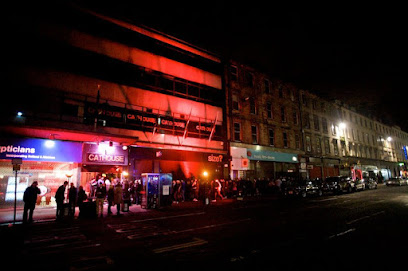
Cathouse Rock Club
0.9 km
Glasgow's unrelenting rock fortress since 1990—metal riffs, live gigs, and alternative fury across three pounding rooms.
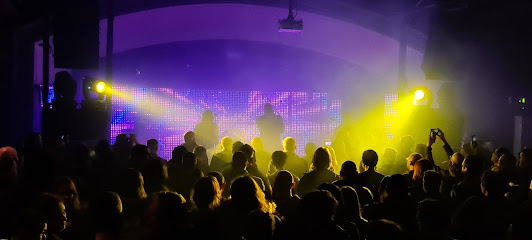
Classic Grand
1.0 km
Glasgow's ultimate electronic music haven in a reborn cinema, where thunderous beats and euphoric crowds collide until dawn.
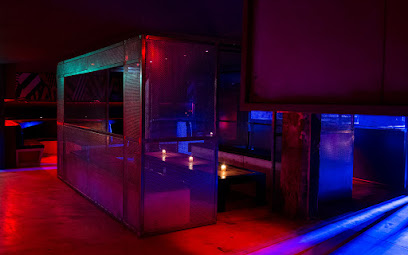
Sub Club
1.0 km
Glasgow’s legendary underground nightclub, Sub Club, pulses with cutting-edge sound and authentic dance culture in an intimate basement setting.
For the vibe & atmosphere seeker
- Unique
- Scenic
- Adventurous
- Cultural Heritage
For the design and aesthetic lover
- Vintage Styles
- Rustic Designs
- Modern Designs
For the architecture buff
- Historic
- Modern
- Landmarks
- Art & Design
- Heritage Neighborhoods
For the view chaser and sunset hunter
- Iconic Views
- Architectural Shots
For the social media creator & influencer
- Instagrammable
- Photo Spots
- Architectural Shots
For the eco-conscious traveler
- Protected Area
- Locally Managed
For the kind of experience you’re after
- Cultural Heritage
- Photowalk
- Day Trip
For how adventurous you want the journey to be
- Easy Access
Location Audience
- Family Friendly
- Senior Friendly
- Wheelchair Access
- Solo Friendly
- Couple Friendly
- Solo Female Friendly


