George Square, Glasgow Travel Guide
Glasgow’s iconic civic square, blending historic grandeur, striking monuments, and vibrant public life at the city’s heart.
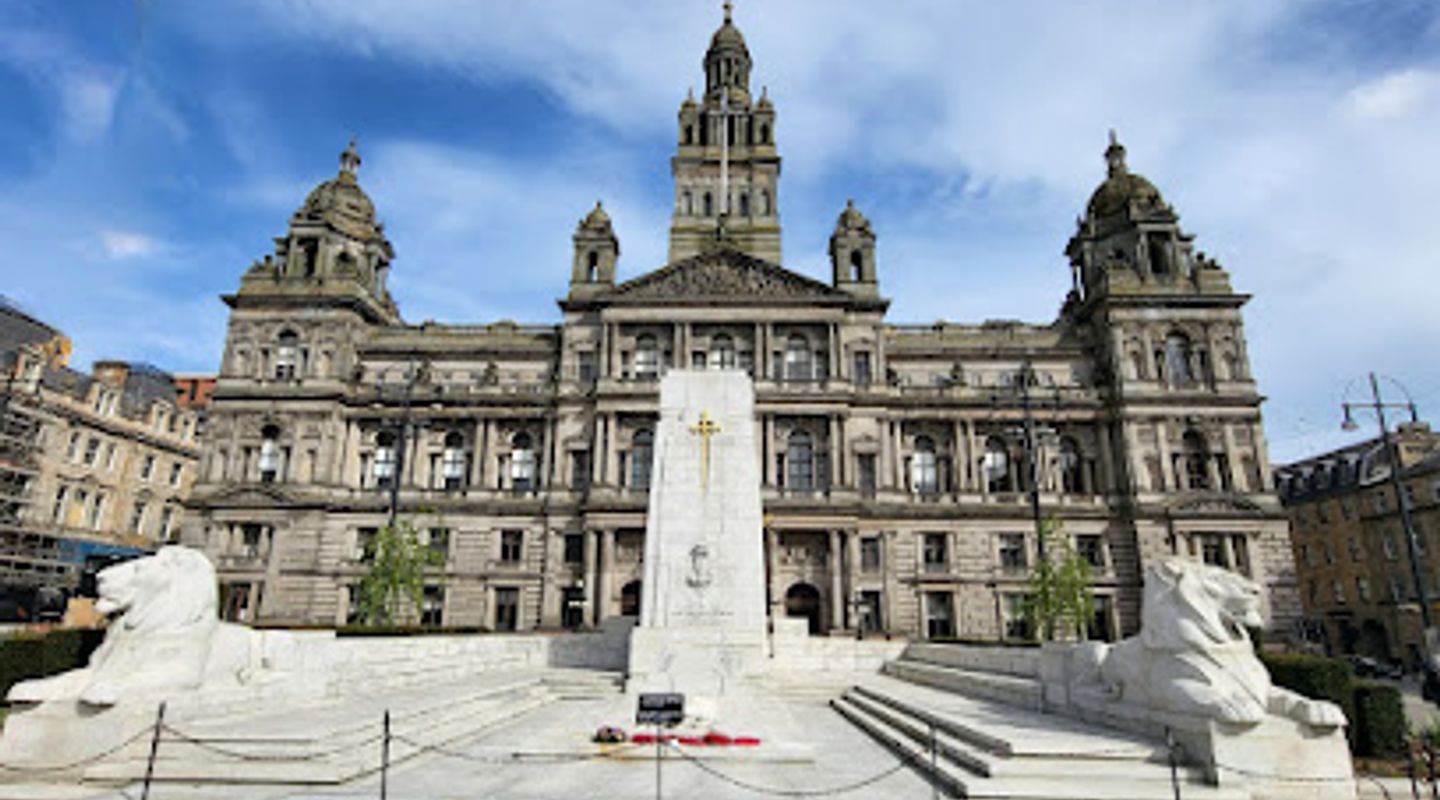
George Square, laid out in 1781 and named after King George III, is Glasgow’s principal civic square and a vibrant public space. Surrounded by grand architecture including the City Chambers and Merchants’ House, it features an impressive collection of statues and monuments honoring notable Scots such as Robert Burns and Sir Walter Scott. The square hosts major events year-round, blending rich history with lively city life in the heart of Glasgow.
A brief summary to George Square
- Glasgow, G2 1DH, GB
- Click to display
- Duration: 0.5 to 2 hours
- Free
-
 Outdoor
- Mobile reception: 5 out of 5

Know before you go
Hi, I'm Eve. Here are a few practical things to know before exploring George Square.
- Visit during major events like Piping Live! or Glasgow Loves Christmas for a lively atmosphere.
- Take time to explore the many statues and monuments, each telling a piece of Glasgow’s rich history.
- Admire the architectural details of the City Chambers and Merchants’ House surrounding the square.
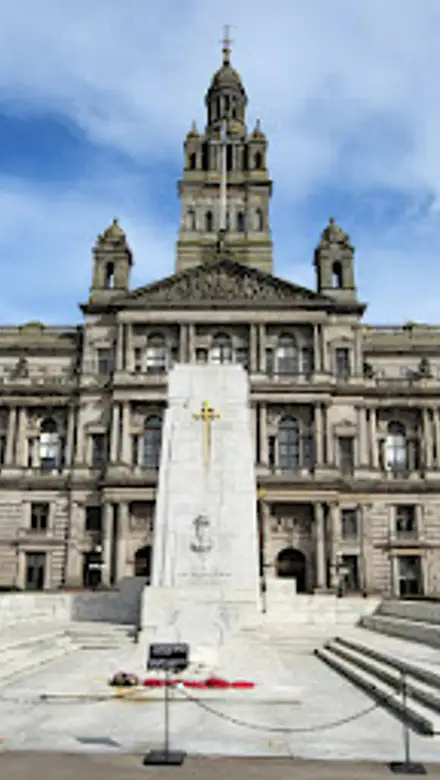
- The Cenotaph is a poignant memorial worth visiting, especially during Remembrance Day ceremonies.
Do you manage this location?
Take control to get all the benefits, like improved information, better appearance, and stronger visibility across AI-powered discovery. Learn more about listing your business on Evendo
Activate your presenceOther nearby places you may find interesting
The closest places of the same kind, if this one is not quite what you had in mind.


Explore George Square on the Map
A handpicked selection of must-see spots near George Square, mapped for you.
Unlock the Best of George Square
Buy tickets
-
No tickets available
Book tours with entry


Getting There
-
Public Transport
Take the Glasgow Subway to St Enoch Station, a 5-10 minute walk to George Square. Subway trains run every 5-10 minutes, with tickets costing around £2.50. Frequent bus services also stop near the square, connecting it with the wider city.
-
Train
Arrive at Glasgow Queen Street or Glasgow Central railway stations, both within a 10-15 minute walk of George Square. These stations connect Glasgow with regional and national rail services. Walking routes are flat and accessible.
-
Taxi or Rideshare
Taxis and rideshare services can drop you directly at George Square. Travel times vary by traffic but typically range from 10 to 20 minutes from Glasgow Airport or city outskirts. Expect fares from £10-£20 depending on distance.
For the on-the-go comforts that matter to you
-
 Restrooms
-
 Drink Options
-
 Food Options
-
 Seating Areas
-
 Information Boards
Discover more about George Square
Origins and Early Development
George Square began as a large open field used for grazing cattle in medieval Glasgow. Known originally as Cow Lone, this area was transformed in the late 18th century as Glasgow expanded during its rise as a major trading city. Laid out in 1781 and named for King George III, the square was intended as a grand residential space. Early buildings, especially on the north side, were noted for their elegance and architectural quality. The square’s central area was initially a stagnant pool and soil tip before being landscaped with paths, trees, and iron fencing in the early 19th century.Architectural and Civic Significance
George Square is framed by architecturally important buildings that reflect Glasgow’s civic pride and prosperity. The east side is dominated by the Glasgow City Chambers, constructed between 1883 and 1889, which remains the headquarters of Glasgow City Council. On the west side stands the Merchants’ House, home to the historic guildry supporting Glasgow’s merchants and craftspeople since 1603, featuring a distinctive domed tower with a ship on a globe symbolizing the city’s maritime trade heritage. Other grand buildings, including former bank and commercial offices, complete the square’s imposing urban ensemble.Monuments and Statues as Symbols of Heritage
The square is renowned for its extensive collection of statues and monuments commemorating key figures in Scottish history and culture. Notable statues include those of Robert Burns, James Watt, Sir Robert Peel, and Sir Walter Scott, whose 80-foot tall column stands prominently at the center. The Glasgow Cenotaph, a solemn war memorial unveiled in 1924, honors Glaswegians who died in the First World War and serves as the focal point for annual remembrance ceremonies. These monuments collectively narrate Glasgow’s industrial achievements, cultural legacy, and imperial connections.Role as a Civic and Cultural Hub
Since the Glasgow Corporation took over management in 1862, George Square has evolved into the city’s principal civic space. It hosts major public events such as the Piping Live! festival and Glasgow Loves Christmas celebrations, drawing locals and visitors alike. The square’s open lawns, flower beds, and paved areas provide a versatile setting for gatherings, performances, and commemorations, maintaining its role as a dynamic urban heart that bridges Glasgow’s past and present.Architectural Details and Urban Context
The City Chambers’ grand classical façade, with its sculptural group celebrating Queen Victoria and the British Empire, epitomizes Glasgow’s 19th-century imperial confidence. The Merchants’ House building, designed by John Burnet and later expanded, reflects the city’s mercantile wealth and civic ambition. Surrounding terraces and commercial buildings contribute to the square’s cohesive historic streetscape. The square’s design balances formal monumentality with accessible public space, making it a landmark of both architectural and social significance.Continuing Legacy and Modern Identity
George Square remains a symbol of Glasgow’s identity, blending its rich historical layers with contemporary urban life. It has featured in popular culture, including film and television, showcasing the city’s distinctive architecture and atmosphere. As a site of memory, celebration, and civic pride, the square encapsulates Glasgow’s journey from a medieval market town to a vibrant modern metropolis, inviting visitors to explore its stories and experience its enduring presence.












Your all‑in‑one travel companion app
Explore expert travel guides, compare and book tours, experiences, hotels, and more—all from the palm of your hand. Download now for seamless trip planning wherever your wanderlust takes you.


Explore More of Glasgow
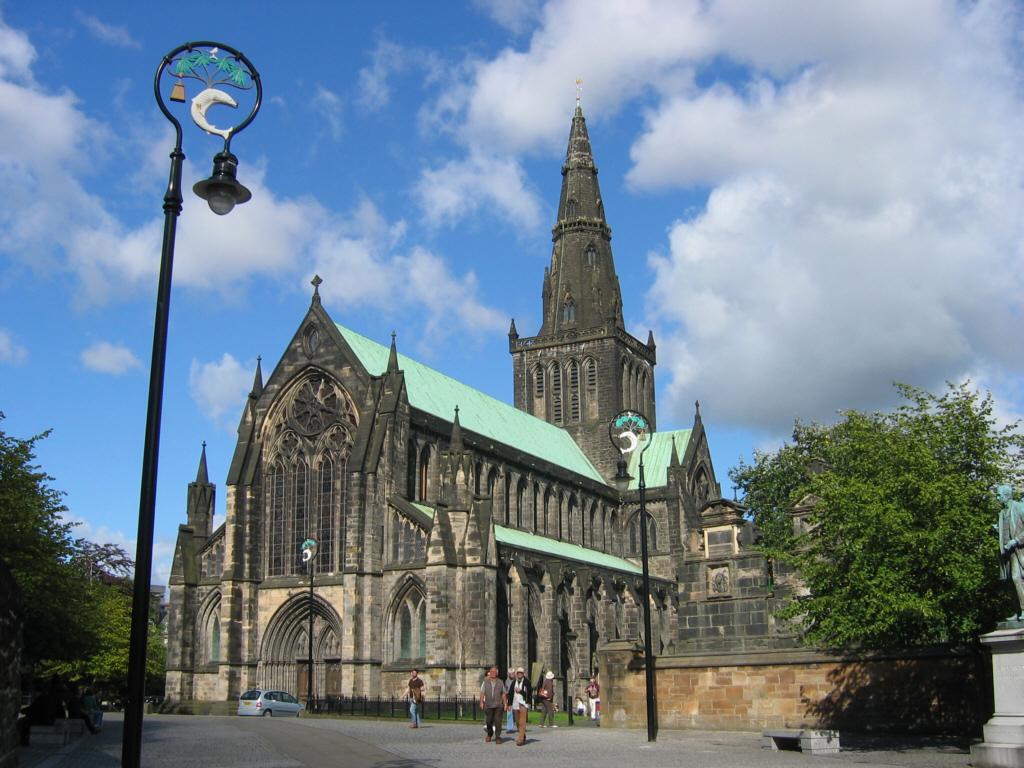
Looking beyond George Square? Discover Glasgow for broader travel guides, local hot-spots, and regional highlights.
Explore Glasgow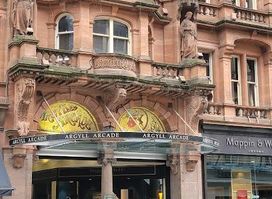
Discover Scotland’s oldest covered shopping arcade, a historic Victorian gem famed for exquisite jewellery and luxury watches in the heart of Glasgow.

Celebrate the legacy of James Watt, the Scottish inventor whose steam engine innovations powered the Industrial Revolution, in Glasgow’s historic George Square.