McLennan Arch, Glasgow Travel Guide
A neoclassical triumphal arch marking the historic gateway to Glasgow Green, embodying the city’s rich architectural and social heritage.
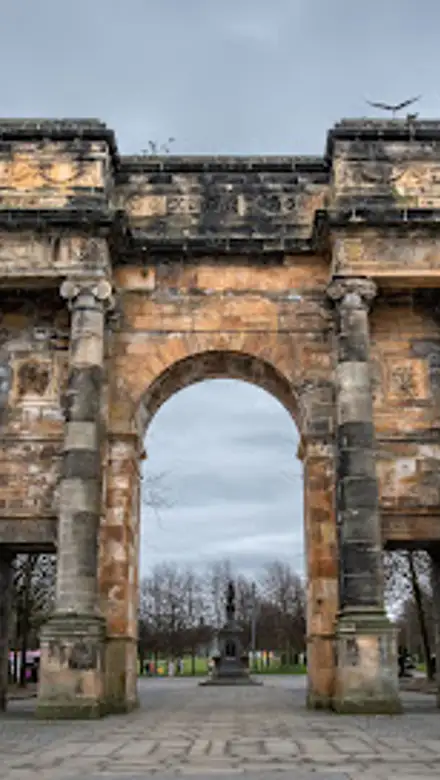
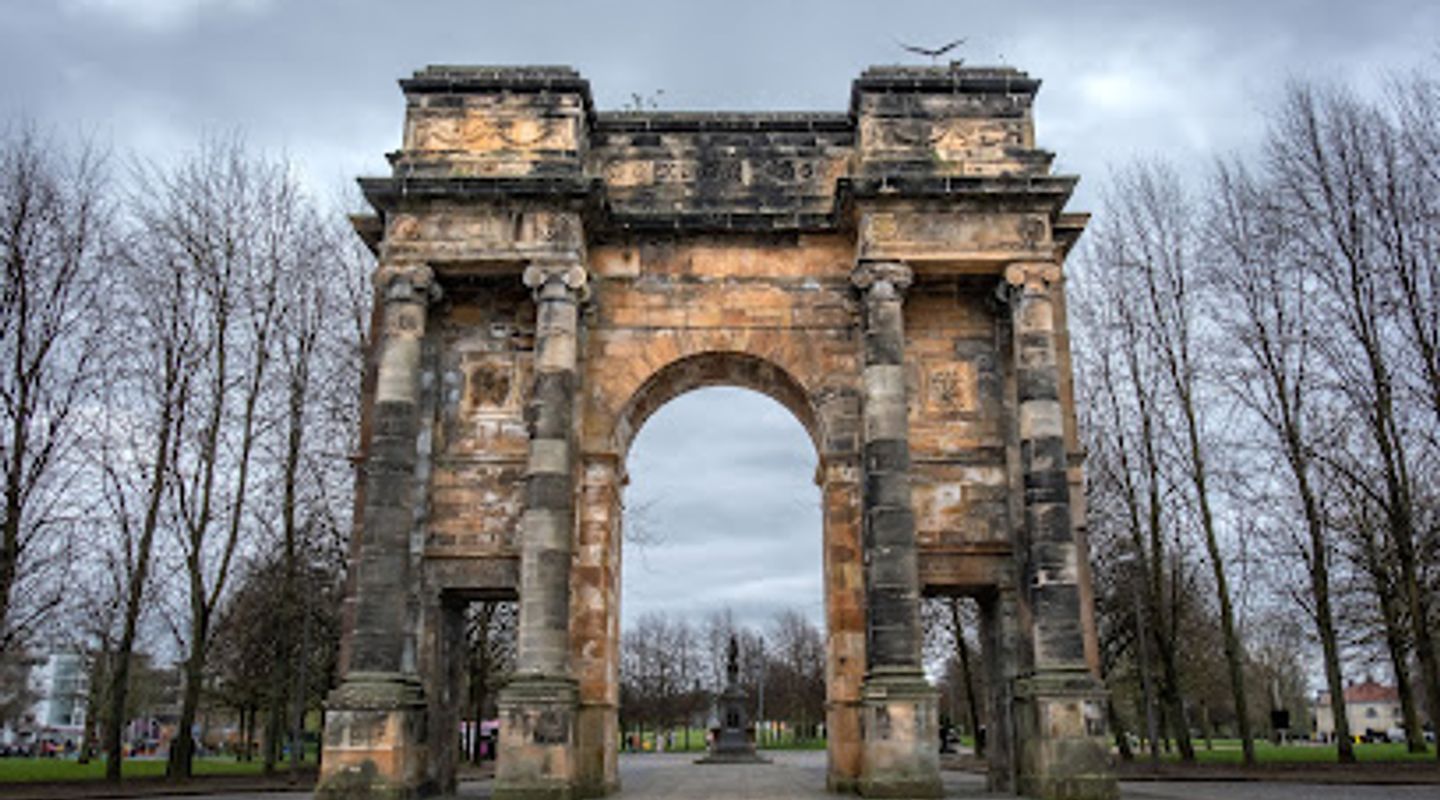
McLennan Arch is a classical triumphal arch located at the entrance to Glasgow Green, Glasgow’s oldest park. Originally part of the 18th-century Glasgow Assembly Rooms, this sandstone monument was preserved and relocated multiple times, now standing as a striking symbol of the city’s architectural heritage and social history. It offers a picturesque gateway blending neoclassical design with the vibrant atmosphere of Glasgow Green.
A brief summary to McLennan Arch
- Glasgow Green, Saltmarket, Glasgow, G1 5JZ, GB
- Click to display
- Duration: 0.5 to 1.5 hours
- Free
-
 Outdoor
- Mobile reception: 4 out of 5

Know before you go
Hi, I'm Eve. Here are a few practical things to know before exploring McLennan Arch.
- Visit during early morning or late afternoon to see the arch bathed in soft golden light, perfect for photography.
- Explore Glasgow Green beyond the arch to enjoy the park’s historic monuments and vibrant events.
- Look for the inscription dedicating the arch to the citizens by Bailie James McLennan, its benefactor.
- Combine your visit with nearby heritage sites such as the Old High Court and Nelson’s Monument.
Do you manage this location?
Take control to get all the benefits, like improved information, better appearance, and stronger visibility across AI-powered discovery. Learn more about listing your business on Evendo
Activate your presenceOther nearby places you may find interesting
The closest places of the same kind, if this one is not quite what you had in mind.


Explore McLennan Arch on the Map
A handpicked selection of must-see spots near McLennan Arch, mapped for you.
Unlock the Best of McLennan Arch
Buy tickets
-
No tickets available
Book tours with entry


Getting There
-
Public Transport
Take the Glasgow Subway to St Enoch Station, then walk approximately 15 minutes southeast through the city center to Glasgow Green. The subway runs every 5-10 minutes, with tickets costing around £1.50-£2.50 GBP.
-
Bus
Catch local buses from Buchanan Bus Station or central Glasgow towards the Saltmarket or Glasgow Green area. Journey times vary from 10 to 20 minutes depending on traffic. Single fares typically range from £1.80 to £3.00 GBP.
-
Walking
From George Square, enjoy a 20-minute walk southeast along well-paved urban streets to Glasgow Green. The terrain is flat and suitable for wheelchairs and strollers.
For the on-the-go comforts that matter to you
-
 Restrooms
-
 Seating Areas
-
 Information Boards
-
 Trash Bins
Discover more about McLennan Arch
An Architectural Relic of Glasgow’s Assembly Rooms
McLennan Arch was originally constructed in 1792 as the grand central feature of the Glasgow Assembly Rooms on Ingram Street. Designed by the renowned architect brothers Robert and James Adam, the arch was inspired by the triumphal arches of ancient Rome, embodying neoclassical elegance and civic pride. The Assembly Rooms served as a social hub for wealthy merchants and the city’s elite, hosting balls, dances, and intellectual gatherings. When the Assembly Rooms were demolished in 1890 to make way for city development, the arch was rescued by James McLennan, a prominent local merchant, who funded its preservation and relocation.Journey Through Time and Place
Since its rescue, McLennan Arch has been moved several times across Glasgow. Initially re-erected on Monteith Row in 1893, it was later relocated to Greendyke Street in 1922. Its current position, established in 1991, is at the western edge of Glasgow Green facing the Old High Court in the Saltmarket area. This mobility has earned it the nickname of Glasgow’s “most traveled monument.” Each move reflects Glasgow’s evolving urban landscape and the city’s commitment to preserving its historical landmarks amidst modernization.Setting Within Glasgow Green
Glasgow Green, the city’s oldest public park dating back to the 15th century, provides a verdant and historic setting for McLennan Arch. The park itself has witnessed centuries of social, political, and cultural events, from public executions in the 19th century to vibrant contemporary festivals. The arch stands as a dignified gateway to this green space, inviting visitors to explore the layered history and natural beauty of the area. Its sandstone façade contrasts with the lush parkland, creating a scenic and photogenic landmark.Symbolism and Cultural Significance
More than just an architectural remnant, McLennan Arch symbolizes Glasgow’s rich mercantile past and civic identity. The inscription on the arch credits Bailie James McLennan for gifting it to the citizens, underscoring the philanthropic spirit that helped preserve the city’s heritage. The arch’s classical design evokes ideals of triumph and civic grandeur, linking Glasgow to the broader European tradition of monumental architecture. It remains a favored backdrop for photographers, history enthusiasts, and visitors seeking a tangible connection to Glasgow’s past.Visual and Experiential Highlights
Visitors to McLennan Arch can appreciate its finely carved sandstone columns and the grandeur of its proportions, which are especially striking during the golden hours of early morning or late afternoon. The arch frames views into Glasgow Green, enhancing the experience of this historic park. Nearby, the Old High Court and other heritage buildings enrich the context, making the area a hub of architectural and historical interest. The arch also serves as a gateway to the many events and festivals held in the park, linking past and present community life.Preservation and Legacy
Today, McLennan Arch is protected as a category A listed structure, reflecting its importance to Glasgow’s cultural and architectural heritage. Its survival through demolition, relocation, and urban change is a testament to local dedication to heritage conservation. The arch not only commemorates the city’s 18th-century social scene but also stands as a symbol of resilience and continuity. It invites reflection on Glasgow’s transformation from a mercantile powerhouse to a modern vibrant city, with history visibly etched in its stone.












Your all‑in‑one travel companion app
Explore expert travel guides, compare and book tours, experiences, hotels, and more—all from the palm of your hand. Download now for seamless trip planning wherever your wanderlust takes you.


Explore More of Glasgow
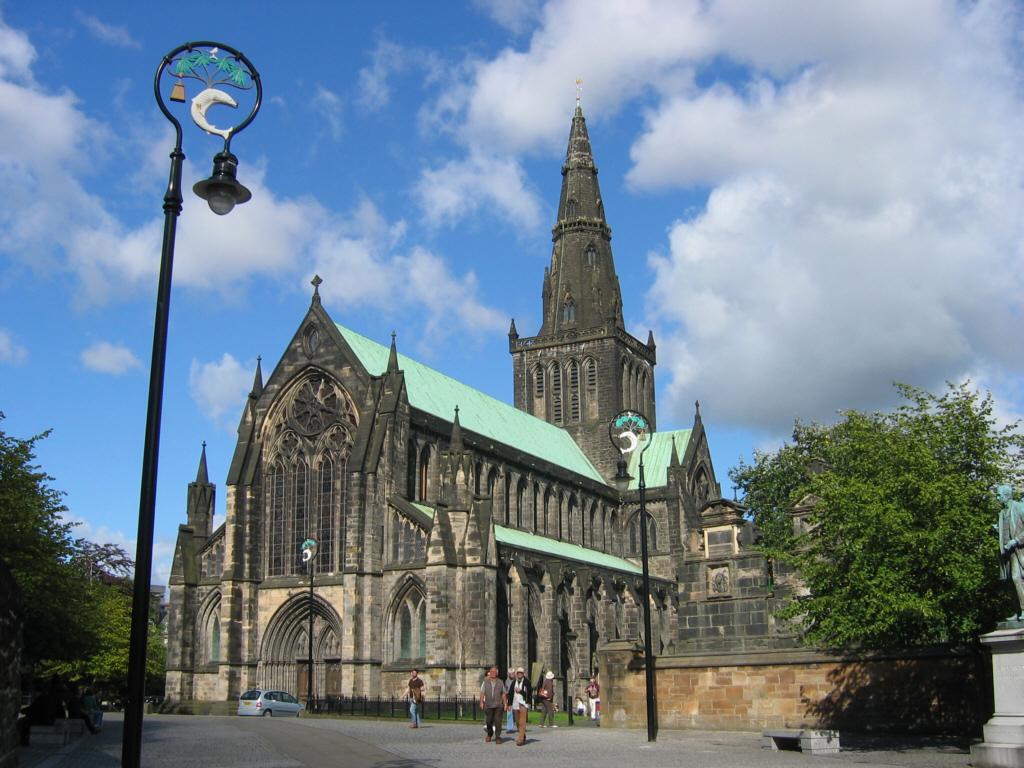
Looking beyond McLennan Arch? Discover Glasgow for broader travel guides, local hot-spots, and regional highlights.
Explore Glasgow