

Pontypool Park Travel Guide
Free Guide: Historic estate transformed into a vibrant community park where Georgian grandeur meets modern recreation.


A brief summary of Pontypool Park
Historic estate transformed into a vibrant community park where Georgian grandeur meets modern recreation.
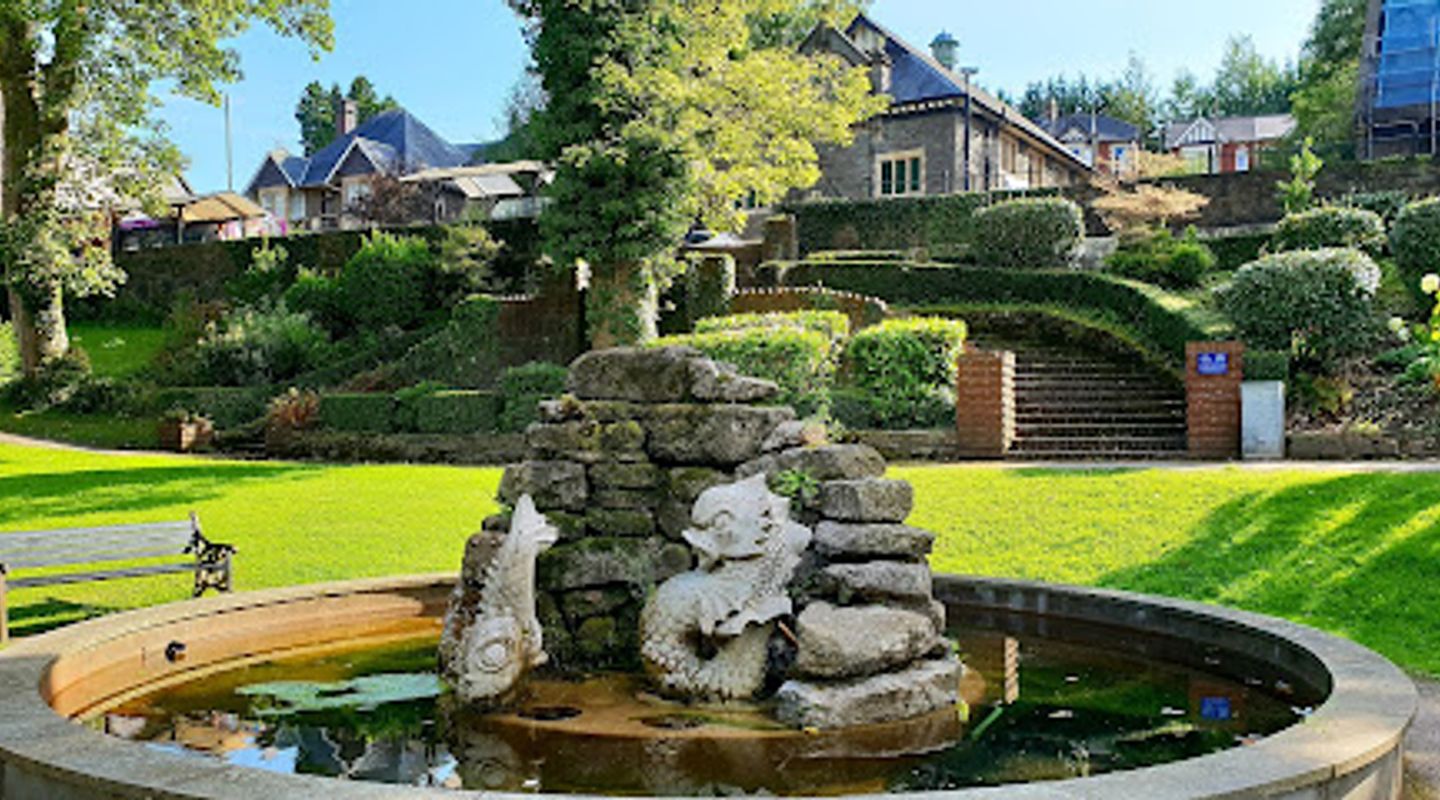
Pontypool Park, locally known as the People's Park, is a 64-hectare historic estate in Torfaen, Wales, featuring beautifully restored Italian Gardens, a Shell Grotto, ice houses, and the iconic Folly Tower. Originally laid out in the late 17th century for ironmaster John Hanbury, the park now offers diverse recreational facilities including woodland walks, children's playgrounds, tennis courts, a dry ski slope, and a rugby stadium. The grounds blend heritage conservation with modern amenities, making it an ideal destination for families, nature enthusiasts, and history buffs seeking both outdoor adventure and cultural exploration.
On-site amenities
 Restrooms
 Drink options
 Food options
 Seating areas
 Picnic areas
 Trash bins
 Information boards
 Visitor centre
Opening hours
- Every day8:30 am–5 pm
Opening hours as listed on the venue’s Google Business Profile. Hours can change for services and special events, so check with the venue before you go.
- Address
- Pontypool NP4 8AT
- Phone
- Website
Getting there
Public Bus
Private Vehicle
Walking from Town Centre
Cycling
Discover more about Pontypool Park
A Legacy of Iron and Elegance
Pontypool Park stands as a testament to 18th-century ambition and 21st-century community stewardship. Originally conceived in the closing years of the 17th century for John Hanbury, a wealthy ironmaster whose name became synonymous with Japanware production, the estate sprawled across what was then one of the most prosperous industrial regions of Wales. The landscape you walk today carries the fingerprints of generations—from Hanbury's original vision through the ambitious expansions of the 1830s, when his descendant Hanbury Leigh doubled the size of the house and commissioned the remarkable Shell Grotto that crowns the park's eastern heights. The grounds were acquired by the local authority in 1920, transforming a private estate into what locals affectionately call the People's Park, a democratic space where all are welcome.
Architectural Treasures and Historic Structures
The park's built heritage reads like a catalogue of Georgian and Victorian ambition. The Pontymoile Gates, originally positioned between Hanbury's residence and the stables before being relocated around 1835, frame the park's entrance with Grade II* listed distinction. The Shell Grotto, perched on a hilltop to the east, represents one of the park's most distinctive features—a whimsical Victorian creation adorned with shells and commanding panoramic views across the valley. The double ice house, positioned near the former Pontypool House, speaks to the practical luxuries of the pre-refrigeration era, now preserved with Grade II listing status. The former stables have been thoughtfully repurposed to house the Torfaen Museum, allowing visitors to explore the region's industrial heritage within a building that once served the estate's horses. The Folly Tower, accessible via public footpath through adjacent farmland, adds another layer of romantic eccentricity to the landscape.
Gardens, Woodlands, and Natural Character
The Italian Gardens, refurbished with Heritage Lottery Fund support, occupy the park's western periphery near the Afon Lwyd river, their formal geometric designs providing elegant contrast to the surrounding woodland. The park's 400-year-old hollow sweet chestnut tree, voted Welsh Tree of the Year in 2019, stands as a living monument to the estate's deep horticultural roots. Mixed woodland interspersed with open grassland creates a varied landscape that shifts seasonally—spring brings flowering displays, summer offers dense green canopy, autumn paints the trees in gold and crimson, and winter reveals the skeletal architecture of ancient oaks and chestnuts. The Nant-y-Gollen Ponds, originally a single millpond that powered a forge downstream, now provide habitat for waterfowl and aquatic life, creating peaceful focal points throughout the grounds. Three main avenues traverse the park, converging near the leisure centre at its heart, guiding visitors through different ecological zones and historical vistas.
Recreation and Contemporary Facilities
Beyond its heritage significance, Pontypool Park functions as a vibrant recreational hub. The Pontypool Active Living Centre anchors the park's facilities, offering a café, public toilets, and baby-changing amenities. A modern adventure playground caters to children of all ages, while a skate park serves the cycling and skateboarding community. Tennis courts, a bowling green, and pitch-and-putt facilities accommodate traditional sports enthusiasts. The dry ski slope, constructed in 1975, remains operational for winter sports training. Pontypool RFC's 8,800-capacity stadium hosts rugby matches and community events, while a bandstand serves as the focal point for the annual Jazz in the Park festival. Picnic areas and benches throughout the grounds invite leisurely gatherings, and extensive woodland paths provide routes for walkers of varying abilities.
Cultural Significance and Community Events
The park's cultural importance extends beyond its physical features. In 1923, a Gorsedd stone circle was established to prepare the grounds for hosting the 1924 National Eisteddfod of Wales, one of the nation's most significant cultural gatherings. The war memorial gates at the southern edge, erected in 1924 following Ruth Tenison's gift of the Italian Gardens to the town upon her coming of age, honour those lost in conflict. The annual Jazz in the Park festival transforms the grounds into a vibrant cultural venue, drawing music enthusiasts from across the region. These events underscore the park's role as more than a recreational space—it functions as the community's gathering place, where history, culture, and contemporary life intersect.
Access and Connectivity
Pontypool Park's location within the broader landscape enhances its significance. Footpath links from the park's northern boundary connect directly to Brecon Beacons National Park, allowing adventurous visitors to extend their exploration into Wales's most celebrated mountain landscape. The park itself occupies a large area east of Pontypool town centre, bounded by the Afon Lwyd river to the west and extending northward to St Alban's RC High School. Free parking at the Pontypool Active Living Centre car park provides direct access, while the park has served as a start and finish point for major cycling events including the Tour of Britain, testament to its accessibility and infrastructure. Dogs are welcome throughout the grounds provided they remain under control and owners dispose of waste responsibly.
Evendo Review Centre
 Google
Guest reviews
Best time to go
Quietest: Jan, Feb & Nov · before 6am or at 7pm
Busy times are Evendo estimates for a typical year, to help you plan. Actual crowds vary with events, school holidays and the weather.
Explore Pontypool Park on the map
A handpicked selection of must-see spots near Pontypool Park, mapped for you.
Get your free copy of our complete guide to Pontypool Park, delivered straight to you.
Everything on this page, from opening hours and how to get there to Eve’s tips and the best time to go, in one PDF you can read offline, print or share.
Already have an account? Sign in
Your Pontypool Park guide is ready.
We'll send it to · Not you? Sign out

Getting your guide ready…
We are putting together a fresh copy of the Pontypool Park guide. This can take up to a minute.
This can take a few moments. If your browser asks, choose Allow so the download can start. You'll find the guide in your Downloads folder.
Nothing happened? Download it again
Sorry, the guide is taking longer than usual. Please try again in a minute, or get it by email instead.
Other nearby places you may find interesting
The closest places of the same kind, if this one is not quite what you had in mind.
-
-
-
-
-


Swipe for more places
More to explore near Pontypool Park

 Best experiences near Pontypool Park
 Best hotels near Pontypool Park
 Best landmarks near Pontypool Park
 Best attractions near Pontypool Park
 Best shops near Pontypool Park
 Best restaurants near Pontypool Park
 Best bars near Pontypool Park
Do you manage this location?
Take control to get all the benefits, like improved information, better appearance, and stronger visibility across AI-powered discovery.
Explore more
Explore more of Gwent
Explore Gwent, a captivating blend of ancient history, picturesque landscapes, and vibrant culture in the heart of Wales.
Explore Gwent
Explore more of United Kingdom
Discover the United Kingdom: A blend of rich history, stunning landscapes, and vibrant cities, offering a unique travel experience for every visitor.
Explore United Kingdom
