Douai Abbey, Hampshire Travel Guide
Discover Douai Abbey, a serene Benedictine monastery blending rich English Catholic heritage with tranquil Berkshire countryside charm.
Douai Abbey, located in Upper Woolhampton near Reading, Berkshire, is a Benedictine monastery founded in 1615 in Paris and relocated to England in 1903. It blends rich historical legacy with serene countryside surroundings, featuring a Grade II* listed abbey church, modern monastery buildings, and beautiful gardens. The abbey hosts retreats, spiritual services, and concerts, offering visitors a peaceful place for reflection and cultural enrichment.
A brief summary to Douai Abbey
- Reading, Upper Woolhampton, RG7 5TQ, GB
- Click to display
- Click to display
- Duration: 1 to 3 hours
- Budget
-
 Outdoor
- Mobile reception: 4 out of 5
- Monday 6 am-8 pm
- Tuesday 6 am-8 pm
- Wednesday 6 am-8 pm
- Thursday 6 am-8 pm
- Friday 6 am-8 pm
- Saturday 6 am-8 pm
- Sunday 6 am-8 pm

Know before you go
Hi, I'm Eve. Here are a few practical things to know before exploring Douai Abbey.
- Attend one of the daily liturgies or sacred music concerts to experience the abbey’s spiritual and cultural life.
- Explore the abbey’s gardens and grounds for peaceful walks and quiet reflection in nature.
- Visit the abbey library and archives if you have an interest in monastic history and English Catholic heritage.
- Plan your visit during weekdays for a quieter atmosphere, as weekends and special events can be busier.
Do you manage this location?
Take control to get all the benefits, like improved information, better appearance, and stronger visibility across AI-powered discovery. Learn more about listing your business on Evendo
Activate your presenceOther nearby places you may find interesting
The closest places of the same kind, if this one is not quite what you had in mind.
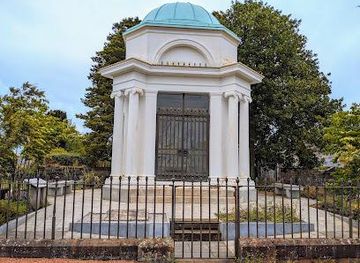
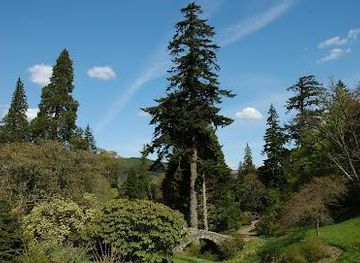

Explore Douai Abbey on the Map
A handpicked selection of must-see spots near Douai Abbey, mapped for you.
Getting There
-
Train and Taxi
From Reading railway station, take a taxi for a 15-20 minute ride to Douai Abbey. Trains to Reading run frequently from London and other regional hubs. Taxi fares typically range from £15 to £25.
-
Car
Driving from central Reading to Douai Abbey takes about 20 minutes via the A4 and local roads. Limited parking is available on-site, but note that the car park is unlit at night. There is no parking fee.
-
Bus and Walk
Local bus services run from Reading towards Woolhampton; from the nearest stop, it is a 20-30 minute walk on country lanes to the abbey. Buses operate several times daily but check schedules in advance. Walking terrain is mostly flat but rural.
For the on-the-go comforts that matter to you
-
 Restrooms
-
 Drink Options
-
 Food Options
-
 Seating Areas
-
 Information Boards
Discover more about Douai Abbey
Roots of an Enduring Monastic Community
Douai Abbey traces its origins to 1615 in Paris, where the community of St. Edmund was founded to serve English and Welsh Catholics during a time of religious exile. After the upheavals of the French Revolution, the monks settled in Douai, northern France, continuing their mission of training priests and ministering to Catholics. The community was forced to leave France in 1903 due to anti-clerical laws, relocating to Woolhampton in Berkshire, England, where they established Douai Abbey, preserving their centuries-old heritage.Architectural Evolution and Spiritual Heart
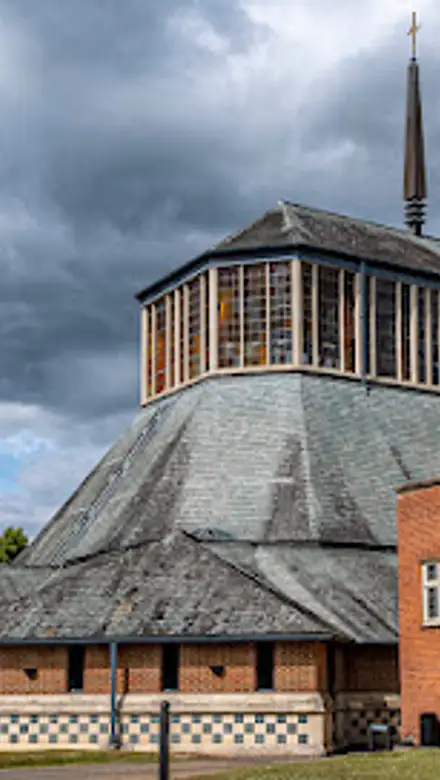
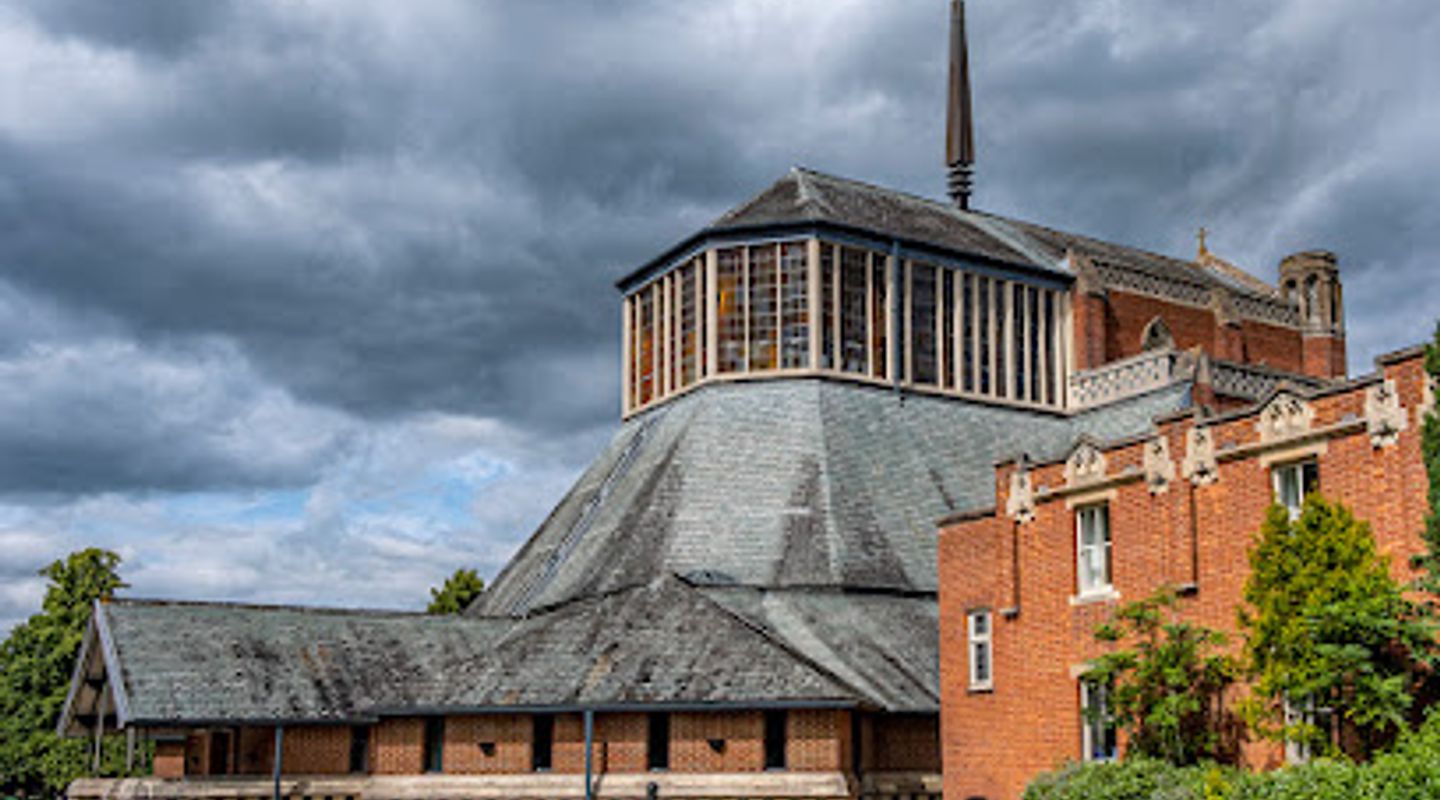
The abbey church, a Grade II* listed building, was initially opened in 1933 and completed in 1993, reflecting a blend of early 20th-century ecclesiastical architecture and later additions. The monastery complex was significantly expanded in the 1960s with modern buildings designed by Sir Frederick Gibberd, complementing the historic structures. The abbey church remains the spiritual heart of the community, where the monks celebrate the liturgy daily, and visitors can attend services or enjoy concerts of sacred music.Community Life and Outreach
Douai Abbey is home to a vibrant Benedictine community dedicated to prayer, hospitality, and pastoral work. The monks serve in parishes across England and Wales and welcome guests for retreats, spiritual courses, and conferences. The abbey’s library and archives hold valuable collections for research, underscoring its role as a center for study and cultural heritage. The peaceful gardens and grounds provide a tranquil setting for contemplation and connection with nature.Historical Significance and Jacobite Connections
The abbey maintains historic ties to the Stuart dynasty and the Jacobite cause, reflecting its deep roots in English Catholic history. The community honors St. Edmund, King and Martyr, their patron saint, symbolized in the abbey’s heraldry. Douai Abbey once ran Douai School until its closure in 1999, continuing its educational legacy. In 2005, monks returned to Douai, France, restoring historic links and fostering international monastic connections.Visitor Experience and Atmosphere
Visitors to Douai Abbey find a serene retreat in the Berkshire countryside, with opportunities to explore the abbey church’s stained glass and architecture, stroll the well-kept gardens, and participate in the abbey’s spiritual life. The welcoming community offers a unique glimpse into Benedictine monasticism, enriched by the abbey’s peaceful ambience and cultural events. The site balances historic significance with a living, active monastic presence.Preservation and Cultural Role Today
Douai Abbey continues to be a beacon of English Benedictine spirituality and heritage. It is actively preserved as a historic site and functions as a place of worship, learning, and hospitality. The abbey’s commitment to tradition and openness to visitors make it a distinctive destination for those interested in history, faith, and quiet reflection in a beautiful rural setting.












Your all‑in‑one travel companion app
Explore expert travel guides, compare and book tours, experiences, hotels, and more—all from the palm of your hand. Download now for seamless trip planning wherever your wanderlust takes you.


Explore More of Hampshire
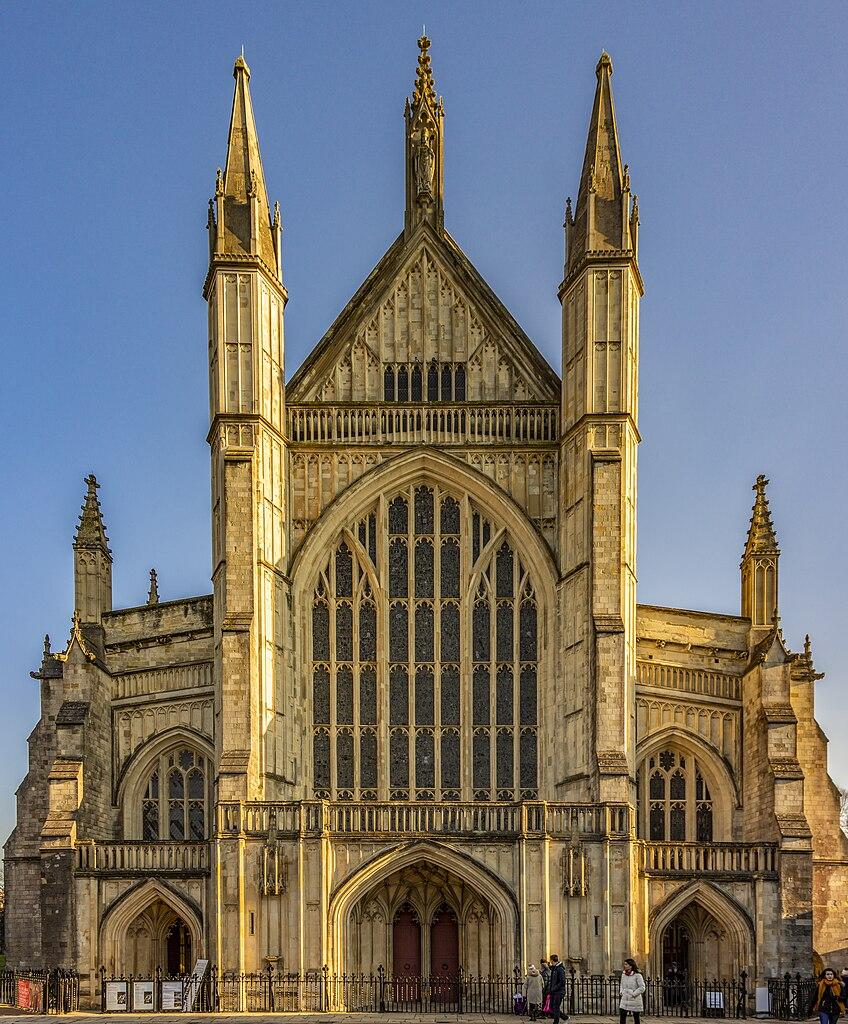
Looking beyond Douai Abbey? Discover Hampshire for broader travel guides, local hot-spots, and regional highlights.
Explore Hampshire
Explore centuries of history, enchanting gardens, and scenic Chilterns walks at the charming Tudor manor of Greys Court.

Discover hands-on farm life and magical deer encounters at Bucklebury Farm & Deer Safari Park, a perfect family day out in the English countryside.