

Free Hampshire Travel Guide & Mobile App
Explore Hampshire with free travel guides. Discover regional history, expert tips, proposed trips, and audio guides on web or mobile app.


Explore Hampshire for Winchester’s heritage, Portsmouth’s naval history, New Forest walks, South Downs landscapes and Solent coastal towns.
Read more about Hampshire
When is the best time to visit Hampshire?
Best: June–August · 21–24°C| Month | High (°C) | Rainfall (mm) |
|---|---|---|
| January | 7 | 65 |
| February | 7 | 55 |
| March | 11 | 60 |
| April | 14 | 50 |
| May | 18 | 55 |
| June (best) | 21 | 60 |
| July (best) | 24 | 65 |
| August (best) | 24 | 65 |
| September | 20 | 60 |
| October | 16 | 70 |
| November | 10 | 75 |
| December | 7 | 80 |
Getting to and around Hampshire
How to get there
Transportation
Top city travel guides in Hampshire
The cities of Hampshire, and the easiest places to base yourself.

Swipe for more cities
Best attractions in Hampshire
Hampshire’s attractions range from major heritage institutions to broad landscapes best experienced outdoors. Winchester Cathedral, the Great Hall and the remains of the medieval city form a concentrated historic core, while Portsmouth’s Historic Dockyard presents preserved ships and naval buildings connected with centuries of maritime power. Southampton adds medieval walls, museums and a working-port setting. Country-house attractions include Jane Austen’s House at Chawton, Highclere Castle in north Hampshire and the Beaulieu estate, whose abbey remains, house and motoring collections occupy a historic landscape near the New Forest. The New Forest National Park offers woodland, heath, cycling routes and walking among commoning landscapes, while the Hampshire section of the South Downs provides chalk ridges, valleys and long-distance paths. Along the Solent and its estuaries, birdwatching, sailing and coastal walks reveal habitats shaped by tides and shipping. Smaller museums, village churches, gardens and archaeological sites fill the spaces between the headline attractions, making the county particularly suitable for itineraries that combine cultural visits with walking or cycling.
-
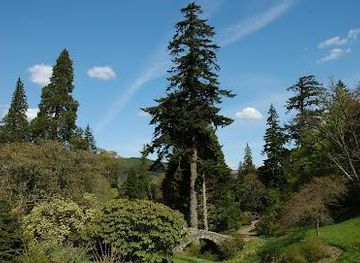
Botanical garden
Dawyck Botanic Garden
Explore 65 acres of stunning woodland, rare trees, and seasonal blooms at Dawyck Botanic Garden, a world-class arboretum near Peebles.
-
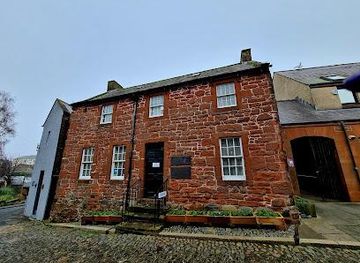
Tourist attraction
Robert Burns House
Explore the intimate final home of Robert Burns, Scotland’s national poet, and immerse yourself in his life and legacy in historic Dumfries.
-
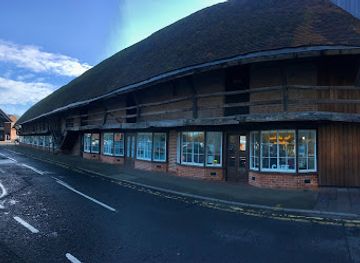
Museum
West Berkshire Museum
Explore West Berkshire’s rich history and heritage in Newbury’s iconic 17th-century Cloth Hall and Granary buildings with free entry and engaging exhibits.
-
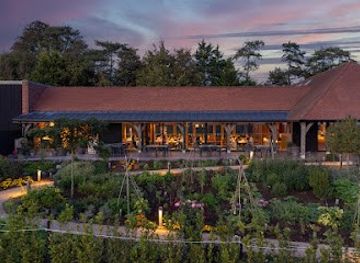
Winery
Hambledon Wine Estate
A chalk-downland vineyard in Hampshire where English sparkling wine, guided tastings, and long countryside views shape a leisurely visit.
Best landmarks in Hampshire
-
Chapel
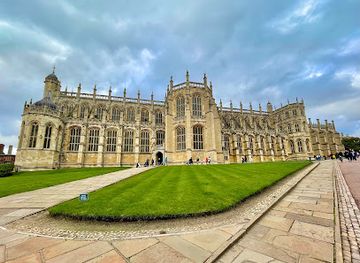
St George's Chapel
England's finest Gothic chapel and resting place of monarchs, where medieval craftsmanship meets royal history.
-
Park and Garden
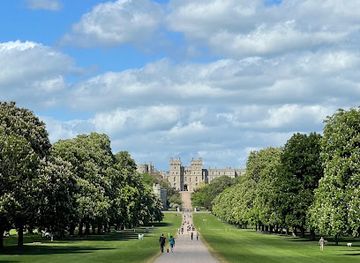
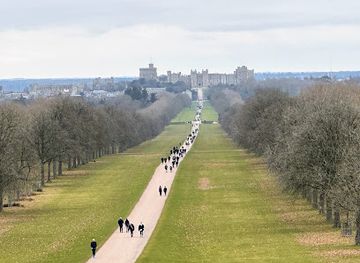
The Long Walk
A majestic 2.65-mile tree-lined avenue through royal parkland, framing Windsor Castle in the distance.
-
Sculpture
King George III & His Horse Statue
Majestic bronze statue of King George III atop Snow Hill, offering regal history and panoramic views in Windsor Great Park.
-
Historical landmark
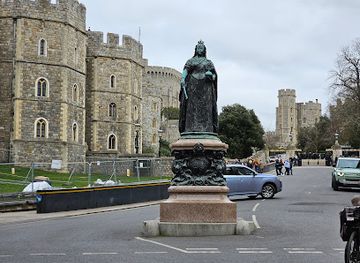
Queen Victoria Statue
A majestic bronze tribute to Queen Victoria’s Golden Jubilee, standing proudly at Windsor Castle’s entrance, celebrating Victorian royal heritage.
Explore Hampshire on the map
Plan your trip on one map. See where the top cities, national parks and sights are, and book hotels and experiences in a few clicks.
Best hotels in Hampshire
Best restaurants in Hampshire
Hampshire’s dining character is grounded in the produce of its chalk country, woodland, farms and coastal waters. Watercress, long associated with the county’s clear spring-fed streams, appears in soups, salads and contemporary menus, while New Forest and downland areas supply game, lamb, beef, dairy products and orchard produce. Chalk-stream trout and other freshwater fish feature in some local kitchens, and coastal towns such as Emsworth have connections with shellfish and oyster cultivation. Traditional pubs, village inns, farm cafés and tearooms sit alongside modern restaurants in Winchester, Southampton and Portsmouth. Local breweries, cider makers and vineyards provide regional drinks, although availability varies by producer. Farmers’ markets and food shops are useful for discovering cheese, bread, preserves, seasonal fruit and other Hampshire goods. Menus naturally differ by setting: seafront and harbour areas favour seafood, rural districts emphasise estate and farm produce, and the larger cities offer a wider range of international cuisines.
-
Indian
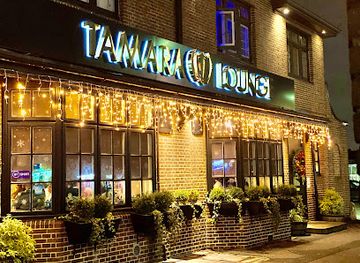
Tamara Lounge
Uxbridge's versatile dining and nightlife destination blending authentic cuisines with late-night entertainment.
-
Restaurant
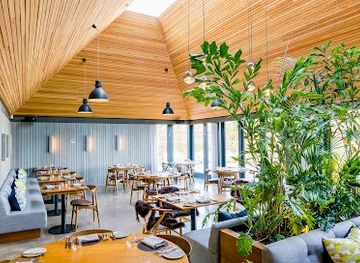
The Woodspeen Restaurant
Michelin-starred modern British cuisine in a charming farmhouse with seasonal menus, award-winning wines, and an adjoining cookery school near Newbury.
-
French
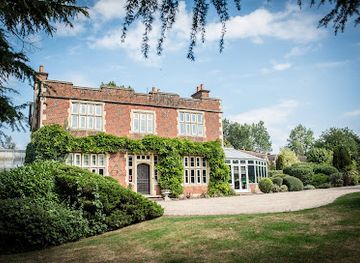
L'Ortolan
Experience the legacy of L'Ortolan, Reading’s iconic Michelin-starred French fine dining restaurant housed in a historic 1840s building.
Best bars in Hampshire
Nightlife in Hampshire is concentrated in Southampton, Portsmouth and Winchester rather than spread evenly across the county. Southampton has the broadest late-evening choice, including pubs, cocktail bars, live-music venues and clubs serving a large student and professional population. Portsmouth combines traditional pubs and contemporary bars with evening activity around the old city, the waterfront and Southsea, while Winchester’s nightlife is more compact and centred on pubs, wine bars, restaurants and occasional live performances. Outside these cities, evening culture usually means village pubs, historic inns, brewery taprooms, hotel bars and restaurants rather than a large club scene. The New Forest and South Downs are primarily day-and-early-evening destinations, so visitors staying in rural areas should plan transport back from dinner and avoid assuming that late services will be available. Seasonal events and performances change frequently, making local listings worth checking before travelling.
-
Cocktail bar
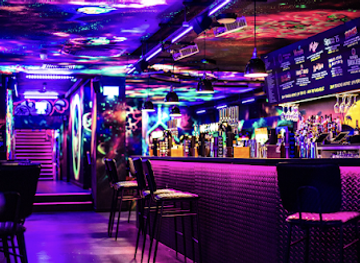
NQ64 Soho
Experience the ultimate retro arcade bar in Soho, where neon lights, classic games, and creative cocktails collide for unforgettable nights.
-
Cocktail bar
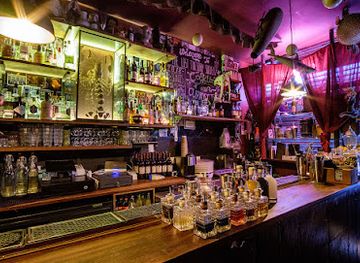
The Last Tuesday Society & Absinthe Parlour
Step into a Victorian-inspired absinthe parlour and museum of curiosities where the macabre meets cocktails in East London’s Hackney.
-
Cocktail bar
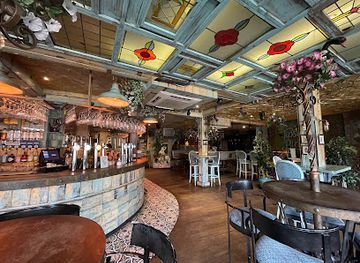
The Tipsy Bird
A quirky, vintage-inspired cocktail bar in Belfast city centre, famed for handcrafted drinks, lively events, and a vibrant social scene.
-
Bar
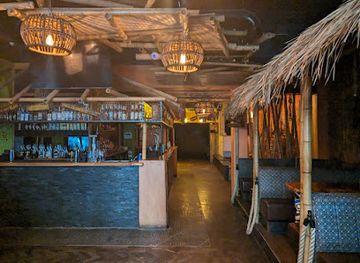
Bambu Beach Bar
Swansea’s vibrant Tiki-themed bar with tropical cocktails, live DJs, karaoke pods, and a rooftop terrace for year-round beach vibes.
Best nightclubs in Hampshire
Nightlife in Hampshire is concentrated in Southampton, Portsmouth and Winchester rather than spread evenly across the county. Southampton has the broadest late-evening choice, including pubs, cocktail bars, live-music venues and clubs serving a large student and professional population. Portsmouth combines traditional pubs and contemporary bars with evening activity around the old city, the waterfront and Southsea, while Winchester’s nightlife is more compact and centred on pubs, wine bars, restaurants and occasional live performances. Outside these cities, evening culture usually means village pubs, historic inns, brewery taprooms, hotel bars and restaurants rather than a large club scene. The New Forest and South Downs are primarily day-and-early-evening destinations, so visitors staying in rural areas should plan transport back from dinner and avoid assuming that late services will be available. Seasonal events and performances change frequently, making local listings worth checking before travelling.
-
Nightclub
Popworld - Reading
A vibrant pop-themed nightclub in Reading’s city centre, where retro beats meet neon-lit fun for unforgettable nights.
-
Nightclub
Q Club
Experience Reading’s energetic nightlife at Q Club, a lively nightclub and bar offering music, drinks, and late-night fun on Friar Street.


Best shops in Hampshire
-
Shopping Centre
Windsor Yards
A vibrant shopping destination blending modern retail with Windsor’s historic charm and community spirit.
-
Department store
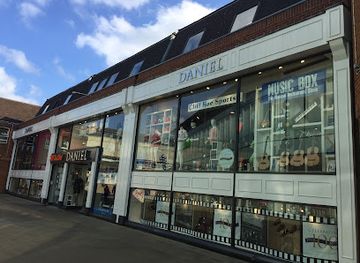
Daniel Department Store
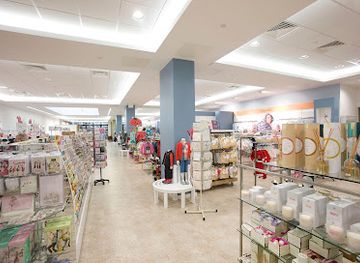
Historic family-run department store in Windsor offering luxury fashion, homeware, dining, and personalized services in a vibrant central location.
-
Shopping Centre
Windsor Royal Station
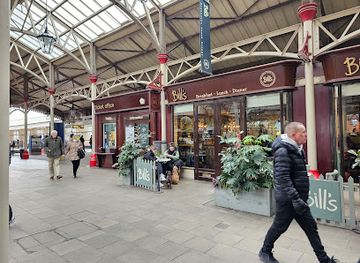
Independent shopping in a Victorian railway arch at the heart of historic Windsor.
-
Department store
Marks and Spencer
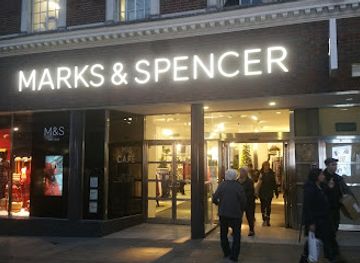
A reliable Marks & Spencer department store in central Windsor, offering fashion, homeware and a well-stocked food hall on Peascod Street.
Get your free copy of our complete guide to Hampshire, delivered straight to you.
Everything on this page, from attractions and restaurants to essentials and local phrases, in one PDF you can read offline, print or share.
Already have an account? Sign in
Your Hampshire guide is ready.
We'll send it to · Not you? Sign out

Getting your guide ready…
We are putting together a fresh copy of the Hampshire guide. This can take up to a minute.
This can take a few moments. If your browser asks, choose Allow so the download can start. You'll find the guide in your Downloads folder.
Nothing happened? Download it again
Sorry, the guide is taking longer than usual. Please try again in a minute, or get it by email instead.
Hampshire essentials
Currency and Payment
Safety
Emergency Situations
Do's and Don'ts
Local Tips
From Eve
Local phrases worth knowing
You don't need to get them perfect. A few words go a long way, and locals appreciate the effort.
Basics
| English | Local | Say it |
|---|---|---|
| Hello | Hello | [həˈloʊ] |
| Goodbye | Goodbye | [ɡʊdˈbaɪ] |
| Yes | Yes | [jɛs] |
| No | No | [noʊ] |
| Please/You're welcome | Please/You're welcome | [pliːz/ jʊər ˈwɛlkəm] |
| Thank you | Thank you | [θæŋk ju] |
| Excuse me/Sorry | Excuse me/Sorry | [ɪkˈskjuːz mi/ˈsɒri] |
| How are you? | How are you? | [haʊ ɑːr ju] |
| Fine. And you? | Fine. And you? | [faɪn. ənd ju] |
| Do you speak English? | Do you speak English? | [du ju spiːk ˈɪŋɡlɪʃ] |
| I don't understand | I don't understand | [aɪ doʊnt ˌʌndərˈstænd] |
Eating & Drinking
| English | Local | Say it |
|---|---|---|
| I'd like to see the menu, please | I'd like to see the menu, please | [aɪd laɪk tə siː ðə ˈmɛnjuː pliːz] |
| I don't eat meat | I don't eat meat | [aɪ doʊnt iːt miːt] |
| Cheers! | Cheers! | [tʃɪrz] |
| I would like to pay, please | I would like to pay, please | [aɪ wʊd laɪk tə peɪ pliːz] |
Emergencies
| English | Local | Say it |
|---|---|---|
| Help! | Help! | [hɛlp] |
| Go away! | Go away! | [ɡoʊ əˈweɪ] |
| Call the Police! | Call the Police! | [kɔl ðə pəˈliːs] |
| Call a doctor! | Call a doctor! | [kɔl ə ˈdɑktər] |
| I'm lost | I'm lost | [aɪm lɔst] |
| I'm ill | I'm ill | [aɪm ɪl] |
Shopping
| English | Local | Say it |
|---|---|---|
| I'd like to buy... | I'd like to buy... | [aɪd laɪk tə baɪ...] |
| I'm just looking | I'm just looking | [aɪm dʒʌst ˈlʊkɪŋ] |
| How much is it? | How much is it? | [haʊ mʌtʃ ɪz ɪt] |
| That's too expensive | That's too expensive | [ðæts tuː ɪkˈspɛnsɪv] |
| Can you lower the price? | Can you lower the price? | [kæn ju ˈloʊər ðə praɪs] |
Time & Numbers
| English | Local | Say it |
|---|---|---|
| What time is it? | What time is it? | [wɒt taɪm ɪz ɪt] |
| It's one o'clock | It's one o'clock | [ɪts wʌn əˈklɒk] |
| Half past (10) | Half past (10) | [hɑːf pɑːst (10)] |
| Morning | Morning | [ˈmɔrnɪŋ] |
| Afternoon | Afternoon | [ˌɑːftərˈnuːn] |
| Evening | Evening | [ˈiːvnɪŋ] |
| Yesterday | Yesterday | [ˈjɛstərdeɪ] |
| Today | Today | [təˈdeɪ] |
| Tomorrow | Tomorrow | [təˈmɔroʊ] |
| 1 | 1 | [wʌn] |
| 2 | 2 | [tuː] |
| 3 | 3 | [θriː] |
| 4 | 4 | [fɔːr] |
| 5 | 5 | [faɪv] |
| 6 | 6 | [sɪks] |
| 7 | 7 | [sɛvən] |
| 8 | 8 | [eɪt] |
| 9 | 9 | [naɪn] |
| 10 | 10 | [tɛn] |
Transport & Directions
| English | Local | Say it |
|---|---|---|
| Where's a/the...? | Where's a/the...? | [wɛrz ə/ðə...?] |
| What's the address? | What's the address? | [wɒts ði æˈdrɛs] |
| Can you show me (on the map)? | Can you show me (on the map)? | [kæn ju ʃoʊ mi (ɒn ðə mæp)?] |
| When's the next (bus)? | When's the next (bus)? | [wɛnʤ ðə nɛkst (bʌs)?] |
| A ticket (to ....) | A ticket (to ....) | [ə ˈtɪkɪt (tə ....)] |
History of Hampshire
Prehistoric Landscapes and Roman Hampshire
Hampshire’s chalk downs and river valleys contain evidence of settlement stretching back thousands of years, including prehistoric earthworks, burial sites and worked landscapes. The Romans developed roads, farms and settlements after the conquest of southern Britain, with Venta Belgarum, now Winchester, becoming an important administrative centre. Portchester Castle began as a late Roman fort guarding the eastern Solent, and its substantial surviving walls illustrate the strategic importance of the coast. Roman influence did not erase earlier communities, but it connected Hampshire more closely to imperial trade, administration and military networks.
Wessex and the Making of England
Winchester became the political centre of Wessex and later one of the principal capitals of Anglo-Saxon England. Kings including Alfred the Great and his successors used the city as an administrative and religious base, while the surrounding shires helped consolidate royal authority. The city’s importance continued after the Norman Conquest, when Winchester remained a major centre of government, finance and ecclesiastical power. The legacy of this period survives in the cathedral precinct, archaeological remains and the city’s enduring association with the formation of the English kingdom.
Medieval Ports, Castles and Religious Houses
During the medieval period, Hampshire’s position on the Solent supported trade, shipbuilding and military activity. Southampton developed as a significant port, while castles at places such as Portchester and Odiham reflected royal efforts to control routes and waterways. Religious foundations also shaped the landscape, notably Beaulieu Abbey, established in the thirteenth century by the Cistercians. Winchester Cathedral was rebuilt and expanded over centuries, becoming one of the major architectural and religious institutions of medieval England. These establishments connected local communities to national politics, overseas commerce and the church.
Tudor Maritime Power and the Solent
The Tudor monarchy strengthened Hampshire’s maritime role as England’s naval ambitions grew. Portsmouth became a principal royal dockyard, and Henry VIII’s warship Mary Rose was built and launched there in the sixteenth century. Coastal fortifications and dockyard facilities developed in response to changing naval technology and the threat of invasion. Southampton retained its commercial importance, while the Solent became a place where military vessels, merchant shipping and coastal communities met. The surviving dockyard buildings and historic ships in Portsmouth make this period particularly visible to visitors.
Agriculture, Estates and Rural Change
For centuries, Hampshire’s economy rested largely on farming, woodland management and the estates of landowning families. The chalk downs were cultivated for cereals and sheep, while the New Forest retained common rights, woodland industries and grazing practices that still influence its appearance. Country houses, parkland and village churches record the wealth generated by agriculture and administration. The eighteenth and nineteenth centuries brought improved roads, canals and agricultural methods, but they also altered long-established rural patterns. Hampshire’s modern countryside therefore reflects both managed estate landscapes and surviving commoning traditions.
Railways, Industry and the Growth of Southampton
The arrival of railways in the nineteenth century connected Hampshire more closely with London and the national economy. Southampton expanded as a commercial and passenger port, benefiting from rail links that made it an important point of departure for ocean travel. Portsmouth remained focused on naval construction and repair, while smaller towns gained markets for agricultural goods and local industries. Railway access also encouraged leisure travel to the coast and countryside. The county’s present settlement pattern, including the contrast between major urban centres and dispersed rural districts, owes much to these transport and industrial changes.
Twentieth-Century War and Modern Heritage
Hampshire played a major part in both world wars because of its ports, naval installations, airfields and proximity to the English Channel. Portsmouth and Southampton were heavily involved in mobilisation, shipping and wartime logistics, and the south coast became a departure area for the D-Day landings in 1944. The conflicts brought destruction and social change, followed by post-war rebuilding and the expansion of modern industry and services. Today, museums, memorials, preserved vessels and military sites help explain how the county’s maritime geography shaped national and international events.
Hampshire in Photos
Browse through our photo collection highlighting the charm and character of the destination.
Neighbouring regions of Hampshire
The closest regions to Hampshire, if you have time for more than one.
-

-

-

-

-


Swipe for more regions
Explore more

Explore more of United Kingdom
Discover the United Kingdom: A blend of rich history, stunning landscapes, and vibrant cities, offering a unique travel experience for every visitor.
Explore United Kingdom