

Free Hertfordshire Travel Guide & Mobile App
Explore Hertfordshire with free travel guides. Discover regional history, expert tips, proposed trips, and audio guides on web or mobile app.


Explore Hertfordshire for Roman St Albans, Chiltern walks, grand houses, garden-city design, market towns and countryside close to London.
Read more about Hertfordshire
When is the best time to visit Hertfordshire?
Best: June–August · 20–22°C| Month | High (°C) | Rainfall (mm) |
|---|---|---|
| January | 7 | 50 |
| February | 8 | 40 |
| March | 11 | 45 |
| April | 13 | 45 |
| May | 17 | 55 |
| June (best) | 20 | 60 |
| July (best) | 22 | 55 |
| August (best) | 22 | 60 |
| September | 19 | 55 |
| October | 15 | 60 |
| November | 11 | 65 |
| December | 8 | 65 |
Getting to and around Hertfordshire
How to get there
Transportation
Top city travel guides in Hertfordshire
The cities of Hertfordshire, and the easiest places to base yourself.

Swipe for more cities
Best attractions in Hertfordshire
Hertfordshire’s attractions range from Roman archaeology to designed landscapes and modern creative production. In St Albans, the Verulamium Museum, Roman theatre and surrounding park explain the scale of the ancient city, while the cathedral and historic centre trace the later religious and civic story. Hatfield House and Knebworth House offer contrasting experiences of aristocratic architecture, gardens and parkland, with seasonal events and access arrangements varying by venue. The Ashridge Estate near Berkhamsted is valued for woodland, commons and long-distance walking rather than for a single monument. The county’s canals, rivers and country lanes provide gentler outdoor recreation, while the Lea Valley supports waterside paths, wildlife habitats and cycling opportunities. Visitors interested in twentieth-century design can explore Welwyn Garden City and parts of Stevenage, where planned streets and open spaces reveal different approaches to modern town building. At Leavesden, the Warner Bros. Studio Tour London presents sets, props and production techniques associated with the Harry Potter films; advance timed booking is essential.
-
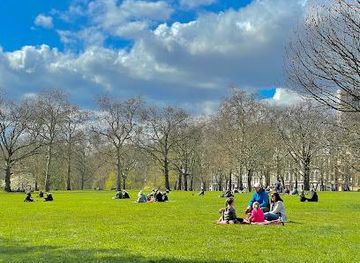
Park and Garden
The Green Park
A peaceful 40-acre Royal Park in London offering mature trees, war memorials, and serene lawns just steps from Buckingham Palace.
-
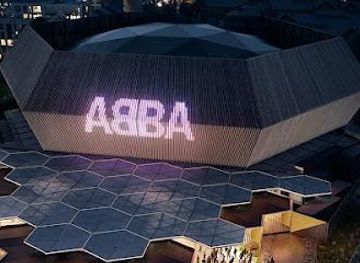
Live Music
ABBA Arena
Experience ABBA like never before in London’s cutting-edge ABBA Arena, where iconic music meets groundbreaking digital spectacle.
-
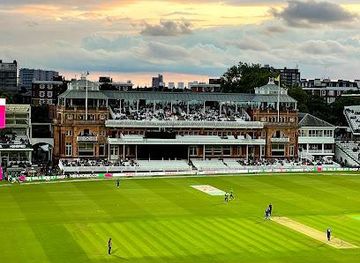
Cricket ground
Lord's Cricket Ground
Explore Lord's Cricket Ground, the historic and iconic 'Home of Cricket' in London, where tradition meets modern sporting excellence.
-
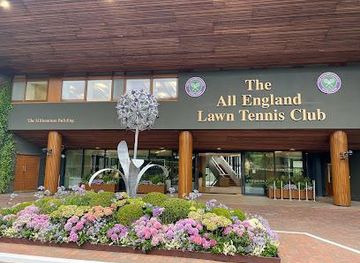
Tennis club
All England Lawn Tennis & Croquet Club
Historic home of Wimbledon, the world’s premier grass-court tennis championships, blending tradition, culture, and sporting excellence in London.
Best landmarks in Hertfordshire
The cathedral and abbey church of St Albans is Hertfordshire’s defining historic landmark, its long building incorporating Roman brick and standing above the remains of Verulamium. Nearby, the Roman theatre and earthworks give physical form to the county’s ancient urban history. Hertford Castle, set beside the River Lea, represents the town’s medieval importance, although the surviving site combines later remains with landscaped public grounds rather than a complete fortress. Hatfield House is one of the county’s most recognisable country-house landmarks, closely associated with the Cecil family and Elizabeth I. Knebworth House, with its distinctive Tudor-Gothic appearance, forms another prominent architectural silhouette in the western county. In the Chilterns, the wooded slopes and commons of Ashridge provide a natural landmark whose significance lies in landscape scale and continuity. Welwyn Garden City’s planned avenues and green spaces offer a different kind of landmark: an influential twentieth-century model of integrated housing, employment and open space.
-
Historical landmark
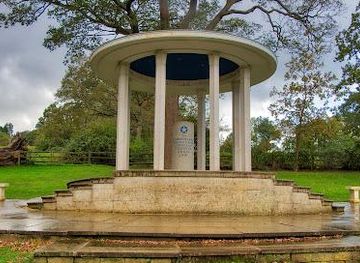
Magna Carta
Discover the historic meadow where Magna Carta was sealed, shaping modern liberty and the rule of law for centuries to come.
-
Historical landmark
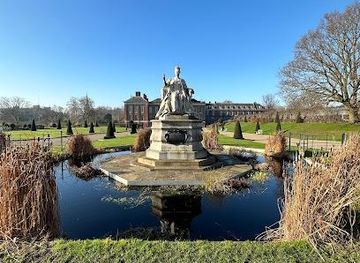
Queen Victoria Statue
A regal marble tribute to Queen Victoria by her daughter, set in the historic gardens of her birthplace, Kensington Palace.
-
Historical landmark
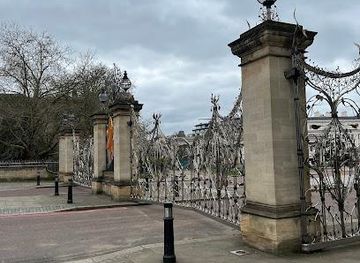
Queen Elizabeth Gate
A regal and artistic gateway honoring Queen Elizabeth The Queen Mother, marking the grand entrance to Hyde Park’s historic and vibrant green space.
-
War memorial
Commonwealth Memorial Gates
A solemn tribute in London honoring five million Commonwealth servicemen and women who fought bravely in the World Wars, blending cultural heritage and remembrance.

Explore Hertfordshire on the map
Plan your trip on one map. See where the top cities, national parks and sights are, and book hotels and experiences in a few clicks.
Best hotels in Hertfordshire
Best restaurants in Hertfordshire
Eating in Hertfordshire reflects the county’s position between London and the agricultural Midlands. Traditional pubs and rural inns remain important, especially in the Chiltern villages and around market towns, while St Albans, Hertford, Watford, Hitchin and Bishop’s Stortford provide the broadest choice of cafés, contemporary restaurants and international cuisines. Local food culture is more about produce and setting than a single signature dish: farm shops and markets sell seasonal fruit and vegetables, bread, cakes, cheeses and meat, while the Lea Valley has a long association with horticulture and market gardening. Menus often draw on British pub cooking, locally sourced ingredients and modern European influences. Hertfordshire’s historic brewing connections are reflected in the county’s pubs and independent beer culture, although the drinks available vary from town to town. Booking is sensible at popular restaurants and country inns, particularly at weekends or near major attractions.
-
British
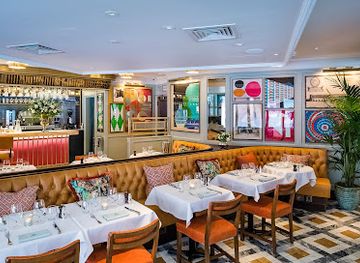
The Ivy St Albans Brasserie
Sophisticated British brasserie with Art Deco charm, generous portions, and a welcoming atmosphere in the heart of historic St Albans.
-
Pub
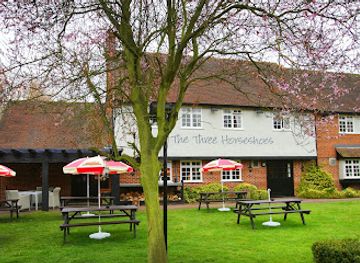
Three Horseshoes
A charming gastropub in Hertford blending traditional British fare with creative cuisine in a warm, family-friendly setting.
-
Gastropub
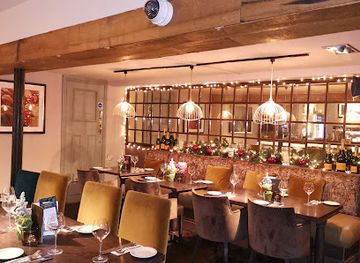
Cowper Arms Hertford
A charming Hertford gastropub blending traditional British fare with modern style and a welcoming atmosphere.
-
Gastropub
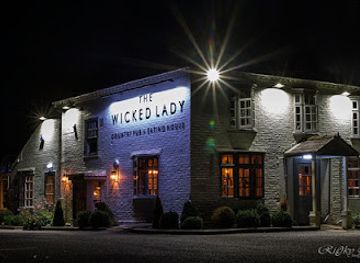
The Wicked Lady
A charming Hertfordshire gastropub blending rustic tradition with modern British cuisine in a warm, inviting countryside setting.
Best bars in Hertfordshire
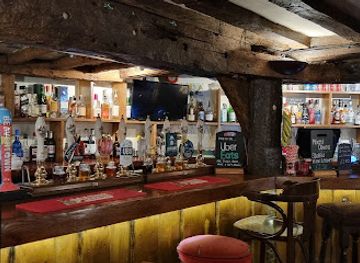
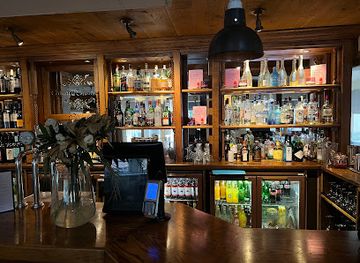
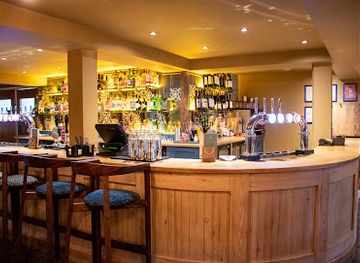
Nightlife in Hertfordshire is concentrated in its larger towns rather than spread evenly across the countryside. St Albans has the most established evening scene for many visitors, with traditional pubs, wine bars, contemporary bars, restaurants and live-music options around the centre. Watford offers a broader urban choice, including late venues and entertainment connected with its larger population, while Hertford, Hitchin, Stevenage and Bishop’s Stortford have smaller selections of pubs, cocktail bars, restaurants and occasional live performances. In rural villages, evenings generally centre on pubs, dining and community events rather than nightclubs. The county also has a strong pub tradition, ranging from historic inns to modern gastropubs, and some breweries and taprooms provide early-evening alternatives to conventional bars. Check current arrangements before travelling, as individual venues and late services change.
-
Pub
Ye Olde Fighting Cocks
Step into England’s oldest pub, where medieval heritage meets riverside charm and authentic British ales in St Albans.
-
Bar
Tamesis Dock
Experience vibrant live music and riverside views aboard Tamesis Dock, London's beloved floating bar and event venue on the Thames.
-
Pub
The Crooked Chimney
A cozy, rustic country pub in Lemsford offering hearty British fare and a warm, inviting atmosphere near Welwyn Garden City.
-
Pub
Three Horseshoes
A stylish gastropub in Watton at Stone blending traditional British charm with modern European cuisine and a welcoming village atmosphere.

Best nightclubs in Hertfordshire
Nightlife in Hertfordshire is concentrated in its larger towns rather than spread evenly across the countryside. St Albans has the most established evening scene for many visitors, with traditional pubs, wine bars, contemporary bars, restaurants and live-music options around the centre. Watford offers a broader urban choice, including late venues and entertainment connected with its larger population, while Hertford, Hitchin, Stevenage and Bishop’s Stortford have smaller selections of pubs, cocktail bars, restaurants and occasional live performances. In rural villages, evenings generally centre on pubs, dining and community events rather than nightclubs. The county also has a strong pub tradition, ranging from historic inns to modern gastropubs, and some breweries and taprooms provide early-evening alternatives to conventional bars. Check current arrangements before travelling, as individual venues and late services change.
-
Nightclub
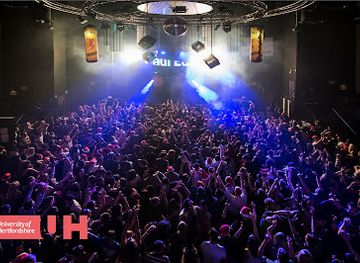
The Forum Hertfordshire
A lively nightclub and live music venue at University of Hertfordshire, hosting diverse cultural events and vibrant nightlife in Hatfield.
-
Nightclub
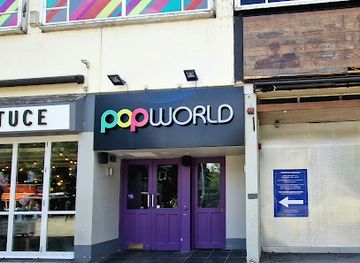
Popworld Watford
A vibrant late-night hotspot in Watford playing all your favorite 90s and 2000s pop classics with fun cocktails and a lively dancefloor.
-
Club
The Hertford Club
A historic private members’ club in Hertford, renowned for real ales, hearty home-cooked meals, and a vibrant social scene.
-
Cocktail bar
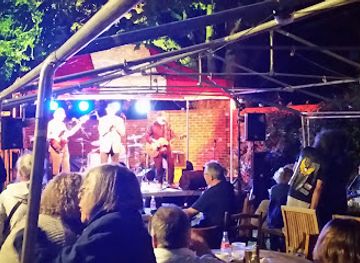
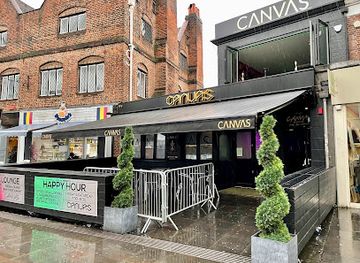
Canvas Bar & Nightclub
Experience vibrant nights of music, dancing, and cocktails at Canvas Bar & Nightclub in the heart of Watford’s High Street.
Best shops in Hertfordshire
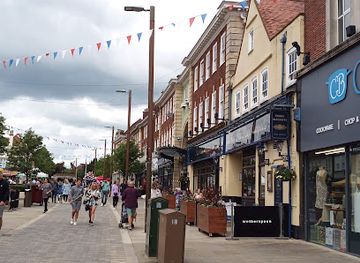
Shopping in Hertfordshire is strongest in its historic market towns and larger urban centres. St Albans combines national retailers with independent bookshops, clothing stores, cafés, food shops and regular market activity around the old centre, while Hertford offers a compact mix of independent businesses, galleries, antiques and everyday shopping. Hitchin is known for its attractive central streets and market-town atmosphere, with specialist shops and food retailers alongside larger chains. Watford provides the county’s most extensive mainstream retail choice, including shopping-centre and high-street outlets, while Welwyn Garden City has a planned town centre with a broad range of shops. In rural districts, farm shops, garden centres, estate shops, village stores and occasional farmers’ markets are more useful for local produce than for general retail. Good regional purchases include beer, preserves, bread, cakes, cheese, seasonal produce, books about local history and thoughtfully made crafts rather than generic souvenirs.
-
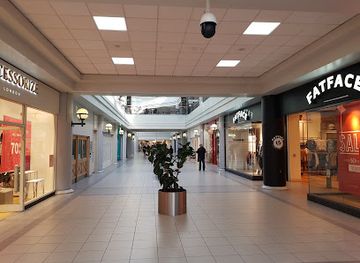
Shopping Centre
The Howard Centre
Welwyn Garden City’s vibrant shopping centre offering diverse stores, dining, and community events in a welcoming, accessible setting.
-
Shopping Centre
Garden Square Shopping Centre
A vibrant shopping hub in Letchworth Garden City offering diverse stores, dining, and community events in a convenient central location.
-
Shopping Centre
Christopher Place Shopping Centre
A stylish open-air shopping and dining destination at the heart of historic St Albans with top brands and family-friendly charm.
-
Chocolate shop
Charbonnel et Walker
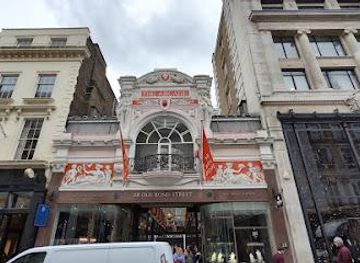
Britain’s first luxury chocolatier since 1875, nestled in Mayfair’s Royal Arcade – where tradition, truffles and royal patronage meet in every exquisite box.
Get your free copy of our complete guide to Hertfordshire, delivered straight to you.
Everything on this page, from attractions and restaurants to essentials and local phrases, in one PDF you can read offline, print or share.
Already have an account? Sign in
Your Hertfordshire guide is ready.
We'll send it to · Not you? Sign out

Getting your guide ready…
We are putting together a fresh copy of the Hertfordshire guide. This can take up to a minute.
This can take a few moments. If your browser asks, choose Allow so the download can start. You'll find the guide in your Downloads folder.
Nothing happened? Download it again
Sorry, the guide is taking longer than usual. Please try again in a minute, or get it by email instead.
Hertfordshire essentials
Currency and Payment
Safety
Emergency Situations
Do's and Don'ts
Local Tips
From Eve
Local phrases worth knowing
You don't need to get them perfect. A few words go a long way, and locals appreciate the effort.
Basics
| English | Local | Say it |
|---|---|---|
| Hello | Hello | [həˈləʊ] |
| Goodbye | Goodbye | [ɡʊdˈbaɪ] |
| Yes | Yes | [jɛs] |
| No | No | [nəʊ] |
| Please/You're welcome | Please/You're welcome | [pliːz/jɔːr ˈwɛlkəm] |
| Thank you | Thank you | [θæŋk juː] |
| Excuse me/Sorry | Excuse me/Sorry | [ɪkˈskjuːz miː/ˈsɒri] |
| How are you? | How are you? | [haʊ ɑːr juː] |
| Fine. And you? | Fine. And you? | [faɪn. ənd juː] |
| Do you speak English? | Do you speak English? | [duː juː spiːk ˈɪŋɡlɪʃ] |
| I don't understand | I don't understand | [aɪ doʊnt ˌʌndərˈstænd] |
Eating & Drinking
| English | Local | Say it |
|---|---|---|
| I'd like to see the menu, please | I'd like to see the menu, please | [aɪd laɪk tə siː ðə ˈmɛnjuː, pliːz] |
| I don't eat meat | I don't eat meat | [aɪ doʊnt iːt miːt] |
| Cheers! | Cheers! | [tʃɪrz] |
| I would like to pay, please | I would like to pay, please | [aɪ wʊd laɪk tə peɪ, pliːz] |
Emergencies
| English | Local | Say it |
|---|---|---|
| Help! | Help! | [hɛlp] |
| Go away! | Go away! | [ɡoʊ əˈweɪ] |
| Call the Police! | Call the Police! | [kɔːl ðə pəˈliːs] |
| Call a doctor! | Call a doctor! | [kɔːl ə ˈdɒktə] |
| I'm lost | I'm lost | [aɪm lɒst] |
| I'm ill | I'm ill | [aɪm ɪl] |
Shopping
| English | Local | Say it |
|---|---|---|
| I'd like to buy... | I'd like to buy... | [aɪd laɪk tə baɪ...] |
| I'm just looking | I'm just looking | [aɪm dʒʌst ˈlʊkɪŋ] |
| How much is it? | How much is it? | [haʊ mʌtʃ ɪz ɪt] |
| That's too expensive | That's too expensive | [ðæts tuː ɪkˈspɛnsɪv] |
| Can you lower the price? | Can you lower the price? | [kæn juː ˈloʊər ðə praɪs] |
Time & Numbers
| English | Local | Say it |
|---|---|---|
| What time is it? | What time is it? | [wɒt taɪm ɪz ɪt] |
| It's one o'clock | It's one o'clock | [ɪts wʌn əˈklɒk] |
| Half past (10) | Half past (10) | [hɑːf pɑːst (10)] |
| Morning | Morning | [ˈmɔːnɪŋ] |
| Afternoon | Afternoon | [ˌɑːftəˈnuːn] |
| Evening | Evening | [ˈiːvnɪŋ] |
| Yesterday | Yesterday | [ˈjɛstədeɪ] |
| Today | Today | [təˈdeɪ] |
| Tomorrow | Tomorrow | [təˈmɒrəʊ] |
| 1 | 1 | [wʌn] |
| 2 | 2 | [tuː] |
| 3 | 3 | [θriː] |
| 4 | 4 | [fɔːr] |
| 5 | 5 | [faɪv] |
| 6 | 6 | [sɪks] |
| 7 | 7 | [sɛvən] |
| 8 | 8 | [eɪt] |
| 9 | 9 | [naɪn] |
| 10 | 10 | [tɛn] |
Transport & Directions
| English | Local | Say it |
|---|---|---|
| Where's a/the...? | Where's a/the...? | [wɛrz ə/ðə...?] |
| What's the address? | What's the address? | [wɒts ðə əˈdrɛs] |
| Can you show me (on the map)? | Can you show me (on the map)? | [kæn juː ʃoʊ miː (ɒn ðə mæp)?] |
| When's the next (bus)? | When's the next (bus)? | [wɛnʤ ðə nɛkst (bʌs)?] |
| A ticket (to....) | A ticket (to....) | [ə ˈtɪkɪt (tə....)] |
History of Hertfordshire
Prehistoric Landscapes and Ancient Trackways
Hertfordshire’s chalk hills, river valleys and fertile soils attracted settlement long before written history. Archaeological evidence includes prehistoric burial sites, enclosures, tools and field systems, while ancient routes across the Chilterns and along the Lea Valley helped connect communities. Royston’s cave, an underground chamber decorated with medieval carvings, is later in date but reflects the long cultural importance of the local landscape. Although much of the county is now cultivated or urbanised, earthworks, crop marks and surviving routeways indicate how early movement and farming shaped its geography.
Verulamium and Roman Hertfordshire
The Roman city of Verulamium, beside modern St Albans, was one of the largest and most influential towns in Roman Britain. It developed near the settlement of the Catuvellauni and gained major civic buildings, a theatre, temples, roads and substantial houses decorated with mosaics. The city was damaged during the revolt led by Boudica in AD 60 or 61 but was rebuilt and expanded. Its remains, museum collections and surviving earthworks provide the clearest view of Roman urban life in the county, while Roman roads helped establish Hertfordshire’s lasting role as a corridor between London and the Midlands.
The Medieval Abbey and St Albans
After the Roman period, the cult of Alban, traditionally regarded as Britain’s first Christian martyr, gave the settlement lasting religious importance. A monastery was established and grew into St Albans Abbey, whose medieval church incorporated Roman brick and reused materials from Verulamium. The abbey became one of England’s major pilgrimage centres, and the town prospered through religion, markets and its position on the route north from London. The surviving cathedral and abbey precinct, together with the medieval street plan and market traditions, remain among Hertfordshire’s most important historical legacies.
Castles, Estates and County Administration
The Norman and later medieval periods left Hertfordshire with castles, religious houses and powerful landed estates. Hertford Castle developed as a royal stronghold beside the River Lea, while Berkhamsted Castle guarded an important route through the Chilterns. From the Tudor period onwards, families such as the Cecils accumulated influence and property, most visibly at Hatfield. Hertford became the county town, and the network of market towns, churches and manor houses established patterns of administration and landownership that continued long after castles ceased to have military importance.
Canals, Roads and the Industrial Revolution
Hertfordshire never became a heavily industrialised county on the scale of the northern manufacturing regions, but transport improvements transformed its economy. The Grand Junction Canal, now the Grand Union Canal, connected the west of the county with London and the Midlands, supporting trade in agricultural goods, building materials and coal. Turnpike roads and later railways accelerated the growth of market towns and encouraged commuting. Ware, Hertford, Hemel Hempstead and other settlements became linked to wider commercial networks, while brewing, milling, paper-making and small manufacturing added to the county’s economic diversity.
Garden Cities and Planned Expansion
The twentieth century brought ambitious experiments in town planning. Welwyn Garden City, founded in 1920 by Ebenezer Howard’s movement, combined housing, industry, open space and carefully planned neighbourhoods according to the garden-city ideal. After the Second World War, Stevenage became Britain’s first designated new town, followed by major expansion at places including Hemel Hempstead and Hatfield. These developments reshaped Hertfordshire’s population and architecture, creating broad avenues, landscaped housing areas and new employment districts while leaving older market towns and villages embedded within the wider county.
Aviation, Technology and the Modern Economy
Hertfordshire played an important role in Britain’s aviation and technology history. Hatfield became associated with the de Havilland company, whose aircraft design and manufacturing brought skilled employment and international recognition to the area. The industry’s legacy survives in local collections, public art and the identity of the modern town. Later, research, pharmaceuticals, film production, information technology and logistics added new dimensions to the county economy. Leavesden’s studios, in particular, reflect Hertfordshire’s continuing connection with engineering, creative production and large-scale technical work.
Hertfordshire in Photos
Browse through our photo collection highlighting the charm and character of the destination.
Neighbouring regions of Hertfordshire
The closest regions to Hertfordshire, if you have time for more than one.
-

-

-
-

-


Swipe for more regions
Explore more

Explore more of United Kingdom
Discover the United Kingdom: A blend of rich history, stunning landscapes, and vibrant cities, offering a unique travel experience for every visitor.
Explore United Kingdom