

Buckinghamshire, United Kingdom Travel Guide
Discover Buckinghamshire: A blend of picturesque countryside, historical landmarks, and vibrant market towns in the heart of England.
Buckinghamshire, often affectionately called 'Bucks', is a picturesque county located in the South East of England. Known for its rolling hills, ancient woodlands, and quaint villages, Buckinghamshire offers a perfect blend of natural beauty and rich history. The Chiltern Hills, an Area of Outstanding Natural Beauty, is a must-visit for nature enthusiasts, offering endless walking trails and scenic views. The county is also steeped in history, with numerous stately homes and gardens to explore. Waddesdon Manor, a stunning French Renaissance-style château, and Stowe House, with its breathtaking landscaped gardens, provide a glimpse into the opulent lifestyles of historical British aristocracy. For literary lovers, the Roald Dahl Museum in Great Missenden offers an enchanting journey through the life and works of the beloved children's author. Buckinghamshire's market towns, such as Amersham and Marlow, are perfect for leisurely strolls, offering a mix of boutique shops, delightful cafes, and traditional pubs. The county is easily accessible from London, making it an ideal destination for day trips or weekend getaways. With its charming countryside, historical landmarks, and cultural attractions, Buckinghamshire promises a delightful and enriching travel experience.

Know before you go
Hi, I'm Eve. Here are a few practical things to know before exploring Buckinghamshire.
- Visit the Chiltern Hills for scenic walking trails and stunning views.
- Explore Waddesdon Manor and Stowe House to experience British aristocracy.
- Stop by the Roald Dahl Museum in Great Missenden for a literary treat.
- Enjoy a leisurely stroll through market towns like Amersham and Marlow.
- Plan your visit for spring or autumn to enjoy the best weather and scenery.
- Take advantage of the short train journey from London for a convenient day trip.
Top City Travel Guides in Buckinghamshire
The cities of Buckinghamshire, and the easiest places to base yourself.


Explore Buckinghamshire: Things to Do, Places to Eat, Hotels & More
Handpicked recommendations for top attractions, local dining, accommodations, and more

Top Attractions & Sightseeing in Buckinghamshire
Top-rated picks
Best Attractions

St Albans Cathedral
Explore Britain’s oldest site of continuous Christian worship, blending Norman architecture, medieval art, and a rich spiritual heritage in St Albans.

The State Apartments
Explore the lavish State Apartments at Windsor Castle, where royal history, art masterpieces, and grand ceremonies come alive in a stunning architectural setting.

Verulamium Park
Explore 100 acres of Roman history, scenic lakes, family fun, and sports facilities in the heart of St Albans at Verulamium Park.

Knebworth House
Explore centuries of history, stunning gardens, and family adventures at the iconic Knebworth House in Hertfordshire.

Best landmarks in Buckinghamshire
Top-rated picks
Best Landmarks

Magna Carta
Explore Runnymede’s tranquil meadow where Magna Carta was sealed, shaping centuries of liberty and justice worldwide.

The Clock Tower
Explore England’s only medieval town belfry, a symbol of St Albans’ historic defiance and vibrant heritage with panoramic views and rich stories.

Gothic Temple
An enchanting 18th-century Gothic folly nestled in the historic Stowe Landscape Gardens, offering stunning views and timeless architectural beauty.

RAF Bicester
Explore RAF Bicester, the UK’s most complete interwar bomber airfield, where history and heritage aviation unite in a unique living museum.

Best restaurants in Buckinghamshire
Top-rated picks
Best Restaurants

The Three Oaks
A Michelin Bib Gourmand gastropub blending modern British cuisine with Asian flair in a charming Tudor-style setting.
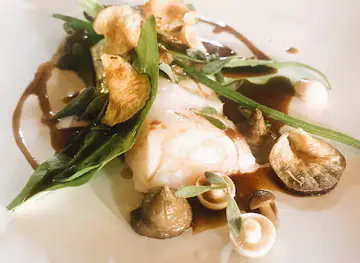
Allium Dining
Intimate farm-to-table dining in Buckinghamshire, where seasonal British produce meets creative culinary artistry.

Bell Aston Clinton
A stylish gastropub blending classic British charm with modern comfort, offering great food, drinks, and cozy accommodation in Buckinghamshire.

King & Lamb Restaurant
Elegant British dining in a historic country house setting with superb roasts, vegan options, and a tranquil garden atmosphere.

Best bars in Buckinghamshire
Top-rated picks
Best Bars

The Botanist Marlow
A lush, botanical-themed bar and restaurant in Marlow, alive with seasonal menus, inventive cocktails, and vibrant live music every weekend.

The Grand Junction
A vibrant Mediterranean-inspired pub in Buckingham with wood-fired pizzas, cozy bar, private function room, and charming courtyard dining.

The King's Head, Aylesbury
Historic 15th-century coaching inn in Aylesbury with authentic Chiltern Brewery ales, hearty British fare, and a charming cobbled courtyard.

The Oarsman, Marlow
Sophisticated gastropub in Marlow blending seasonal British cuisine, curated wines, and warm hospitality in a stylish setting.

Best nightclubs in Buckinghamshire
Top-rated picks
Best Nightclubs

Garudaa
A spacious, welcoming gentlemen’s club in Milton Keynes offering VIP areas, game rooms, and late-night entertainment in a relaxed, darkly lit setting.

Mirage Aylesbury
Experience Aylesbury’s vibrant nightlife at Mirage, a lively nightclub offering music, dancing, and late-night fun in the heart of town.

Pink Punters
Milton Keynes’ dynamic multi-room nightclub blending diverse music, vibrant crowds, and a lively late-night party atmosphere.

TWC
Experience the vibrant nightlife and energetic party scene at TWC, Aylesbury’s premier nightclub destination.

Best shops in Buckinghamshire
Top-rated picks
Best Shops

Aylesbury Shopping Park
Aylesbury Shopping Park offers diverse shops, eateries, and leisure facilities just minutes from town centre with convenient parking and family-friendly amenities.

Friars Square Shopping Centre
Aylesbury’s premier shopping destination offering diverse stores, modern amenities, and a welcoming atmosphere in the heart of town.

House of Wonders
Discover Oxford’s enchanting House of Wonders, a premier Harry Potter gift shop blending magical merchandise with local charm in the city centre.

John Lewis & Partners
A trusted British department store blending quality, style, and service in the heart of High Wycombe’s Cressex Centre.

Explore Buckinghamshire on the Map
A handpicked selection of must-see spots in Buckinghamshire, mapped for you.
Buckinghamshire Essentials
-
Buckinghamshire is well-connected by road, rail, and air. The nearest major airport is London Heathrow, approximately 50 kilometers away. From Heathrow, you can take a direct train to High Wycombe or Aylesbury, two of the major towns in Buckinghamshire. London Luton Airport, around 60 kilometers away, is another option with connections to Buckinghamshire. Additionally, London Gatwick and London Stansted airports are within reasonable distance. By train, you can reach Buckinghamshire from London Marylebone or London Euston stations. If you prefer to drive, Buckinghamshire is accessible via the M40, M25, and A41 motorways.
-
Buckinghamshire boasts efficient local transportation options. The Chiltern Railways and London Northwestern Railway operate frequent train services connecting major towns like High Wycombe, Aylesbury, and Milton Keynes. Local bus services are operated by Arriva, Redline, and Carousel Buses, providing comprehensive coverage throughout the county. Taxis and ride-sharing services like Uber are readily available. For those who prefer more flexibility, car rentals are an option, with several agencies operating in the area.
-
The official currency in the United Kingdom is the British Pound Sterling (GBP). Credit and debit cards are widely accepted in Buckinghamshire, including contactless payments. ATMs are easily found in towns and major shopping areas. It is advisable to carry some cash for smaller establishments and rural areas where card payments may not be accepted.
-
Buckinghamshire is generally a safe destination for tourists. However, it is wise to take standard precautions. Avoid isolated areas at night and keep an eye on your belongings in crowded places. While instances of crime are relatively low, be cautious in town centers and busy areas where pickpocketing can occur. Milton Keynes, being a larger urban area, has higher crime rates than smaller towns, so stay vigilant.
-
In case of an emergency, dial 999 for immediate assistance from police, fire, or medical services. Major towns like High Wycombe and Aylesbury have hospitals and medical facilities. Pharmacies are widely available for minor health issues. It is recommended to have travel insurance that covers medical emergencies. For non-emergency medical advice, you can call NHS 111.
-
Fashion: Do dress in layers as the weather can be unpredictable. Smart-casual attire is appropriate for most situations. Avoid overly revealing clothing. Religion: Do respect local customs, especially when visiting religious sites. Remove hats and speak quietly in churches. Public Transport: Do be polite and give up your seat for elderly or disabled passengers. Don't play loud music or eat smelly food on public transport. Greetings: Do greet people with a handshake. A friendly 'hello' or 'hi' is common. Eating & Drinking: Do try local specialties like Buckinghamshire sausages and the famous Aylesbury duck. Don't be surprised if invited for a 'cuppa' (cup of tea), and it's polite to accept.
-
To experience Buckinghamshire like a local, visit the local markets in towns like Chesham and Amersham for fresh produce and unique crafts. Take a leisurely walk along the Thames Path or through the Chiltern Hills Area of Outstanding Natural Beauty. Engage with locals at a traditional pub and enjoy a pint of locally brewed beer. Don’t miss visiting the historic estates such as Waddesdon Manor and Hughenden Manor. For a unique experience, take a ride on the Chinnor & Princes Risborough Railway, offering scenic views of the countryside.
When is the best time to visit Buckinghamshire?
Useful Local Phrases for Buckinghamshire
You don't need to speak the language perfectly. Even learning a few simple words can make conversations warmer—and locals usually appreciate the effort.
— Eve

Here are the phrases I use most often in Buckinghamshire. Try a few—you'll be surprised how far they go! 😊
❤️
-
- HelloHello
[həˈloʊ] - GoodbyeGoodbye
[ɡʊdˈbaɪ] - YesYes
[jɛs] - NoNo
[noʊ] - Please/You're welcomePlease/You're welcome
[pliːz/jʊər ˈwɛlkəm] - Thank youThank you
[θæŋk juː] - Excuse me/SorryExcuse me/Sorry
[ɪkˈskjuːz miː/ˈsɒri] - How are you?How are you?
[haʊ ɑːr juː] - Fine. And you?Fine. And you?
[faɪn. ənd juː] - Do you speak English?Do you speak English?
[duː juː spiːk ˈɪŋɡlɪʃ] - I don't understandI don't understand
[aɪ doʊnt ˌʌndərˈstænd]
- HelloHello
-
- I'd like to see the menu, pleaseI'd like to see the menu, please
[aɪd laɪk tə siː ðə ˈmɛnjuː, pliːz] - I don't eat meatI don't eat meat
[aɪ doʊnt iːt miːt] - Cheers!Cheers!
[tʃɪərz] - I would like to pay, pleaseI would like to pay, please
[aɪ wʊd laɪk tə peɪ, pliːz]
- I'd like to see the menu, pleaseI'd like to see the menu, please
-
- Help!Help!
[hɛlp] - Go away!Go away!
[ɡoʊ əˈweɪ] - Call the Police!Call the Police!
[kɔːl ðə pəˈliːs] - Call a doctor!Call a doctor!
[kɔːl ə ˈdɒktər] - I'm lostI'm lost
[aɪm lɔːst] - I'm illI'm ill
[aɪm ɪl]
- Help!Help!
-
- I'd like to buy...I'd like to buy...
[aɪd laɪk tə baɪ...] - I'm just lookingI'm just looking
[aɪm dʒʌst ˈlʊkɪŋ] - How much is it?How much is it?
[haʊ mʌtʃ ɪz ɪt] - That's too expensiveThat's too expensive
[ðæts tuː ɪkˈspɛnsɪv] - Can you lower the price?Can you lower the price?
[kæn juː ˈloʊər ðə praɪs]
- I'd like to buy...I'd like to buy...
-
- What time is it?What time is it?
[wɒt taɪm ɪz ɪt] - It's one o'clockIt's one o'clock
[ɪts wʌn əˈklɒk] - Half past (10)Half past (10)
[hɑːf pɑːst (10)] - MorningMorning
[ˈmɔːrnɪŋ] - AfternoonAfternoon
[ˌæftərˈnuːn] - EveningEvening
[ˈiːvnɪŋ] - YesterdayYesterday
[ˈjɛstərdeɪ] - TodayToday
[təˈdeɪ] - TomorrowTomorrow
[təˈmɒroʊ] - 11
[wʌn] - 22
[tuː] - 33
[θriː] - 44
[fɔːr] - 55
[faɪv] - 66
[sɪks] - 77
[sɛvən] - 88
[eɪt] - 99
[naɪn] - 1010
[tɛn]
- What time is it?What time is it?
-
- Where's a/the...?Where's a/the...?
[wɛrz ə/ðə...?] - What's the address?What's the address?
[wɒts ðə əˈdrɛs] - Can you show me (on the map)?Can you show me (on the map)?
[kæn juː ʃoʊ miː (ɒn ðə mæp)?] - When's the next (bus)?When's the next (bus)?
[wɛn'z ðə nɛkst (bʌs)?] - A ticket (to ....)A ticket (to ....)
[ə ˈtɪkɪt (tə ....)]
- Where's a/the...?Where's a/the...?
History of Buckinghamshire
-
The region of Buckinghamshire has been inhabited since prehistoric times, as evidenced by various archaeological finds. Notable sites include the Bronze Age barrow at Ivinghoe Beacon and the Iron Age hill fort at Waddesdon Manor. The Romans also left their mark, particularly with the establishment of the town of Magiovinium, near present-day Fenny Stratford.
-
During the Anglo-Saxon period, Buckinghamshire was part of the kingdom of Mercia. The name 'Buckinghamshire' originates from the Anglo-Saxon leader Bucca's home, or 'Buccingahamm'. The Norman Conquest in 1066 saw the construction of several motte-and-bailey castles in the region, including the remains of the castle in Buckingham.
-
The medieval era brought prosperity to Buckinghamshire through the establishment of market towns such as Aylesbury, Buckingham, and High Wycombe. These towns became thriving centers for trade and agriculture. Notably, Aylesbury was granted a market charter in 1235, which significantly boosted its development.
-
Buckinghamshire played a significant role during the English Civil War (1642-1651). The county was largely supportive of the Parliamentarians. The Battle of Aylesbury in 1642 was a notable conflict where the Parliamentarian forces secured a victory against the Royalists. Additionally, John Hampden, a key figure in the Parliamentary cause, was born in Buckinghamshire.
-
The Industrial Revolution had a profound impact on Buckinghamshire, particularly in the town of High Wycombe, which became renowned for its furniture industry. By the 19th century, High Wycombe was a major center for chair-making, earning it the nickname 'the furniture capital of England'. The local beech woods provided the raw materials needed for this booming industry.
-
The Rothschild family, prominent bankers and philanthropists, significantly influenced Buckinghamshire in the 19th century. They established several grand estates, including Waddesdon Manor, Aston Clinton House, and Halton House. These estates not only showcased architectural grandeur but also contributed to the local economy and culture.
-
During World War II, Buckinghamshire was strategically important due to its proximity to London. Bletchley Park, located in the county, became the central site for British codebreakers. The work carried out at Bletchley Park, particularly the breaking of the Enigma code, played a crucial role in the Allied victory. The site is now a museum dedicated to this significant chapter in history.
-
In contemporary times, Buckinghamshire continues to preserve its rich cultural heritage. The Chiltern Hills, an Area of Outstanding Natural Beauty, offer picturesque landscapes and outdoor activities. The county is also home to several historic houses and gardens, such as Stowe Landscape Gardens and Cliveden House, which attract numerous visitors each year.
Neighbouring Regions of Buckinghamshire
The closest regions to Buckinghamshire, if you have time for more than one.


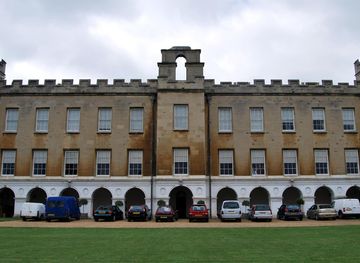
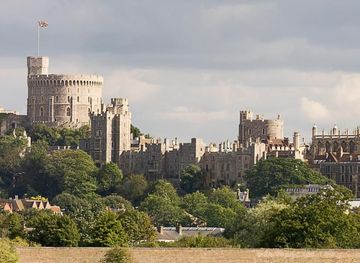
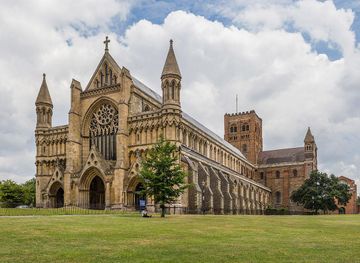

Your all‑in‑one travel companion app
Explore expert travel guides, compare and book tours, experiences, hotels, and more—all from the palm of your hand. Download now for seamless trip planning wherever your wanderlust takes you.


Explore More of United Kingdom

Looking beyond Buckinghamshire? Discover United Kingdom for broader travel guides, local hot-spots, and regional highlights.
Explore United KingdomBuckinghamshire in Photos
Browse through our photo collection highlighting the charm and character of the destination.


Buckinghamshire: The Heart of English Countryside Charm
Buckinghamshire, often affectionately called 'Bucks', is a picturesque county located in the South East of England. Known for its rolling hills, ancient woodlands, and quaint villages, Buckinghamshire offers a perfect blend of natural beauty and rich history. The Chiltern Hills, an Area of Outstanding Natural Beauty, is a must-visit for nature enthusiasts, offering endless walking trails and scenic views. The county is also steeped in history, with numerous stately homes and gardens to explore. Waddesdon Manor, a stunning French Renaissance-style château, and Stowe House, with its breathtaking landscaped gardens, provide a glimpse into the opulent lifestyles of historical British aristocracy. For literary lovers, the Roald Dahl Museum in Great Missenden offers an enchanting journey through the life and works of the beloved children's author. Buckinghamshire's market towns, such as Amersham and Marlow, are perfect for leisurely strolls, offering a mix of boutique shops, delightful cafes, and traditional pubs. The county is easily accessible from London, making it an ideal destination for day trips or weekend getaways. With its charming countryside, historical landmarks, and cultural attractions, Buckinghamshire promises a delightful and enriching travel experience.