

Tomnahurich Cemetery Hill: Inverness’s Victorian Fairy Hill and Historic Burial Ground
A Victorian cemetery on Inverness’s Fairy Hill blending history, haunting folklore, and panoramic Highland views.
Tomnahurich Cemetery Hill, perched on a wooded 70-meter hill southwest of Inverness city centre, is a Victorian-era cemetery rich in history, folklore, and panoramic views. Known locally as the 'Fairy Hill,' it blends formal graveyards, woodland paths, and war memorials with legends of fairies and time-lost fiddlers. The site offers a tranquil natural setting with striking vistas over Inverness, the Moray Firth, and the Ness Valley, making it a unique cultural and historical landmark.
A brief summary to Tomnahurich Cemetery Hill
- Inverness, IV3 5BD, GB
- Duration: 0.5 to 2 hours
- Free
-
 Outdoor
- Mobile reception: 4 out of 5
Local tips
- Visit the Upper Cemetery plateau for the best panoramic views of Inverness and the Moray Firth.
- Explore the wooded Lower Cemetery footpaths to enjoy peaceful walks and birdwatching.
- Look out for notable monuments like the Mary Anne Lyall memorial and Henry Christie’s mausoleum.
- Immerse yourself in local folklore by learning the story of the fiddlers and the fairy hill.

For the on-the-go comforts that matter to you
- Seating Areas
- Information Boards
- Trash Bins
Getting There
-
Bus
Take the Stagecoach bus service from Inverness city centre to the Tomnahurich Cemetery area, with a journey time of approximately 10–15 minutes. Buses run frequently during the day, and a single fare costs around £2–£3. Note that service frequency may reduce on weekends and public holidays.
-
Taxi
A taxi ride from Inverness city centre to Tomnahurich Cemetery takes about 5–10 minutes, depending on traffic. Taxi fares typically range from £6 to £10. This option offers door-to-door convenience but can be more costly during peak times.
-
Walking
For those who enjoy a walk, the cemetery is approximately 1.5 km southwest of Inverness city centre. The route involves urban sidewalks and gentle inclines, taking about 20–30 minutes on foot. The terrain is accessible but includes some slopes; suitable footwear is recommended.
Tomnahurich Cemetery Hill location weather suitability
-
 Any Weather
-
 Clear Skies
-
 Rain / Wet Weather
-
 Mild Temperatures
-
 Windy Conditions
Discover more about Tomnahurich Cemetery Hill
A Hill Steeped in History and Natural Beauty
Tomnahurich Cemetery occupies a prominent wooded hill 1.5 km southwest of Inverness city centre, rising to about 70 meters. Its name derives from the Scottish Gaelic meaning "hill of the yew wood," reflecting the hill’s ancient woodland heritage. Before becoming a cemetery, this hill was a community gathering place, hosting events like an annual horse race in late May. The poor agricultural soil led to a reforestation effort in the mid-18th century, primarily planting Scots pine, which still characterizes the wooded slopes today.Victorian Cemetery Design and Expansion
The modern cemetery was established in 1864 by the Inverness Cemetery Company, with design work credited to Charles Heath Wilson and engineering by George Grant Mackay. It features two main areas: the formal Upper Cemetery on the hilltop plateau, which includes a war memorial and well-maintained graveyards, and the Lower Cemetery, which surrounds the hill with wooded footpaths. The site gradually expanded and was acquired by the Borough of Inverness in 1909. During World War II, metal elements from the cemetery were requisitioned to support the war effort.Architectural and Artistic Highlights
Tomnahurich Cemetery contains many notable monuments and mausoleums, including the memorial to Mary Anne Lyall by Andrew Davidson and the mausoleum of Henry Christie guarded by a marble-armed angel. Near the main entrance stands a lodge designed by Alexander Ross in 1877. These features showcase Victorian funerary art and architecture, adding cultural depth to the site.Legends and Folklore of the Fairy Hill
Locally known as the "Fairy Hill," Tomnahurich is surrounded by rich folklore. Tales tell of fairies inhabiting the hill, with stories like that of two fiddlers lured to a fairy feast, who returned to find a century had passed and then crumbled to dust. The Brahan Seer, a legendary Scottish prophet, made eerie predictions about the hill, foreseeing its transformation into a locked graveyard. These myths add a mystical layer to the cemetery’s atmosphere.Panoramic Views and Wildlife Habitat
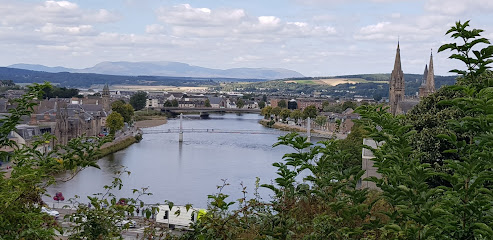
The hilltop offers sweeping views over Inverness, the Moray Firth, and the Ness Valley, making it a scenic vantage point. The wooded lower slopes provide habitat for various bird species, and winding footpaths invite quiet reflection amid nature. This combination of natural beauty and historical significance makes Tomnahurich a striking landmark on Inverness’s outskirts.A Place of Reflection and Cultural Heritage
Tomnahurich Cemetery is more than a burial ground; it is a place where history, nature, and myth converge. The peaceful environment, combined with its Victorian design and local legends, offers visitors a unique experience that connects them to Inverness’s cultural heritage and the mysterious allure of the Scottish Highlands.Iconic landmarks you can’t miss

Torrish at Ness Walk
0.7 km
Experience the essence of Scottish cuisine at Torrish at Ness Walk, where fine dining meets breathtaking views of the River Ness.
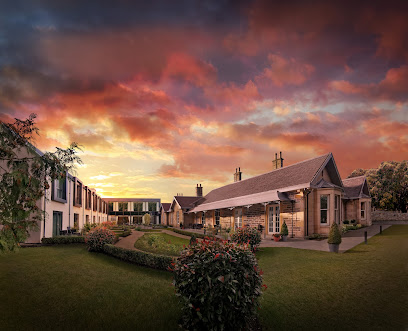
Ness Walk Hotel - 5 Star Luxury Inverness Hotel
0.7 km
Elegant 5-star luxury on the River Ness, blending historic charm with modern comfort and acclaimed Highland dining.

Great War Memorial
1.0 km
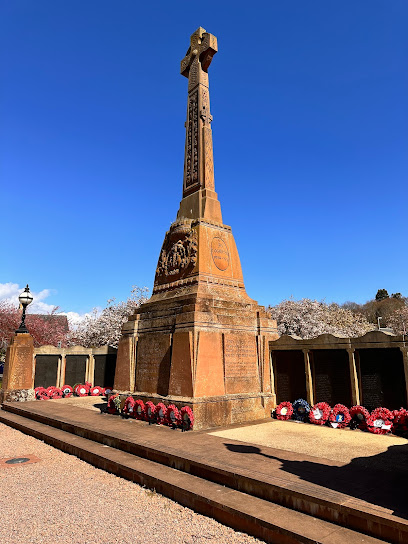
A solemn red sandstone Celtic cross on the banks of the River Ness, honouring Inverness’s fallen from the World Wars and later conflicts.
Rowan Guest House Group Ltd
1.0 km
Comfortable and welcoming bed and breakfast in Inverness, perfect for exploring the Scottish Highlands with quality breakfast and friendly hospitality.
Glenmoriston Townhouse Hotel Inverness
1.1 km
Elegant riverside boutique hotel in Inverness offering stylish rooms, award-winning dining, and a gateway to the Scottish Highlands.
Glen Mhor Hotel & Apartments
1.2 km
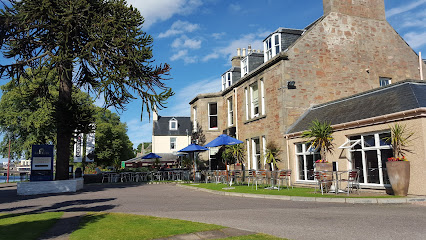
Experience the charm of the Scottish Highlands at Glen Mhor Hotel & Apartments, your ideal base in Inverness for relaxation and adventure.
Rocpool Reserve Hotel
1.2 km
A stylish 5-star boutique hotel in Inverness offering luxurious rooms, acclaimed dining, and a serene city-centre retreat.
Ness Bank Church
1.2 km
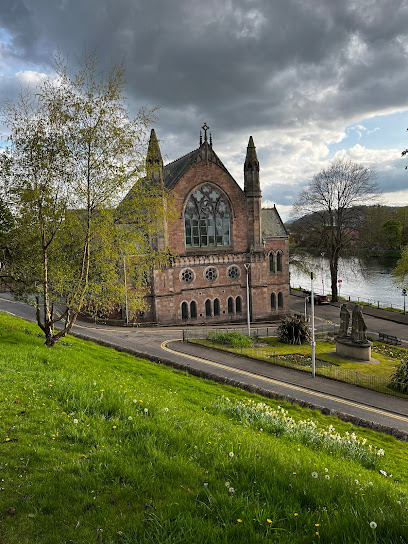
A stunning Gothic Revival church on the River Ness, blending rich history, striking architecture, and vibrant community life in Inverness.
Best Western Inverness Palace Hotel & Spa
1.3 km
Elegant riverside hotel blending historic charm with modern spa comforts in the heart of Inverness.
Highland Historical Home
1.3 km
Discover the Highland Historical Home in Inverness, where Scottish heritage meets modern comfort in a charming holiday apartment rental.
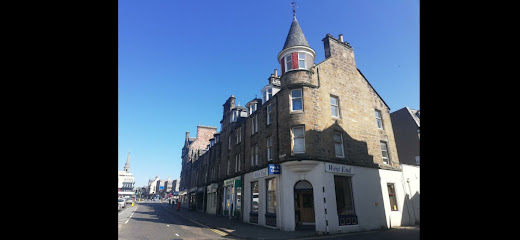
Urquhart's Restaurant
1.3 km
Discover the flavors of Scotland at Urquhart's Restaurant, where British and European cuisine meet warm Highland hospitality.
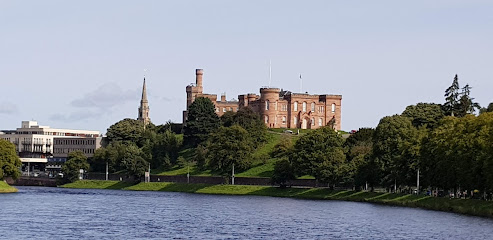
Inverness Bike Tours
1.3 km
Experience the stunning landscapes and rich history of Inverness with guided bike tours through the Scottish Highlands.
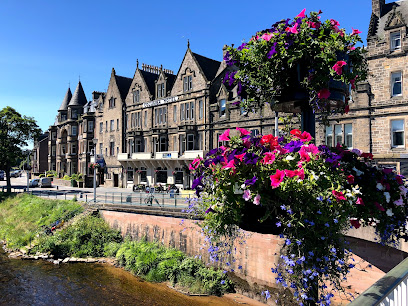
Prime | Steak & Seafood
1.3 km
Indulge in a luxurious dining experience at Prime | Steak & Seafood, where exquisite flavors of land and sea meet in the heart of Inverness.
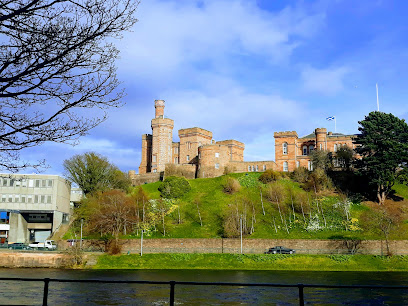
Rocpool
1.3 km
Savor the finest seafood and local dishes at Rocpool, Inverness' premier restaurant with stunning riverside views.
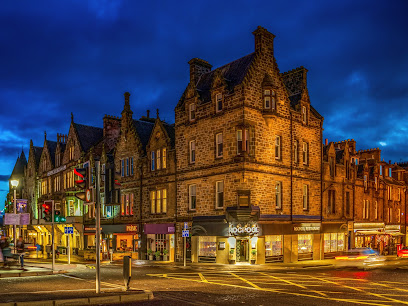
Start/Finish of Great Glen way, Inverness
1.3 km
Discover the gateway to Scotland’s iconic Great Glen Way, where urban charm meets Highland adventure in Inverness.
Unmissable attractions to see

Hame Tours
0.3 km
Explore the breathtaking Scottish Highlands with Hame Tours, where every journey is a unique adventure filled with history and stunning landscapes.
Inverness Leisure
0.4 km
The Highlands’ largest leisure centre offering pools, gym, athletics, climbing, and wellness facilities for all ages and abilities.
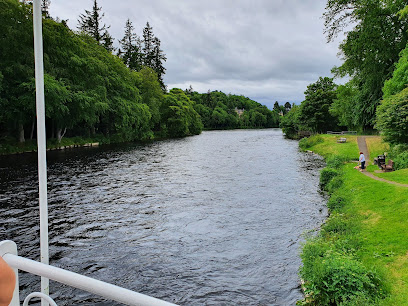
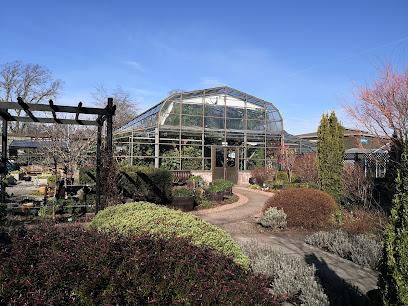
Inverness Botanic Gardens and Café
0.5 km
A vibrant botanical haven in Inverness offering diverse plant collections, tranquil gardens, and a cozy café in a scenic riverside setting.
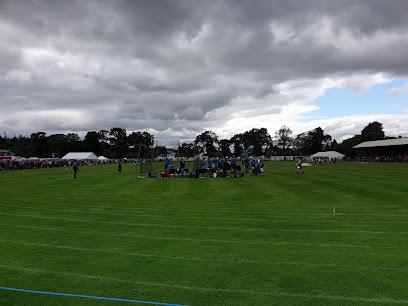
Bught Park Pitches
0.5 km
A vibrant sports and cultural hub in Inverness, home to shinty’s finest stadium and the annual Highland Games.
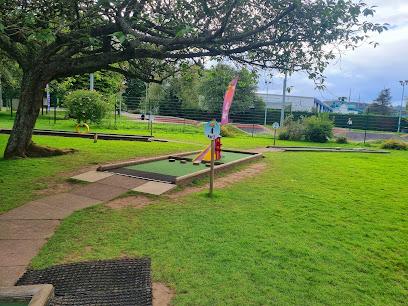
Inverness Crazy Golf
0.7 km
Riverside mini-golf fun for all ages in the heart of the Scottish Highlands.
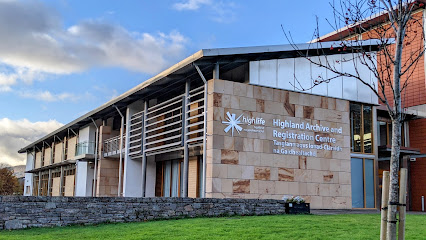
Highland Archive Centre
0.7 km
Explore centuries of Highland history and genealogy at Inverness’s dedicated archive and family history centre.
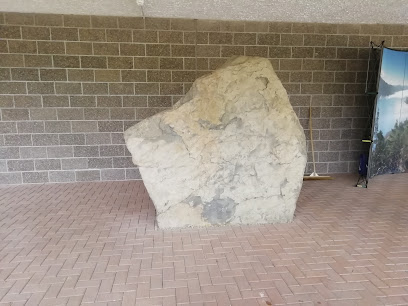
Knocknagael Boar Stone
0.8 km
Discover the captivating Pictish boar carving that bridges ancient Scottish artistry and Roman military symbolism near Inverness.
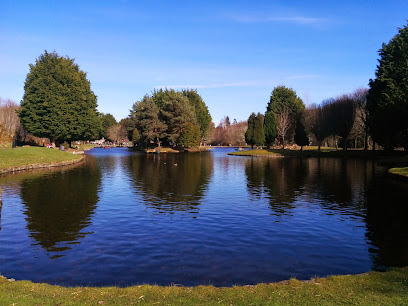
Whin Park
0.8 km
A revitalized riverside park in Inverness blending inclusive play, boating, and scenic walks for families and nature lovers.
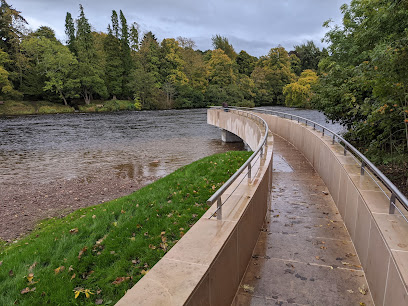
Pier Ness Viewpoint
0.8 km
A tranquil riverside platform offering stunning panoramic views of the River Ness and lush Ness Islands in the heart of Inverness.
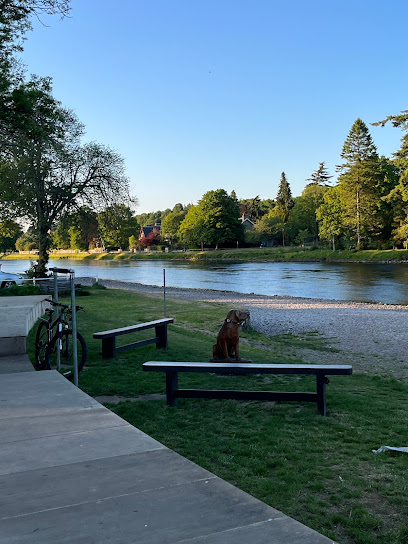
The Gathering Place (sometimes referred to as Pier Ness)
0.8 km
A sculptural riverside landmark in Inverness that reconnects city and river through elegant stone forms and contemplative spaces.
Ness Islands Railway Ltd
0.8 km
Discover Inverness’s charming miniature railway in Whin Park, where scenic rides support Highland Hospice and delight visitors of all ages.
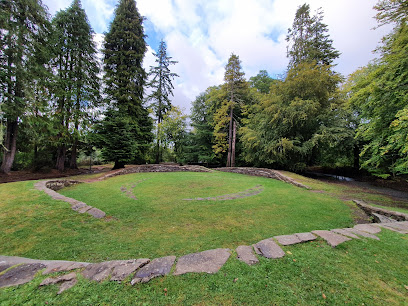
Circle of Wise
0.8 km
Discover the Circle of Wise, an ancient stone circle blending history and community spirit along Inverness’s scenic Great Glen Way.
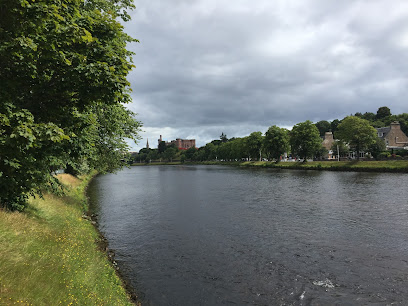
Ness Islands
0.8 km
Victorian-bridged islands of ancient woodland, where Inverness melts into pristine nature.
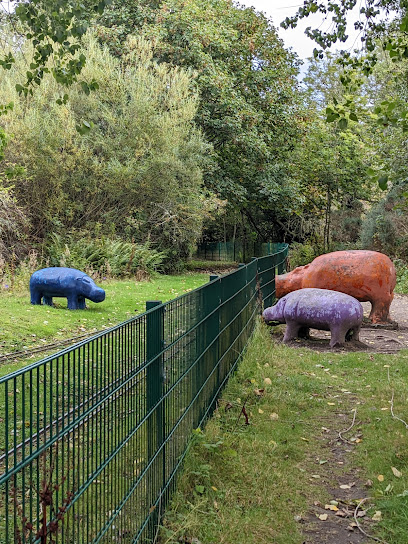
Concrete Hippos
0.8 km
Discover the quirky Concrete Hippos sculptures along Inverness’s Great Glen Way, blending playful art with stunning Highland scenery.
Eden Court Inverness
0.9 km
Inverness’s premier arts venue blending historic charm with vibrant theatre, cinema, and cultural events on the scenic River Ness.
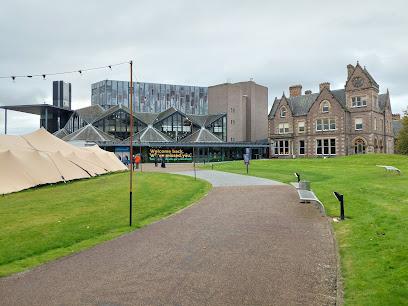
Essential places to dine

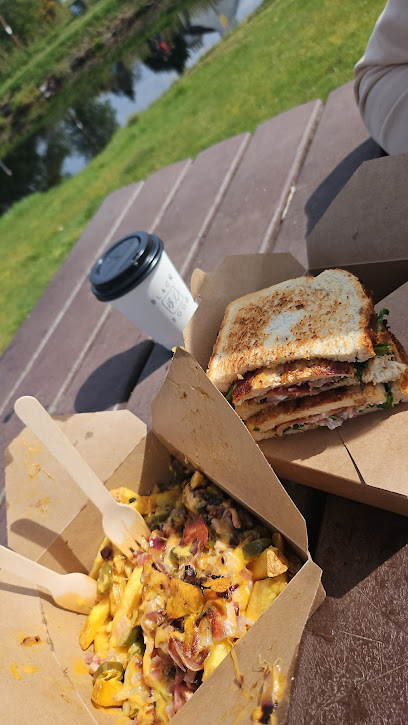
Black BX Food
0.3 km
Casual canal-side eatery in Inverness serving fresh, tasty meals with vegan options and a friendly vibe.
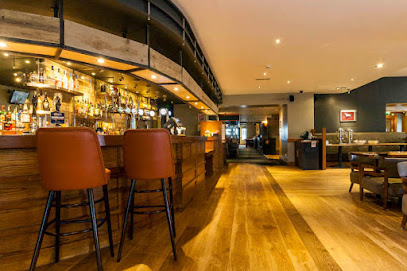
Loch Ness House Beefeater
0.4 km
Family-friendly steakhouse and bar & grill in Inverness offering hearty British classics and a welcoming atmosphere.
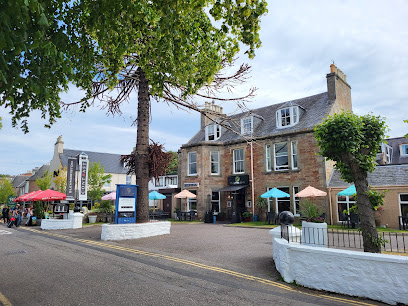
Contrast Brasserie Inverness
1.1 km
Stylish riverside dining with fresh, modern Scottish and Pan-Asian cuisine in Inverness’s renowned Glenmoriston Townhouse Hotel.
The Waterside Restaurant
1.1 km
Scenic riverside dining in Inverness serving sustainable, locally sourced Scottish cuisine with handcrafted spirits from the adjacent distillery.
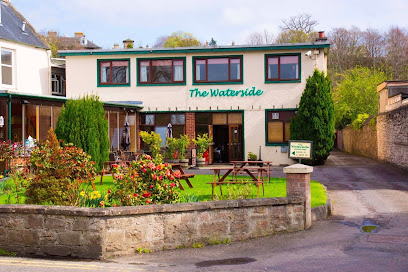
Tiger on The Wall
1.2 km
Authentic Indian and Asian flavors served daily in the heart of Inverness at Tiger on The Wall, Strathness House’s celebrated restaurant.
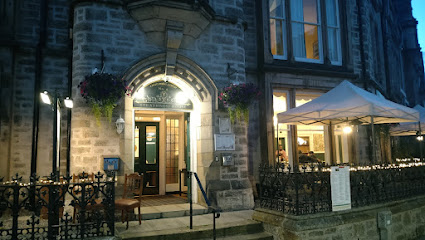
Hou Hou Mei
1.2 km
Discover Hou Hou Mei, Inverness’s vibrant Asian fusion restaurant blending Thai, Japanese, Korean, and Chinese flavors with generous vegan options.
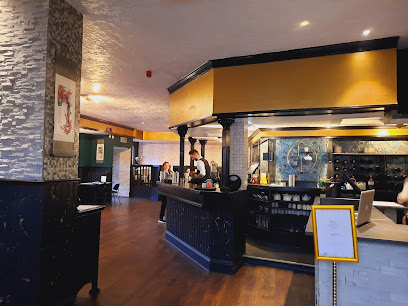
Encore
1.3 km
Experience hearty Scottish flavors and warm hospitality at Encore, Inverness’s vibrant restaurant and bar on Young Street.
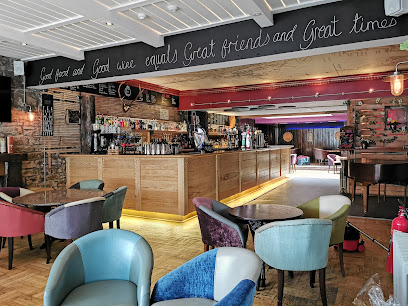
The Kitchen Restaurant
1.4 km
Savor inventive modern British cuisine with stunning River Ness views in a stylish, family-run Inverness restaurant.
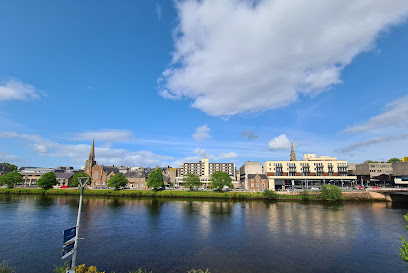
La Tortilla
1.4 km
Experience authentic Spanish tapas and paella in Inverness’s oldest and most beloved tapas bar, blending vibrant flavors with Highland charm.
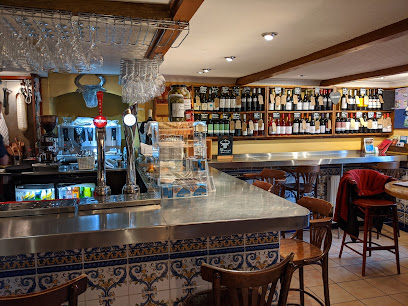
Zizzi - Inverness
1.4 km
Experience vibrant Italian flavors and fresh pasta delights in the heart of Inverness with a welcoming atmosphere and scenic river views.
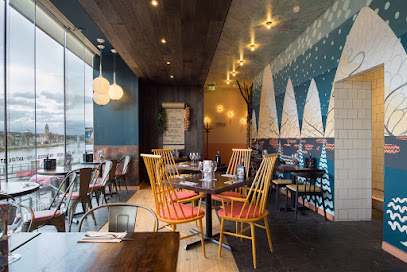
Cafe 1
1.4 km
Experience the best of Highland cuisine with locally sourced dishes and warm hospitality in the heart of Inverness.
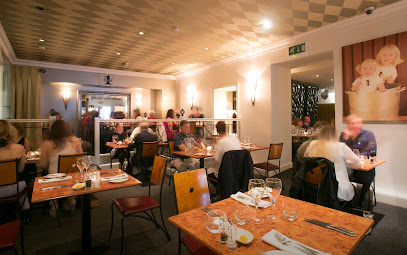
Coyote Burger
1.4 km
Savor premium burgers and vibrant vibes with scenic River Ness views in the heart of Inverness city centre.
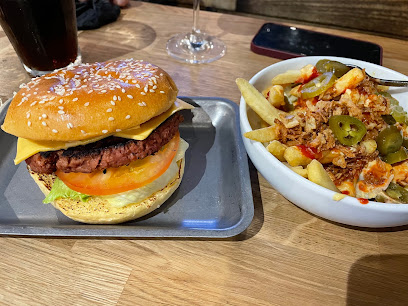
nar
1.5 km
Experience authentic Mediterranean flavors with warm hospitality in the heart of Inverness at Nar, a cozy and highly regarded restaurant.
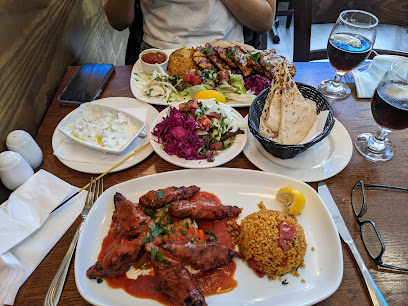
Number 27 Bar and Kitchen
1.5 km
Experience the best of Scottish cuisine at Number 27 Bar and Kitchen in Inverness – where every meal tells a story.
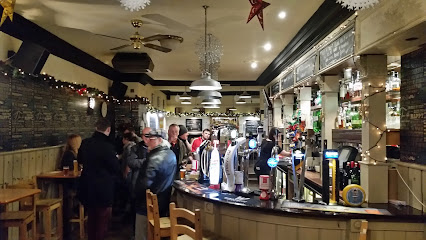
Kool Runnings
1.5 km
Experience vibrant Jamaican flavors and lively Caribbean vibes in the heart of Inverness at Kool Runnings.
Markets, malls and hidden boutiques

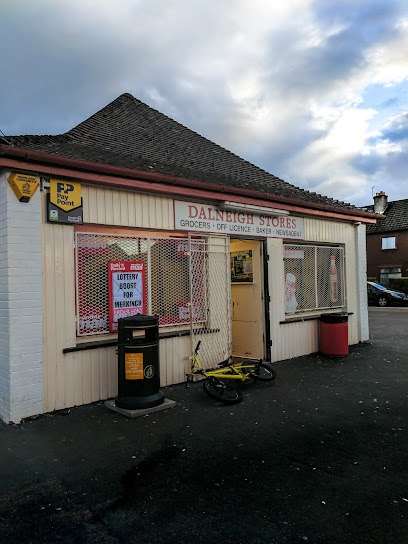
Dalneigh Stores
0.6 km
Explore Inverness with ease! Dalneigh Stores is your go-to convenience shop for essentials and local delights, open daily from early morning to night.
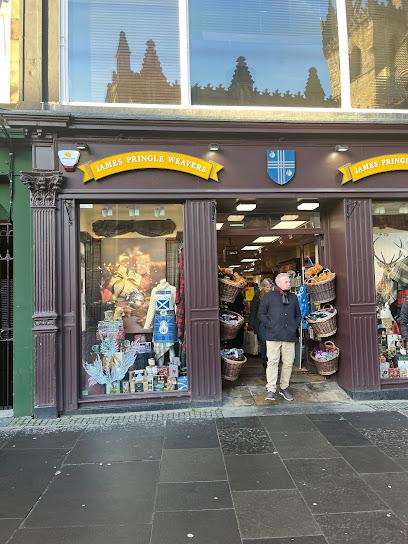
James Pringle Weavers
1.0 km
Discover authentic Scottish weaving heritage and quality textiles at James Pringle Weavers in the historic Holm Woollen Mills, Inverness.
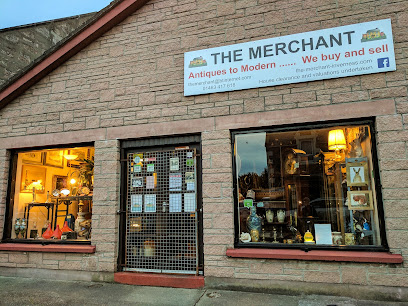
The Merchant
1.3 km
Discover Inverness’s hidden antique gem blending vintage treasures with modern charm on Greig Street.
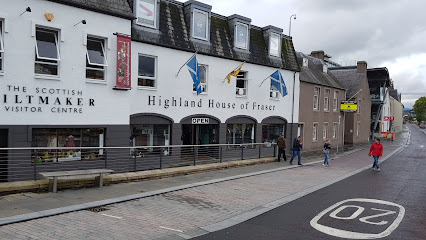
Highland House of Fraser
1.3 km
Discover authentic Scottish Highland dress and witness traditional kilt making at Highland House of Fraser in Inverness, a family-run heritage landmark.
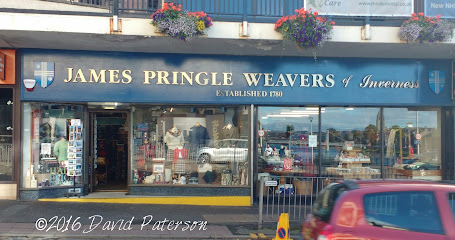
James Pringle Weavers of Inverness
1.4 km
Discover authentic Scottish woollens and heritage craftsmanship at James Pringle Weavers in the heart of Inverness.
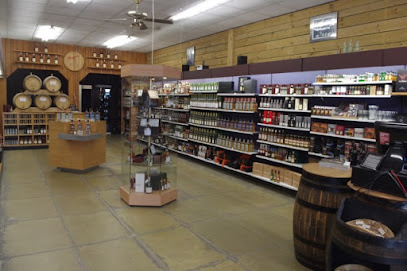
The Whisky Shop
1.4 km
Discover Scotland’s finest whiskies and expert tastings in the heart of Inverness at The Whisky Shop.
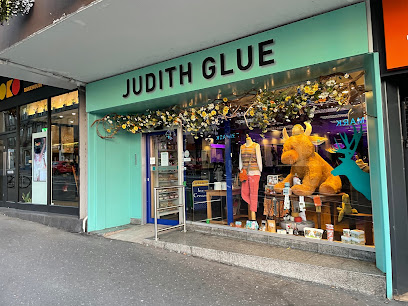
Judith Glue
1.4 km
Discover authentic Orkney knitwear and Scottish gifts in a charming Inverness boutique blending heritage and style near the River Ness.
GLENEAGLES OF SCOTLAND
1.4 km
A refined Scottish clothing shop in Inverness, specialising in premium knitwear and country-style fashion with a Highland soul.
Rouge Boutiques
1.4 km
Discover personalized style and expert fittings at Rouge Boutiques, Inverness’ destination for elegant womenswear and exceptional service.
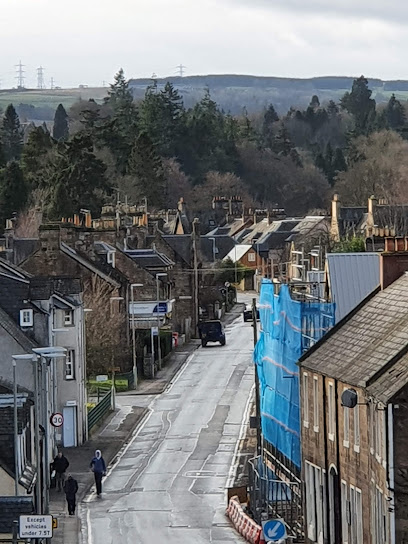
Primark
1.5 km
Discover budget-friendly fashion and homeware in Inverness city centre at Primark’s welcoming multi-floor store.
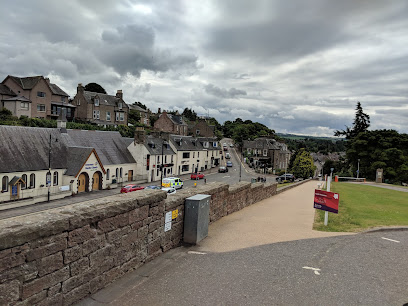
Edinburgh Woollen Mill
1.5 km
Discover authentic Scottish knitwear and heritage fashion at Edinburgh Woollen Mill in the heart of Inverness.
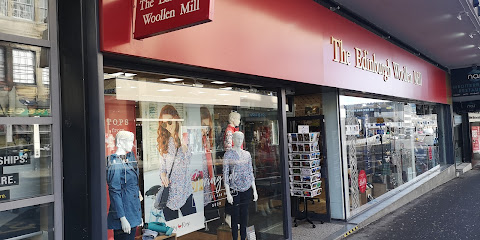
House of Highlands
1.5 km
Discover authentic Scottish Highland dress and handcrafted kilts at Inverness’s House of Highlands, a cultural gem in the heart of the Highlands.
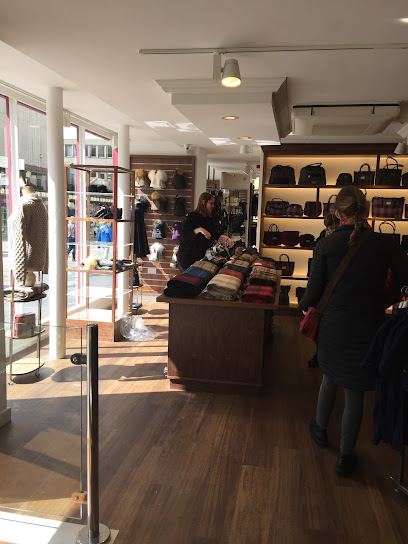
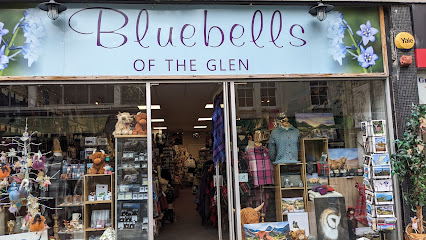
Bluebells Of The Glen Souvenirs & Gifts Shop
1.5 km
Discover unique Highland treasures and charming gifts at Bluebells Of The Glen, a cozy souvenir shop in the heart of Inverness.
Gifts & Souvenirs SALE
1.5 km
Authentic Scottish gifts and Highland treasures in the heart of Inverness, offering unique souvenirs and traditional clan items with guaranteed value.
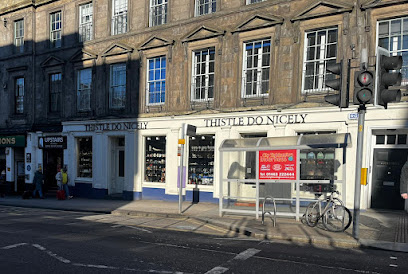
Thistle Do Nicely
1.5 km
Authentic Scottish gifts and souvenirs in the heart of Inverness, where warm hospitality meets curated Highland heritage.
Essential bars & hidden hideouts

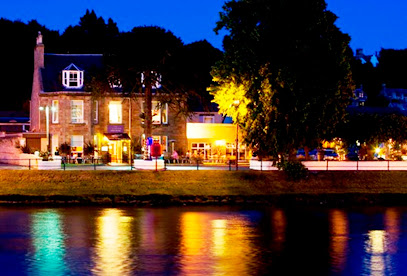
The Piano and Whisky Bar Inverness
1.1 km
Discover Inverness’s premier whisky and piano bar, blending riverside elegance with live music and an extensive malt whisky collection.
The Wee Bar
1.3 km
A cosy Inverness cocktail bar above Ness Walk, famed for masterful drinks, Highland hospitality, and a warm, intimate vibe.
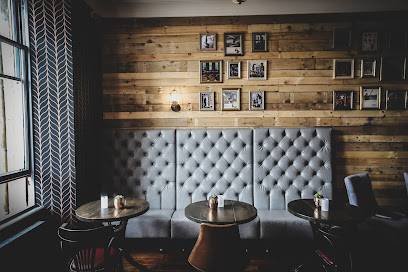
Glenalbyn Bar
1.3 km
Experience authentic Scottish hospitality with fine whiskies, live music, and a cozy atmosphere at Glenalbyn Bar in Inverness.
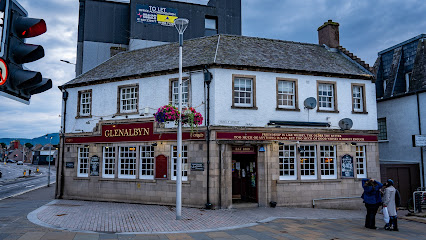
Revolution Inverness
1.5 km
Trendy city-centre bar and restaurant in Inverness known for lively vibes, cocktails, and comfort food favorites.
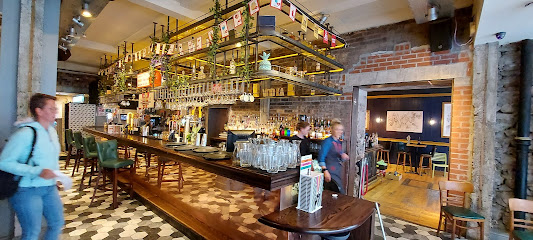
Lauders
1.5 km
Experience the vibrant spirit of Inverness at Lauders Bar, where tradition meets lively nightlife and warm Scottish hospitality.
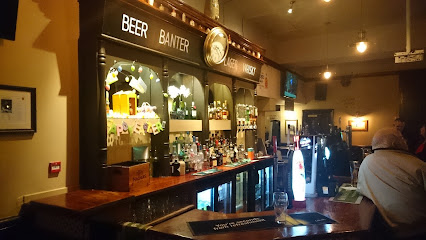
Caledonian
1.5 km
A lively and affordable Scottish pub on Inverness High Street, perfect for classic pub fare and spirited local atmosphere.
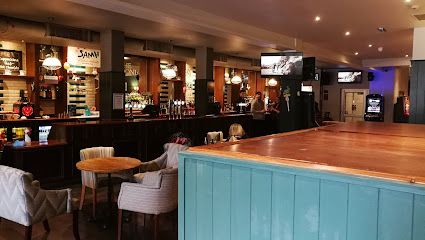
Highlander
1.6 km
Experience daily live Scottish music, authentic cuisine, and a vibrant atmosphere at Highlander Bar, Inverness’s cultural heart.
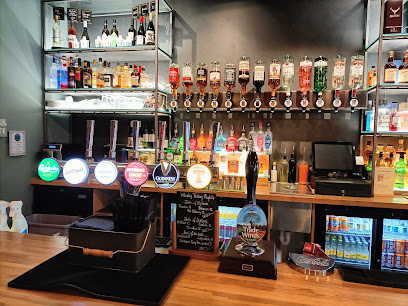
The Malt Room
1.6 km
Discover Inverness’s cozy whisky sanctuary with expert hosts, rare malts, and a warm, intimate atmosphere perfect for savoring every dram.
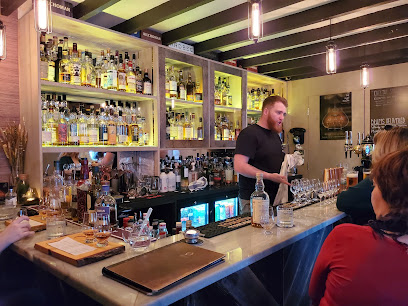
R&Bs
1.6 km
A lively family-run bar and restaurant in Inverness offering local flavors, gluten-free dishes, and the Highlands’ only karaoke nights.
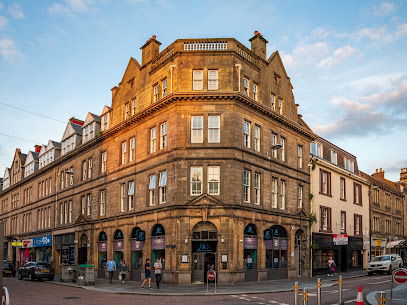
MacCallums Bar
1.6 km
Experience authentic Scottish hospitality, live music, and a vibrant atmosphere at MacCallums Bar, Inverness’s beloved traditional pub.
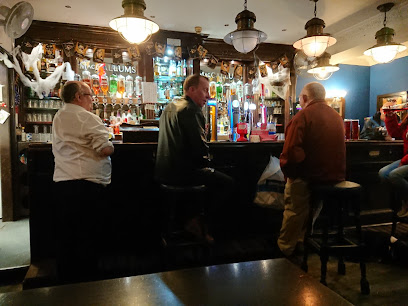
Market Bar
1.6 km
Experience authentic Scottish nightlife with live music, local ales, and a welcoming vibe at Inverness’s Market Bar on Church Street.
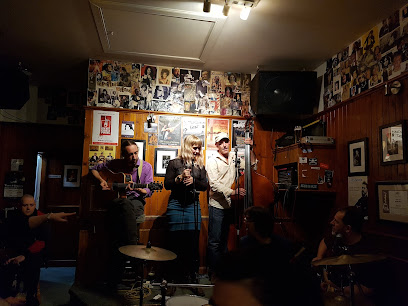
The Walrus & Corkscrew
1.6 km
Discover Inverness’ cozy wine bar with over 200 wines and artisanal Highland charcuterie platters in a warm, inviting atmosphere.
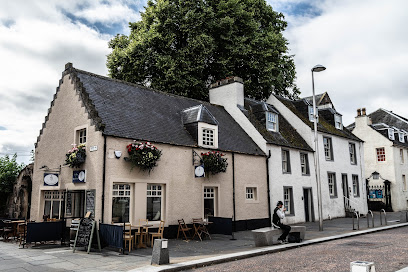
The Gunsmiths Bar
1.6 km
A lively Inverness bar with historic charm, mezzanine views, affordable drinks, and a welcoming atmosphere near the River Ness.
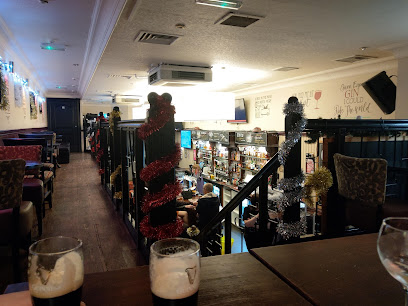
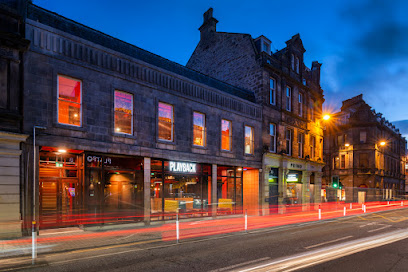
Playback
1.7 km
A lively four-story bar and restaurant in Inverness offering gourmet burgers, exclusive craft beers, rooftop vibes, and fun social games.
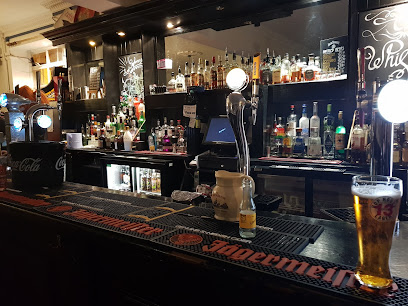
The Tooth & Claw
1.7 km
Inverness’s vibrant rock and live music bar offering rustic charm, local brews, and an inclusive, lively atmosphere.
Nightclubs & after hour spots

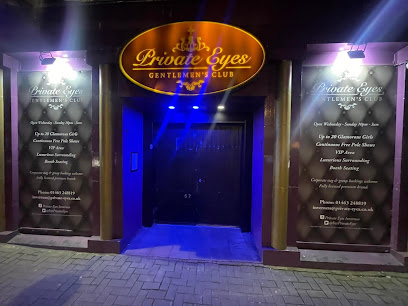
Private Eyes Inverness
1.7 km
Experience Inverness’s vibrant nightlife at Private Eyes, where stylish decor meets great music and a welcoming party atmosphere.
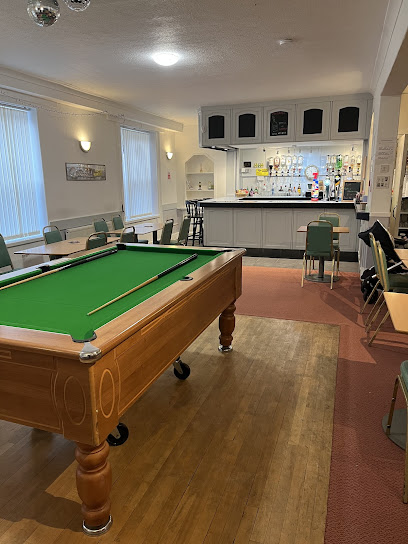
The Ross Shire Club
18.1 km
Experience Dingwall’s vibrant nightlife with a welcoming vibe, BYOB policy, and lively social scene at The Ross Shire Club.
Xplosive Discos
23.1 km
Experience the vibrant nightlife at Xplosive Discos in Nairn, where unforgettable music and karaoke fun await every visitor.
Seaforth Club
26.0 km
Experience Nairn’s vibrant social heart at Seaforth Club, where community spirit meets lively nightlife in a welcoming setting.
Jackos Bar & Diner
26.2 km
Discover the vibrant atmosphere and delicious grill options at Jackos Bar & Diner in Nairn, perfect for families and sports fans alike.
the Balavoulin
39.3 km
A lively, dog-friendly pub with hearty meals and cozy rooms, perfectly placed for exploring Aviemore and the Cairngorms.
The Winking Owl, Craft Ale Pub & Bar
39.3 km
Discover The Winking Owl in Aviemore for a delightful experience of craft ales, local flavors, and a warm, inviting atmosphere.
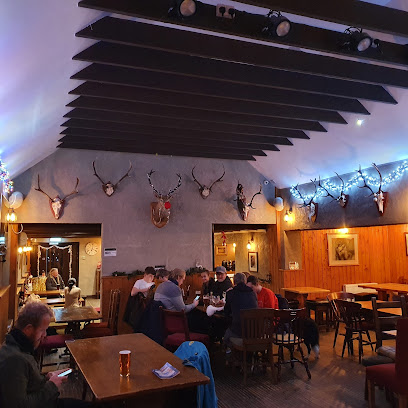
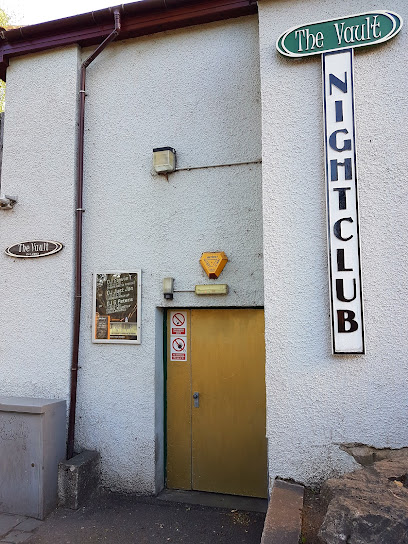
The Vault
39.6 km
Experience Aviemore’s vibrant nightlife at The Vault, a lively nightclub blending modern beats with Highland charm every weekend.
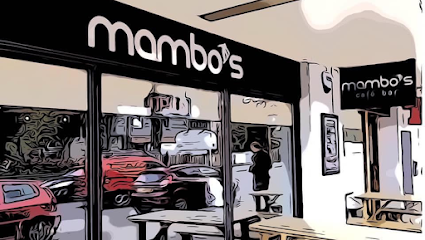
Mambos
39.7 km
Experience the vibrant nightlife at Mambos in Aviemore, where local charm meets a lively bar atmosphere for an unforgettable evening.
The Aviemore Inn pub and grill
40.4 km
Experience the warmth of Scottish hospitality at The Aviemore Inn, the perfect pub and grill in the heart of Aviemore for travelers and locals alike.
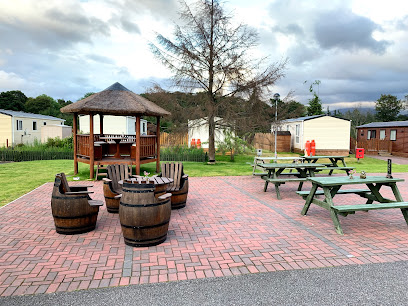
Woodshed Bar
41.9 km
Experience the warmth and charm of Woodshed Bar in Aviemore, where delightful drinks and a cozy atmosphere await you.
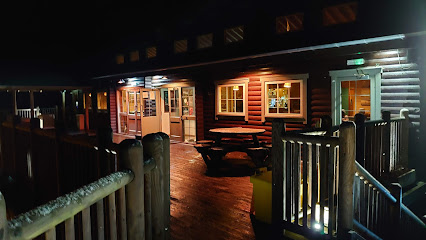
SUIE BAR
42.1 km
Discover Suie Bar: A Heartwarming Scottish Retreat in Kincraig, Perfect for Relaxation and Local Flavors.
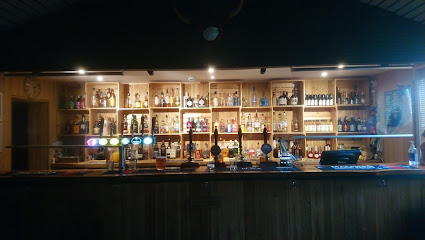
The Pine Marten Bar
46.7 km
Experience the warmth of Scottish hospitality at The Pine Marten Bar, where delicious food and breathtaking views combine for an unforgettable visit.
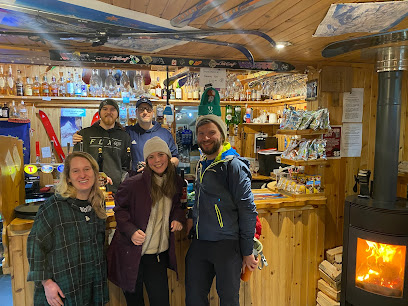
Moray Jazz Club
58.7 km
Discover the vibrant live music scene at Moray Jazz Club in Elgin, where talented musicians create unforgettable performances in an intimate setting.

Shmelgin
58.7 km
Experience the authentic flavors of Nepal at Shmelgin, Elgin's premier Nepalese restaurant, known for its warm atmosphere and delicious dishes.
For the vibe & atmosphere seeker
- Tranquil
- Scenic
- Unique
- Relaxing
For the design and aesthetic lover
- Victorian Styles
- Rustic Designs
For the architecture buff
- Historic
- Landmarks
- Parks & Gardens
For the view chaser and sunset hunter
- Iconic Views
- Panoramas
- Sunset Spots
For the social media creator & influencer
- Instagrammable
- Photo Spots
- Aesthetic Corners
For the eco-conscious traveler
- Public-Transport Accessible
- Low Impact
For the kind of experience you’re after
- Cultural Heritage
- Myth & Legends
- Nature Escape
- Photowalk
- Day Trip
For how adventurous you want the journey to be
- Easy Access
Location Audience
- Family Friendly
- Senior Friendly
- Child Friendly
- Teen Friendly
- Solo Friendly
- Couple Friendly
- Pet Friendly


