
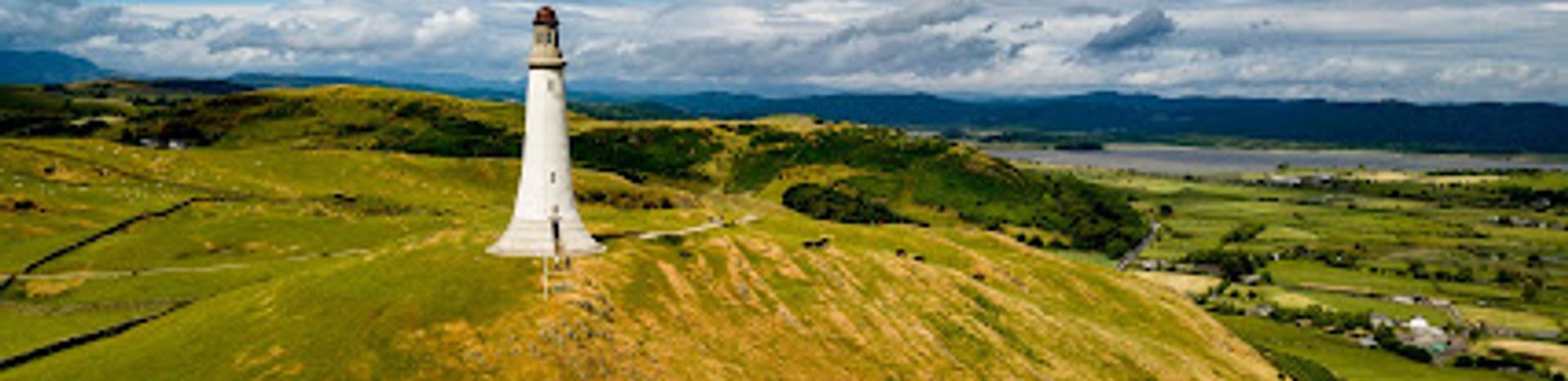
Sir John Barrow Monument: Ulverston’s Iconic Limestone Tower
A striking 100-foot limestone tower on Hoad Hill honoring Sir John Barrow, offering historic insight and breathtaking panoramic views of Ulverston and Morecambe Bay.
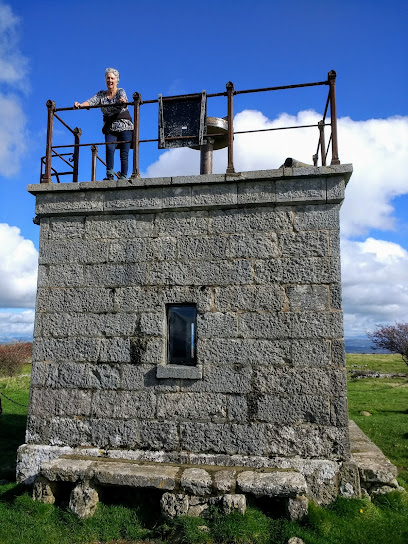
The Sir John Barrow Monument, also known locally as the Hoad Monument, is a 100-foot limestone tower built in 1850 atop the 450-foot Hoad Hill in Ulverston. Erected by public subscription to honor Sir John Barrow, a notable local-born statesman and explorer, the monument resembles a lighthouse but has never had a functional light. Visitors can climb its 112-step spiral staircase to a lantern chamber offering panoramic views of Morecambe Bay and the Lake District.
A brief summary to Sir John Barrow Monument
- Hoad Hill, Ulverston, LA12 7LD, GB
- +441229585778
- Visit website
- Duration: 0.5 to 2 hours
- Free
-
 Outdoor
- Mobile reception: 4 out of 5
Local tips
- Visit on Sundays or Bank Holidays between April and October when the monument is open and the flag is flying.
- Wear sturdy footwear for the climb up Hoad Hill and the narrow spiral staircase inside the monument.
- Take time to read the informative panels inside the monument to learn about Sir John Barrow’s life and the monument’s history.
- Bring a camera to capture the panoramic views of the Furness Peninsula, Morecambe Bay, and the southern Lake District.

For the on-the-go comforts that matter to you
- Restrooms
- Seating Areas
- Information Boards
Getting There
-
Bus
Take the Stagecoach bus service from Barrow-in-Furness or Kendal to Ulverston town center, with a journey time of approximately 30 to 50 minutes. From the town center, Hoad Hill and the Sir John Barrow Monument are about a 20-minute uphill walk. Bus services run regularly but check schedules for weekend and holiday variations. Tickets cost around £3 to £6 GBP.
-
Car
Driving from Ulverston town center to Hoad Hill takes about 5 to 10 minutes. Limited parking is available near the base of Hoad Hill; expect a short uphill walk to the monument. Parking is free but can be busy on weekends and holidays. The access road is narrow and winding.
-
Walking
For an active approach, hike from Ulverston town center to the monument via footpaths ascending Hoad Hill. The walk is approximately 1.5 km, moderately steep, and takes about 25 to 35 minutes. Suitable for most fitness levels but not recommended for wheelchair users due to terrain.
Sir John Barrow Monument location weather suitability
-
 Any Weather
-
 Clear Skies
-
 Mild Temperatures
-
 Rain / Wet Weather
Discover more about Sir John Barrow Monument
A Tribute to a Distinguished Son of Ulverston
The Sir John Barrow Monument stands as a proud tribute to Sir John Barrow, born in Ulverston in 1764. Barrow was a founding member of the Royal Geographical Society and served as Second Secretary to the Admiralty. His diplomatic and exploratory work, including missions to China and South Africa, earned him lasting recognition. In 1850, the townspeople of Ulverston raised funds through public subscription to build this monument on Hoad Hill, a prominent 450-foot summit overlooking the town and Morecambe Bay. The foundation stone was laid by Barrow’s sons, Sir George and John Barrow, in a ceremony witnessed by 8,000 citizens.Architectural Inspiration and Design Features
The monument’s design was inspired by the Eddystone Lighthouse, constructed in 1759 by John Smeaton. Built from locally quarried limestone from Birkrigg Common, the tower rises 100 feet and features a hollow interior with a narrow spiral staircase of 112 steps leading to the lantern chamber. Although designed to resemble a lighthouse, the lantern has never housed a functional light. The lantern chamber, once open, is now fully glazed to protect it from the elements. The structure is a Grade II* listed building, denoting its historical and architectural significance.Historical Challenges and Restoration Efforts
Shortly after completion in 1851, the monument suffered lightning damage and has since been fitted with a lightning conductor. Vandalism in the early years necessitated repairs, and by 2003 the tower required major restoration. A successful Heritage Lottery Fund grant and community fundraising enabled a comprehensive restoration project beginning in 2009. This included structural repairs, installation of a copper roof, improved footpaths, new signage, and conservation of the stonework. The monument was officially reopened in August 2010 by Sir Anthony Barrow, the 7th Baronet of Ulverston.Visitor Experience and Panoramic Views
Climbing the monument’s narrow spiral staircase rewards visitors with sweeping 360-degree views from the lantern chamber. From this vantage point, you can see the Furness Peninsula, Morecambe Bay, and the southern Lake District’s fells. The monument’s elevated position makes it a striking landmark visible for miles around. Informative panels inside detail Sir John Barrow’s life and the monument’s history, enriching the visit with cultural context.Cultural Significance and Local Identity
Locally known as the Hoad Monument or affectionately as the "pepper pot," the tower is a symbol of Ulverston’s heritage and pride. During World War II, it was famously referenced in propaganda broadcasts. The monument is managed by Ulverston Town Council and cared for by the Friends of the Sir John Barrow Monument group, which fosters community involvement and preservation. It is typically open to the public on Sundays and Bank Holidays from April to October when a flag is flown.Natural Setting and Surrounding Landscape
Perched atop Hoad Hill, the monument is surrounded by scenic walking paths and natural beauty. The hill itself offers a rewarding hike and a peaceful escape with views extending to Morecambe Bay and the Lake District National Park. The site combines cultural heritage with an outdoor experience, making it a favored destination for both history enthusiasts and nature lovers.Iconic landmarks you can’t miss

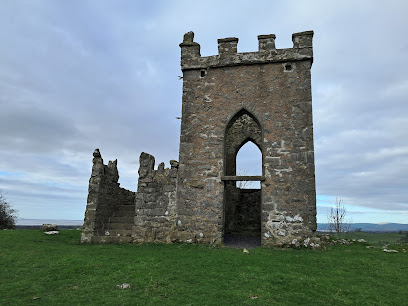
Kirkhead Tower / Summerhouse
10.4 km
Historic Kirkhead Tower offers stunning panoramic views over Morecambe Bay and the Lake District from its tranquil spot near Grange-over-Sands.
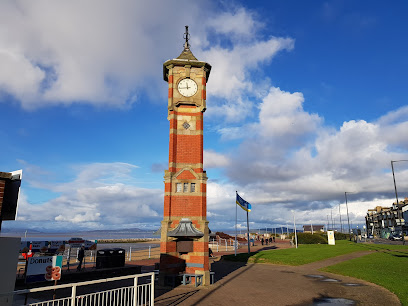
The Clock Tower
20.1 km
Historic Elizabethan-style Clock Tower standing proudly on Morecambe’s seafront, symbolizing the town’s Victorian heritage and timeless charm.
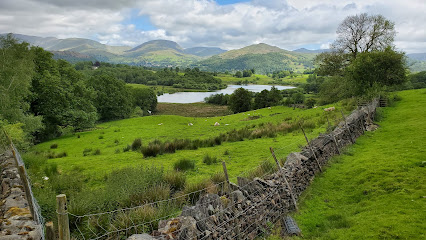
National Trust - Townend
25.8 km
Explore the picturesque Townend, a historic farmhouse and garden in the Lake District, where heritage and nature meet in a beautiful setting.
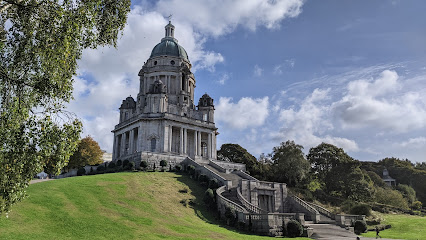
Ashton Memorial
26.3 km
Discover the historical Ashton Memorial in Williamson Park, an architectural gem offering stunning views and a serene atmosphere for all visitors.
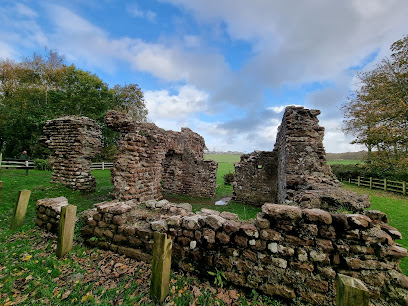
Ravenglass Roman Bath House
26.6 km
Uncover the ancient history of the Ravenglass Roman Bath House, a captivating heritage site nestled in the scenic landscapes of England's Lake District.
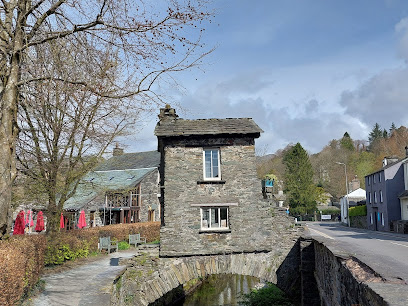
The Bridge House
26.8 km
Explore the historic Bridge House in Ambleside, a stunning 17th-century riverside gem in the heart of the Lake District's breathtaking landscapes.
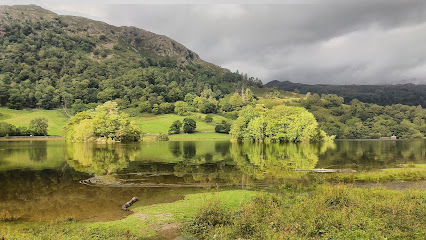
Rydal Cave
27.3 km
Experience the natural beauty and rich history of Rydal Cave, a hidden gem in the Lake District perfect for hiking and exploration.
Rydal Mount and Gardens
28.1 km
Visit Rydal Mount and Gardens, the historic home of poet William Wordsworth, and explore its stunning gardens and rich literary heritage.
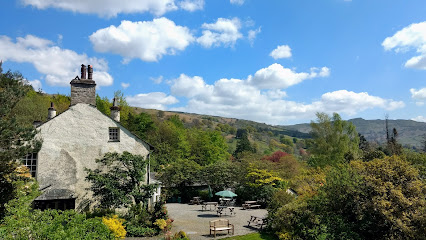
Wordsworth Grasmere
28.3 km
Explore the enchanting world of William Wordsworth at Wordsworth Grasmere, a museum nestled in the breathtaking landscapes of the Lake District.
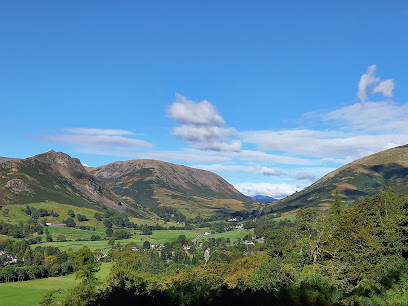
National Trust - Allan Bank and Grasmere
28.9 km
Experience the tranquil beauty and rich literary history of Allan Bank and Grasmere, a must-visit destination in the heart of the Lake District.
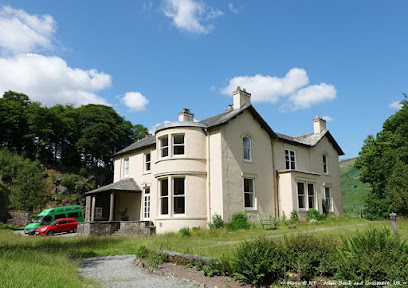
Scafell Pike
29.2 km
England's highest peak: a challenging mountain adventure with war memorial significance and spectacular Lake District views.
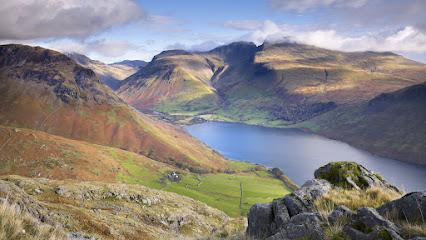
Lake District National Park
29.5 km
Explore the breathtaking beauty of Lake District National Park – a UNESCO World Heritage site with stunning landscapes, charming villages, and endless outdoor adventures.
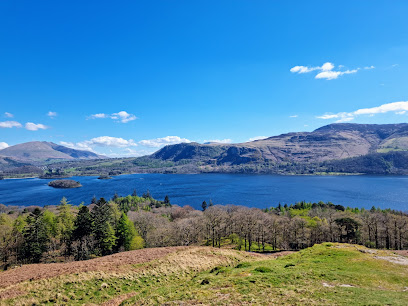
Rossall Point Watch Tower
31.2 km
Discover stunning coastal views and rich maritime history at Rossall Point Watch Tower in Fleetwood, a must-visit destination for tourists.
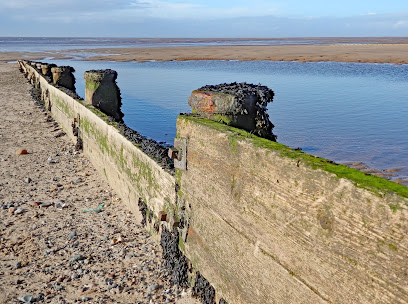
Honister Slate Mine
35.1 km
Explore the thrilling adventures at Honister Slate Mine, where outdoor activities meet rich slate mining heritage in the stunning Lake District.
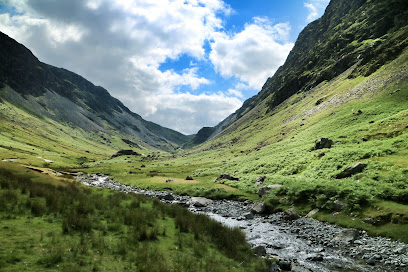
Marsh Mill
36.7 km
Experience the rich history and stunning architecture of Marsh Mill, a captivating historical landmark in Thornton-Cleveleys, perfect for all tourists.
Unmissable attractions to see

The Cumbria Way
1.1 km
Explore England’s Lake District on the Cumbria Way, a 70-mile trail from Ulverston to Carlisle through stunning fells, lakes, and historic villages.
Start Of Cumbria Way
1.1 km
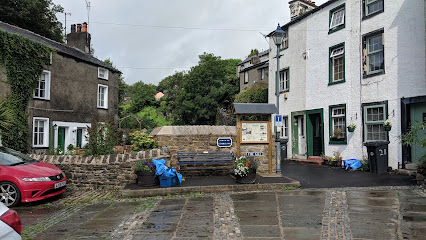
Begin your journey through the Lake District’s stunning landscapes from the iconic obelisk at The Gill, Ulverston—the official start of the Cumbria Way.
Holker Hall & Gardens
6.6 km
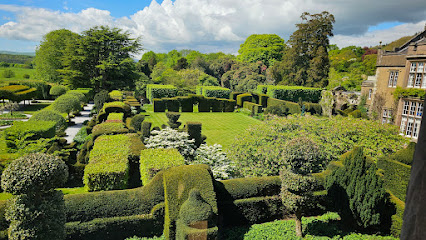
Historic Neo-Elizabethan mansion and vibrant gardens nestled in the Lake District’s scenic Cartmel Peninsula.
Cartmel
8.7 km
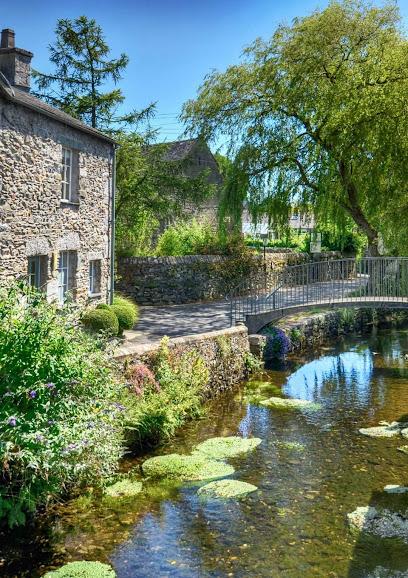
A tranquil Victorian seaside town by Morecambe Bay, blending coastal charm, historic elegance, and access to Cumbria’s natural beauty.
Hampsfell Hospice
10.4 km
Historic stone shelter atop Hampsfell with stunning 360° views over Morecambe Bay and the Lake District fells.
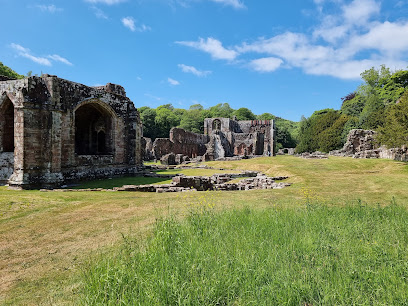
Furness Abbey
10.6 km
Explore the majestic ruins of a powerful 12th-century Cistercian abbey set within tranquil Cumbria parkland, rich in history and legend.
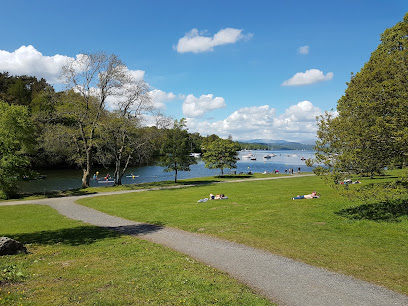
National Trust - Fell Foot
11.7 km
Discover lakeside calm, family fun, and historic charm at Fell Foot, Windermere’s welcoming National Trust park.
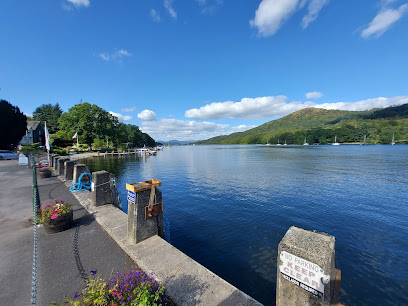
Lakes Aquarium
11.8 km
Discover the vibrant aquatic and terrestrial wildlife of the Lake District at Lakes Aquarium, nestled on the scenic shores of Windermere.
Stott Park Bobbin Mill
12.0 km
Explore the last working Lakeland bobbin mill, where Victorian industry and community come to life through authentic machinery and stories.
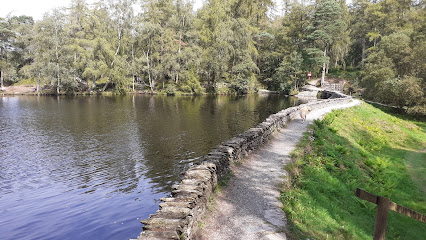
The Dock Museum
14.4 km
Explore Barrow-in-Furness’s maritime past and industrial heritage at The Dock Museum, set in a historic dry dock with free admission and family-friendly exhibits.
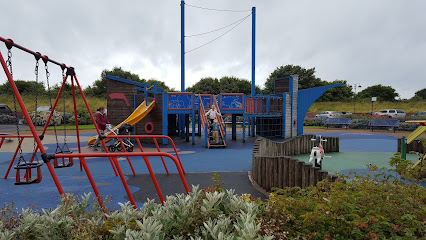
Windermere
15.3 km
Explore Windermere, England’s largest natural lake, where stunning landscapes, vibrant villages, and rich heritage create an unforgettable Lake District experience.
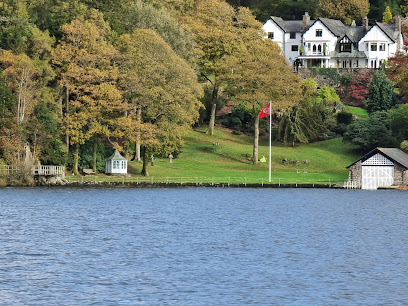
Grizedale
15.3 km
Explore Grizedale Forest’s blend of stunning Lake District scenery, captivating outdoor art, and thrilling outdoor adventures for all ages.
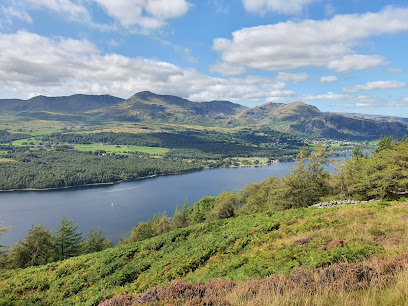
Go Ape Grizedale
15.6 km
Experience thrilling treetop adventures and soaring zip lines in the heart of Grizedale Forest, Lake District’s premier outdoor activity hub.
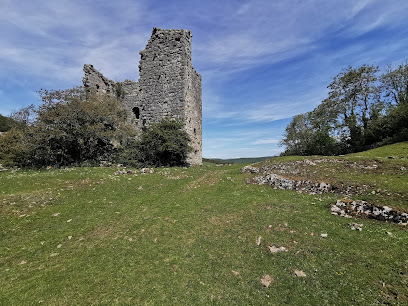
Arnside Tower
16.5 km
Explore Arnside Tower, a hauntingly beautiful 15th-century pele tower ruin nestled on a limestone knoll with stunning estuary views in Cumbria.
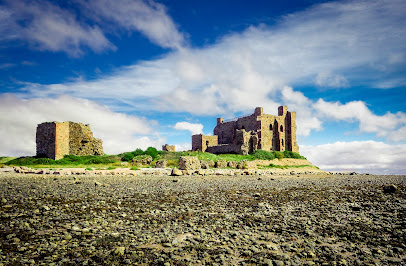
Piel Castle
16.7 km
Explore the evocative ruins of Piel Castle, a 14th-century fortress guarding Barrow-in-Furness with rich history and island charm.
Essential places to dine

L'Enclume
8.4 km
Experience Simon Rogan’s three Michelin-starred farm-to-table masterpiece in Cartmel, where seasonal British ingredients shine in innovative tasting menus.
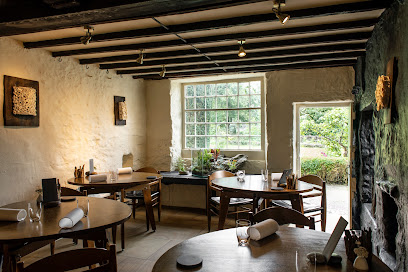
The Brown Horse Inn
19.0 km
A cozy and charming inn near Windermere offering hearty food, comfortable rooms, and a warm Lake District welcome.
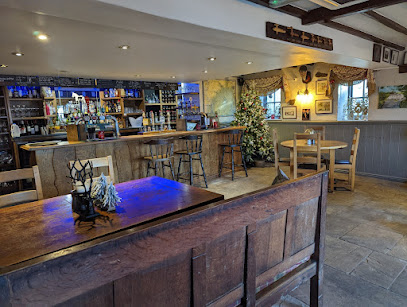
The Punch Bowl Inn, Crosthwaite
19.4 km
Historic country inn in Lyth Valley offering acclaimed local cuisine, cozy boutique rooms, and timeless Lake District charm.
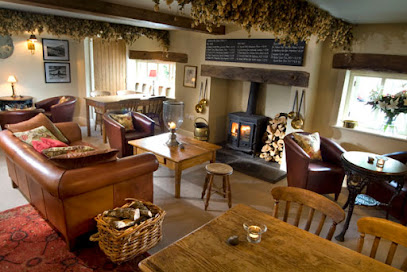
The Ryebeck Hotel
19.4 km
Charming lakeside hotel with quirky style, fine dining, and stunning views over Lake Windermere in the heart of the Lake District.

Henrock
20.0 km
Experience Michelin-starred modern cuisine with tranquil garden views at Henrock, nestled in the luxurious Linthwaite House Hotel near Lake Windermere.
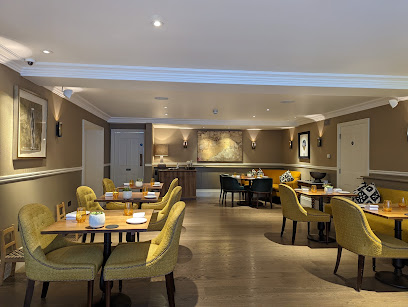
The Wheatsheaf, Beetham
20.1 km
Historic country pub and inn in Milnthorpe offering hearty British fare, cozy rooms, and warm, dog-friendly hospitality in scenic Cumbria.
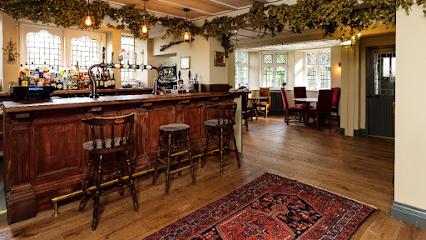
Boardwalk Bar and Grill
20.4 km
Relax by Lake Windermere with delicious grilled dishes and panoramic views at Boardwalk Bar and Grill, Bowness-on-Windermere’s lakeside favorite.
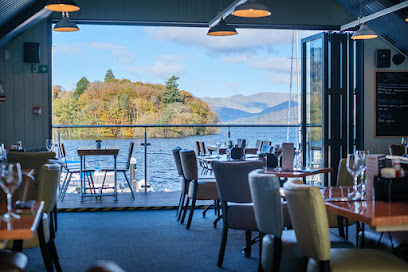
Lake View Garden Bar - Pub | Food | Live Music
20.7 km
Discover Lake View Garden Bar: A scenic pub offering delicious food, refreshing drinks, and live music by beautiful Windermere.
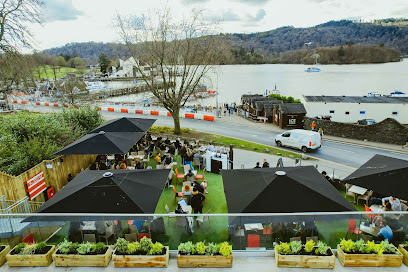
The Lakeview Restaurant at Macdonald Old England Hotel
20.8 km
Modern British fine dining with stunning panoramic views of Lake Windermere and the surrounding fells in a refined lakeside setting.
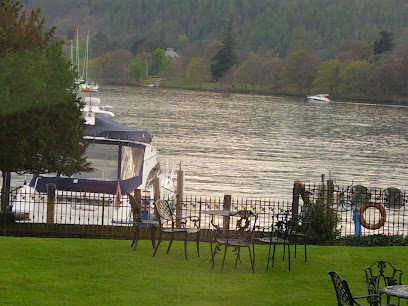
Porto Restaurant
20.9 km
Experience modern British cuisine with locally sourced flavors in a warm, inviting setting just steps from Lake Windermere.
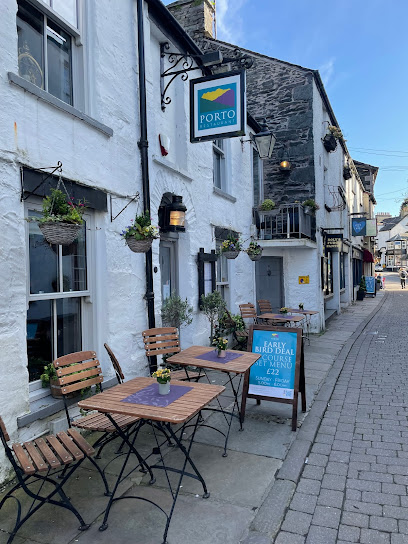
BAHA Bowness - Bar | Restaurant | Live Music
20.9 km
Experience vibrant Asian BBQ, live music, and nightlife across three lively floors in the heart of Bowness-on-Windermere.
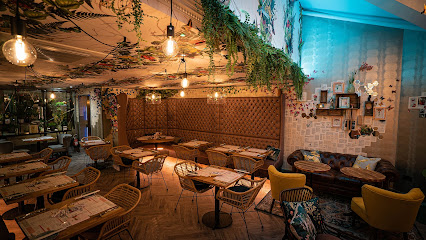
The Magic Roundabout
20.9 km
A vibrant café and bar in Bowness-on-Windermere offering diverse British cuisine, inclusive menus, and a lively atmosphere from morning to late night.
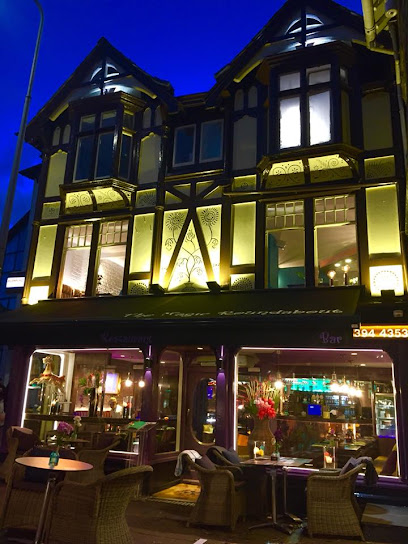
The Flying Pig Pub
21.0 km
Experience hearty Lakeland hospitality and classic English fare in the welcoming atmosphere of The Flying Pig Pub, Bowness-on-Windermere.
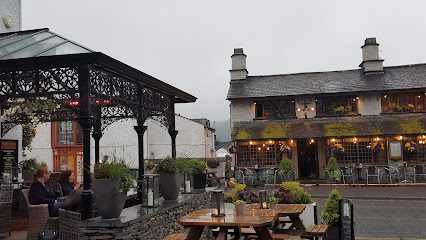
The Westmorland Inn
21.2 km
Rustic charm and hearty dining just steps from Lake Windermere in the heart of Bowness-on-Windermere.
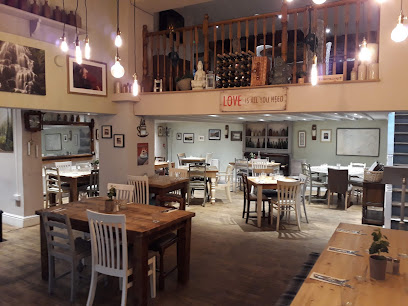
The Black Labrador
21.7 km
A cozy, dog-friendly country pub near Kendal serving exceptional local dishes in a warm, welcoming Lake District setting.
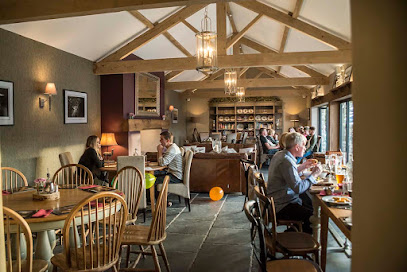
Markets, malls and hidden boutiques

Squirrel A store of buried treasure
1.0 km
Discover unique gifts and artisanal treasures in a charming converted pub at the heart of Ulverston’s Market Street.
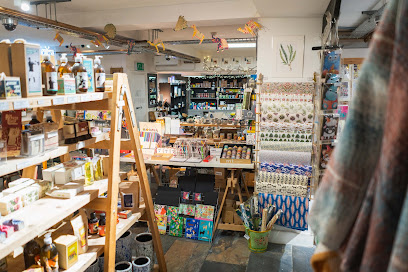
Muse Boutique
1.0 km
Unique and affordable ladies' fashion boutique in the heart of Ulverston’s historic Market Street.
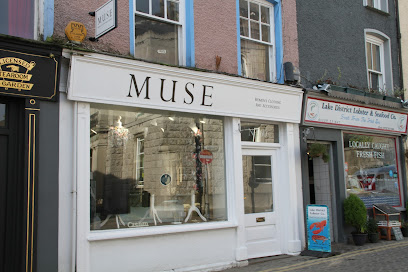
Pretty Things Boutique
1.1 km
Discover unique ladies’ fashion and personalized styling at Ulverston’s charming Pretty Things Boutique on King Street.
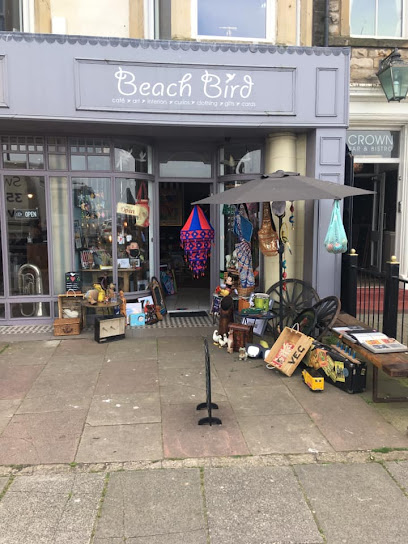
Beach Bird
20.1 km
Discover unique antiques, vintage fashion, and artistic homewares at Beach Bird, Morecambe’s beloved artisan gift shop on the scenic promenade.
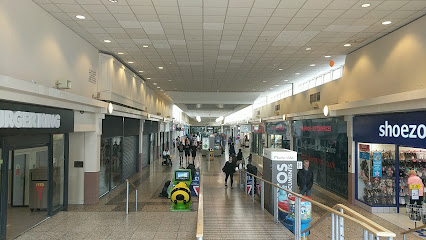
The Arndale Shopping Centre
20.3 km
Morecambe’s only covered shopping centre offering everyday retail and discount stores in a convenient town centre location.
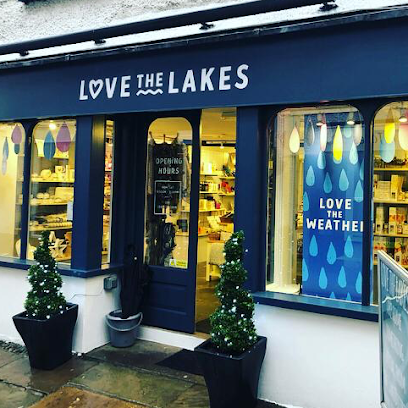
Love the Lakes Bowness
20.9 km
Locally crafted gifts celebrating the spirit and beauty of England's Lake District.
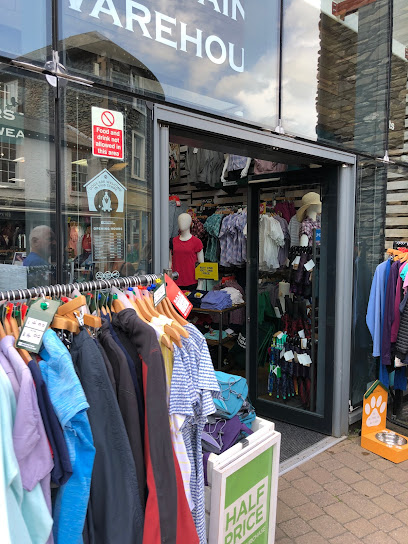
Mountain Warehouse
20.9 km
Your go-to outdoor clothing and equipment store in Bowness, offering quality gear for all your Lake District adventures.
Tesco Express
20.9 km
Your convenient, friendly supermarket stop in Bowness-on-Windermere, open daily with fresh local produce and essentials for every visit.
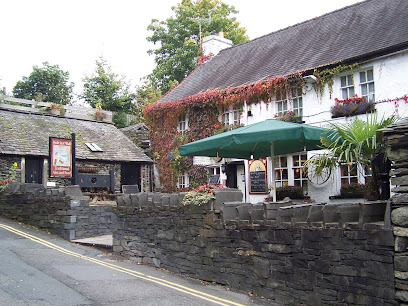
Lonsdale Galleries
21.0 km
Discover unique Lake District gifts and local crafts in a spacious, welcoming gallery at the heart of Bowness-on-Windermere.
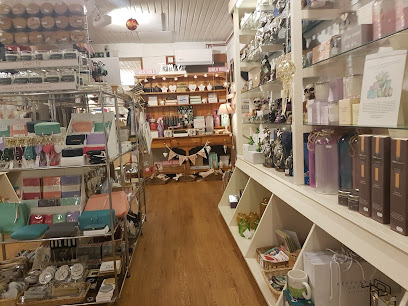
Herdy Bowness
21.0 km
Whimsical Lake District gifts celebrating the beloved Herdwick sheep with quality, character, and charm.
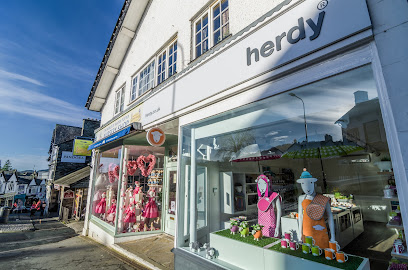
LAKELAND Leather
21.0 km
Discover handcrafted leather elegance and timeless style at Lakeland Leather in Bowness-on-Windermere, where tradition meets the Lake District spirit.
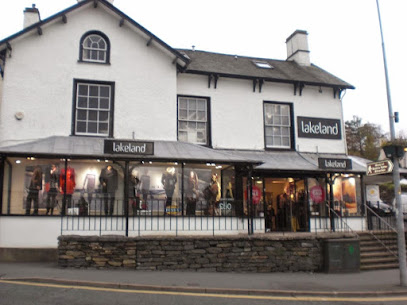
Pretty Things
21.1 km
Discover stylish ladies' fashion and warm hospitality at Pretty Things, a charming boutique in the heart of Bowness-on-Windermere.
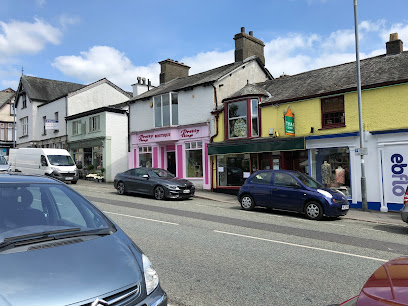
The Original Man Shop
21.1 km
A distinctive men's gift and fashion boutique offering style and charm in the heart of Bowness-on-Windermere.
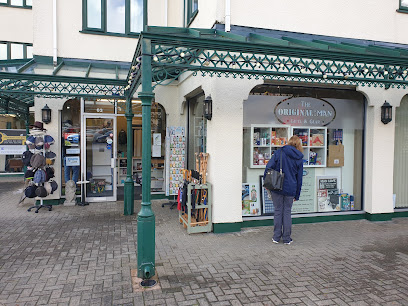
Kitty Brown Boutique
22.0 km
A warm, independent women’s fashion boutique in Carnforth, offering curated clothing, footwear and accessories with comfort, style and sustainability at heart.
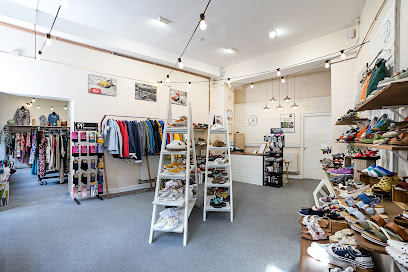
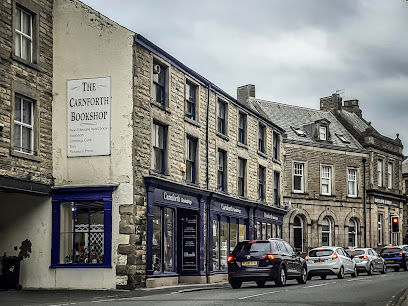
Carnforth Bookshop
22.1 km
Discover Carnforth Bookshop, a family-run independent haven of books, gifts, and local heritage in the heart of historic Lancashire.
Essential bars & hidden hideouts

The Boathouse | Bar & Restaurant
19.8 km
Stylish gastropub at Windermere Marina Village with scenic lake views, fresh seasonal menus, and a vibrant yet relaxed atmosphere.
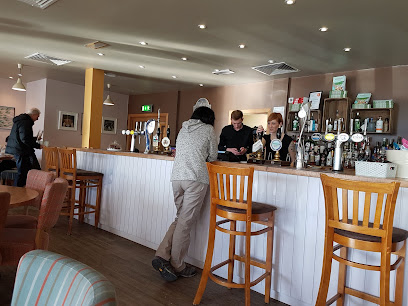
Boaters Bar
20.3 km
Lake District’s premier lakeside bar offering craft beers, live entertainment, family fun, and stunning views over Lake Windermere.
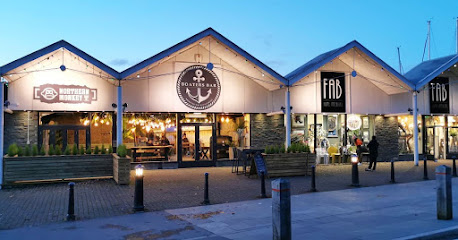
Quayside Bowness
20.3 km
Lakeside bar and kitchen with stunning views, live sports, and vibrant nightlife across three lively floors in Bowness-on-Windermere.
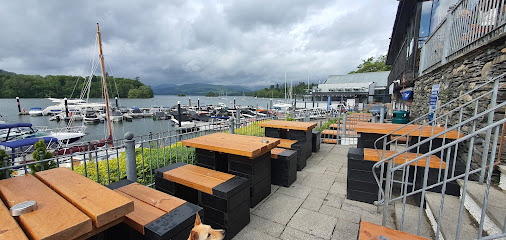
Smugglers Den Morecambe
20.4 km
Historic 1740s pub in Morecambe offering friendly service, quality ales, and a cozy atmosphere at great value.
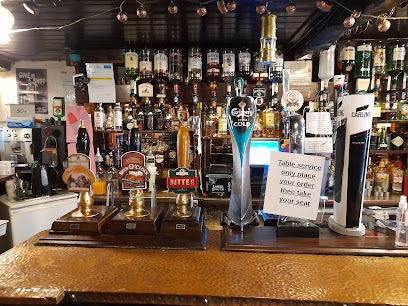
The Lake View Bowness
20.6 km
A welcoming lakeside pub in Bowness-on-Windermere offering stunning views, hearty fare, and classic English charm.
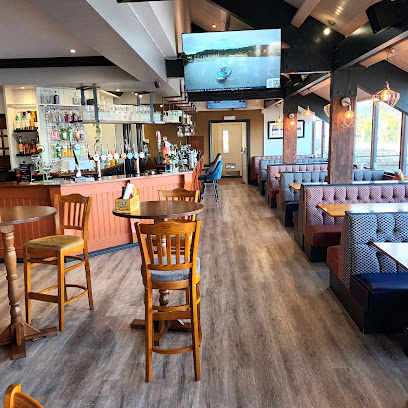
Village Inn Bowness-On-Windermere
20.8 km
A welcoming traditional pub in Bowness-on-Windermere offering local ales, hearty British fare, live sports, and a spacious beer garden.
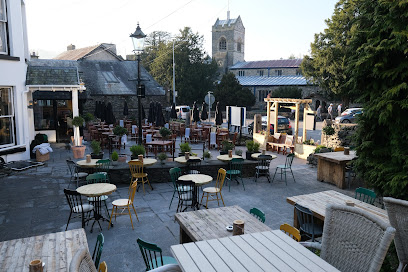
The Arts Bar
20.8 km
Creative cocktails and seasonal dishes served in a cozy, arts-inspired setting in the heart of Bowness-on-Windermere.
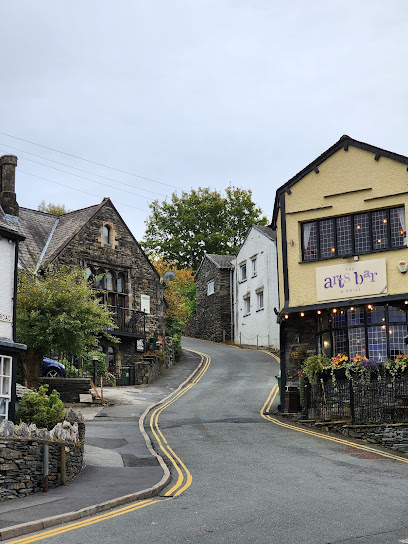
The Easy Breeze
20.8 km
A vibrant bar and restaurant blending Lakeland charm, live music, and flavorful street food in the heart of Bowness-on-Windermere.
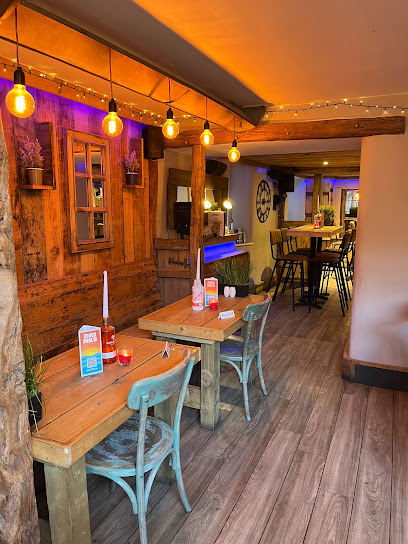
Lago
20.9 km
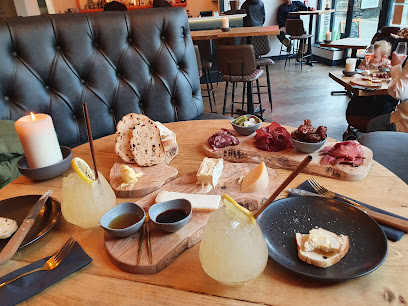
Lago is a lively bar in Bowness-on-Windermere known for its quality cocktails, sharing platters, and welcoming atmosphere near the heart of the Lake District.
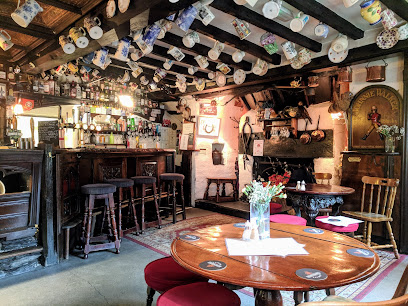
Hole in t' Wall
20.9 km
Historic Lakeland pub offering hearty food, cask ales, and a cozy atmosphere in the heart of Bowness-on-Windermere.
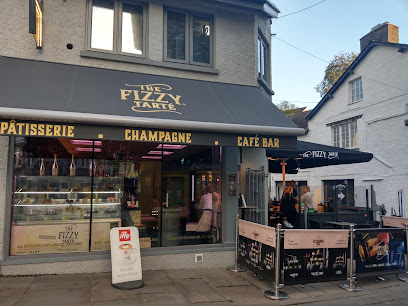
The Fizzy Tarté
20.9 km
A vibrant cocktail bar and café in Bowness-on-Windermere serving stylish drinks and fresh afternoon tea in a lively, chic setting.
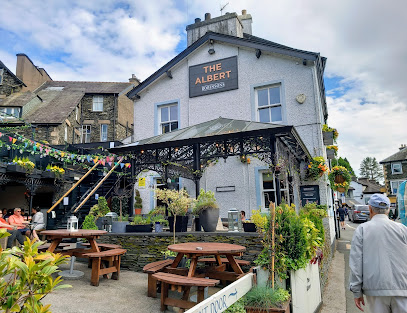
The Albert
20.9 km
A lively, traditional pub in Bowness-on-Windermere offering local ales, hearty food, and a warm, welcoming atmosphere year-round.
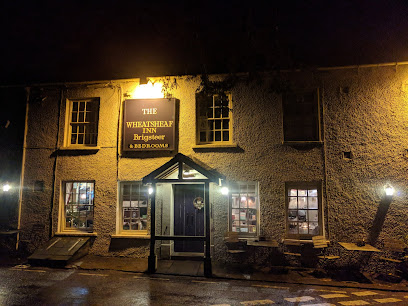
Wheatsheaf Inn, Brigsteer
21.3 km
A charming countryside pub and boutique inn in Brigsteer offering rustic comfort, excellent food, and warm hospitality near Kendal.
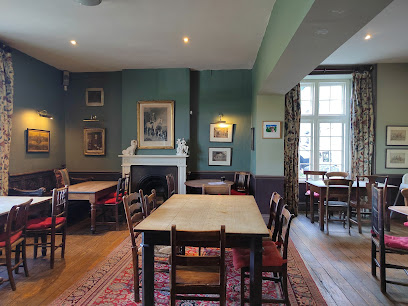
Strickland Arms
22.1 km
Traditional British pub with hearty fare and warm hospitality nestled near Kendal’s scenic Lake District gateway.
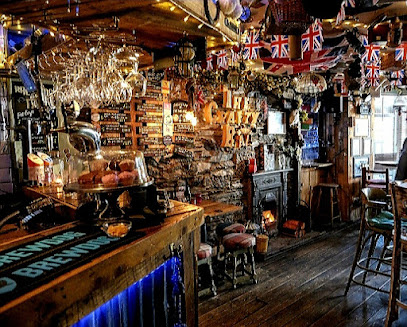
The Crafty Baa Windermere
22.8 km
A vibrant, quirky bar and tapas spot in Windermere, famed for its eclectic décor, craft drinks, and lively, welcoming atmosphere.
Nightclubs & after hour spots

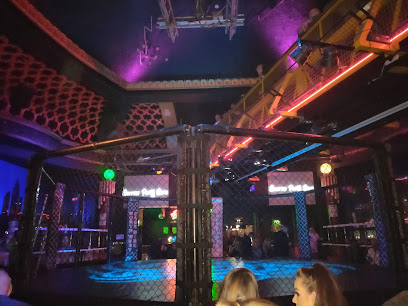
Manhattans Nightclub
13.6 km
Barrow-in-Furness’s top nightclub for themed parties, DJ nights, and vibrant late-night entertainment on Cavendish Street.
The Lounge C9
13.6 km
Experience Barrow-in-Furness’ vibrant nightlife at The Lounge C9, where music, drinks, and community come alive every weekend.
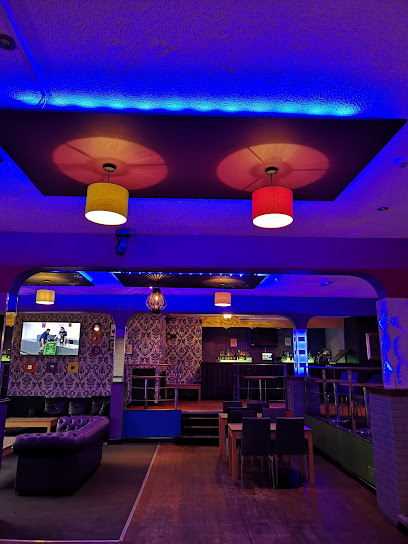
Hollywood Nightclub
13.6 km
Experience the vibrant late-night pulse of Barrow-in-Furness at Hollywood Nightclub, where music and dance light up Cavendish Street.
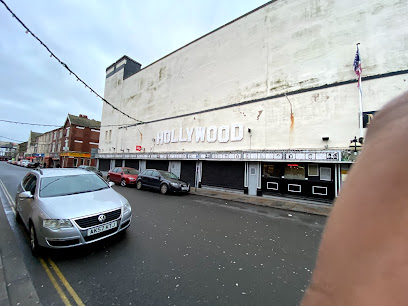
Wheelhouse Nightclub
20.3 km
Experience vibrant weekend nightlife with dynamic music, drinks, and dancing at Wheelhouse Nightclub in scenic Bowness-on-Windermere.
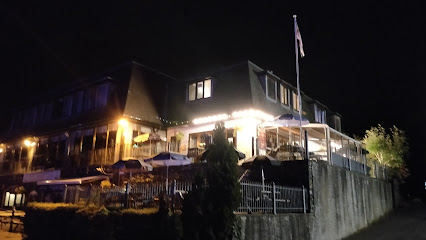
Windermere Social Club
22.3 km
A friendly and versatile social club in Windermere offering games, sports viewing, and community events in a welcoming atmosphere.
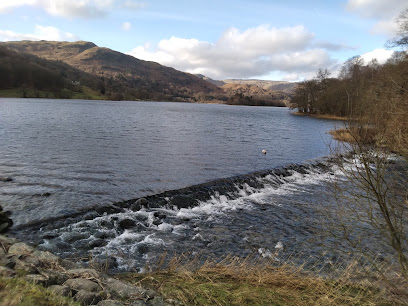
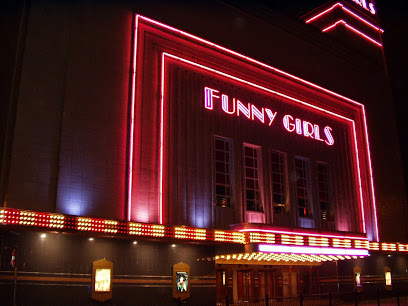
Funny Girls
42.4 km
Discover the magic of Blackpool's Funny Girls, where dazzling performances meet delightful dining in an unforgettable night out.
Sanuk Nightclub
42.5 km
Experience Blackpool’s vibrant nightlife at Sanuk Nightclub, a premier venue with six rooms and a lively house music scene on the iconic promenade.
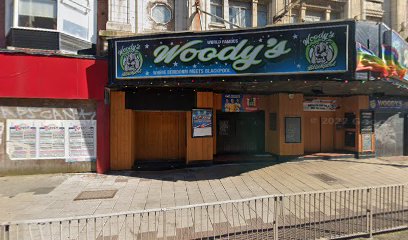
Club underground
42.6 km
Experience Blackpool’s authentic old-school basement club with vibrant music, friendly crowds, and late-night energy on Talbot Road.
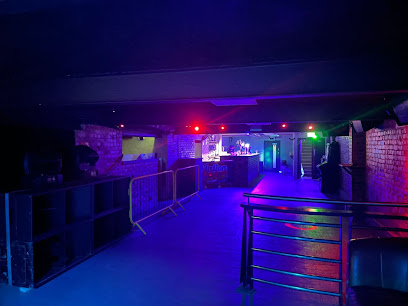
Popworld - Blackpool
42.6 km
Experience retro pop hits and vibrant party vibes at Popworld Blackpool, the iconic two-floor nightclub on the Promenade.
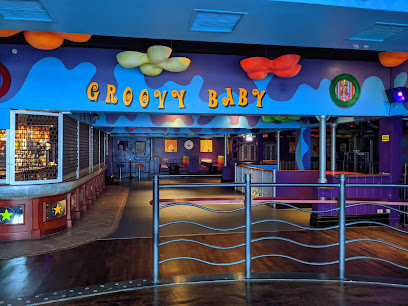
Trilogy Nightclub
42.7 km
Experience Blackpool’s vibrant nightlife across three floors of music, lights, and energy at Trilogy Nightclub.
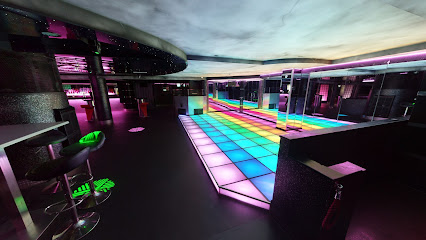
The Tache Rock Club
42.8 km
Blackpool’s spirited rock nightclub offering authentic music, friendly vibes, and late-night energy in a casual setting.
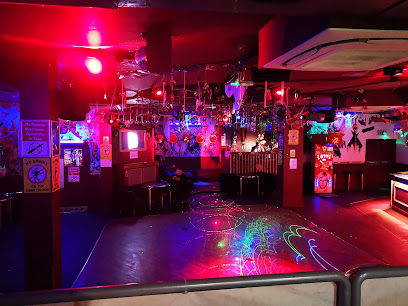
Hush Nightclub
42.8 km
Experience Blackpool’s vibrant RnB and Afrobeats nightlife at Hush Nightclub, where music, cocktails, and atmosphere come alive.
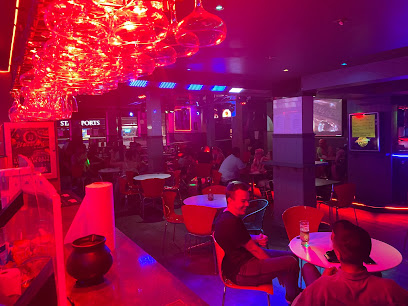
The Moorcock Inn
52.0 km
Discover the charm of The Moorcock Inn in Sedbergh, where cozy accommodations meet delicious local cuisine amidst breathtaking Yorkshire Dales views.
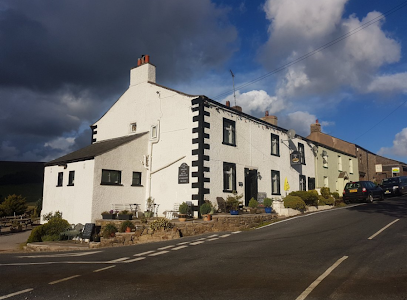
Settle Working Mens Club
54.5 km
Discover the charm of Settle Working Mens Club, a local bar offering authentic community spirit, affordable drinks, and a vibrant atmosphere in Settle.
Switch Nightclub
55.1 km
Energetic and affordable nightlife hub in Preston, popular with a middle-aged crowd and known for its lively atmosphere.

For the vibe & atmosphere seeker
- Scenic
- Relaxing
- Tranquil
- Unique
For the design and aesthetic lover
- Vintage Styles
- Rustic Designs
For the architecture buff
- Historic
- Landmarks
For the view chaser and sunset hunter
- Iconic Views
- Panoramas
- Sunset Spots
For the social media creator & influencer
- Instagrammable
- Photo Spots
- Selfie Spots
For the eco-conscious traveler
- Public-Transport Accessible
- Low Impact
- Locally Managed
For the kind of experience you’re after
- Cultural Heritage
- Photowalk
- Nature Escape
- Day Trip
- Weekend Getaway
For how adventurous you want the journey to be
- Easy Access
Location Audience
- Family Friendly
- Senior Friendly
- Child Friendly
- Teen Friendly
- Wheelchair Access
- Solo Friendly
- Couple Friendly
- Solo Female Friendly


