Piel Castle, Cumbria Travel Guide
Explore the evocative ruins of Piel Castle, a 14th-century fortress guarding Barrow-in-Furness with rich history and island charm.
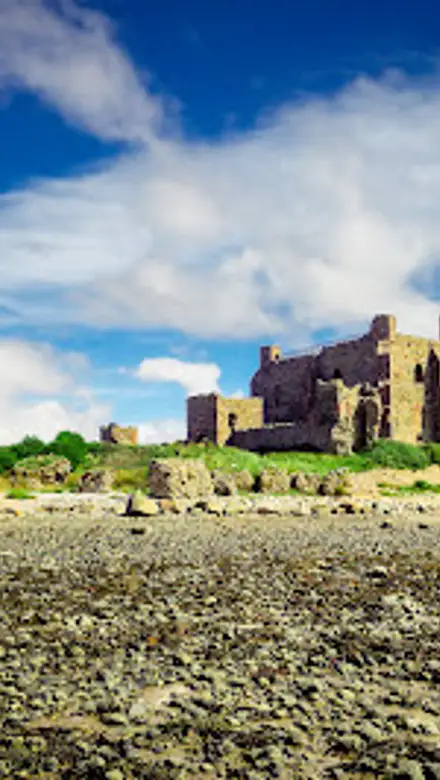
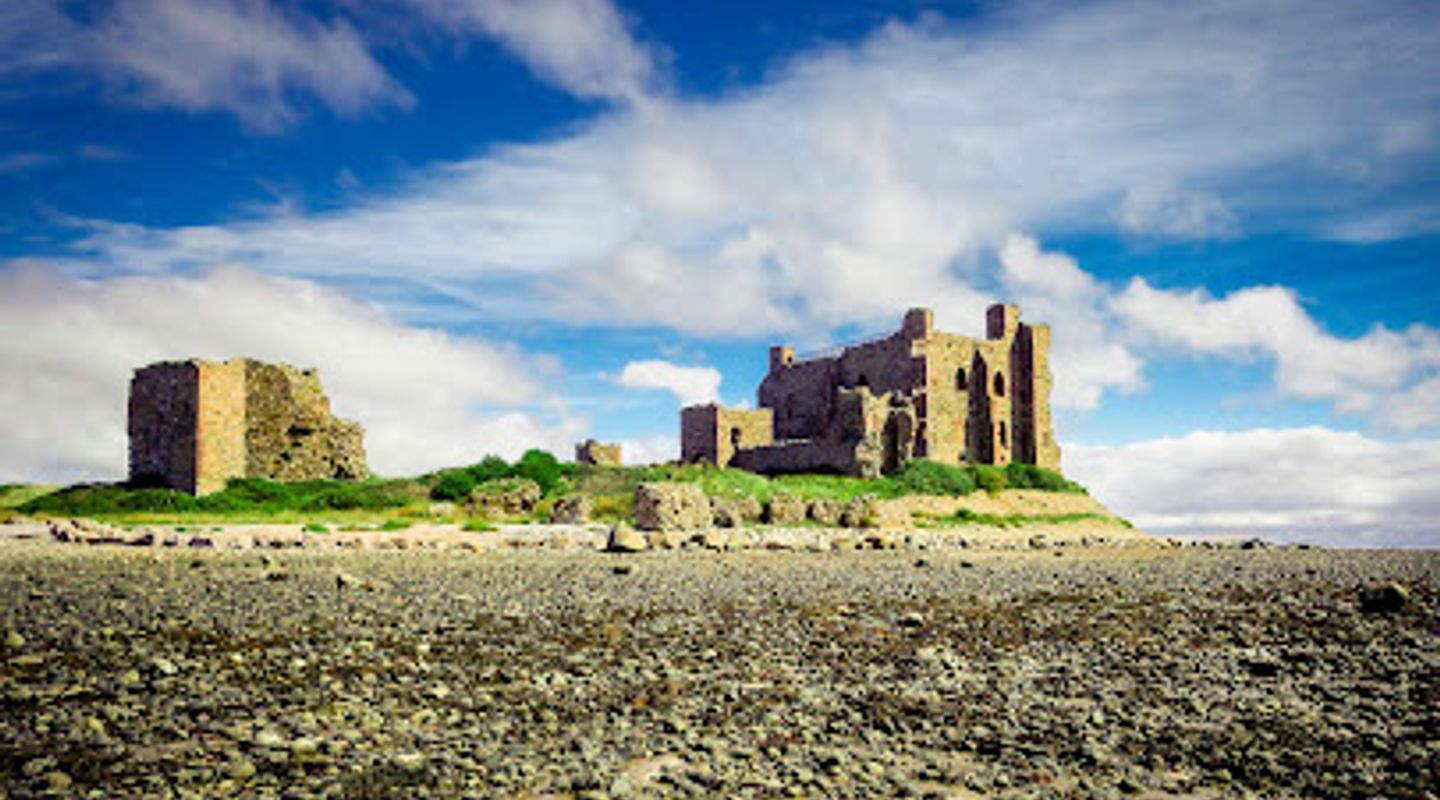
Piel Castle is a striking 14th-century fortress perched on Piel Island near Barrow-in-Furness, Cumbria. Built by the Abbot of Furness Abbey around 1327, it served to protect the harbour from Scottish raids and oversee local trade. The castle's ruins, including a large keep and defensive baileys, evoke centuries of history, from medieval smuggling to Lambert Simnel's brief court. Accessible only by ferry, the castle offers a unique glimpse into England’s coastal heritage amid scenic island surroundings.
A brief summary to Piel Castle
- Piel Castle, Piel Island, Walney, Barrow-in-Furness, LA13 0QN, GB
- Click to display
- Click to display
- Duration: 1 to 3 hours
- Free
-
 Outdoor
- Mobile reception: 3 out of 5
- Monday 9 am-5 pm
- Tuesday 9 am-5 pm
- Wednesday 9 am-5 pm
- Thursday 9 am-5 pm
- Friday 9 am-5 pm
- Saturday 9 am-5 pm
- Sunday 9 am-5 pm

Know before you go
Hi, I'm Eve. Here are a few practical things to know before exploring Piel Castle.
- Plan your visit between Easter and October when the ferry to Piel Island operates, weather permitting.
- Wear sturdy footwear as exploring the castle ruins involves uneven terrain and outdoor walking.
- Bring a camera to capture panoramic views of the island, castle ruins, and surrounding seascape.
- Visit The Ship Inn on the island for refreshments and a local atmosphere after exploring the castle.
Do you manage this location?
Take control to get all the benefits, like improved information, better appearance, and stronger visibility across AI-powered discovery. Learn more about listing your business on Evendo
Activate your presenceOther nearby places you may find interesting
The closest places of the same kind, if this one is not quite what you had in mind.
Explore Piel Castle on the Map
A handpicked selection of must-see spots near Piel Castle, mapped for you.
Getting There
-
Ferry
A small passenger ferry operates seasonally from Roa Island to Piel Island between Easter and October, weather dependent. The journey takes around 10 minutes. The ferry is privately operated and not managed by English Heritage. Prices typically range from £5 to £10 for a round trip.
-
Car and Ferry Combination
Drive to Roa Island via Barrow-in-Furness; parking is limited near the ferry terminal. From there, take the seasonal ferry to Piel Island. Total travel time from Barrow-in-Furness is approximately 30–45 minutes including ferry. Parking may incur local fees.
-
Walking and Ferry
For the adventurous, a walk from Barrow-in-Furness to Roa Island takes about 1.5 to 2 hours along coastal paths with varied terrain. Afterward, take the ferry to Piel Island. This option requires good fitness and sturdy footwear.
For the on-the-go comforts that matter to you
-
 Restrooms
-
 Drink Options
-
 Food Options
-
 Seating Areas
-
 Information Boards
Discover more about Piel Castle
Origins and Strategic Purpose
Piel Castle was constructed in the early 14th century by John Cockerham, the Abbot of Furness Abbey, following a licence to crenellate granted by King Edward III around 1327. Its primary role was to safeguard the harbour at Barrow-in-Furness from Scottish raiders who had attacked the region in the early 1300s. The castle was strategically positioned on Piel Island to oversee maritime trade routes and provide a defensive stronghold for the Abbey’s interests. The structure featured a large central keep surrounded by inner and outer baileys, with thick stone walls quarried from the local beach.Architectural Evolution and Defensive Features
Architectural historians suggest Piel Castle was built in phases, beginning with the central keep, likely intended as a summer residence for the Abbot. Later additions included fortified walls enclosing the inner and outer baileys, enhancing its defensive capabilities. The castle’s design reflects medieval military architecture adapted for both residence and protection. Despite its robust construction, the castle suffered damage over centuries, especially from coastal erosion, which led to partial collapse of the keep in the early 19th century. Restoration efforts in the late 19th century helped preserve the ruins visible today.Historical Highlights and Notable Events
Beyond its defensive role, Piel Castle was involved in smuggling activities, with merchants from Calais lodging complaints about illegal wool trafficking facilitated by the Abbey. In 1487, the castle gained historical prominence as the landing site and base for Lambert Simnel, a Yorkist pretender who briefly held court there before his defeat at the Battle of Stoke Field. Following the dissolution of Furness Abbey in 1537, the castle passed to the Crown but gradually fell into ruin. Its evocative ruins inspired poet William Wordsworth, who penned a poem about the castle during a visit in 1811.Visiting Piel Castle Today
Today, Piel Castle stands as a protected heritage site managed by English Heritage. Visitors reach the island via a small ferry from Roa Island, available seasonally and weather-dependent. The castle’s remains, including the keep, curtain walls, and baileys, offer a tangible connection to medieval England’s coastal defenses. Nearby, The Ship Inn provides refreshment, and the island’s tranquil setting invites exploration. The site’s preservation faces ongoing challenges from natural erosion, underscoring the importance of conservation efforts.Cultural and Environmental Context
Piel Island and its castle are part of a broader cultural landscape linked to Furness Abbey and the maritime history of Barrow-in-Furness. The island’s natural environment, surrounded by tidal waters and wildlife habitats, complements the historical experience with scenic views and a sense of remoteness. The castle’s ruins serve as a reminder of the region’s medieval past and the enduring relationship between human settlement and the sea.Legacy and Preservation
The castle’s legacy is preserved through English Heritage’s stewardship, which balances public access with protection against coastal erosion. Restoration work in the 19th century and ongoing maintenance have ensured that Piel Castle remains a captivating destination for history enthusiasts and visitors seeking a unique island experience. Its story embodies themes of power, defense, trade, and survival along England’s rugged coastline.












Your all‑in‑one travel companion app
Explore expert travel guides, compare and book tours, experiences, hotels, and more—all from the palm of your hand. Download now for seamless trip planning wherever your wanderlust takes you.


Explore More of Cumbria
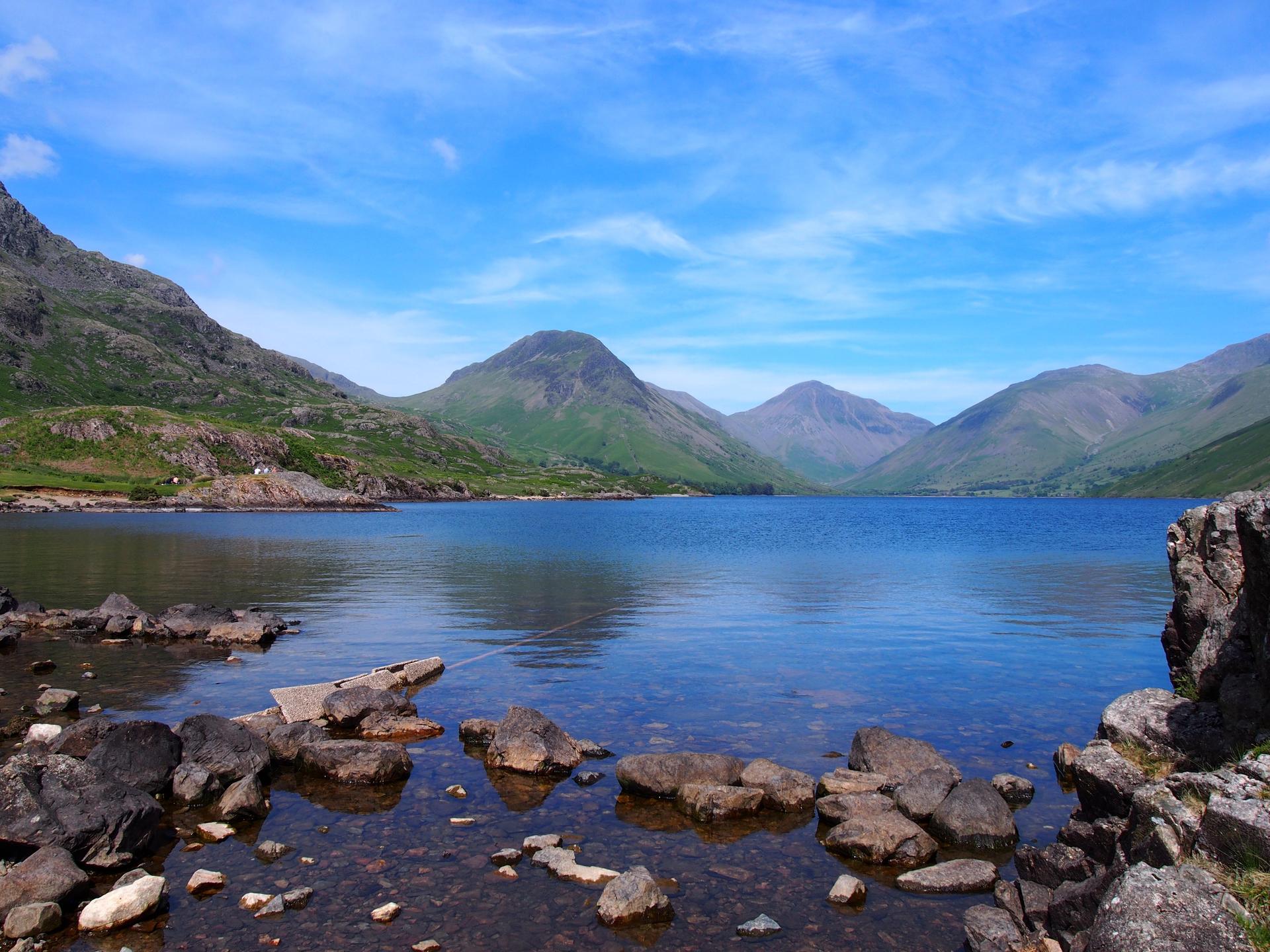
Looking beyond Piel Castle? Discover Cumbria for broader travel guides, local hot-spots, and regional highlights.
Explore Cumbria
Discover vibrant butterflies and exotic mini-beasts in the tropical Butterfly House nestled within Lancaster’s scenic Williamson Park.

Explore Barrow-in-Furness’s maritime past and industrial heritage at The Dock Museum, set in a historic dry dock with free admission and family-friendly exhibits.