

Elland Rd, Leeds Travel Guide
Free Guide: Elland Road: A storied stadium where Yorkshire’s football heritage and passionate Leeds United spirit come alive.


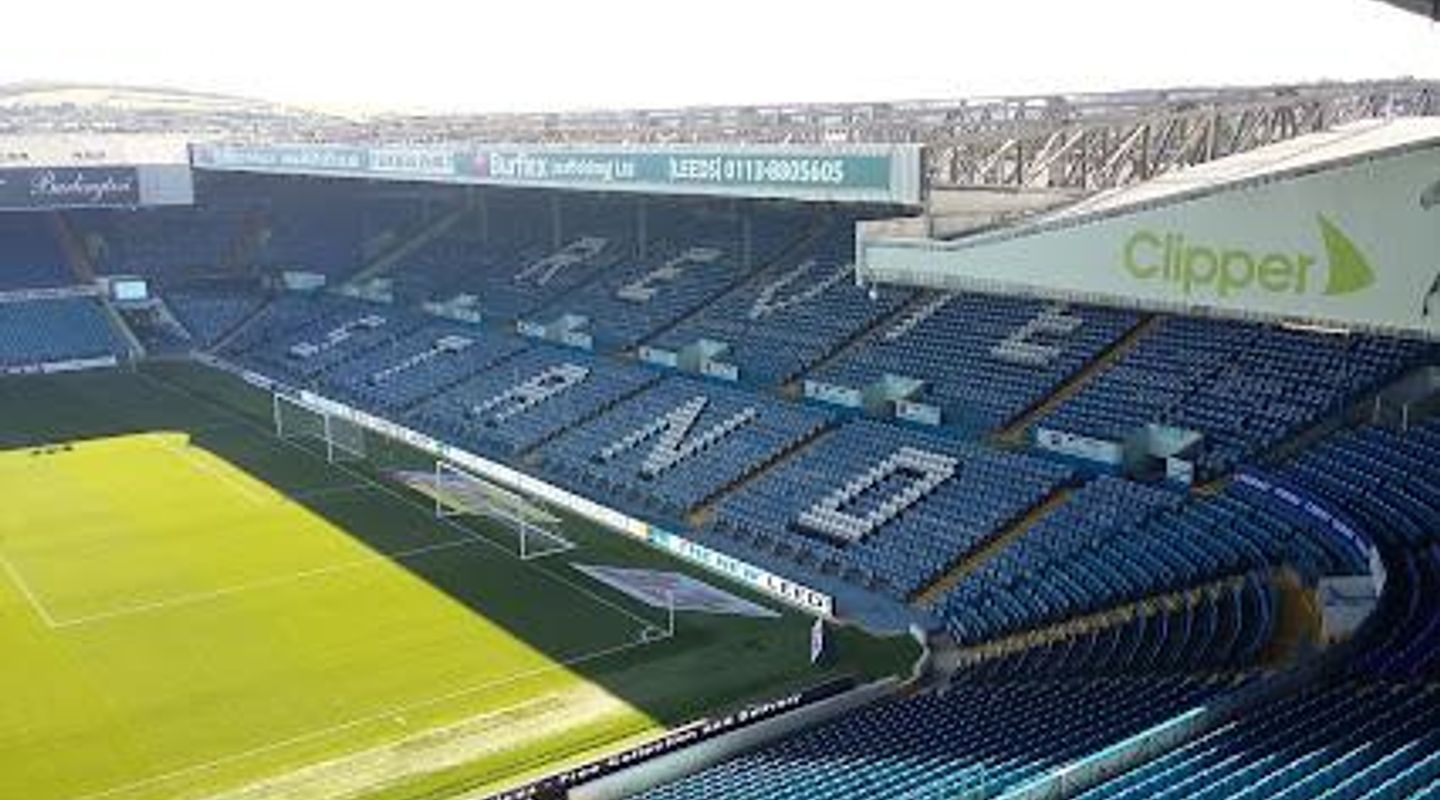
A brief summary of Elland Rd
Elland Road: A storied stadium where Yorkshire’s football heritage and passionate Leeds United spirit come alive.
Elland Road, located in Leeds, England, is a historic football stadium that has been home to Leeds United since 1919. Originally opened in 1897 and initially used for rugby, it evolved into one of England's iconic football grounds with a capacity of around 38,000. The stadium boasts a rich heritage, having hosted major football events including Euro 1996 matches, and is renowned for its passionate atmosphere and deep connection to Yorkshire football culture.
On-site amenities
 Restrooms
 Drink options
 Food options
 Seating areas
 Information boards
- Address
- Leeds
Getting there
Bus
Train and Bus Combination
Car
Discover more about Elland Rd
Origins and Early Years
Elland Road first opened in 1897, originally serving as a rugby ground for Holbeck Rugby Club. The site, located at the foot of Beeston Hill beside the A643 road, was initially known as the Old Peacock Ground, named after a nearby pub. In 1904, the newly formed Leeds City FC took over the stadium, marking the beginning of its long association with football. Early developments included the construction of a 4,000-seat grandstand and terraced stands that allowed the ground to host large crowds, including a notable FA Cup semi-final in 1910 attended by 36,000 spectators.
Transformation into Leeds United's Fortress
Following Leeds City FC's dissolution in 1919 due to financial irregularities, Leeds United was established and made Elland Road their home. Over the decades, the stadium underwent numerous expansions and renovations, including the installation of floodlights in 1953 and rebuilding after a devastating fire in 1956 destroyed the West Stand. The 1960s and 1970s marked a golden era for Leeds United, with the stadium hosting record crowds, such as 57,892 spectators during a 1967 FA Cup match. The stadium also welcomed royalty in 1977 when the Queen and Prince Philip visited during the Silver Jubilee celebrations.
Modern Developments and Architectural Highlights
The 1990s saw significant modernization, notably the construction of the East Stand in 1993, which was the largest cantilever stand in the world at the time. This redevelopment transformed Elland Road into an all-seater stadium with a capacity nearing 38,000. The ground was also a venue for Euro 1996, hosting three group stage matches. Despite plans for a new stadium in the early 2000s, Elland Road remains the club's home, preserving its historic charm while accommodating modern football requirements.
Atmosphere and Fan Culture
Elland Road is famed for its vibrant and intimidating atmosphere, fueled by loyal and passionate Leeds United supporters. The club’s anthem, "Marching on Together," resonates throughout the stadium on match days, creating a unique communal experience. The surrounding area reflects the club’s identity, with local artworks celebrating Leeds United’s history. The stadium's terraces and stands have witnessed both triumphant highs and challenging lows, embedding it deeply in the cultural fabric of Yorkshire football.
Legacy and Significance
As the twelfth largest football stadium in England, Elland Road holds a special place in the sport’s history. It symbolizes resilience and tradition, having survived wars, fires, and financial upheavals. The stadium’s statues of legendary figures like Billy Bremner and Don Revie honor its rich heritage. Elland Road is not just a venue but a monument to the enduring spirit of Leeds United and its supporters.
Surroundings and Visitor Experience
Beyond the pitch, Elland Road offers a distinctive environment marked by historic architecture and community pride. The painted utility boxes and local landmarks contribute to a welcoming atmosphere. Visitors can feel the weight of history and the passion of generations of fans, making a visit to Elland Road a memorable cultural and sporting experience.
Evendo Review Centre
 Google
Guest reviews
Best time to go
Quietest: Jan, Feb & Jul · before 6am
Busy times are Evendo estimates for a typical year, to help you plan. Actual crowds vary with events, school holidays and the weather.
Explore Elland Rd on the map
A handpicked selection of must-see spots near Elland Rd, mapped for you.
Get your free copy of our complete guide to Elland Rd, delivered straight to you.
Everything on this page, from opening hours and how to get there to Eve’s tips and the best time to go, in one PDF you can read offline, print or share.
Already have an account? Sign in
Your Elland Rd guide is ready.
We'll send it to · Not you? Sign out

Getting your guide ready…
We are putting together a fresh copy of the Elland Rd guide. This can take up to a minute.
This can take a few moments. If your browser asks, choose Allow so the download can start. You'll find the guide in your Downloads folder.
Nothing happened? Download it again
Sorry, the guide is taking longer than usual. Please try again in a minute, or get it by email instead.
Other nearby places you may find interesting
The closest places of the same kind, if this one is not quite what you had in mind.
-
-
-
-
-


Swipe for more places
More to explore near Elland Rd

 Best experiences near Elland Rd
 Best hotels near Elland Rd
 Best landmarks near Elland Rd
 Best attractions near Elland Rd
 Best shops near Elland Rd
 Best restaurants near Elland Rd
 Best bars near Elland Rd
Do you manage this location?
Take control to get all the benefits, like improved information, better appearance, and stronger visibility across AI-powered discovery.
Explore more

Explore more of Leeds
Discover Leeds: A dynamic city where history meets innovation, offering cultural treasures, stunning architecture, and a gateway to the scenic Yorkshire Dales.
Explore Leeds
Explore more of United Kingdom
Discover the United Kingdom: A blend of rich history, stunning landscapes, and vibrant cities, offering a unique travel experience for every visitor.
Explore United Kingdom
