Nelson Mandela Gardens, Leeds Travel Guide
Free Guide: Urban sanctuary honouring a global freedom fighter, where symbolic sculpture and thoughtful plantings inspire reflection.


A brief summary of Nelson Mandela Gardens
Urban sanctuary honouring a global freedom fighter, where symbolic sculpture and thoughtful plantings inspire reflection.
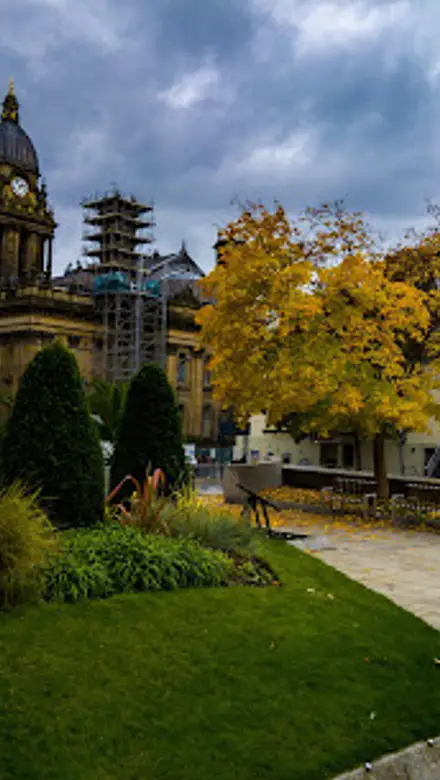
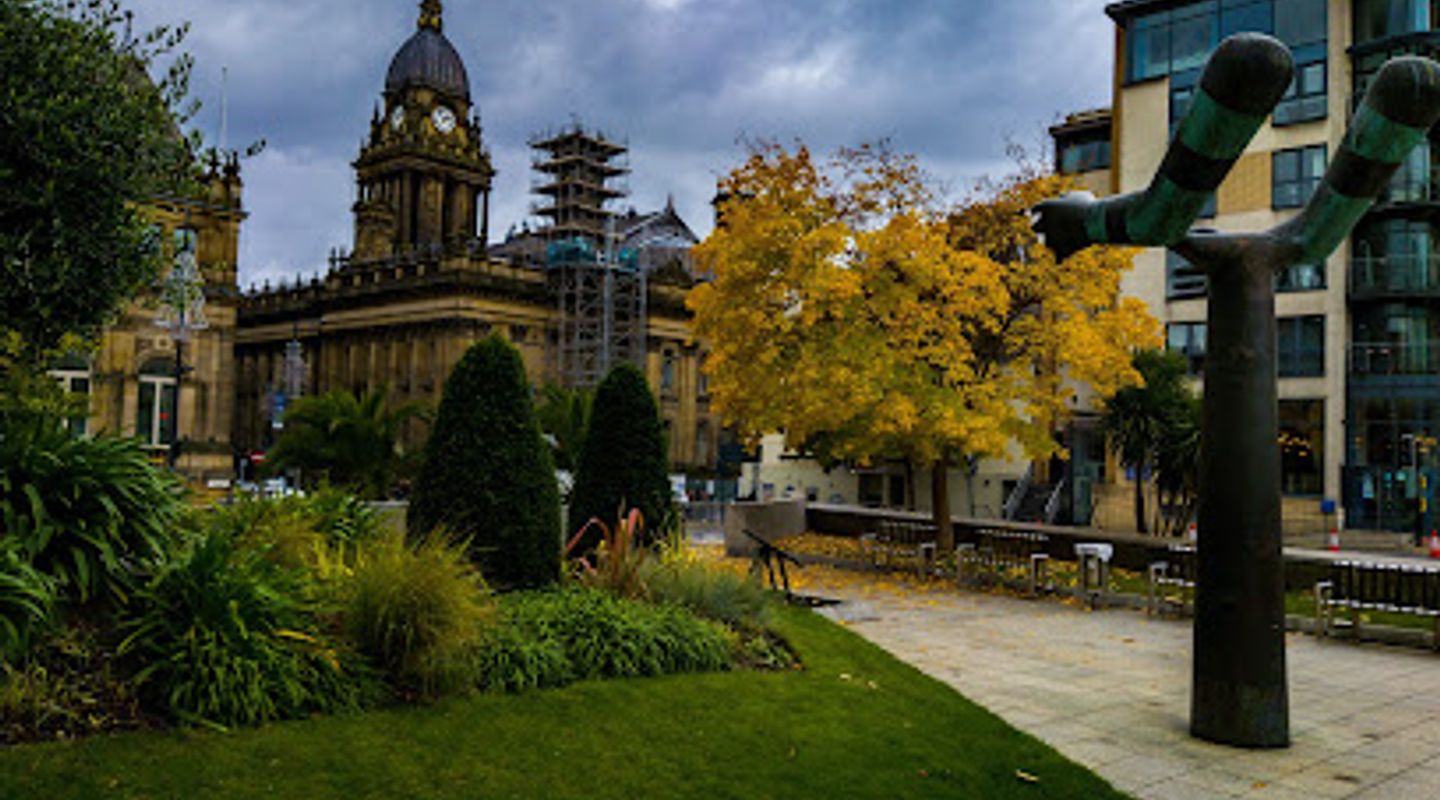
A peaceful urban garden in Leeds city centre honouring Nelson Mandela's legacy. This intimate green space features native South African and British plants, a symbolic water feature representing Mandela's imprisonment, and Kenneth Armitage's striking bronze sculpture 'Both Arms' symbolising reconciliation. Nestled beside Millennium Square, it offers a tranquil retreat amid the bustling Civic Quarter, perfect for quiet reflection or a brief respite during city exploration.
On-site amenities
 Seating areas
 Drinking water
 Trash bins
 Information boards
Opening hours
- Every dayOpen 24 hours
Opening hours as listed on the venue’s Google Business Profile. Hours can change for services and special events, so check with the venue before you go.
- Address
- 5 Calverley St, Leeds LS1 3DA
Getting there
Public Transport
Walking from City Centre
Parking
Taxi
Discover more about Nelson Mandela Gardens
A Garden Born from Historic Dedication
Nelson Mandela Gardens occupies a cherished corner of Leeds city centre, positioned on the southern edge of Millennium Square near the junction of Great George Street and Calverley Street. Originally laid out in 1983 as a garden dedicated to Nelson Mandela in support of the anti-apartheid movement, the site was completely reimagined as part of the ambitious Millennium Square project. On 30 April 2001, Nelson Mandela himself visited Leeds to receive the Freedom of the City and re-dedicated these newly created gardens, lending them profound historical significance. This personal connection to one of the world's greatest leaders imbues the space with meaning that extends far beyond its modest physical dimensions.
Symbolic Plantings and Sculptural Vision
The gardens showcase a thoughtfully curated landscape that bridges continents and cultures. Two distinct flower beds represent the connection between nations: one planted with native South African species and the other with British plants, linked by a pathway and water feature crafted from Portland stone. The water sculpture itself carries profound symbolism, its design representing the bars of Mandela's prison cell at Robben Island, transforming a simple water feature into a meditation on freedom and resilience. Dominating the garden is Kenneth Armitage's remarkable bronze sculpture 'Both Arms', a 16-foot-high cast that stands as a powerful emblem of reconciliation and human connection. The sculpture's title and form invite contemplation on themes of unity and healing.
A Sanctuary Within Urban Energy
Despite its small size, the gardens function as a genuine oasis within the energetic Civic Quarter. The space provides seating areas where visitors can pause and absorb the atmosphere, whether for quiet reflection, a picnic lunch, or simply to escape the surrounding urban bustle. The well-maintained plantings and water features create a sense of calm that contrasts sharply with the activity of nearby Millennium Square. While the garden cannot entirely isolate visitors from city sounds and movement, this proximity to urban life is part of its character—a peaceful pocket of nature integrated seamlessly into the city's fabric rather than removed from it. The garden's design, inspired by the 2004 Chelsea Flower Show, demonstrates that thoughtful horticultural planning can create meaningful beauty even in constrained urban spaces.
Context Within the Civic Quarter
The gardens sit within Leeds's prestigious Civic Quarter, surrounded by architectural and cultural landmarks. Adjacent to Millennium Square, the space neighbours the Carriageworks Theatre, Leeds City Museum, and the historic Civic Hall. The Cuthbert Brodrick pub and restaurant, named after the renowned Leeds architect, borders the broader square. This location places Mandela Gardens at the heart of the city's cultural and civic identity, making it easily accessible to visitors exploring Leeds's museums, galleries, and heritage sites. The surrounding neighbourhood combines Victorian grandeur with contemporary development, offering a rich context for understanding Leeds's evolution from industrial heritage to modern cultural centre.
Evendo Review Centre
 Google
Guest reviews
Best time to go
Quietest: Jan, Feb & Nov · before 6am or at 9pm
Busy times are Evendo estimates for a typical year, to help you plan. Actual crowds vary with events, school holidays and the weather.
Explore Nelson Mandela Gardens on the map
A handpicked selection of must-see spots near Nelson Mandela Gardens, mapped for you.
Get your free copy of our complete guide to Nelson Mandela Gardens, delivered straight to you.
Everything on this page, from opening hours and how to get there to Eve’s tips and the best time to go, in one PDF you can read offline, print or share.
Already have an account? Sign in
Your Nelson Mandela Gardens guide is ready.
We'll send it to · Not you? Sign out

Getting your guide ready…
We are putting together a fresh copy of the Nelson Mandela Gardens guide. This can take up to a minute.
This can take a few moments. If your browser asks, choose Allow so the download can start. You'll find the guide in your Downloads folder.
Nothing happened? Download it again
Sorry, the guide is taking longer than usual. Please try again in a minute, or get it by email instead.
Other nearby places you may find interesting
The closest places of the same kind, if this one is not quite what you had in mind.
-
-
-
-
-


Swipe for more places
More to explore near Nelson Mandela Gardens

 Best experiences near Nelson Mandela Gardens
 Best hotels near Nelson Mandela Gardens
 Best landmarks near Nelson Mandela Gardens
 Best attractions near Nelson Mandela Gardens
 Best shops near Nelson Mandela Gardens
 Best restaurants near Nelson Mandela Gardens
 Best bars near Nelson Mandela Gardens
Do you manage this location?
Take control to get all the benefits, like improved information, better appearance, and stronger visibility across AI-powered discovery.
Explore more

Explore more of Leeds
Discover Leeds: A dynamic city where history meets innovation, offering cultural treasures, stunning architecture, and a gateway to the scenic Yorkshire Dales.
Explore Leeds
Explore more of United Kingdom
Discover the United Kingdom: A blend of rich history, stunning landscapes, and vibrant cities, offering a unique travel experience for every visitor.
Explore United Kingdom