The Black Prince, Leeds Travel Guide
Victorian bronze monument celebrating medieval chivalry at the heart of Leeds City Square.
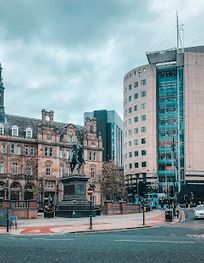
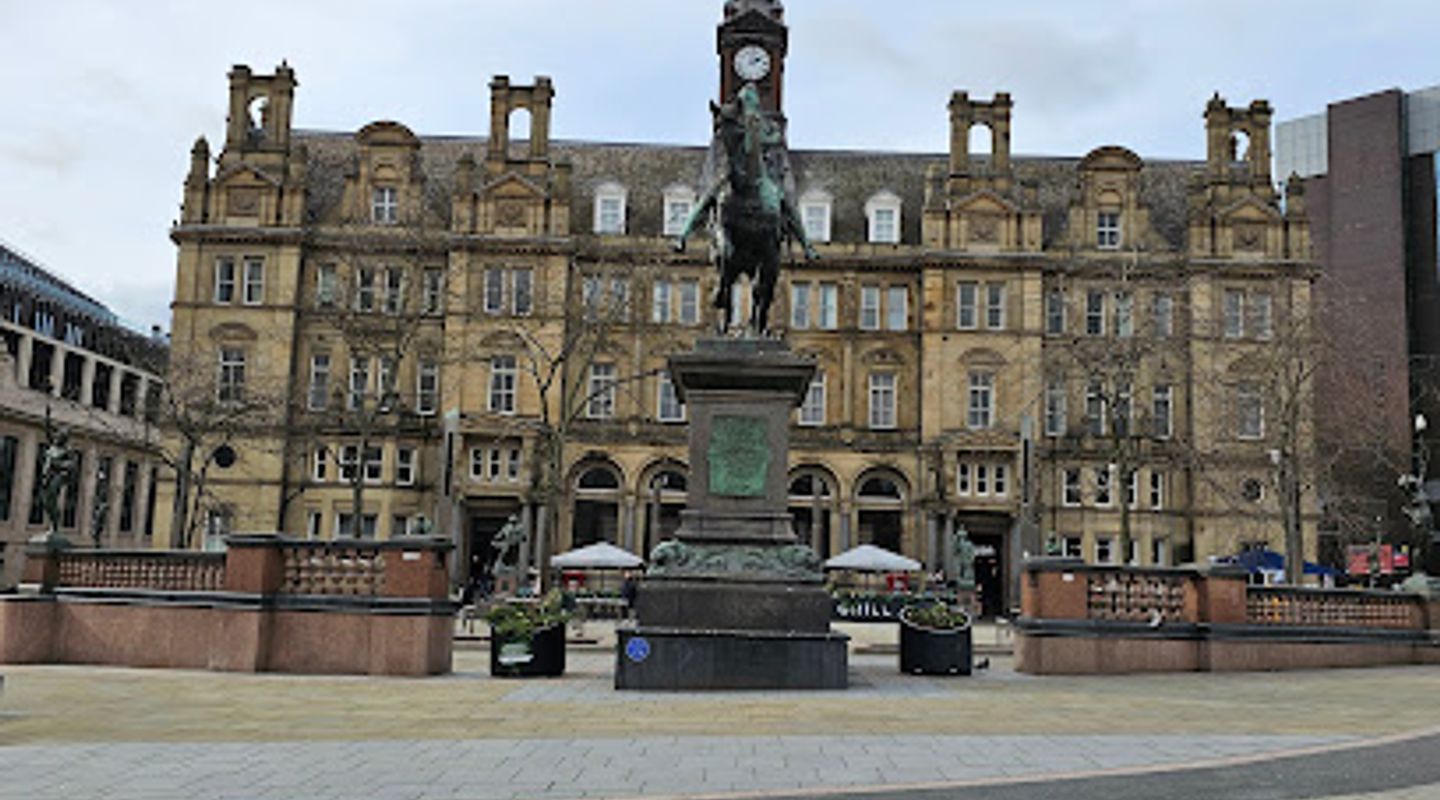
A commanding bronze equestrian statue dominating Leeds City Square, this 1903 monument depicts Edward of Woodstock, the Black Prince, eldest son of King Edward III. Sculpted by renowned artist Thomas Brock, the statue commemorates the medieval warrior's military victories during the Hundred Years War, particularly at the Battles of Crécy and Poitiers. The pedestal features detailed bronze panels illustrating these historic land and sea engagements. Standing as a symbol of Leeds' elevation to city status, this iconic landmark has become a focal point of the city centre and a popular gathering spot for visitors and locals alike.
A brief summary to The Black Prince
- Leeds, GB
- Duration: 0.25 to 1.5 hours
- Free
-
 Outdoor
- Mobile reception: 5 out of 5

Know before you go
Hi, I'm Eve. Here are a few practical things to know before exploring The Black Prince.
- Visit early morning or late afternoon for the best light for photography, when the bronze catches the sun beautifully and crowds are lighter.
- Examine the two bronze relief panels on the pedestal closely—they depict the Battles of Crécy and Poitiers with remarkable detail and historical narrative.
- The statue is a popular starting point for Leeds walking tours; check local tourism information for guided tours departing from City Square on Saturdays at 11 a.m.
- Combine your visit with exploration of the surrounding Victorian architecture, including the Queens Hotel and other period buildings framing the square.
- The square is accessible 24/7 as a public space, making it ideal for evening visits when the monument is subtly lit and the city centre atmosphere is distinctive.
Do you manage this location?
Take control to get all the benefits, like improved information, better appearance, and stronger visibility across AI-powered discovery. Learn more about listing your business on Evendo
Activate your presenceOther nearby places you may find interesting
The closest places of the same kind, if this one is not quite what you had in mind.

Explore The Black Prince on the Map
A handpicked selection of must-see spots near The Black Prince, mapped for you.
Getting There
-
Train
Leeds Railway Station is directly south of City Square, approximately 150 metres away. Exit the station onto City Square directly—the Black Prince statue is immediately visible. Journey time from central Leeds: less than 5 minutes on foot. No cost for walking from the station.
-
Bus
Multiple bus routes serve City Square and the surrounding area. Buses stop on Park Row and Wellington Street adjacent to the square. Journey times vary depending on origin within Leeds, typically 10–30 minutes from outlying areas. Single fares range from £1.50–£2.50 depending on distance travelled within the city.
-
Car
City Square is accessible by car, though parking is limited in the immediate vicinity. The city centre car parks (including City Centre Car Park and Millennial Square Car Park) are within 5–10 minutes' walk. Parking charges typically range from £2–£4 per hour, with daily rates around £8–£12. The square itself is not suitable for prolonged parking.
-
Walking
City Square is highly walkable from all directions within Leeds city centre. From the city centre shopping district (Briggate), the walk is approximately 10 minutes. From Leeds Civic Hall, approximately 8 minutes. The surrounding streets are flat and well-paved, making it accessible for most mobility levels.
For the on-the-go comforts that matter to you
-
 Seating Areas
-
 Information Boards
-
 Restrooms
-
 Food Options
-
 Drink Options
Discover more about The Black Prince
A Monument to Medieval Chivalry and City Pride
The Black Prince statue stands as one of Leeds' most recognizable landmarks, commanding the heart of City Square with its imposing bronze presence. Unveiled on 16 September 1903, the monument was created to celebrate Leeds' newly acquired city status, granted in 1893. The statue depicts Edward of Woodstock, known as the Black Prince, the eldest son and heir apparent of King Edward III. Though the Black Prince had no direct connection to Leeds, city leaders selected him as an emblem of English chivalry and martial virtue—qualities they wished to represent their newly elevated city.The Vision Behind the Monument
When Leeds underwent a major civic transformation in the 1890s, the old Coloured Cloth Hall that had occupied City Square was demolished to make way for a grand public space befitting the city's new status. Architect William Blackwell oversaw the redesign, beginning in 1897. Thomas Walter Harding, the Mayor of Leeds and a successful pin manufacturer, envisioned a striking equestrian sculpture as the centrepiece. Rather than choosing a local historical figure, Harding championed the Black Prince as a symbol of heroic virtue and national significance. The sculpture was commissioned from Sir Thomas Brock, the celebrated artist who had created the Prince Albert Memorial in London, ensuring a work of exceptional artistic merit and technical mastery.The Historical Figure: Edward the Black Prince
Edward of Woodstock (1330–1376) earned his nickname either from the black armour and shield he wore in battle or from his formidable reputation as a military commander. As the eldest son of King Edward III, he played a central role in the Hundred Years War between England and France. His most celebrated victory came at the Battle of Crécy in 1346, where at just sixteen years old he earned his spurs in combat. His greatest triumph occurred at the Battle of Poitiers in 1356, where he decisively defeated a French army under King John II, capturing the French monarch and numerous nobles. These victories made him a legendary figure in medieval English history, embodying the ideals of knightly prowess and military honour.Artistic Excellence and Symbolic Detail
Brock's sculpture demonstrates remarkable technical skill and dramatic composition. The bronze statue depicts the Black Prince mounted on horseback, commanding and dignified. The pedestal features four panels, with two principal bronze plaques illustrating the land battle at Crécy and a naval engagement, providing visual narrative to the monument's historical significance. The inscription declares the Black Prince "the flower of England's chivalry, the upholder of the liberties of the English people," encapsulating the virtues Harding believed the statue should represent. The work was unveiled to considerable public acclaim, and Harding was made a freeman of Leeds the same day—a rare honour reflecting the statue's importance to the city's identity.A Landmark Transformed Through Time
Over more than 120 years, the statue has become inseparable from Leeds' civic identity. City Square itself has evolved around the monument, with the Queens Hotel and other Victorian and modern buildings framing the space. The statue serves as a natural meeting point for walking tours, gatherings, and civic events. Its prominent position at the junction of Park Row and Wellington Street, directly north of Leeds Railway Station, makes it one of the first landmarks visitors encounter upon arriving in the city centre. The monument has weathered considerable debate regarding its historical appropriateness, yet it remains a testament to Victorian ambition and artistic achievement.Experiencing the Monument Today
Visitors approaching City Square encounter the Black Prince in all his bronze majesty, the horse and rider seeming to emerge from the urban landscape with theatrical presence. The statue's scale and positioning command attention, inviting closer inspection of the intricate details in the pedestal panels and the inscription. The open plaza surrounding the monument provides space for contemplation and photography, while the surrounding architecture creates an impressive urban setting. Walking tours regularly gather at the statue, making it a natural hub for exploring Leeds' city centre heritage and understanding the city's transformation during the Victorian era.












Your all‑in‑one travel companion app
Explore expert travel guides, compare and book tours, experiences, hotels, and more—all from the palm of your hand. Download now for seamless trip planning wherever your wanderlust takes you.


Explore More of Leeds
Looking beyond The Black Prince? Discover Leeds for broader travel guides, local hot-spots, and regional highlights.
Explore Leeds