Pottergate Arch Travel Guide
Free Guide: Step through Pottergate Arch, Lincoln’s medieval gateway guarding the sacred Cathedral Close since the 13th century.


A brief summary of Pottergate Arch
Step through Pottergate Arch, Lincoln’s medieval gateway guarding the sacred Cathedral Close since the 13th century.
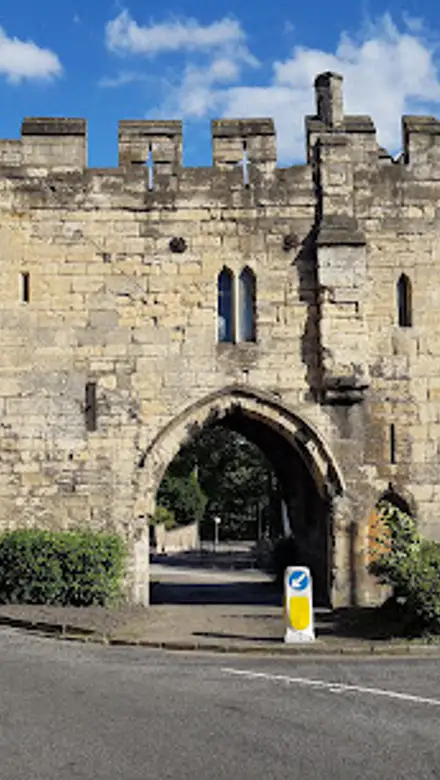
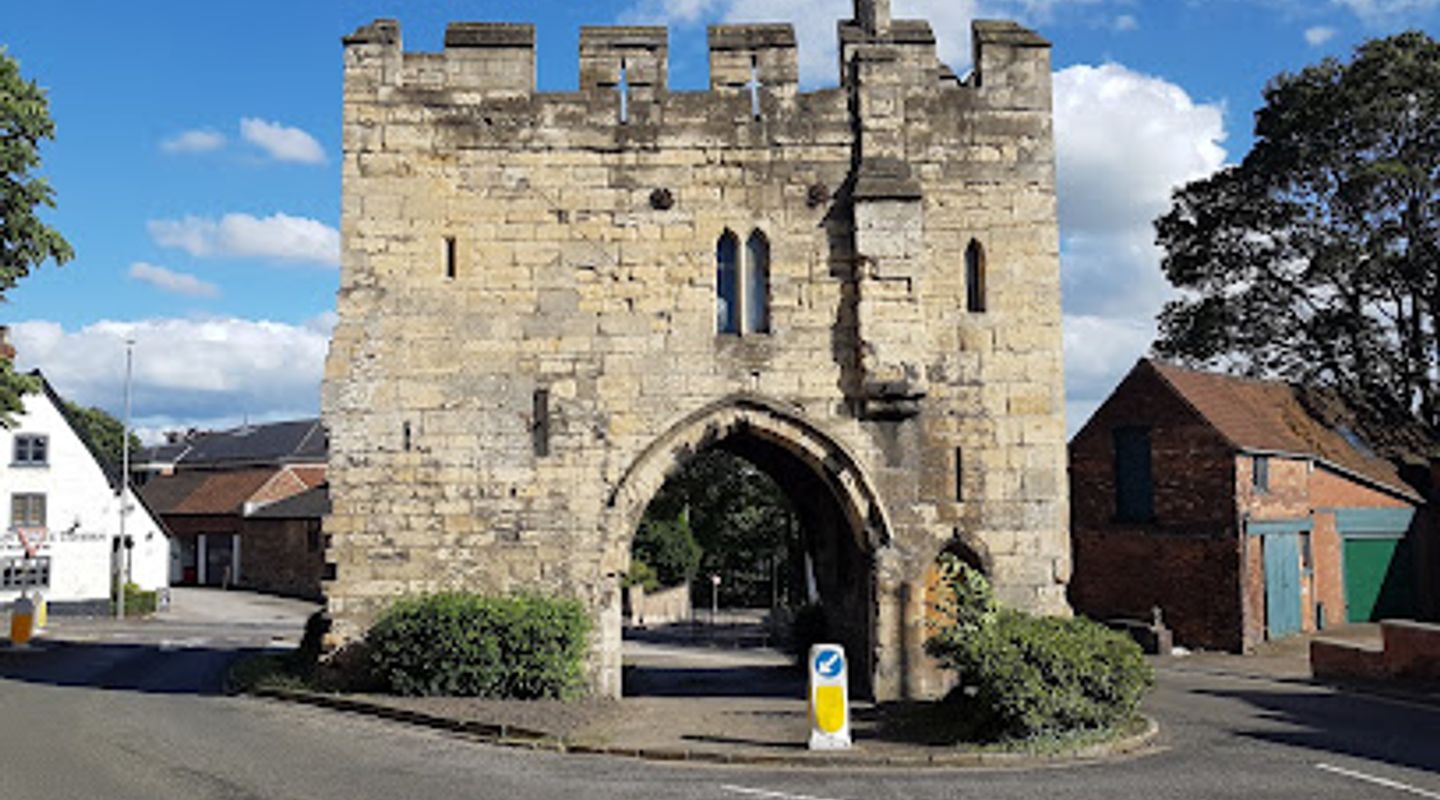
Pottergate Arch is a striking medieval gateway in Lincoln dating back to the 13th and 14th centuries. Originally serving as the south-east entrance to the Cathedral Close, it once controlled access to the sacred precincts surrounding Lincoln Cathedral. Extensively restored in the late 19th century, the arch stands today as a poignant remnant of the city’s medieval walls, offering a glimpse into Lincoln’s rich ecclesiastical and urban history.
On-site amenities
 Information boards
 Seating areas
 Trash bins
Opening hours
- Every dayOpen 24 hours
Opening hours as listed on the venue’s Google Business Profile. Hours can change for services and special events, so check with the venue before you go.
- Address
- 3 Pottergate, Lincoln LN2 1PH
Getting there
Bus
Taxi
Walking
Discover more about Pottergate Arch
Medieval Origins and Defensive Role
Pottergate Arch was constructed in the 13th and 14th centuries as part of the fortified walls enclosing Lincoln Cathedral’s precincts, known as the Cathedral Close. This gateway marked the south-east entrance, controlling access to the sacred grounds and serving a defensive function against intruders. Its strategic position underscored the importance of protecting the cathedral and its associated buildings, which were central to the religious and civic life of medieval Lincoln.
Architectural Features and Restoration
The arch is a fine example of medieval stonework, characterized by its pointed Gothic arch and robust masonry. Over centuries, the structure weathered natural decay and urban development pressures. In 1884, Pottergate Arch underwent extensive restoration to preserve its historical integrity, a process that continued with further conservation efforts in the late 20th century. Today, the arch stands flanked by modern roads but retains its medieval character, with the original gateway now bypassed on either side by contemporary traffic routes.
Historical Context within Lincoln’s Heritage
Pottergate Arch is part of a network of medieval gates and walls that once enclosed the Cathedral Close, including the nearby Priory Gate and Exchequer Gate. Unlike the Exchequer Gate, which many mistakenly believe to be the original cathedral entrance, Pottergate Arch held that role historically. The arch’s presence connects visitors to Lincoln’s layered past, from its medieval ecclesiastical prominence to its evolution through Victorian urban planning.
Visitor Experience and Surroundings
Visitors to Pottergate Arch can appreciate its imposing presence within the cityscape and its proximity to Lincoln Cathedral, one of England’s most iconic Gothic cathedrals. The arch offers a tangible link to the medieval era, inviting reflection on the city’s spiritual and defensive history. Although traffic no longer passes through the arch itself, its location on Pottergate street situates it amid Lincoln’s vibrant historic quarter, with nearby attractions including the Guildhall, Steep Hill, and the High Bridge.
Symbolism and Cultural Significance
Beyond its architectural and historical value, Pottergate Arch symbolizes Lincoln’s medieval identity and the enduring legacy of its religious institutions. As a gateway, it represents both protection and passage—marking transitions between the secular city and the sacred precincts. Its preservation reflects the community’s commitment to maintaining links to its past while accommodating modern urban life.
Modern Conservation and Legacy
The arch’s restoration efforts highlight the importance of heritage conservation in Lincoln. It stands as a protected monument, reminding visitors and residents alike of the city’s medieval roots. Pottergate Arch continues to inspire interest among historians, architects, and tourists, serving as a focal point for understanding Lincoln’s development from a fortified medieval town to a contemporary city with a rich historical tapestry.
Evendo Review Centre
 Google
Guest reviews
Best time to go
Quietest: Jan, Feb & Dec · before 3am
Busy times are Evendo estimates for a typical year, to help you plan. Actual crowds vary with events, school holidays and the weather.
Explore Pottergate Arch on the map
A handpicked selection of must-see spots near Pottergate Arch, mapped for you.
Get your free copy of our complete guide to Pottergate Arch, delivered straight to you.
Everything on this page, from opening hours and how to get there to Eve’s tips and the best time to go, in one PDF you can read offline, print or share.
Already have an account? Sign in
Your Pottergate Arch guide is ready.
We'll send it to · Not you? Sign out

Getting your guide ready…
We are putting together a fresh copy of the Pottergate Arch guide. This can take up to a minute.
This can take a few moments. If your browser asks, choose Allow so the download can start. You'll find the guide in your Downloads folder.
Nothing happened? Download it again
Sorry, the guide is taking longer than usual. Please try again in a minute, or get it by email instead.
Other nearby places you may find interesting
The closest places of the same kind, if this one is not quite what you had in mind.
-
-
-
-
-


Swipe for more places
More to explore near Pottergate Arch

 Best experiences near Pottergate Arch
 Best hotels near Pottergate Arch
 Best landmarks near Pottergate Arch
 Best attractions near Pottergate Arch
 Best shops near Pottergate Arch
 Best restaurants near Pottergate Arch
 Best bars near Pottergate Arch
Do you manage this location?
Take control to get all the benefits, like improved information, better appearance, and stronger visibility across AI-powered discovery.
Explore more
Explore more of Lincolnshire
Discover Lincolnshire: Historic cathedrals, scenic countryside, charming villages, and coastal delights in England's hidden gem.
Explore Lincolnshire
Explore more of United Kingdom
Discover the United Kingdom: A blend of rich history, stunning landscapes, and vibrant cities, offering a unique travel experience for every visitor.
Explore United Kingdom